What to Look for When Buying Hand Tools for Your Home: Essential Tips
When it comes to equipping your home with hand tools, choosing the right ones can save you time, money, and frustration. You want tools that are reliable, easy to use, and built to last.
But with so many options out there, how do you know which hand tools are truly worth your investment? Whether you’re fixing a leaky faucet or assembling furniture, the tools you pick will make a big difference in how smoothly the job goes.
You’ll discover the key features to look for when buying hand tools for your home, so you can build a toolkit that works perfectly for your needs—without overspending or ending up with tools you rarely use. Keep reading to find out how to make smart choices that will turn every home project into a success.
Credit: www.findkitsapcountyhomes.com
Essential Hand Tools
Essential hand tools form the backbone of any home toolkit. They help complete common repairs and projects quickly. Owning the right tools saves time and frustration. Focus on quality and functionality for long-term use.
Start with tools that suit everyday tasks. Choose versatile items that handle multiple jobs. Keep tools organized for easy access and maintenance.
Screwdrivers And Sets
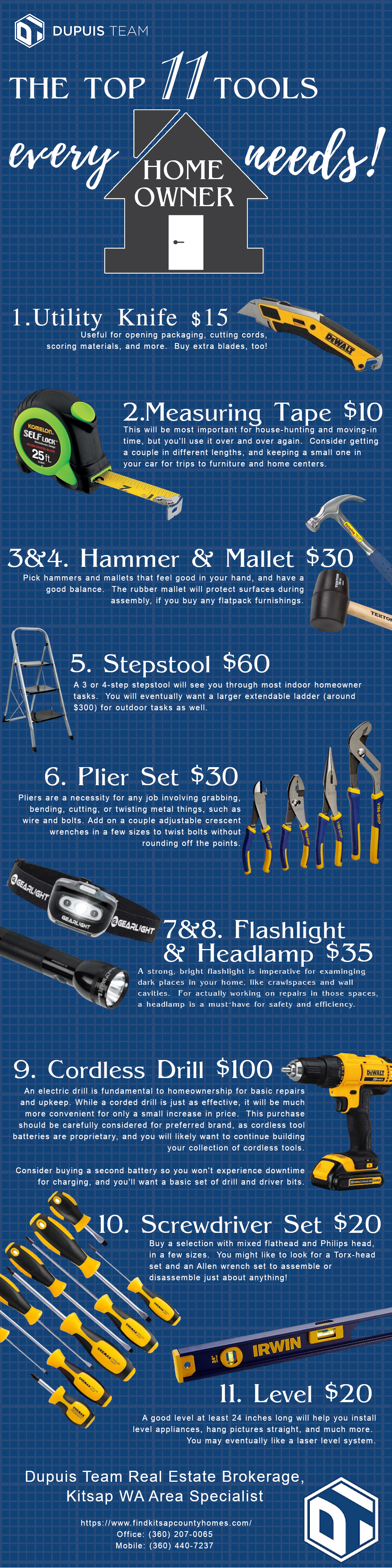
Screwdrivers come in many shapes and sizes. Flathead and Phillips are the most common types. A good set includes various sizes to fit different screws. Look for comfortable handles and strong tips. Magnetic tips help keep screws in place during work.
Hammers And Mallets
Hammers are essential for driving nails and light demolition. A claw hammer is the most popular choice for home use. Mallets provide a softer touch for delicate tasks. Pick a hammer with a balanced weight for better control. Check the handle material for durability and grip.
Pliers And Wrenches
Pliers help grip, twist, and cut wires or small objects. Needle-nose and slip-joint pliers cover many uses. Wrenches tighten and loosen nuts and bolts. Adjustable wrenches are flexible for different sizes. Choose tools with strong jaws and comfortable grips.
Measuring And Cutting Tools
Accurate measurements are crucial for any project. A tape measure is a must-have for quick measurements. Utility knives cut various materials cleanly and safely. Consider a saw for cutting wood or plastic. Look for tools with easy-to-read markings and sharp blades.
Quality And Durability
Choosing hand tools with strong quality and durability ensures they last long. Durable tools handle tough jobs without breaking or wearing out fast. Investing in quality tools saves money and time by avoiding frequent replacements. Pay attention to what materials tools are made from, the brand’s reputation, and the warranty offered.
Material Types
Tools made from high-grade steel resist rust and damage. Chrome-vanadium steel is common for strong, long-lasting hand tools. Look for hardened steel parts, especially for cutting or gripping tools. Handles made from fiberglass or rubber improve grip and reduce fatigue. Avoid tools with plastic parts that feel weak or brittle.
Brand Reputation
Trusted brands usually offer better quality and durability. Brands with good reviews focus on making reliable tools for home use. Check online feedback and ratings to see user experiences. Well-known brands often test their tools for safety and performance. Choosing a reputable brand reduces the risk of buying poor quality tools.
Warranty And Support
A solid warranty shows the brand’s confidence in their tools. Look for warranties that cover defects and wear for at least one year. Some brands offer lifetime warranties on hand tools. Good customer support helps solve problems quickly. Keep the receipt and register your tools for easier warranty claims.
Ergonomics And Comfort
Choosing hand tools with good ergonomics and comfort is vital for any home project. Tools that fit well reduce hand fatigue and improve control. Comfortable tools help you work longer without pain or blisters. Focus on design elements that support your hands and wrists during use. This section highlights key factors to consider for ergonomic hand tools.
Handle Design
Handles should feel natural in your hand. Look for shapes that match your grip size and style. Soft, non-slip materials like rubber or silicone improve comfort. Contoured handles reduce pressure points and prevent slipping. Avoid hard, smooth handles that cause blisters or discomfort. Proper handle design makes tasks easier and safer.
Weight And Balance
Choose tools with balanced weight distribution. A well-balanced tool feels lighter and reduces strain. Heavy tools cause quicker hand fatigue and less precision. Tools too light may feel flimsy and hard to control. Pick tools that feel stable and steady in your hand. This helps maintain accuracy and reduces injury risk.
Safety Features
Safety features enhance comfort by preventing accidents. Look for handles with guards or finger stops to protect your hand. Tools with cushioned grips absorb shock and reduce vibration. Bright colors or reflective parts improve visibility in low light. These features make your tools safer and more enjoyable to use.

Credit: mortgagesolutions.net
Tool Selection Tips
Selecting the right hand tools for your home can feel overwhelming. Focus on choosing tools that serve your specific needs. Smart selection helps you save money and space. Quality over quantity matters most. Below are some tips to help you pick wisely.
Matching Tools To Tasks
Each tool fits certain jobs. Identify common tasks around your home first. For example, a hammer works well for hanging pictures. Pliers help with gripping and bending. Choose tools designed for your usual repairs and projects. This approach prevents clutter and ensures you have what you need.
Avoiding Unnecessary Tools
Don’t buy tools just because they look useful. Some tools are rarely needed in a typical home. Avoid gadgets that duplicate functions or are too specialized. Focus on versatile tools that cover many tasks. This keeps your tool collection simple and budget-friendly.
Starter Kits Vs Individual Tools
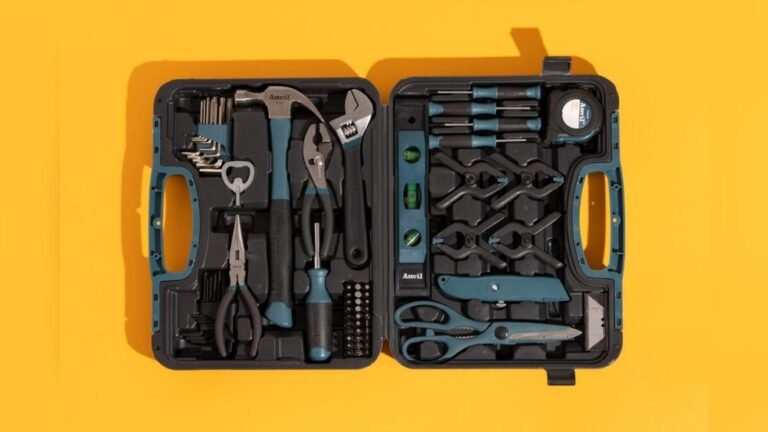
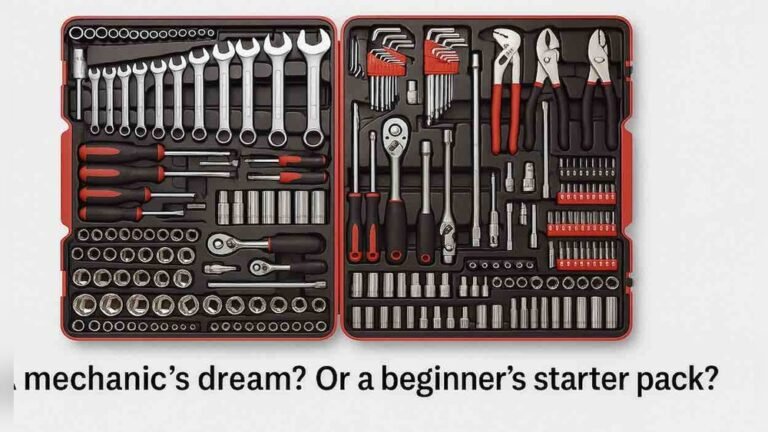
Starter kits offer a convenient way to begin. They include common tools in one set. Kits save time and often cost less than buying separately. Choose kits with quality brands and essential tools. Individual tools allow more customization. Add specific items as your skills grow. Both options have benefits depending on your needs.
Budget Considerations
Setting a budget is a crucial step before buying hand tools for your home. It helps you avoid overspending and ensures you get tools that last. Knowing how much to spend keeps your shopping focused and smart. Balancing cost with quality ensures your tools work well without breaking the bank.
Balancing Cost And Quality
Cheap tools may save money at first but often wear out quickly. Quality tools cost more but offer durability and comfort. Choose tools that feel solid and have good reviews. Avoid very low-priced items that break easily. Spending a bit more can save money on replacements later.
Investing In Versatile Tools
Pick tools that can do many jobs. A good wrench or screwdriver set covers most tasks. Versatile tools reduce the need to buy many single-use items. This approach fits well with a modest budget and saves space. Focus on tools you use often and can rely on.
When To Choose Premium Brands
Premium brands offer better materials and warranties. Choose these for tools used frequently or under heavy stress. Brands with good reputations provide peace of mind and longer life. Avoid premium tools for occasional, light use to save money. Balance your needs with your budget carefully.
Maintenance And Storage
Proper maintenance and smart storage keep hand tools ready and safe. Tools last longer when cared for correctly. Avoid damage and costly replacements by following simple steps. Clean tools after use, protect them from rust, and store them neatly. These habits save time and money in home projects.
Proper Cleaning Techniques
Clean tools after every use to remove dirt and debris. Use a dry cloth to wipe surfaces. For tough grime, use mild soap and water. Dry tools thoroughly to stop moisture buildup. Avoid soaking tools, which can cause damage. Keep moving parts clean and lubricated for smooth use.
Rust Prevention
Rust weakens metal tools and affects performance. Store tools in a dry place to limit moisture exposure. Use rust inhibitors like oil or silicone spray on metal parts. Check tools regularly for early rust signs and clean immediately. Rust-proof storage solutions extend tool life and keep them reliable.
Organizing Your Toolbox
Organize tools by type and size for easy access. Use dividers or trays inside the toolbox to separate tools. Label compartments to find items quickly. Keep frequently used tools at the top or front. A tidy toolbox reduces time spent searching and prevents tool damage. Proper storage also protects sharp edges and delicate parts.
Popular Tool Brands
Choosing the right hand tools for your home is easier with trusted brands. Popular tool brands offer reliability and quality for various needs. These brands provide tools suitable for different skill levels and tasks. Knowing the best brands helps you get the right tools that last long and work well.
Top Brands For Durability
Brands like DeWalt, Milwaukee, and Craftsman are known for strong, durable tools. These tools withstand tough jobs and heavy use. They use high-quality materials and solid construction. Professionals and serious DIYers often choose these brands. Durability means fewer replacements and better value over time.
Best Brands For Beginners
Stanley and Husky offer easy-to-use and affordable tools. These brands provide simple designs perfect for new users. Their tools cover basic needs like screwdrivers, hammers, and pliers. Beginner-friendly tools help build confidence during home projects. Good brands for beginners balance price and quality well.
Specialized Tool Brands
Klein Tools and Snap-On focus on specialized tools for electricians and mechanics. These brands deliver precise and reliable hand tools for specific jobs. Their products often have unique features for safety and efficiency. Specialized brands help professionals get the right tools for detailed work. Choosing the right specialized brand improves project results.

Credit: www.amazon.ae
Frequently Asked Questions
What Tool Kit Should Every Homeowner Have?
Every homeowner should have a hammer, screwdriver set, pliers, adjustable wrench, tape measure, utility knife, and a level. These tools cover basic repairs and maintenance.
How Do You Choose The Right Hand Tool?
Choose the right hand tool by considering its purpose, durability, comfort, and quality. Prioritize ergonomic design and trusted brands.
What Is The Highest Quality Hand Tool Brand?
Milwaukee, DeWalt, Klein Tools, and Stanley rank among the highest quality hand tool brands. They offer durability, precision, and ergonomic designs. Choose brands known for reliability and strong warranties to ensure long-lasting performance and value.
What To Look For When Buying Tools?
Check tool durability, quality, ergonomic design, brand reputation, and warranty. Ensure tools suit your specific tasks and budget.
Conclusion
Choosing the right hand tools makes home projects easier and safer. Focus on quality, comfort, and the tool’s purpose. A good set saves time and frustration. Always pick tools that feel right in your hand. Think about the tasks you will do most often.
Durable tools last longer and give better results. Taking time to choose wisely helps you work with confidence. Your toolbox should grow with your skills and needs. Keep tools organized and cared for to extend their life. Start with basics, then add specialty tools as needed.