Tools Needed for Fixing Wall Cracks Or Drywall: Essential DIY Kit
Fixing cracks in walls or drywall is a useful skill. You can save money and keep your home nice. But, to do it well, you need the right tools. This guide will help you know what tools to use. It is easy to understand and follow.
Why Fix Wall Cracks or Drywall?
Cracks and holes in walls look bad. They can let air and moisture in. This can cause more damage. Fixing them keeps your walls strong and clean. It also helps your home look good.
:max_bytes(150000):strip_icc()/how-to-fix-a-crack-in-the-ceiling-5219716-hero-fa234b875d804647b5c791b93d0cb04a.jpg)
Credit: www.thespruce.com
Basic Tools for Wall Crack and Drywall Repair
Here is a list of the main tools you will need. These tools help you fix small and medium cracks or holes in drywall or plaster walls.
| Tool | Use |
|---|---|
| Putty Knife | To apply and smooth spackle or joint compound. |
| Utility Knife | To open cracks wider and clean edges of damaged drywall. |
| Sandpaper or Sanding Block | To smooth the patched area after drying. |
| Spackle or Joint Compound | To fill cracks and holes. |
| Drywall Patch or Mesh Tape | For larger holes and cracks to hold the compound. |
| Primer and Paint | To finish and match the wall color. |
| Paintbrush or Roller | For applying primer and paint. |
| Dust Brush or Cloth | To clean dust before applying patch materials. |
Putty Knife
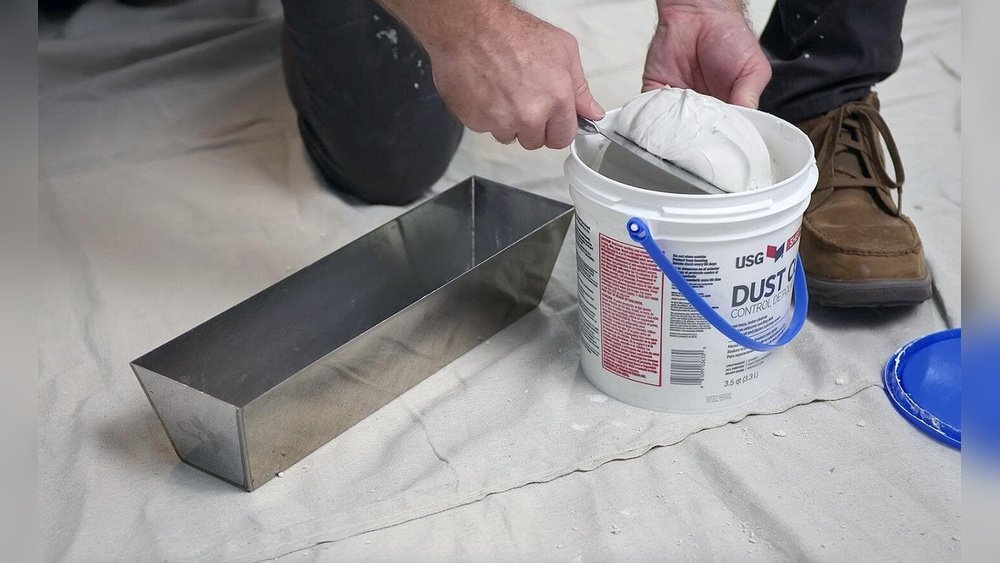
The putty knife is very important. It spreads the spackle smoothly on cracks. You can find it in different sizes. A 4-inch putty knife is good for small cracks. Bigger knives work for larger holes.
Use the knife carefully. Press lightly and spread the spackle thinly. Multiple thin layers work better than one thick layer.
Utility Knife
A utility knife helps you prepare the crack. Sometimes cracks have loose pieces. Cut them away with the knife. Also, widen the crack a little. This gives space for the spackle to stick well.
Always be careful when using the knife. Cut away from your body.
Sandpaper or Sanding Block
After the spackle dries, the surface may be rough. Sandpaper or a sanding block smooths it. Use fine-grit sandpaper, about 120 to 220 grit. Sand lightly to avoid damage.
Sanding helps the patch blend with the wall. It makes painting easier and better.
Spackle or Joint Compound
Spackle is a paste used to fill cracks and holes. Joint compound is similar but used for bigger repairs. You can buy them in small tubs or tubes.
Choose lightweight spackle for small cracks. It dries fast and sands well. For bigger holes, joint compound is better. It is stronger and lasts longer.
Drywall Patch or Mesh Tape
Small cracks need only spackle. But bigger holes need a patch. You can use a drywall patch or mesh tape. Mesh tape is sticky and easy to use. Place it over the hole before applying spackle.
Drywall patches are thin metal or paper sheets. They cover the hole well. Both options stop the crack from coming back.
Primer and Paint
After fixing the crack, the wall looks different. Primer helps paint stick better. It also hides the patch. Use a primer made for drywall or plaster.
Once the primer dries, paint the wall. Choose paint that matches your wall color. Use a brush or roller for even coverage.
Paintbrush or Roller
Use a paintbrush for small patches or edges. A roller works well on big walls. Both tools help you apply paint smoothly.
Clean your tools after use to keep them good for next time.
Dust Brush or Cloth
Dust can stop the spackle from sticking. Use a soft brush or cloth to clean the crack. Do this before applying spackle. It helps your repair last longer.
Extra Tools That Help
Sometimes, extra tools make work easier. Here are a few you might want:
- Measuring Tape: To check hole size or wall area.
- Level: To keep patch even and straight.
- Drop Cloth: To protect the floor and furniture.
- Painter’s Tape: To protect edges when painting.
- Bucket and Sponge: To clean the wall surface.
Step-by-Step Tool Use Summary
Here is a simple order to use the tools:
- Use utility knife to open and clean the crack.
- Brush away dust with dust brush or cloth.
- Place mesh tape or patch if needed.
- Apply spackle or joint compound with putty knife.
- Let it dry fully (usually 24 hours).
- Sand the patch smooth.
- Apply primer to patched area.
- Paint the wall to match.
Buying Tips for Tools
Buy tools at hardware or home stores. You can find them online too. Look for quality tools that feel comfortable in your hand. A good putty knife or utility knife lasts a long time.
Spackle and joint compound come in many brands. Choose lightweight spackle for small fixes. For big holes, get ready-mixed joint compound.
Sandpaper comes in sheets or blocks. Blocks are easier to hold. Buy fine grit for smoothing.
Safety Tips
Fixing walls is safe if you follow simple rules:
- Wear gloves if you have sensitive skin.
- Use a mask when sanding to avoid dust.
- Be careful with sharp tools like utility knives.
- Work in a well-lit area.

Credit: www.amazon.com
Frequently Asked Questions
What Do I Need To Fix Cracks In Drywall?
To fix drywall cracks, you need a utility knife, putty knife, drywall compound or spackle, sandpaper, and a patch if large. Clean the crack, apply compound, smooth it out, let dry, then sand for a seamless finish.
What Tools Do I Need To Patch Drywall?
To patch drywall, you need a utility knife, putty knife, drywall patch, sandpaper, and lightweight spackle. Sand and prime after.
What Is The Best Way To Fix Cracks In Walls?
The best way to fix cracks in walls is to widen the crack, clean debris, apply spackle with a putty knife, sand smooth, and repaint. Use a drywall repair kit for larger cracks. This method ensures a durable, seamless repair that blends with the wall surface.
What Tools Do I Need For Drywall Work?
You need a utility knife, putty knife, drywall patch, sandpaper, and joint compound for drywall work. A sanding block and primer help finish repairs smoothly. Measuring tape and a level ensure accurate cuts and alignment. These essential tools guarantee professional drywall repair results.
Conclusion
Fixing wall cracks or drywall is simple with the right tools. Putty knife, utility knife, sandpaper, and spackle are must-haves. Add mesh tape or patches for bigger holes. Don’t forget primer and paint to finish the job.
Take your time. Work step by step. Your walls will look smooth and new again. And you will feel proud of your work.
Now you know the tools you need. Ready to fix your walls?