Smart Plug Vs Smart Switch: Ultimate Guide to Smart Home Control
Smart homes are becoming popular in many places. People want to control their lights and devices easily. Two common tools to do this are smart plugs and smart switches. But what is the difference? Which one should you choose? This article will help you understand both.
What is a Smart Plug?
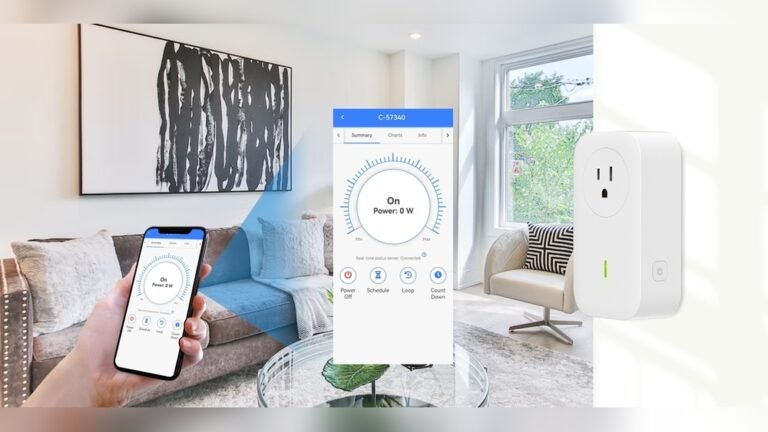
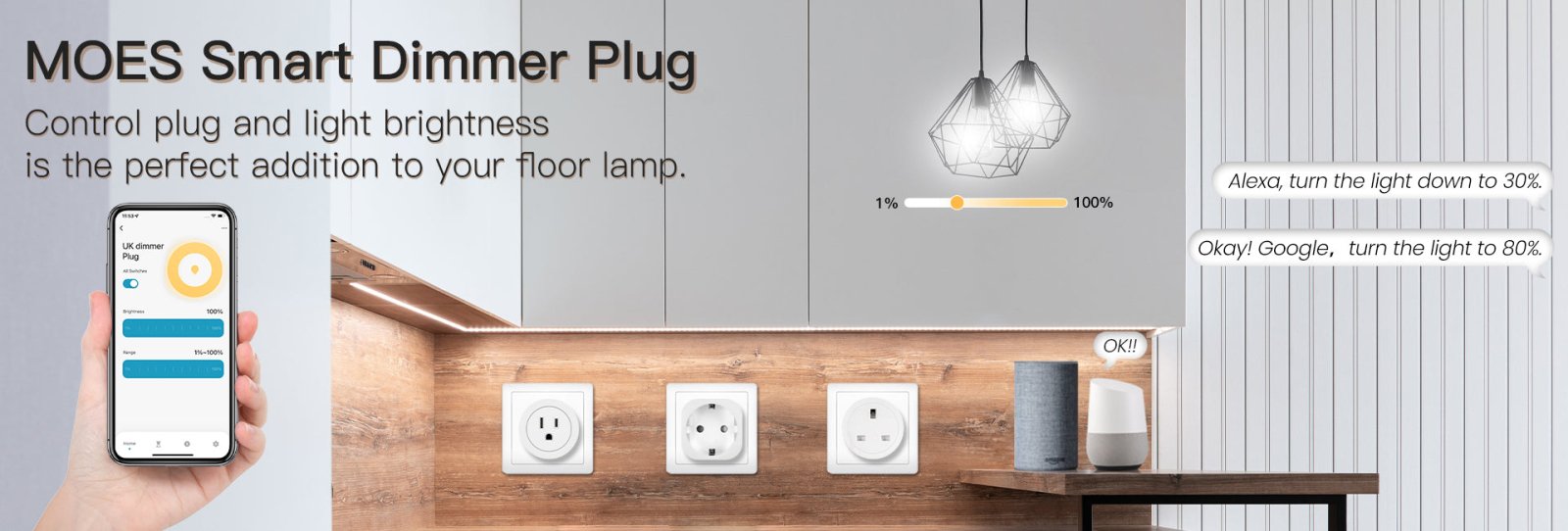
A smart plug is a small device. You plug it into a normal power outlet. Then, you plug your lamp or device into the smart plug. This lets you control the device with your phone or voice assistant.
Key features of smart plugs:
- Easy to use and install.
- Works with many devices like lamps, fans, or coffee makers.
- Can be moved from one outlet to another.
- Usually has energy monitoring features.
How Does A Smart Plug Work?
Once you plug it in, you connect it to Wi-Fi. Then, you use an app on your phone. You can turn the device on or off. Some plugs work with voice assistants like Alexa or Google Assistant. This means you can say “Turn on the lamp” and it will work.
Advantages Of Smart Plugs
- No need to change your home wiring.
- Works with many devices, not just lights.
- Good for renters or people who move often.
- Can show how much energy a device uses.
Disadvantages Of Smart Plugs
- Bulky size may block other outlets.
- Not good for high-power devices like heaters.
- Some plugs don’t work with every smart system.
- Security risks if not set up properly.
What is a Smart Switch?
A smart switch replaces your regular wall switch. It connects directly to your home’s wiring. This switch controls the power to your lights or ceiling fans.
Key features of smart switches:
- Replaces old light switches.
- Works with hardwired fixtures like ceiling lights.
- Can be controlled by phone or voice.
- Usually needs a neutral wire for installation.
How Does A Smart Switch Work?
The smart switch is installed inside your wall. It connects to your home’s electrical system. After setup, you can control the lights remotely. You can also schedule when lights turn on or off. Some switches support dimming the lights too.
Advantages Of Smart Switches
- Controls built-in lights directly.
- Works without needing a smart bulb.
- Looks neat on the wall.
- Can be used by everyone in the home.
Disadvantages Of Smart Switches
- Needs electrical wiring knowledge for install.
- Usually requires a neutral wire in the wall.
- Not portable like smart plugs.
- May be more expensive than smart plugs.

Credit: www.youtube.com
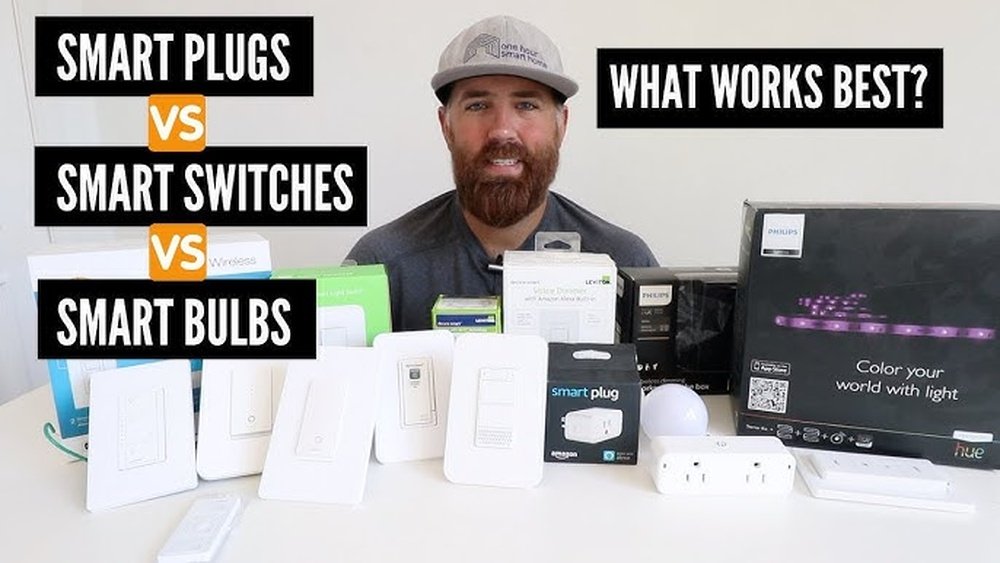
Smart Plug Vs Smart Switch: Side-by-Side Comparison
| Feature | Smart Plug | Smart Switch |
|---|---|---|
| Installation | Plug into existing outlet, no wiring needed | Replace wall switch, wiring required |
| Portability | Can move from room to room | Fixed in one place |
| Devices Controlled | Any device with a plug (lamp, fan, etc.) | Hardwired lights and fixtures |
| Compatibility | Works with many smart home systems | Usually works with smart assistants, but check wiring |
| Energy Monitoring | Often included | Depends on model |
| Cost | Generally lower | Usually higher |
| Safety | Not for heavy power devices | Can handle hardwired lights safely |
| Appearance | Bulky on outlet | Neat on wall |
Credit: moeshouse.com
Which One Should You Choose?
Choosing depends on your needs. Think about what you want to control.
Choose A Smart Plug If:
- You want to control lamps or small devices.
- You rent your home and can’t change wiring.
- You want a quick, easy setup.
- You want to move the smart device to different places.
Choose A Smart Switch If:
- You want to control ceiling lights or built-in fixtures.
- You want a clean look on your wall.
- You don’t mind installing or hiring an electrician.
- You want to control lights without smart bulbs.
Important Safety Tips
Both smart plugs and switches need to be used safely. Here are some tips:
- Do not plug high-power appliances into smart plugs.
- Check if your home wiring supports smart switches.
- Keep your smart devices updated for security.
- Use strong passwords for your smart apps.
- Hire a professional for switch installation if unsure.
Final Thoughts
Smart plugs and smart switches both make homes smarter. They let you control lights and devices easily. Smart plugs are simple and flexible. Smart switches offer a clean look and control hardwired lights.
Your choice depends on your home, devices, and skills. Both can save energy and add comfort. Think carefully and pick the one that fits you best.
Frequently Asked Questions
What Is The Difference Between A Smart Plug And A Smart Switch?
A smart plug connects to outlets, controlling plugged devices remotely. A smart switch replaces wall switches, controlling wired lights directly. Smart switches require installation, while smart plugs offer easy setup and portability.
What Are The Disadvantages Of Smart Plugs?
Smart plugs may face compatibility issues with some devices and ecosystems. They can pose security risks if unsecured. High-power appliances may overload them. Some models cause connectivity or fire hazards. Limited control options and reliance on Wi-Fi can reduce reliability in smart homes.
Why Did Amazon Stop Making Smart Plugs?
Amazon stopped making certain smart plugs due to safety concerns. A design flaw risked electrical discharge and fire hazards. They paused sales to investigate and ensure product safety, especially in homes with older wiring. This decision prioritizes user safety and compliance with electrical standards.
What Should You Not Plug Into A Smart Plug?
Do not plug high-powered appliances, heating devices, outdoor equipment, or smart devices with manual settings into a smart plug. Avoid items that exceed the plug’s power rating to prevent fire hazards and damage.