Essential Tools Every Diy Beginner Needs at Home: Must-Have Kit
You want to fix things around your home without waiting for a professional. But where do you start?
Having the right tools can make all the difference. Imagine the confidence you’ll feel knowing you have everything you need to handle simple repairs, hang shelves, or build small projects. In this guide, you’ll discover the essential tools every DIY beginner needs at home.
These are the must-haves that will save you time, money, and frustration. Ready to take control of your home projects? Let’s dive in and equip you for success.
Credit: www.mycreativedays.com
Basic Hand Tools
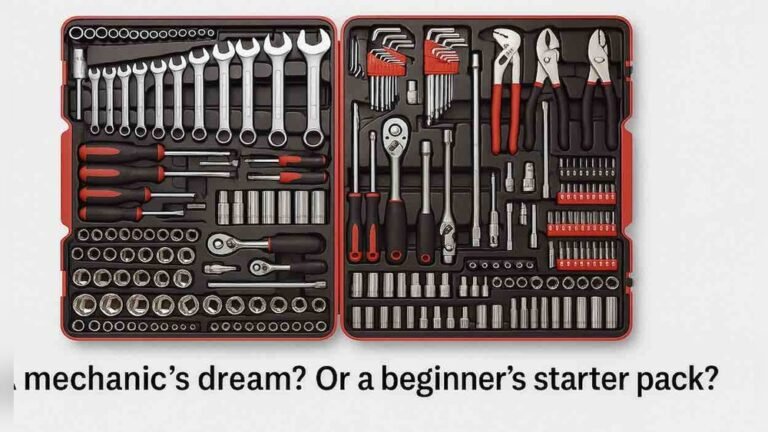
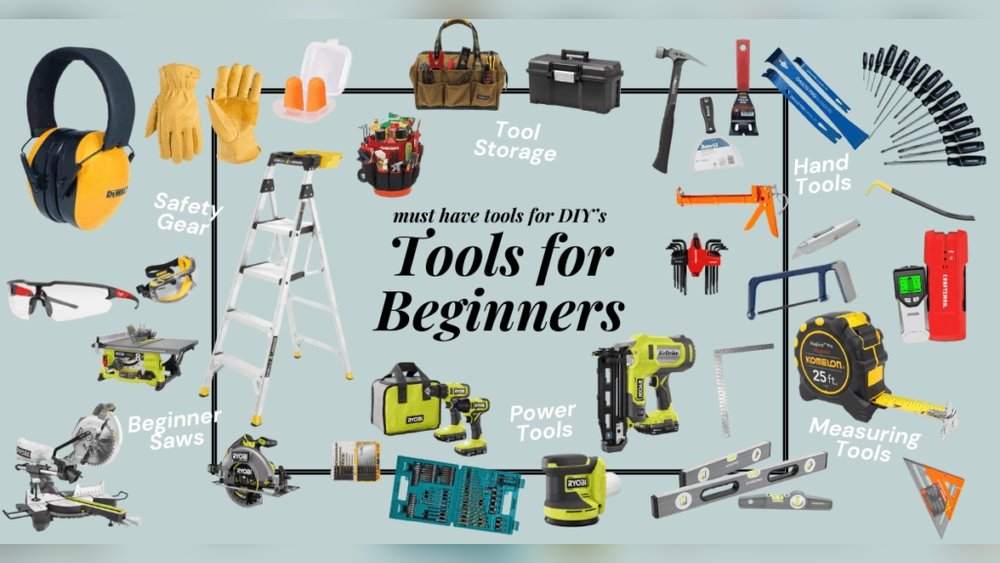
Basic hand tools form the foundation for any DIY project at home. These tools are simple, yet essential for tasks like assembling furniture, fixing leaks, or hanging pictures. Having the right hand tools makes repairs easier and saves money on professional help. Every beginner should keep a small set handy for quick fixes and small projects.
Hammer And Screwdrivers
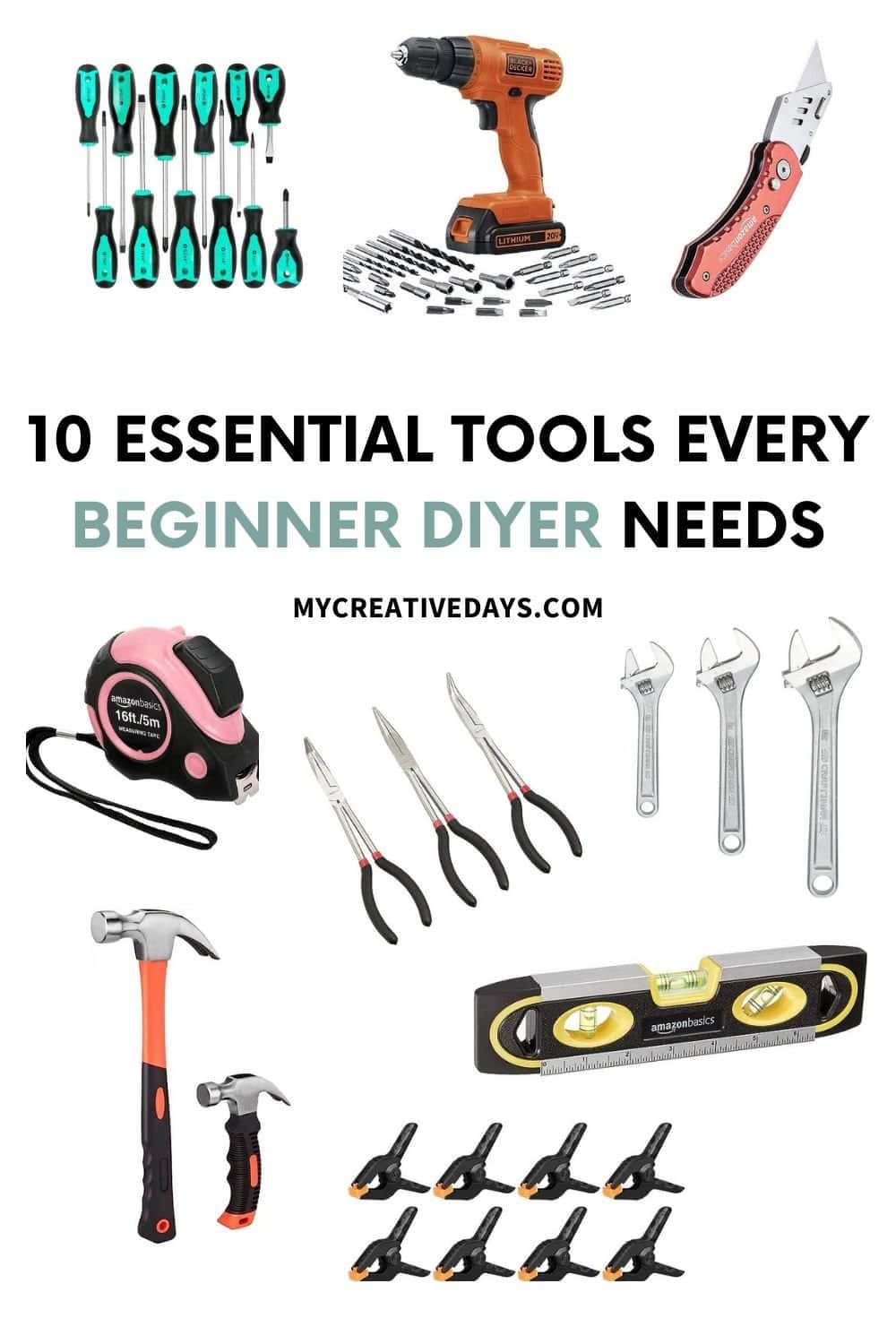
A hammer is a must-have for driving nails and small demolition jobs. It works well for hanging frames or assembling wooden furniture. Screwdrivers come in various types, mainly flathead and Phillips. They tighten or loosen screws in cabinets, appliances, and electronics. A basic set with different sizes covers most needs.
Pliers And Wrenches
Pliers help grip, twist, or cut wires and other small objects. Needle-nose pliers reach tight spaces, while slip-joint pliers adjust to different sizes. Wrenches tighten or loosen nuts and bolts. An adjustable wrench fits many sizes, reducing the need for multiple tools. These tools help with plumbing, assembling furniture, and general repairs.
Utility Knife And Tape Measure
A utility knife cuts materials like cardboard, drywall, or plastic cleanly. It is handy for crafting, opening packages, or trimming materials. A tape measure is vital for accurate measurements. It ensures furniture fits, walls are level, and projects are precise. Both tools increase safety and improve results in home DIY work.
Measuring And Leveling Tools
Measuring and leveling tools are crucial for any DIY project. They ensure accuracy and help you achieve professional results. Precise measurements prevent mistakes and save time. Proper leveling keeps your work straight and balanced. Every beginner should own a few key tools in this category.
Spirit Level
A spirit level helps check if surfaces are horizontal or vertical. It contains a liquid-filled vial with an air bubble inside. When the bubble centers between lines, the surface is level. This tool is simple but very reliable. It is essential for hanging shelves, pictures, or installing cabinets.
Carpenter’s Square
The carpenter’s square is an L-shaped tool used to mark right angles. It ensures corners are perfectly square. This tool is helpful in woodworking and framing projects. It also helps measure and draw straight lines quickly. Beginners find it easy to use and very handy for many tasks.
Laser Measure
A laser measure offers fast and accurate distance readings. It uses a laser beam to calculate length between two points. This tool is great for large spaces or hard-to-reach areas. It often shows measurements digitally, reducing errors. Laser measures save time and improve precision in many projects.
Power Tools For Beginners
Power tools make DIY projects easier and faster. Beginners often find these tools helpful for many home tasks. Choosing the right power tools can boost your confidence and improve results. Start with simple, versatile tools that fit most jobs around the house.
Cordless Drill And Drill Bits
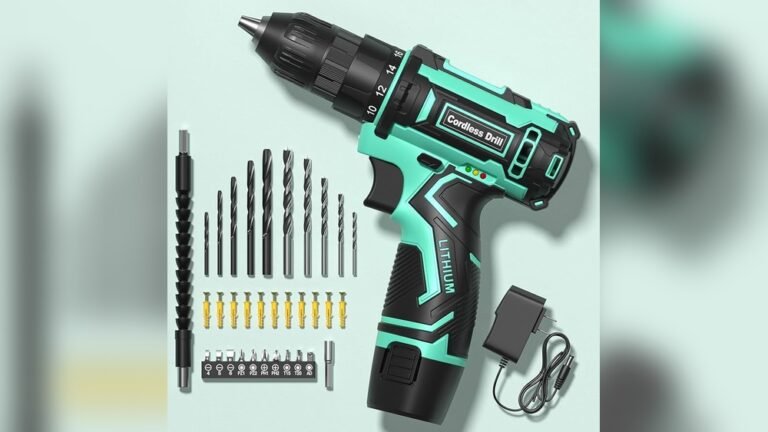
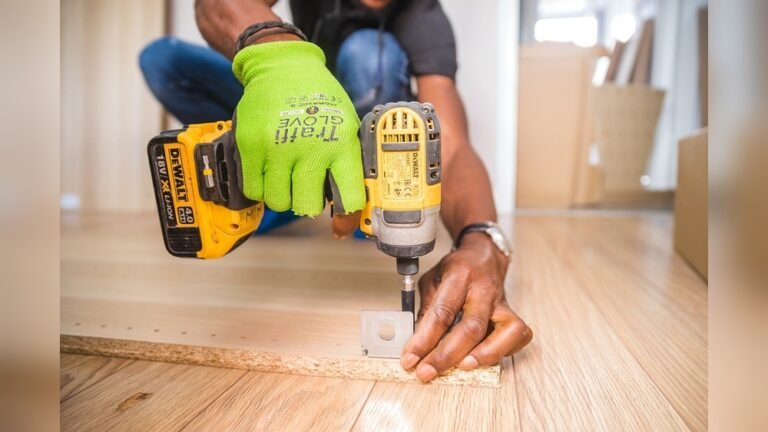
A cordless drill is a must-have for beginners. It allows you to drill holes and drive screws quickly. Without a cord, you can work anywhere in your home. Pair the drill with a set of drill bits for different materials. Wood, metal, and masonry bits cover most projects. Look for a drill with adjustable speed and torque settings. This feature helps control power and prevents damage to materials.
Brad Nailer
A brad nailer helps attach trim, molding, and small wood pieces. It shoots thin nails called brads that leave tiny holes. These holes are easy to fill and hide. This tool saves time compared to hammering nails by hand. It also reduces the risk of splitting wood. A brad nailer is lightweight and easy to use for beginners. It works well for home decor and light carpentry jobs.
Multi-tool
A multi-tool combines several functions in one device. It can sand, cut, scrape, and grind with different attachments. This tool is handy for detailed work and small repairs. Beginners like it for its versatility and ease of use. It fits into tight spaces where other tools cannot reach. A multi-tool makes many tasks simpler, from removing old paint to cutting drywall.
Fastening And Fixing Tools
Fastening and fixing tools form the backbone of any DIY toolkit. They help join parts, tighten connections, and secure materials quickly and firmly. These tools are essential for small repairs, furniture assembly, and home improvement projects. Having the right fastening and fixing tools makes work easier and results more durable.
Caulk Gun
A caulk gun applies sealants smoothly and evenly. It helps fill gaps around windows, doors, and sinks. Using a caulk gun prevents leaks and drafts in your home. It also improves the finish of your repairs by creating clean lines. This tool is simple to use and very handy for beginners.
Adjustable Wrench
An adjustable wrench fits many bolt sizes with one tool. It tightens or loosens nuts and bolts quickly. This wrench is useful for plumbing, furniture, and bike repairs. Its adjustable jaws reduce the need for multiple wrenches. Lightweight and easy to handle, it suits all DIYers.
Allen Wrenches
Allen wrenches, or hex keys, turn hexagonal screws and bolts. They come in small sets with different sizes. These wrenches are vital for assembling furniture and fixing electronics. Their compact size makes them easy to store and carry. Using Allen wrenches ensures screws stay tight and secure.
Safety And Lighting
Safety and proper lighting are key for any DIY project at home. Protecting your body and having clear visibility help prevent accidents and mistakes. Even small tasks require the right safety gear and good light to work well and stay safe.
Protective Gear
Basic protective gear shields your body from injuries. Safety glasses protect your eyes from dust and flying debris. A dust mask keeps harmful particles out of your lungs. Ear protection reduces noise from loud tools. Always wear the right gear for each job.
Work Gloves
Work gloves protect your hands from cuts and splinters. They also improve grip on tools and materials. Choose gloves that fit well and suit your task. Durable gloves make handling rough or sharp objects safer. Never skip gloves when working with tools or wood.
Flashlight And Headlamp
Good lighting helps you see details clearly. A handheld flashlight is handy for dark corners or tight spaces. A headlamp frees your hands while giving steady light. Both tools are essential for working in low light or during power outages. Bright, focused light prevents mistakes and accidents.
Credit: www.mycreativedays.com
Organizing Your Tool Kit
Keeping your tool kit organized makes every DIY task easier. A well-arranged set saves time and reduces frustration. It helps you find the right tool quickly and keeps your workspace neat. This section guides you through organizing tools effectively, perfect for beginners who want to build good habits early.
Toolbox Essentials
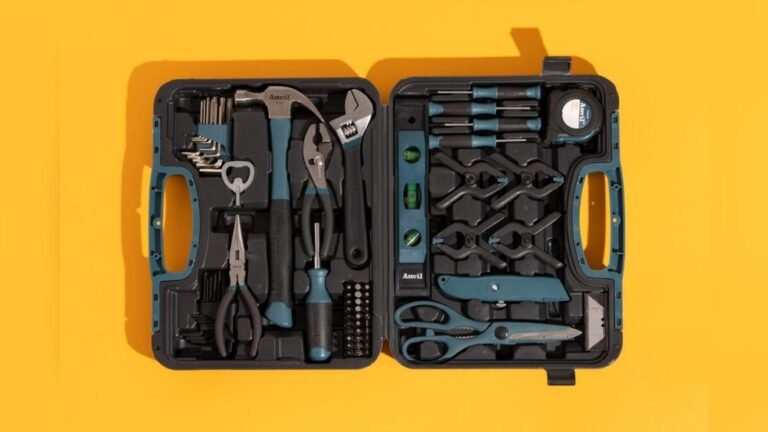
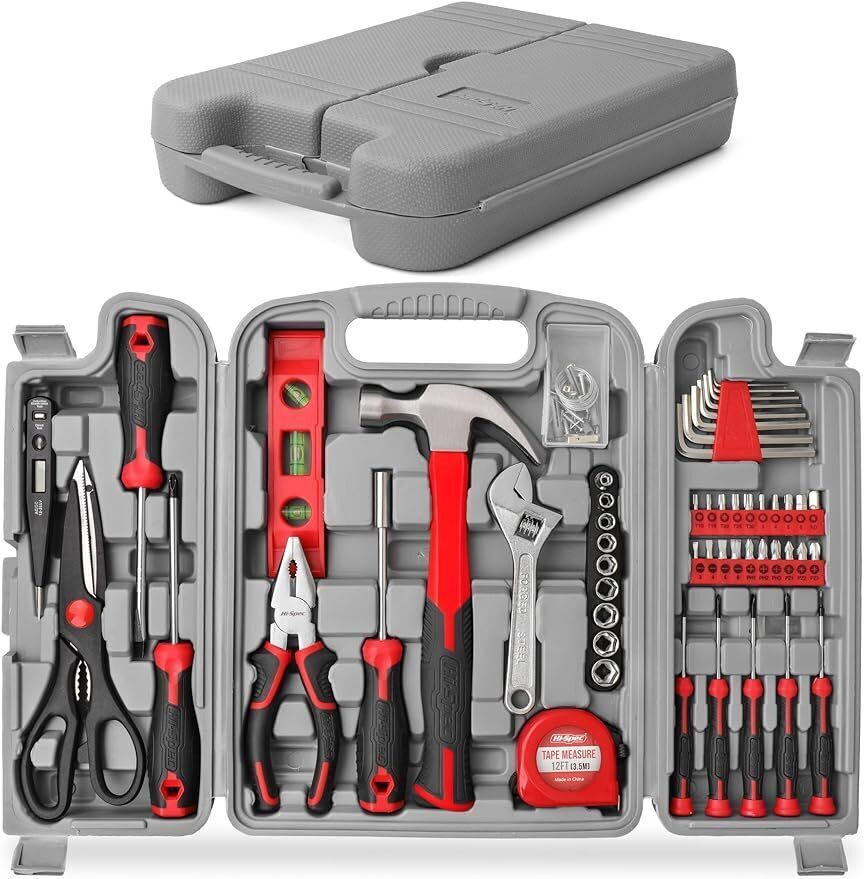
Start with a sturdy toolbox that fits your space. Choose one with compartments for small parts like nails and screws. Include basic hand tools: hammer, screwdrivers, pliers, tape measure, and a level. Keep your most-used items on top or in easy-to-reach spots. Label compartments for quick identification and better order.
Storage Solutions
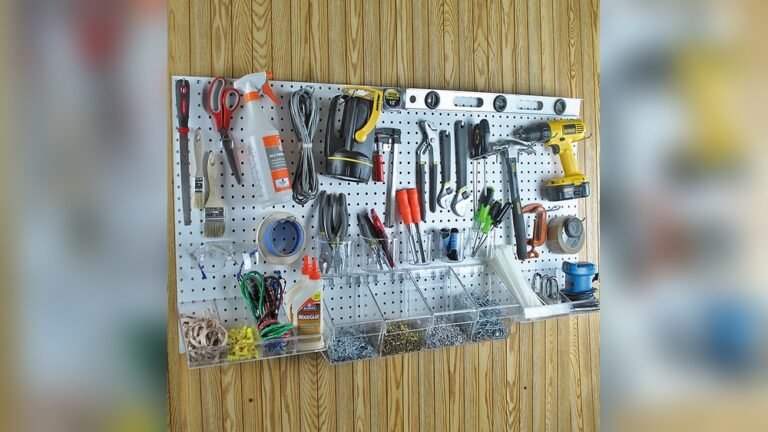
Wall-mounted pegboards save floor space and keep tools visible. Use hooks and holders for hammers, wrenches, and drills. Clear plastic bins store small items like screws and wall anchors. Stackable drawers help separate tools by type or project. Store power tools in separate containers to avoid damage and clutter.
Maintenance Tips
Clean tools after each use to prevent rust and wear. Dry them completely before storing to avoid moisture damage. Sharpen blades and screwdrivers regularly for better performance. Oil moving parts to keep tools working smoothly. Check tool conditions often and replace broken or worn-out items promptly.
Selecting Quality Tools
Selecting quality tools is the first step in building a reliable DIY toolkit. Good tools make projects easier and safer. Poor tools can break or cause injury. Focus on tools that last and work well for many tasks. Choose tools that feel comfortable in your hands. Quality tools save time and reduce frustration.
Material And Build
Strong materials mean durable tools. Look for steel or alloy metals for hand tools. Handles should be sturdy and non-slip. Plastic parts should feel tough, not cheap. Tools with solid build stand up to heavy use. Avoid tools that bend or break easily. Good craftsmanship shows in smooth joints and solid connections.
Brand Recommendations
Trusted brands offer reliable quality and support. Brands like Stanley, DeWalt, and Bosch have good reputations. They often provide warranties and replacement parts. New brands might save money but risk poor performance. Research reviews before buying. A well-known brand often means safer and longer-lasting tools.
Budget Considerations
Set a realistic budget before shopping. Quality tools cost more but last longer. Avoid the cheapest options as they may fail quickly. Start with essential tools and add more later. Balance price and quality to get the best value. Investing in good tools reduces future replacement costs.
Credit: www.ebay.com
Frequently Asked Questions
What Tools Do I Need To Start Diy?
Essential DIY tools include a tape measure, hammer, screwdriver set, pliers, adjustable wrench, utility knife, level, drill, and caulk gun. These basics handle most home projects efficiently.
What Tool Kit Should Every Homeowner Have?
Every homeowner should have a hammer, screwdriver set, tape measure, pliers, adjustable wrench, utility knife, level, drill, and flashlight for basic tasks.
What Tools Do I Need As A New Homeowner?
New homeowners need a tape measure, hammer, screwdriver set, pliers, adjustable wrench, utility knife, level, drill, and flashlight. These tools handle most basic repairs and projects efficiently.
What Tools Are Best For Beginners?
Best beginner tools include a measuring tape, screwdriver set, hammer, cordless drill, level, and utility knife. These basics handle most tasks.
Conclusion
Having the right tools makes DIY projects easier and more fun. Start with basics like a hammer, screwdriver, and measuring tape. These tools help handle most simple tasks around the house. As skills grow, add more tools to your collection.
Keep tools organized and ready to use anytime. Small investments in tools save money on repairs later. Enjoy creating and fixing things by yourself at home. Every beginner can build confidence with the right essentials. Your DIY journey starts with these essential tools.