How to Clean And Store Tools: Ultimate Guide for Lasting Durability
You know how frustrating it is when your tools get rusty, dirty, or just hard to find right when you need them. But what if you could keep your tools clean, sharp, and ready to go every single time?
Learning how to clean and store your tools properly isn’t just about neatness—it saves you money, extends the life of your tools, and makes your projects smoother and faster. In this guide, you’ll discover simple, effective steps to clean grime off your tools, protect them from damage, and organize them in a way that fits your space and your needs.
Keep reading to unlock the secrets that pros use to keep their tools in top shape—and make your next project a breeze.
Cleaning Hand Tools
Hand tools need regular cleaning to keep them working well and lasting longer. Dirt, grease, and rust can damage tools and make them hard to use. Cleaning hand tools is simple and helps maintain their performance. Follow easy steps to remove grime and protect the metal parts. Proper care will save money and time by avoiding early replacements.
Removing Dirt And Grease
Start by wiping the tools with a dry cloth. Remove loose dirt and dust from all surfaces. For greasy spots, use a rag dampened with mild soap and warm water. Rub gently to break down grease. Avoid soaking wooden handles in water to prevent damage. Use a stiff brush to scrub stubborn dirt from metal parts.
Soaking And Scrubbing Techniques
For very dirty tools, soak the metal parts in warm, soapy water. Let them sit for 10 to 15 minutes. This softens dried mud and grime. After soaking, scrub the tools with a wire brush or old toothbrush. Focus on joints and crevices where dirt hides. Rinse tools under clean water to wash away loosened dirt.
Drying And Wiping Methods
Dry tools immediately after washing to stop rust. Use a clean towel to wipe off water. Air drying in a warm, dry place is also good. Avoid leaving tools outside or in damp areas. Check wooden handles and metal parts for moisture. If needed, wipe again to ensure complete dryness.
Lubrication For Protection
Apply a light coat of oil to metal surfaces to prevent rust. Use machine oil or a special tool lubricant. Rub oil into hinges and moving parts to keep them smooth. Avoid excess oil; a thin layer is enough. Wipe off any extra oil with a cloth. This step keeps tools ready for use and extends their life.

Credit: www.flowwall.com
Cleaning Power Tools
Cleaning power tools is essential to keep them working well and extend their life. Dirt, dust, and grime can build up quickly, causing damage. Regular cleaning helps tools perform at their best. Follow these simple steps for safe and effective cleaning.
Unplugging And Safety Steps
Always unplug power tools before cleaning. This prevents accidental starts. Wear safety gloves and glasses to protect yourself. Work in a well-ventilated area. Keep the tools away from water to avoid electrical hazards.
Removing Dust And Debris
Use a soft brush or compressed air to remove dust. Clean all surfaces, including handles and switches. Avoid using water on electrical parts. Wipe with a dry cloth to pick up loose debris. Pay attention to hard-to-reach places.
Cleaning Air Vents And Blades
Air vents collect dust and block airflow. Use a small brush or vacuum to clean vents gently. Check blades for sap, resin, or metal shavings. Use a cloth with mild detergent to wipe blades clean. Dry blades thoroughly to prevent rust.
Lubricating Moving Parts
Apply light machine oil to moving parts like gears and hinges. Lubrication reduces friction and wear. Avoid over-oiling; use just enough to coat surfaces. Wipe off any excess oil to keep the tool clean. Regular lubrication helps tools run smoothly.
Rust Prevention
Rust can damage your tools and shorten their life. Preventing rust keeps tools working well and safe to use. Simple steps stop rust from forming and protect your investment.
Using Rust Removers
Rust removers clean rust off tools quickly. Apply the remover with a cloth or brush. Let it sit for a few minutes. Then wipe or scrub the rust away. Use rust removers regularly for tools stored long-term. This keeps tools clean and ready for use.
Applying Protective Coatings
Protective coatings create a barrier against moisture and air. Use oil, wax, or specialized sprays made for tools. Apply a thin layer after cleaning and drying your tools. This coating stops rust from starting. Reapply coatings often, especially after heavy use or cleaning.
Storing In Dry Conditions
Moisture causes rust to form on metal tools. Store tools in a dry place, away from dampness. Use airtight containers or toolboxes with moisture absorbers. Avoid leaving tools outside or in humid areas. Proper storage keeps tools dry and rust-free longer.

Credit: diamondpaintingpro.com
Tool Storage Solutions
Proper tool storage keeps your tools safe, organized, and easy to find. It also prevents damage and rust. Choosing the right storage solution depends on your workspace, tool types, and how often you use them. Here are some common and effective tool storage options to consider.
Tool Cabinets And Chests
Tool cabinets and chests offer solid protection and keep tools organized. They often have multiple drawers and compartments for different tool sizes. Many cabinets lock to secure your tools from theft or dust. These storage units work well in garages or workshops with enough floor space.
Heavy-duty tool chests are great for storing hand tools, power tools, and accessories. They also keep everything in one place, reducing clutter and saving time searching for tools.
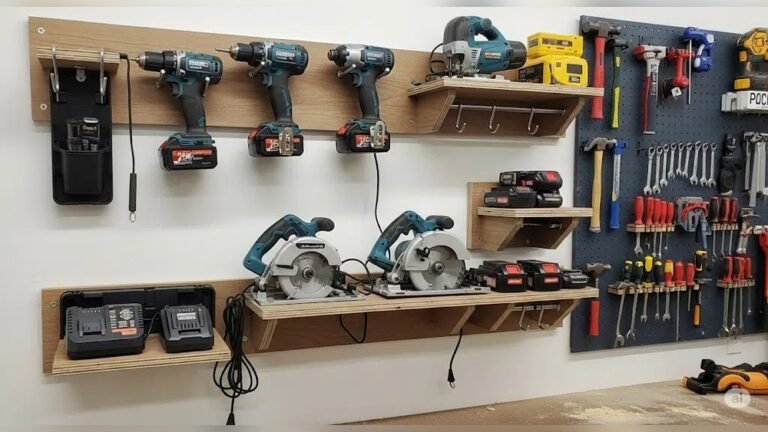
Wall-mounted Pegboards And Shelves
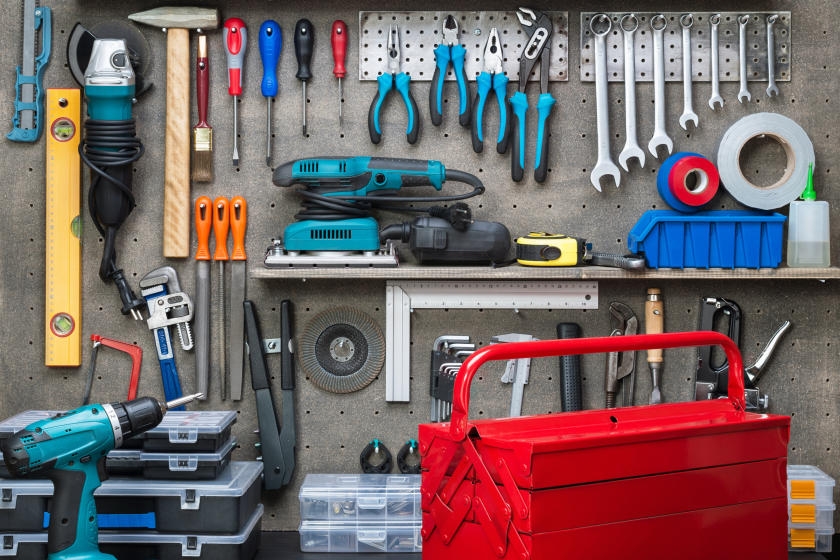
Pegboards and shelves save floor space and keep tools visible. Pegboards let you hang tools with hooks, making them easy to grab quickly. Shelves can hold toolboxes, containers, or larger items.
This method suits small spaces or busy work areas. You can arrange tools by type or frequency of use. Pegboards also let you customize your layout as your tool collection grows.
Portable Tool Buckets And Rolling Chests
Portable tool buckets and rolling chests offer mobility for tools. Buckets are lightweight and good for carrying basic hand tools. Rolling chests usually have wheels and handles for easy movement around your workspace.
This storage style suits professionals and hobbyists who work in different locations. It helps keep tools organized and ready to use wherever you go.
Organizing Tools
Keeping tools clean and stored properly is only half the job. Organizing tools efficiently saves time and effort. A well-organized workspace reduces clutter and makes finding tools easy. It also helps protect your tools from damage and loss. Follow simple steps to organize your tools for better use and storage.
Sorting By Frequency Of Use
Start by grouping tools based on how often you use them. Keep everyday tools within easy reach. Store rarely used tools in less accessible places. This method speeds up your work and keeps your space tidy. It also prevents unnecessary searching for tools.
Labeling Drawers And Shelves
Labeling helps identify the contents of drawers and shelves quickly. Use clear, readable labels for each tool category. Labels reduce confusion and save time during projects. They also keep the storage area orderly and easy to maintain. Change labels as your tool collection grows or changes.
Using Inserts And Dividers
Inserts and dividers separate tools inside drawers and boxes. They prevent tools from mixing and getting damaged. Use foam inserts or plastic dividers to keep tools in place. This keeps your tools visible and easy to grab. Inserts also protect sharp edges and delicate parts from wear.
Storage For Specific Spaces
Proper storage keeps your tools safe and ready for use. Different spaces need different storage solutions. Organizing tools by space type helps maintain order and protects tools from damage. This section covers how to store tools in workshops, garages, and small or portable areas.
Workshop And Garage Setup
Workshops and garages offer more room for tool storage. Use sturdy shelves to keep tools visible and easy to reach. Pegboards on walls help hang frequently used tools neatly. Tool chests with drawers organize smaller items like screws and drill bits. Magnetic strips hold metal tools securely. Label storage areas to speed up tool retrieval. Keep the floor clear to avoid accidents and damage. Proper lighting in these spaces improves tool handling and safety.
Small Space And Portable Options
Small spaces need compact and smart storage solutions. Use stackable bins or boxes to save room. Foldable tool racks can be stored when not in use. Portable toolboxes or bags are perfect for carrying tools to different jobs. Choose lightweight materials for easy transport. Clear containers let you find tools quickly without opening them. Velcro straps or elastic bands keep tools in place during movement. Organize tools by type or size inside portable cases for quick access.
Maintaining Tool Durability
Maintaining tool durability ensures your tools last longer and work efficiently. Proper care protects them from rust, wear, and damage. It also saves money by reducing the need for replacements. Simple habits can keep your tools in great shape.
Regular Cleaning Schedule
Clean your tools after each use. Remove dirt, grease, and moisture to prevent rust. Use a soft cloth or brush with warm soapy water for thorough cleaning. Dry tools completely before storing. Set a weekly or monthly cleaning routine for less-used tools. Consistency helps maintain their condition and performance.
Proper Handling And Use
Use tools only for their intended purpose. Avoid applying too much force or using them incorrectly. Hold tools firmly and carefully during work. Store tools safely to prevent accidental damage. Proper handling reduces wear and keeps tools working smoothly.
Monitoring For Wear And Damage
Inspect tools regularly for cracks, rust, or loose parts. Check moving parts for smooth operation. Repair or replace damaged tools immediately. Early detection prevents accidents and extends tool life. Keep a log of tool conditions to track maintenance needs.
Credit: www.coloursupplies.com
Frequently Asked Questions
How Should Tools Be Cleaned And Stored?
Clean tools with soap and water or wipes to remove dirt and grease. Dry thoroughly to prevent rust. Lubricate moving parts regularly. Store tools in cabinets, chests, or on pegboards to keep them organized and protected. Keep frequently used tools accessible and in a dry, clean area.
What Is The 20/10 Rule For Cleaning?
The 20/10 rule for cleaning means working for 20 minutes, then resting for 10 minutes. This boosts focus and prevents burnout. Repeat cycles improve cleaning efficiency and consistency.
What Is The Correct Way To Store Your Tools?
Store tools clean and dry to prevent rust. Use tool cabinets or chests for organization and protection. Hang frequently used tools on pegboards or shelves. Keep small tools in bins or foam inserts to avoid shifting. Regularly lubricate metal parts before storage.
How To Avoid Rust When Storing Your Tools?
Clean tools thoroughly and dry them completely. Apply a light oil coat to prevent moisture. Store tools in a dry, ventilated area. Use silica gel packs to absorb humidity. Avoid direct contact with concrete or damp surfaces.
Conclusion
Cleaning and storing tools properly saves time and money. Wipe dirt and grease off tools after each use. Dry tools completely to stop rust. Use oil to keep metal parts smooth. Organize tools in cabinets, chests, or on pegboards. Store tools in a dry place away from moisture.
Regular care keeps tools ready and extends their life. Simple habits make a big difference in tool maintenance. Keep your workspace tidy and tools easy to find. This helps you work faster and stay safe.