How to Maintain Hand Tools: Essential Tips for Lasting Performance
You rely on your hand tools every day to get the job done right. But have you ever stopped to think about how well you’re taking care of them?
Proper maintenance isn’t just about keeping your tools looking good—it’s about making sure they work smoothly, last longer, and stay safe to use. If you want to avoid frustration from rusty blades, loose handles, or broken parts, you need a simple routine to keep your tools in top shape.
You’ll discover easy and effective ways to clean, sharpen, lubricate, and store your hand tools so they’re always ready when you need them. Keep reading, because your tools deserve the best care, and you’ll thank yourself every time you pick them up.
Cleaning And Drying
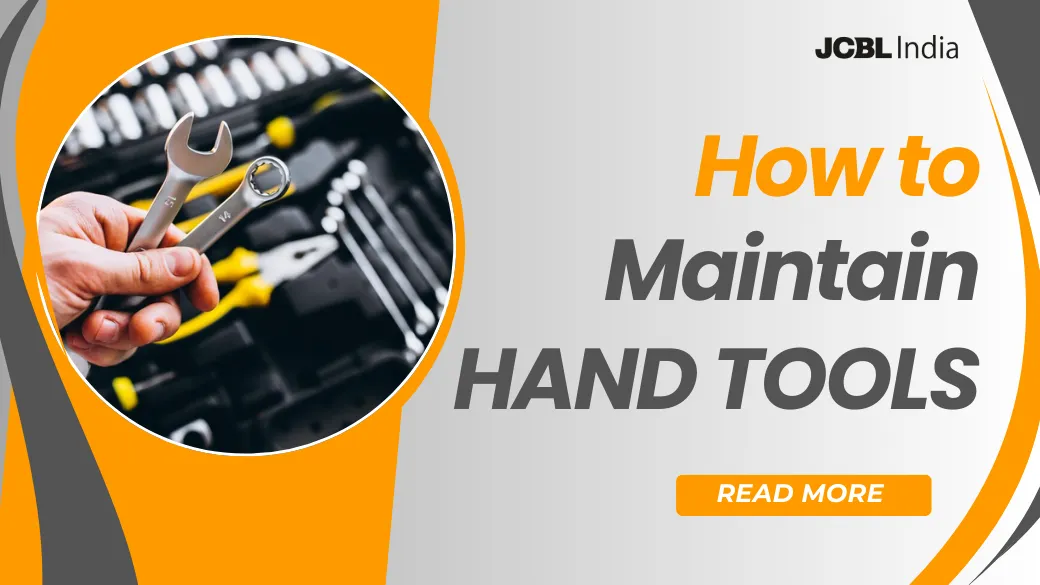
Cleaning and drying hand tools is essential for keeping them in good shape. Dirt, moisture, and grime can cause rust and damage. Proper cleaning removes harmful residues. Drying prevents corrosion and extends tool life.
Follow simple steps after every use to protect your tools. Clean tools work better and last longer. Taking a few minutes to clean and dry tools helps avoid costly repairs and replacements.
Remove Dirt And Debris
Start by wiping tools with a dry cloth. Remove loose dirt and dust carefully. Use a brush for hard-to-reach areas. Clearing debris stops buildup that can harm tool parts. Clean tools perform more accurately and safely.
Use Mild Soap For Stubborn Grime
Apply mild soap and warm water to tough grime. Avoid harsh chemicals that can damage tool surfaces. Use a soft brush or sponge to scrub gently. Rinse tools thoroughly to remove soap residue. This step helps keep tools clean without harm.
Ensure Complete Drying
Dry tools fully after cleaning to prevent rust. Use a dry cloth or towel to wipe moisture. Let tools air dry in a warm, dry place. Avoid storing tools while damp. Proper drying protects metal parts and preserves tool quality.
Credit: jcblhandtools.com
Rust Prevention
Rust can quickly ruin your hand tools. It weakens metal parts and makes tools unsafe to use. Preventing rust extends the life of your tools and keeps them working well. Simple habits stop moisture from causing damage.
Keep Tools Dry Before Storage
Always dry your tools after use. Wipe off water, dirt, and grease with a clean cloth. Store tools in a dry place away from humidity. Use silica gel packs or moisture absorbers inside toolboxes. Avoid leaving tools outside or in damp areas. Dry tools prevent rust from forming on metal surfaces.
Protect Wooden Handles
Wood handles can absorb moisture and crack over time. Apply linseed oil or a wood conditioner regularly. This keeps the wood strong and prevents water damage. Check handles for splinters or cracks before storing. Smooth rough spots with sandpaper to avoid injury. Well-maintained handles last longer and feel comfortable to hold.
Sharpening Blades
Keeping your hand tools sharp is key to their performance and safety. Dull blades make work harder and can cause accidents. Sharpening blades regularly keeps them effective and extends tool life. Proper sharpening ensures clean cuts and smooth operation every time.
Maintain Sharp Cutting Edges
Check blades often for dull spots or nicks. Sharp edges cut cleaner and reduce effort. Use a fine stone or file to remove any rough areas. Regular touch-ups stop damage from getting worse. Keeping edges sharp helps tools last longer and work better.
Use Proper Sharpening Tools
Select tools made for sharpening your specific blade type. A sharpening stone, diamond file, or honing tool works well. Avoid using rough or unsuitable tools that can damage edges. Clean the sharpening tool before use for best results. Proper tools make sharpening easier and more precise.
Follow Correct Sharpening Angles
Sharpen blades at the angle recommended by the manufacturer. This angle keeps the edge strong and sharp. Use a guide if needed to hold the tool steady. Sharpening at the wrong angle weakens blades and dulls faster. Consistent angle sharpening improves cutting performance and tool safety.
Lubrication Tips
Proper lubrication keeps hand tools working smoothly and lasting longer. It stops rust and reduces friction. Knowing how to apply lubricant correctly makes maintenance easy and effective. Use the right amount and focus on key areas for best results.
Apply Lubricant Sparingly
Too much lubricant attracts dirt and dust. This can cause tools to stick or wear faster. Use a small drop or a thin layer only where needed. Wipe off any excess with a clean cloth. This keeps your tools clean and running well.
Lubricate Moving Parts
Focus on joints, hinges, and other moving parts. These areas need lubricant to reduce friction and prevent rust. Open and close parts several times after applying lubricant. This spreads it evenly and helps tools operate smoothly. Regular lubrication prevents damage and extends tool life.
Proper Storage
Proper storage plays a key role in keeping hand tools in good condition. Storing tools correctly prevents rust, damage, and loss. It also helps you find tools quickly and work safely. Follow simple steps to store your tools well and extend their life.
Choose A Dry, Ventilated Area
Pick a spot that stays dry and has good air flow. Moist places cause tools to rust and wear out faster. Avoid basements or sheds that get damp. A dry area slows down rust and keeps metal parts safe. Good ventilation reduces moisture buildup around tools.
Organize With Toolboxes Or Cabinets
Use toolboxes or cabinets to keep tools tidy and protected. These storage options stop dust and dirt from settling on your tools. Organizing tools helps you find them fast and saves space. Label compartments or drawers for easy access. Proper organization prevents tools from banging into each other and getting damaged.
Secure Tools For Safety
Lock away sharp or heavy tools to avoid accidents. Use cabinets with locks or secure toolboxes to keep tools out of reach of children. Store tools with sharp edges in sheaths or covers. Securing tools protects both you and your tools from harm. A safe storage space reduces the risk of injury at home or work.
Inspection And Repair
Inspection and repair are vital steps in keeping hand tools functional and safe. Regular checks help spot problems early. Fixing issues right away avoids bigger damage and extends tool life.
Taking time to inspect tools protects your investment. Repairing worn parts keeps tools efficient. Addressing common tool wear prevents accidents and improves work quality.
Check For Damage Regularly
Look over your tools before and after use. Check handles for cracks or splinters. Examine metal parts for rust or bends. Notice loose or missing components. Early detection stops problems from growing.
Fix Or Replace Worn Parts
Replace handles that are cracked or broken. Tighten screws and bolts that are loose. Swap out worn-out blades or cutting edges. Use parts designed for your specific tools. Proper repairs keep tools safe and effective.
Address Mushroomed Striking Surfaces
Hammer heads often develop mushroomed edges. This can cause metal shards to fly off. Use a file or grinder to smooth the surface. Wear safety gear while repairing. A smooth striking face improves safety and performance.
Safety Practices
Safety practices keep you protected while using hand tools. Following simple rules lowers the risk of accidents and injuries. Using tools safely also helps them last longer and work better. Focus on wearing the right gear and using tools correctly. These steps create a safer work environment.
Wear Protective Gear
Always wear safety glasses to protect your eyes from flying debris. Gloves shield your hands from cuts, splinters, and sharp edges. Choose gloves that fit well and allow good grip. Sturdy shoes protect feet from falling tools or heavy objects. Use hearing protection if noise levels are high. Proper gear reduces injury risks and improves comfort.
Use Tools According To Instructions
Read the manufacturer’s instructions before using any hand tool. Use each tool only for its intended purpose. Avoid forcing tools or using excessive strength. Check tools for damage before use to prevent accidents. Keep tools clean and sharp for safer handling. Correct use prevents damage and keeps you safe.

Credit: www.scribd.com

Credit: www.hanboost.com
Frequently Asked Questions
How Do You Maintain Hand Tools Properly?
Clean and dry hand tools after each use to prevent rust. Sharpen blades regularly for efficiency. Lubricate moving parts lightly. Store tools in a cool, dry place. Use a sturdy toolbox to protect and organize tools properly.
What Can I Use To Lubricate My Hand Tools?
Use light machine oil, WD-40, or silicone spray to lubricate hand tools. Apply sparingly to moving parts. Avoid over-lubrication to prevent dirt buildup. Wipe excess oil for smooth operation and rust prevention. Regular lubrication keeps tools efficient and extends their lifespan.
What Are The Three Most Important Rules Of Tool Maintenance?
The three most important rules of tool maintenance are: clean and dry tools after use, sharpen blades regularly, and lubricate moving parts to prevent rust. Proper storage in a dry place also protects tools from moisture and damage.
What Is The Best Practice For Maintaining Tools?
Clean and dry tools after each use to prevent rust. Sharpen blades regularly and lubricate moving parts. Store tools in a dry, cool place. Inspect tools for damage before use and follow manufacturer guidelines for proper maintenance.
Conclusion
Maintaining hand tools keeps them safe and ready to use. Clean tools after each job to remove dirt and moisture. Sharpen blades regularly for better cutting and control. Apply oil to moving parts to stop rust and wear. Store tools in a dry place to avoid damage.
Check tools often for any cracks or broken parts. Taking small steps now saves time and money later. Good care extends your tools’ life and improves work quality. Simple habits make a big difference in tool performance. Keep tools in shape, and they will serve you well.