How to Fix Common Home Issues: Easy DIY Solutions That Work
Your home should be your sanctuary, but when common problems like leaky faucets, clogged drains, or faulty wiring pop up, they can quickly turn your comfort into frustration. You don’t need to be a professional to tackle many of these issues yourself—and saving time and money starts with knowing what to fix and how.
You’ll discover simple, step-by-step solutions to the most frequent home repairs that every homeowner faces. Ready to take control and keep your home running smoothly? Let’s dive in and fix those common home issues before they become bigger headaches.
Credit: www.changinghands.com
Fixing Plumbing Problems
Plumbing problems often disrupt daily life and increase water bills. Many common issues are easy to fix at home. Basic tools and a little know-how can solve leaks, clogs, and running toilets. Fixing plumbing problems quickly prevents damage and saves money.
Stopping Leaky Faucets
Leaky faucets waste water and cause noise. Turn off the water supply before starting. Remove the faucet handle to reach the washer or cartridge. Replace worn washers or cartridges with new ones. Tighten all parts carefully to avoid leaks. Check the faucet after repair to ensure no drips remain.
Clearing Clogged Drains
Clogged drains slow water flow and cause backups. Use a plunger to try clearing the blockage first. For stubborn clogs, a drain snake can reach deep inside pipes. Avoid harsh chemicals that can damage pipes. Regularly clean drain covers to prevent hair and debris buildup. Flush drains with hot water after clearing.
Repairing Garbage Disposal
Garbage disposals jam or stop working from food scraps or foreign objects. Turn off power before any repair. Use an Allen wrench to manually rotate the disposal’s motor from underneath. Remove stuck debris with tongs or pliers. Reset the unit using the reset button on the bottom. Run cold water when turning the disposal back on.
Fixing Running Toilets
Running toilets waste a lot of water and increase bills. Remove the tank lid to inspect inside. Check the flapper valve for wear or misalignment. Replace the flapper if it does not seal properly. Adjust the float arm to stop water from overflowing. Test the flush to make sure water stops flowing.
Credit: www.nextlevelhvac.net
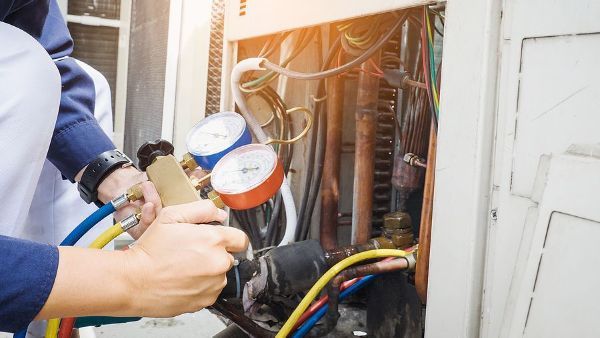
Solving Hvac Issues
Heating, ventilation, and air conditioning (HVAC) systems keep homes comfortable year-round. Fixing HVAC problems quickly saves money and improves air quality. Regular care helps prevent costly repairs and keeps systems running smoothly. Simple checks and fixes often solve common HVAC issues without expert help.
Troubleshooting Air Conditioning
Start by checking the thermostat settings. Make sure it is set to cool and the temperature is lower than the room temperature. Clean or replace dirty air filters. Clogged filters reduce airflow and strain the system.
Inspect the outdoor unit for debris like leaves or dirt. Clear around it to allow proper airflow. Check the circuit breaker; reset if tripped. Listen for unusual noises that might signal a problem.
If the AC does not cool well, the refrigerant may be low. Only professionals should handle refrigerant refills. Regular maintenance prevents leaks and keeps cooling efficient.
Maintaining Heating Systems
Change filters regularly to keep air clean and system efficient. Check vents and registers to ensure they are open and unblocked. Test the thermostat by setting it higher than room temperature to turn on the heater.
Inspect the pilot light or ignition system for gas furnaces. A yellow or flickering flame needs service. Clean around the furnace and remove dust buildup. Schedule annual professional inspections to check for gas leaks or carbon monoxide risks.
Keep the area around the heater clear of flammable materials. Proper care extends the life of heating systems and keeps homes safe and warm.
Handling Electrical Repairs
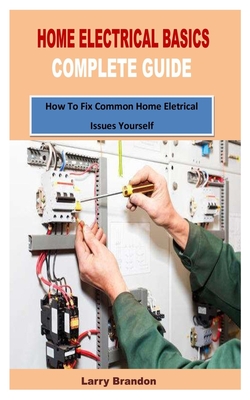
Electrical problems in the home can cause inconvenience and safety risks. Handling electrical repairs carefully keeps your home safe and functional. Basic knowledge and simple tools help fix common issues without extra cost. Always turn off power before starting any repair to avoid shocks.
Addressing Faulty Wiring
Faulty wiring can cause flickering lights or power failures. Look for signs like burnt outlets or a burning smell. Replace damaged wires with new ones of the same gauge. Use wire nuts to connect wires securely. Avoid overloading circuits by spreading out electrical devices.
Fixing Switches And Outlets
Switches and outlets may stop working due to wear or loose connections. Remove the cover plate and check for loose wires. Tighten any loose screws and replace broken parts. Use a voltage tester to ensure the power is off before working. Swap old outlets for safer, modern ones if needed.
Managing Circuit Breaker Trips
Circuit breakers trip to prevent overload or short circuits. Identify which circuit trips often to find the cause. Unplug devices on that circuit and reset the breaker. If it trips again, check for faulty appliances or wiring problems. Call a professional if breaker issues continue or sparks appear.
Repairing Walls And Surfaces
Walls and surfaces often suffer wear and tear over time. Small holes, cracks, and water damage can make any room look neglected. Repairing these issues improves your home’s appearance and protects it from further damage. Simple fixes can restore smooth, clean walls with minimal effort.
Patching Drywall Holes
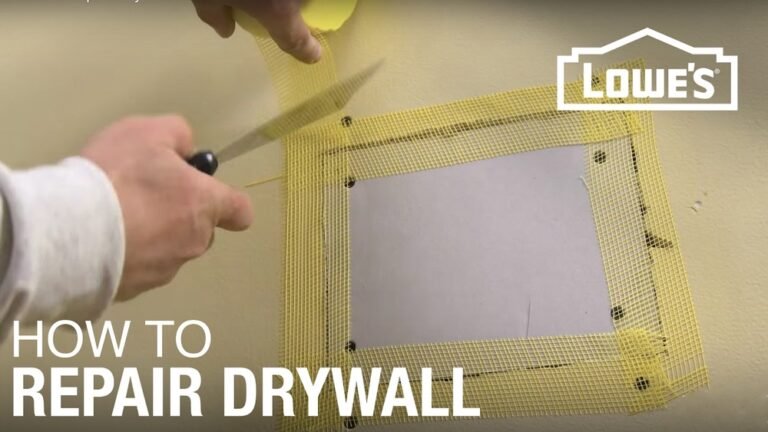
Start by cleaning the area around the hole. Remove any loose debris or paint. For small holes, use spackling paste to fill the gap. Apply the paste with a putty knife and smooth it out. Let it dry completely before sanding it lightly. For larger holes, use a drywall patch. Cut the patch to fit the hole size and attach it securely. Cover the edges with joint compound and feather it out. After drying, sand the surface smooth. Finish by priming and painting to match the wall color.
Fixing Cracks And Water Damage
Inspect cracks for size and depth. Small cracks can be filled with crack filler or joint compound. Apply the filler in thin layers and let each dry before adding more. Sand the area smooth once dry. Water damage requires extra care. First, find and fix the source of moisture. Remove any damaged drywall or paint. Use a stain-blocking primer to prevent marks from showing through. Patch holes or cracks as needed. Paint the repaired area to restore a clean look. Proper drying is essential to avoid mold growth.
Door And Window Fixes
Doors and windows play a key role in home comfort and security. Fixing common problems here improves energy efficiency and safety. Simple repairs often stop bigger issues from developing. This guide helps solve typical door and window troubles with easy steps anyone can follow.
Adjusting Loose Hinges
Loose door hinges cause creaking sounds and misalignment. Tighten the screws with a screwdriver first. If screws spin without gripping, fill holes with wooden toothpicks and glue. Let dry, then reinsert screws. Adjust hinge pins by removing and cleaning them. Lubricate hinges with oil to reduce noise. Check door swing after adjusting for smooth movement.
Replacing Damaged Doors
Cracked or warped doors lose insulation and look bad. Remove the old door by unscrewing hinges and hardware. Measure the door frame carefully before buying a replacement. Choose a door matching your style and size. Install new hinges on the door first, then hang it on the frame. Secure screws tightly and check that the door closes properly. Paint or stain the door to protect it from weather.
Roof Leak Repairs
Roof leaks can cause serious damage to your home’s structure. Fixing leaks quickly stops water from ruining ceilings, walls, and insulation. Many leaks start from missing shingles or cracks around flashing. Proper repairs keep your roof strong and your home dry.
Replacing Missing Shingles
Missing shingles leave your roof exposed to rain and wind. Find the damaged or missing shingles and remove any debris. Slide new shingles into place, aligning them with the existing ones. Secure them with roofing nails, making sure the nails go through the shingle’s upper edge. Cover the nail heads with roofing cement to prevent leaks.
Always use shingles that match your roof’s color and type. Check the weather forecast before you start to avoid working in rain or strong winds.
Sealing Cracks And Flashing
Cracks and gaps around flashing are common leak points. Inspect flashing near chimneys, vents, and skylights for holes or gaps. Clean the area to remove dirt and old sealant. Apply a high-quality roofing sealant to cover cracks and seal joints. Press the sealant firmly to fill all gaps.
Check the flashing edges to ensure they are tightly secured against the roof. Reapply sealant every few years to maintain protection and prevent new leaks.
Siding Maintenance
Siding protects your home from weather and pests. Keeping it well-maintained helps avoid costly repairs. Regular checks find problems early. Clean siding removes dirt and mold. This keeps your home looking fresh and prevents damage.
Repairing Weather Damage
Storms can crack or loosen siding panels. Small cracks let water seep inside walls. Moisture causes wood rot and mold. Replace broken panels quickly to stop damage. Use caulk to seal minor gaps. Check siding after heavy rain or wind. Prompt repair extends siding life and keeps your home safe.
Dealing With Pest Damage
Insects like termites and carpenter ants harm siding. They tunnel into wood, weakening structure. Look for holes, sawdust, or damaged areas. Treat pests with proper insecticides or call professionals. Replace badly damaged siding sections. Keep plants and mulch away from walls. This limits pest access and protects your siding.

Credit: www.twintel.net
Managing Repair Costs
Managing repair costs is key to keeping your home in good shape without overspending. Small problems can grow into costly repairs if ignored. Planning your budget helps control expenses and avoid surprises. Knowing how to save on repairs also stretches your money further. This section covers ways to budget for typical home fixes and tips to save by doing some repairs yourself.
Budgeting For Common Fixes
Start by listing common repairs needed in your home. Include plumbing, electrical, HVAC, and roofing issues. Research average costs for each repair type in your area. Set aside a monthly amount to cover these expenses. A small emergency fund helps handle sudden problems. Track your spending to adjust your budget as needed. Prioritize repairs that affect safety and prevent damage.
Saving On Diy Repairs
Many simple repairs you can do yourself with basic tools. Fix dripping faucets, unclog drains, and replace light switches. Watch online tutorials for step-by-step guidance. Buy materials during sales to reduce costs. Avoid complicated jobs that require special skills or tools. Doing your own repairs saves labor fees. Take safety precautions to prevent accidents and further damage.
Frequently Asked Questions
What Is The Most Common Home Repair?
The most common home repairs include fixing leaky faucets, clogged drains, HVAC issues, faulty wiring, and roof leaks. These problems often require prompt attention to prevent damage and maintain safety. Regular maintenance helps reduce repair frequency and costs.
What Is The Biggest Red Flag In A Home Inspection?
The biggest red flag in a home inspection is major structural damage, such as foundation cracks or severe water damage. These issues can lead to costly repairs and safety hazards.
How To Solve Home Problems?
Identify the issue quickly and prioritize safety. Use reliable tools and materials. Consult professionals for complex repairs. Regularly maintain your home to prevent problems.
What Are 5 Examples Of Repair?
Five examples of repair include fixing leaky faucets, unclogging drains, repairing faulty wiring, patching drywall holes, and fixing roof leaks.
Conclusion
Fixing common home issues can save time and money. Start with simple repairs to avoid bigger problems later. Regular maintenance keeps your home safe and comfortable. Use basic tools and follow clear steps for each task. Don’t wait for small problems to grow.
Stay calm and patient while working on repairs. Knowing how to fix things yourself builds confidence. Your home will feel better and last longer. Keep learning, and you’ll handle new issues easily. Taking action today prevents stress tomorrow.