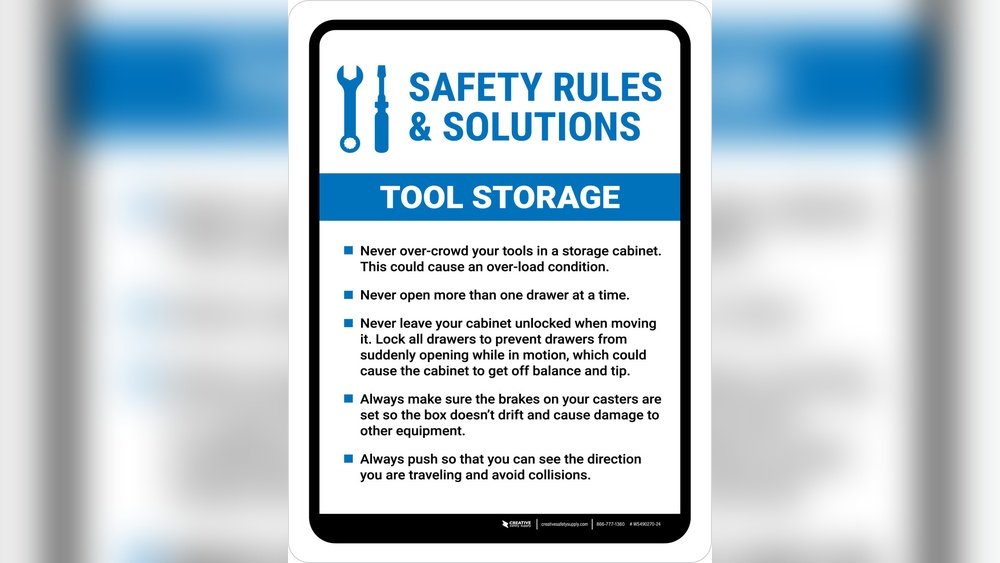
How to Store Tools Safely in an Organizer and Avoid Damage
When it comes to handling your tools, safety should never take a backseat. Your tool organizer is more than just a storage space—it’s a key factor in preventing accidents and keeping your workspace efficient.
Imagine reaching for the right tool quickly, without worrying about sharp edges or falling objects. That peace of mind starts with smart safety habits. You’ll discover practical tips that help you organize your tools safely, protect yourself from injuries, and maintain a tidy, productive work area.
Keep reading to learn how simple changes can make a big difference in your everyday tool use.
Choosing The Right Organizer
Choosing the right tool organizer is key to keeping your workspace safe and efficient. The correct organizer helps prevent accidents and protects your tools. It also makes your tasks easier by keeping everything in its place. Consider the type, material, and size before deciding on an organizer.
Types Of Tool Organizers
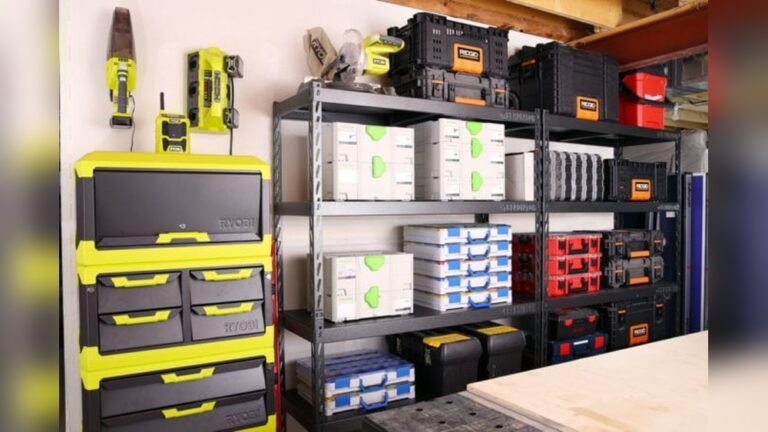
Tool organizers come in many forms. Toolboxes are portable and good for small sets of tools. Tool chests offer multiple drawers for better separation. Wall-mounted racks save floor space and keep tools visible. Drawer inserts help sort smaller tools inside chests. Pick a style that fits your work habits and space.
Material Durability
Durability matters for safety and longevity. Metal organizers are strong and resist damage. Plastic organizers are lightweight and resist rust. Wood organizers look nice but may not handle heavy tools well. Choose a material that withstands your work environment. This reduces tool damage and injury risks.
Size And Capacity
Size affects how well your tools fit. A small organizer may cause clutter and unsafe stacking. A too-large organizer can waste space and be hard to move. Count your tools and choose an organizer with enough room. Proper capacity keeps tools secure and easy to access.

Credit: coloradoinfo.com
Safe Storage Practices
Safe storage practices keep your tools in good shape and prevent accidents. Proper organization reduces the risk of injuries and tool damage. A tidy workspace helps you find tools quickly and work efficiently.
Proper Tool Placement
Place tools where they fit best and stay stable. Heavy tools go on lower shelves to avoid falling. Use holders or racks to keep tools upright and easy to grab. Avoid overcrowding compartments to prevent tools from shifting or falling.
Securing Hazardous Tools
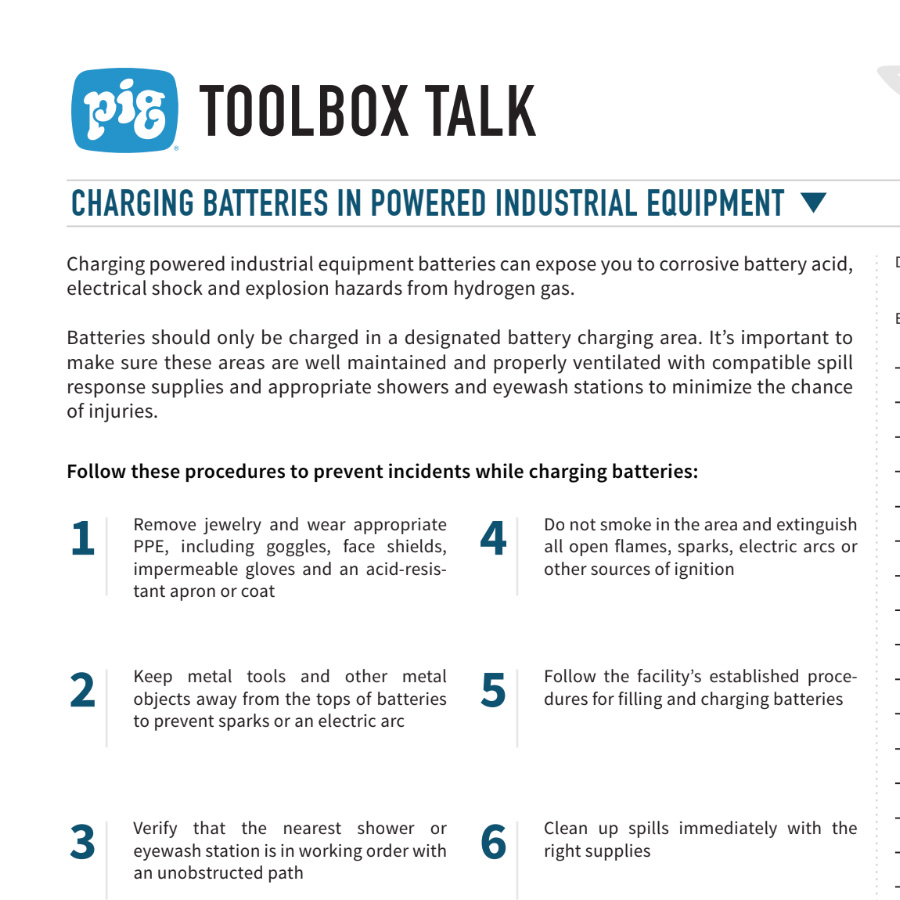
Lock up sharp or powered tools to keep them away from children and untrained users. Use safety covers on blades and bits. Store batteries and chemicals separately to avoid spills and fires. Always check locks and latches to make sure they work well.
Stacking And Arranging
Stack items carefully to prevent tipping or falling. Place heavier items at the bottom and lighter ones on top. Leave enough space between stacks for easy access and ventilation. Keep frequently used tools within reach to reduce strain and accidents.
Maintenance And Inspection
Proper maintenance and inspection are vital for safe tool organization. They keep tools in good shape and prevent accidents. Regular care ensures tools last longer and work effectively. Simple habits like cleaning and checking for damage improve safety. Follow these key steps to maintain your tool organizer and tools.
Cleaning Tools Before Storage
Remove dirt and grease from tools before storing them. Use a dry cloth or brush to clean surfaces. Avoid moisture to prevent rust and corrosion. Clean tools reduce the risk of damage and improve safety. Store tools only when they are dry and clean.
Regular Inspection For Damage
Check tools for cracks, rust, or broken parts regularly. Inspect handles, blades, and moving parts carefully. Damaged tools can cause injury and should be repaired or replaced. Keep an eye on your tool organizer for wear and tear. Replace or fix organizer parts that no longer hold tools securely.
Lubrication And Care
Apply oil or lubricant to moving parts to keep tools working smoothly. Lubrication prevents rust and reduces friction. Use the right lubricant for each tool type. Clean off excess oil to avoid dirt build-up. Proper care helps tools last longer and stay safe to use.
Credit: www.newpig.com
Transporting Tools Safely
Transporting tools safely is essential to prevent injuries and damage. Tools can be heavy and sharp, so handling them carefully is a must. Proper transport also keeps your workspace organized and efficient. Follow these simple tips to move your tools without risks.
Using Toolboxes And Carts
Toolboxes and carts help keep your tools in one place. They reduce the chance of dropping or losing tools during transport. Choose a toolbox with sturdy locks and compartments to separate tools. Carts with wheels make moving heavy tools easier and safer. Always check that the toolbox or cart is in good condition before use.
Securing Tools During Transit
Tools must be secured to avoid shifting and falling. Use straps or bungee cords to hold tools in place. Place heavier tools at the bottom and lighter ones on top. Avoid overloading your transport box or cart. Secure lids tightly to prevent tools from spilling out. This method protects both you and others around you.
Avoiding Carrying Tools On Ladders
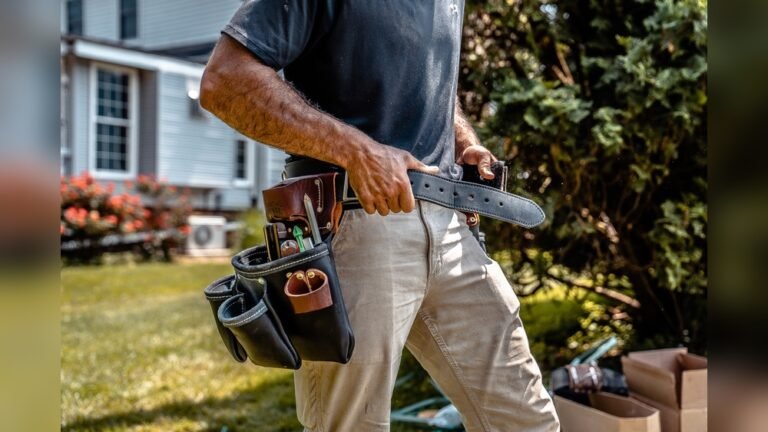
Carrying tools on ladders is dangerous and increases fall risk. Use a tool belt or hoist to lift tools safely. Keep both hands free to hold the ladder securely. Pass tools up or down using a rope or bucket. This practice prevents accidents and keeps your work area safer.
Organizing Small Parts
Small parts often get lost or mixed up in a busy workspace. Organizing these tiny items keeps your tools safe and your work more efficient. It also reduces the risk of accidents caused by scattered parts. Use the right methods to store and sort small pieces carefully.
Using Drawer Liners
Drawer liners prevent small parts from sliding around. They add a layer of grip inside tool drawers. This stops screws, nails, and bolts from rolling out when opening. Choose liners with a non-slip texture for best results. This simple step keeps parts in place and makes cleanup easier.
Small Parts Organizers
Small parts organizers have many compartments for sorting pieces by size or type. Clear plastic boxes help you see what is inside without opening them. Stackable organizers save space and keep parts separated. Use organizers with secure lids to avoid spills. This protects your workspace and reduces lost parts.
Labeling And Categorizing
Label each compartment or container clearly. Use easy words or symbols for quick recognition. Group similar parts together, like screws with screws or washers with washers. This saves time searching for the right item. Categorizing also helps maintain order and prevents mixing of different parts.

Credit: www.growliketree.com
Workplace Safety Measures
Workplace safety is key to preventing accidents and injuries while using tools. Proper safety measures protect workers and keep the work environment secure. Implementing clear safety steps can reduce risks and improve efficiency. Organized tools help maintain safety by reducing clutter and hazards. Focus on personal protection, training, and cleanliness to create a safer workspace.
Personal Protective Equipment
Wear the right personal protective equipment (PPE) every time you use tools. Safety glasses shield your eyes from flying debris. Gloves protect your hands from sharp edges and hot surfaces. Hard hats guard against falling objects in busy areas. Use hearing protection near loud machines to prevent hearing loss. Proper PPE reduces injury risks and increases confidence during work.
Training On Tool Handling
Proper training on tool handling is essential for safety. Learn how to use each tool correctly before starting work. Understand the tool’s functions and potential hazards. Training helps identify when a tool is damaged or unsafe to use. Workers trained in safe practices reduce accidents and damage. Regular refreshers keep skills sharp and safety top of mind.
Keeping Work Area Clean
Keep the work area clean to prevent slips, trips, and falls. Remove unused tools and materials promptly. Store tools in designated organizers to avoid clutter. Clean spills immediately to stop accidents. A tidy workspace allows quick access to tools and clear movement paths. Cleanliness supports safety and helps maintain tool condition.
Environmental Considerations
Proper environmental care ensures your tool organizer stays safe and effective. Tools can degrade quickly without the right conditions. Controlling the surroundings protects tools from damage and hazards. Simple steps help maintain tool quality and user safety.
Humidity And Temperature Control
Keep the tool storage area dry and cool. High humidity causes moisture buildup, leading to tool damage. Avoid storing tools in damp places like basements. Use a dehumidifier if necessary to reduce moisture. Maintain a stable temperature to prevent expansion or contraction of tools.
Preventing Rust And Corrosion
Rust weakens tools and makes them unsafe to use. Wipe tools clean before storing to remove dirt and moisture. Apply light oil or rust-preventive spray on metal parts. Store tools off the ground to avoid contact with water. Regularly inspect tools for signs of rust and act quickly to clean them.
Proper Ventilation
Good airflow helps keep tools dry and fresh. Poor ventilation traps moisture, promoting mold and rust. Use vents or fans in storage rooms to circulate air. Avoid overcrowding the tool organizer to allow air movement. Proper ventilation extends the life of your tools and keeps the space safe.
Frequently Asked Questions
What Are Essential Safety Tips For Tool Organizers?
Always store tools securely to prevent accidents. Keep sharp tools covered and separate. Label compartments clearly for quick access. Regularly inspect tools for damage before storing. Maintain a clean, dry environment to avoid rust and slips.
How To Prevent Injuries Using A Tool Organizer?
Use proper lifting techniques when handling heavy toolboxes. Ensure tools are placed firmly to avoid falling. Wear protective gloves when sorting sharp items. Keep the organizer in a stable, accessible location. Avoid overloading compartments to maintain balance.
Why Is Regular Tool Inspection Important For Safety?
Inspecting tools helps detect damage or wear early. Faulty tools can cause accidents or malfunctions. Regular checks maintain tool efficiency and lifespan. Safe tools reduce workplace injuries and enhance productivity. Replace or repair defective tools immediately.
How To Organize Tools For Maximum Safety?
Group tools by type and frequency of use. Use foam inserts or dividers to keep tools from shifting. Store hazardous tools separately with safety locks if needed. Label each section clearly for easy identification. Keep heavy tools at lower levels to prevent falls.
Conclusion
Keeping your tools organized helps prevent accidents and saves time. Always store tools in their proper place after use. Check tools regularly for damage or wear before working. Use protective gear to avoid injuries while handling tools. Secure heavy or sharp tools to avoid falls or cuts.
A tidy workspace promotes safety and efficiency every day. Following these simple safety tips protects you and others around. Stay careful and keep your tools well organized for safe work.