Guide to Tool Organizer: Ultimate Tips for Perfect Workshop Order
Are you tired of digging through a messy toolbox every time you need a specific tool? Imagine having your tools neatly arranged, easy to find, and ready to use whenever you need them.
A well-organized tool setup not only saves you time but also reduces frustration and boosts your productivity. In this guide to tool organizers, you’ll discover simple, effective ways to store your tools like a pro. Whether you’re a weekend DIYer or a seasoned craftsman, this guide will help you take control of your workspace and keep your tools exactly where they belong.
Ready to transform your chaos into order? Keep reading and unlock the secrets to a perfectly organized toolbox.
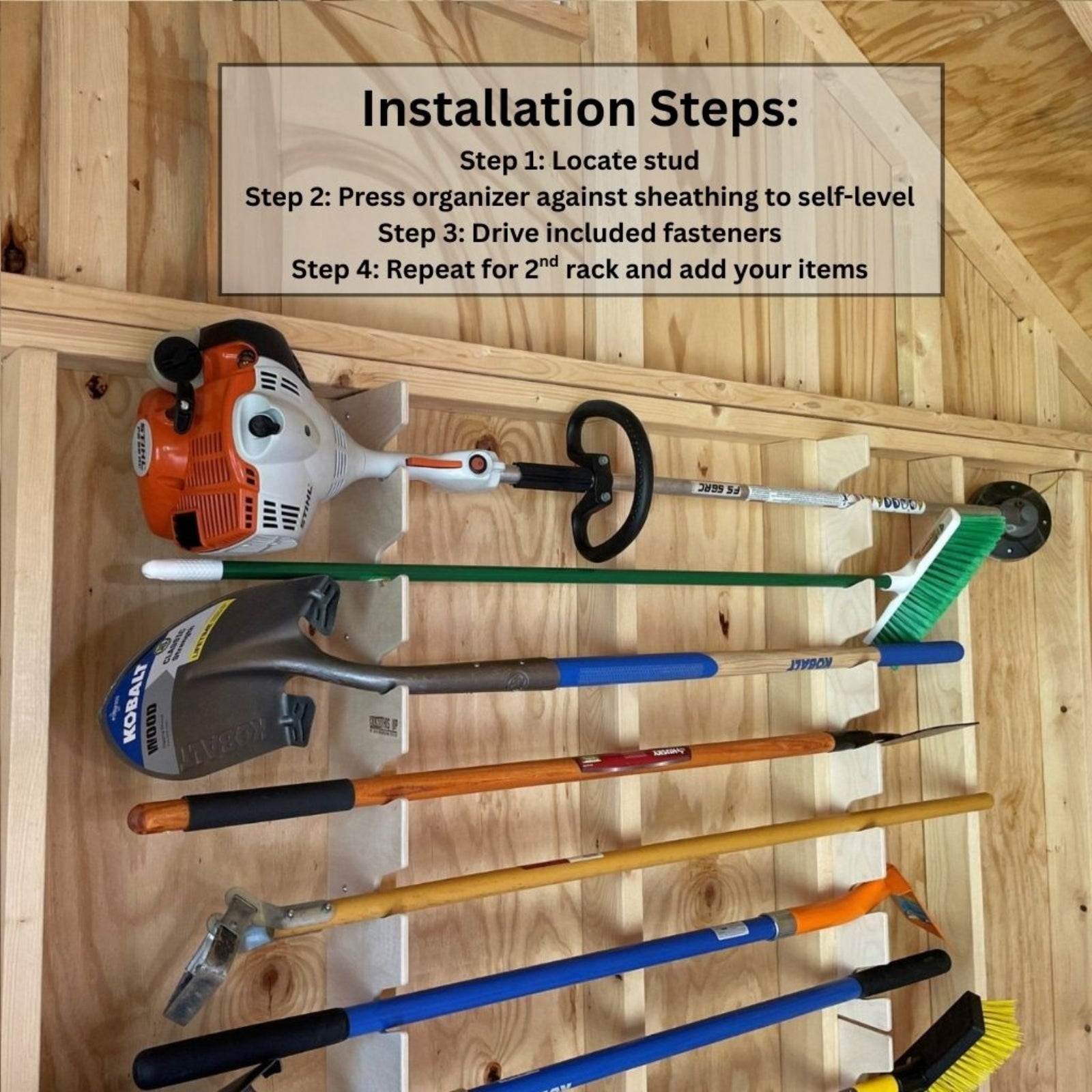
Credit: pepperjoe.com
Choosing The Right Organizer
Planning your workshop layout is key to efficient tool storage. A well-organized space saves time and reduces frustration. Careful arrangement helps you find tools quickly and work safely. Consider your tool types, space size, and how you work. This guide helps you create a layout that fits your needs perfectly.
Assessing Your Tool Collection
Start by listing all your tools. Group them by type and frequency of use. Identify large and small tools separately. Check for duplicates or broken items to remove. Knowing what you have guides your storage choices. This step prevents clutter and unused tools from taking space.
Designing For Accessibility
Place frequently used tools within easy reach. Use wall-mounted racks or pegboards for visibility. Store heavy tools lower to avoid accidents. Keep smaller tools in labeled drawers or bins. Arrange tools logically based on your workflow. This design reduces time spent searching and moving around.
Weight Distribution Strategies
Balance heavy tools to avoid tipping or damage. Use sturdy shelves and workbenches that support weight well. Place heavier items at the bottom of storage units. Distribute weight evenly across shelves and drawers. Secure large tools to prevent shifting during movement. Good weight distribution increases workshop safety and tool longevity.
Credit: www.garvee.com
Planning Your Workshop Layout
Power tools need careful storage to stay safe and last longer. Proper storage stops damage and reduces accidents. Organizing these tools well helps find them fast and keeps your workspace tidy. Focus on secure places that protect tools from dust, moisture, and impacts.
Dedicated Shelving And Cabinets
Use shelves or cabinets built just for power tools. Strong shelves hold heavy tools safely. Cabinets with doors keep tools away from dust and kids. Label each shelf or cabinet to find tools quickly. Keep power tools separate from hand tools to avoid clutter. Choose adjustable shelves to fit different tool sizes.
Cord Management Tips
Keep cords neat to avoid tangles and damage. Use hooks or cord wraps to store cables separately. Coil cords loosely to prevent breaks inside wires. Label cords if multiple tools use similar plugs. Avoid sharp bends that can wear down insulation. Store cords off the floor to prevent tripping hazards.
Protective Storage Options
Use cases or bags designed for power tools. Hard cases protect tools from drops and moisture. Soft bags offer easy transport and dust protection. Add foam inserts to cushion delicate parts. Store batteries separately in cool, dry places. Regularly clean tools before storing to prevent rust.
Organizing Hand Tools
Keeping your tool organizer neat over time takes effort. Tools tend to scatter after projects. Without care, clutter can grow quickly. Maintaining order makes finding tools easier. It saves time and reduces frustration. A clean and organized space also protects your tools. Follow simple steps to keep your tool organizer tidy and functional.
Routine Cleaning And Inspection
Regular cleaning keeps your tool organizer in good shape. Remove dust and dirt from drawers and compartments. Wipe surfaces with a damp cloth to avoid rust. Check tools for damage or wear during cleaning. Make sure everything fits correctly in its place. This habit prevents buildup and keeps tools ready for use.
Replacing And Upgrading Organizers
Tool organizers wear out or become too small over time. Replace broken parts or containers promptly. Upgrade to bigger or better organizers if needed. Choose organizers that match your tool collection size. Consider modular systems for flexibility and growth. Good organizers help maintain order effortlessly.
Developing Good Habits
Put tools back in their place after each use. Avoid piling tools in random spots. Label compartments for easy identification. Sort tools by type or size for quick access. Set a routine to check your organizer weekly. Consistent habits keep your tools organized without extra work.

Credit: technopackcorp.com
Storing Power Tools Safely
DIY storage solutions make organizing tools easy and fun. They help keep your workspace tidy and tools within reach. Creating your own storage means you can customize it to fit your needs perfectly.
Many DIY projects use simple materials and require little time. They save money while improving tool accessibility. Here are some great ideas to get started.
Building Custom Tool Racks
Custom tool racks hold your tools neatly on walls or benches. Use wood or metal to build racks that fit your tool sizes. Add hooks or slots for hammers, screwdrivers, and wrenches.
Measure your tools before building to ensure a perfect fit. Sand and paint the rack to match your workspace style. Mount it securely for safety and easy access.
Repurposing Household Items
Old jars, shoe organizers, and pegboards work well for tool storage. Jars hold screws and nails, while shoe organizers keep small tools visible. Pegboards allow flexible arrangement of hooks and shelves.
Look around your home for items you can reuse. This approach reduces waste and cuts costs. Label containers to quickly find what you need.
Budget-friendly Ideas
Simple materials like plywood, nails, and baskets create affordable storage. Use crates stacked together for larger tools. Magnetic strips on walls keep metal tools in place.
Buy supplies at discount stores or recycle old furniture parts. Keep designs simple to save time and money. These solutions keep your tools organized without breaking the bank.
Frequently Asked Questions
What Is A Tool Organizer And Why Use It?
A tool organizer is a storage solution that keeps tools neatly arranged. It saves time by making tools easy to find. Using one reduces clutter and protects tools from damage. It improves workspace efficiency and helps maintain tool condition.
How To Choose The Best Tool Organizer?
Choose a tool organizer based on tool types and workspace size. Consider durability, compartments, and portability. Look for organizers with customizable sections for various tools. Prioritize ease of access and secure storage to prevent tool loss or damage.
What Are The Benefits Of Using A Tool Organizer?
Tool organizers improve productivity by reducing search time. They protect tools from wear and tear. Organizers create a safer work environment by minimizing clutter. They also help track tool inventory and extend tool lifespan.
How To Maintain And Clean A Tool Organizer?
Regularly remove tools and clean compartments with a dry cloth. Avoid moisture to prevent rust and damage. Inspect for broken parts and repair if needed. Keep the organizer in a dry, cool place to prolong its life.
Conclusion
Organizing your tools saves time and reduces frustration. Choose a system that fits your space and needs. Use organizers, trays, or pegboards to keep tools visible and easy to reach. Regularly tidy your storage to maintain order. With a neat setup, working on projects becomes smoother and more enjoyable.
Start organizing today and see the difference it makes.