Beginner Guide to Tool Organizer: Ultimate Tips for Perfect Setup
Are you tired of digging through a messy toolbox every time you need a screwdriver or wrench? Imagine having all your tools neatly arranged, easy to find, and ready to use whenever you need them.
Whether you’re just starting your DIY journey or want to keep your workspace tidy, organizing your tools can save you time, reduce frustration, and even extend the life of your equipment. In this beginner guide to tool organizers, you’ll discover simple, practical tips to transform your cluttered toolbox into a streamlined system.
By the end, you’ll know exactly how to set up your tools so they’re always within reach and perfectly organized—making every project smoother and more enjoyable. Ready to take control of your tools? Let’s dive in!

Credit: www.kineticmotorcycles.com
Choosing The Right Organizer
Maximizing space efficiency is key in any tool organizer setup. It helps keep your workspace tidy and tools easy to find. Smart storage ideas save time and reduce clutter. Small changes can make a big difference in organizing your tools. Focus on using every inch of available space wisely.
Organizing tools with space efficiency means less frustration and more productivity. You can work faster when tools are neatly stored and accessible. Try different storage methods to find what fits your needs best.
Using Drawer Dividers
Drawer dividers separate tools and keep them in place. They prevent tools from sliding around during movement. Use adjustable dividers for different tool sizes. This method maximizes drawer space by organizing items neatly. It makes finding small tools easier and faster.
Vertical Storage Options
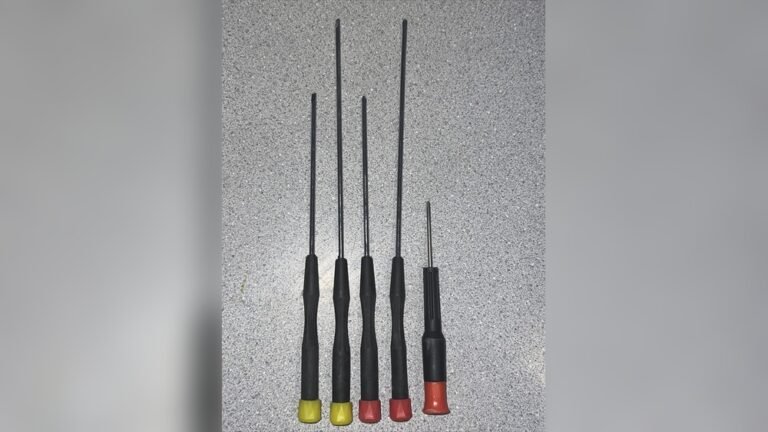
Vertical storage saves floor and drawer space effectively. Hang tools like screwdrivers and hammers on pegboards or racks. Storing tools upright reduces clutter and improves visibility. Use containers or magnetic strips for small metal tools. Vertical storage keeps tools within reach and orderly.
Wall-mounted Solutions
Wall-mounted organizers free up bench and floor space. Install shelves, hooks, or cabinets on the wall for tool storage. This method keeps tools off surfaces and easy to access. Choose sturdy mounts to hold heavy tools safely. Wall storage works well in small workshops or garages.
Sorting And Categorizing Tools
Labeling and identification play a vital role in keeping tools organized. Clear labels help you find tools quickly. They reduce time wasted searching. Proper identification prevents mixing up similar tools. A well-labeled system makes your workspace neat. It also protects your tools by ensuring proper storage. Let’s explore ways to label and identify tools effectively.
Label Types And Tools
Choose labels that suit your tools and environment. Paper labels work for light use but wear out fast. Plastic labels last longer and resist moisture. Use adhesive labels for drawers and boxes. Tag labels work well for hanging tools. Invest in a label maker for neat, easy-to-read tags. Permanent markers can add quick labels directly on tools.
Color Coding Systems
Color coding speeds up tool identification at a glance. Assign colors to tool types or sizes. For example, red for pliers, blue for screwdrivers. Use colored tapes, stickers, or labels for this system. Keep a color chart visible for easy reference. This method helps especially in large tool collections. It reduces mistakes and improves workflow.
Digital Inventory Apps
Digital apps help track your tools and their locations. Use apps designed for tool management or simple inventory apps. Take photos of each tool and add details like name and place. Some apps allow barcode scanning for fast updates. Digital records reduce the chance of losing tools. They also remind you when tools need maintenance or replacement.
Maximizing Space Efficiency
DIY organizer ideas make tool storage simple and affordable. These ideas help keep tools neat and easy to find. You can create custom solutions that fit your needs perfectly. Using materials at home saves money and adds a personal touch to your workshop.
Small projects can make a big difference. Even simple changes improve your workspace and protect tools from damage. Start with easy steps and build up your organizer system over time.
Repurposing Household Items
Old jars, boxes, and containers work great for tool storage. Glass jars hold screws, nails, and small parts. Mount lids under shelves for quick access. Shoe organizers keep hand tools visible and tidy. Tin cans, cleaned and decorated, store pencils and brushes. These items reduce waste and add charm to your space.
Custom Inserts And Trays
Create inserts to fit inside drawers or boxes. Foam or wood trays keep each tool in place. Cut slots for screwdrivers, wrenches, and pliers. This prevents tools from moving and getting damaged. Custom trays make it easy to spot missing items. Design your inserts to match your tool sizes and shapes.
Portable Organizer Builds
Build portable organizers for tools on the go. Use lightweight wood or plastic bins with handles. Add compartments to separate different types of tools. Portable organizers are perfect for small jobs around the house. They keep tools together and ready to carry. Choose a size that fits your most used tools.

Credit: artmanofficial.com
Labeling And Identification
Keeping tools safe and easy to reach is key in any workspace. Proper safety and accessibility reduce accidents and save time. Organizing tools well helps you work faster and smarter. It also protects your tools and your hands from harm. Below are simple tips to store and use tools safely and comfortably.
Safe Storage Practices
Store tools in sturdy boxes or cabinets. Keep sharp tools covered or sheathed. Place heavy tools on lower shelves to avoid falls. Sort tools by type and size for quick access. Clean tools before storing to prevent rust. Avoid clutter to reduce tripping hazards.
Ergonomic Setup Tips
Arrange tools at waist height for easy reach. Use pegboards to hang frequently used tools. Position tools so you don’t have to bend or stretch much. Choose handles with soft grips for comfort. Keep your workspace well-lit to see tools clearly. Organize tools to reduce repetitive movements.
Securing Hazardous Tools
Lock away power tools when not in use. Use safety covers for blades and drill bits. Store chemicals and flammable items separately. Label hazardous tools clearly to warn others. Keep tools out of reach of children and pets. Regularly check tools for damage before use.
Credit: www.etsy.com
Frequently Asked Questions
What Is A Tool Organizer And Why Use It?
A tool organizer is a storage solution that keeps tools neatly arranged. It saves time by making tools easy to find. It also protects tools from damage and clutter.
How Do I Choose The Right Tool Organizer?
Consider the types and sizes of your tools. Choose organizers with compartments or drawers that fit your collection. Durability and portability are also important factors.
What Are The Best Materials For Tool Organizers?
Common materials include plastic, metal, and wood. Plastic is lightweight and affordable. Metal offers durability and strength. Wood adds aesthetic appeal but is heavier.
How Can I Maintain My Tool Organizer Effectively?
Regularly clean your organizer to remove dust and debris. Check for any damage or wear. Keep tools dry to prevent rust and organize tools after each use.
Conclusion
A tool organizer keeps your workspace tidy and saves time. Choose simple storage solutions that fit your tools well. Sort tools by type or size for quick access. Label boxes or drawers to find items fast. Regularly clean and rearrange to maintain order.
Start small and build your organizer step by step. A neat toolbox helps you work smarter every day. Stay consistent, and tool chaos will disappear.