Your tool bag is more than just a container, it’s your trusted partner for every fix, project, and emergency. But is your tool bag truly ready to help you work smarter, not harder?
Whether you’re a DIY enthusiast or tackling daily repairs, having the right tools organized and within easy reach can save you time and frustration. You’ll discover simple yet powerful tips to build and maintain a tool bag that fits your needs perfectly.
Get ready to transform your tool bag into a well-oiled machine that makes every job easier and keeps you prepared for anything. Keep reading to unlock the secrets of a perfectly organized and efficient tool bag!

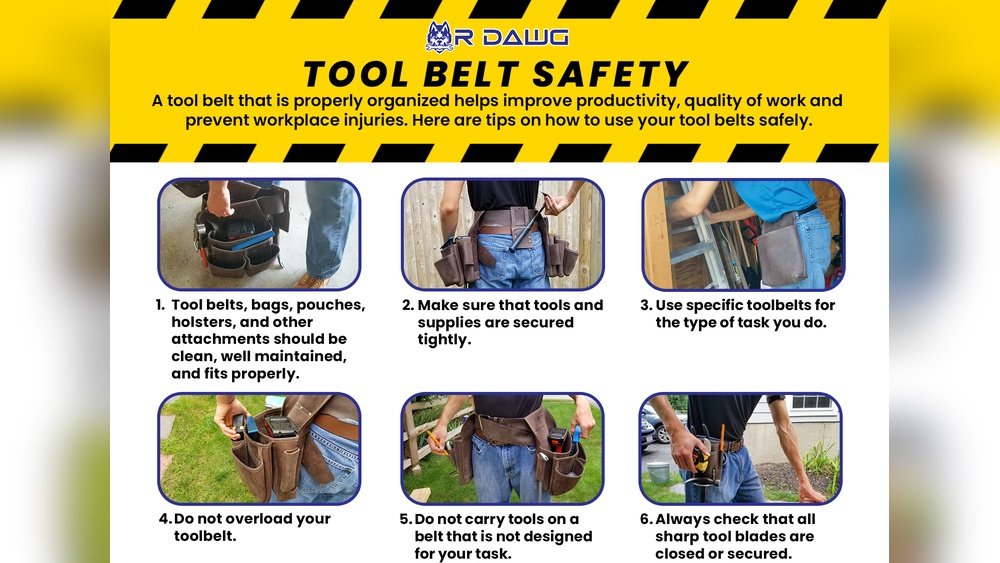
Credit: www.reddit.com
Choosing The Right Tool Bag
Choosing the right tools for your bag saves time and effort on every job. A well-stocked tool bag has a mix of hand tools, specialty items, and measuring devices. This mix helps you handle most tasks with confidence. Below are essential tools to include for a versatile and practical tool bag.
Basic Hand Tools
Start with the core hand tools you will use daily. Include a claw hammer for driving nails and light demolition. A set of screwdrivers with flathead and Phillips tips fits many fasteners. Pliers are a must, especially needle-nose and slip-joint types for gripping and bending. Don’t forget a utility knife for cutting tasks. A wrench set helps with nuts and bolts of various sizes.
Electrical And Plumbing Tools
Equip your bag with tools for common electrical and plumbing fixes. Wire strippers and cutters simplify electrical repairs. A voltage tester ensures safety before working on wiring. For plumbing, a pipe wrench and adjustable wrench work well on fittings. Teflon tape helps seal pipe threads to prevent leaks. Small pliers and a flashlight are handy for tight or dark spaces.
Measuring And Cutting Tools
Measuring tools ensure accuracy in every project. A tape measure is essential for length and distance checks. A carpenter’s square helps mark right angles. A level ensures surfaces are even and straight. For cutting, a handsaw or tin snips handle wood and sheet metal. Marking tools like pencils or markers help guide cuts and placements.

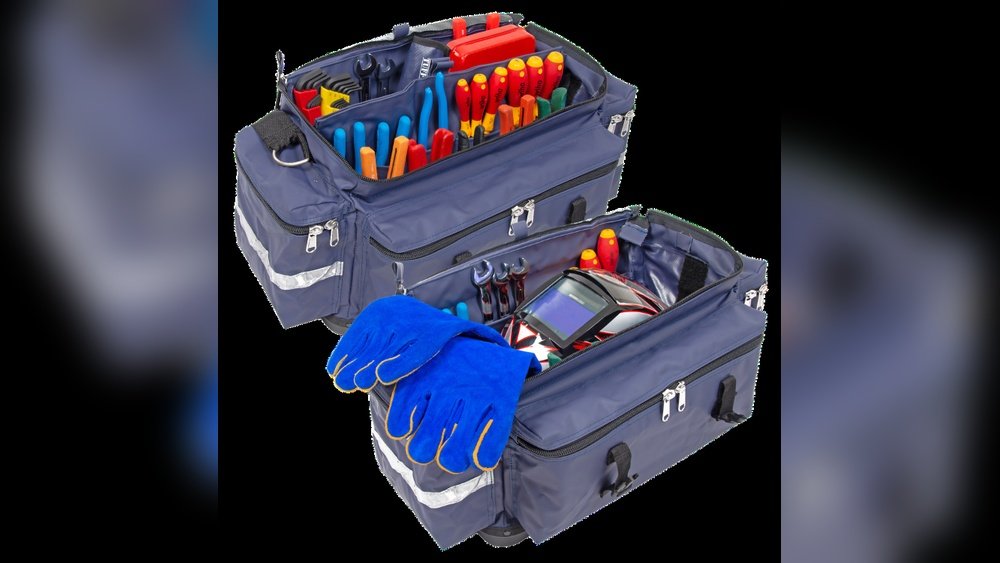
Credit: jennysrc.com
Essential Tools To Include
Keeping a tool bag well-organized saves time and effort. It helps find tools quickly and keeps the bag tidy. Simple organizing techniques make a big difference. These methods improve tool accessibility and protect them from damage.
Using Compartments And Inserts
Compartments and inserts separate tools into sections. This avoids clutter and prevents tools from moving inside. Use small boxes or trays to hold screws, nails, and small parts. Inserts keep tools upright and easy to grab. Choose inserts that fit your bag size for better use.
Labeling And Categorizing
Label each compartment or insert clearly. Use simple words or symbols that describe the tools inside. Group similar tools together, like screwdrivers, pliers, or wrenches. This method speeds up tool identification. It also helps keep the bag organized after work.
Maximizing Space Efficiently
Arrange tools to use every inch of space. Store flat tools like tapes and rulers on the sides. Place heavier tools at the bottom to balance the bag. Use elastic bands or straps to hold tools in place. Avoid overloading pockets to keep tools safe and easy to reach.

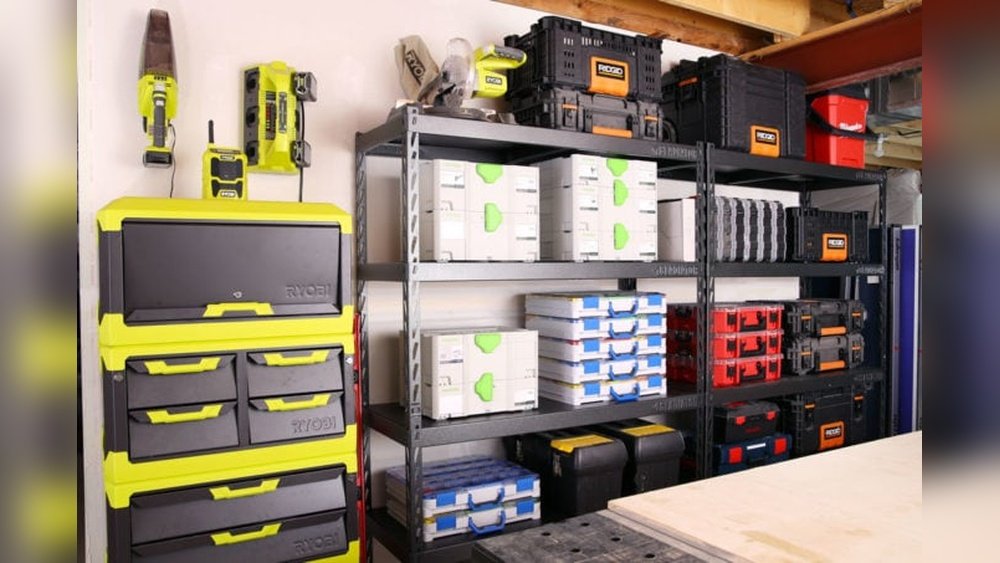
Credit: mdminc.com
Frequently Asked Questions
What Tools Are Essential For A Basic Tool Bag?
A basic tool bag should include a hammer, screwdrivers, pliers, adjustable wrench, tape measure, and utility knife. These tools cover most common tasks and repairs, making your bag versatile and ready for everyday use.
How Can I Organize My Tool Bag Efficiently?
Use compartmentalized boxes or pouches inside your tool bag to separate screws, nails, and small tools. Arrange tools by frequency of use, keeping the most used ones easily accessible for quick access.
What Features Should I Look For In A Tool Bag?
Look for durability, multiple compartments, comfortable handles or straps, and water-resistant materials. A bag with reinforced stitching and sturdy zippers ensures longevity and protects your tools from damage.
How Do I Maintain And Clean My Tool Bag?
Regularly remove tools and shake out debris. Wipe the bag with a damp cloth and mild soap. Inspect for wear and repair tears promptly to extend your tool bag’s lifespan.
Conclusion
A well-packed tool bag saves time and effort on every project. Keep tools organized and easy to find. Choose durable bags with enough space for essentials. Regularly clean and check your tools for safety. Adjust your bag to fit the specific job.
Simple habits make your work smoother and faster. A smart tool bag helps you stay ready anytime. Keep improving your setup as you learn new tasks. Stay practical and organized for the best results.