How to Choose Tool Bag: Ultimate Guide for Perfect Picks
Choosing the right tool bag can change the way you work every day. Imagine having all your essential tools organized, easy to find, and ready to go wherever you need them.
But how do you pick the perfect bag that fits your tools, your style, and your work routine? You might feel overwhelmed by the many options out there or unsure which features really matter. Don’t worry—this guide will help you make a smart choice that saves you time, effort, and frustration.
Keep reading to discover the key factors that make a tool bag truly reliable and suited just for you.
Credit: www.phoenixcontact.com
Types Of Tool Bags
Choosing the right tool bag starts with knowing the different types available. Each type serves a specific purpose and suits certain work styles. Understanding these options helps you pick a bag that fits your needs perfectly. From soft bags to rolling ones, there is a variety to explore.
Soft Vs Hard Tool Bags
Soft tool bags are lightweight and flexible. They are easy to carry and store in tight spaces. These bags usually have many pockets for organizing small tools. Hard tool bags offer more protection. They keep tools safe from damage and weather. Hard bags can be heavier but last longer in rough conditions.
Backpack Tool Bags
Backpack tool bags free up your hands. They distribute weight evenly across your back. This makes carrying tools comfortable for long periods. Backpacks often have padded straps for extra support. They are ideal for jobs that need mobility and quick access to tools.
Rolling Tool Bags
Rolling tool bags have wheels and a retractable handle. They are perfect for heavy tool collections. Rolling bags reduce strain on your back and shoulders. They work well on smooth surfaces like concrete or asphalt. These bags usually offer large compartments for bulky tools.
Compact And Portable Options
Compact tool bags are small and easy to carry. They fit only essential tools for quick jobs. Portable bags are great for DIY tasks or short trips. These bags are lightweight and simple to pack. They help keep your tools organized without extra bulk.
Size And Capacity
Choosing the right size and capacity of a tool bag is vital. The bag must hold all your tools without being too heavy or bulky. Understanding size and capacity helps you pick a bag that fits your needs perfectly. The right balance makes carrying tools easier and keeps you organized.
Choosing The Right Size
Select a tool bag size based on the number of tools you carry daily. Small bags suit basic hand tools, while larger bags fit power tools and accessories. Avoid bags that are too big or too small. A proper size keeps tools secure and easy to find.
Balancing Capacity And Portability
Capacity is important, but so is portability. A large bag can hold many tools but may be heavy and hard to carry. A smaller bag is lighter but may not fit all your gear. Find a bag that offers enough space yet remains comfortable to transport.
Expandable Tool Bags
Expandable tool bags add flexibility to your carrying options. They have zippers or compartments that increase space when needed. Use this feature for extra tools or bigger projects. Expandable bags adapt to changing tool loads easily.
Material And Durability
Choosing the right material and durability of a tool bag ensures it lasts long. A good tool bag resists wear and tear. It protects tools from damage. Durable materials and strong construction help the bag carry heavy tools with ease. Understanding the types of materials and features improves your choice.
Common Materials Used
Canvas is a popular material for tool bags. It is strong and flexible. Nylon is another common choice. It is lightweight and tough. Leather offers excellent durability and a classic look. Polyester also appears in many bags. It resists abrasions and is easy to clean. Each material has pros and cons depending on use.
Water Resistance And Weatherproofing
Water resistance keeps tools dry in wet conditions. Many tool bags use coated fabrics to repel water. Weatherproof bags protect against rain, dust, and dirt. Sealed zippers and covered pockets add extra protection. This feature is important for outdoor work or humid places. Dry tools last longer and work better.
Reinforced Stitching And Hardware
Strong stitching stops seams from tearing under weight. Double or triple stitching is common in quality bags. Reinforced corners and stress points improve bag life. Heavy-duty zippers and metal hardware add strength. Plastic parts may break faster than metal ones. Check these details to ensure the bag can handle heavy tools and frequent use.
Credit: vetopropac.com
Comfort And Ergonomics
Comfort and ergonomics play a key role in choosing the right tool bag. A comfortable bag reduces fatigue and helps you carry tools with ease. Ergonomic features prevent strain on your shoulders, back, and hands. This makes your work safer and more efficient.
Padded Straps And Handles
Padded straps and handles cushion your hands and shoulders. They help reduce pressure points and prevent soreness. Look for thick, soft padding that feels gentle on your skin. Adjustable straps allow you to find the best fit for your body size. Well-padded handles make lifting the bag easier, especially when it is heavy.
Weight Distribution
Good weight distribution keeps the bag balanced while you carry it. A well-designed bag spreads the load evenly across your shoulders or hands. This prevents one side from feeling heavier or causing pain. Choose a bag with compartments that help organize tools by size and weight. This helps maintain balance and improves comfort during long use.
Ergonomic Design Features
Ergonomic design features support your natural body movements. Some bags have curved straps that fit your shoulders better. Others include back padding to protect your spine. Look for bags with breathable materials that reduce sweating. Features like easy-grip handles and smooth zippers add to comfort. These small details make a big difference over time.
Organization Features
Choosing the right tool bag means focusing on how well it organizes your tools. Good organization saves time and effort on the job. It helps keep tools in place and easy to find. A well-organized bag also protects your tools from damage. Below are key features to consider for organization.
Pockets And Compartments
Pockets and compartments are essential for sorting tools by type and size. Multiple pockets keep small items like screws and nails separate. Deep compartments hold larger tools safely. Look for bags with varied pocket sizes for flexibility. Clear or mesh pockets help you see contents quickly. Well-stitched pockets last longer and carry heavy tools without tearing.
Tool Holders And Loops
Tool holders and loops keep frequently used tools within reach. Loops secure hammers, screwdrivers, and pliers outside the bag. This frees up space inside for other tools. Elastic holders adjust to different tool sizes. Strong holders prevent tools from slipping out during transport. Choose bags with enough loops for your main tools.
Accessibility And Quick Access
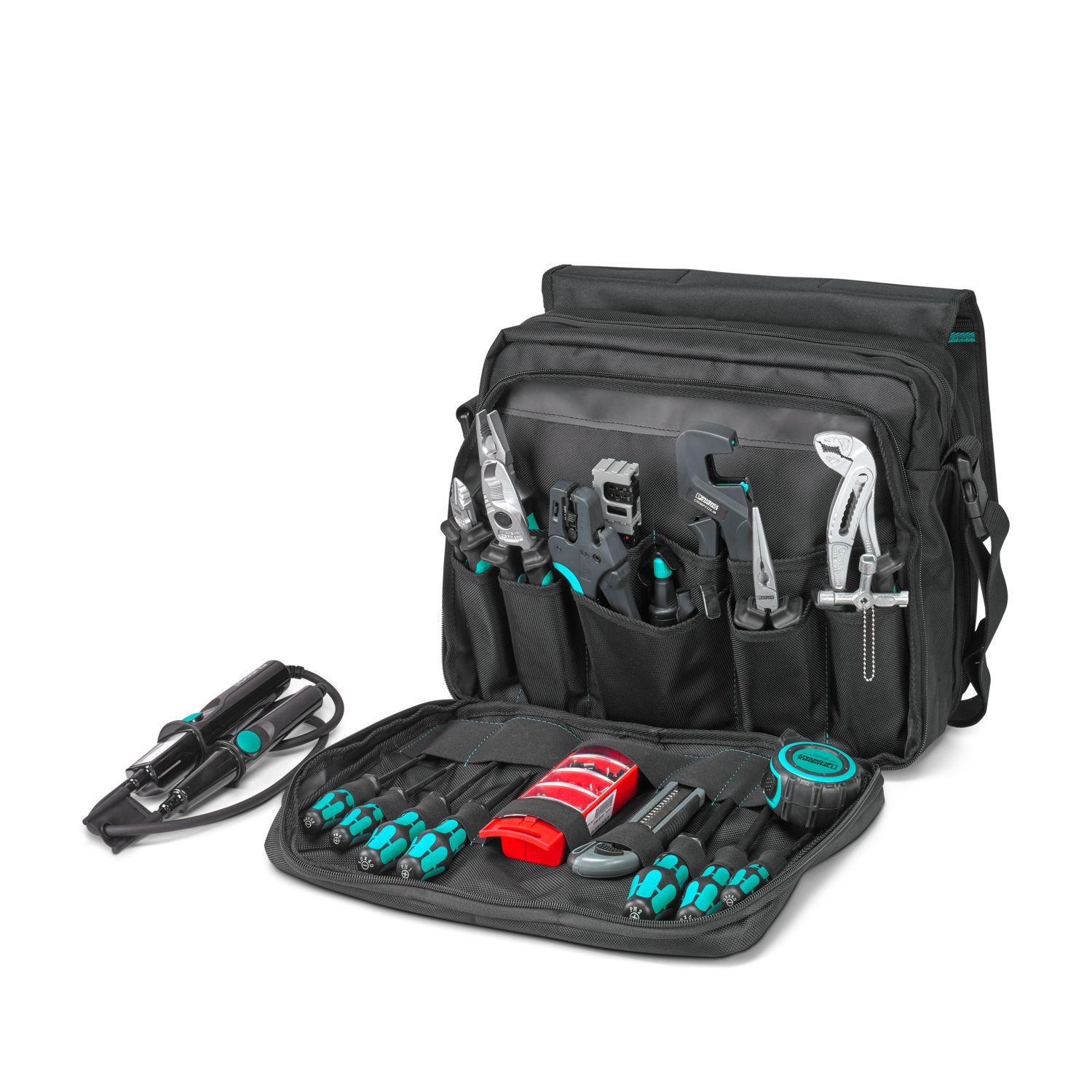
Easy access to tools speeds up work and reduces frustration. Look for bags with wide openings or zippered lids. Some bags have fold-out compartments that show all tools at once. Quick-access pockets allow you to grab tools without opening the whole bag. Consider bags with removable pouches for extra convenience. Good accessibility means less digging and more doing.
Purpose And Use
Choosing the right tool bag starts with understanding its purpose and how you plan to use it. A tool bag must fit your daily tasks and hold all necessary tools. The design, size, and features depend on the type of work and environment. Knowing these details helps you pick a bag that supports your workflow and keeps tools organized and easy to reach.
Trade-specific Tool Bags
Different trades need different tool bags. Electricians need bags with many small pockets for wires and testers. Plumbers prefer bags with space for pipes and wrenches. Carpenters require sturdy bags with compartments for hammers and nails. Choosing a bag designed for your trade helps keep tools safe and accessible. It also improves your work speed and efficiency.
Diy Vs Professional Needs
DIY users usually need smaller bags with basic storage. These bags hold a few common tools for home repairs. Professionals need bigger, tougher bags with many compartments. They carry more tools and heavier equipment. Professionals should choose bags made from durable materials that can handle daily wear. The right bag keeps tools protected and ready for use.
Indoor Vs Outdoor Use
Indoor use requires lightweight bags that are easy to carry and clean. These bags often have soft sides and fewer pockets. Outdoor use demands weather-resistant bags that protect tools from rain and dirt. Outdoor bags usually have reinforced bottoms and strong handles. Choosing a bag based on where you work ensures tools last longer and stay safe.
Budget Considerations
Maintaining your tool bag is vital for keeping it functional and durable. Regular care prevents damage and keeps tools organized. Follow these simple tips to extend your tool bag’s life and performance.
Cleaning Your Tool Bag
Empty the bag completely before cleaning. Use a soft brush to remove dirt and dust. Wipe the surface with a damp cloth and mild soap. Avoid harsh chemicals that can damage the material. Let the bag air dry in a shaded area. Do not use direct heat or sunlight for drying.
Storage Recommendations
Store your tool bag in a cool, dry place. Avoid damp or humid areas to prevent mold and mildew. Keep it away from sharp objects that could cause tears. Use a storage shelf or hook to keep the bag off the floor. Make sure the bag is not overstuffed when stored.
Extending Tool Bag Lifespan
Check for loose threads and repair them quickly. Lubricate zippers to ensure smooth operation. Rotate the tools inside to avoid wear spots. Avoid carrying unnecessary weight to reduce stress on handles. Regularly inspect the bag for signs of wear and fix issues early.
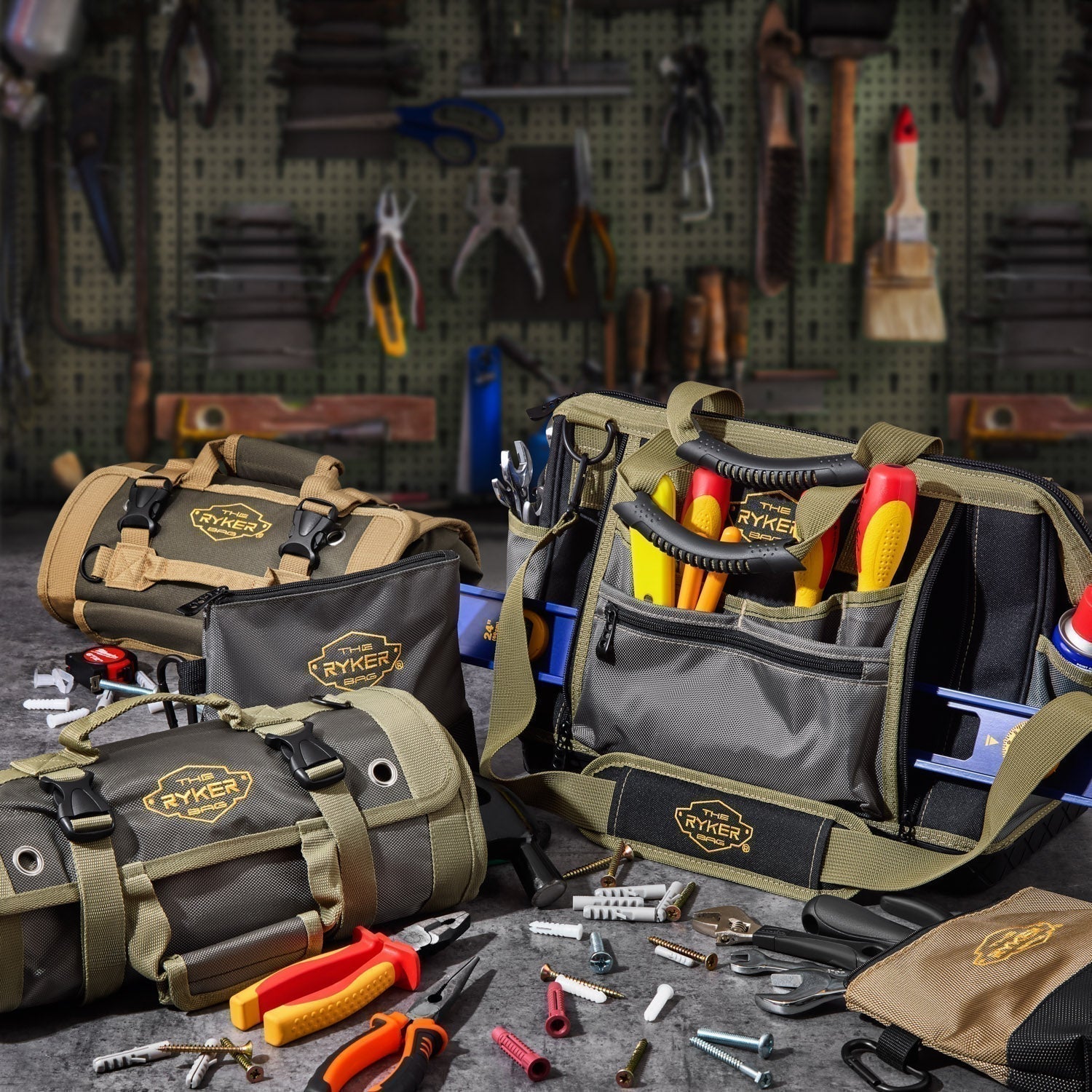
Credit: therykerbag.com
Maintenance Tips
Choosing the right tool bag means knowing which brands and models offer the best value and durability. Popular brands have earned trust through quality materials and smart designs. They often provide options for various trades and needs.
Understanding popular models helps you match a bag to your daily tasks. Some brands focus on heavy-duty bags for professionals. Others create lightweight models for casual users. Knowing these differences makes your choice easier.
Top-rated Tool Bags
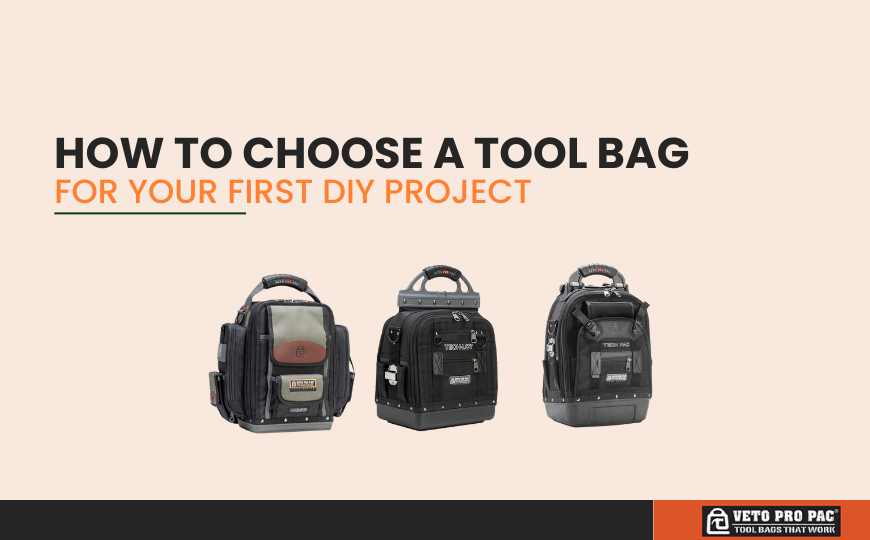
Some tool bags stand out due to strong build and practical features. Brands like Veto Pro Pac, DeWalt, and Milwaukee often lead the pack. Their bags offer multiple compartments, sturdy zippers, and reinforced handles. These features keep tools organized and easy to reach.
Look for bags with water-resistant materials and padded straps. These add protection and comfort during work. Some bags even include special pockets for power tools and accessories.
User Reviews And Feedback
Customer reviews reveal real-world strengths and weaknesses. Users often share details about durability after months of use. Pay attention to comments about stitching, zipper quality, and comfort. This feedback helps avoid bags with common issues.
Positive reviews highlight good storage space and ease of carrying. Negative feedback may point out weak handles or poor material quality. Reading both sides gives a balanced view of each model.
Where To Buy
Tool bags are available at hardware stores and online shops. Online retailers like Amazon, Home Depot, and Lowe’s offer wide selections. These platforms show user ratings and detailed product descriptions. You can compare prices and check for discounts easily.
Local stores let you feel the bag’s weight and material before buying. This is helpful if you prefer hands-on experience. Some stores also provide expert advice to match bags with your tools.
Frequently Asked Questions
What Size Tool Bag Should I Choose?
Choose a tool bag size based on your tool collection and job needs. Medium-sized bags suit most users. Bigger bags are for heavy-duty tasks; smaller ones fit basic tools and portability.
Which Material Is Best For A Tool Bag?
Durable materials like heavy-duty nylon or leather offer longevity and protection. Waterproof and abrasion-resistant fabrics help keep tools safe in various conditions.
How Important Are Compartments In A Tool Bag?
Compartments keep your tools organized and accessible. Multiple pockets and dividers prevent damage and save time finding tools during work.
Should I Prioritize Comfort When Buying A Tool Bag?
Yes, comfort is crucial to avoid strain. Look for padded straps and ergonomic designs for easy carrying during long work hours.
Conclusion
Choosing the right tool bag makes your work easier and more organized. Think about size, weight, and pockets to fit your tools well. A comfortable bag reduces strain during long work hours. Durable materials keep your tools safe and last longer.
Consider your job needs and how you move on site. A good tool bag helps you stay ready and efficient every day. Take your time to pick one that suits your style and work habits. The right choice supports your tasks and protects your tools.