Are you making the most of your tool bag, or are hidden mistakes slowing you down? Whether you’re a seasoned pro or just starting out, how you pack and use your tool bag can make a huge difference in your daily work.
From choosing the wrong type of bag to overloading it with unnecessary tools, small errors can lead to frustration, wasted time, and even damage to your gear. You’ll discover the most common mistakes people make with their tool bags, and how you can avoid them to boost your efficiency and protect your investment.
Ready to transform your tool bag habits and work smarter? Let’s dive in!
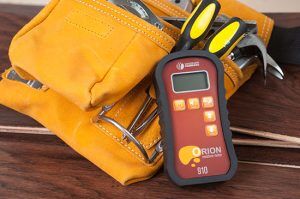
Credit: www.wagnermeters.com
Choosing The Right Tool Bag
Choosing the right tool bag makes a big difference in your work. A good tool bag keeps tools safe, organized, and easy to carry. Picking the wrong bag causes frustration and wastes time. Focus on the key points below to find the best tool bag for your needs.
Material Matters
Material affects durability and weight. Look for heavy-duty fabrics like ballistic nylon or reinforced polyester. These materials resist tears and wear. Waterproof or water-resistant options protect tools from moisture. Avoid cheap fabrics that break quickly. A strong material means your tools stay safe longer.
Size And Capacity
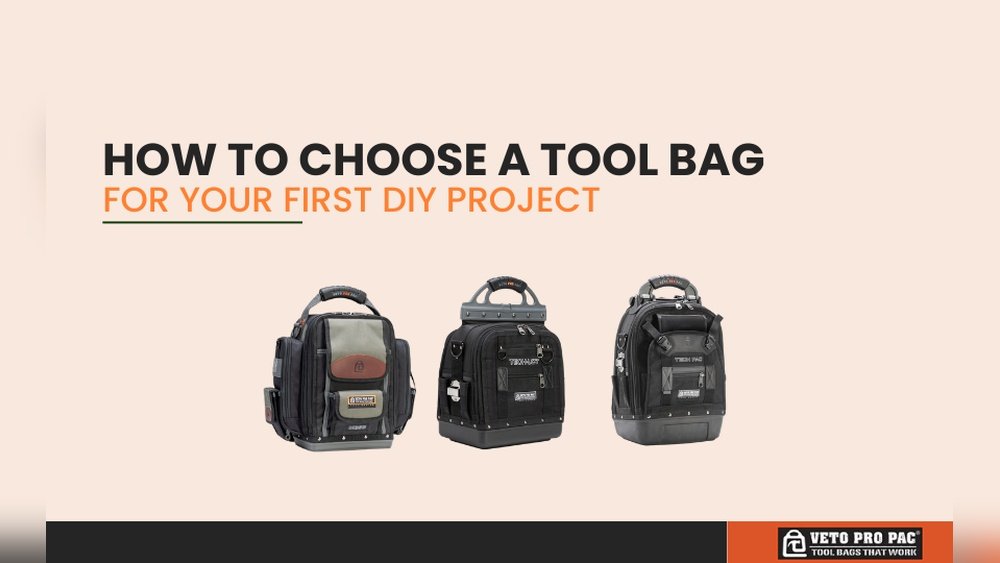
Choose a size that fits your tool collection well. Too small means tools won’t fit or get damaged. Too big adds extra weight and bulk. Think about the tools you use most often. Consider future tool additions before buying. A well-sized bag offers enough space without being heavy or hard to carry.
Specialized Vs. General Bags
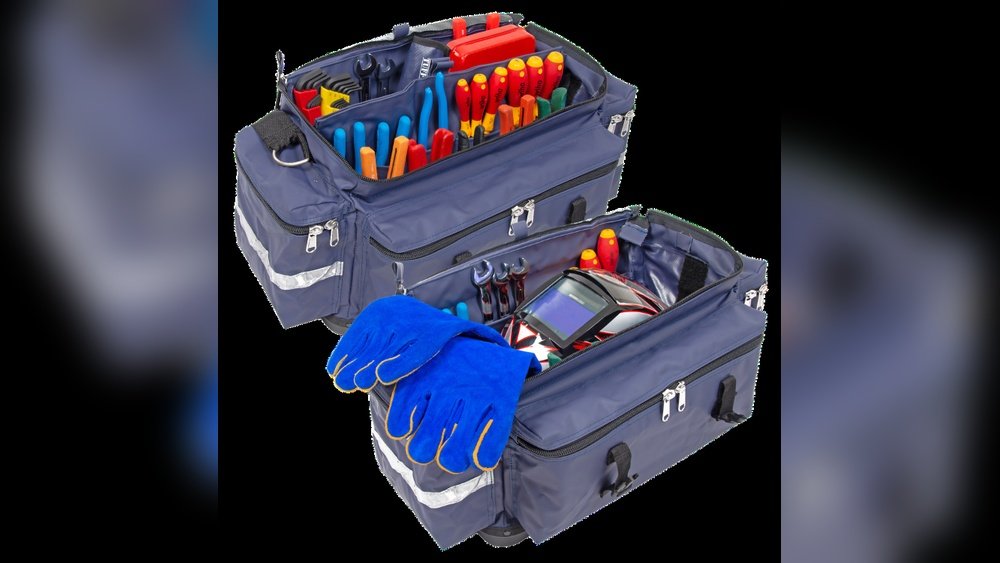
Specialized bags have compartments for specific tools. They keep everything neatly organized. General bags offer flexible space for different tools. They work well if your tool set changes often. Decide if you need a bag for one type of job or many. Match your tool bag style to your work habits.
Avoiding Overloading
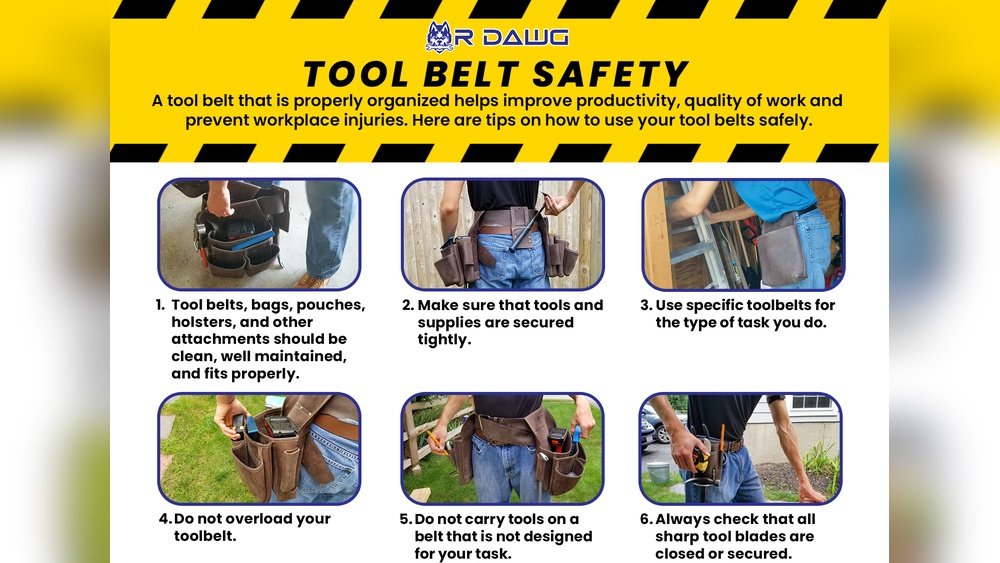
Overloading a tool bag is a common mistake that many make. It leads to discomfort and damages the bag faster. Carrying too much weight can also slow you down. Avoid this by managing what goes inside your bag carefully.
Weight Distribution
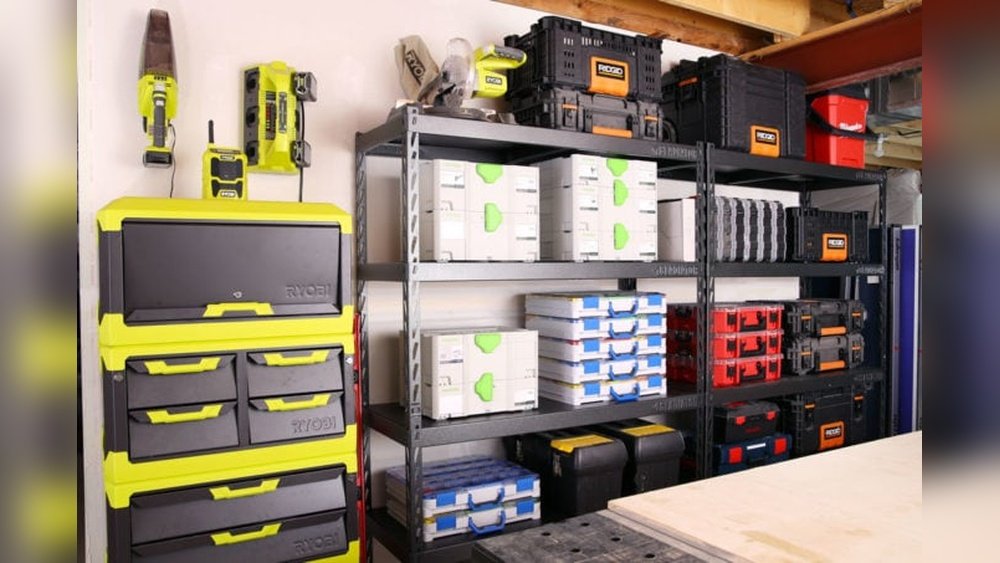
Keep the heaviest tools close to the bag’s center. This helps balance the load and reduces strain on your shoulders. Distribute weight evenly to prevent the bag from tipping over or pulling to one side. Organize tools by size and weight for better stability.
Prioritizing Essential Tools
Only pack tools you need for the job. Avoid filling the bag with rarely used items. This keeps the bag lighter and easier to carry. Review your tools before each job and remove anything unnecessary. Focus on quality, not quantity.
Preventing Bag Wear And Tear
Overloading puts stress on zippers, seams, and handles. This can cause tears and breaks over time. Limit the weight to the bag’s recommended capacity. Use padded compartments to protect tools and the bag itself. Regularly clean and check your bag for damage.
Organizing Tools Effectively
Using a tool bag might seem simple, but many users make common errors that reduce efficiency. These mistakes often cause discomfort and damage tools. Understanding these common usage errors helps improve how you carry and organize tools. Avoiding these pitfalls leads to better work and longer tool bag life.
Carrying Techniques
Carrying a tool bag improperly strains your body and damages tools inside. Holding it by one handle for long causes wrist pain. Use both hands or a shoulder strap to spread weight evenly. Avoid swinging the bag as it can shift tools and cause breakage. Keep the bag close to your body to maintain balance and reduce fatigue.
Ignoring Bag Comfort
Many ignore comfort features when choosing or using a tool bag. Lack of padding on straps causes shoulder and back pain. Bags without breathable materials make your skin sweat during hot days. Choose bags with cushioned, adjustable straps and ventilation. Comfort improves your work stamina and prevents injuries over time.
Misusing Tool Pouches
Tool pouches are for quick access, but many misuse them. Overloading pouches makes tools hard to find and adds extra weight. Putting heavy tools in small pouches can tear the fabric. Use pouches for frequently used, lightweight tools only. Keep sharp or heavy tools in the main compartment to protect the bag and your hands.
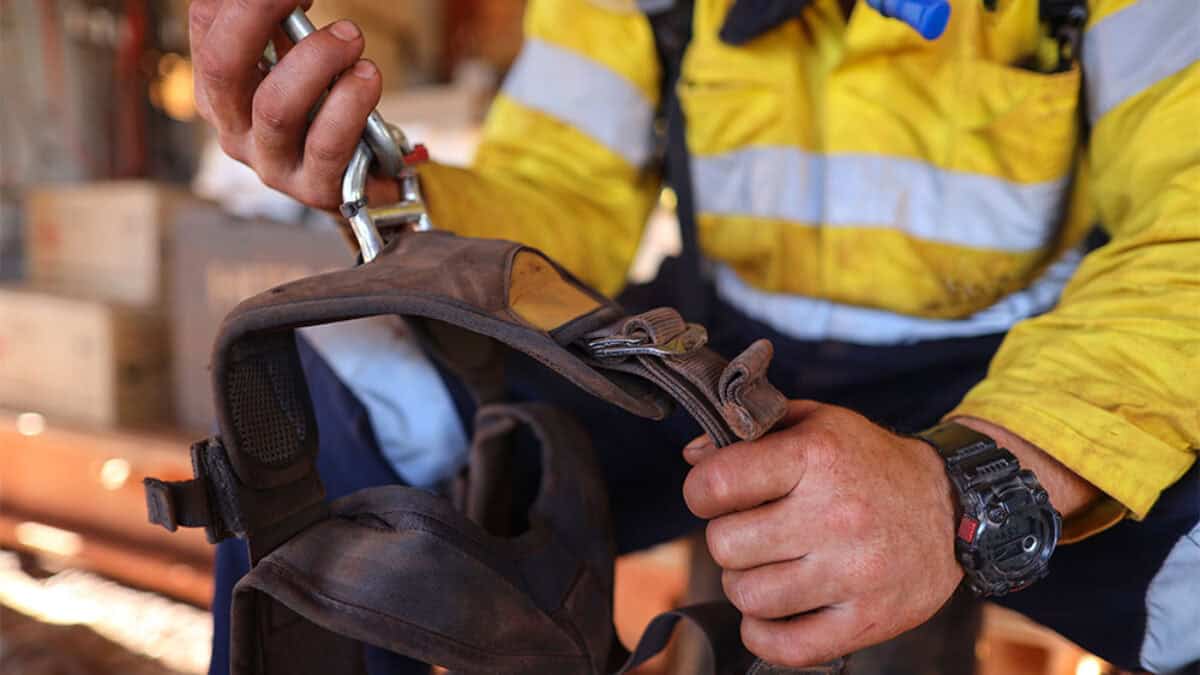
Credit: humanfocus.co.uk

Credit: www.naksinc.com
Frequently Asked Questions
What Should You Have In Your Tool Bag?
A well-equipped tool bag includes screwdrivers, pliers, cable cutters, spanners, tape measure, hammer, saw, and a spirit level for versatile tasks.
What Is The Lifespan Of A Tool Tote?
The lifespan of a tool tote depends on material quality and usage. High-quality totes last 5 to 10 years with proper care. Regular cleaning and avoiding overloading extend durability. Choose heavy-duty fabrics like ballistic nylon for longer life.
What's Better, A Tool Box Or A Tool Bag?
A tool bag offers better flexibility and easier transport, while a tool box provides sturdier protection and organization. Choose based on your work style and tool needs.
Are Tool Pouches Worth It?
Tool pouches keep tools organized, protect them from damage, and improve accessibility. They enhance efficiency and durability on the job.
Conclusion
Avoid common tool bag mistakes to keep tools safe and easy to find. Choose the right bag size and type for your needs. Don’t overload your bag; it makes carrying hard and damages tools. Organize tools properly to save time and reduce frustration.
Regularly check your bag for wear and replace when needed. Small changes lead to big improvements in your work routine. Keep your tools ready, and your projects will run smoother every day.