Tips for Portable Work Light: Essential Hacks for Maximum Brightness
When you’re working in dim or dark spaces, having the right portable work light can make all the difference. But with so many options out there, how do you choose one that fits your needs perfectly?
You want a light that’s bright, durable, easy to carry, and lasts long on a single charge. You’ll discover simple yet effective tips to help you pick and use the best portable work light for your tasks. Keep reading, and you’ll soon be shining a light exactly where you need it most—making your work easier and safer every time.

Credit: jclgl-led.com
Choosing The Right Light
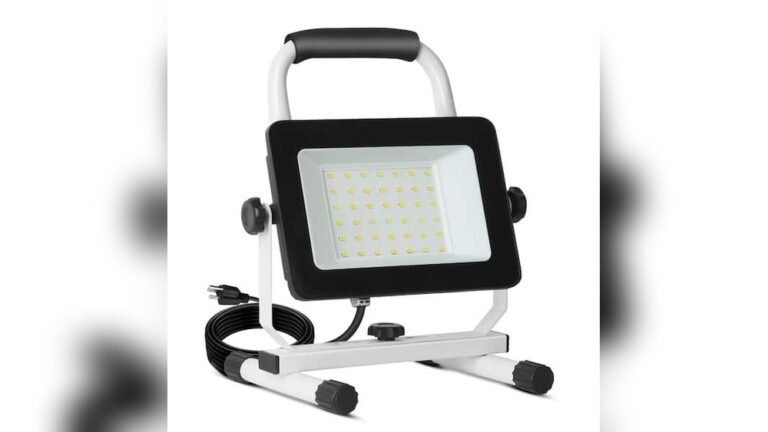
Portable work lights come in several types. The most common are LED, halogen, and fluorescent. LED lights use less energy and last longer. Halogen lights give bright, warm light but consume more power. Fluorescent lights are energy-efficient but can be bulky.
Brightness is measured in lumens. Higher lumens mean brighter light. For small tasks, 200-500 lumens is enough. Bigger jobs need 1000 lumens or more. Think about where you will use the light.
| Power Source | Pros | Cons |
|---|---|---|
| Battery-powered | Portable, no cords | Needs charging, limited time |
| Plug-in (corded) | Continuous power, bright | Less portable, needs outlet |
| Rechargeable | Portable, reusable batteries | Charging time, battery life |
Maximizing Brightness
Place the work light at a height that spreads light evenly. Aim the light towards the work area, not directly at eyes. Use adjustable stands or clamps for better positioning.
Reflectors help bounce light around the space, increasing brightness. Diffusers soften harsh light, reducing glare and making it easier to see details. Combine both for a balanced light effect.
Keep light sources apart to prevent deep shadows. Position lights to the side, not directly above, to avoid glare. Use multiple lights if needed for even coverage without dark spots.
Battery And Power Hacks
Extending battery life is key for portable work lights. Use the light on lower brightness settings to save power. Turn off the light when not in use to avoid wasting energy. Keep batteries at room temperature; extreme heat or cold can reduce battery life.
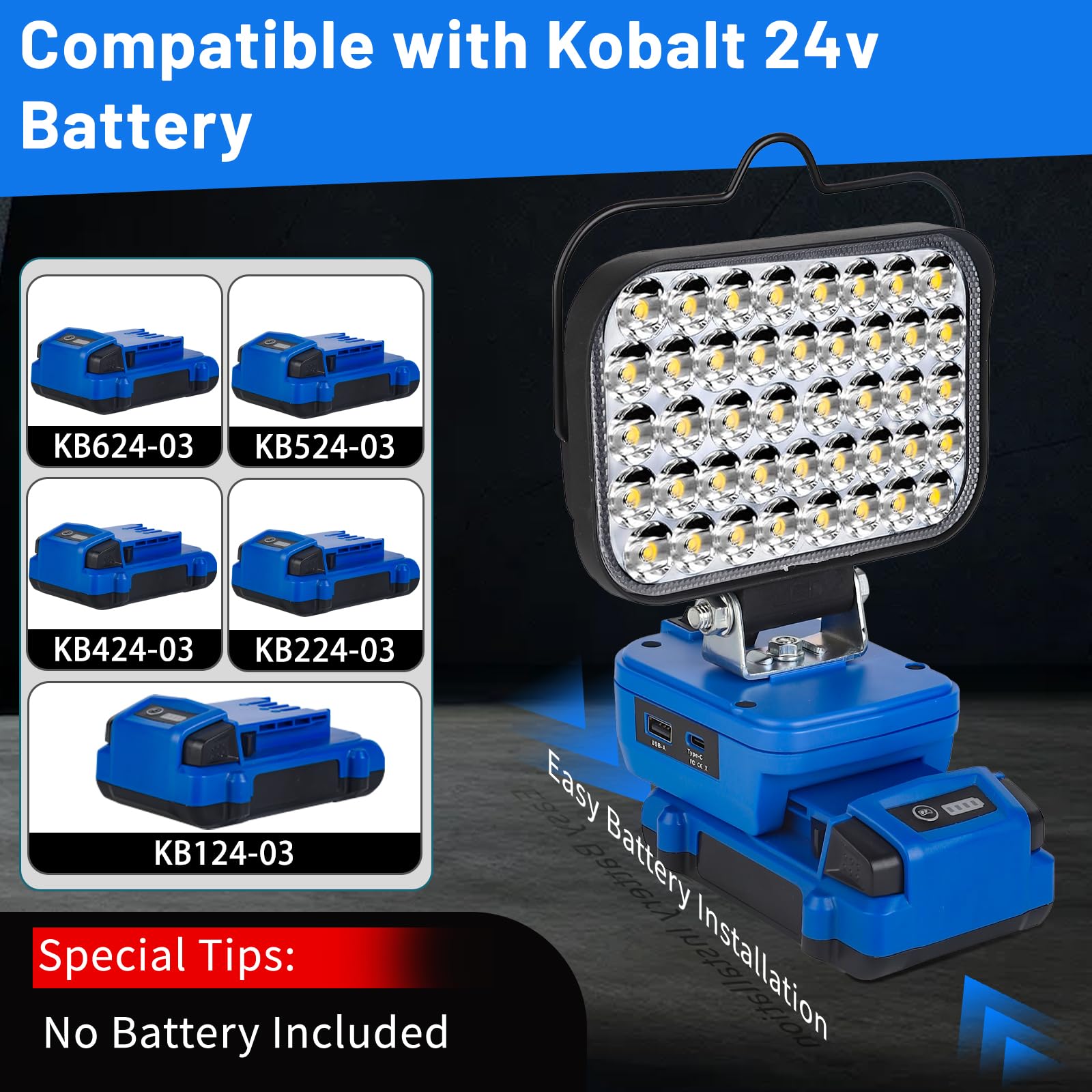
Portable charging solutions make it easy to power lights anywhere. Power banks and car chargers work well for charging on the go. Solar chargers are a good option for outdoor use where no power outlet is available.
Energy-efficient light settings help stretch battery life. Choose lights with adjustable brightness or motion sensors. Motion sensors turn lights off automatically when no one is nearby. LED bulbs use less power and last longer than traditional bulbs.
Credit: www.amazon.com
Durability And Weather Resistance
Choose a portable work light with waterproof and impact-resistant features. These lights resist rain, dust, and accidental drops. Look for an IP rating of at least IP65 for water protection. Materials like aluminum and strong plastics last longer under tough conditions.
Keep the light clean by wiping it with a damp cloth. Avoid harsh chemicals that can damage the surface. Store the light in a dry place to prevent rust and corrosion. Check the seals regularly to keep water out. Tighten any loose screws to maintain durability.
Portability And Convenience
Foldable and compact designs make a portable work light easy to store and carry. These lights fit in small bags or toolboxes without taking much space. Many models fold flat or collapse, adding to their convenience. This saves room and helps you move the light quickly.
Mounting and hanging options add to the work light’s usefulness. Hooks, magnets, and adjustable stands let you place the light where it is needed most. This hands-free feature helps you work better and safer in dark places.
Lightweight models are best for carrying over long periods. Look for lights with handles or straps for easy transport. Carrying tips include using padded cases to protect the light and avoid hand strain. This keeps the light ready for any job.
Safety And Practical Use
Preventing overheating is key for safe use of portable work lights. Always allow proper ventilation around the light. Avoid covering the light with cloth or paper. Use lights with built-in thermal protection to stop damage from heat. Turn off the light if it feels very hot.
For safe handling practices, hold the light by its handle or base. Avoid touching the bulb or LED surface during use. Keep the light away from water or wet areas unless it is water-resistant. Store the light in a dry place after use.
Using lights in different environments needs care. For outdoor use, check if the light is weatherproof. Use lights with shock resistance for rough areas. In cold places, some lights might work less well. Always follow the manufacturer’s instructions for best use.
Advanced Features To Consider
Adjustable brightness levels help you set the light just right. Choose from low, medium, or high settings for different tasks. This saves battery and avoids glare. Some lights have memory to remember your last brightness.
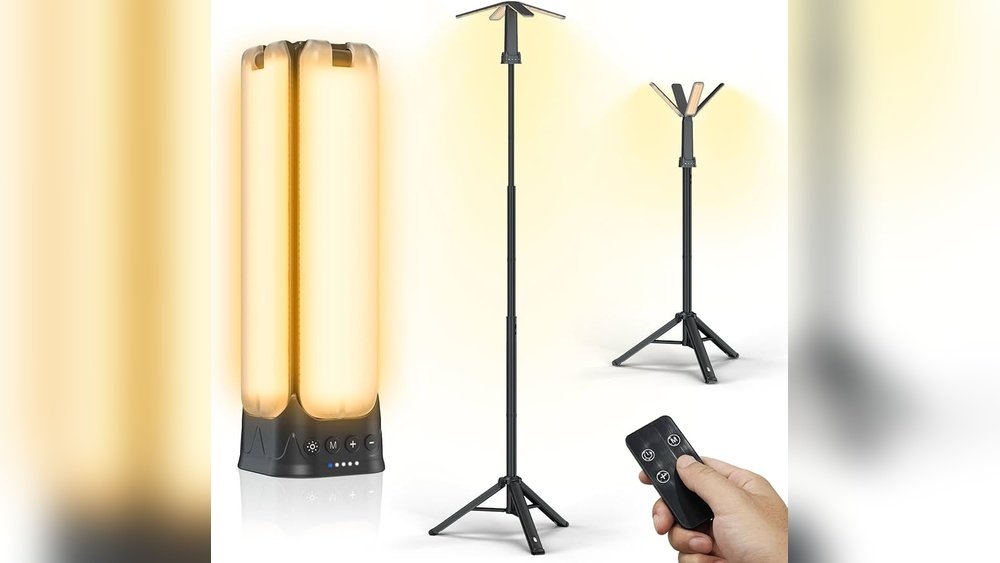
Remote control and timer functions add great convenience. Turn the light on or off without moving. Set timers to save power by switching off automatically. These features let you focus fully on your work.
Multi-functional work lights combine several uses in one tool. They may include hooks, magnets, or tripod stands. This lets you place the light anywhere easily. Many come with rechargeable batteries for long use. They work well indoors and outdoors.

Credit: hykoont.com
Frequently Asked Questions
What Features Make A Portable Work Light Ideal?
An ideal portable work light should be bright, lightweight, and rechargeable. It must offer adjustable brightness and a durable, weather-resistant design. Portability and long battery life enhance usability for various tasks and environments.
How To Choose The Right Brightness Level?
Select a work light with adjustable lumens to match your task. Higher lumens are best for detailed work, while lower settings conserve battery life. Look for at least 500 lumens for general use.
Are Rechargeable Portable Work Lights Worth It?
Yes, rechargeable lights save money and reduce waste. They offer convenience by eliminating constant battery changes. Look for models with USB charging and good battery capacity for longer use.
Can Portable Work Lights Be Used Outdoors Safely?
Choose lights with water and impact resistance for outdoor use. Look for IP ratings like IP65 or higher. Durable casing protects against weather and rough handling on job sites.
Conclusion
Choosing the right portable work light improves your work quality and safety. Focus on brightness, battery life, and durability. Lightweight and easy-to-carry designs make your tasks simpler. Waterproof and impact-resistant models handle tough conditions well. Remember to pick a light that fits your specific needs.
Good lighting helps you see clearly and work faster. Keep these tips in mind for better results every time. Portable work lights are smart tools for any job site or project.