Looking to keep your tools organized, protected, and always within reach? Your perfect tool bag can make all the difference, whether you’re tackling home repairs or handling professional projects.
But with so many options out there, how do you choose the right one that fits your needs? In this guide to tool bags, you’ll discover exactly what to look for, size, durability, compartments, and comfort, so you can stop wasting time searching for tools and start focusing on the job.
Ready to build your ideal tool kit carrier? Let’s dive in and find the tool bag that works just for you.
Choosing The Right Tool Bag
Choosing the right tool bag matters for every project. It helps keep tools organized and easy to reach. A good tool bag also protects tools from damage. Picking one that fits your needs saves time and effort. Focus on size, material, and carrying style. These factors affect convenience and durability.
Size And Capacity Options
Tool bags come in many sizes. Small bags hold just a few essential tools. Large bags carry many tools for bigger jobs. Choose a size based on your tool collection. Avoid bags that are too big or too small. A well-sized bag keeps tools secure and easy to find.
Material Durability
Strong materials extend the life of your tool bag. Heavy-duty nylon and polyester resist tears and water. Some bags have reinforced bottoms to prevent wear. Check for sturdy zippers and seams. Durable bags protect tools and withstand rough use.
Carrying Styles
Tool bags offer different carrying options. Shoulder straps free up your hands for other tasks. Handles allow quick pick-up and short trips. Some bags have wheels for heavy loads. Pick a style that fits your comfort and job needs.

Credit: www.amazon.com
Essential Tools To Include
Choosing the right tools for your bag is crucial for any task. A well-stocked tool bag saves time and effort. It also ensures you are ready for most repairs or projects. Focus on essentials that match your needs. Organize tools for easy access and efficiency.
Basic Hand Tools
Start with simple hand tools. A hammer, screwdrivers, and pliers are must-haves. Include a tape measure for quick measurements. A utility knife helps with cutting tasks. Wrenches in various sizes allow you to tighten or loosen bolts. These tools cover many common repairs and projects.
Specialized Tools For Projects
Choose tools based on your specific projects. Electricians need wire strippers and voltage testers. Woodworkers benefit from chisels and clamps. Plumbers require pipe wrenches and Teflon tape. Add power tools like drills for faster work. Pick tools that make your tasks easier and more precise.
Safety Gear
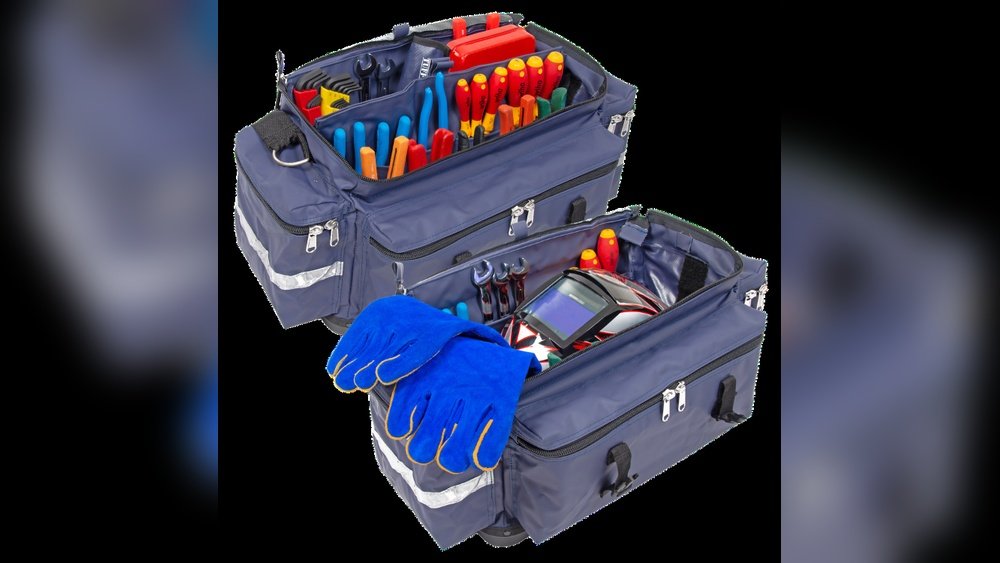
Safety gear protects you during work. Always include gloves to protect your hands. Safety glasses shield your eyes from debris. Earplugs reduce noise from loud tools. A dust mask helps when working with dust or chemicals. Keep safety gear in your bag to stay protected at all times.
Organizing Techniques
Keeping your tool bag tidy saves time and effort during any project. Proper organizing techniques help you find the right tool fast. A neat tool bag also protects your tools and extends their life.
Use simple methods to arrange your tools. These techniques fit all kinds of tool bags. Let's explore key ways to organize your tool bag effectively.
Using Compartments And Pockets
Most tool bags come with compartments and pockets. Use these spaces to separate tools by size or use. Small pockets are perfect for screws, nails, and bits. Larger compartments hold power tools or bulky items. Keep sharp tools in pockets to avoid damage. This setup reduces clutter and makes tools easy to spot.
Tool Grouping Strategies
Group tools by task or type for quick access. For example, keep all measuring tools together. Place cutting tools in one section and fastening tools in another. Grouping helps you grab all needed tools for a job at once. It also keeps your bag balanced and prevents tools from shifting.
Labeling For Quick Access
Add labels to compartments or pockets to identify contents fast. Use simple tags or stickers that are easy to read. Labeling prevents digging through your bag for the right tool. It also helps if multiple people use the same bag. Clear labels keep your tool bag organized every time.

Credit: www.rustictown.com
Maintaining Your Tool Bag
Keeping your tool bag in good condition helps you work faster and safer. Regular care protects your tools and the bag itself. It also saves money by avoiding early replacements. Follow simple steps to maintain your tool bag and extend its life.
Cleaning Tips
Empty your tool bag before cleaning. Use a soft brush to remove dust and dirt. Wipe the inside and outside with a damp cloth. Avoid soaking the bag to prevent damage. Let it dry completely in a well-ventilated area. Clean regularly to stop buildup of grime and rust.
Inspecting For Wear And Tear
Check your tool bag for holes, tears, or broken zippers. Look at the handles and straps for signs of weakness. Inspect pockets and compartments to ensure they hold tools securely. Repair small issues quickly to stop them from getting worse. Regular checks keep your bag safe and functional.
Replacing And Upgrading Tools
Remove rusty or damaged tools from your bag. Replace worn-out tools with new or better models. Upgrade tools to improve your work quality and speed. Keep only essential tools to avoid a heavy, cluttered bag. A well-organized bag makes projects easier and more efficient.
Transporting Tools Efficiently
Transporting your tools efficiently saves time and energy. A well-chosen tool bag helps carry tools safely and comfortably. It also keeps your tools organized and easy to access. Proper transport reduces strain and prevents damage to your tools.
Comfortable Handles And Straps
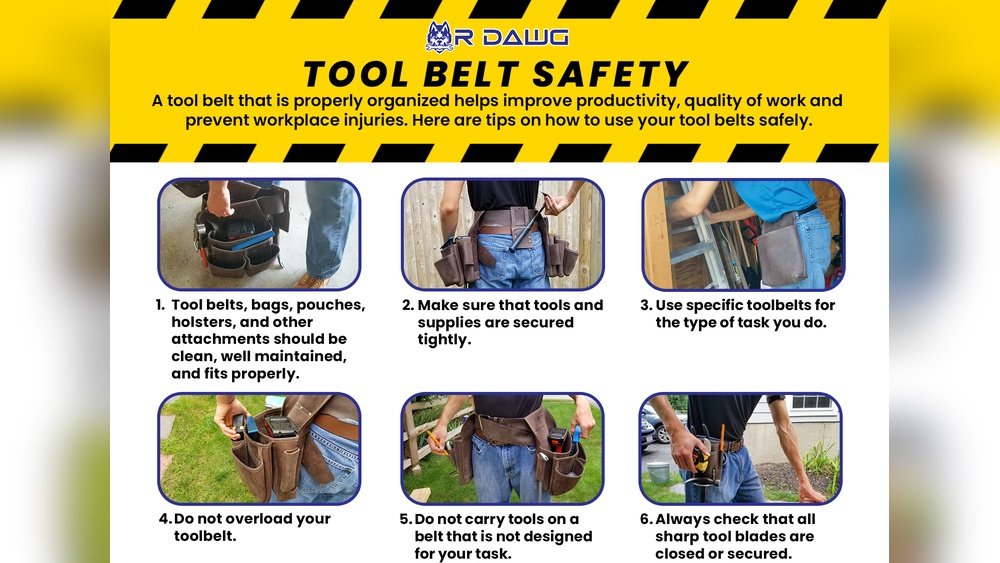
Handles and straps make carrying easier. Look for padded handles to reduce hand pressure. Wide straps spread weight evenly on your shoulder. Adjustable straps let you fit the bag to your body. Soft materials prevent chafing during long carries.
Rolling Vs Backpack Bags
Rolling bags have wheels for easy movement on flat surfaces. They reduce stress on your back and shoulders. Backpack bags free your hands and work well on stairs or rough ground. Choose based on your work location and how far you walk. Both types protect tools and offer storage options.
Balancing Weight
Place heavy tools near the bottom of the bag. This keeps the center of gravity low for better balance. Distribute tools evenly to avoid one side feeling heavier. A balanced bag reduces muscle strain and improves comfort. Regularly check and rearrange tools for the best weight balance.
Top Brands And Models
Choosing the right tool bag means considering trusted brands and reliable models. The market offers a wide range of options. Each brand brings unique qualities for different needs and budgets. Knowing the top brands helps you pick a bag built to last and suit your work style.
Professional Favorites
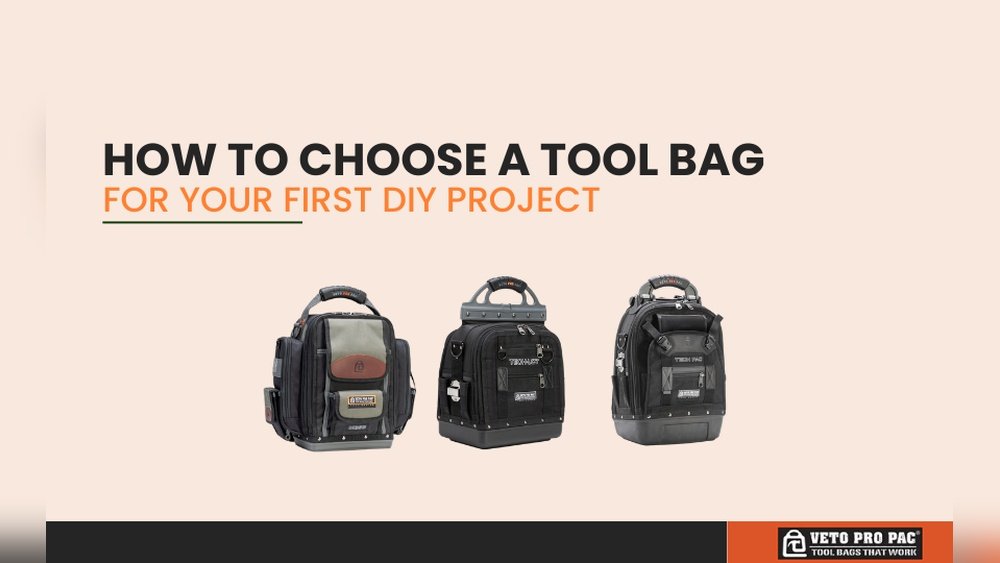
Professionals trust brands like DeWalt, Milwaukee, and Veto Pro Pac. These brands build tough, durable bags designed for heavy use. Their models often include reinforced handles and water-resistant materials. Many pros prefer bags with multiple compartments for tool organization. These tool bags handle daily wear and tear with ease.
Budget-friendly Options
Budget brands like AmazonBasics, CLC, and Klein Tools offer good value. They provide solid durability without a high price tag. These bags suit beginners or occasional users well. Even budget models often include padded straps and extra pockets. These options help store and carry tools safely on a tight budget.
Innovative Features
Some tool bags offer smart features to improve convenience. Look for bags with removable pouches or modular designs. Reflective strips and built-in LED lights add safety and visibility. Waterproof zippers and tough fabric protect tools in harsh conditions. Innovation also includes ergonomic designs to reduce strain during long use.
Customizing Your Tool Bag
Customizing your tool bag lets you work smarter and faster. A well-organized bag keeps tools easy to find. It also protects your tools from damage. Tailoring your bag to fit your needs makes every job smoother.
Each worker has unique demands. Your tool bag should reflect your daily tasks and habits. Adding extra storage, personal touches, and trade-specific features improves your efficiency. These simple upgrades make a big difference on the job.
Adding Extra Pouches
Extra pouches increase your tool bag's storage space. Use pouches to separate small items like screws and drill bits. This stops them from getting lost or mixed up.
Choose pouches with strong zippers or Velcro for quick access. Attach them to your bag’s sides or inside compartments. Removable pouches offer flexibility for different projects.
Personalizing With Accessories
Accessories add comfort and convenience to your tool bag. Consider padded shoulder straps to reduce strain during transport. Reflective strips can improve visibility on dim job sites.
Tool loops and clips keep frequently used tools within reach. Name tags or patches help identify your bag easily. Personal touches make your bag truly yours and easy to spot.
Adapting For Specific Trades
Different trades require different tools and layouts. Electricians benefit from insulated pockets and compartments for wire strippers and testers. Carpenters need slots for hammers, tape measures, and chisels.
Plumbers might add water-resistant liners and space for pipe wrenches. Adjust your bag’s design based on your work needs. This saves time and keeps tools protected.
Credit: www.amazon.com
Frequently Asked Questions
What Size Tool Bag Is Best For Beginners?
A medium-sized tool bag is ideal for beginners. It holds essential tools without being bulky. Choose one with multiple compartments for organization and easy access.
How To Choose A Durable Tool Bag?
Look for bags made from heavy-duty materials like nylon or leather. Reinforced stitching and water-resistant features add extra durability. Comfort and sturdy handles also matter.
What Tools Should Every Tool Bag Contain?
Essential tools include a hammer, screwdrivers, pliers, tape measure, and utility knife. Customize based on your projects but start with these basics for versatility.
Can Tool Bags Be Used For Electrical Tools?
Yes, specialized tool bags are designed for electricians. They have insulated pockets and compartments for safety and organization of electrical tools.
Conclusion
Choosing the right tool bag makes your work easier and more organized. A good bag holds your tools securely and lasts long. Think about size, pockets, and comfort when picking one. Keep your tools ready for any task with the right storage.
This simple choice helps you save time and avoid frustration. Start with basics, then add tools as you grow. A reliable tool bag supports every project, big or small.