Beginner Guide to Portable Work Light: Essential Tips for Success
Are you struggling to see clearly while working in dim or dark spaces? A portable work light could be the simple solution that changes everything for you.
Whether you’re fixing something at home, working on a car, or tackling a construction project, having the right lighting makes your job easier and safer. But with so many options out there, how do you choose the best one for your needs?
This beginner guide to portable work lights will walk you through everything you need to know. By the end, you’ll feel confident picking the perfect light that fits your tasks and budget. Let’s shed some light on your next project—literally!
Types Of Portable Work Lights
LED work lights are very popular. They use less energy and last longer than other types. They give bright, clear light and stay cool to touch. Many are portable and have adjustable brightness.
Halogen work lights produce a warm, bright light. They heat up quickly and use more energy. These lights are usually cheaper but can get very hot. They work well in cold weather and outdoor jobs.
Fluorescent work lights use tubes that give soft, even light. They save energy and last longer than halogen. These lights are often larger and less durable. They are good for indoor use and long work hours.
Power Sources And Portability
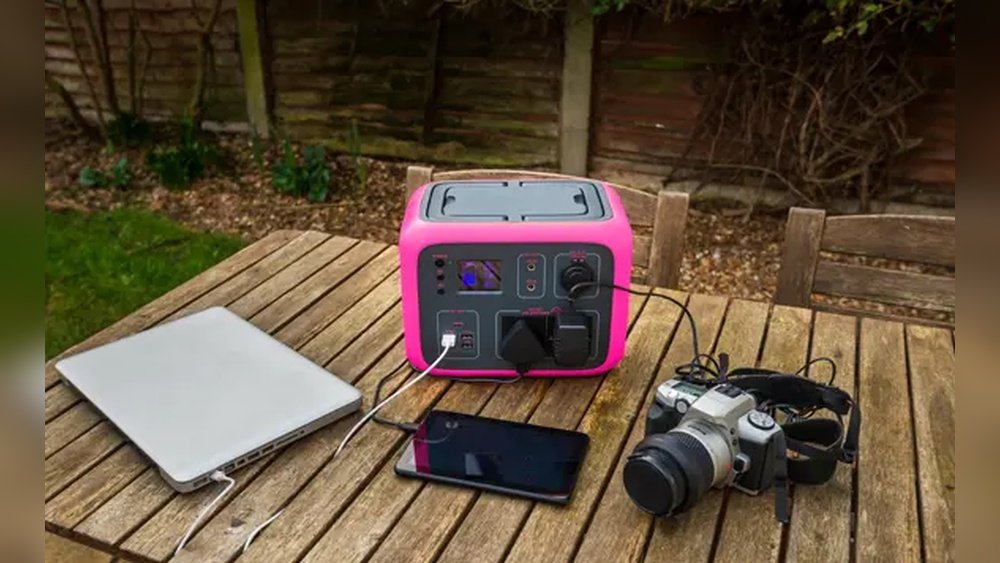
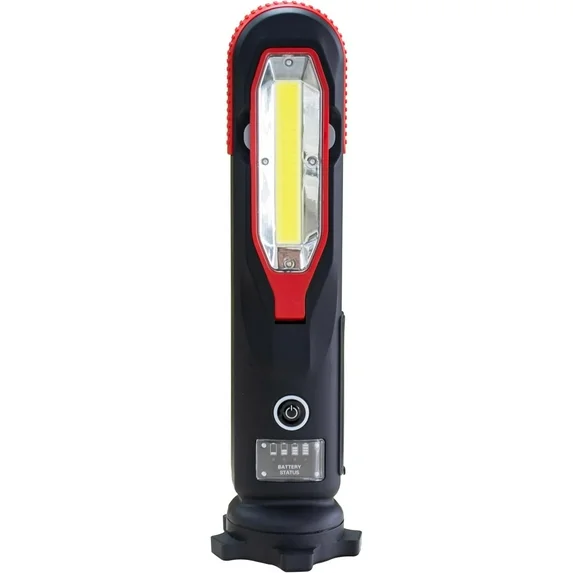
Battery-operated lights offer great freedom. They do not need cords, so you can move them easily. These lights are good for places without power outlets. The batteries must be charged or changed often. Some models use rechargeable batteries for convenience.
Plug-in lights need a power outlet to work. They give steady, strong light without worrying about battery life. These lights can be less portable because they depend on cords and outlets. They are best for places with easy access to electricity.
Hybrid models combine both battery and plug-in options. They let you use the light with or without power outlets. This makes them very flexible for many jobs. You can work longer without stopping to charge batteries.
Brightness And Coverage
Lumens measure the brightness of a work light. The higher the lumens, the brighter the light. For small tasks, 300-500 lumens work well. Bigger jobs may need 1000 lumens or more.
Work lights with adjustable beam angles let you control the light spread. A narrow beam focuses on a small spot. A wide beam covers a larger area. Choose one that fits your needs.
Think about the coverage area before buying. A wide coverage is good for big spaces. Smaller coverage works for detailed work. Check the light’s specs to match your project size.
Credit: www.yardforceusa.com
Durability And Weather Resistance
Waterproof ratings show how well a work light handles water. Lights with IP65 or higher ratings can resist rain and splashes without damage. This feature is key for outdoor use or wet places.
Impact resistance means the light can survive drops or knocks. Look for lights tested with standards like IK07 or IK08. These lights have strong covers that protect the bulb and electronics.
The material quality affects both durability and weight. Many portable lights use aluminum or hard plastic. Aluminum is tough and helps cool the light. Plastic can be lighter but still strong if it is thick and well-made.
Ease Of Setup And Use
Portable work lights offer different mounting options for easy use. Some come with hooks to hang them on walls or beams. Others have magnets to attach to metal surfaces. These options help place lights where needed without extra tools.
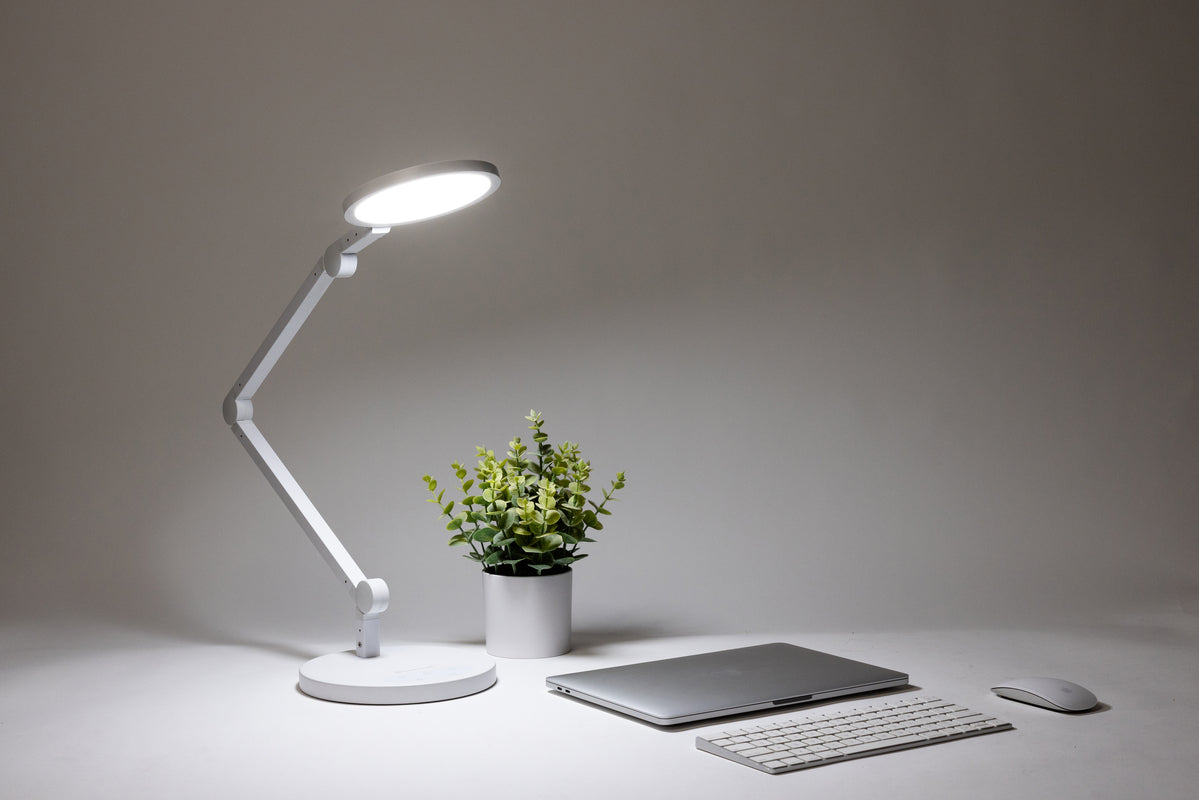
Adjustable stands make it simple to change light height and angle. You can tilt or raise the light for better coverage. This flexibility helps focus light on specific work areas.
Control features often include simple switches or dimmers. Some models have remote controls for easy adjustments from a distance. These controls let users set brightness quickly and safely.
Credit: lumecube.com
Safety Features
Overheat protection stops the light from getting too hot. This keeps the light safe to touch and prevents damage. Many portable work lights have built-in sensors to shut off the light if it overheats.
A stable base stops the light from tipping over. It keeps the light steady on uneven surfaces. Wide or rubber bases help the light stay put during work.
Cord management keeps the power cord neat and safe. It prevents tripping and tangling. Some lights have hooks or clips to wrap the cord around when not in use.
Choosing The Right Light For Your Task
Choosing the right portable work light depends on where you plan to use it. For indoor tasks, lights with softer brightness and less glare work best. Outdoor lights need to be waterproof and durable to handle weather changes.
Different jobs require different lighting. For example, mechanics need bright, focused light to see small parts. Gardeners might prefer wide, softer light to cover larger areas. Always match the light to your task needs.
Budget also plays a big role. Cheaper lights might save money but can lack features like adjustable brightness or longer battery life. Higher-priced lights often offer better quality and durability.
| Factor | Indoor Use | Outdoor Use |
|---|---|---|
| Water Resistance | Not necessary | Essential |
| Brightness | Moderate | High |
| Durability | Normal | High |
| Price Range | Low to mid | Mid to high |
Maintenance Tips
Keep the portable work light clean by wiping it with a soft cloth. Avoid using harsh chemicals that can damage the surface. Store the light in a dry, cool place to prevent rust and wear.
Battery care is key for long use. Charge the battery fully before storing. Remove batteries if the light will not be used for a long time to avoid leaks.
Perform regular inspections to check for any damage. Look for cracks, loose parts, or worn wires. Fix small problems early to keep the light safe and working well.

Credit: www.harborfreight.com
Frequently Asked Questions
What Is The 5 7 Light Rule?
The 5-7 light rule suggests placing 5 to 7 light fixtures evenly to ensure balanced, glare-free illumination in a workspace.
Is 2000 Lumens Bright Enough For A Work Light?
A 2000-lumen work light offers sufficient brightness for most tasks. It ensures clear visibility in medium to large work areas. Choose based on your workspace size and lighting needs.
What Is The Golden Rule Of Lighting?
The golden rule of lighting states every room needs at least two independent switch circuits. This avoids harsh, all-or-nothing lighting and creates flexible, comfortable illumination.
Is 5000k Or 6500k Better For Workshop?
6500K provides bright, cool white light ideal for detailed tasks in workshops. 5000K offers a warmer, softer light but less clarity. Choose 6500K for better visibility and precision in workshop settings.
Conclusion
Choosing the right portable work light makes tasks easier and safer. Brightness, battery life, and portability matter most. A good light fits your needs and work environment. Keep it handy for repairs, projects, or emergencies. Simple features often offer the best value.
Start with what feels comfortable and upgrade as needed. Lighting your workspace well helps you work longer and better. Portable work lights are practical tools everyone should own.