How to Use Mini Power Tools: Master Tips for Precision & Safety
Are you ready to take your DIY projects to the next level? Mini power tools are compact, easy to handle, and perfect for small jobs that demand precision and speed.
But how do you get started with these handy gadgets without feeling overwhelmed? In this guide, you’ll discover simple, step-by-step tips on how to use mini power tools safely and effectively. Whether you want to tighten screws, cut materials, or sand surfaces, mastering these tools will save you time and make your work more enjoyable.
Keep reading, and you’ll soon feel confident turning your ideas into reality with the power of mini tools right at your fingertips.
Choosing Mini Power Tools
Mini power tools come in many types. Common ones include mini drills, rotary tools, and mini saws. Each tool suits different tasks, like drilling, cutting, or grinding. Choose the type that fits your project needs.
Look for key features such as power, speed control, and ease of use. A comfortable grip and lightweight design help during long work. Safety features like automatic shut-off are important too.
| Feature | Battery Mini Tools | Corded Mini Tools |
|---|---|---|
| Portability | Easy to move, no cord needed | Limited by cord length |
| Power | Good for light tasks | Stronger for heavy use |
| Run Time | Limited by battery life | Runs as long as plugged in |

Credit: www.youtube.com
Preparing For Use
Always wear safety gear before using mini power tools. This includes safety glasses to protect your eyes, gloves for your hands, and ear protection to guard against noise. A dust mask can keep you safe from dust and particles.
Check the tool before use. Look for any cracks or damage on the body. Make sure the power cord or battery is in good condition. Test the tool’s on/off switch and moving parts to ensure they work smoothly. Tighten any loose parts.
Your workspace should be clean and well-lit. Remove any clutter to avoid accidents. Use a sturdy table or bench to hold your workpiece. Ensure the area is dry and free from water or liquids. Keep a first aid kit nearby for emergencies.
Operating Mini Power Tools
Handling cordless drills is simple and safe. Hold the drill firmly with both hands. Always check the battery is fully charged before use. Choose the right drill bit and insert it tightly. Start drilling slowly to avoid slipping. Keep the drill straight for clean holes. Wear safety glasses to protect your eyes.
Using mini screwdrivers requires careful grip and steady hands. These tools are great for small screws and tight spaces. Magnetic tips help keep screws from falling. Turn the screwdriver gently to avoid stripping screws. Keep the tool clean and store it safely after use.
Operating compact circular saws needs caution. Make sure the blade is sharp and the guard works. Hold the saw firmly and follow the marked cutting line. Move the saw steadily without forcing it. Always wear protective gloves and glasses while cutting.
Working with rotary tools is versatile for many tasks. Attach the right accessory for the job, like sanding or carving bits. Hold the tool like a pen for better control. Use slow speeds for delicate work and faster for tougher jobs. Keep fingers away from the spinning parts.

Credit: www.amazon.com
Mastering Precision Techniques
Control speed carefully to avoid mistakes. Start slow and increase speed as needed. Apply gentle pressure to keep control and avoid damage. Too much force can break your work or tool.
Keep your hands steady by resting elbows on a table or stable surface. This reduces shaking and helps with precise cuts or drilling. Take breaks if your hands get tired.
Use guides and jigs to help make straight or angled cuts. These tools hold your mini power tool in place. They improve accuracy and make your work easier and safer.
Safety Practices
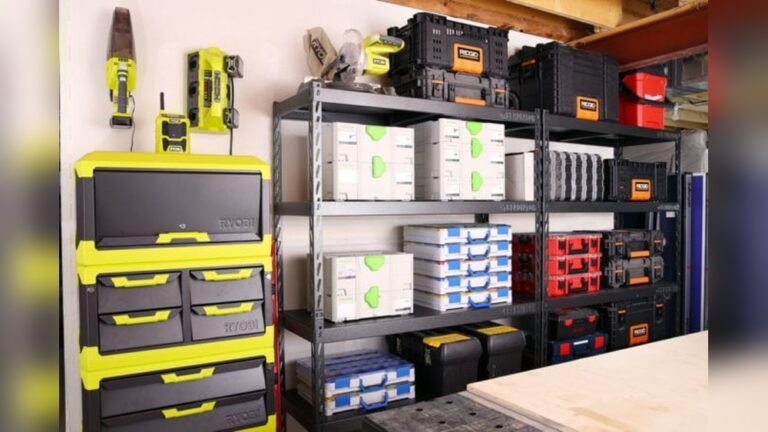
Always store mini power tools in a dry, secure place. This prevents damage and keeps tools ready for use. Use cases or racks to organize tools and accessories neatly.
Wear protective gear like gloves and goggles to avoid injuries. Keep hands away from moving parts and use tools only for their intended purpose. Make sure the work area is clean and well-lit to reduce accidents.
Have a plan for emergencies. Keep a first aid kit nearby. Know how to turn off power quickly. Call for help immediately if an injury happens.
Maintenance Tips
Always clean mini power tools right after use. Dust and debris can block moving parts and cause damage. Use a soft brush or cloth to remove dirt.
For changing bits and blades, make sure the tool is off and unplugged or battery removed. Use the right tool or key to loosen and tighten bits safely.
| Battery Care | Charging Tips |
|---|---|
| Keep batteries dry and cool to extend life. | Charge batteries fully before first use. |
| Store batteries separately if not used for long. | Avoid overcharging by unplugging when full. |
| Use the charger made for your battery type. | Do not use damaged or swollen batteries. |
Troubleshooting Common Issues
Tool not starting often means the battery is dead or not connected. Check the battery charge and ensure it fits snugly. Also, inspect the power switch for any damage or dirt blocking it. Sometimes, cleaning the contacts inside the tool helps.
Unusual noises or vibrations can signal loose parts or worn-out bearings. Tighten screws and bolts carefully. If the problem continues, the motor or gears may need professional repair. Avoid using the tool until the noise stops to prevent damage.
Bit or blade slippage happens when the chuck is not tight enough or the bit is worn. Firmly tighten the chuck using the key or hand, depending on your tool type. Replace dull bits or blades to keep the tool working well and safely.

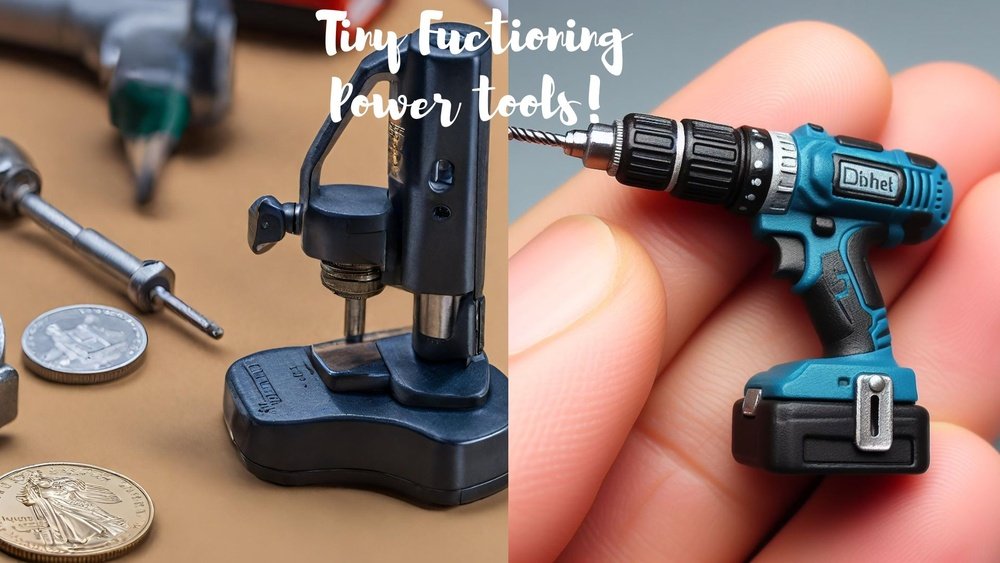
Credit: everythingverysmall.com
Project Ideas To Practice
Small woodworking tasks are perfect for practicing with mini power tools. Try making simple items like birdhouses, picture frames, or small shelves. These projects help improve your control and precision with the tools.
Home repair basics include fixing loose screws, drilling holes, and sanding small areas. Mini power tools make these jobs easier and quicker. They fit into tight spaces and reduce hand fatigue.
Creative DIY projects can be fun and useful. Use mini saws or rotary tools to carve designs or cut shapes. Decorating old furniture or making personalized gifts is a great way to practice.
Frequently Asked Questions
How To Use Tiny Screwdrivers?
Hold the tiny screwdriver firmly. Align the tip with the screw head. Turn clockwise to tighten, counterclockwise to loosen. Apply gentle pressure to avoid slipping or damaging the screw. Use magnetic tips to easily pick up small screws.
How To Put Drill Bit In Mini Drill?
Loosen the mini drill’s chuck by twisting it counterclockwise. Insert the drill bit fully into the chuck. Tighten the chuck clockwise until secure. Check the bit’s stability before use. Avoid overtightening to prevent damage.
How Does A Mini Circular Saw Work?
A mini circular saw spins a small, sharp blade rapidly to cut materials. You guide it along the cutting line for precise results. Its compact size offers easy handling and control in tight spaces.
How To Use A Cordless Screwdriver For Beginners?
Hold the cordless screwdriver firmly. Select the right bit and insert it securely. Adjust torque settings for the task. Position the bit on the screw head. Press the trigger gently to drive or remove screws. Recharge the battery after use.
Conclusion
Using mini power tools makes small projects easier and faster. Always wear safety gear to protect yourself. Choose the right tool for each task to get the best results. Keep tools clean and store them properly after use. Practice regularly to improve your skills and confidence.
With care and attention, mini power tools can help you complete many jobs at home. Try them out and enjoy the convenience they bring. Safety and patience go a long way in successful tool use.