Disclosure

Electrical tools: names, pictures and what each one is used for

A complete electrical tools list with a picture of each one, all 67 grouped by job, from testing and isolation through cable installation to termination, which is also the order you should use them in.

32 are marked essential, including everything involved in proving a circuit is dead. Those are not optional in the way a nice pair of pliers is.

Testers & meters 10

The instruments that tell you what is happening in a circuit. Buy these before anything else here, because they are what makes the rest of the list survivable.

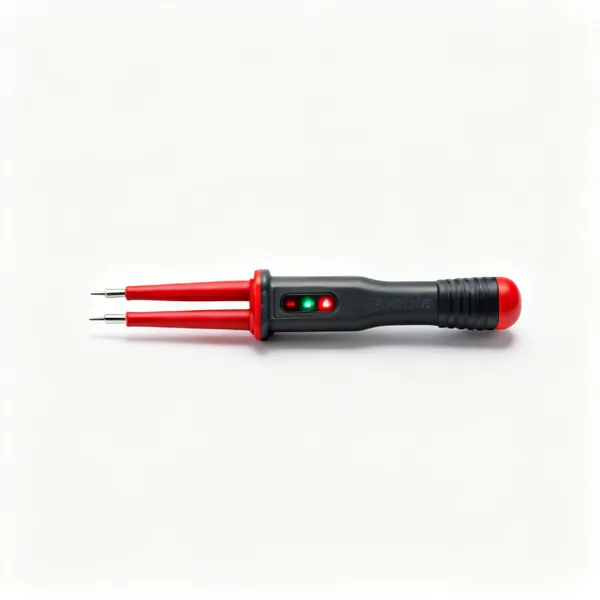
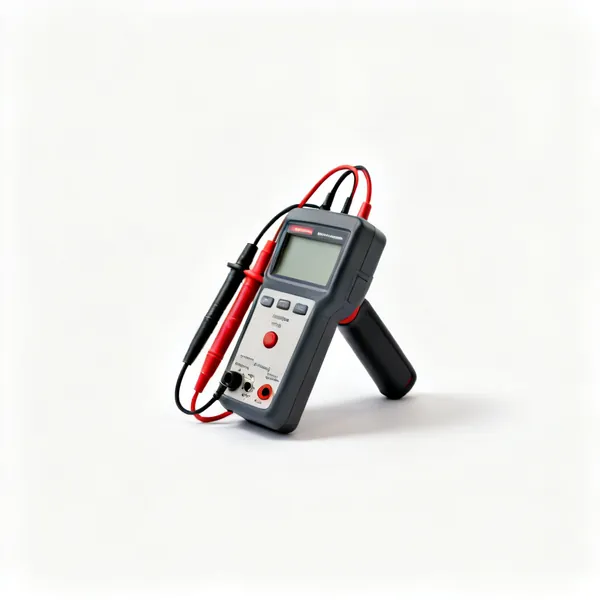
  • A two pole voltage indicator with two fixed probes and indicator lightsEssential

    Two pole voltage indicator

    The proper instrument for proving a circuit dead. Fixed leads, no range switch to be set wrong, and designed for exactly this one job. Used with a proving unit, before and after.

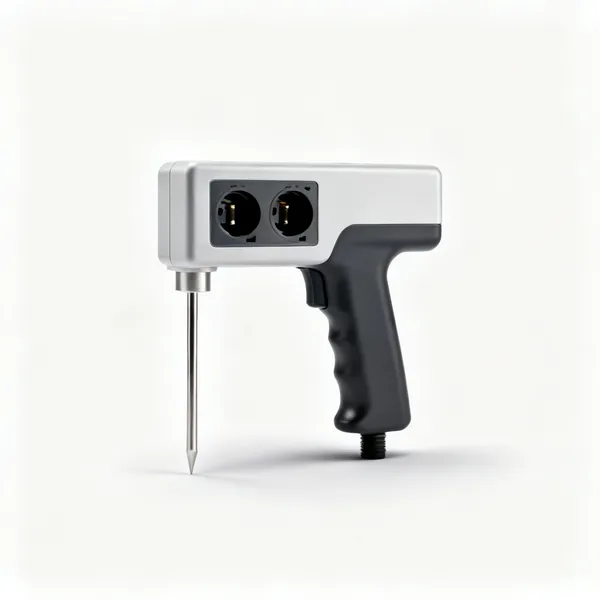
  • A handheld proving unit with two probe socketsEssential

    Proving unit

    Generates a known voltage so you can confirm your indicator still works after testing. Without this second check, a tester that failed silently would have declared a live circuit dead.
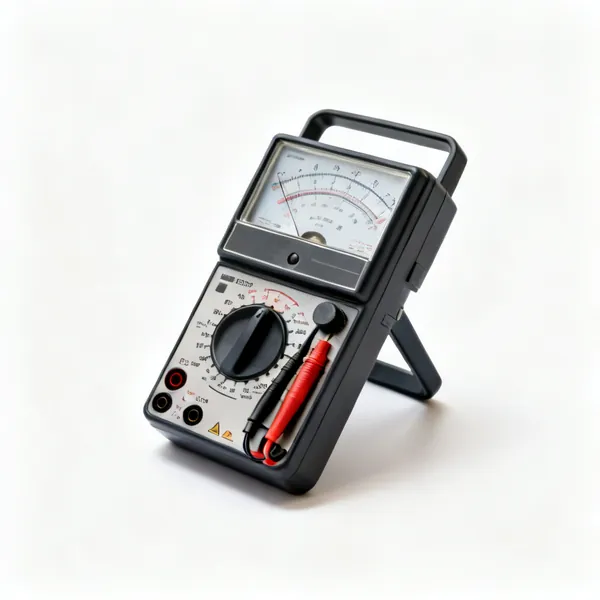
  • A digital multimeter with a display, dial and two test leadsEssential

    Multimeter

    Measures voltage, resistance and continuity. Get one rated CAT III at minimum for fixed wiring, with fused leads, because the rating describes what transient it can survive.

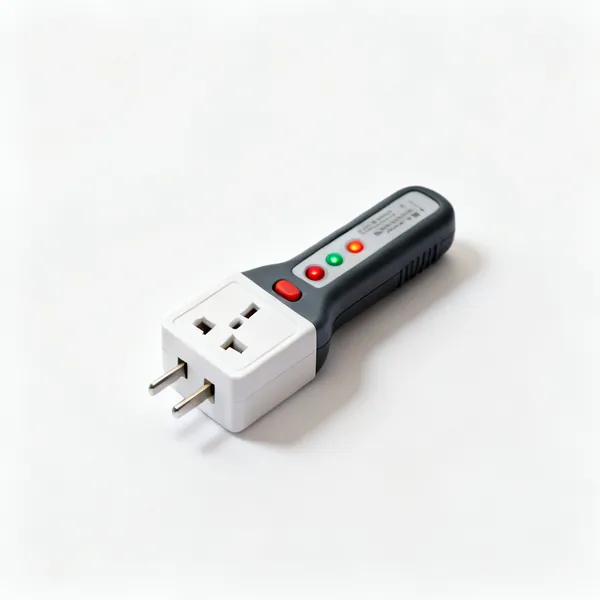
  • A plug in socket tester with indicator lightsEssential

    Socket tester

    Plugs into an outlet and shows wiring faults by lamp pattern: reversed live and neutral, missing earth, and so on. Cheap and the fastest first check on any circuit.

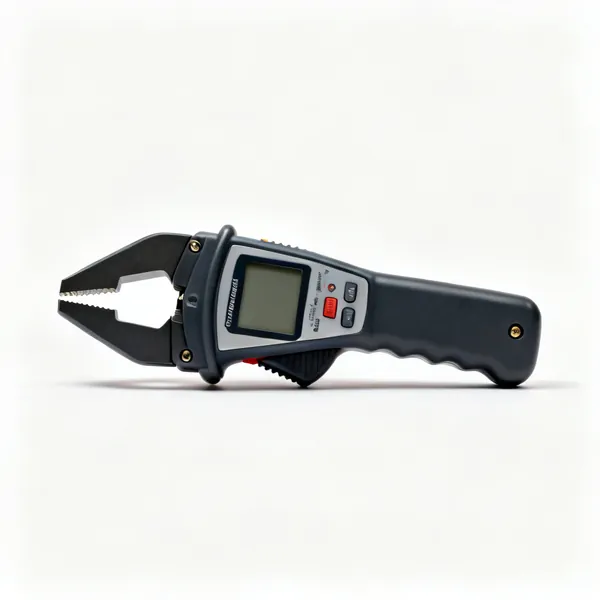
  • A clamp meter with a hinged jaw and digital display

    Clamp meter

    Reads current by clamping around a conductor without disconnecting anything. The diagnostic tool for load problems, since a multimeter would need the circuit broken.

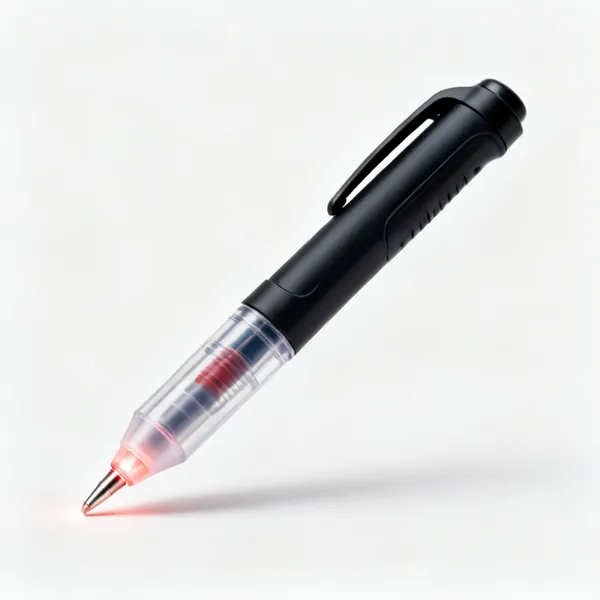
  • A pen style non contact voltage tester with a tip lightEssential

    Non contact voltage tester

    A pen that indicates voltage nearby. Useful for a quick check and never proof of anything, because it can miss a live conductor entirely depending on shielding.

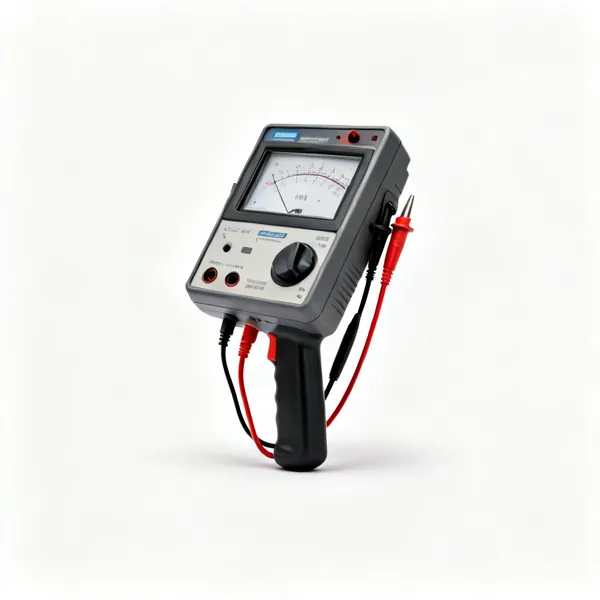
  • An insulation resistance tester with a large display and leads

    Insulation resistance tester

    Applies a high test voltage to confirm insulation between conductors and earth is intact. Finds damage a continuity test passes, and forms part of certification.

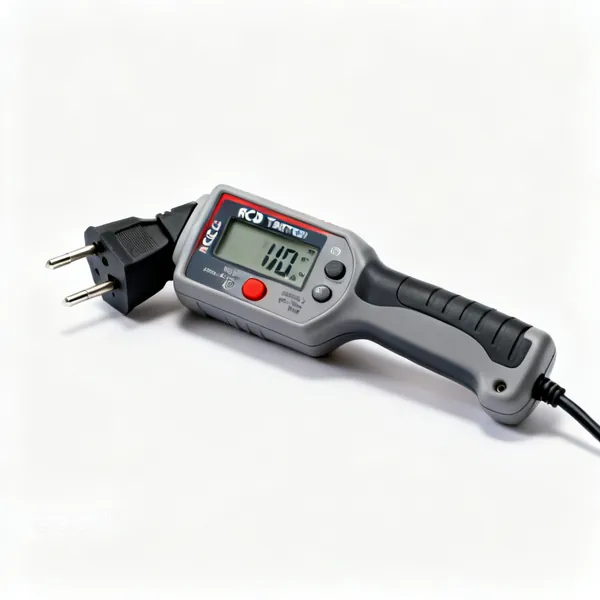
  • An RCD tester with a plug and a digital display

    RCD tester

    Injects a controlled fault to confirm a residual current device trips within its rated time. The device that is supposed to save a life, verified rather than assumed.

  • An earth loop impedance tester with test leads and a display

    Earth loop impedance tester

    Measures how easily a fault current can return to earth, which determines whether a protective device will actually operate fast enough. Certification equipment.

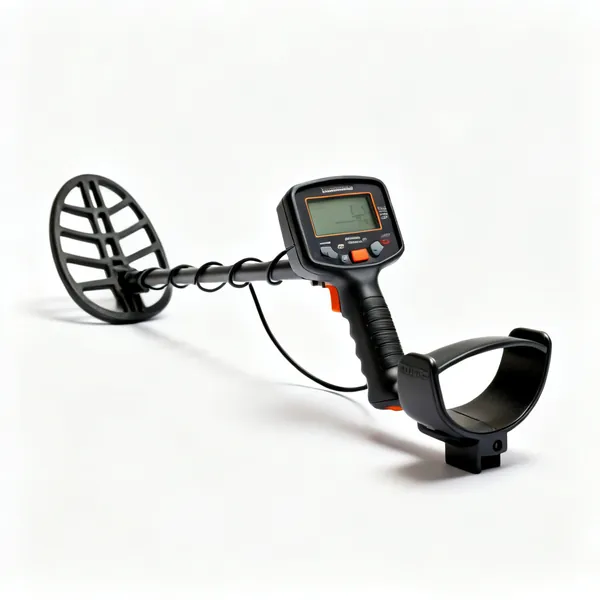
  • Cable detector: A handheld cable and metal detector with a displayEssential

    Cable detector

    Finds live cable and metal behind plaster before you drill. The one tool on this page that protects you from a wall rather than from a circuit you opened.

Isolation & lock off 5

Making sure a circuit stays dead while you work on it. A note on the board is not isolation, because somebody will move it.

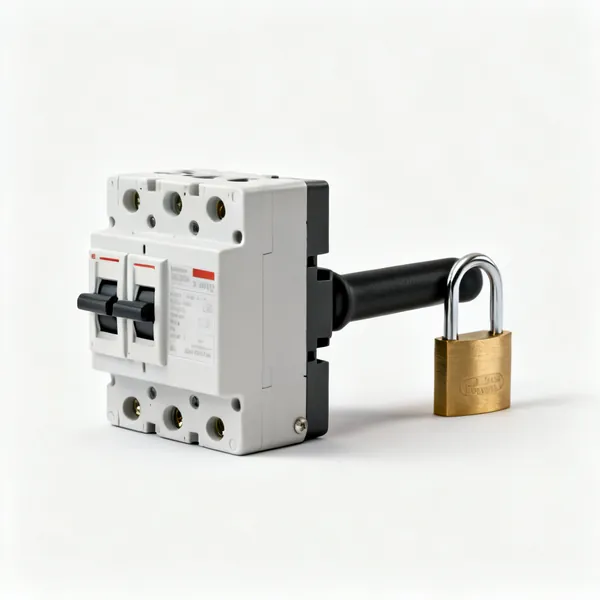
  • Lock off kit: A circuit breaker lock off device with a padlockEssential

    Lock off kit

    Clamps that fit over a breaker or isolator and take a padlock, so the circuit cannot be restored while you hold the key. The physical half of safe isolation.

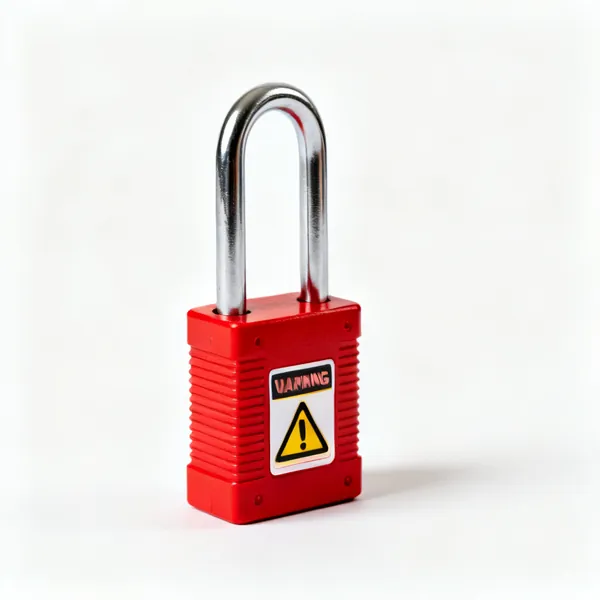
  • Padlock and tag: A red safety padlock with a warning tagEssential

    Padlock and tag

    Your own lock and a tag with your name on it. One lock per person working, so nobody can re energise a circuit somebody else is inside.

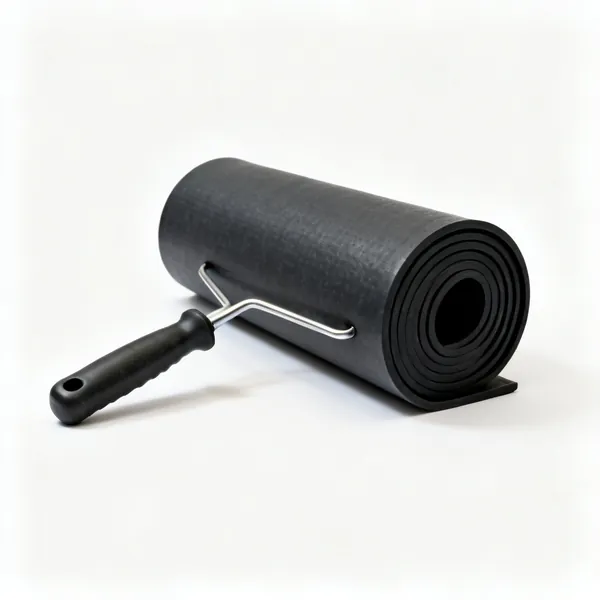
  • A rolled rubber electrical insulating mat

    Insulating mat

    A rated rubber mat to stand on when working at a board, so you are not part of a path to earth. Standard practice in commercial work, rare and sensible in domestic.

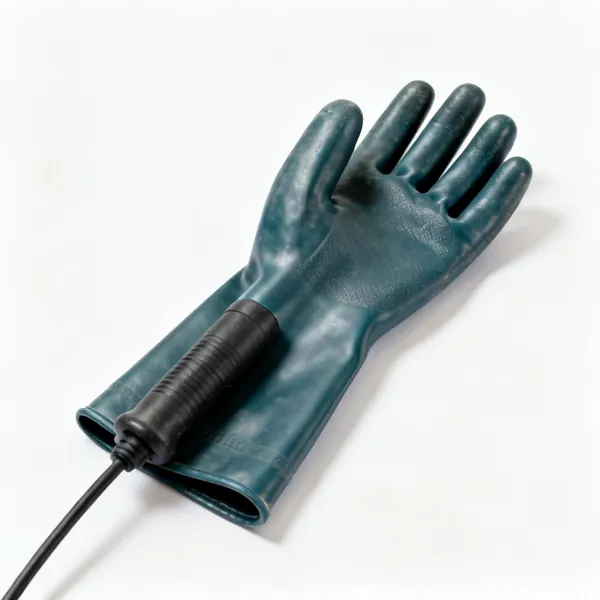
  • Insulated gloves: A pair of rubber insulated electrical gloves

    Insulated gloves

    Voltage rated rubber gloves, inspected and tested before use. Not a substitute for isolation, and the last line where live working is genuinely unavoidable.

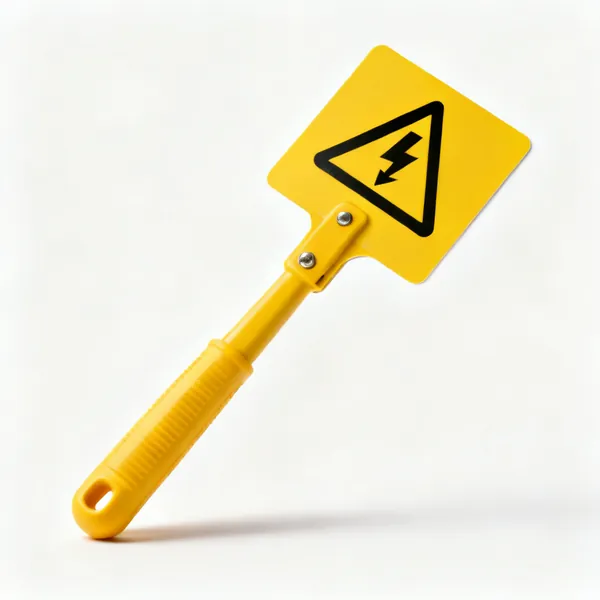
  • Warning signs: A yellow electrical warning sign card

    Warning signs

    A label at the board saying who is working and where. Sounds like paperwork, and it is why a colleague does not restore your circuit while you are in the loft.

Insulated screwdrivers 6

The insulation is the tool. Each of these has been individually tested to a voltage far above what it is rated for, which is what an ordinary plastic handle has not.

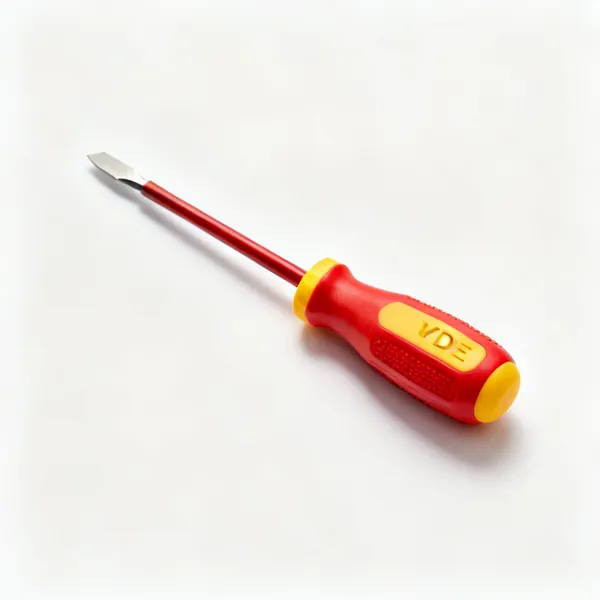
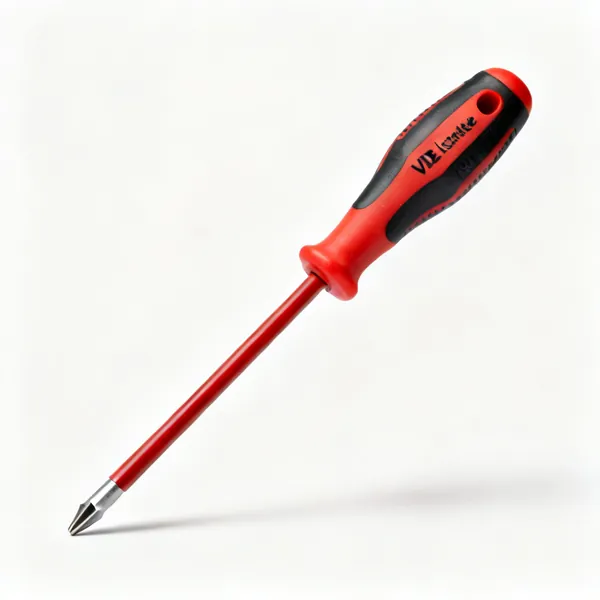
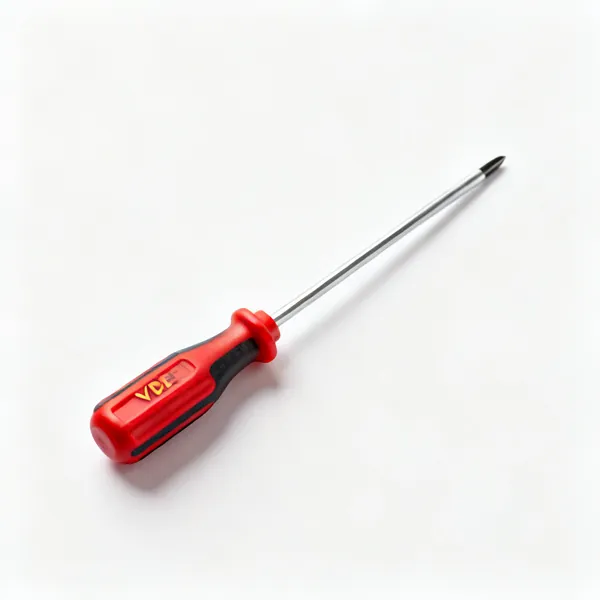
  • VDE flat screwdriver: A VDE insulated flat blade screwdriver with a red and yellow handleEssential

    VDE flat screwdriver

    Insulated to 1000V with a slim shaft that reaches into a terminal without bridging the one next to it. Sizes matter, since a tip that fills the slot will not slip.

  • VDE Pozidriv screwdriver: A VDE insulated Pozidriv screwdriver with an insulated shaftEssential

    VDE Pozidriv screwdriver

    The cross head found on most modern accessories and boards. Not Phillips, which looks the same and slips, chewing the head out under torque.

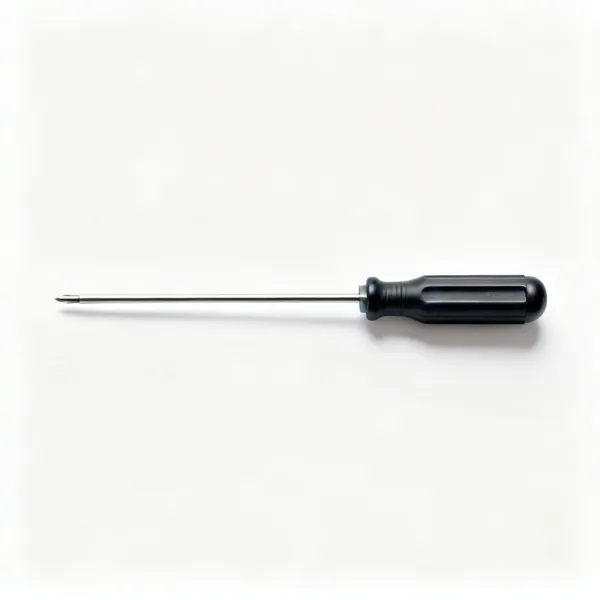
  • A slim terminal screwdriver with a long thin insulated shaftEssential

    Terminal screwdriver

    A very fine flat tip for small terminals in accessories and control gear, with a long thin insulated shaft to reach without touching anything adjacent.

  • VDE precision set: A set of small VDE insulated precision screwdrivers

    VDE precision set

    Small insulated drivers for control equipment and electronics terminals. Insulated versions of the tiny drivers, which most precision sets are not.

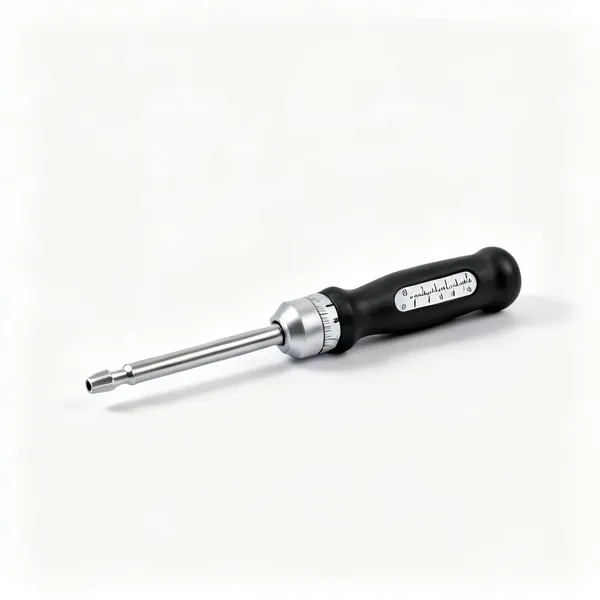
  • A torque screwdriver with an adjustable scale on the handle

    Torque screwdriver

    Clicks at a set torque, so terminals are tightened to specification. Both overtightening and undertightening cause heat, and this removes the guessing.

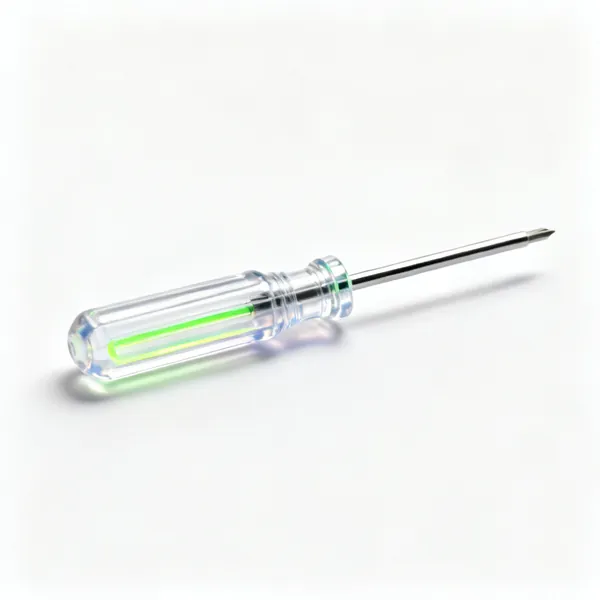
  • A neon tester screwdriver with a clear handle

    Tester screwdriver

    A screwdriver with a neon in the handle. Worth knowing about mainly so you know not to trust it: it needs your body as a return path and is easily fooled.

Pliers & cutters 9

Gripping, cutting and forming conductors. All of these should be VDE rated, and any nick in the insulation means the tool is finished.

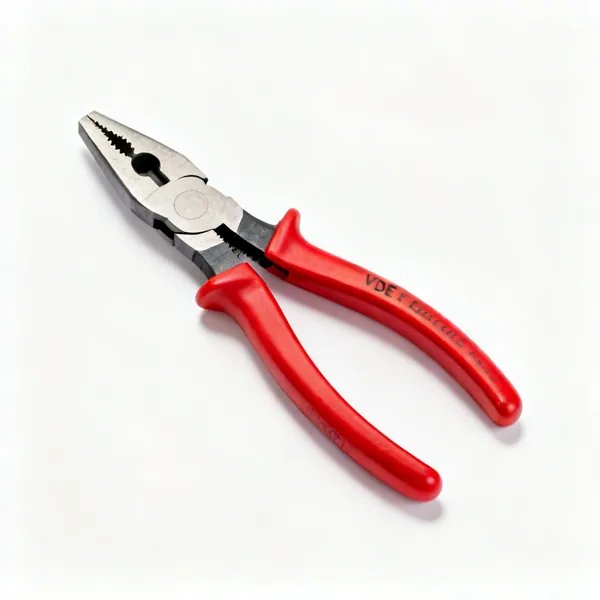
  • VDE combination pliers: A pair of VDE insulated combination pliers with red handlesEssential

    VDE combination pliers

    Serrated jaws for gripping, a curved section for round stock and a cutter at the base, all insulated. The general purpose electrical pliers.

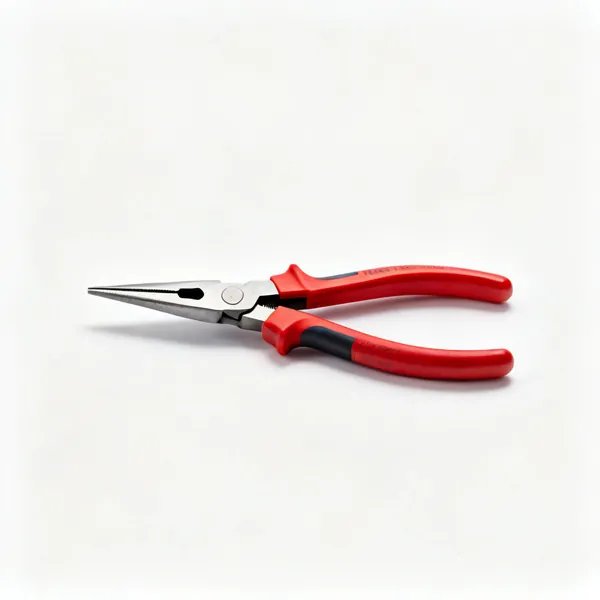
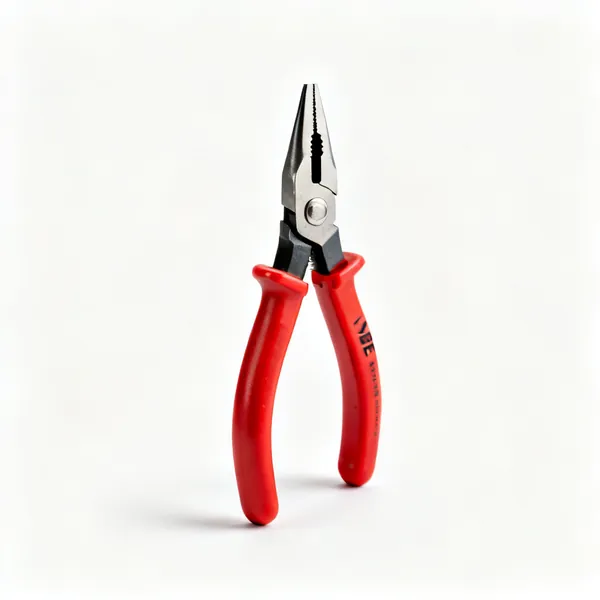
  • VDE long nose pliers: A pair of VDE insulated long nose pliersEssential

    VDE long nose pliers

    Tapered insulated jaws for forming conductor ends into hooks and reaching into a crowded enclosure without disturbing anything else.

  • VDE side cutters: A pair of VDE insulated diagonal side cuttersEssential

    VDE side cutters

    Insulated hardened jaws for cutting conductors and cable ties flush. Cutting only, since using them as pliers ruins the edge.

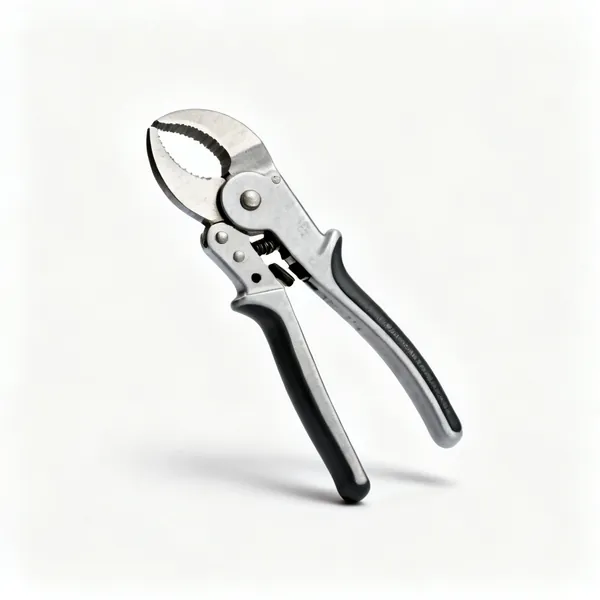
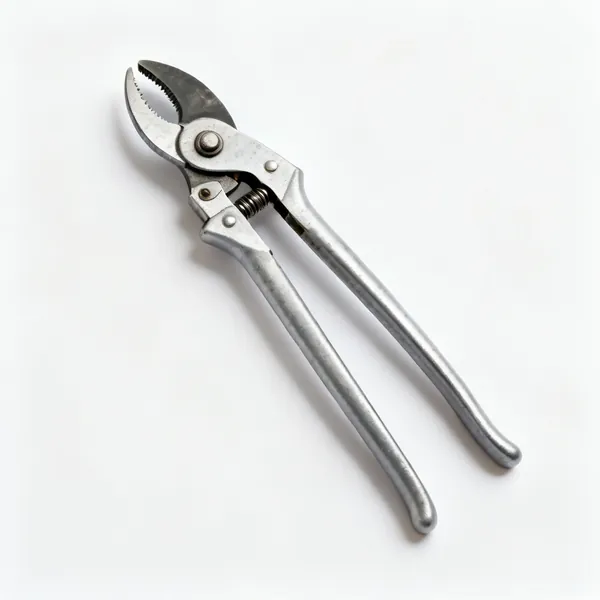
  • A pair of cable cutters with curved shear jawsEssential

    Cable cutters

    Curved shear jaws that cut larger cable cleanly rather than crushing it flat as side cutters would. Once past flex sizes, these are the tool.

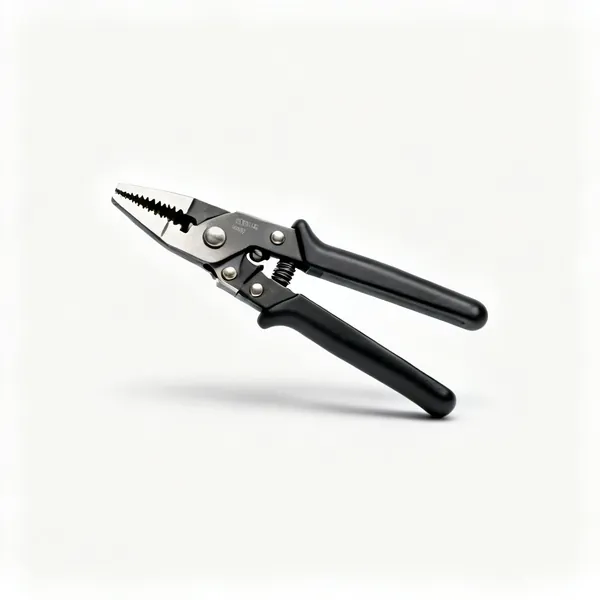
  • A pair of automatic wire strippers with graduated jawsEssential

    Wire strippers

    Cut through insulation to a set depth without nicking the conductor. A nicked strand breaks later inside the insulation where nothing will show it.

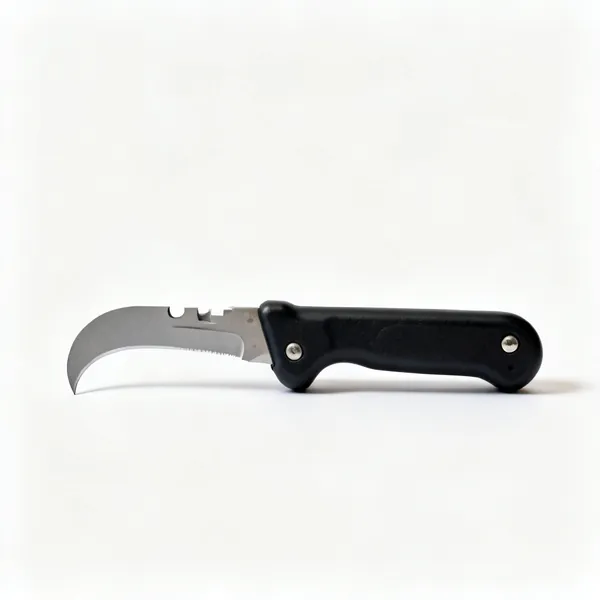
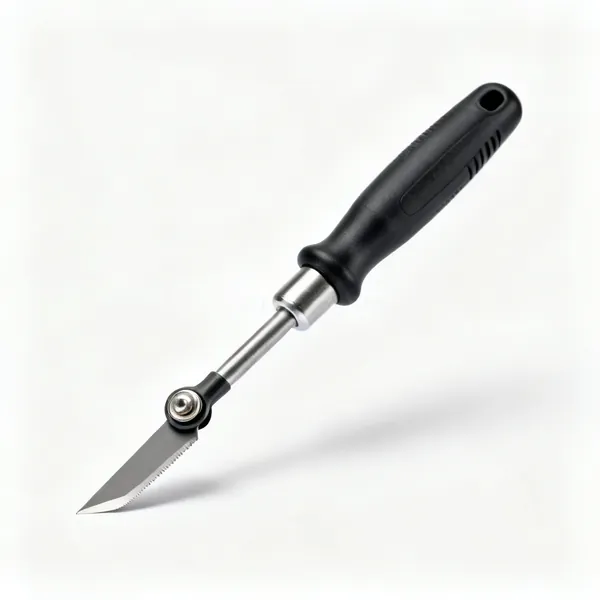
  • Cable knife: A hooked cable stripping knife with a curved blade

    Cable knife

    A hooked blade that scores the outer sheath of a cable without reaching the cores inside. Safer on sheath than a straight blade, which goes too deep.

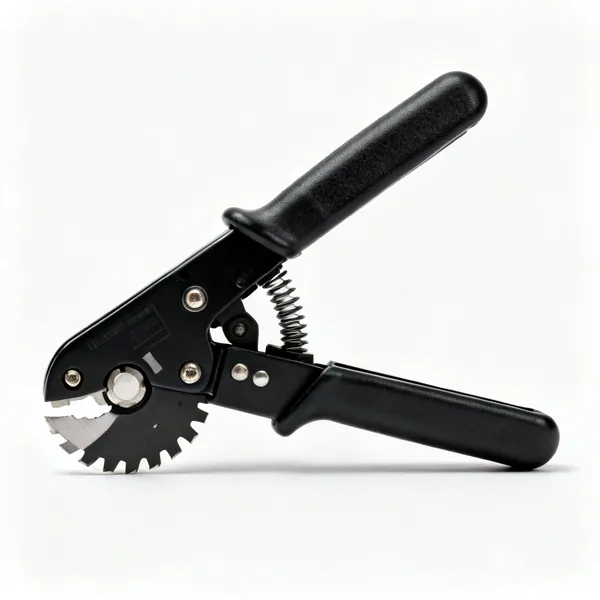
  • SWA cable stripper: An armoured cable stripping tool with a cutting wheel

    SWA cable stripper

    Cuts through the steel armour of an armoured cable without damaging the cores. Doing this with a hacksaw is how people cut into the conductors.

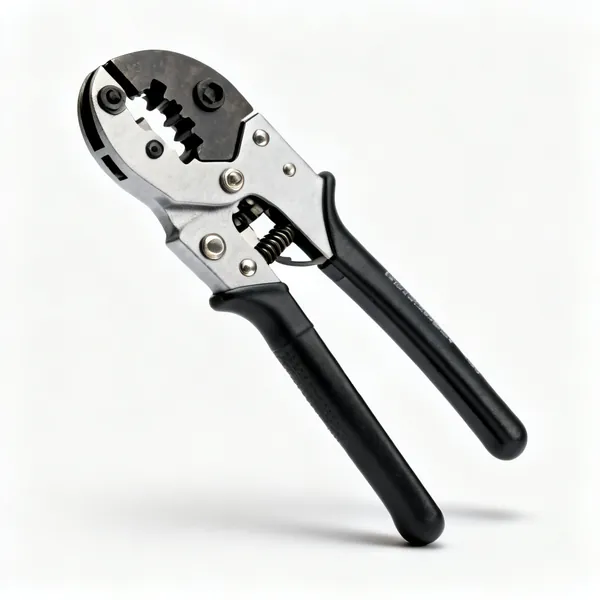
  • A ratchet crimping tool with interchangeable die jawsEssential

    Ratchet crimping tool

    Will not release until full pressure is reached, so every crimp is identical. Squeeze type crimpers depend on your grip, and an undercrimped joint heats under load.

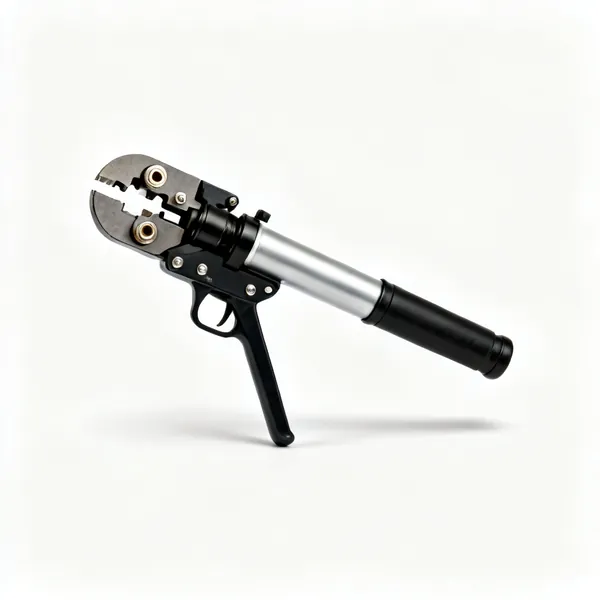
  • Hydraulic lug crimper: A hydraulic cable lug crimping tool with dies

    Hydraulic lug crimper

    Crimps large cable lugs and ferrules with force no hand tool can produce. For main tails and sub mains rather than anything on a lighting circuit.

Cable installation 6

Getting cable from one place to another through spaces you cannot see into. Most of the skill is patience and choosing the right route rather than force.

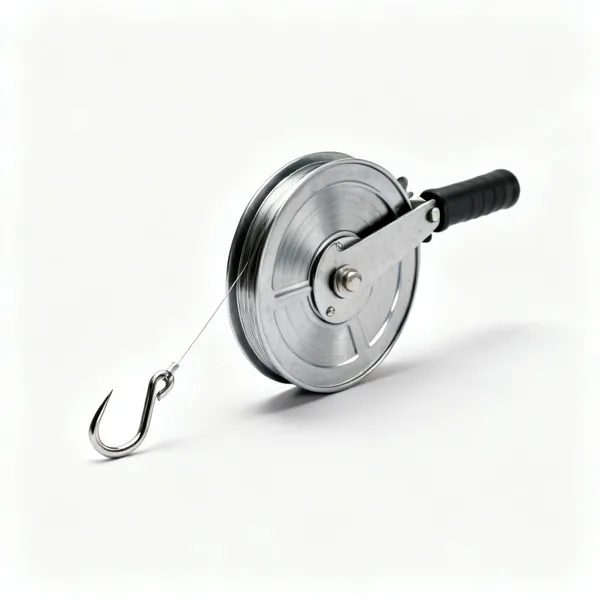
  • A fish tape reel with a flat steel tape and a hooked endEssential

    Fish tape

    A flat springy steel tape pushed through a cavity or conduit, hooked onto the cable and pulled back. The standard way through a wall you cannot open.

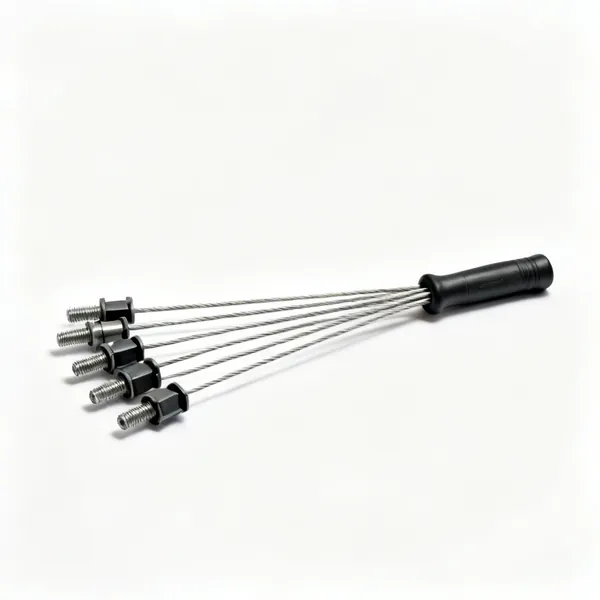
  • A set of glass fibre cable rods with threaded ends and attachmentsEssential

    Cable rods

    Screw together glass fibre rods, stiffer than fish tape, for pushing along floor voids, lofts and long ceiling runs. Various end attachments hook and guide.

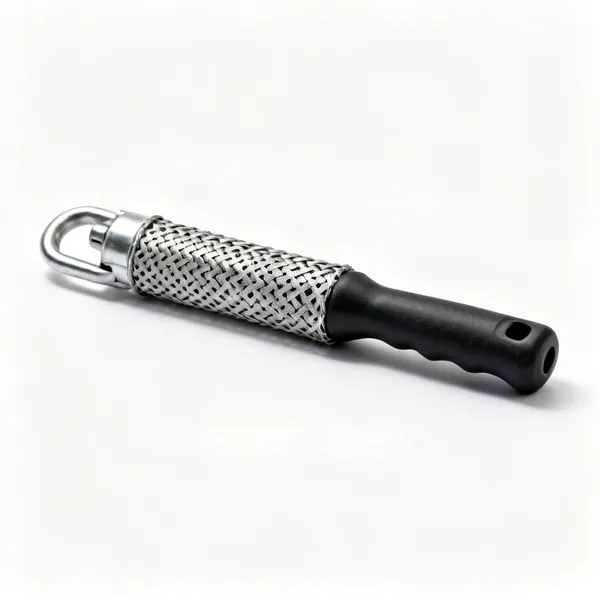
  • Cable puller: A cable pulling grip with a woven steel mesh sleeve

    Cable puller

    A grip and winch for drawing heavy cable through long conduit runs where hand pulling would stretch or jam it.

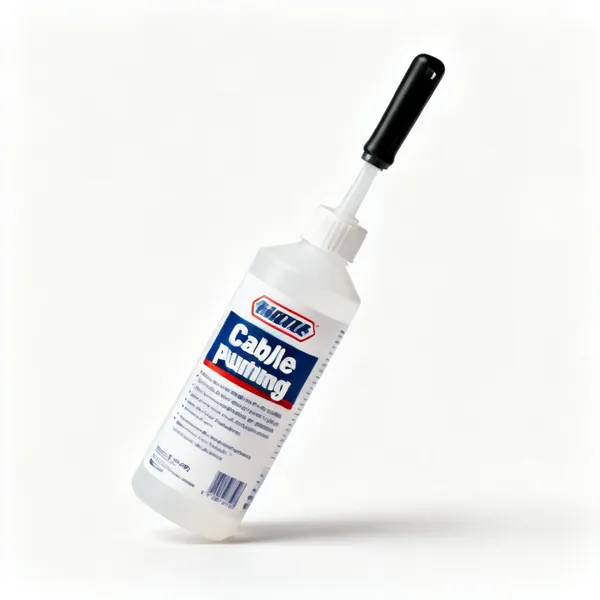
  • Cable lubricant: A bottle of cable pulling lubricant gel

    Cable lubricant

    Reduces friction so cable slides through conduit instead of binding. It is what stops a long pull damaging the sheath before it arrives.

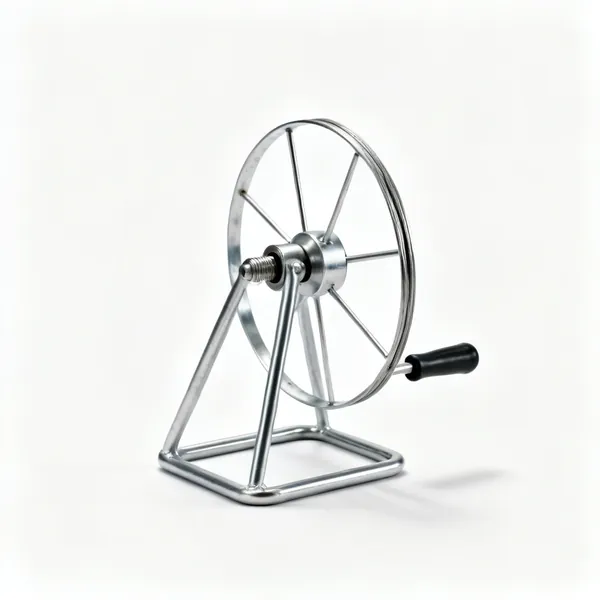
  • A metal cable drum stand with a spindle

    Cable drum stand

    Lets a drum turn freely so cable feeds without kinking. Pulling from a static drum twists the cable, and a kinked core is a damaged core.

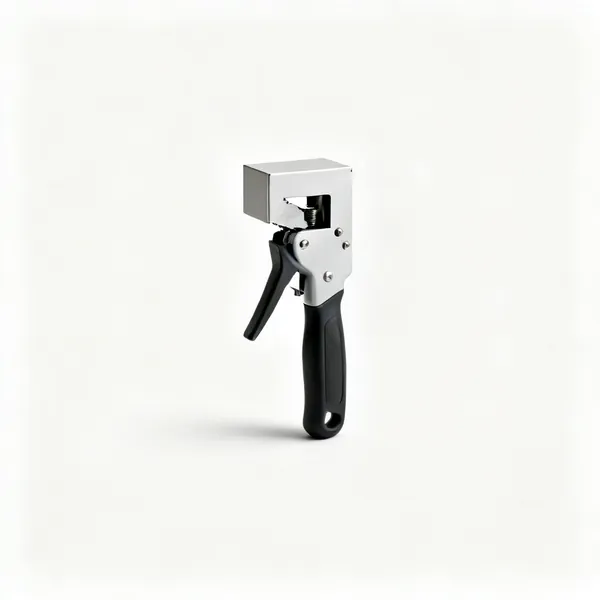
  • Cable clip tool: A cable clip holding and driving tool

    Cable clip tool

    Holds and drives a clip nail one handed, so the other hand keeps the cable positioned. Saves hitting your fingers, which is otherwise routine.

Drilling & chasing 7

Making the routes and openings that cable and accessories need. This is where a cable detector earns its place, before anything spins.

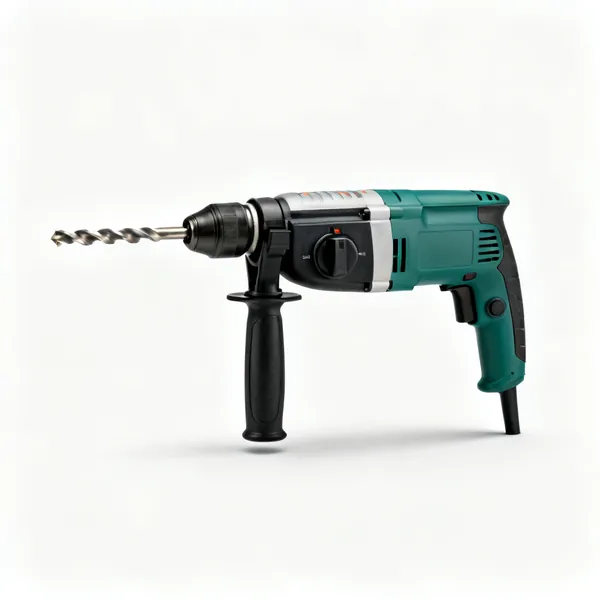
  • SDS drill: An SDS hammer drill with a side handle and masonry bitEssential

    SDS drill

    Drives through brick and concrete for fixings and cable routes. A combi drill will do occasional masonry, but through a solid wall this is the difference between minutes and an hour.

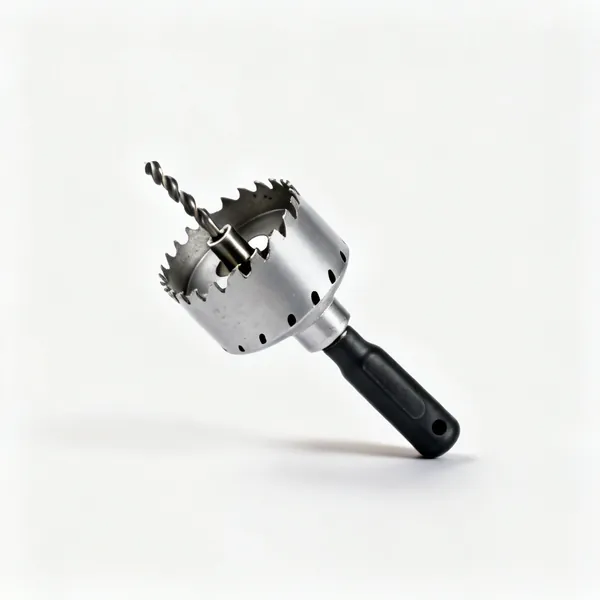
  • A hole saw cutter with a pilot bit and arborEssential

    Hole saw

    Cuts clean holes for downlights, cable entries and grommets. Far tidier than a jigsaw in plasterboard and far quicker than a spade bit at size.

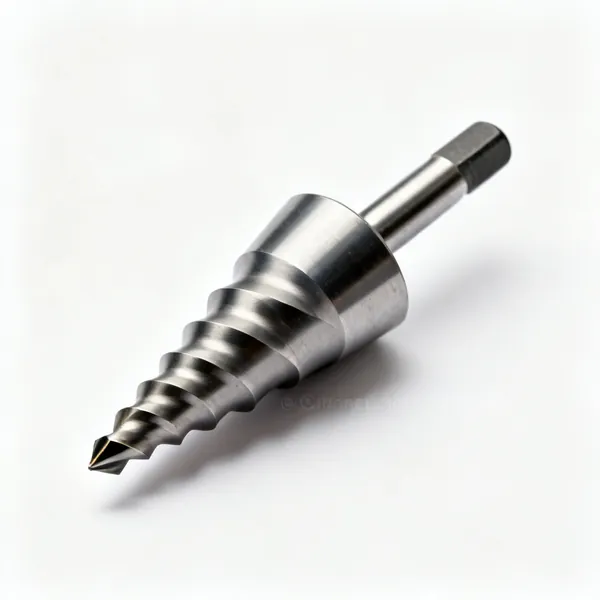
  • Step drill: A stepped cone drill bit with graduated diameters

    Step drill

    A stepped cone bit that drills progressively larger holes in thin metal without grabbing, for enclosures, trunking and consumer unit gland plates.

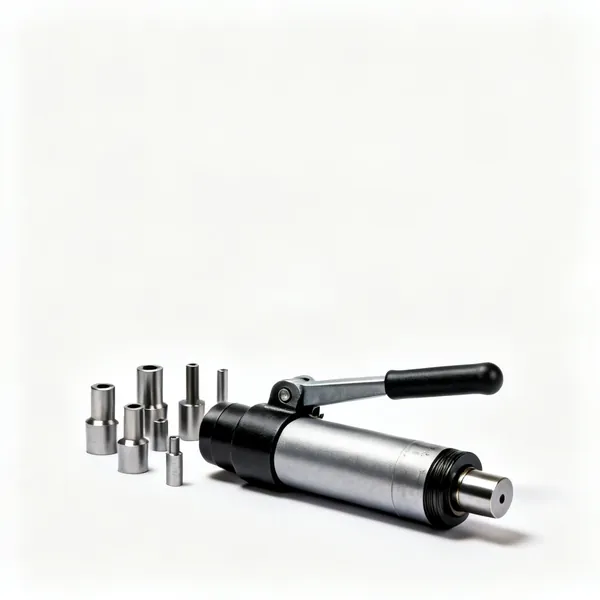
  • A hydraulic knockout punch set with dies

    Knockout punch

    Punches a clean round hole through a steel enclosure hydraulically, with no swarf inside. Drilling an enclosure leaves filings that will short something later.

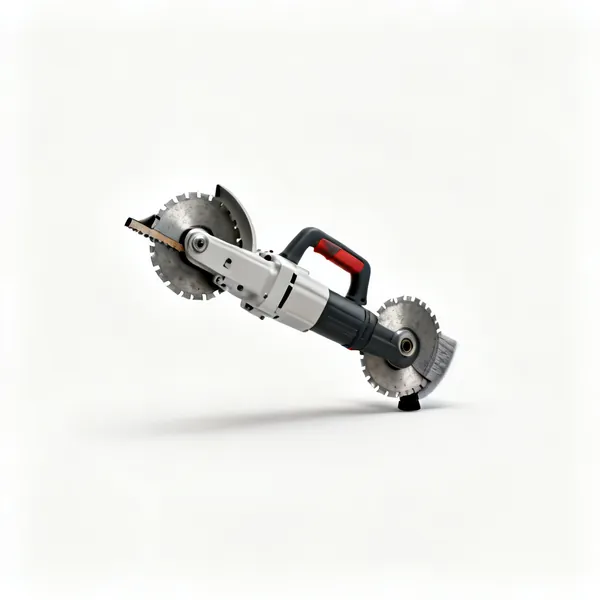
  • A wall chaser with twin diamond blades and a dust port

    Wall chaser

    Twin diamond blades cutting a parallel channel in masonry for buried cable and conduit. Enormous amounts of silica dust, so extraction is not optional.

  • Box sinking tool: A socket box cutting tool with a rectangular cutter head

    Box sinking tool

    Cuts the recess for a socket box in plasterboard or masonry to the right depth. Doing it by hammer and chisel usually cracks the surrounding board.

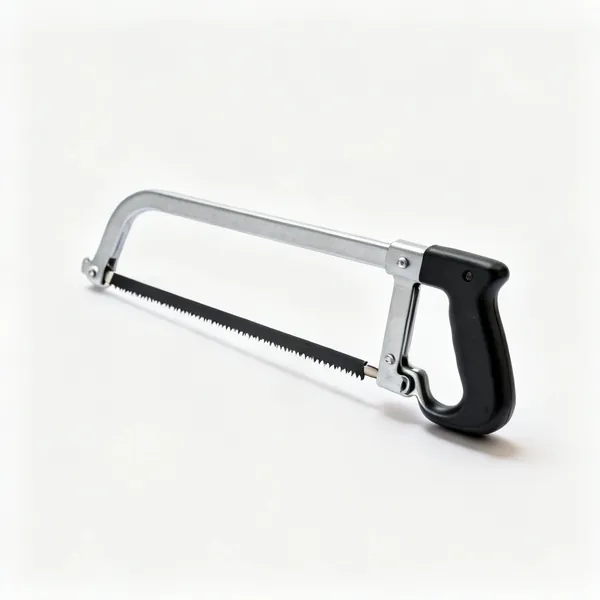
  • Junior hacksawEssential

    Junior hacksaw

    For cutting trunking, conduit and the odd bolt in a space where nothing bigger will fit. Cheap and permanently in the bag.

Conduit & trunking 6

Working in metal and plastic containment. Neatness here is not vanity: a badly formed bend damages the cable you pull through it later.

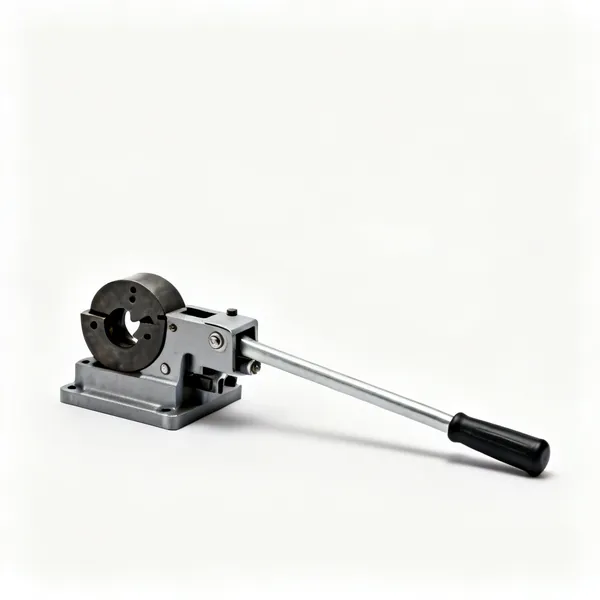
  • Conduit bender: A conduit bending machine with a former and a long lever

    Conduit bender

    Forms accurate bends in steel or plastic conduit without kinking or flattening it. A flattened bend snags cable and reduces its capacity.

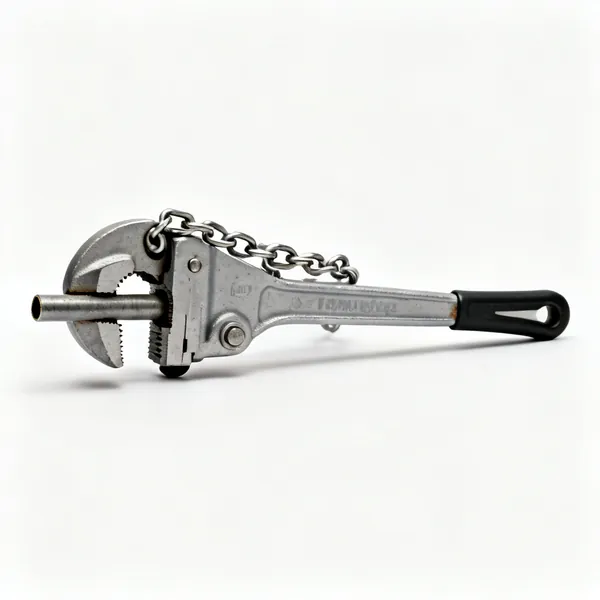
  • A chain pipe vice gripping a length of conduit

    Pipe vice

    Grips round conduit securely while you cut or thread it. A normal vice crushes it, which then stops the thread cutting square.

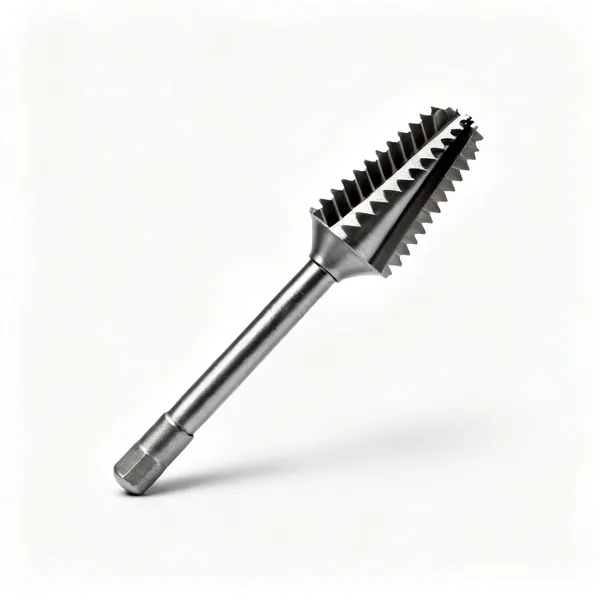
  • A conduit reamer tool with a tapered fluted head

    Reamer

    Removes the internal burr left by cutting conduit. That burr will strip insulation off every cable pulled past it, invisibly.

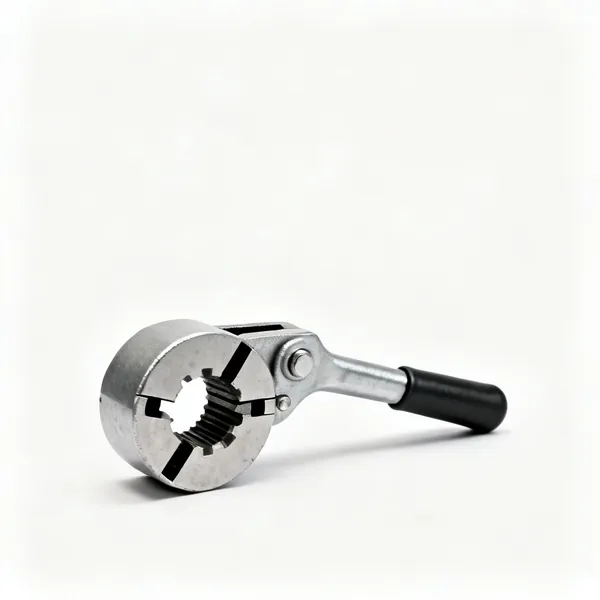
  • Conduit threader: A conduit thread cutting die stock with a handle

    Conduit threader

    Cuts a thread on the end of steel conduit so it screws into a box or coupler. Needed wherever the installation is threaded rather than push fit.

  • Trunking snips: A pair of trunking cutting snips with long handles

    Trunking snips

    Shears that cut plastic trunking and cable tray squarely without cracking it. A hacksaw leaves a ragged edge and a lot of swarf.

  • A handheld deburring tool with a swivel blade

    Deburring tool

    Cleans the edge of a cut hole or tube so it will not chafe a cable. A five second job that prevents an insulation failure years later.

Terminations & joining 6

Making a connection that will not heat up. Nearly every electrical fire starts at a joint, which makes this the group where care matters most.

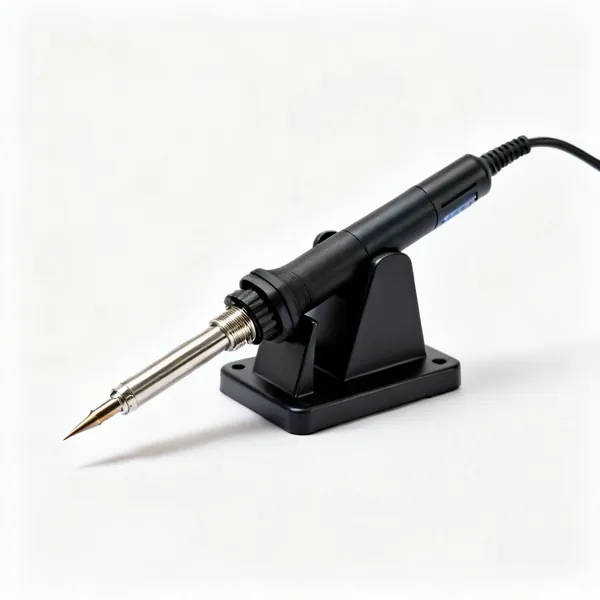
  • An electric soldering iron with a stand and a pointed tip

    Soldering iron

    Melts solder to join conductors and components. For electronics and repairs rather than fixed wiring, where mechanical terminations are the norm.

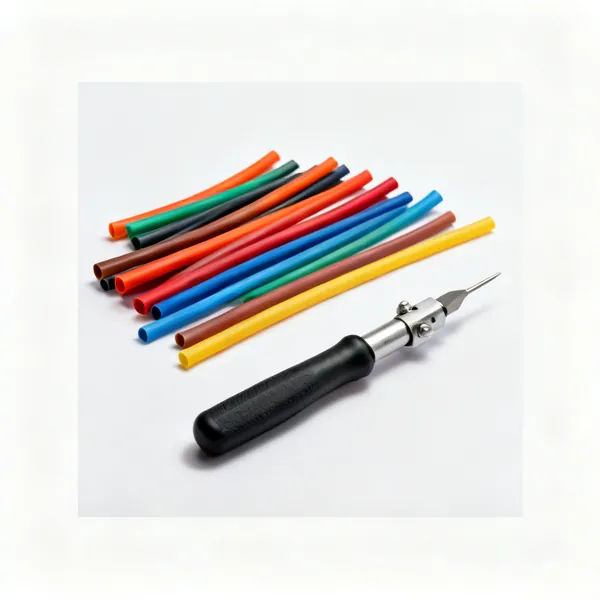
  • An assortment of coloured heat shrink tubing piecesEssential

    Heat shrink tubing

    Slides over a joint and shrinks tight with heat, insulating and strengthening it. Neater and far more durable than tape, which unwinds in warmth.

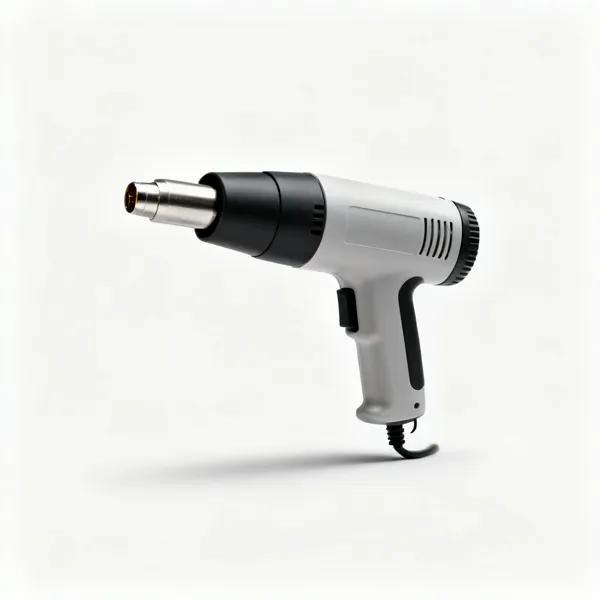
  • A heat gun with a pistol grip and nozzle

    Heat gun

    Shrinks tubing evenly without scorching it. A lighter works and chars the tubing, which weakens exactly the insulation you added.

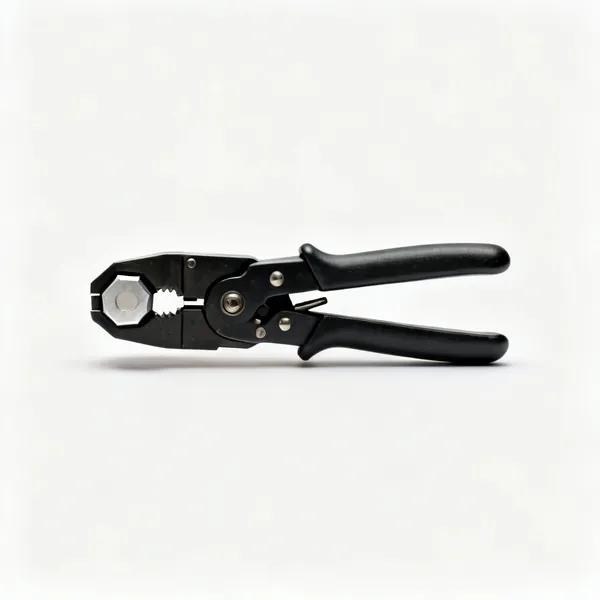
  • Ferrule crimper: A ferrule crimping tool with a hexagonal die

    Ferrule crimper

    Crimps a metal sleeve onto stranded conductor ends so every strand is captured in a terminal. Loose strands are a short circuit waiting for vibration.

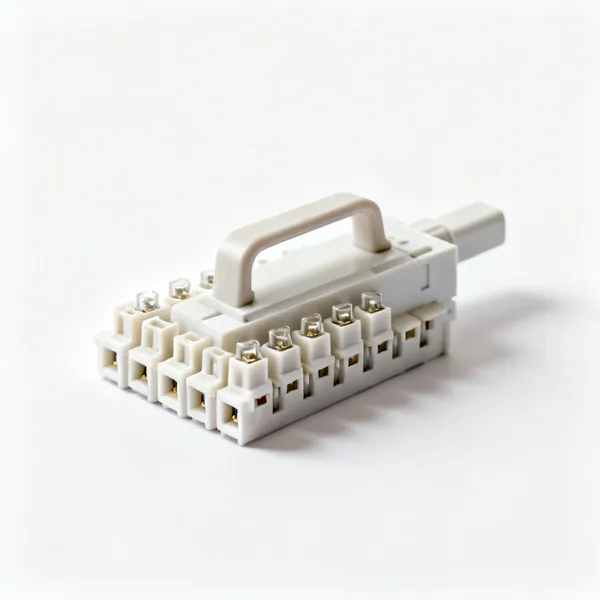
  • Connector blocks: A row of plastic electrical connector terminal blocksEssential

    Connector blocks

    Screw or lever terminals for joining conductors inside an enclosure. Lever types are faster and hold stranded cable without a ferrule.

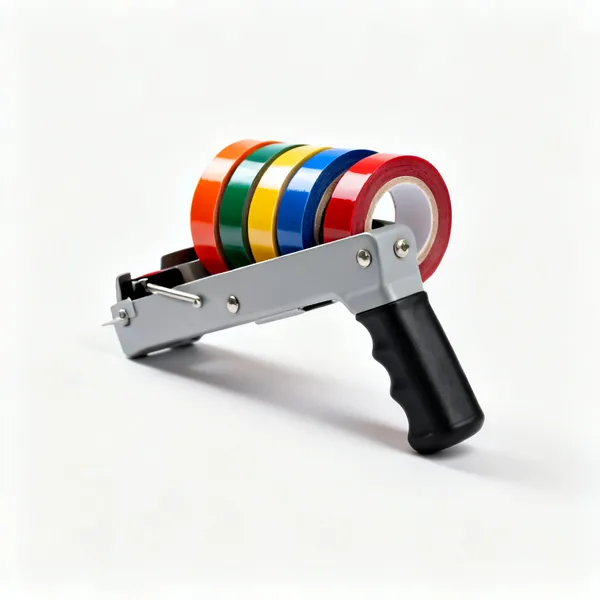
  • Rolls of coloured PVC electrical insulation tapeEssential

    Insulation tape

    For identification and light protection, not for making a joint safe. Tape as insulation on a connection unwinds with heat and time, and heat shrink does not.

Marking, access & lighting 7

Most electrical work happens in a loft, under a floor or inside a cupboard, where the real difficulty is seeing and reaching rather than wiring.

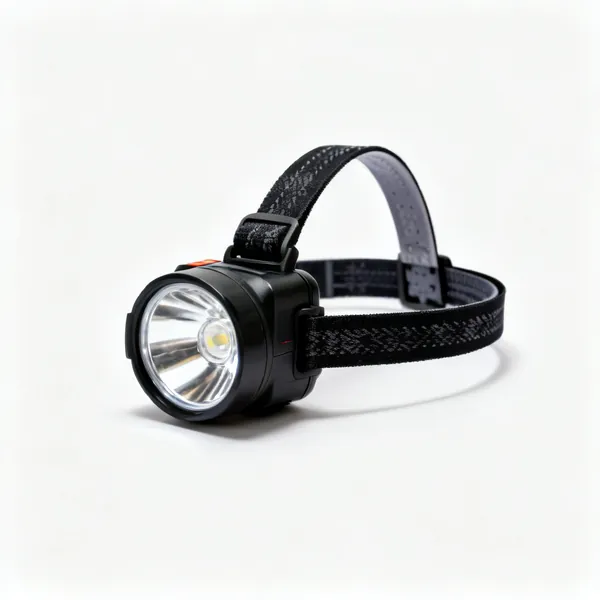
  • An LED head torch with an adjustable strapEssential

    Head torch

    Light exactly where you are looking, with both hands free. In a loft or under a floor this is the most used item in the bag.

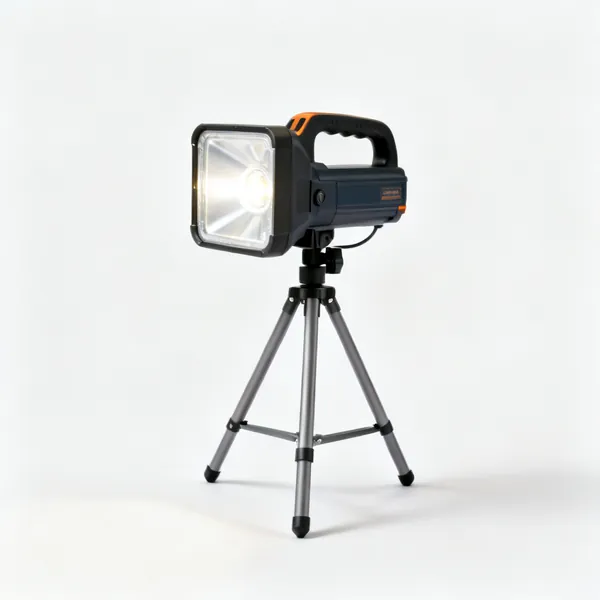
  • A portable LED work light on a folding standEssential

    Work light

    A bright light on a stand for the room you are working in, especially once you have isolated the lighting circuit you were relying on.

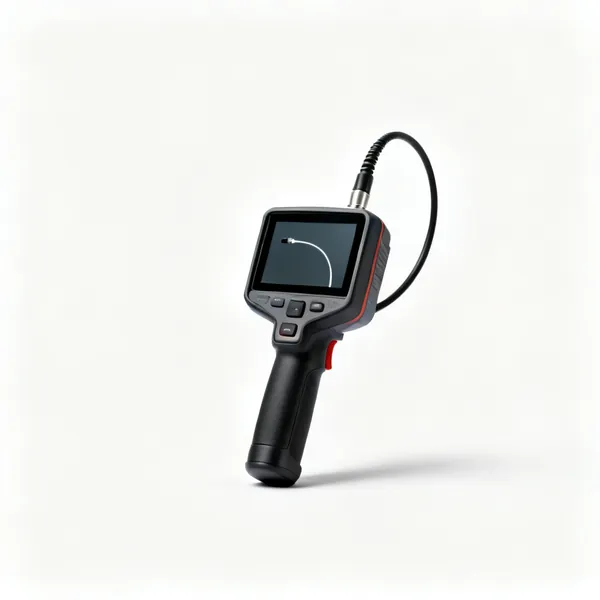
  • Inspection camera

    Inspection camera

    A camera on a flexible probe that looks into cavities and voids. Finds the route or the obstruction without opening the wall to look.

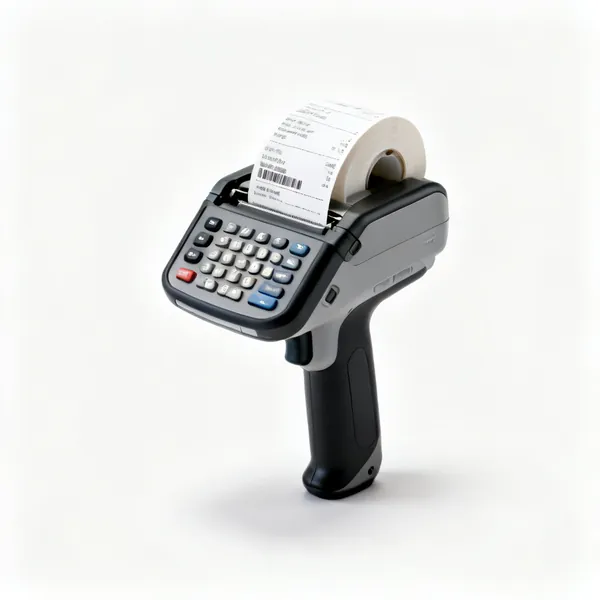
  • A handheld label printer with a keypad and printed tape

    Label printer

    Prints durable labels for circuits and cables. A correctly labelled board is what makes the next person's work safe, and it is usually you.

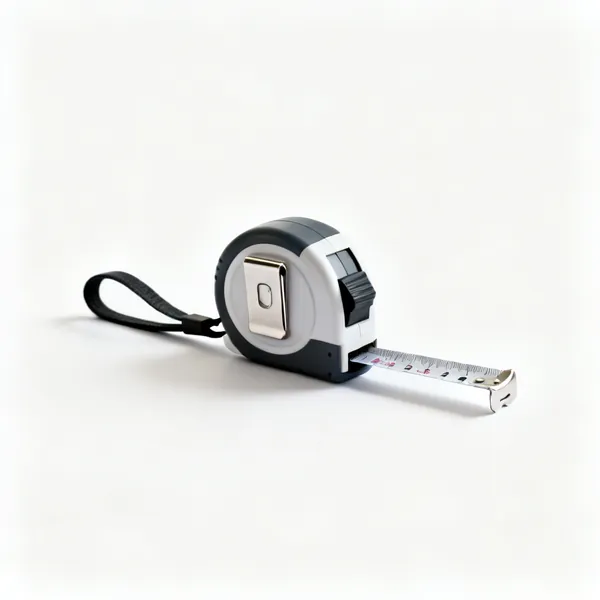
  • A compact tape measure with a belt clipEssential

    Tape measure

    For accessory heights, cable runs and keeping sockets at a consistent level, which is regulated in new work and simply looks wrong when it drifts.

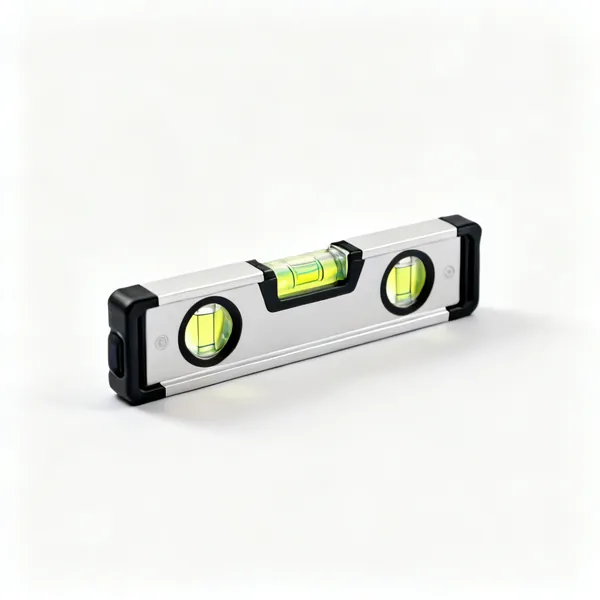
  • A small torpedo spirit level with a magnetic edgeEssential

    Spirit level

    A short level for setting faceplates and boxes straight. Nothing gives away poor work faster than a socket at a slight angle.

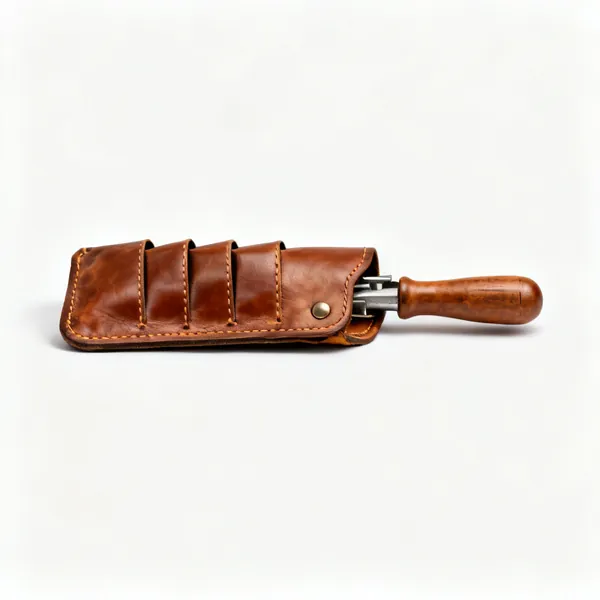
  • A leather electrician's tool pouch with slotsEssential

    Tool pouch

    Keeps insulated tools organised and off the floor of a van, where the coating gets nicked. Damaged insulation means the tool is no longer insulated.

Safety gear 5

Arc flash, dust and falls are the three real risks in electrical work. The first is the one people underestimate most.

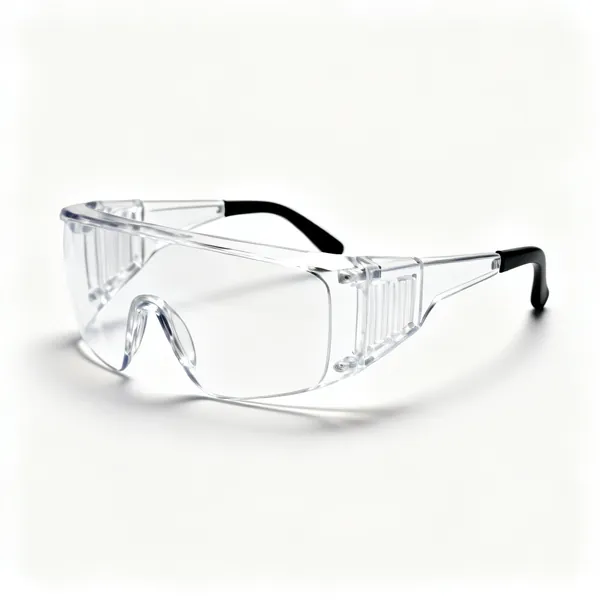
  • A pair of clear safety glasses with side shieldsEssential

    Safety glasses

    Against arc flash, drilling debris and the spring loaded parts inside enclosures. An arc at a distribution board is a chemical burn to the eyes in an instant.

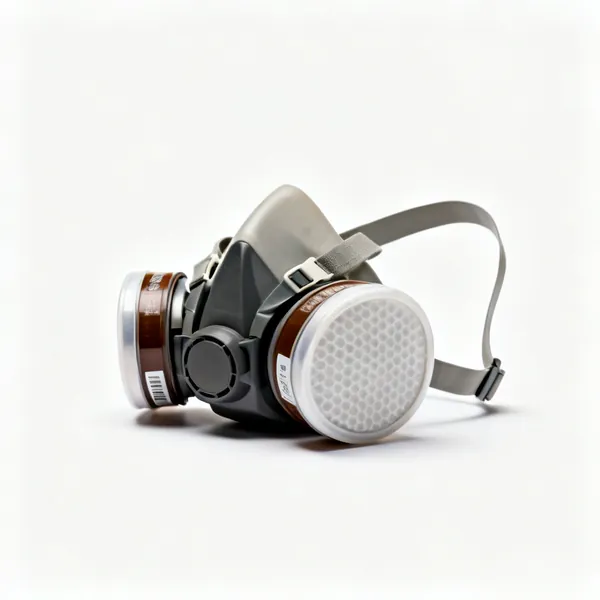
  • Dust mask: A half face dust respirator with filtersEssential

    Dust mask

    Chasing walls and drilling masonry releases silica. Loft work adds decades of fibreglass and dust, which is a genuine respiratory exposure.

  • A pair of protective knee pads with straps

    Knee pads

    Floor level sockets, under floor cable runs and loft crawling. Cumulative knee damage is a common trade injury and entirely preventable.

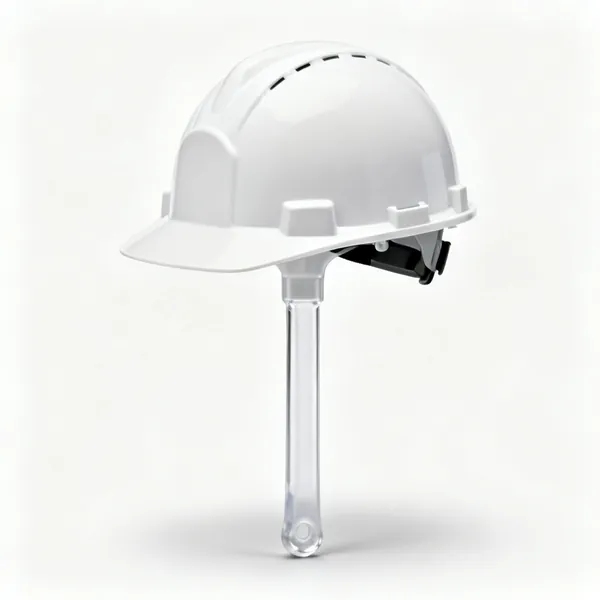
  • A white non conductive hard hat

    Hard hat

    Loft joists, low doorways and anyone working above you on site. Non conductive types exist and are what electrical work specifies.

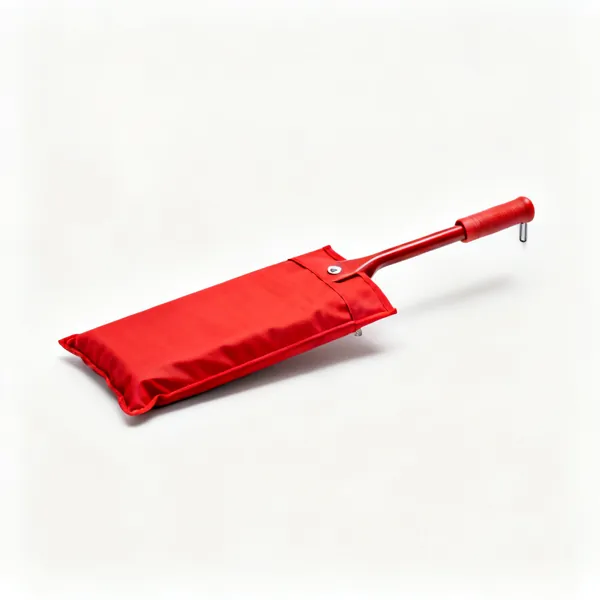
  • A red fire blanket in a wall pouch

    Fire blanket

    Smothers a small electrical fire without water. Rare that it is needed and the wrong moment to discover you do not have one.

Choosing electrical tools

The list above is what exists. This is what to buy, what the ratings on it actually mean, and where the line sits between a job you can do and one that needs a qualified electrician.

Know where the line is

This page is a reference for what the tools are, not a licence to rewire a house. In the UK, most fixed wiring work is notifiable under Part P of the Building Regulations, and in many countries it must be done or certified by a qualified electrician. Replacing a light fitting or a socket faceplate on an existing circuit is generally permitted; new circuits, consumer units and anything in a bathroom or kitchen zone generally is not.

The reason is not bureaucratic. Electricity does not give you the feedback other trades do. A badly cut mortise looks wrong immediately, whereas a loose terminal looks perfect and starts a fire eighteen months later. If you are unsure whether a job is yours to do, that uncertainty is the answer.

Proving dead is a procedure, not a tool

Every electrician learns this as a sequence, and the sequence matters more than the instrument. Isolate the circuit, lock it off so nobody can restore it, prove your voltage indicator works on a known live source or a proving unit, test the circuit, then prove the indicator still works afterwards.

That last step is the one people skip and the one that kills. A tester that failed silently between the first and second check would have told you a live circuit was dead, and you would have believed it.

A non contact pen is a hint, not a test
Useful for a quick indication, and it will happily read nothing on a live conductor behind foil backed board. Never use it as the proof that something is dead.
Use a two pole voltage indicator
Purpose built, with fixed leads and no range switch to be on the wrong setting. This is the instrument the procedure is written around.
Lock off, and keep the key
A lock off kit on the breaker with your own padlock. A note taped to the board is not isolation, because somebody will move it.
Prove the tester before and after
With a proving unit or a known live supply. Both times, every time.

What the ratings on the tools mean

Electrical tools carry markings that are easy to ignore and are the entire reason they cost more than the equivalent from a general toolbox.

VDE and 1000V mean tested insulation
Each tool is individually tested to a far higher voltage than it is rated for. An ordinary screwdriver with a plastic handle has been tested to nothing.
CAT ratings describe where a meter can be used
CAT II for appliances and socket circuits, CAT III for distribution boards and fixed installation, CAT IV for the supply intake. It describes the size of transient the meter can survive, and using an underrated meter at the intake is how they explode.
The rating is on the tool, not the box
Look for the double triangle mark and the voltage on the tool itself. Sets are sometimes advertised as insulated when only some pieces are.
Inspect insulation before use
A nick in a screwdriver's coating makes it an uninsulated screwdriver. Damaged tools get binned, not taped.
Fused leads on a meter
Test leads should be fused and CAT rated to match the meter. Cheap unfused leads are the weak point in an otherwise safe setup.

What to buy first, in order

Stage one: testing and isolation
A two pole voltage indicator and a proving unit, a lock off kit, a socket tester, and a multimeter rated at least CAT III. Then a set of VDE insulated screwdrivers. Buy the testing before the fitting tools, because that is what keeps the rest of the list survivable.
Stage two: cutting, stripping and terminating
VDE combination pliers, long nose pliers and side cutters. Cable cutters for anything thicker than flex. Wire strippers, a cable knife, and a crimping tool with a ratchet. A terminal screwdriver with a fine flat tip.
Stage three: installation and diagnosis
Cable rods and fish tape for pulling through voids. An SDS drill and hole saws for chasing and boxing. A clamp meter for measuring load without breaking a circuit. A conduit bender if you work in metal conduit.
Mistakes that cost money, or worse

Using a non contact pen as proof
It can miss a live conductor entirely depending on shielding, insulation and how you hold it. It indicates presence, it does not prove absence.
An uninsulated screwdriver near a board
One slip bridging a terminal to an earthed enclosure. This is the most common cause of arc flash injuries in domestic work.
Overtightening or undertightening terminals
Both cause heat. Undertightened arcs, overtightened crushes strands and thins the conductor. A torque screwdriver removes the guesswork on anything critical.
Nicking the conductor when stripping
A nicked strand breaks later, inside the insulation, where nothing will show it. Strip with a stripper set to the right gauge rather than a knife.
Cheap unfused test leads
The fuse in the lead is what stops a fault becoming an explosion at your hand. Saving money here defeats a properly rated meter.
Working live because it is quicker
It is quicker, right up until it is not. There is no domestic job that justifies it.

Looking after test gear

Check leads for damage every time
Flex cracks where it enters the probe. That is the point where a lead becomes a bare conductor in your hand.
Calibrate meters used for certification
Anything whose readings go on a certificate needs periodic calibration. A drifting insulation tester passes circuits it should fail.
Replace fuses with the correct type
A general purpose fuse in a meter is not a substitute for the specified high rupture capacity one, whatever fits physically.
Keep insulated tools out of the bottom of a bag
The insulation is the tool. Rattling loose against masonry bits is how it gets nicked.
Store batteries out of meters left unused
A leaked cell destroys the instrument it was protecting your life with.

Frequently asked questions

What electrical tools do I need to start?
Testing first: a two pole voltage indicator, a proving unit, a lock off kit and a socket tester, plus a multimeter rated CAT III or better. Then VDE insulated screwdrivers and pliers. Buy the testing kit before the fitting tools, because that is what makes the rest safe to use.
What does VDE mean on electrical tools?
It means each tool has been individually tested to withstand a high voltage, typically 10,000V, and is rated for working up to 1000V. An ordinary screwdriver with a plastic handle has been tested to nothing, whatever it looks like.
What do CAT ratings on a multimeter mean?
They describe where the meter can safely be used. CAT II is appliances and socket outlets, CAT III is distribution boards and fixed wiring, CAT IV is the supply intake. It reflects the size of voltage transient the meter can survive, which is why an underrated meter can fail violently.
Is a non contact voltage tester enough to prove a circuit is dead?
No, and this is the most dangerous misunderstanding in the trade. It indicates that voltage is probably present, but it can miss a live conductor depending on shielding and insulation. Proving dead needs a two pole voltage indicator and a proving unit, checked before and after.
What is a proving unit for?
It generates a known voltage so you can confirm your voltage indicator actually works, immediately before and immediately after testing a circuit. Without the second check, a tester that failed silently would have told you a live circuit was dead.
What is the difference between a multimeter and a clamp meter?
A multimeter measures voltage, resistance and continuity through its probes, and measuring current means breaking into the circuit. A clamp meter reads current by clamping around a conductor without disconnecting anything, which is why it is the diagnostic tool of choice for load problems.
Can I do my own electrical work?
Some of it. Replacing a faceplate or a light fitting on an existing circuit is generally permitted. New circuits, consumer unit work and anything in bathroom or kitchen zones is usually notifiable and in many places must be done or certified by a qualified electrician. If you are unsure, that uncertainty is your answer.
What is the best way to strip cable without damaging it?
Use an adjustable stripper set to the conductor size, or a proper cable knife for the outer sheath only. A nicked strand is the failure you cannot see, because it breaks later inside the insulation where nothing shows it.
Why do crimps need a ratchet tool?
A ratchet crimper will not release until it has applied the full specified pressure, so every crimp is identical and properly formed. Pliers style crimpers depend on how hard you squeeze, and an undercrimped joint heats up under load.
What is a fish tape used for?
Pulling cable through a wall cavity, conduit or floor void where you cannot reach. You push the tape through, hook the cable on, and pull it back. Cable rods do the same job over longer, straighter runs.
Do I need a torque screwdriver for terminals?
For consumer unit and distribution work, yes, since terminals have specified torques and both overtightening and undertightening cause heat. For a socket faceplate, firm and checked by hand is normally accepted, though the specification still exists.
What is an insulation resistance tester for?
It applies a high test voltage to confirm the insulation between conductors, and between conductors and earth, is intact. It finds damage a continuity test would pass, which is why it forms part of certification rather than casual testing.