Choosing crimping tools
The list above is what exists. This is how to decide which of it you actually need, what separates a tool worth keeping from one that ends up at the back of a drawer.
Why a crimp is not a squeeze
A proper crimp compresses the barrel past the point where the metal springs back. The strands and the terminal deform into each other, gas cannot reach the interface, and the joint does not corrode or loosen. That is a mechanical bond as strong as the wire itself.
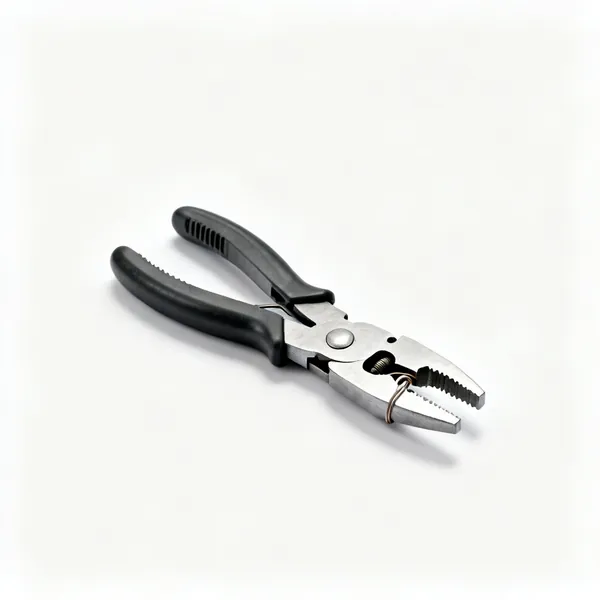
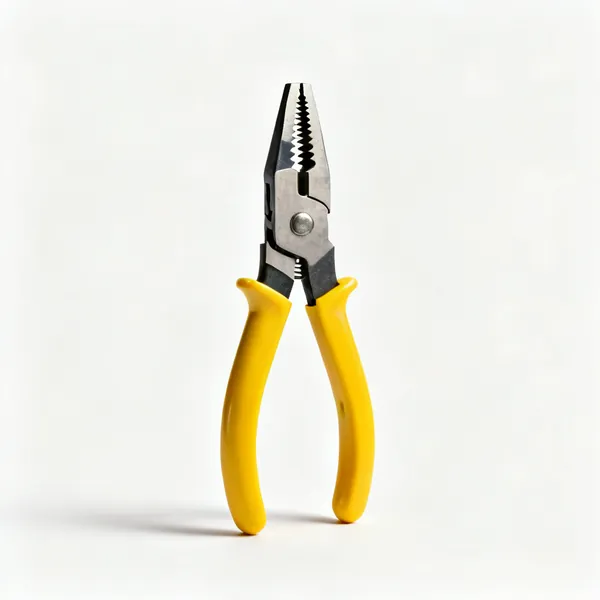
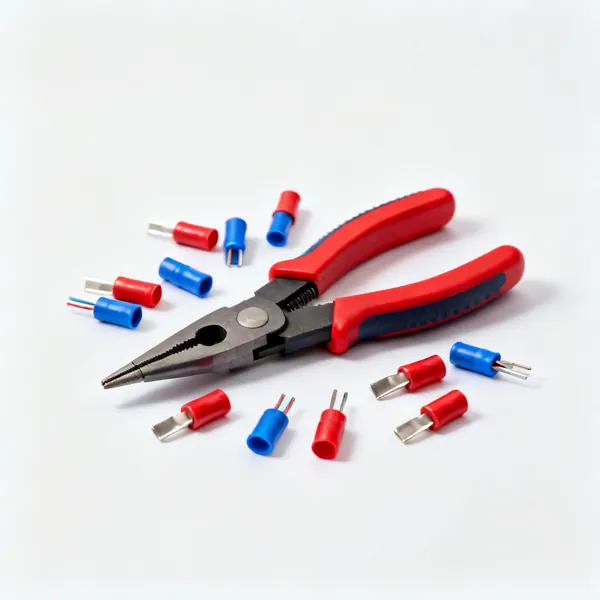
Squeezing a terminal with combination pliers dents it. It grips, it conducts, and it passes a tug test on the day. Then thermal cycling works it loose, resistance climbs, and the joint heats. Almost every burnt terminal in a consumer unit started as a crimp made with the wrong tool.
- Cold weld
- Enough force that the metals flow together. That is the joint, not the grip.
- No air
- A sealed interface cannot oxidise, which is why a good crimp beats solder under vibration.
- Pliers do not do it
- They dent the barrel. It works, then it loosens, and a loose joint gets hot.
- Test by pulling
- A finished crimp should break the wire before it releases it. Anything less is not finished.
Why a ratchet crimper matters
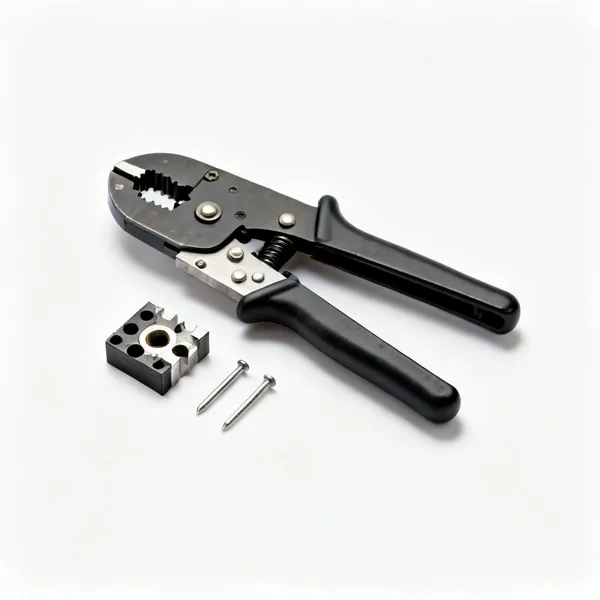
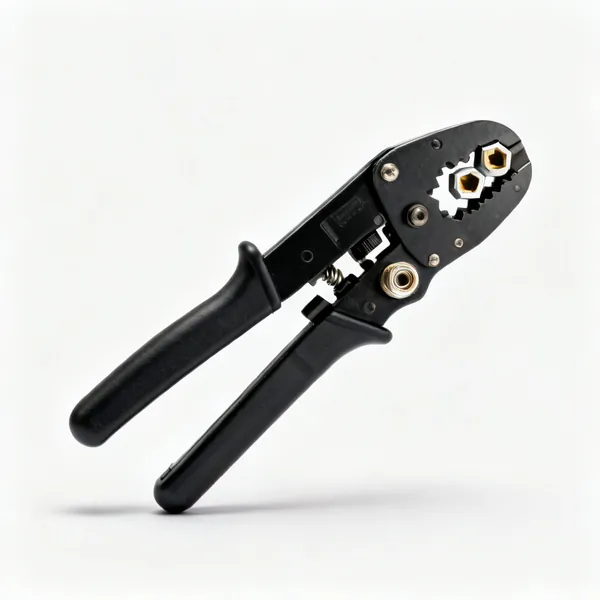
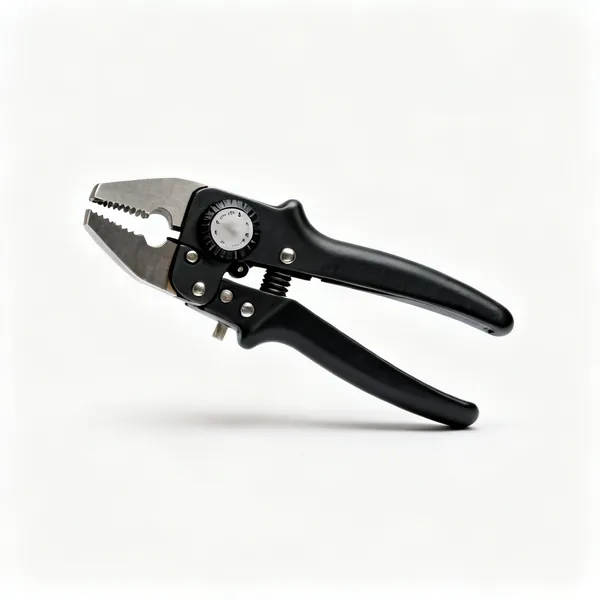
A ratchet crimper will not release until the jaws reach full compression. That removes the judgement, which is the whole point: you cannot tell a 70 per cent crimp from a finished one by looking at it, and a person crimping fifty terminals will get tired and stop short.
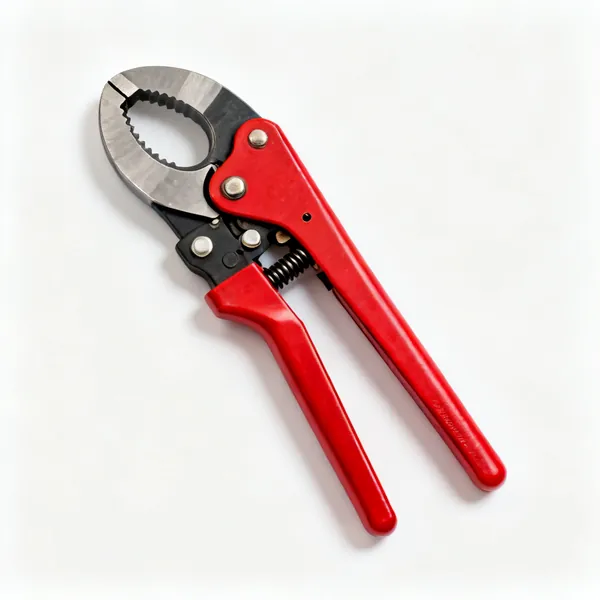
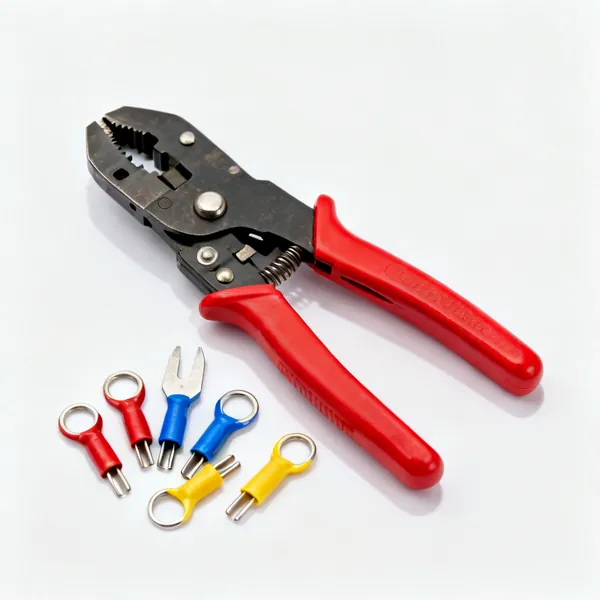
The non-ratchet plier type crimper is fine for the occasional insulated terminal if you squeeze it hard and check it. It is not what you want for anything that carries load or sits behind a wall.
- It cannot stop short
- The ratchet holds until full compression, then releases. Consistency without judgement.
- Matched dies
- The die profile belongs to the terminal type. An insulated die ruins a bare lug.
- Check the calibration
- A ratchet that releases early is worse than no ratchet, because it feels finished.
- Release lever
- Every ratchet needs one, for the terminal you started on the wrong wire.
Matching the tool to the terminal
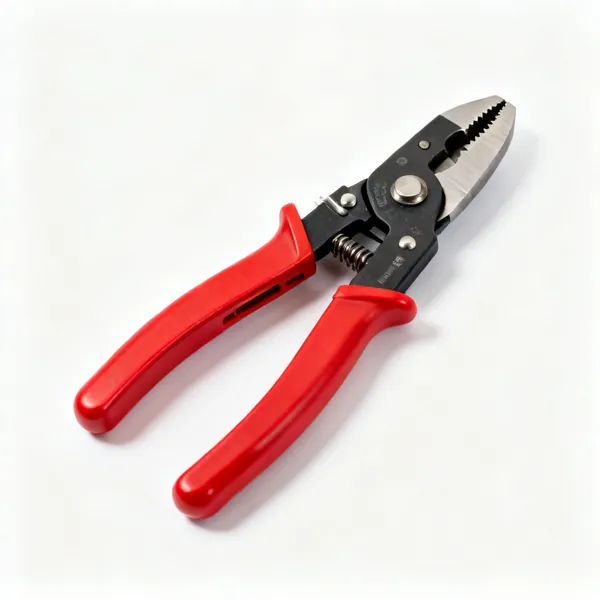
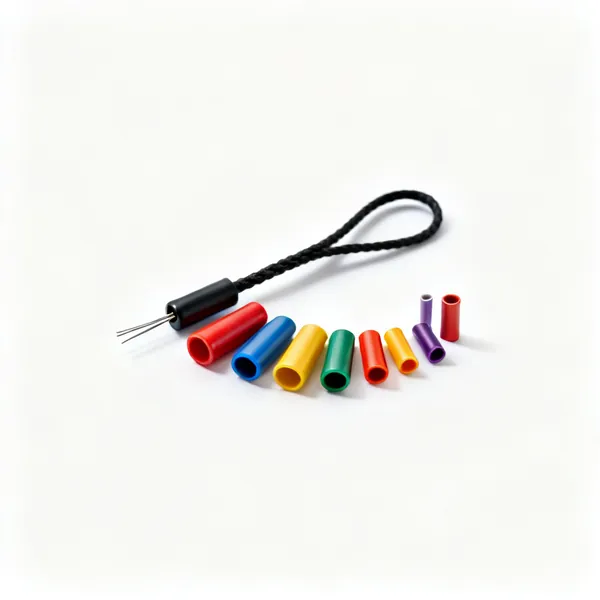
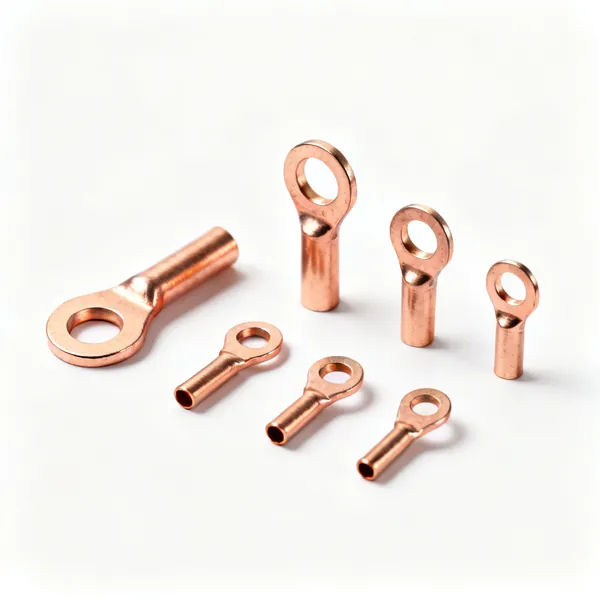
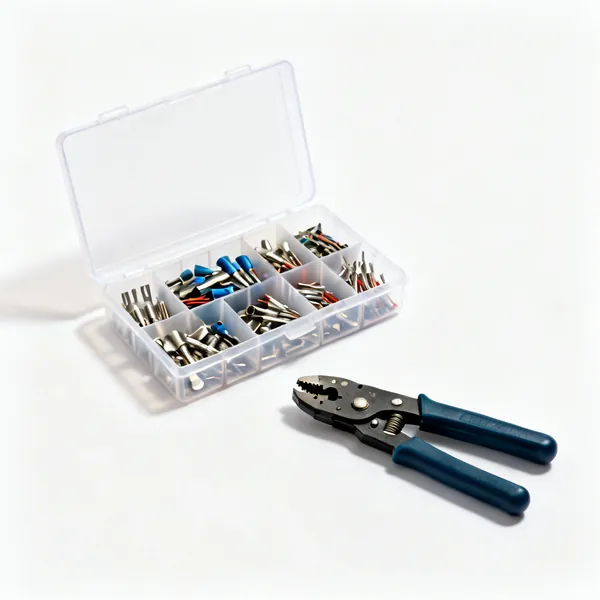
Insulated terminals crimp in an oval die that squeezes the sleeve and the barrel together. Uninsulated terminals need a die with a nib that rolls the seam inward. Bootlace ferrules need a square or hexagonal die that compresses from four or six sides evenly.
Use the wrong profile and the crimp is out of shape rather than compressed. A hexagonal die on an insulated terminal cuts the sleeve. An oval die on a ferrule leaves it wide in one axis so it will not enter the terminal block.
- Insulated, oval die
- Colour coded by size. Red, blue and yellow are 0.5 to 1.5, 1.5 to 2.5 and 4 to 6 square.
- Uninsulated, nib die
- The nib rolls the seam inward. Without it the barrel opens along the seam.
- Ferrules, square or hex
- Even compression on all sides, so it still fits the terminal it is going into.
- Coax and network, dedicated
- These crimp a shell and a pin at once and have their own tools entirely.
Strip length decides more than the crimp
Too short and bare copper stops inside the insulation, so only some strands enter the barrel. Too long and bare copper sits outside the terminal where it can touch something. The right length puts every strand in the barrel with the insulation just short of it.
Trim, do not twist. Twisting strands before inserting them looks tidy and reduces the contact area, because a twisted bundle compresses into a rope rather than flowing into the barrel wall.
- Strip to the barrel
- Bare copper the length of the barrel and no more. Insulation stops at its mouth.
- Every strand in
- One strand outside the barrel is a strand not carrying current, and a place to arc.
- Do not twist
- It looks tidy, it reduces contact. Insert the bundle as it comes off the strippers.
- No nicks
- A nicked strand is where the wire breaks later. Use strippers, not a knife.
RJ45 and coax, where crimping is different
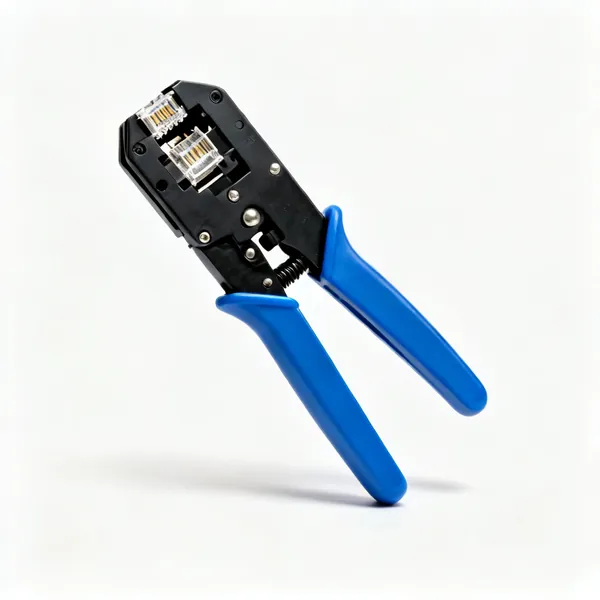
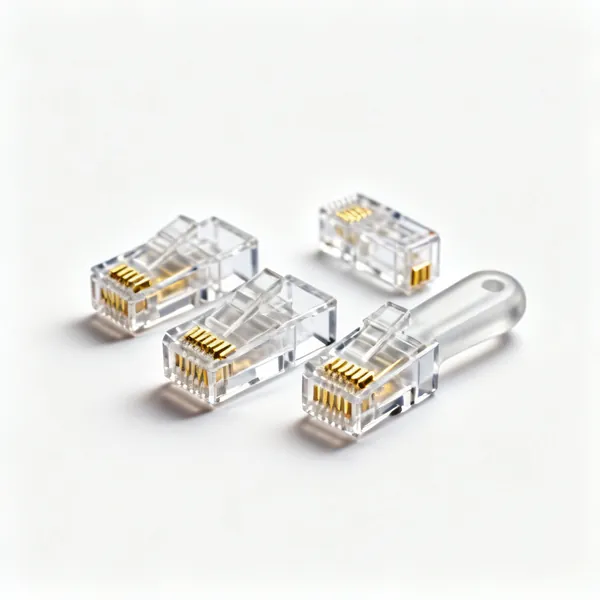
An RJ45 crimper drives eight blades through the insulation of eight conductors and closes a strain relief on the jacket, all in one stroke. Nothing is stripped except the jacket. The failure is almost always the order of the conductors or the jacket not reaching the relief.
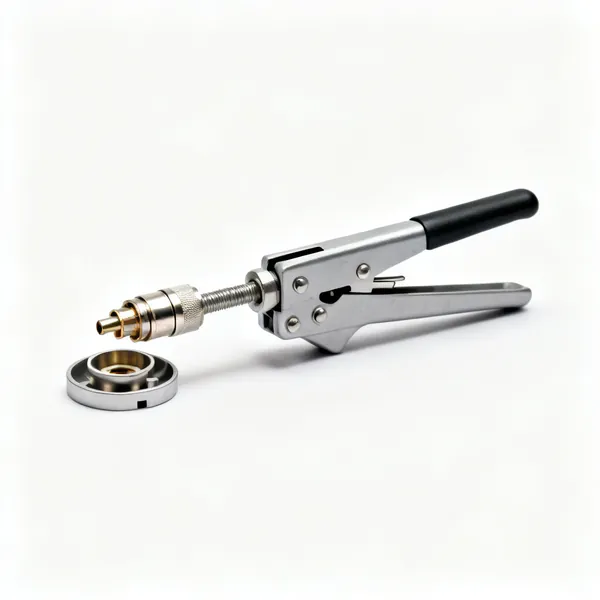
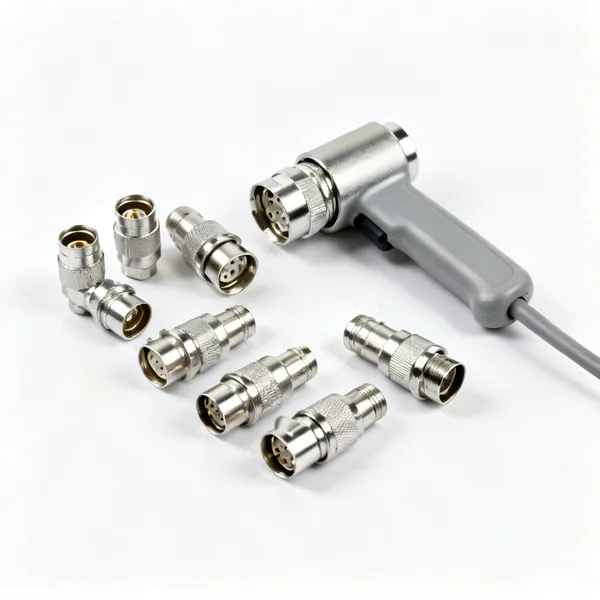
Coax crimping compresses a ferrule over the braid. A hex or a compression tool depending on the connector type, and the two are not interchangeable. A compression F connector in a hex crimper is destroyed rather than fitted.
- Do not strip the eight
- The blades pierce the insulation. Stripping them means nothing to pierce.
- Jacket into the relief
- The plug's strain relief must close on the jacket, not the conductors. That is what stops it pulling out.
- Hex or compression
- Coax connectors are one or the other and the tools do not swap.
- Test, do not assume
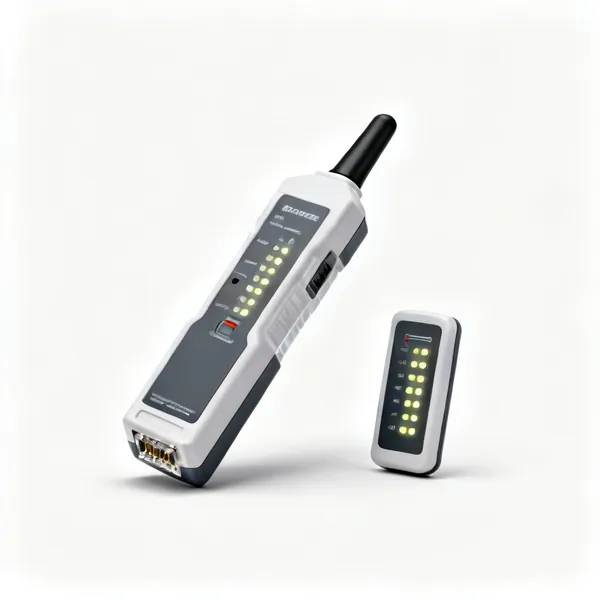
- A miswired pair passes continuity and fails at gigabit. A cable tester finds it in seconds.
Frequently asked questions
- What is a crimping tool used for?
- Joining a terminal or connector to a wire by compressing the terminal barrel hard enough that the metals cold weld together. That gives a sealed, permanent joint with no solder and no heat, which is why it is the standard method in electrical, automotive and network work.
- Can I use pliers instead of a crimping tool?
- You can make something that looks the same and it will not last. Pliers dent the barrel instead of compressing it past its spring back, so the joint grips at first, then loosens as it heats and cools. Most burnt terminals started as a crimp made with pliers.
- Do I need a ratchet crimping tool?
- For anything carrying load or hidden behind a wall, yes. A ratchet will not release until full compression is reached, which removes the judgement, and you cannot tell a partly finished crimp from a good one by looking. A plier type is acceptable for occasional light work.
- Which crimping die do I need for my terminals?
- Insulated terminals take an oval die that squeezes sleeve and barrel together. Uninsulated ones need a die with a nib that rolls the seam inward. Bootlace ferrules need a square or hexagonal die. The wrong profile deforms the terminal instead of compressing it.
- How much wire should I strip before crimping?
- Exactly the length of the terminal barrel. Shorter and some strands stay inside the insulation and carry nothing. Longer and bare copper sits outside the terminal where it can touch something. Do not twist the strands: it reduces the contact area inside the barrel.
- How do I know if a crimp is good?
- Pull it. A finished crimp should break the wire before it releases it, so a firm tug that does nothing is a pass. Visually the barrel should be evenly deformed with no split seam, and no bare copper should be showing outside the terminal.
- Why does my RJ45 crimp keep failing?
- Usually one of two things. The jacket did not reach the plug's strain relief, so the pull goes onto the conductors and one lifts off its blade. Or a pair is out of order, which passes a continuity check and fails at gigabit speed. A cable tester shows which.
- Is a crimped joint better than a soldered one?
- Under vibration, yes. Solder wicks up the strands and creates a stiff point where the wire eventually fatigues and snaps. A crimp keeps the wire flexible right up to the terminal, which is why aircraft and automotive wiring is crimped rather than soldered.