Disclosure

Landscaping tools: names, pictures and what each one is used for

A complete landscaping tools list with a picture of every one, all 92 grouped by the job, from groundwork and levels through paving, walls, decking, turf and drainage. This is hard landscaping, the structural work a garden sits on.

52 are marked essential: enough to set out, excavate, lay a base and pave it properly.

Setting out & levels 11

Establishing where things go and what the fall is. Errors here are built into everything above them.

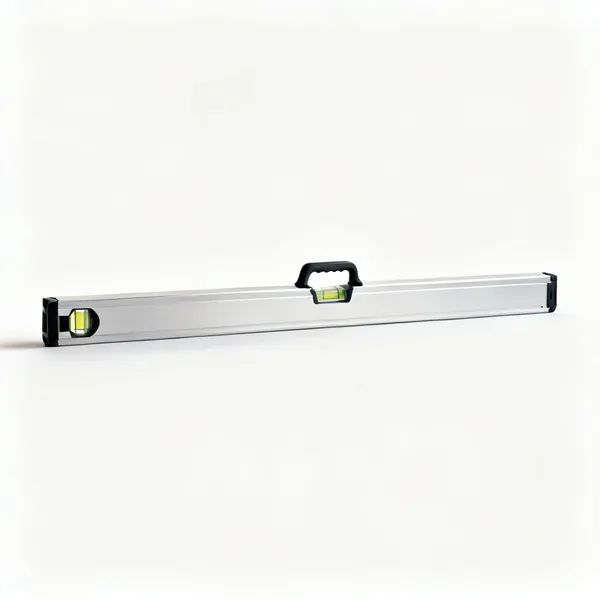
  • Long spirit level: A long aluminium spirit levelEssential

    Long spirit level

    A 1.2 metre or longer level for setting falls and checking paving. Long is what finds a slow dip across a patio.
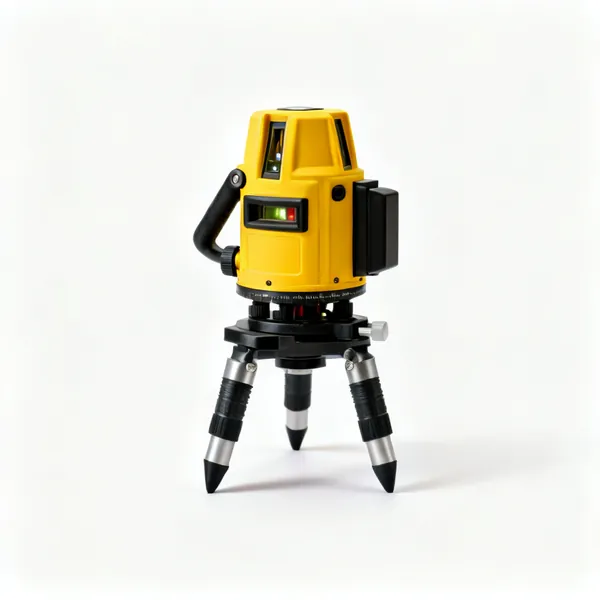
  • A yellow rotary laser level on a tripod

    Rotary laser level

    Sweeps a level plane across the whole site so every height is taken from one datum rather than a chain of measurements.

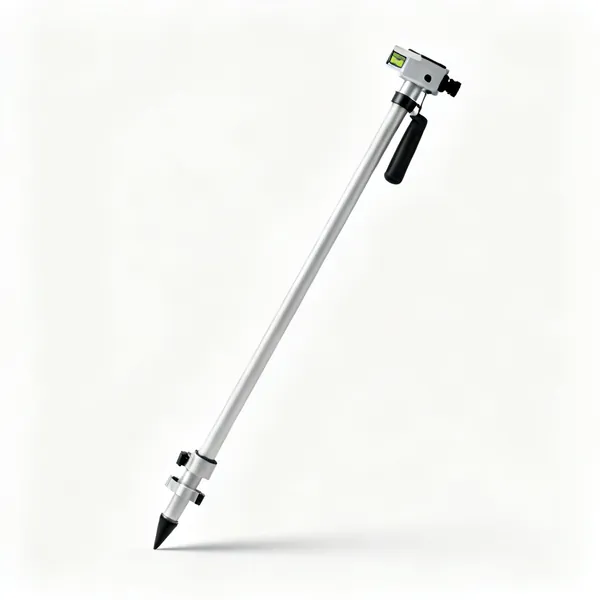
  • A telescopic levelling staff rod

    Levelling staff

    A telescopic graduated rod read against a laser or optical level, turning a level plane into actual numbers.

  • 30 metre tape: An open reel 30 metre long tape measureEssential

    30 metre tape

    Setting out and checking diagonals. A pocket tape cannot span a garden, and joining two measurements adds error.

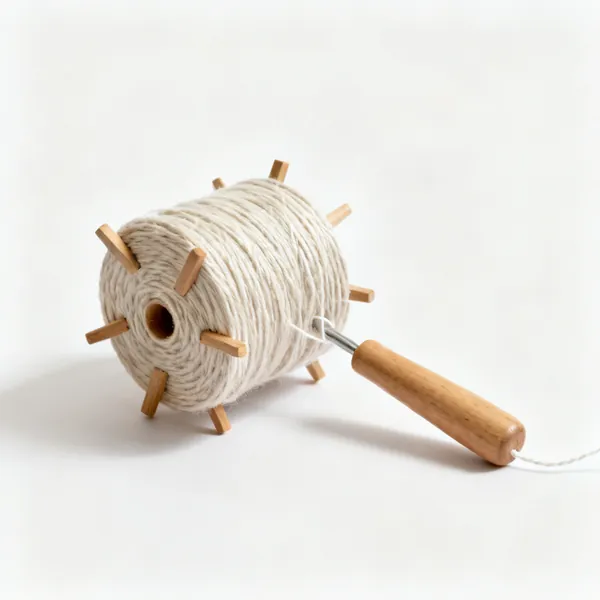
  • String lines & pegs: A string line reel with wooden pegsEssential

    String lines & pegs

    The reference every course and every slab is laid to. Costs almost nothing and beats any straight edge over distance.

  • Timber profile boards with string lines

    Profile boards

    Timber frames set back from the dig carrying the lines as marks, so they survive the digger. Pegs on the line do not.

  • A large steel builder's squareEssential

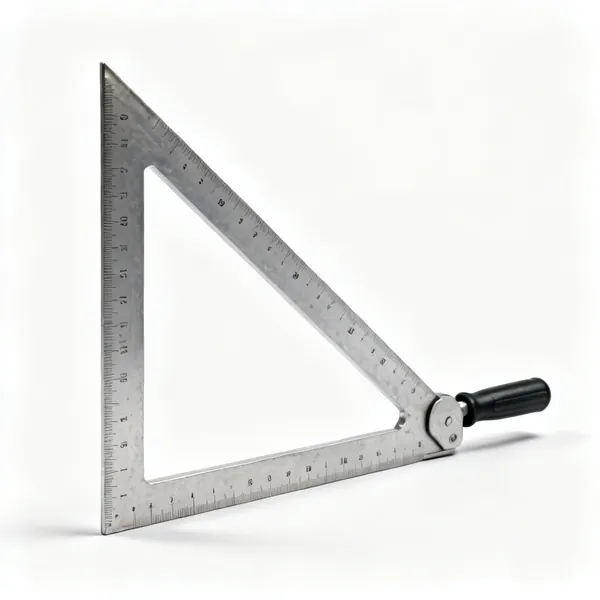
    Builder's square

    A large right angle for setting out corners. Big enough that a small error is visible, unlike a small square.

  • A paving fall gauge wedge with a level

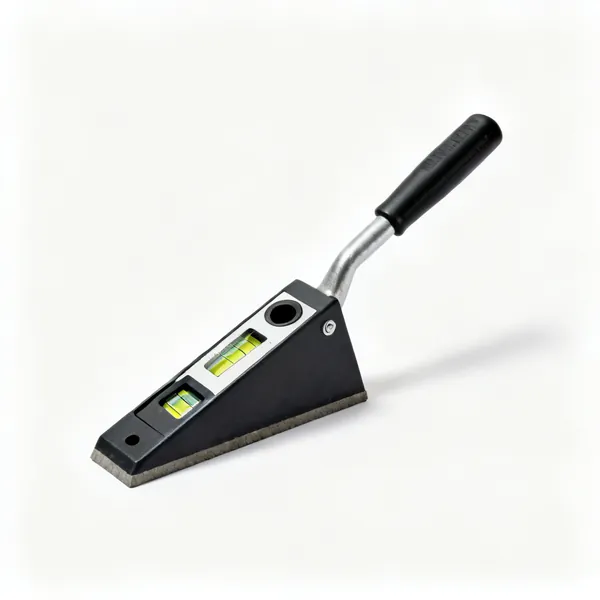
    Fall gauge

    A shim or wedge under one end of a level that reads level when the correct fall is set. Removes the arithmetic.

  • Aluminium screed rails on sandEssential

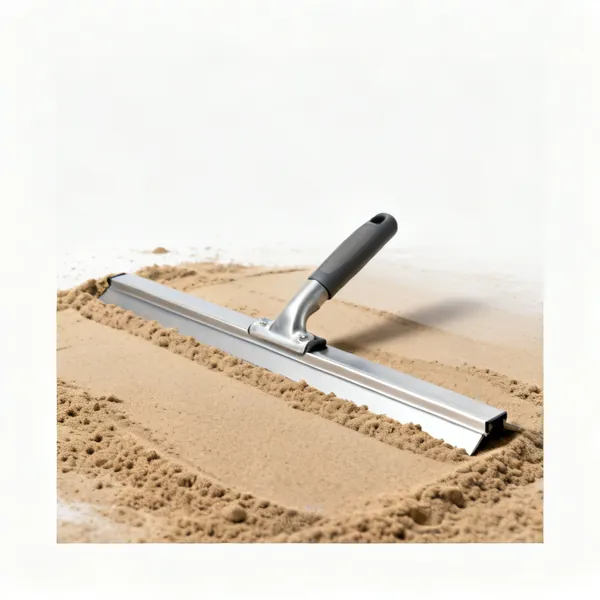
    Screed rails

    Straight rails set to level and fall that a screed board runs on, giving an even bedding layer over a wide area.

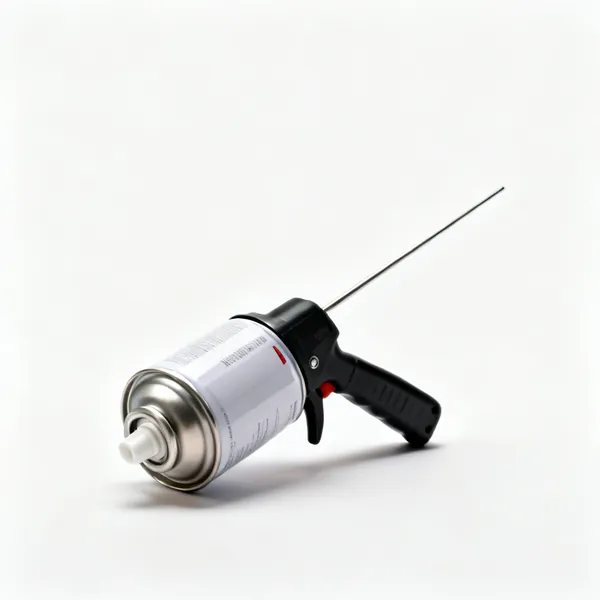
  • An inverted line marking spray paint canEssential

    Line marking spray

    Inverted aerosol paint marking dig lines and service runs on the ground. Survives rain, which chalk does not.

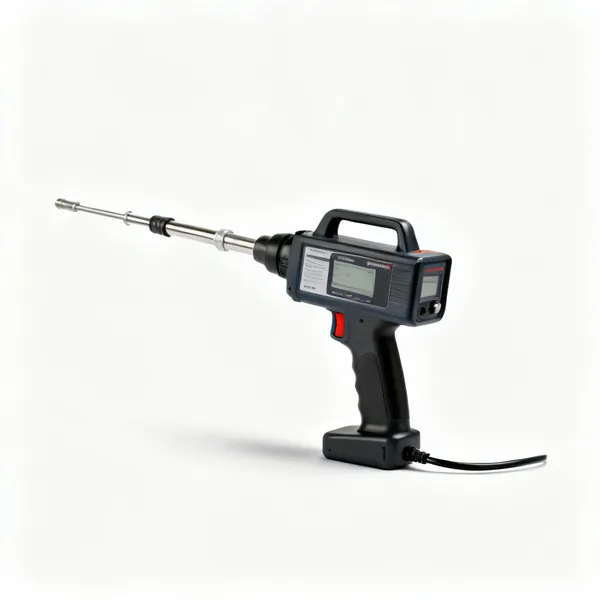
  • Cable & pipe detector: A handheld cable and pipe detectorEssential

    Cable & pipe detector

    Scans the ground before you dig. Services are shallower than people expect, and hitting one is expensive at best.

Excavation & groundwork 14

Moving earth and getting the base right. The heaviest work, and where hired plant earns its money.

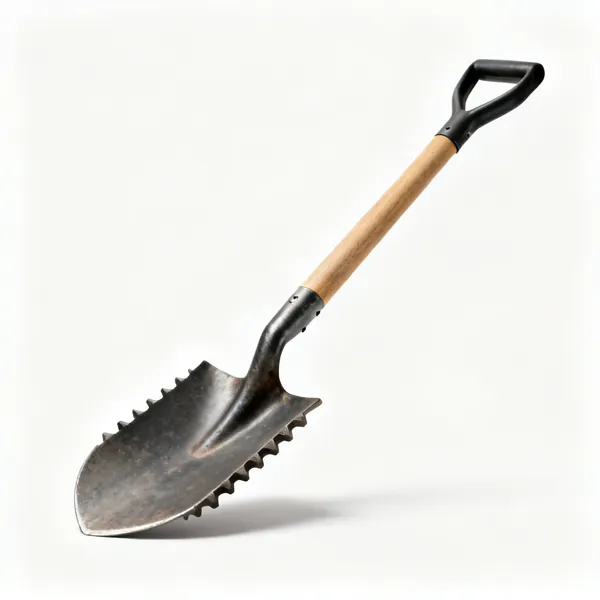
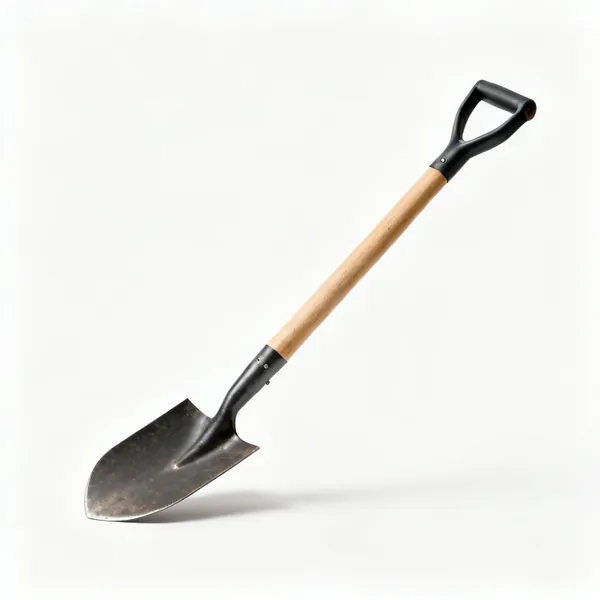
  • A digging spade with a treaded bladeEssential

    Digging spade

    A flat straight edge for cutting into soil, slicing turf and squaring a trench. The most used tool on any landscaping job.

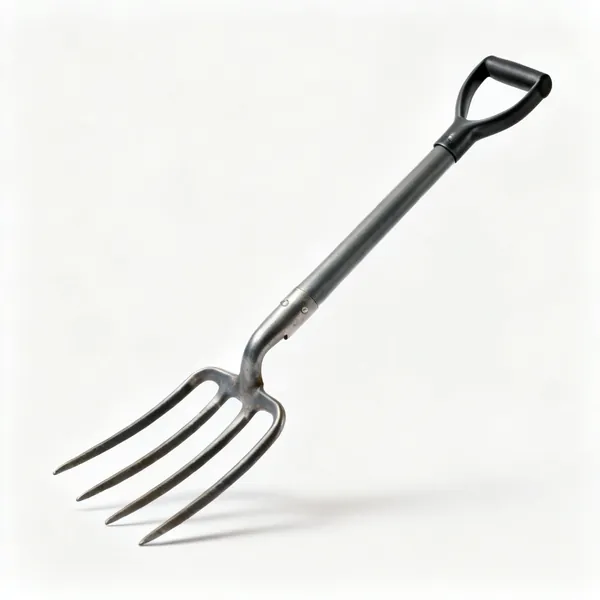
  • A four tined digging forkEssential

    Digging fork

    Breaks up compacted ground and lifts stony soil a spade bounces off. Four thick tines, not a border fork.

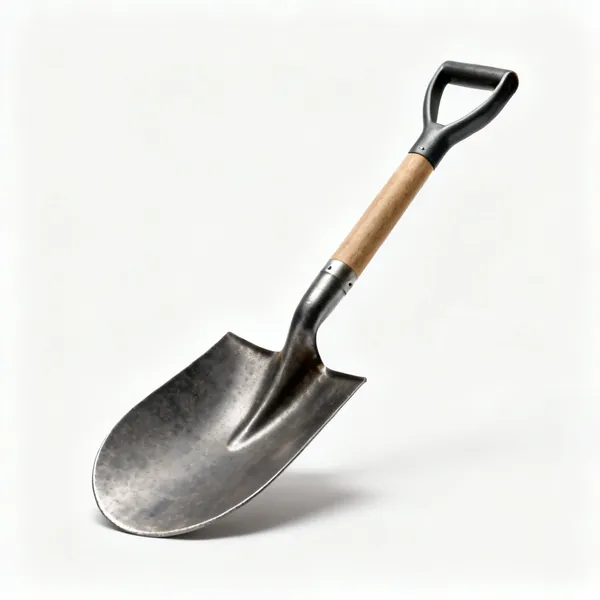
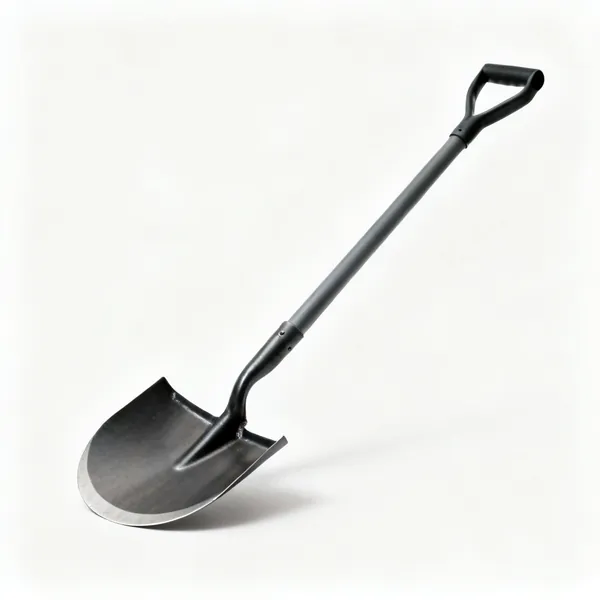
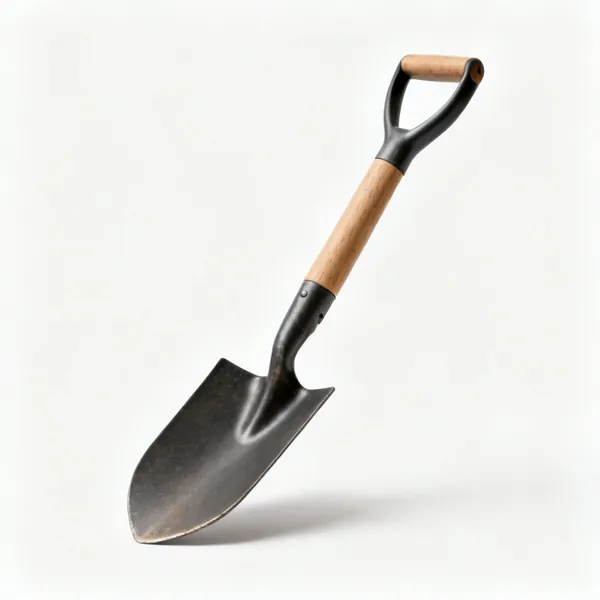
  • A round mouth shovelEssential

    Shovel

    A curved scoop for moving hardcore, sand and spoil. It moves loose material and it does not dig.

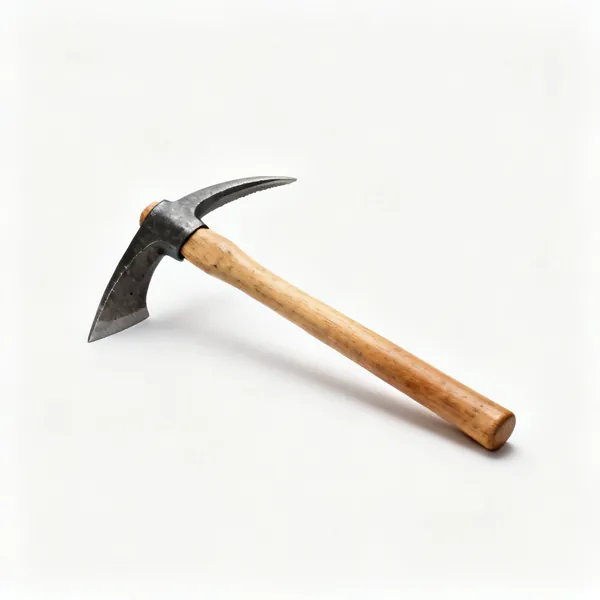
  • A pickaxe with a wooden handleEssential

    Pickaxe

    Breaks hard, stony or clay ground that will not take a spade. A point one end, a chisel the other.

  • A landscaping mattock

    Mattock

    An axe blade and a hoe blade for cutting roots and grubbing out. What you reach for when the spade finds a tree.

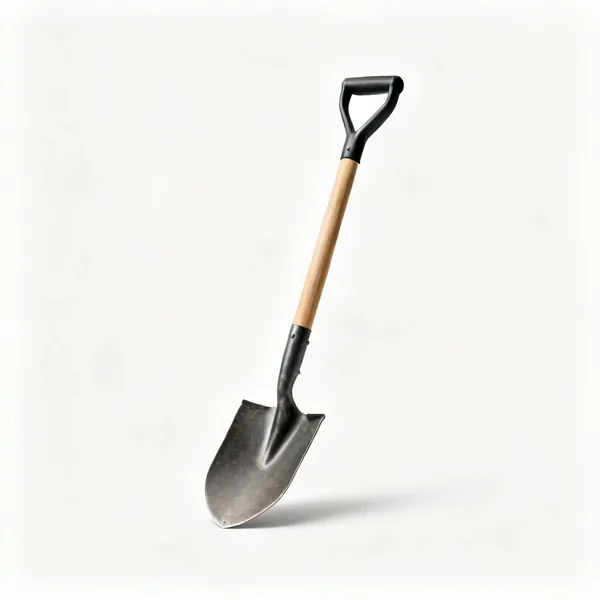
  • A narrow trenching shovel

    Trenching shovel

    A narrow blade cutting clean sided trenches for cables, pipe and edging, without destroying a metre either side.

  • A small yellow mini digger excavator

    Mini digger

    A tracked excavator narrow enough for a side passage. A day moves what a week of shovelling will not.

  • A yellow site dumper with a tipping skip

    Site dumper

    A tipping skip on wheels for moving spoil and stone where a barrow gives up. Pays for itself in a morning.

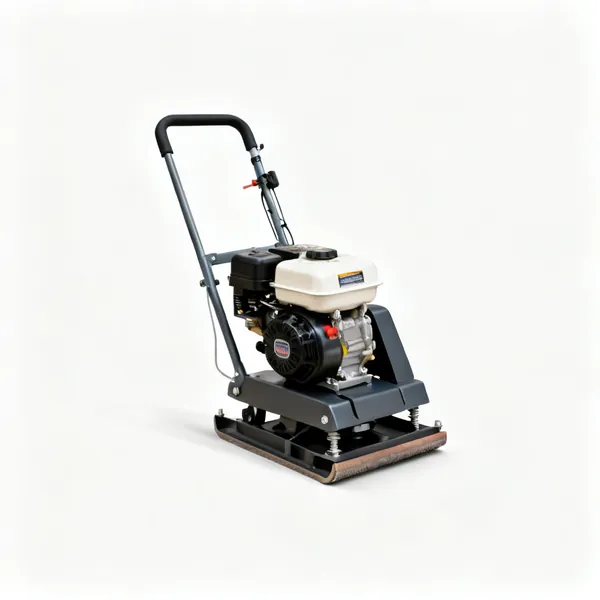
  • Wacker plate: A petrol vibrating plate compactorEssential

    Wacker plate

    Compacts sub base and soil so it stops settling. Without it, paving sinks and no surface finish rescues it.

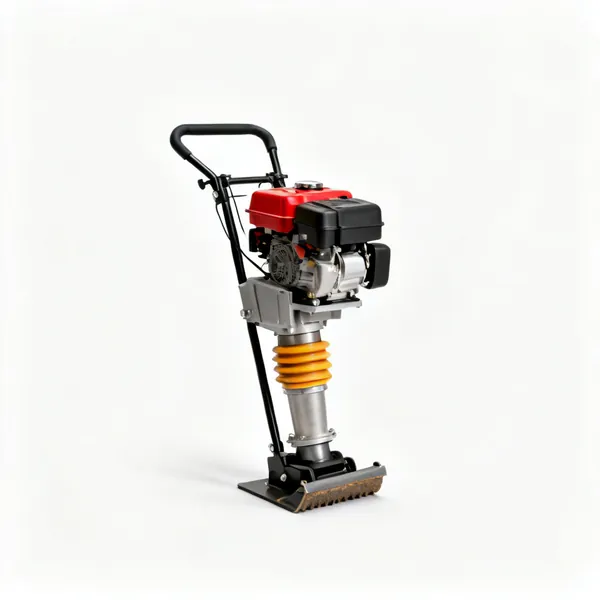
  • A petrol trench rammer compactor

    Trench rammer

    A narrow jumping compactor for trench bottoms and along walls, where a plate cannot fit.

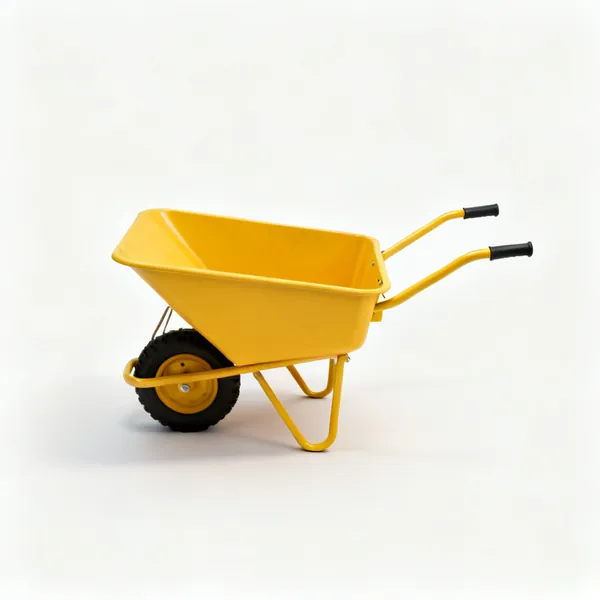
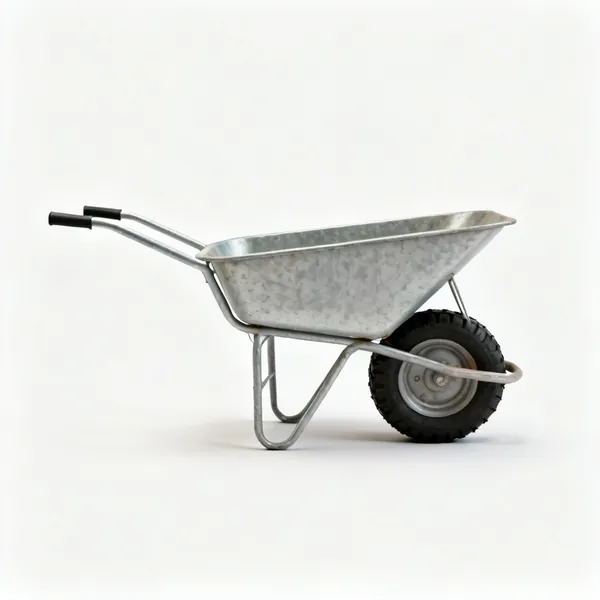
  • A builder's wheelbarrow with a pneumatic tyreEssential

    Wheelbarrow

    The most used item on site. A builder's barrow with a pneumatic tyre, because a flat tyre stops everything.

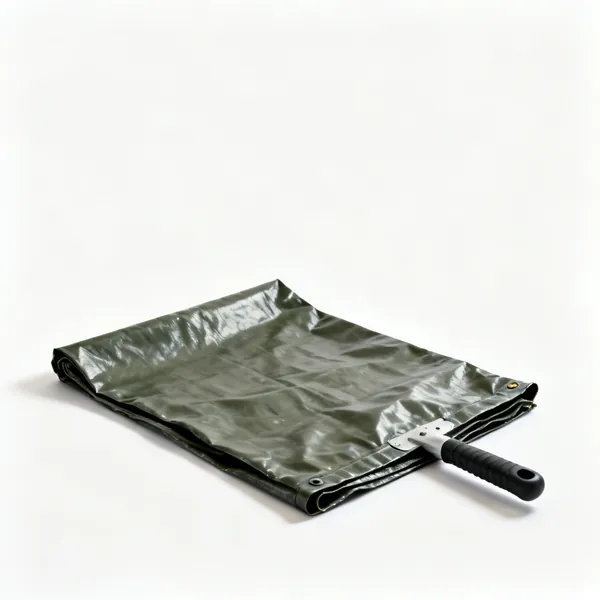
  • Spoil sheets: A heavy duty spoil tarpaulin sheetEssential

    Spoil sheets

    Heavy sheeting to tip spoil and sand onto, so a lawn or a drive survives the job and the clean up is one lift.

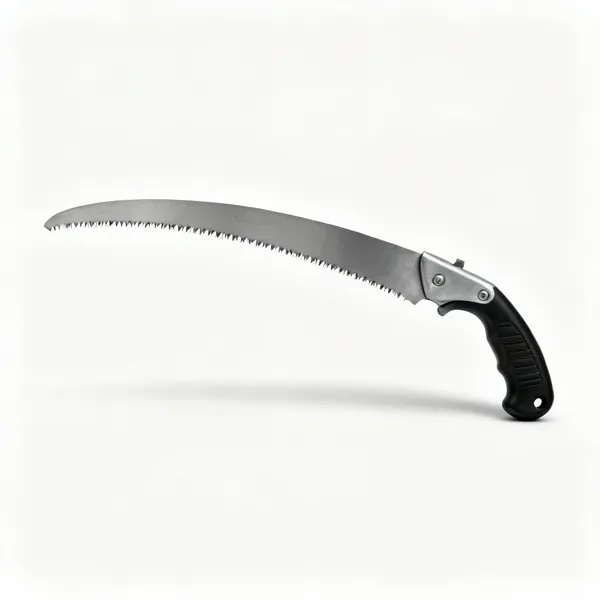
  • Root saw: A curved root cutting saw

    Root saw

    A coarse curved blade for cutting roots in the ground, where a normal saw blunts instantly on grit.

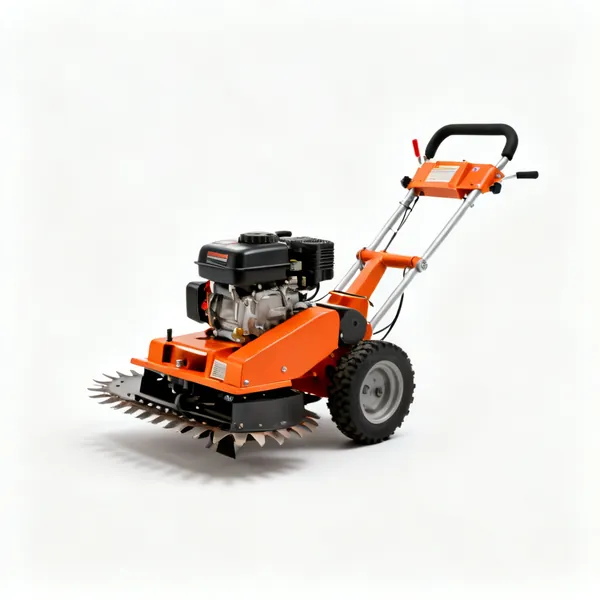
  • A walk behind stump grinder machine

    Stump grinder

    Grinds a stump below ground level so you can build over it. Hired, and the alternative is digging out a root plate.

Paving & surfacing 14

Laying slabs, blocks and setts. Precision work on a heavy scale, and it is judged from the surface forever.

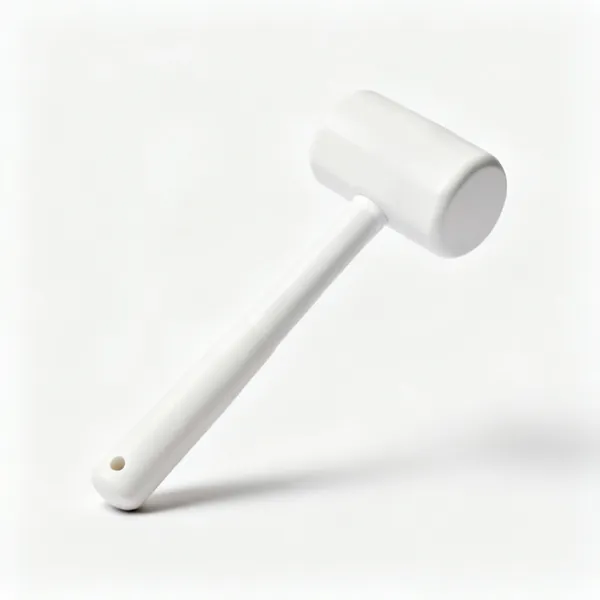
  • A white rubber malletEssential

    Rubber mallet

    Taps a slab down into the bed without chipping it. A steel hammer breaks the corner off every time.

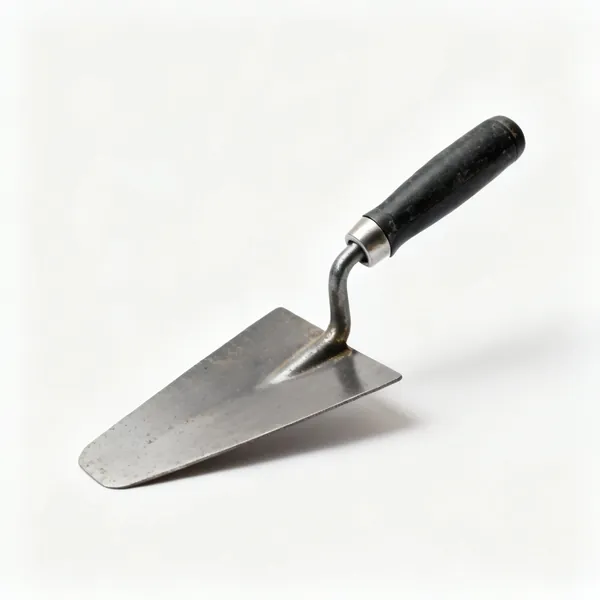
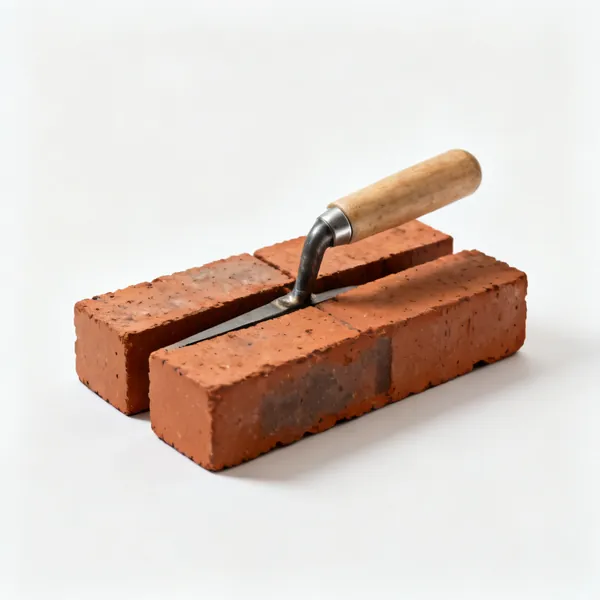
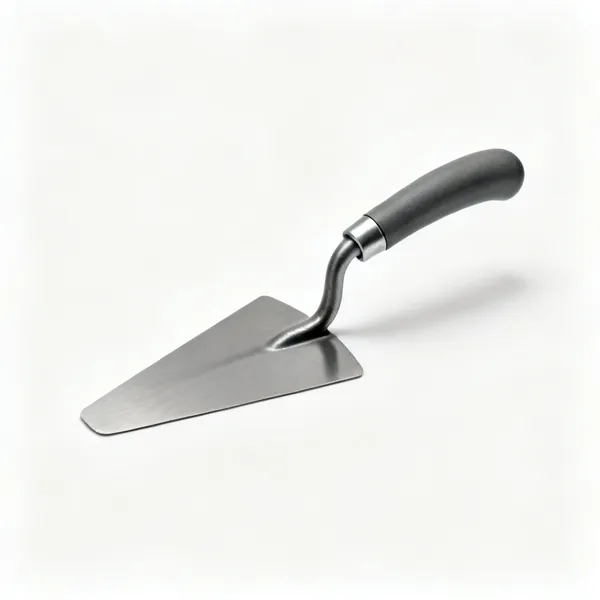
  • Brick trowel: A bricklayer's trowelEssential

    Brick trowel

    Lays and cuts mortar for bedding and haunching. One piece forged, since a riveted tang works loose.

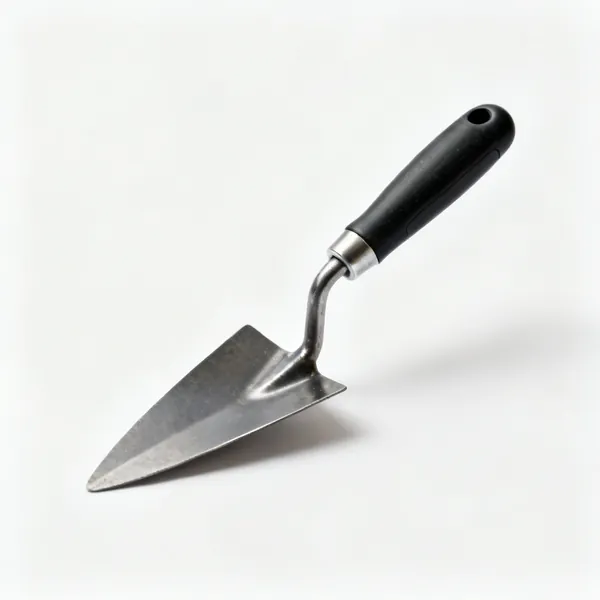
  • A small pointing trowelEssential

    Pointing trowel

    Presses mortar into paving joints and tidies them. The finishing tool, and the one everyone sees the result of.

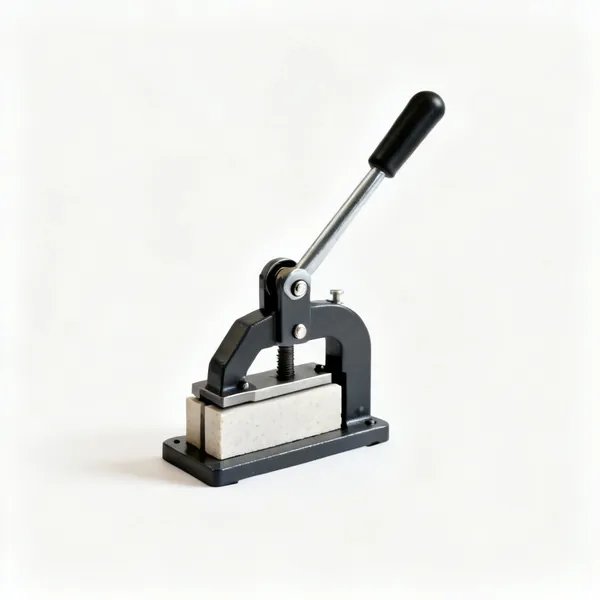
  • A manual block splitter press

    Block splitter

    A lever press that splits blocks and paving with no dust and no noise. Slower than a saw and far cleaner.

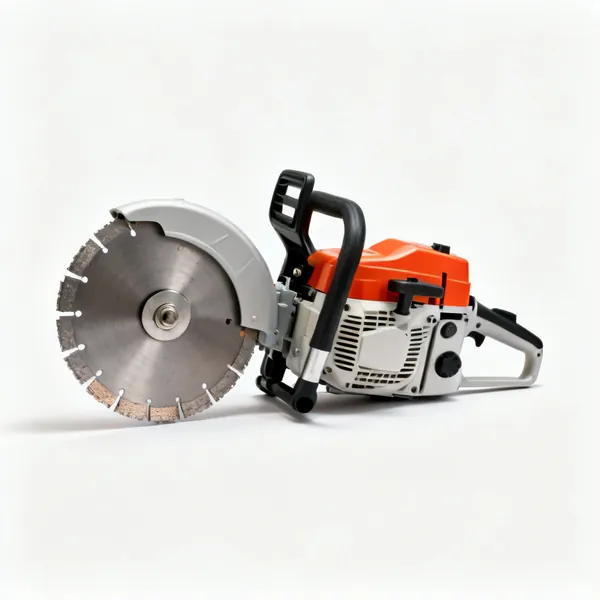
  • A petrol disc cutter with a diamond bladeEssential

    Disc cutter

    A petrol or cordless saw with a diamond blade for cutting paving. Run wet, since the dust is silica.
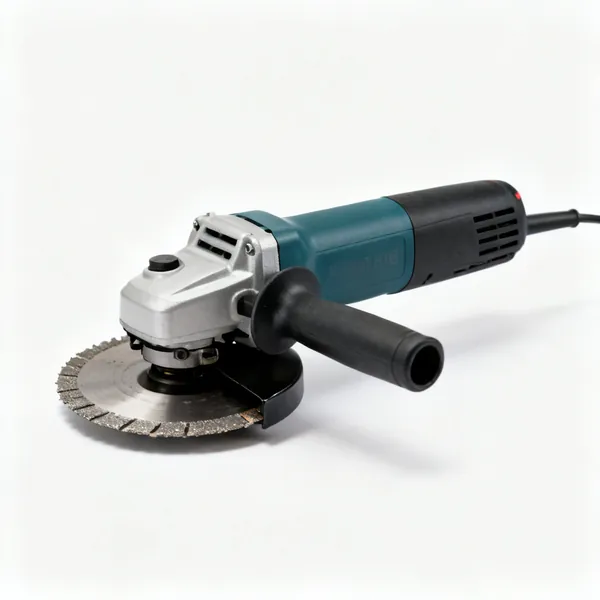
  • Angle grinderEssential

    Angle grinder

    Smaller cuts and trimming, with a diamond blade. Guard on and both hands, since it is the least forgiving tool here.

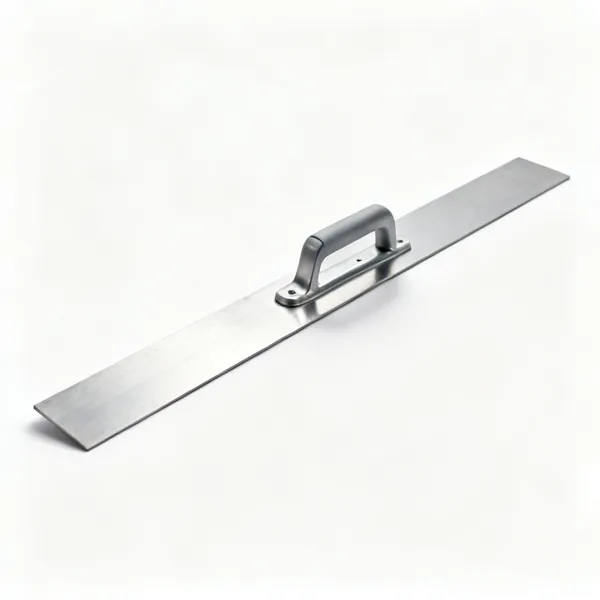
  • A long aluminium screed boardEssential

    Screed board

    A straight edge run along the rails to level the bedding layer. Guessing over three metres always shows.

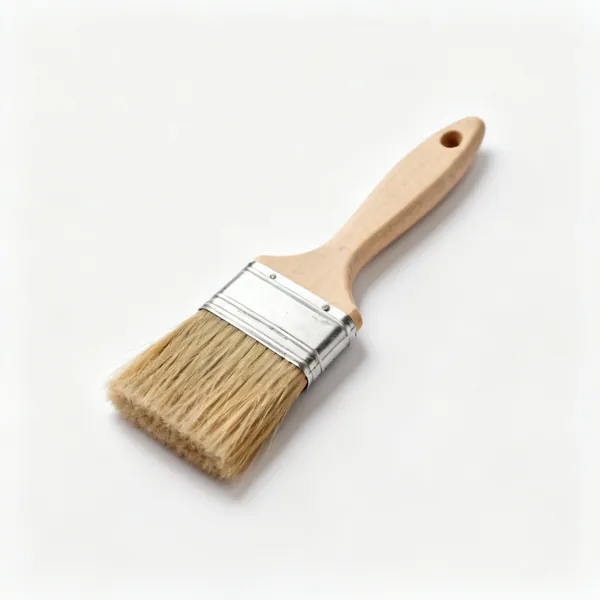
  • A stiff jointing brushEssential

    Jointing brush

    Sweeps kiln dried sand or jointing compound into block paving joints. The joints are what lock the surface together.

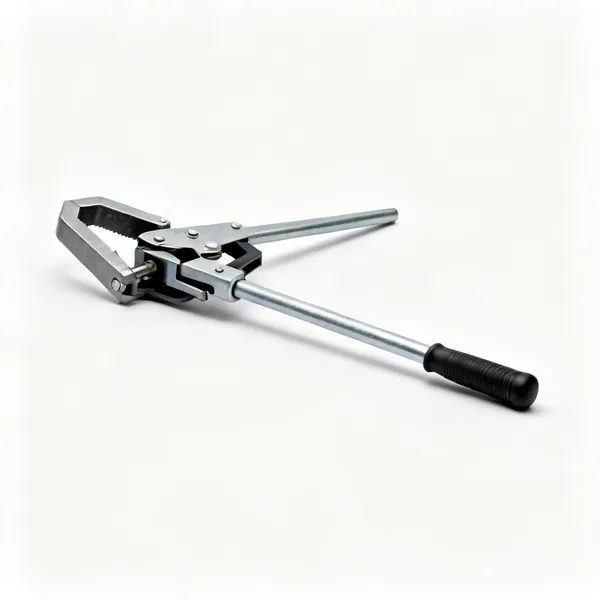
  • Slab lifter: A pair of slab lifting clamps

    Slab lifter

    Clamps a large slab so two people can place it without fingers underneath. Big slabs crush hands and break toes.

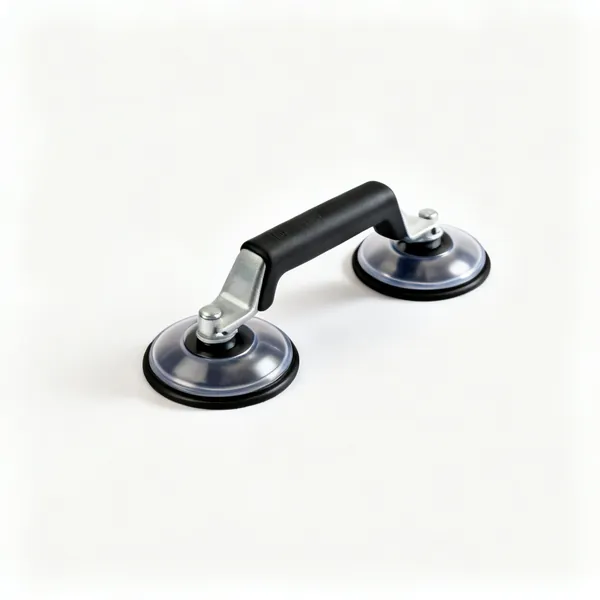
  • Suction lifter: A double suction cup slab lifter

    Suction lifter

    Vacuum cups for placing large porcelain and smooth slabs accurately, where a clamp would mark the face.

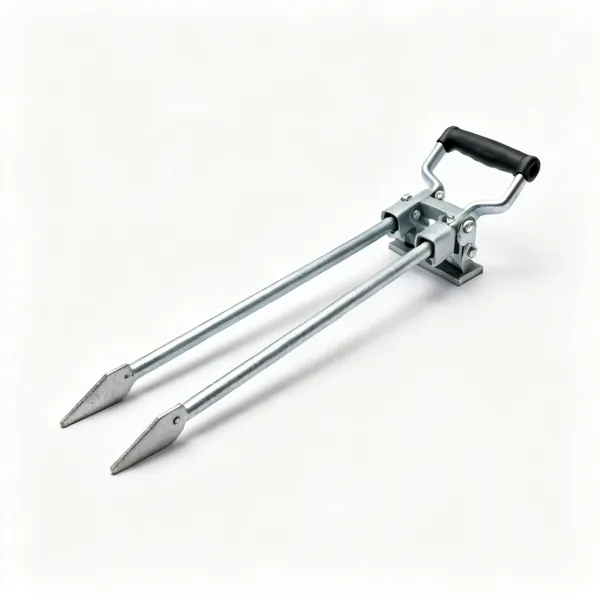
  • Kerb lifter: A kerb lifting clamp tool

    Kerb lifter

    Grips and carries a kerb stone, which is heavy and awkward and the classic back injury on a landscaping site.

  • Kiln dried sand: A bag of kiln dried jointing sandEssential

    Kiln dried sand

    Fine dry sand brushed into block joints. Dry is the specification, since damp sand bridges and never fills the joint.

  • Edging & restraint: Concrete edging kerb unitsEssential

    Edging & restraint

    Kerbs or edging held by a concrete haunch. Structural rather than decorative, since block paving spreads without it.

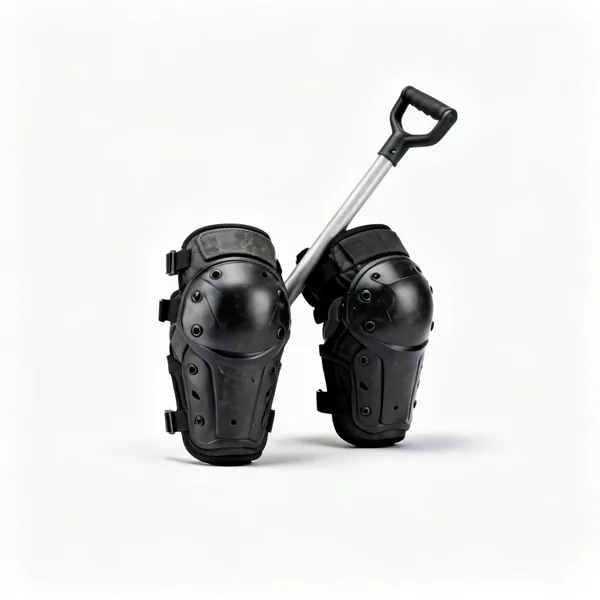
  • A pair of heavy duty knee padsEssential

    Knee pads

    Paving is laid on the knees on hardcore all day. The cheapest tool here and the one people regret skipping.

Walls & structures 12

Retaining walls, garden walls and steps. Anything holding back earth is doing structural work, whatever it looks like.

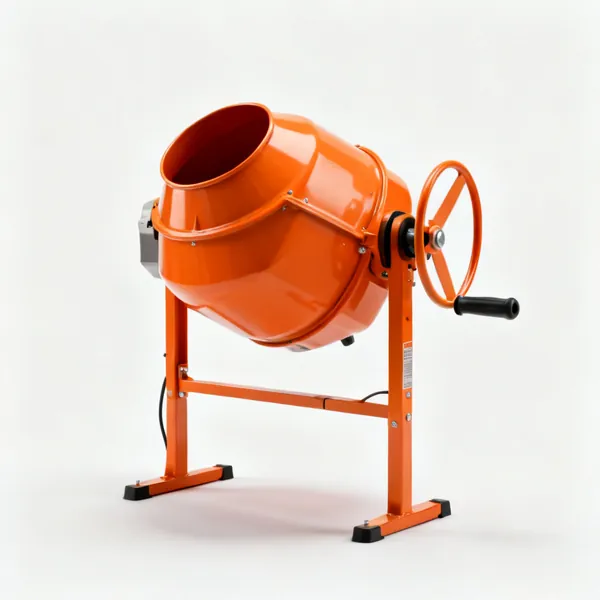
  • An orange electric cement mixerEssential

    Cement mixer

    Consistent batches, which a shovel in a barrow cannot manage. Consistency stops a wall changing colour halfway up.

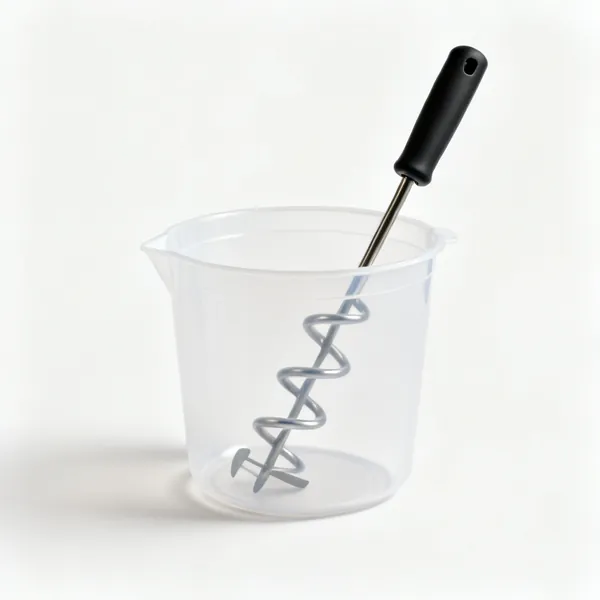
  • Mixing tub & paddle: A mixing tub with a spiral paddleEssential

    Mixing tub & paddle

    For a bucket at a time, faster than firing up the mixer. Flexible tub, so set residue flexes out.

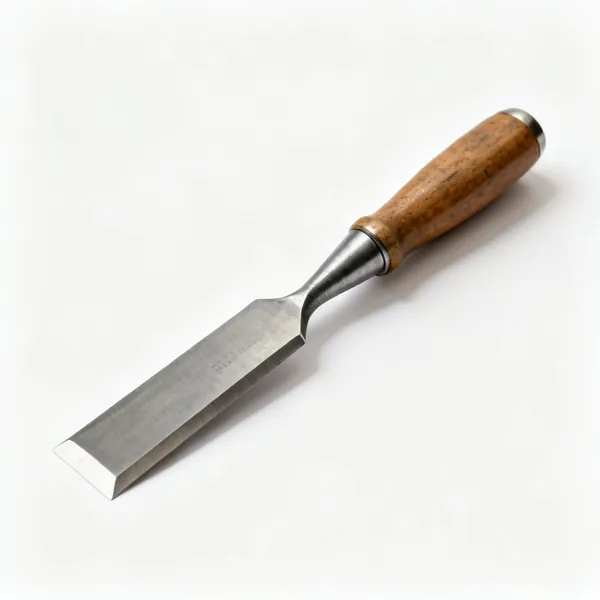
  • A wide bolster chisel with a guardEssential

    Bolster chisel

    Splits blocks and bricks cleanly in one blow. Struck with a lump hammer, never a claw hammer.

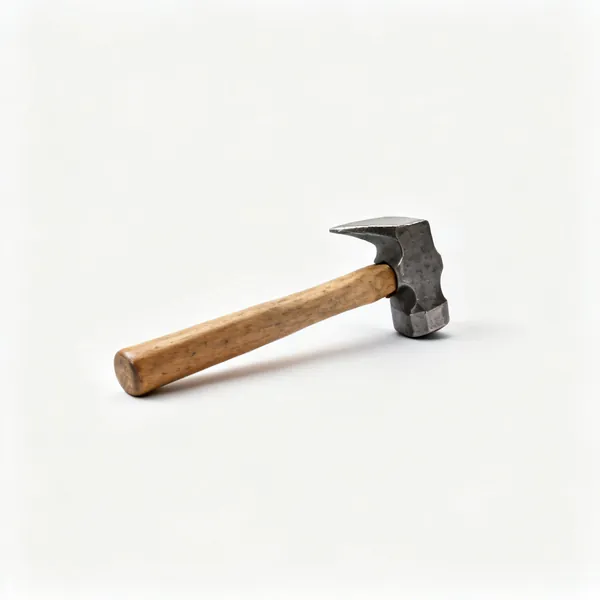
  • A short handled lump hammerEssential

    Lump hammer

    Drives chisels, pegs and stubborn blocks. Mass rather than swing, which suits working close in.

  • A pair of bricklayer's line blocks

    Line blocks

    Hook over a corner block and tension the line without piercing the joint. Neater than pins.

  • A curved brick jointer tool

    Brick jointer

    Compresses and shapes a mortar joint so it sheds water. Compression is what seals it, not the shape.

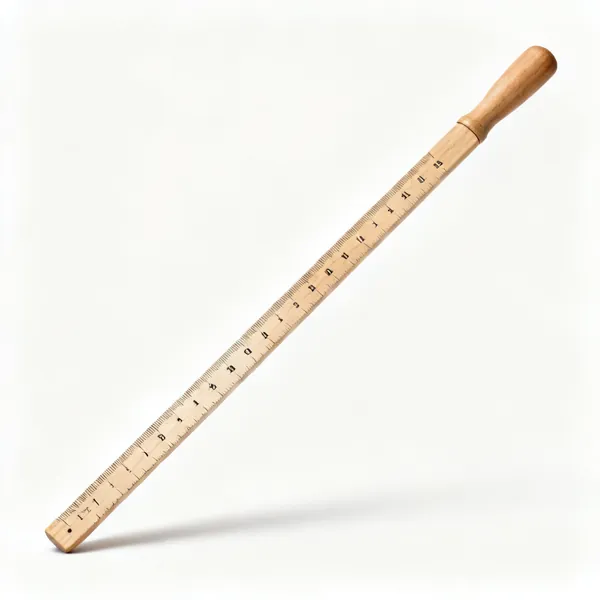
  • A marked timber gauge rod

    Gauge rod

    A marked batten giving identical course heights. Judging joints by eye accumulates a visible error.

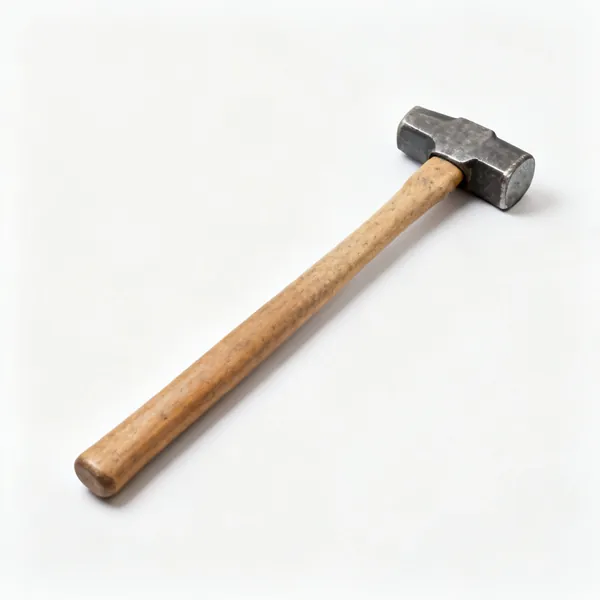
  • A long handled sledgehammerEssential

    Sledgehammer

    Driving stakes, breaking concrete and persuading kerbs. All the force is in the swing, so control matters.

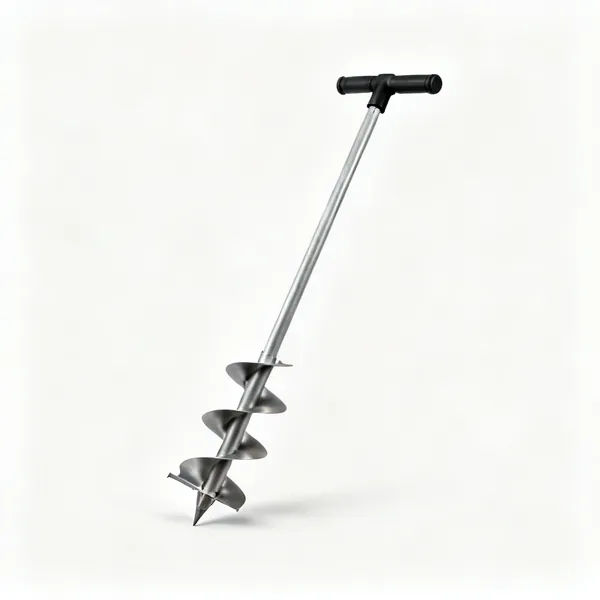
  • A twin blade post hole digger

    Post hole digger

    Twin blades lifting a plug of soil from a deep narrow hole. The only tool that makes fencing bearable.

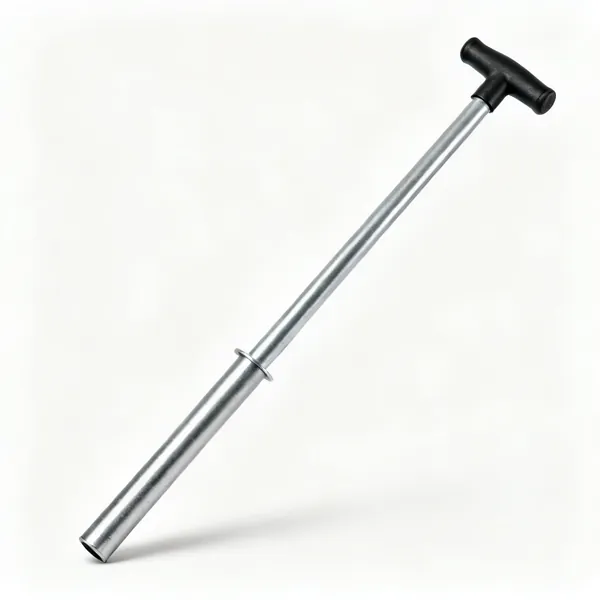
  • A steel post rammer tube

    Post rammer

    A weighted tube dropped over a post to drive it without splitting the top. A sledgehammer destroys the head.

  • Adjustable props: An adjustable steel prop

    Adjustable props

    Supports formwork and retaining structures while concrete cures. Set on spreader plates top and bottom.

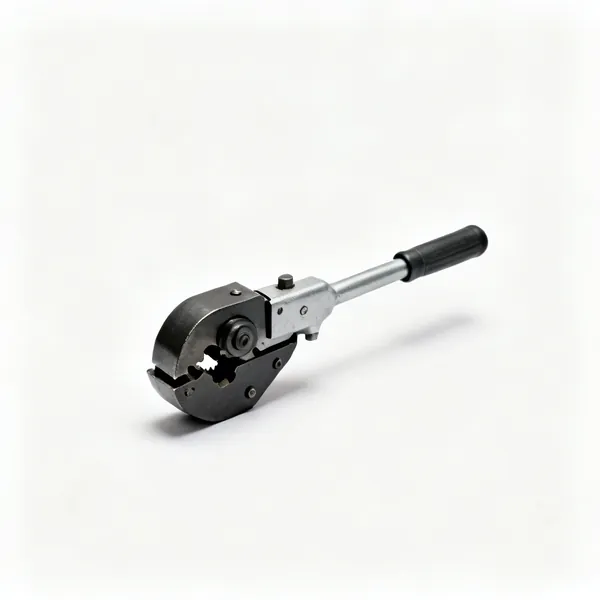
  • A manual rebar cutter and bender

    Rebar cutter

    Cuts and bends reinforcement bar for footings and retaining walls. A grinder does it slowly and dangerously.

Decking & timber 11

Timber structures outdoors, where everything is exposed to water. Fixings and ventilation matter more than they do inside.

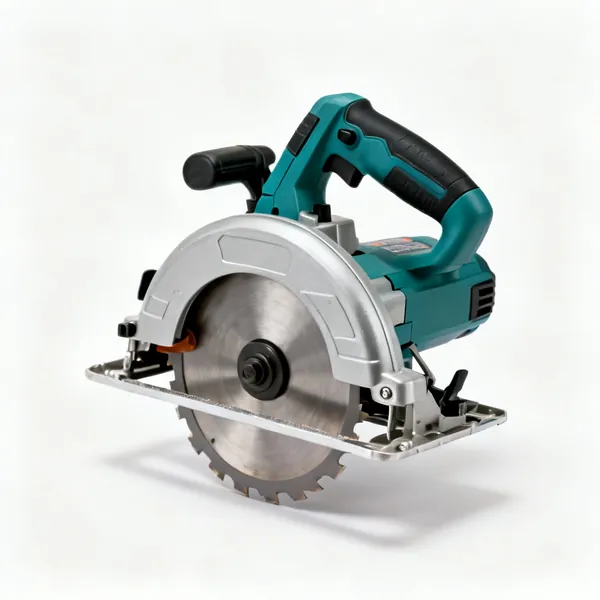
  • A cordless circular sawEssential

    Circular saw

    Cuts joists and deck boards square and fast. A rail or a straight edge for anything that has to be dead straight.

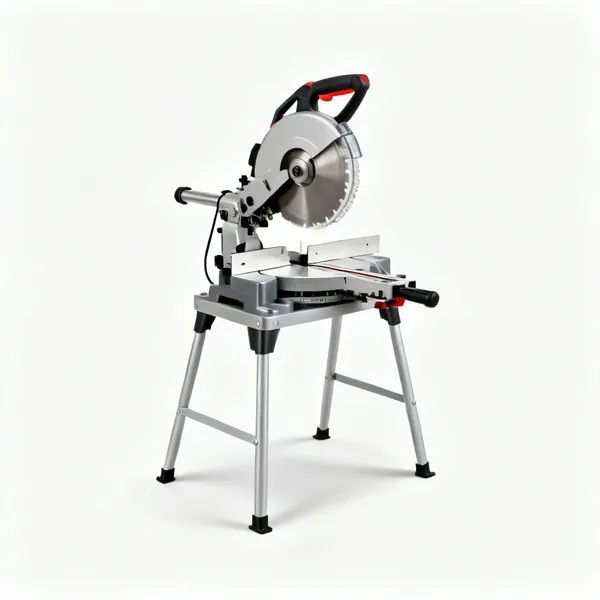
  • Mitre saw: A mitre chop saw on a stand

    Mitre saw

    Repeatable square and angled cross cuts with a stop set. Far faster than measuring every board.

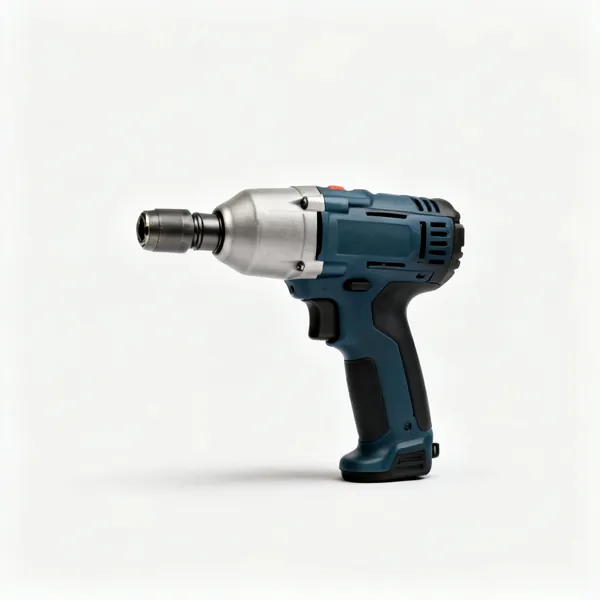
  • A cordless impact driverEssential

    Impact driver

    Drives long decking screws without stripping heads. A drill on its own wrecks your wrist and the screws.

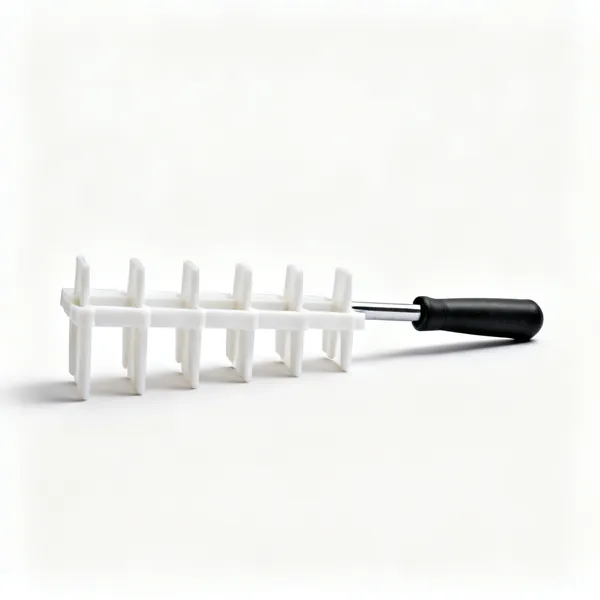
  • Deck board spacers: Plastic decking board spacersEssential

    Deck board spacers

    Sets a consistent gap so the boards drain and can move. Butted boards trap water and cup.

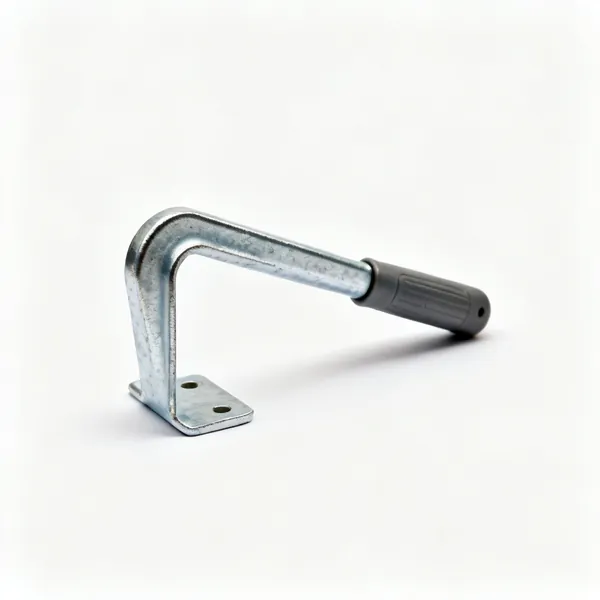
  • Joist hangers & fixings: Galvanised timber joist hangersEssential

    Joist hangers & fixings

    Galvanised or stainless connectors sized to the timber. Outdoors, the fixing corrodes long before the wood fails.

  • Deck screw jig: A decking screw positioning jig

    Deck screw jig

    Positions screws consistently and can hide them below the surface. What separates a neat deck from a dotty one.

  • Hidden fasteners: Hidden decking fastener clips

    Hidden fasteners

    Clips between the boards so no screw shows on the surface. Slower to fit and much better looking.

  • A tin of timber end grain preserver with a brushEssential

    End grain preserver

    Brushed onto every cut end, because that is where water gets in and rot starts. The step people skip.

  • Deck pedestals: Adjustable decking support pedestals

    Deck pedestals

    Adjustable feet that level a deck or paving over an uneven base without digging it out.

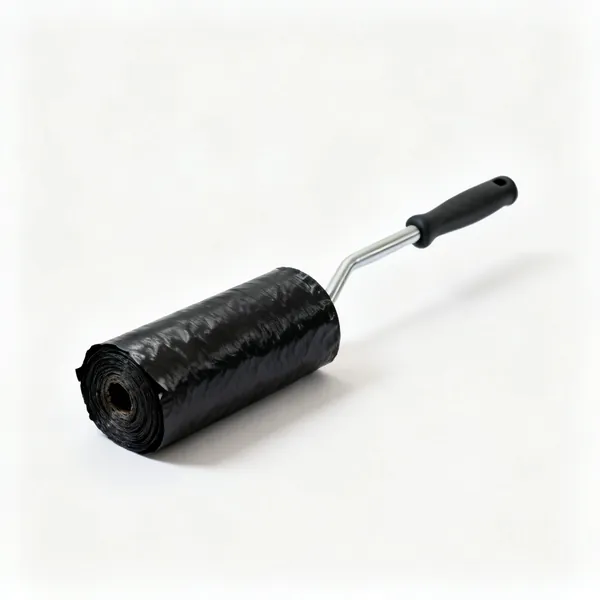
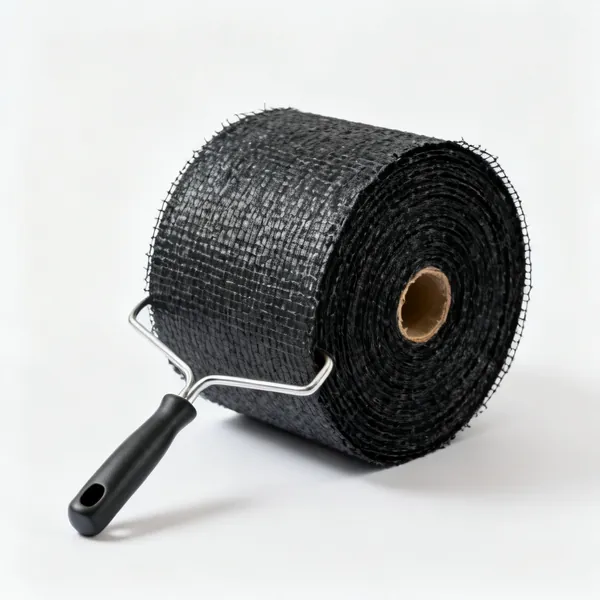
  • Weed membrane: A roll of black ground cover landscape fabricEssential

    Weed membrane

    Under decking, gravel and paving, stopping growth coming through while still letting water pass.

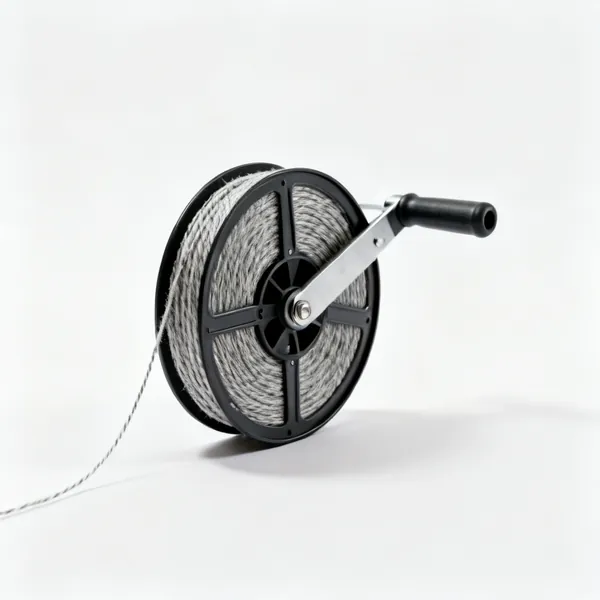
  • A chalk line reelEssential

    Chalk line

    Snaps a straight reference across a deck or a base. Nothing else marks ten metres in five seconds.

Turf & planting beds 10

The soft finish over the hard work. Turf laid on unprepared ground dies in the first dry spell.

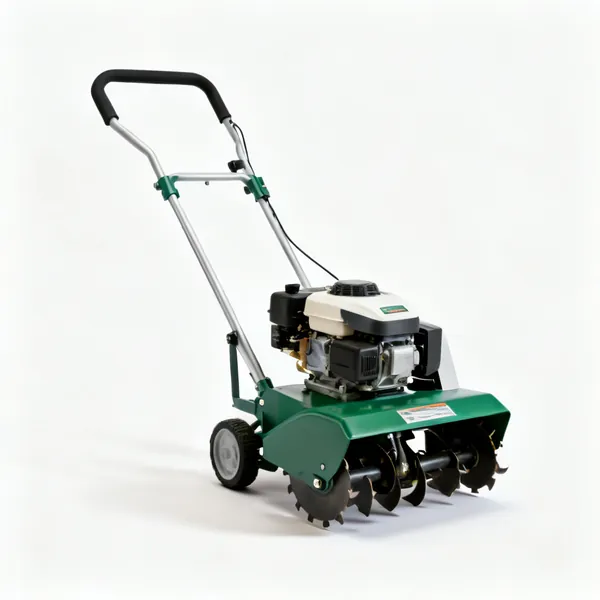
  • A powered turf cutter machine

    Turf cutter

    Lifts turf in even strips for removal or relaying. A spade does it and never gives an even thickness.

  • A turfing iron with a long handle

    Turfing iron

    A heart shaped blade for lifting and trimming turf by hand, and for cutting a curved edge cleanly.

  • Half moon edger: A half moon lawn edging ironEssential

    Half moon edger

    Cuts a clean vertical line at a lawn edge and trims turf to a border. One pass a season keeps a garden looking sharp.

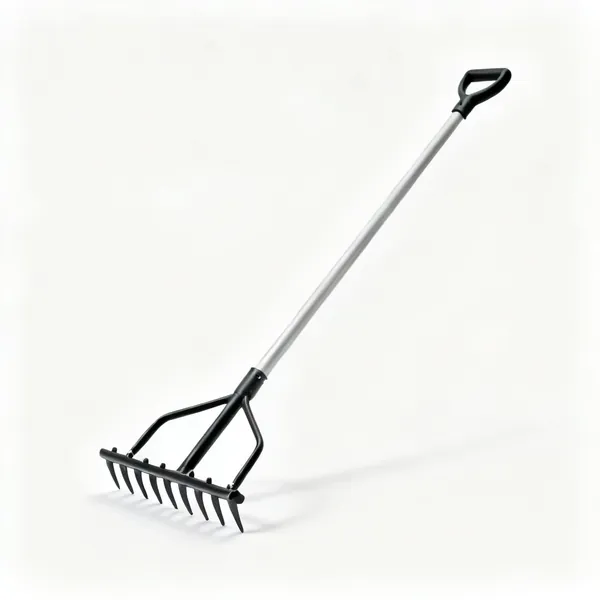
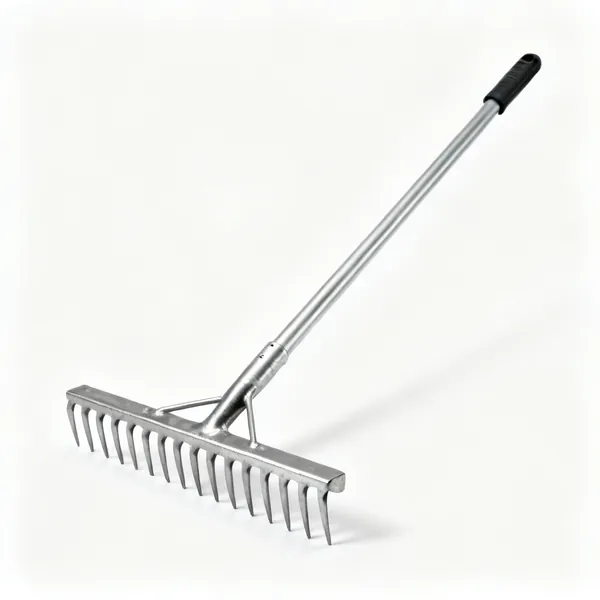
  • Landscape rake: A steel landscape levelling rakeEssential

    Landscape rake

    A rigid toothed head for levelling soil and gravel. Rigid is the point, since a springy rake cannot level.

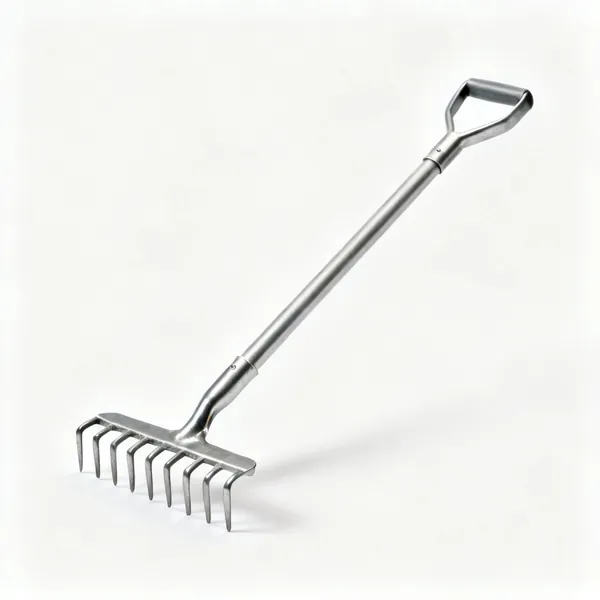
  • A steel soil rakeEssential

    Soil rake

    Breaks down and levels a seed or turf bed, and takes stones out. The last pass before turf goes down.

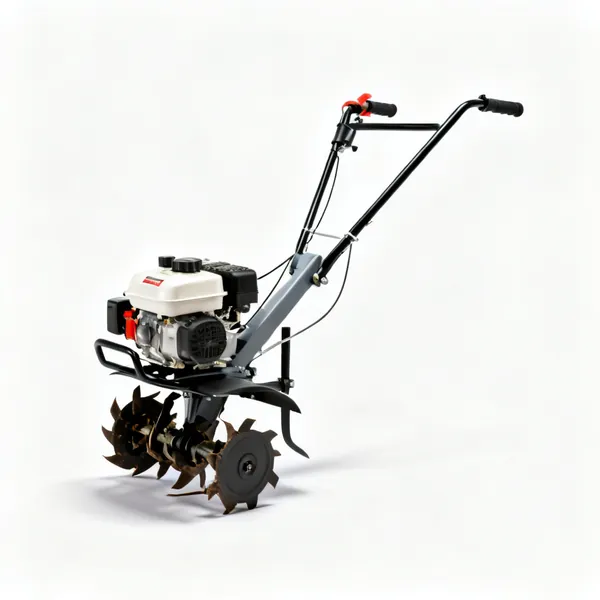
  • A petrol garden rotavator tiller

    Rotavator

    Powered tines that break up compacted ground for a planting bed. Hired, and it does not fix drainage.

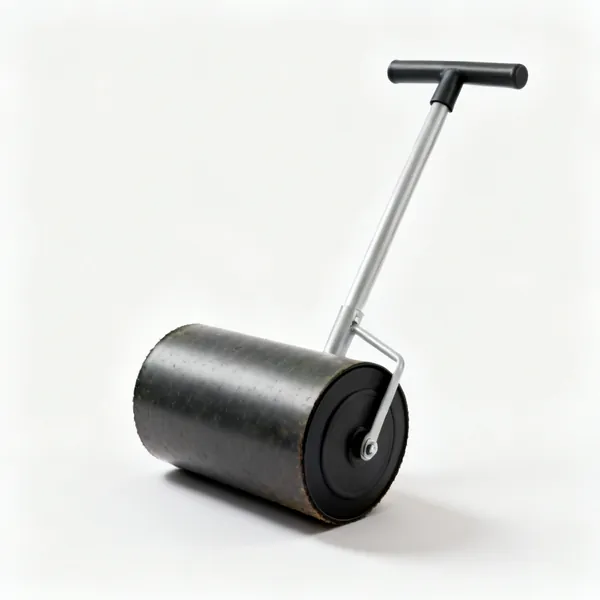
  • A cylindrical lawn roller

    Lawn roller

    Firms newly laid turf so the roots make contact. Used lightly, since rolling also compacts.

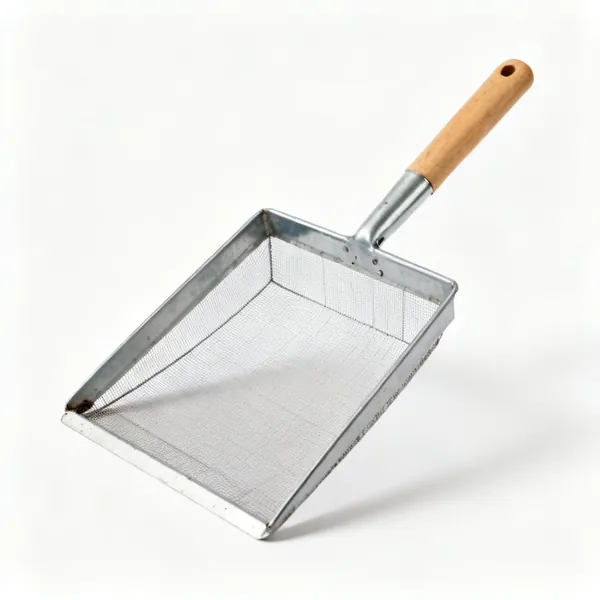
  • Soil screen

    Soil screen

    A frame of mesh for sieving stones and debris out of topsoil. Reusing site soil beats importing it.

  • A narrow border planting spadeEssential

    Planting spade

    A narrower blade for planting into a finished bed without disturbing what is already there.

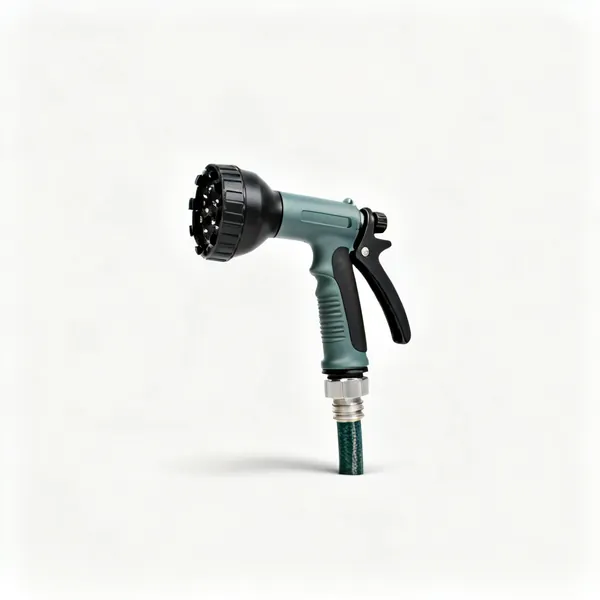
  • Hose & sprinkler: A garden hose with an oscillating sprinklerEssential

    Hose & sprinkler

    New turf needs soaking daily for weeks. This is the whole difference between turf establishing and turf dying.

Drainage & water 10

Where the water goes, which is half of whether a landscaping job survives. Cheap to build in and expensive to retrofit.

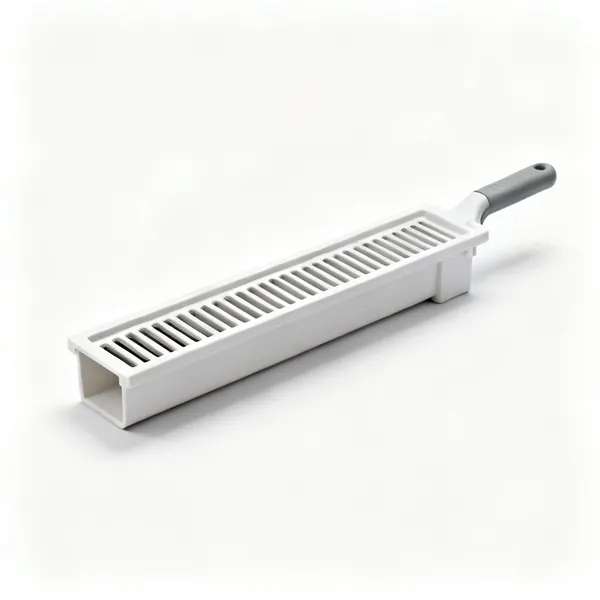
  • A plastic channel drain with a gratingEssential

    Channel drain

    A linear grating collecting surface water across a drive or doorway, taking it to a proper outfall.

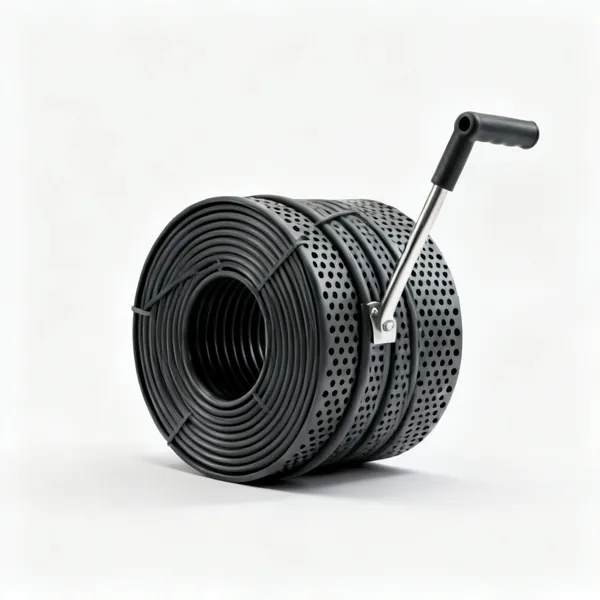
  • Perforated pipe: A coil of perforated land drainage pipe

    Perforated pipe

    Land drain in a gravel trench collecting water from waterlogged ground and moving it somewhere useful.

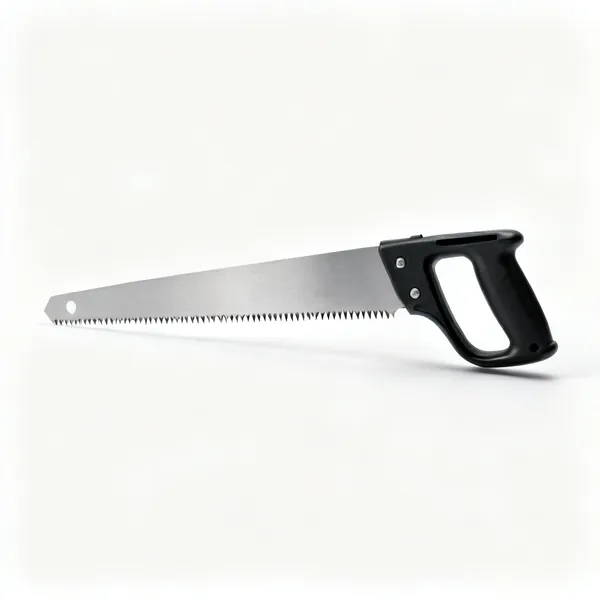
  • Pipe saw: A fine toothed saw for plastic pipeEssential

    Pipe saw

    Cuts plastic drainage pipe square, since an angled cut will not seat in a fitting and leaks.

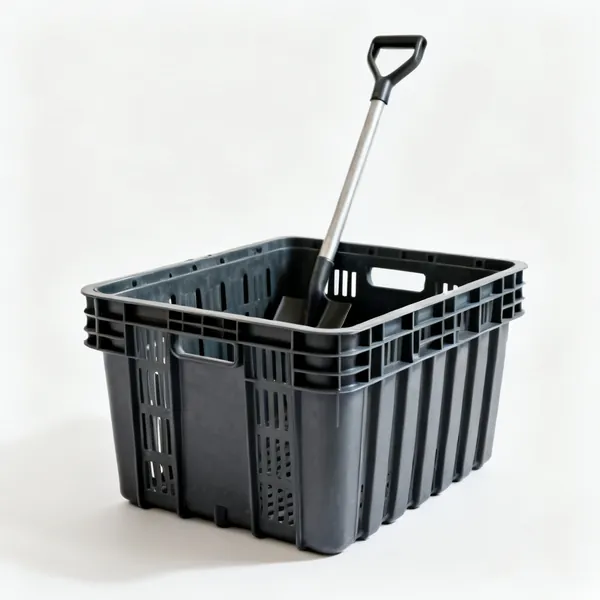
  • Soakaway crates: A plastic soakaway drainage crate

    Soakaway crates

    Modular voids buried in gravel giving water somewhere to go. Increasingly required rather than optional.

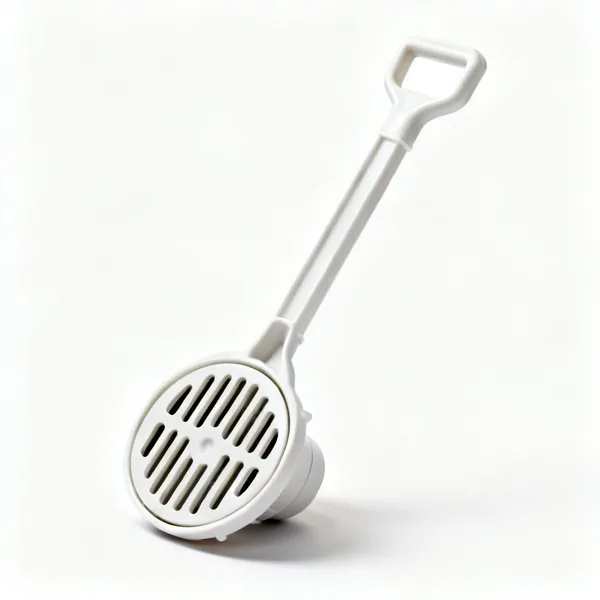
  • A plastic drainage gully trap

    Gully & trap

    Connects a surface drain to the system with a trap that blocks smells and catches silt before it blocks the run.

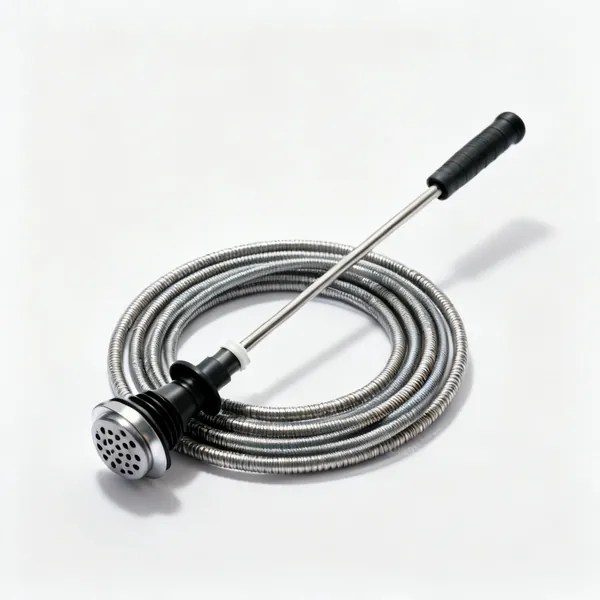
  • Drain rods: A set of drain clearing rods with attachments

    Drain rods

    Screw together rods for clearing a blocked run. Always turn them clockwise or they unscrew and stay down there.

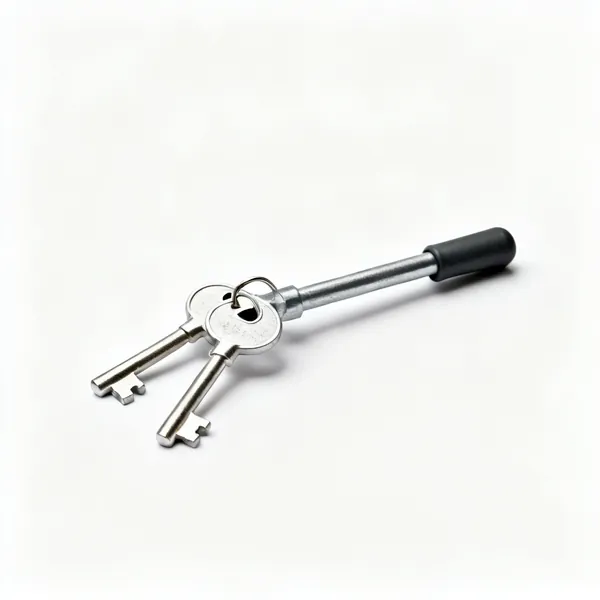
  • Manhole keys: A pair of manhole cover lifting keys

    Manhole keys

    Lifts an inspection cover without wrecking it or your back. The first step in diagnosing any drainage problem.

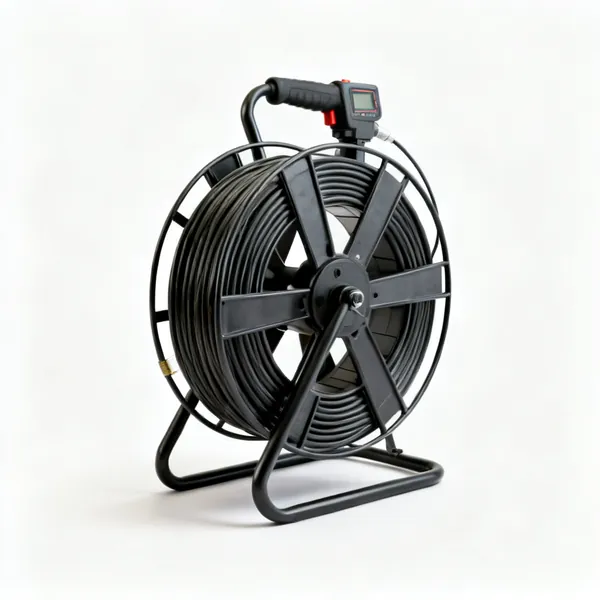
  • Drain camera

    Drain camera

    Looks down an existing run to find the blockage or the collapse, before digging anything up on a guess.

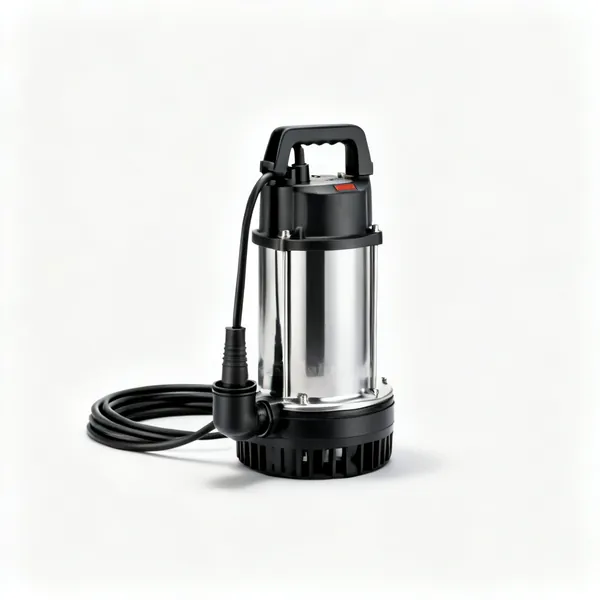
  • Submersible pump: A submersible water pump with a hose

    Submersible pump

    Clears a flooded excavation so work can continue. Digging in winter means digging into water.

  • A roll of geotextile separation fabricEssential

    Geotextile

    Separates sub base from soil so the stone does not sink into it and the ground does not pump up into the stone.

Safety & site 10

Heavy materials, machinery and silica dust. The injuries here are backs, hands, eyes and lungs, in that order.

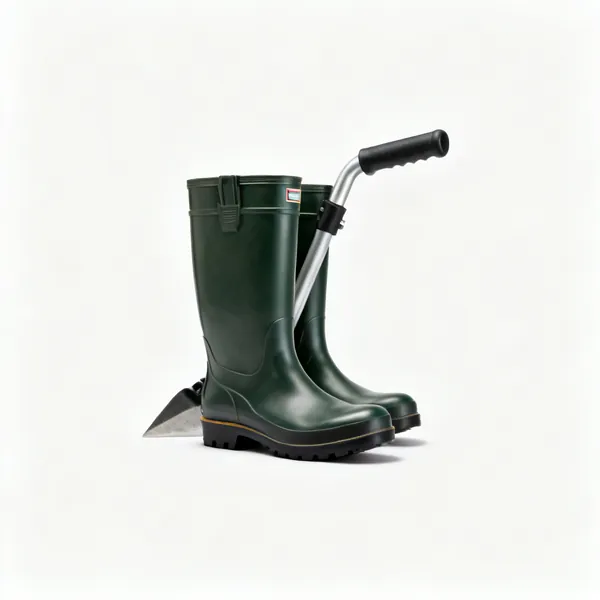
  • A pair of waterproof safety bootsEssential

    Safety boots

    Toe cap against dropped slabs and a midplate against nails. Waterproof, because landscaping is wet work.

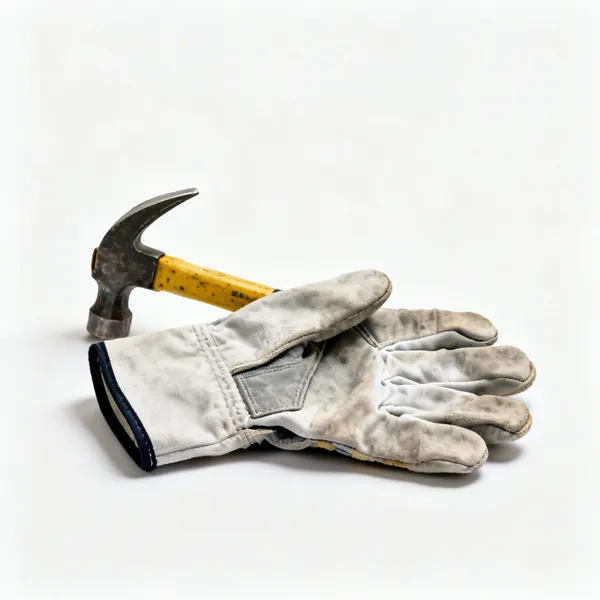
  • A pair of heavy duty work glovesEssential

    Work gloves

    Handling stone, concrete and timber. Wet cement is caustic and burns skin over a day's contact.

  • FFP3 dust mask: An FFP3 respirator dust maskEssential

    FFP3 dust mask

    Cutting paving and stone releases silica, which scars lungs permanently. Fit is the whole product.

  • A pair of wraparound safety glassesEssential

    Safety glasses

    Disc cutters throw fragments hard and a long way. Wraparound, since most arrive from the side.

  • A pair of ear defendersEssential

    Ear defenders

    Plates, cutters and diggers all pass safe noise levels within seconds. The damage is permanent and silent.

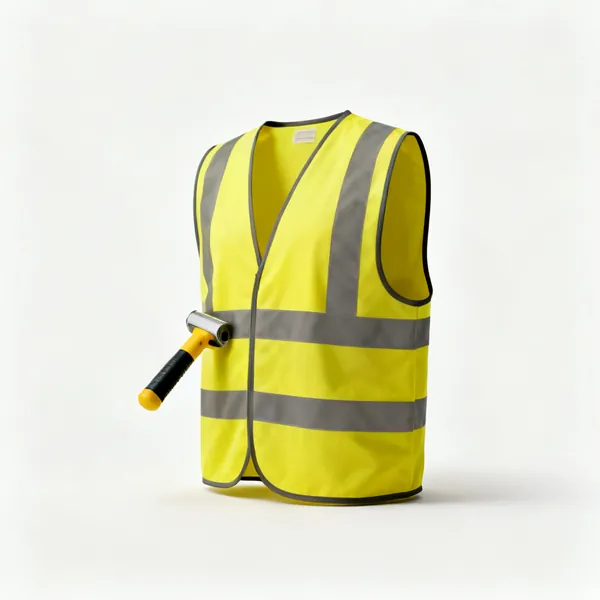
  • A yellow hi vis vest

    Hi vis

    Being seen by a dumper or digger operator, and by traffic on any job near a road.

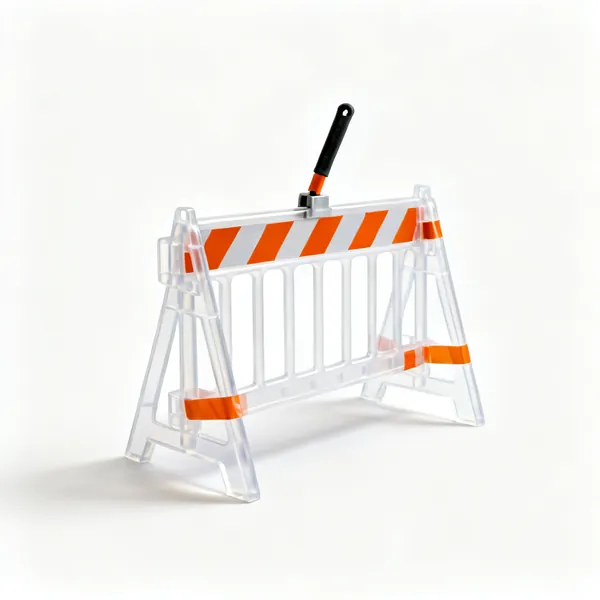
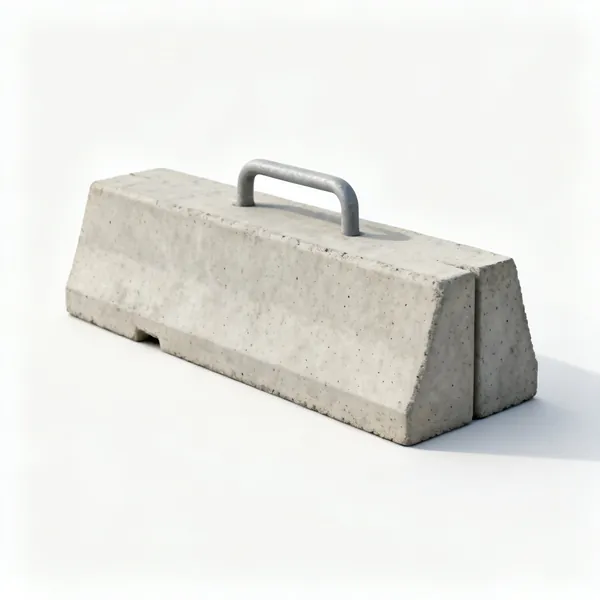
  • Barriers & tape: Plastic site safety barriers with tapeEssential

    Barriers & tape

    Keeps the public and the household out of an open excavation. An unfenced trench is the real hazard on a domestic site.

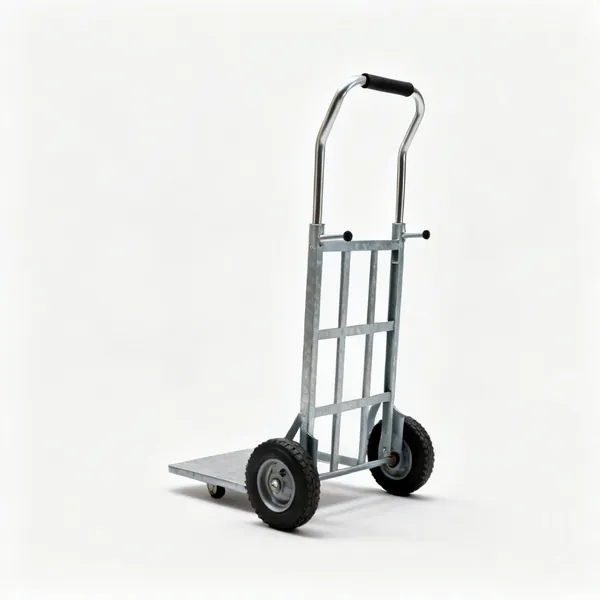
  • A heavy duty sack truck

    Sack truck

    Moves bagged aggregate and slabs upright without lifting. Most landscaping back injuries happen on the carry.

  • A green first aid kit boxEssential

    First aid kit

    Crush injuries, cuts and cement burns. Kept somewhere reachable with one dirty hand.

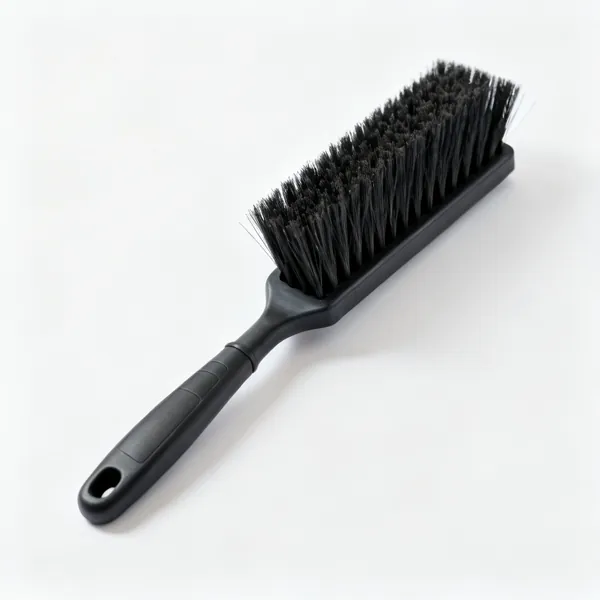
  • A stiff bristled yard brushEssential

    Yard brush

    Sweeping mortar and sand before it sets and stains. The last tool used every day, and it decides how finished the job looks.

Choosing landscaping tools

Every landscaping failure is a base failure or a water failure. The tools that matter most are the ones that get those two right.

The base is the job

Sunken paving, a rocking slab, a patio growing weeds through the joints and a drive with ruts in it are all the same fault: the base was not deep enough or not compacted enough.

The material above the base is almost irrelevant to whether it settles. What matters is a properly dug out depth, a well graded sub base, and compaction in layers rather than all at once. A wacker plate over 300 millimetres of loose hardcore compacts the top 100 millimetres and leaves the rest to settle later, which it will, unevenly.

It cannot be fixed afterwards without lifting everything, so this is the one part of a landscaping job worth over engineering.

Dig deeper than feels necessary
Roughly 150 millimetres of sub base under a patio and 200 or more under a drive, plus the paving and bedding above it.
Compact in layers of about 100 millimetres
A plate cannot compact a deep loose layer. Two passes over two thin layers beats four passes over one thick one.
Use a graded sub base, not builders rubble
MOT type 1 has a mix of sizes that lock together. Single sized stone rolls and rubble has voids that collapse.
Compact until the plate stops sinking
That is the actual test, not a number of passes. When the machine rides on top rather than digging in, it is done.
Check the level as you go
Build the fall into the base rather than trying to correct it in the bedding layer, which is only a few millimetres deep.

Where the water goes

The second cause of landscaping failure is water with nowhere to go. Paving must fall away from the building, always, and a surface that ponds will lift, stain and grow algae.

The rule of thumb is a fall of about one in eighty, which is roughly 12 millimetres per metre. It sounds like a lot and is invisible underfoot. Falling towards the house is the mistake that causes damp, and it is surprisingly easy to do by accident on a long patio.

Anything over about a car's width of hard surface also needs somewhere for the water to actually go, rather than just away from the wall.

One in eighty, away from the building
About 12 millimetres per metre. Set it with a level and a gauge rather than judging it by eye.
Keep below the damp proof course
Paving finished above the DPC bridges it and puts damp into the wall. Two brick courses below is the usual target.
Give the water a destination
A channel drain, a soakaway or a permeable margin. Falling away from the house and into a fence panel is not drainage.
Permeable joints need a permeable base
Porous paving over a sealed base just moves the puddle underground. The whole build up has to drain.
Never bridge an air brick
It ventilates the floor void. Covered over, the timber underneath starts to rot and nobody sees it for years.

Buy or hire, and the honest split

Landscaping has the widest gap between hand tools and machinery of any trade here. The hand tools are cheap and you will use them forever. The machinery is expensive, needs maintenance and storage, and most people need it for two days a year.

The other factor is that hired plant arrives serviced with the right blades and plates fitted, and somebody else deals with it when it stops.

Buy the hand tools properly
Spade, fork, shovel, barrow, levels, rubber mallet, string lines. All cheap and all used on every job.
Hire anything with an engine
Digger, dumper, wacker plate, turf cutter, floor saw, stump grinder. Rates include servicing and consumables.
Hire the whole set for one concentrated push
Digger and dumper on the same days, with everything marked out first. Two prepared days beat five unprepared ones.
Own the consumables you use weekly
Diamond blades, string, pegs, sand. Hire shops charge retail plus for these.
Think about access before hiring
Measure the narrowest gate. A machine that will not fit through the side passage is an expensive delivery and collection.

What to buy first, in order

Stage one: setting out and digging
A digging spade, a fork, a shovel, a pickaxe, a barrow, a long spirit level, a 30 metre tape, string lines and pegs, and a lump hammer.
Stage two: paving
A rubber mallet, a brick trowel, a bolster, an angle grinder with a diamond blade, a screed rail set, a soft brush and knee pads.
Stage three: walls and edges
A cement mixer or mixing tub and paddle, a spirit level, a line and pins, a jointer and a block splitter.
Stage four: hired plant for the heavy days
A mini digger, a dumper, a wacker plate, a turf cutter and a disc cutter. Booked together, with the setting out finished first.

Mistakes that mean doing it twice

A base that is too shallow or badly compacted
The single cause of nearly every sunken patio and rutted drive. It cannot be corrected without lifting the surface.
Falling towards the house
Puts water against the wall and damp inside. Easy to do by accident over a long run, so measure the fall rather than eyeing it.
Paving above the damp proof course
It bridges the DPC and the wall wicks moisture up behind the plaster. Finish two courses below it.
Spot bedding slabs on five dabs of mortar
The unsupported middle cracks and the corners rock. A full mortar bed or a proper sand bed, every slab.
No edge restraint
Block paving without a restrained edge spreads sideways and the joints open. The edge is structural, not decorative.
Cutting paving dry
It produces silica dust in enormous quantities and marks the paving with a grey film that is hard to remove. Cut wet.
Laying turf on unprepared ground
Turf on compacted clay dies in the first dry spell. It needs a loosened, raked and levelled bed to root into.
Underestimating the spoil
Every dig produces far more material than expected, and a site with nowhere to put it stops dead.

Looking after landscaping tools

Wash mortar and concrete off the same day
Set mortar on a trowel or a mixer has to be chipped off, and chipping damages both.
Sharpen spades and edging irons
A file along the leading edge halves the effort of cutting turf and roots. Almost nobody does it.
Oil the metal at the end of the season
These tools live outside and get rained on. An oily rag over every steel surface, and linseed on wooden handles.
Keep a barrow tyre inflated
A soft barrow tyre doubles the effort and a flat one stops the job. Check it before a big delivery day.
Clean diamond blades
A glazed blade stops cutting and starts polishing. A pass through abrasive material opens the diamonds again.
Return hired plant clean
Cleaning charges are real, and a clean machine is easier to inspect for damage that was already there.

Frequently asked questions

What landscaping tools do I need to start?
A digging spade, a fork, a shovel, a pickaxe, a wheelbarrow, a long spirit level, a 30 metre tape, string lines and pegs, a lump hammer, a rubber mallet and knee pads. That covers setting out, digging and laying paving.
What is the difference between landscaping and gardening tools?
Gardening tools are for planting, pruning and maintaining what grows. Landscaping tools are for the structural work underneath: excavating, levels, sub base, paving, walls, decking and drainage. There is very little overlap beyond a spade and a barrow.
How deep should a patio base be?
Around 150 millimetres of compacted sub base under a patio, and 200 or more under a driveway, plus the bedding layer and the paving on top. Compact it in layers of about 100 millimetres, because a plate cannot compact a deep loose layer.
What fall does a patio need?
About one in eighty, which is roughly 12 millimetres per metre, always falling away from the building. It is invisible underfoot and it is what stops water ponding or running back towards the wall.
What is MOT type 1 and do I have to use it?
A graded crushed stone with a mix of particle sizes that lock together under compaction. Single sized stone rolls rather than locking, and builders rubble has voids that collapse later. It is the standard sub base for good reason.
Should I hire or buy a wacker plate?
Hire, unless you are compacting ground more than about fifteen days a year. The hire rate includes servicing and fuel, and storing a petrol machine is its own problem. The same applies to diggers, dumpers and turf cutters.
Why is my paving sinking?
The base, in nearly every case. Either it was not deep enough, or it was not compacted in thin enough layers, or the wrong material was used. It cannot be fixed from the surface, so the paving has to come up.
How do I know when the ground is compacted enough?
When the plate stops sinking and starts riding on top of the surface. That is a better test than counting passes, because it accounts for the material and the moisture content on the day.
Can I lay slabs on sand alone?
For light foot traffic and small units, sometimes. For anything larger, or anywhere vehicles go, use a full mortar bed. Never spot bed on five dabs, because the unsupported middle of the slab cracks and the corners rock.
Why does block paving spread at the edges?
No edge restraint. The edge course has to be held by a concrete haunch or a kerb, because the whole surface relies on the blocks being locked tightly together. Without restraint the joints open and the pattern creeps.
Do I need planning permission for a driveway?
In many places, a new or replacement front driveway needs permission unless it is permeable or drains to a soakaway within the property. Rules vary, so check with your local authority before ordering materials.
What is the best way to cut paving slabs?
A disc cutter or angle grinder with a diamond blade, run wet. Wet cutting suppresses the silica dust, which causes permanent lung damage, and it avoids the grey film that dry cutting leaves on the paving.