Disclosure

Tools for paving

Paving fails from underneath. A patio that sinks, rocks or grows weeds almost always had too little sub base, too little compaction, or no edge restraint holding it together. The slabs themselves are the last and least important part. All 40 tools here are grouped in the order the work happens, which is also the order of importance.

23 are marked essential: enough to excavate, compact, set a fall and lay a run properly.

Part of the full landscaping tools list, 92 tools in 8 groups.

Excavating and setting out 10

Depth, line and fall, decided before any material is delivered.

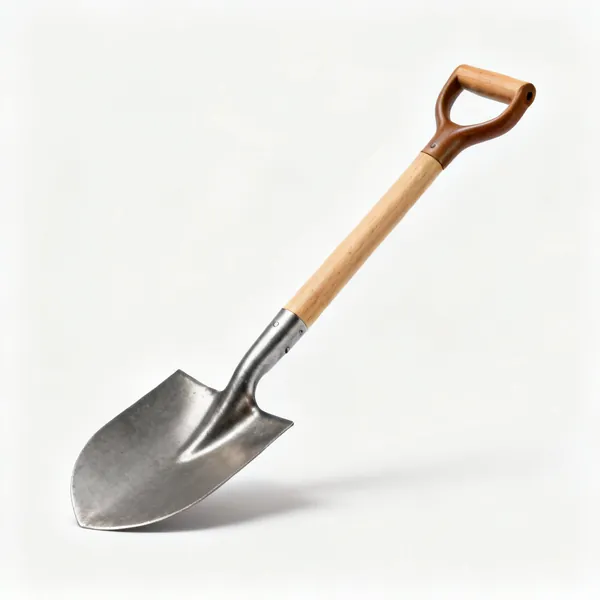
  • A steel digging spade with a flat blade and a wooden shaft with a D gripEssential

    Digging spade

    For breaking out turf and topsoil to the excavation depth. A flat blade with a sharpened edge, since a blunt spade doubles the work.

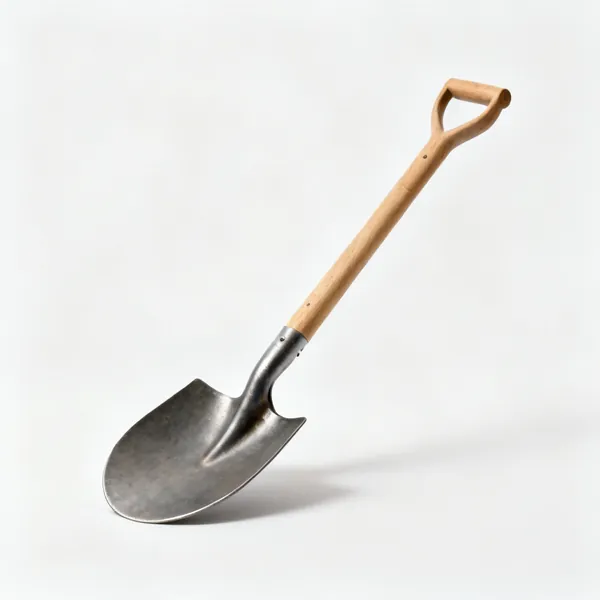
  • A round mouth steel shovel with a curved blade and a wooden shaftEssential

    Shovel

    For moving hardcore, sand and spoil, which a spade does badly. A separate tool from a spade, and swapping them wastes real effort.

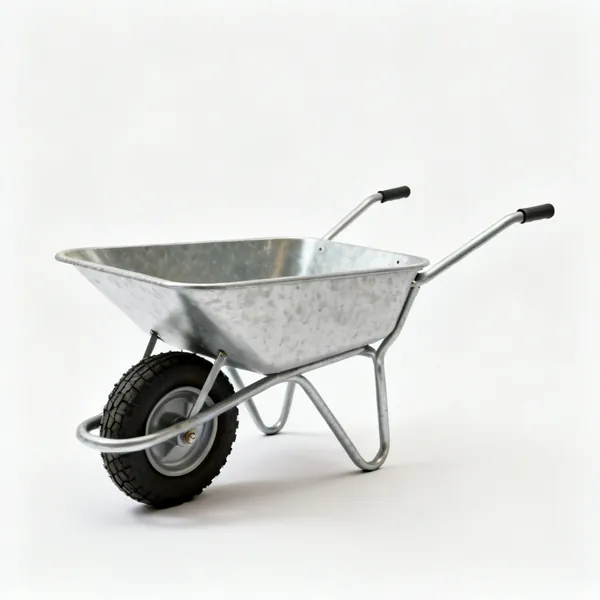
  • A metal builder's wheelbarrow with a pneumatic tyreEssential

    Wheelbarrow

    Spoil out and material in, which on a patio is several tonnes each way. A pneumatic tyre, because a solid one fights every threshold.

  • Turf cutter: A half moon turf edging iron with a long handle

    Turf cutter

    A half moon edging iron or a powered cutter that lifts turf in strips, so it can be relaid elsewhere rather than becoming spoil.

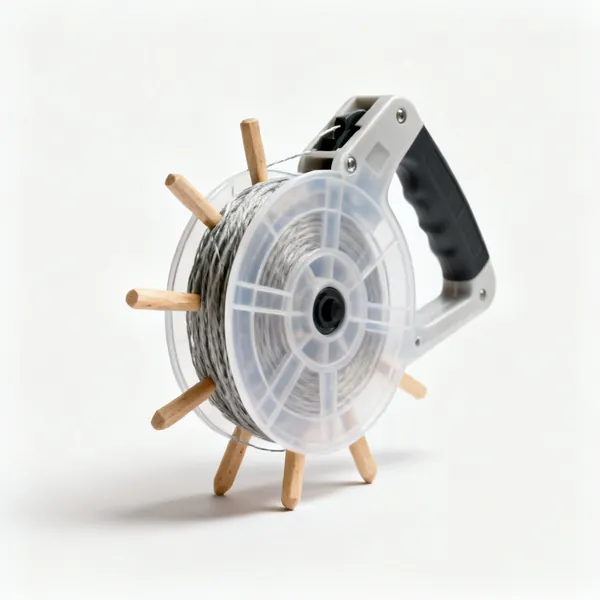
  • String line and pegs: A builder's string line on a plastic winder with several wooden pegsEssential

    String line and pegs

    Sets the perimeter and, set to the fall, gives a reference for every course. The line is the datum, so it gets set carefully and checked.

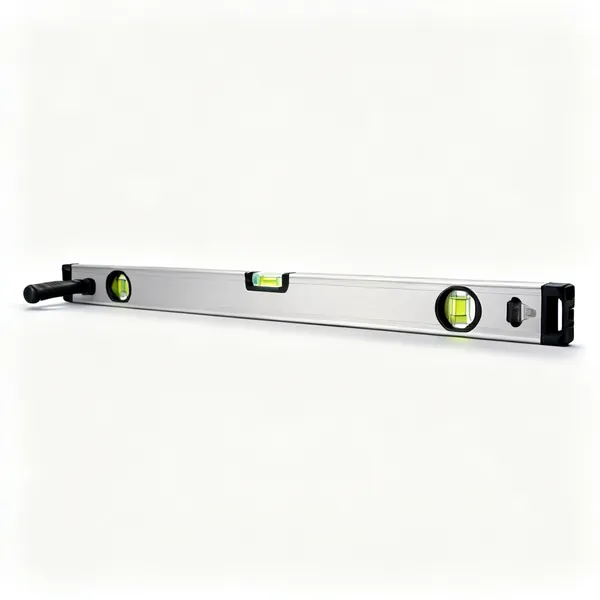
  • Long spirit level: A long 1800mm aluminium spirit level with three bubble vialsEssential

    Long spirit level

    A 1.8 metre level for checking the fall and the surface. Longer is better, because a short level bridges the dips it should be finding.

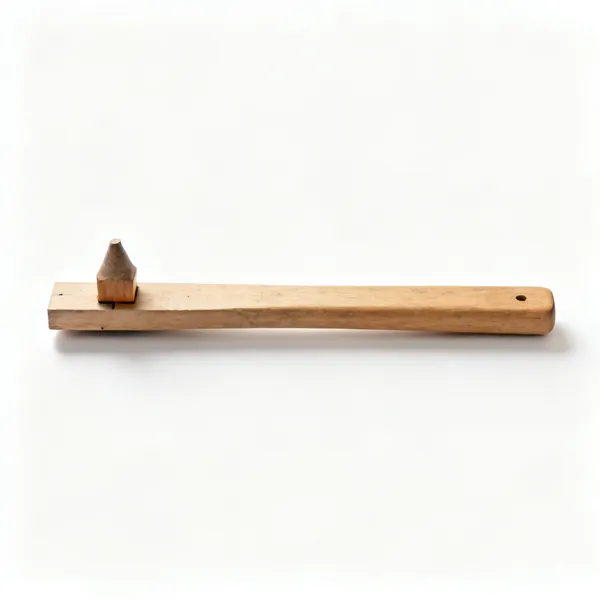
  • Fall gauge: A wooden batten with a small tapered packer block fixed at one end

    Fall gauge

    A batten with a packer at one end, so a level reading level on it means the correct fall. Simpler than doing arithmetic on every course.

  • A yellow rotary laser level on a tripod with a spinning head

    Laser level

    One plane across the whole area, so every point can be checked against a single reference rather than a chain of short level readings.

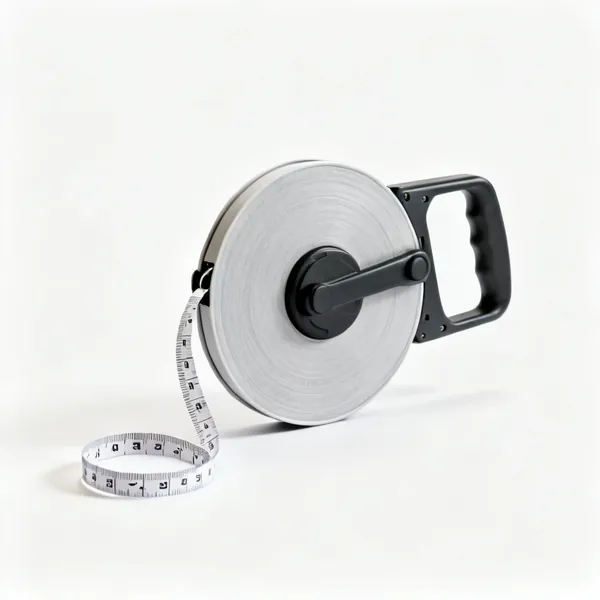
  • Long tape: An open reel 30 metre fibreglass measuring tape with a winding handleEssential

    Long tape

    Setting out the area and checking diagonals, since equal diagonals is the only reliable way to prove a large rectangle is square.

  • Cable detector: A handheld cable and pipe detector with an LCD display

    Cable detector

    Excavating 200mm across a garden reaches shallow services, and around a house that is exactly where they run. Swept before digging.

Sub base and compaction 9

Where nearly every paving failure originates. Layers, compacted, with no soft spots left in.

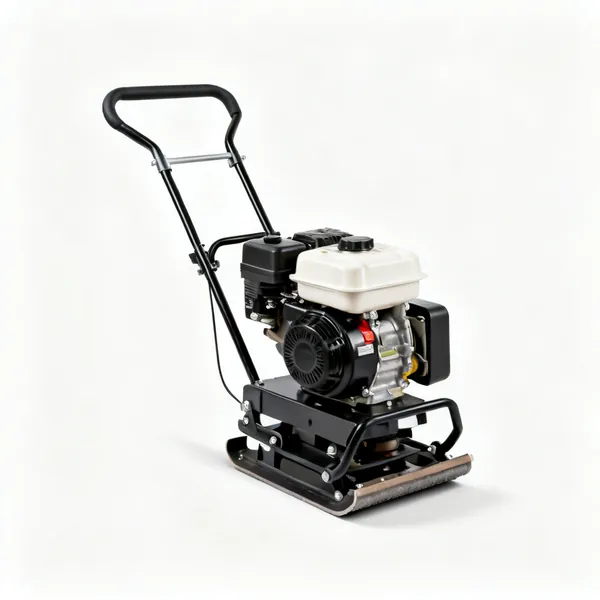
  • Plate compactor: A petrol powered vibrating compactor wacker plate with a handleEssential

    Plate compactor

    Vibrates the sub base into a solid layer, and later vibrates block paving down into the sand. Hired by the day and there is no substitute.

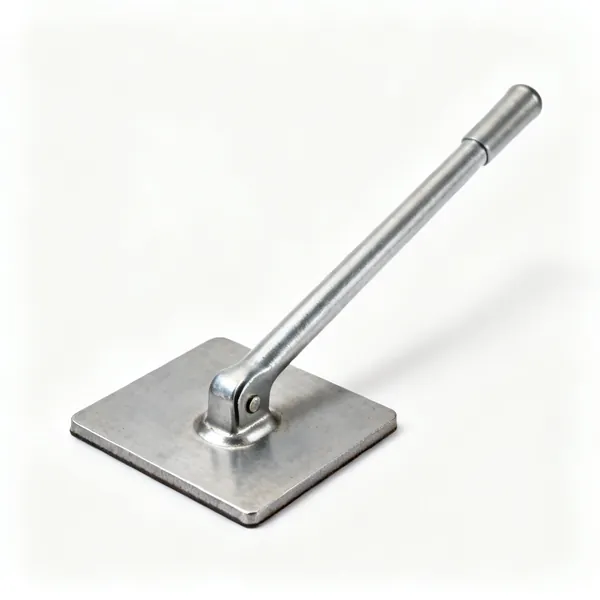
  • A steel hand tamper compactor with a flat square plate and a long handleEssential

    Hand tamper

    A steel plate on a shaft for compacting against an edge or in a corner where a plate cannot reach. Slow, and it covers what the machine misses.

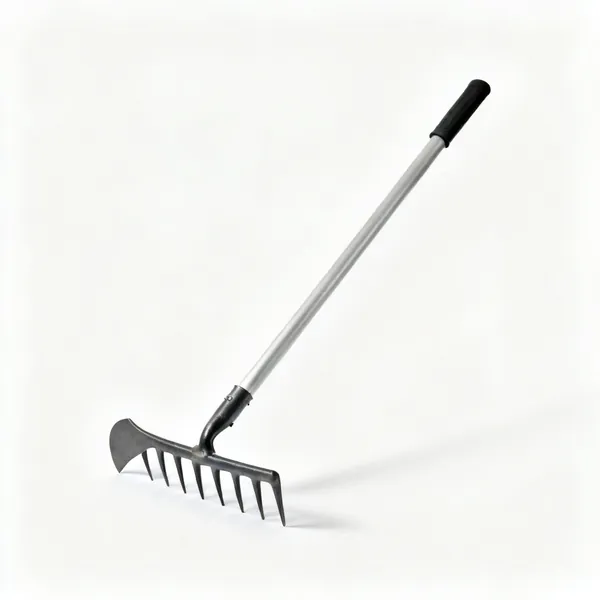
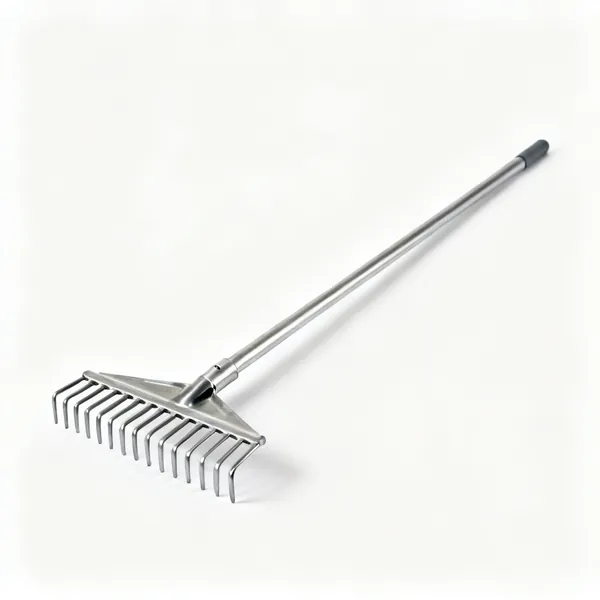
  • A steel landscape rake with a wide toothed head and a long handleEssential

    Landscape rake

    Spreads hardcore and sand to an even depth before compaction, which is what makes a layer compact evenly rather than in patches.

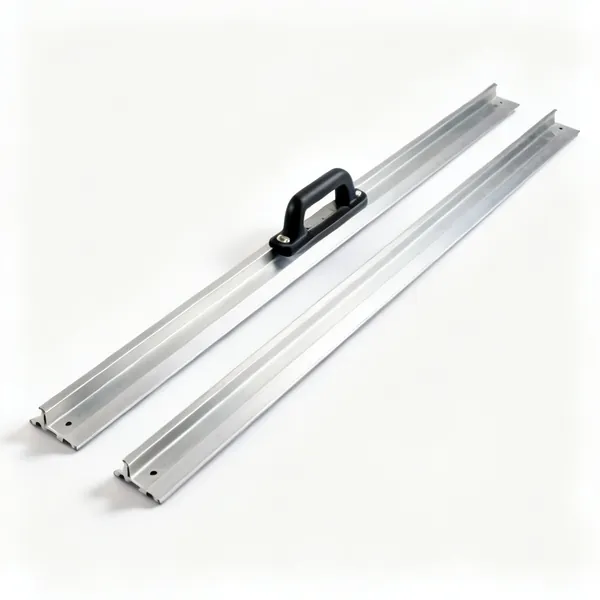
  • Screed rails: Two aluminium screed rail sections laid parallelEssential

    Screed rails

    Two rails set to the finished sand level with the fall built in, which a screed bar runs on. This is what makes a laying course flat.

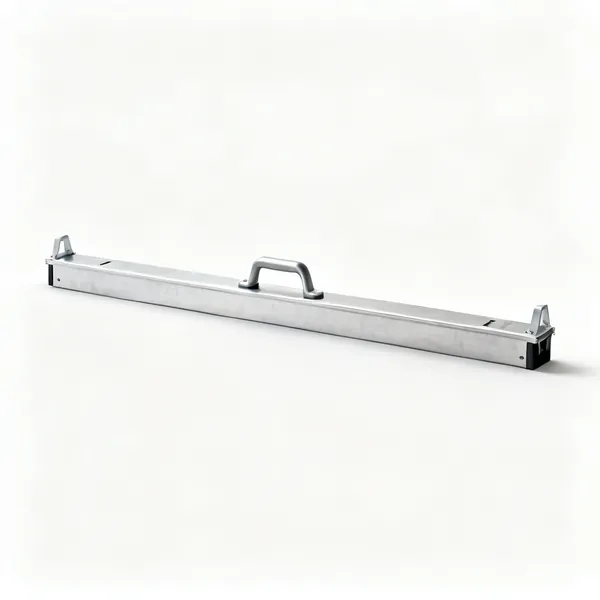
  • A long aluminium box section screed bar with two handlesEssential

    Screed bar

    A straight alloy section drawn along the rails, cutting the sand to a consistent depth. Straightness is the whole specification.

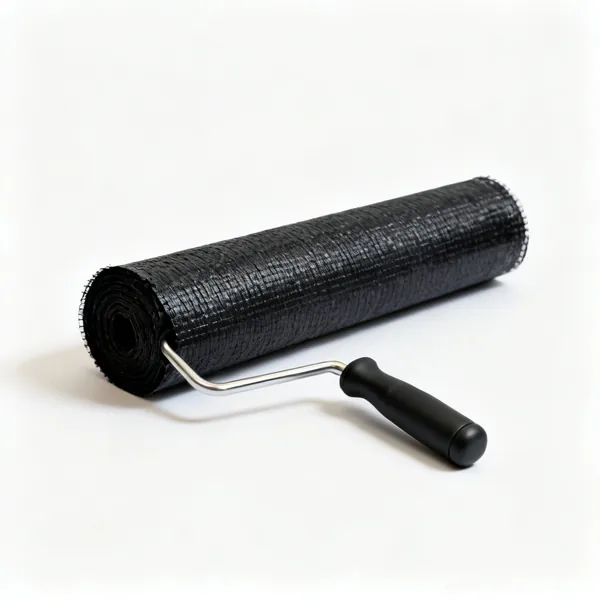
  • A roll of black geotextile membrane partly unrolled

    Geotextile membrane

    Between subsoil and sub base, stopping the two mixing and stopping weeds. It does not carry load, so it is not a substitute for depth.

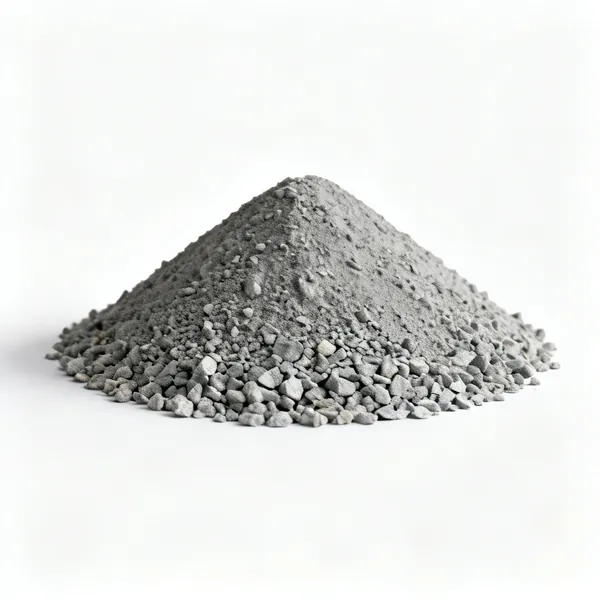
  • A compact conical heap of grey MOT type 1 crushed aggregate, centred with clear space at every edgeEssential

    MOT type 1

    Crushed graded aggregate that locks together when compacted. Not hardcore rubble, which has no grading and will not compact into a solid layer.

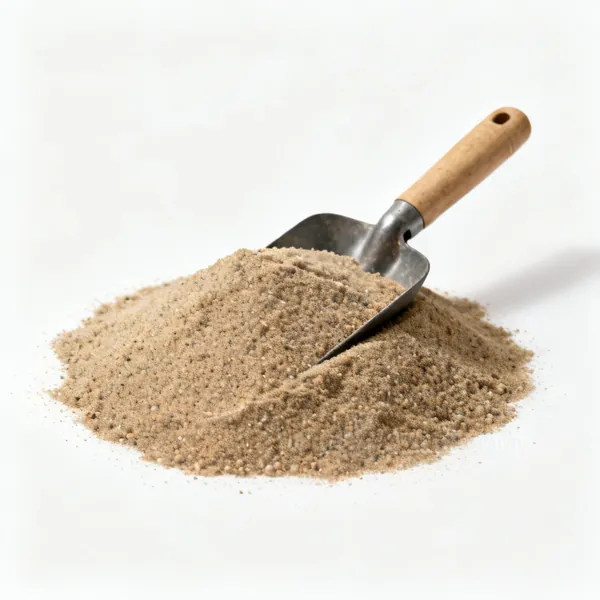
  • A pile of coarse sharp sandEssential

    Sharp sand

    The laying course for blocks and for slabs on sand. Sharp rather than building sand, because the angular grains lock rather than roll.

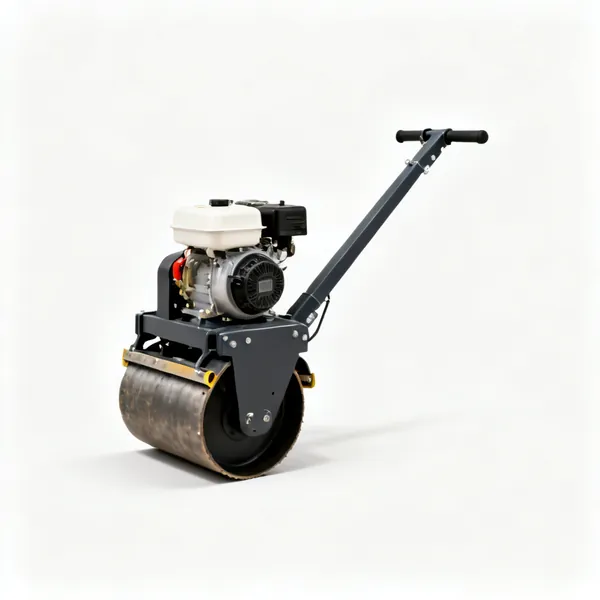
  • A walk behind vibrating roller compactor with a drum and a handle

    Vibrating roller

    For a large driveway sub base, where a plate compactor takes a very long time. Hired, and worth it above a certain area.

Laying and cutting 10

Full support under every unit, laid to the line, and cut cleanly at the edges.

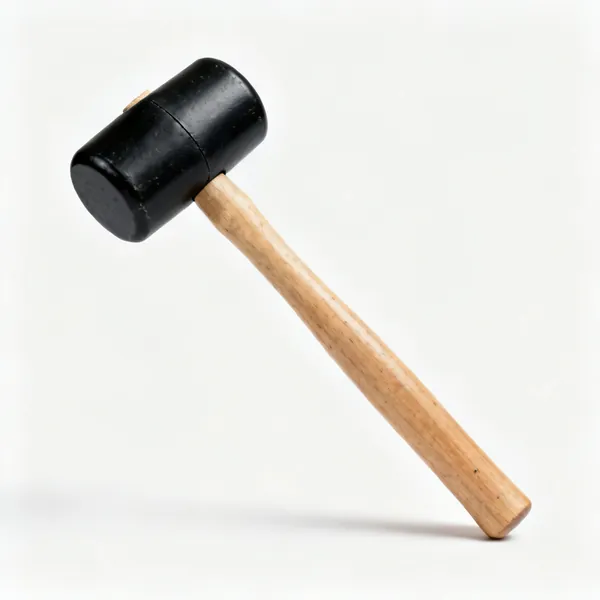
  • A black rubber mallet with a wooden handleEssential

    Rubber mallet

    Taps a slab or block down into the bed without marking or cracking it. Tapping down is correct; levering a laid slab is not.

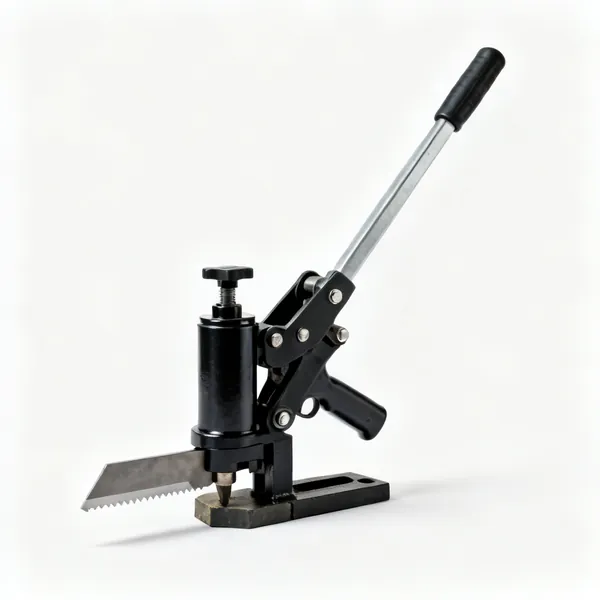
  • Block splitter: A manual hydraulic block paving splitter with a lever and a bladeEssential

    Block splitter

    A guillotine that snaps a block or thin slab along a line. Quick, quiet, no dust and no silica, which is why it beats a disc cutter where it works.

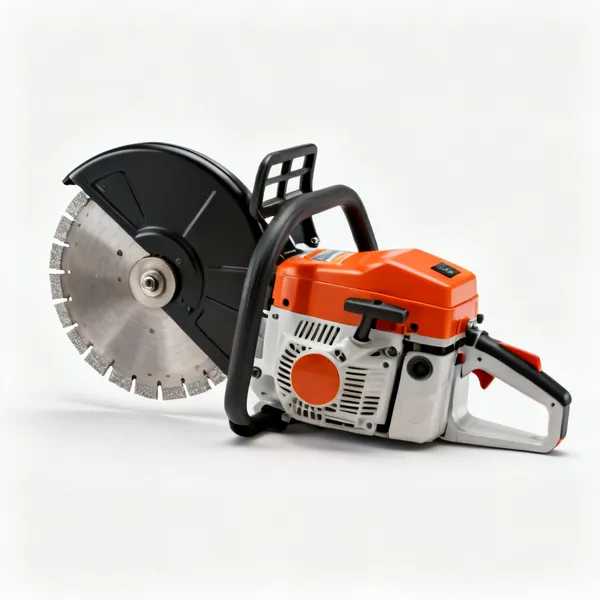
  • A petrol disc cutter saw with a diamond cutting blade and a guard

    Disc cutter

    A diamond blade for anything a splitter will not take, or for a curve. Requires water suppression and an FFP3 mask, since the dust contains silica.
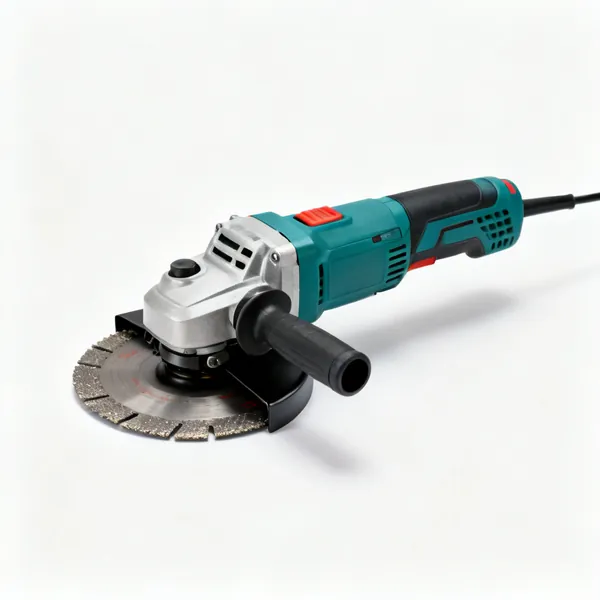
  • Angle grinder

    Angle grinder

    A smaller diamond blade for trimming and for a cut a large saw cannot reach. Same dust precautions, at a smaller scale.

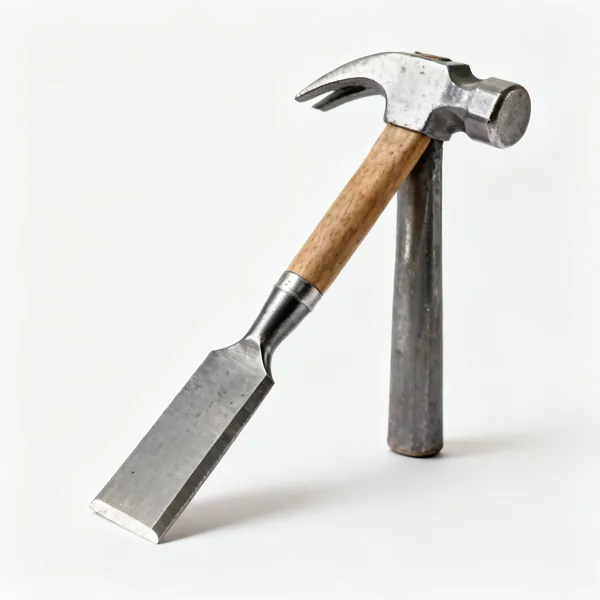
  • Bolster and club hammer: A wide bolster masonry chisel beside a steel club hammer

    Bolster and club hammer

    Splits a slab along a scored line by hand. Slower and less accurate than a splitter, and it needs no power and no water.

  • Slab lifter: A pair of scissor action slab lifting handles with rubber grips

    Slab lifter

    Gripping handles that let two people carry a slab upright without trapped fingers. A large slab is genuinely a two person lift.

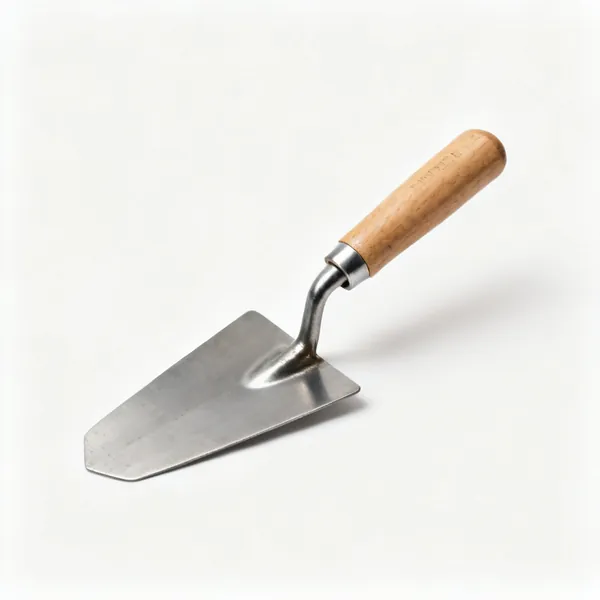
  • A steel brick trowel with a wooden handleEssential

    Brick trowel

    Laying and spreading a mortar bed and buttering edging courses. A full bed rather than dabs, which is what the trowel is for.

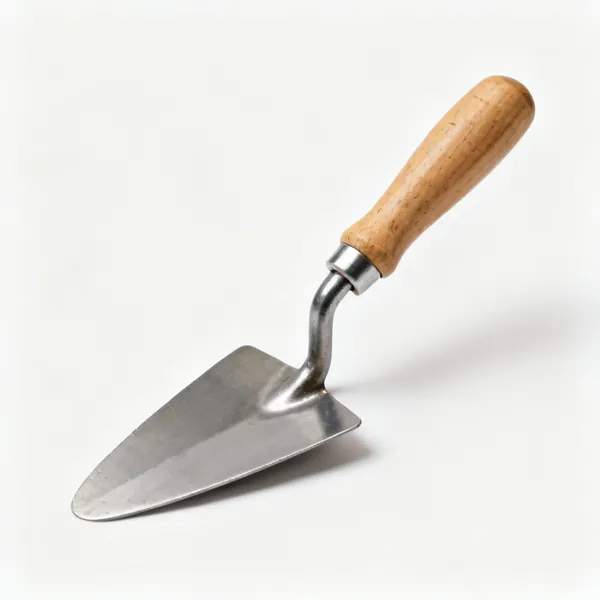
  • A small steel pointing trowel with a wooden handle

    Pointing trowel

    A small trowel for finishing joints between slabs and for haunching an edging course neatly where it will be seen.

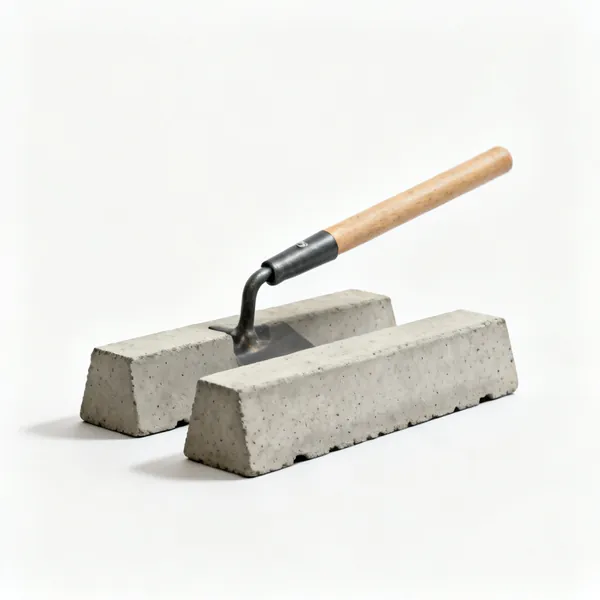
  • Edging and kerbs: Two concrete paving edging kerb unitsEssential

    Edging and kerbs

    Bedded and haunched in concrete around the perimeter. On block paving this is what makes the interlock work at all, rather than a decorative border.

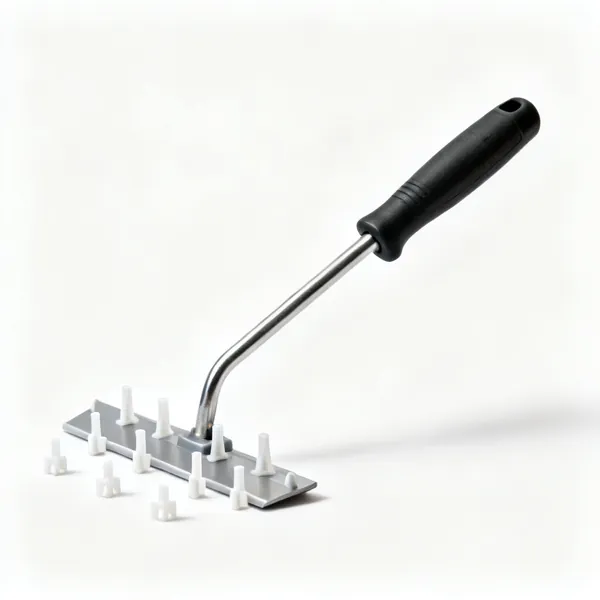
  • Several small plastic paving joint spacers

    Joint spacers

    Plastic spacers giving consistent joints between slabs. Consistency is what the eye reads as neat, more than the individual joint width.

Jointing and finishing 11

What completes the interlock and keeps the weeds out. Done dry and done properly.

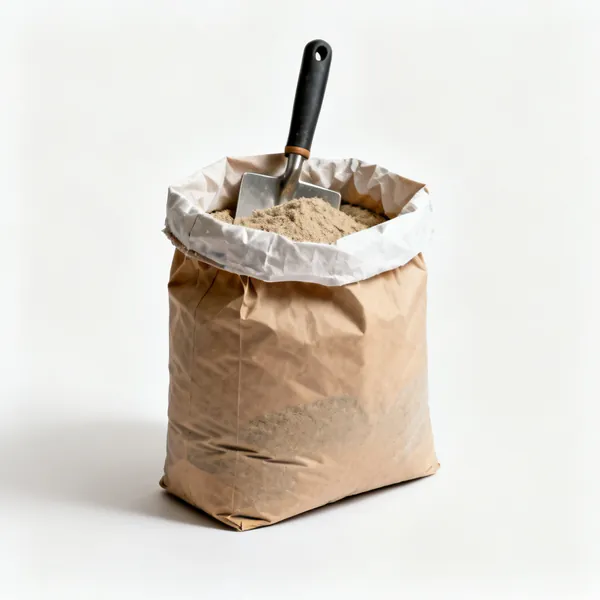
  • Kiln dried sand: A bag of kiln dried jointing sand with the top openEssential

    Kiln dried sand

    Dry enough to flow to the bottom of a block joint, which building sand is not. Brushed in and vibrated, then topped up a few weeks later.

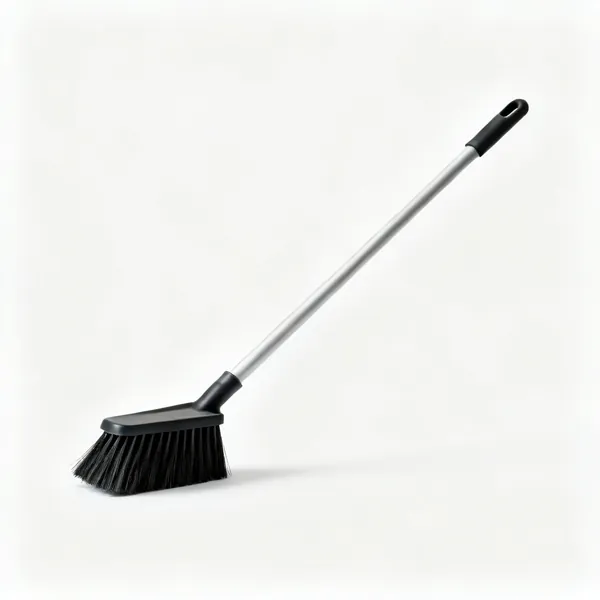
  • Stiff yard brush: A stiff bristled long handled yard brushEssential

    Stiff yard brush

    Works jointing sand into the joints and sweeps the surface clean afterwards. Stiff, since a soft brush pushes sand around rather than into a joint.

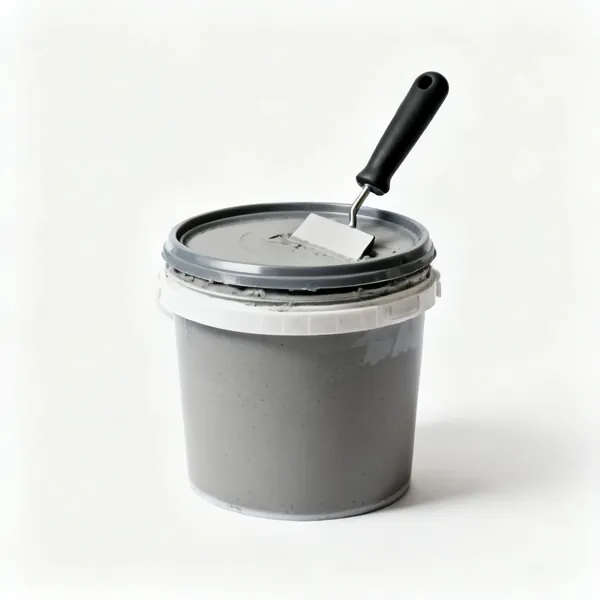
  • Resin jointing compound: A tub of grey resin paving jointing compound with the lid off

    Resin jointing compound

    Brushed into slab joints and set with water. Resists weeds and does not wash out, unlike dry sand and cement which stains and cracks.

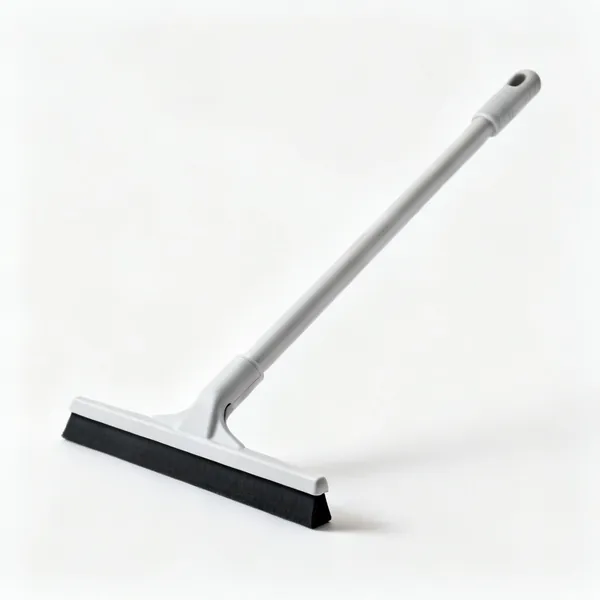
  • Rubber squeegee: A rubber bladed squeegee with a long handle

    Rubber squeegee

    Works resin jointing across the surface and off the slab face. Getting it off the face matters, because cured resin on a slab stays there.

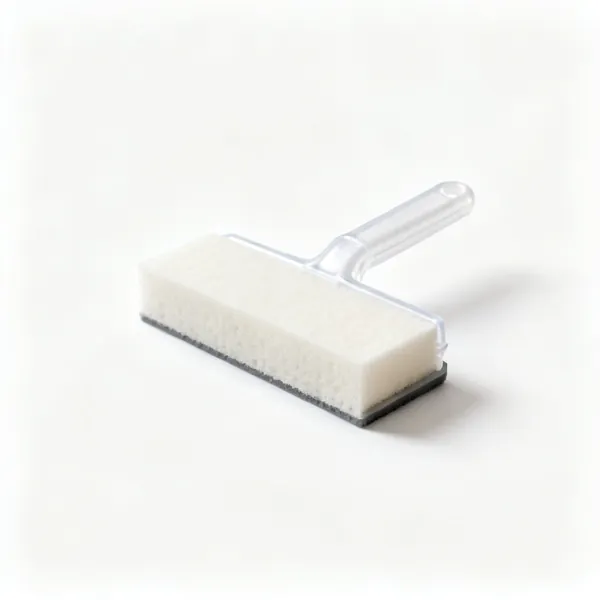
  • Sponge float: A rectangular sponge faced float with a plastic handle

    Sponge float

    Finishes a mortar joint and cleans residue off the slab face while it is still workable. The last chance to keep the surface clean.

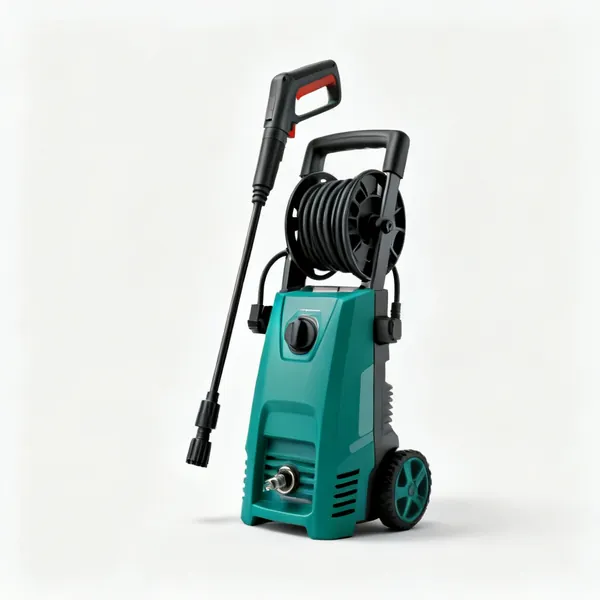
  • An electric pressure washer with a lance and a hose reel

    Pressure washer

    Cleans a finished surface and later maintains it. Used carefully, since a high pressure lance blasts jointing sand straight out of the joints.

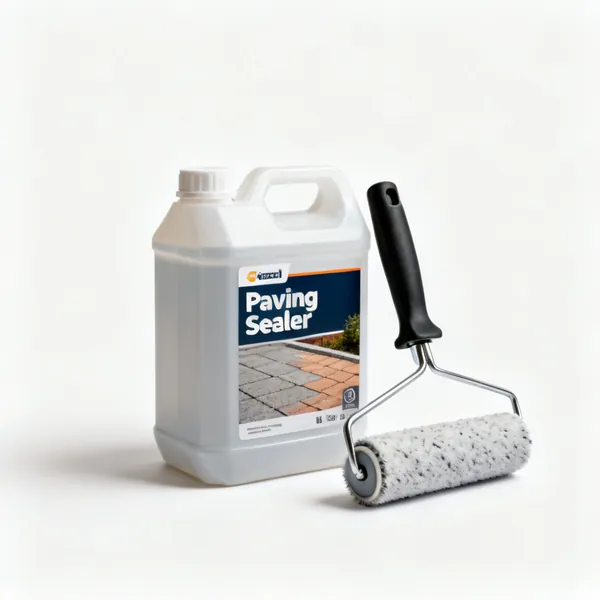
  • A plastic container of paving sealer with a roller beside it

    Paving sealer

    Reduces staining and stabilises jointing sand. Applied only when the paving is fully dry and any efflorescence has weathered off.

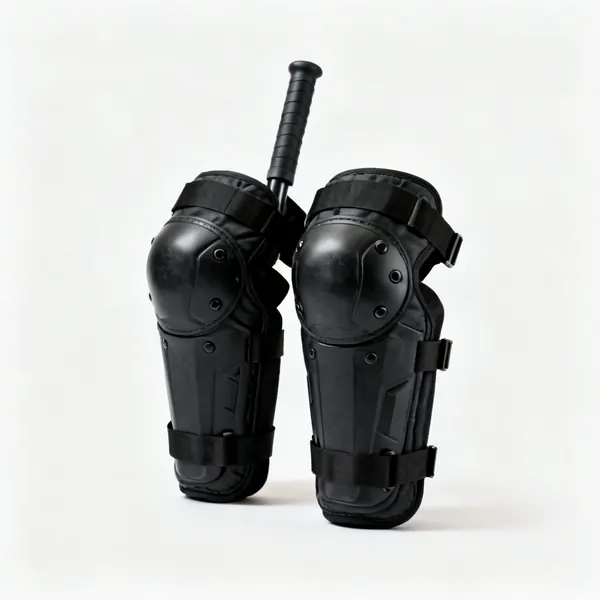
  • A pair of thick black work knee pads with strapsEssential

    Knee pads

    Paving is laid kneeling on grit and sharp aggregate for days. Thick strapped pads rather than pocket inserts, which are not enough here.

  • A pair of blue nitrile coated waterproof gauntlet work glovesEssential

    Work gloves

    Slabs are heavy with sharp edges, and mortar is alkaline enough to burn. Nitrile coated so they resist both abrasion and wet cement.

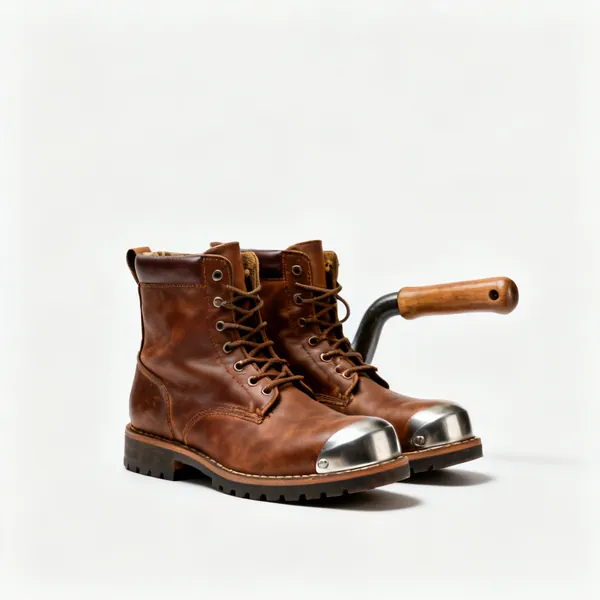
  • Safety boots: A pair of brown leather safety work boots with steel toecapsEssential

    Safety boots

    A dropped slab on a foot is the specific injury this job produces. Steel toe, and a midsole for standing on aggregate all day.

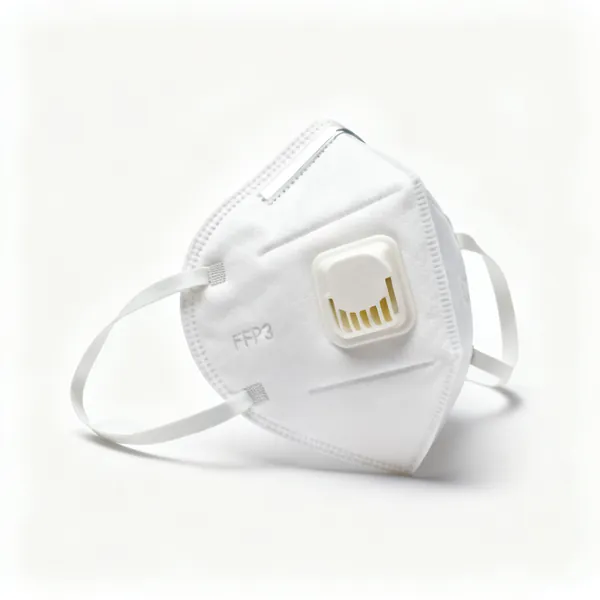
  • A white FFP3 respirator dust mask with two straps and a nose clipEssential

    Dust mask

    Cutting slabs and blocks releases silica, and emptying cement raises alkaline dust. FFP3 for both, fitted so it actually seals.

Choosing paving tools

The list above is what exists. This is how to decide which of it you actually need, what separates a tool worth keeping from one that ends up at the back of a drawer.

The sub base carries the load

Paving does not carry weight, it spreads it onto a compacted sub base which does. That means excavating deeper than the slab thickness: typically 100mm of compacted MOT type 1 for a patio and 150mm or more for a driveway, plus the laying course and the slab.

Compacted is the operative word. Loose hardcore of the right depth settles unevenly under use, which is why a patio develops dips a year later. It goes in in layers of no more than 100mm and each layer is compacted before the next.

The sub base carries it
Not the slab. Excavate for sub base plus laying course plus slab thickness.
100mm patio, 150mm drive
Compacted MOT type 1. More on soft ground or clay.
Compact in layers
No more than 100mm at a time. A thick loose layer never compacts through.
Dig out soft spots
A soft patch under a compacted base is where the paving will sink.

Falls, and where the water goes

Paving needs a deliberate fall of about 1 in 80 away from the building, so water runs off rather than pooling or running toward a wall. Flat paving holds water, which then freezes, and freeze thaw is what lifts and spalls a surface.

Two other rules matter near a house. Paving must not bridge the damp proof course, which means finishing at least 150mm below it, and water must not be directed toward an air brick or a doorway. Both are common and both cause damp inside.

1 in 80 away from the building
About 12mm per metre. Flat paving holds water and freeze thaw lifts it.
Below the damp proof course
At least 150mm. Paving bridging the DPC puts damp into the wall.
Not toward air bricks
Or doorways. Check where the water actually ends up, not just that it moves.
Permeable if it is a drive
Front garden paving over 5 square metres needs permeable construction or drainage.

Full bed, not five dabs

Slabs go on a full mortar bed or a compacted sharp sand course, in full contact. The five spot method, with a dab at each corner and one in the middle, leaves the slab unsupported between and it cracks when something heavy lands on it.

Block paving is different: it goes on a screeded sand course, laid slightly high, then vibrated down with a plate compactor so the blocks lock together. The sand is not compacted before laying, because the blocks compact it.

Full bed for slabs
Continuous mortar or compacted sand. Five dabs leaves the slab unsupported and it cracks.
Screeded sand for blocks
Uncompacted, laid to a depth, then vibrated down with the blocks in place.
Lay slightly high
Block paving drops as it is compacted, typically about 10mm. Allow for it.
Tap down, do not lever
A rubber mallet and a level. Levering a slab breaks the bed under the next one.

Edge restraint holds it all together

Block paving works by interlock: each block is held by its neighbours. Without a restrained edge the outer blocks creep outward, the joints open, and the whole area gradually loosens from the outside in.

Restraint means a haunched kerb, an edging course bedded in concrete, or a proprietary edging system. It is not optional on block paving, and on slabs it is what stops the perimeter dropping and the jointing cracking out.

Blocks need restraint
The interlock only works if the edge is held. Otherwise it creeps outward.
Haunched in concrete
An edging bedded and haunched, not simply laid on sand at the perimeter.
Do it before the field
Edges set first give a reference to lay to and cannot be pushed out later.
Slabs benefit too
It stops the perimeter dropping, which is where jointing cracks out first.

Jointing and what grows in it

Kiln dried sand brushed into block paving joints and vibrated in is what completes the interlock, and it needs topping up after the first few weeks as it settles. Ordinary sand is too damp and will not flow into the joint.

For slabs, a brush in resin jointing compound resists weeds and does not wash out, unlike a dry sand and cement mix which stains the slab face and cracks. Whatever is used, it goes in when the paving is dry and the joints are clean.

Kiln dried sand for blocks
Dry so it flows in. Ordinary sand is too damp to reach the bottom of a joint.
Top up after a few weeks
Sand settles as the paving is used. The interlock depends on full joints.
Resin jointing for slabs
Resists weeds and does not wash out. Dry sand and cement stains the slab face.
Joints must be dry and clean
Any jointing compound applied over damp or dirty joints fails at the bond.

Frequently asked questions

What tools do I need for paving?
A spade and wheelbarrow, a plate compactor, a rake, screed rails and a screed bar, a rubber mallet, a spirit level, a string line, a block splitter or disc cutter, and a stiff brush for jointing. Plus knee pads, since most of it is done kneeling.
How deep should a sub base be for a patio?
About 100mm of compacted MOT type 1 for a patio and 150mm or more for a driveway, plus the laying course and the slab thickness on top. That is what you excavate to. On clay or soft ground it needs to be deeper.
What fall should paving have?
About 1 in 80, or roughly 12mm per metre, running away from the building. Flat paving holds water, which then freezes and lifts the surface. It must also finish at least 150mm below the damp proof course and not direct water at an air brick.
Can you lay slabs on five dabs of mortar?
It is common and it is why slabs crack. The slab is unsupported between the dabs, so a point load in the middle or a heavy planter breaks it. A full continuous mortar bed or a compacted sharp sand course supports the whole slab.
Why does block paving need edge restraint?
Because block paving works by interlock, with each block held by its neighbours. Without a restrained edge the outer blocks creep outward, joints open, and the area loosens from the outside in. A haunched kerb or edging course in concrete is not optional.
What sand goes in block paving joints?
Kiln dried sand, brushed in and vibrated so it reaches the bottom of the joint. Ordinary building sand is too damp to flow properly. Top it up after the first few weeks, since it settles with use and the interlock depends on full joints.
Do I need planning permission to pave a front garden?
For more than 5 square metres of a front garden, permitted development requires permeable construction or drainage to a soakaway rather than to the road. Traditional impermeable paving over that area needs an application.
How do you cut paving slabs and blocks?
A block splitter for blocks and thin slabs, which is quick, quiet and produces no dust. A disc cutter with a diamond blade for anything a splitter will not take, with water suppression and an FFP3 mask because the dust contains silica.