Top Home Repair Tools: Essential Gear for Every DIYer
When a leaky faucet drips or a loose cabinet door won’t stay shut, having the right tools at your fingertips makes all the difference. You don’t have to be a professional to tackle common home repairs—what you really need is a smart selection of reliable tools that fit your needs and budget.
Imagine saving time, avoiding costly repairs, and feeling confident every time you pick up a tool. In this guide, you’ll discover the top home repair tools that every homeowner should own. Keep reading, and you’ll be ready to fix those everyday problems quickly and easily.
Basic Hand Tools
Basic hand tools form the foundation of any home repair toolkit. These tools help complete simple fixes and small projects. Owning the right hand tools saves time and effort around the house. They are easy to use and essential for everyday tasks.
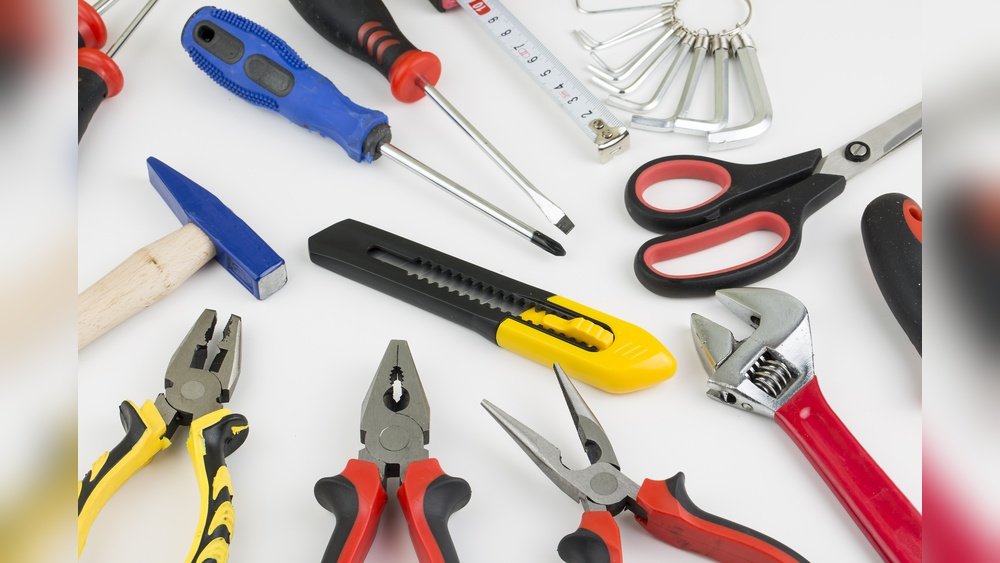
Every homeowner should have a set of reliable basic hand tools. The most common types include hammers, screwdrivers, pliers, and measuring tools. Each plays a unique role in different repairs and maintenance jobs.
Hammers And Mallets
Hammers are essential for driving nails and small demolition tasks. A claw hammer is the most popular type for home use. It has a curved end to remove nails easily. Mallets are softer and used to avoid damaging surfaces. They work well for woodworking and assembling furniture.
Screwdrivers And Nut Drivers
Screwdrivers are vital for tightening or loosening screws. Flathead and Phillips are the most common screwdriver types. Nut drivers fit hexagonal nuts and bolts for easy turning. Having a variety of sizes helps handle different fasteners in your home.
Pliers And Wrenches
Pliers grip, twist, and cut wires or small objects. Needle-nose pliers reach tight spaces, while slip-joint pliers adjust to different sizes. Wrenches tighten or loosen nuts and bolts. Adjustable wrenches fit multiple sizes, making them versatile for repairs.
Measuring And Marking Tools
Accurate measurements are crucial for successful repairs. Tape measures are simple, flexible, and easy to carry. A combination square helps mark straight lines and angles. Marking tools like pencils or chalk guide cuts and placements for precise work.

Credit: www.rebuildingcenter.org
Power Tools
Power tools are essential for home repair projects. They save time and reduce effort. These tools help complete tasks with precision and ease. Every homeowner should have a few reliable power tools. They make repairs safer and more efficient. Below are some key power tools to consider.
Cordless Drills
Cordless drills are versatile and easy to use. They work without a power cord, giving freedom of movement. These drills handle drilling holes and driving screws quickly. Choose one with good battery life and variable speed settings. They are perfect for most home repair jobs.
Circular Saws
Circular saws cut wood, plastic, and metal with ease. They are powerful and fast, making straight cuts clean and smooth. Portable circular saws are great for cutting lumber and plywood. Look for adjustable depth and bevel features for more control. These saws speed up framing and remodeling tasks.
Oscillating Multi-tools
Oscillating multi-tools are handy for detailed work. They use various blades and attachments for cutting, sanding, and scraping. These tools fit into tight spaces where other tools cannot reach. They are perfect for removing grout or trimming door casings. Compact and versatile, they belong in every toolkit.
Power Sanders
Power sanders smooth surfaces quickly and evenly. They remove paint, varnish, and rough spots on wood. Different types include orbital, belt, and detail sanders. Choose one that fits the project size and surface shape. Power sanders make finishing work faster and neater.
Tool Kits And Sets
Tool kits and sets form the backbone of any home repair project. They gather essential tools in one place, saving time and effort. Organized kits simplify tasks and help beginners start repairs confidently. These sets vary from basic collections to specialized tools for specific jobs. Choosing the right kit makes home maintenance easier and more efficient.
Essential Household Kits
Essential household kits include common tools for everyday repairs. These often contain screwdrivers, pliers, hammers, and measuring tapes. Such kits cover tasks like fixing loose screws, hanging pictures, and minor plumbing. They suit most homeowners and first-time DIYers. Compact cases keep tools neat and easy to find.
Specialized Repair Sets
Specialized repair sets focus on specific home systems or materials. Examples include electrical tool sets, plumbing kits, and woodworking tools. These sets contain unique tools like wire strippers or pipe wrenches. They help complete detailed jobs safely and correctly. Ideal for those who tackle particular repairs often.
Portable And Compact Kits
Portable and compact kits offer convenience and mobility. Small cases fit in backpacks, car trunks, or drawers easily. These kits are perfect for quick fixes or travel. Despite their size, they still hold a variety of useful tools. Great for renters, travelers, or anyone needing tools on the go.

Credit: www.amazon.com
Electrical Tools
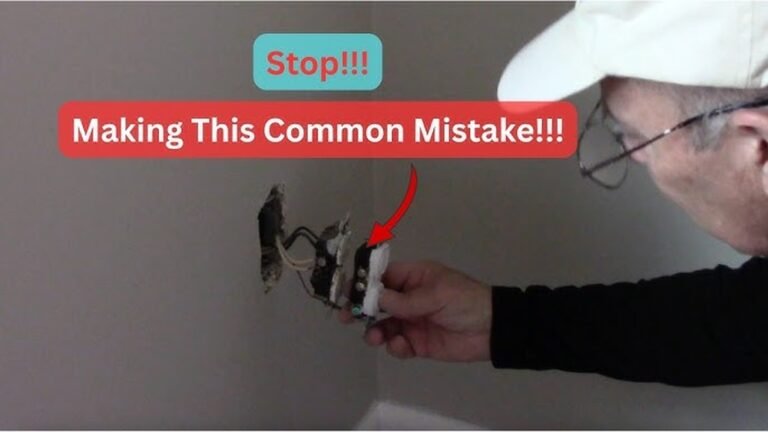
Electrical tools are essential for safe and effective home repairs. They help identify problems and fix electrical systems quickly. Having the right tools reduces risks and saves time. Every homeowner should keep these basic electrical tools ready for use.
Voltage Testers
Voltage testers check if electrical wires have current running through them. They help avoid shocks by confirming if power is off. Some testers show voltage levels with lights or sounds. These tools are easy to use and reliable for safety checks.
Wire Strippers
Wire strippers remove the outer coating from electrical wires. This exposes the metal inside for connections or repairs. They come in various sizes to fit different wire gauges. Using wire strippers ensures clean cuts without damaging wires.
Electrical Tape And Accessories
Electrical tape insulates and protects wire connections. It prevents shorts and electrical shocks by covering exposed wires. Accessories like wire nuts and connectors secure wire joints. Together, they keep electrical repairs safe and durable.
Plumbing Tools
Plumbing tools are essential for fixing leaks, clogs, and broken pipes. They help maintain your home’s water system efficiently. Owning the right tools saves time and money on repairs. Here are some key plumbing tools every homeowner should have.
Pipe Wrenches
Pipe wrenches grip and turn pipes with ease. Their adjustable jaws fit different pipe sizes. They provide strong leverage for tightening or loosening plumbing joints. A sturdy pipe wrench is vital for plumbing repairs.
Plungers And Drain Snakes
Plungers clear blockages in sinks and toilets quickly. They create suction to remove clogs effectively. Drain snakes reach deeper clogs beyond the plunger’s reach. They twist through pipes to break up debris. Both tools are handy for clearing slow drains.
Sealants And Teflon Tape
Sealants prevent leaks by filling gaps around pipes and fittings. They create a waterproof barrier for joints. Teflon tape wraps around pipe threads to stop leaks. It helps pipes connect tightly without dripping. These materials ensure long-lasting plumbing seals.
Safety Gear
Safety gear is essential for any home repair project. It protects you from injuries and harmful materials. Wearing the right gear keeps you safe and confident while working. Below are the key safety items every homeowner should have.
Protective Eyewear
Protective eyewear shields your eyes from dust, debris, and sparks. Safety glasses or goggles prevent serious eye injuries. Choose eyewear that fits well and offers clear vision. Always wear them during cutting, drilling, or sanding tasks.
Gloves And Knee Pads
Gloves protect your hands from cuts, chemicals, and rough surfaces. Use different gloves for different jobs, such as rubber gloves for painting and leather gloves for heavy work.
Knee pads provide comfort and protect your knees during floor repairs or installations. They reduce strain and prevent bruises while working on hard surfaces.
Dust Masks And Ear Protection
Dust masks filter harmful particles and dust from the air. Use them when sanding, sweeping, or working with insulation.
Ear protection, like earplugs or earmuffs, reduces noise from power tools. Protect your hearing during loud activities to avoid long-term damage.
Storage Solutions
Organizing your home repair tools saves time and space. Good storage solutions keep tools protected and easy to find. Proper storage also extends tool life by preventing damage. Consider the type and size of your tools before choosing storage options. Efficient storage makes every repair task smoother and faster.
Toolboxes And Bags
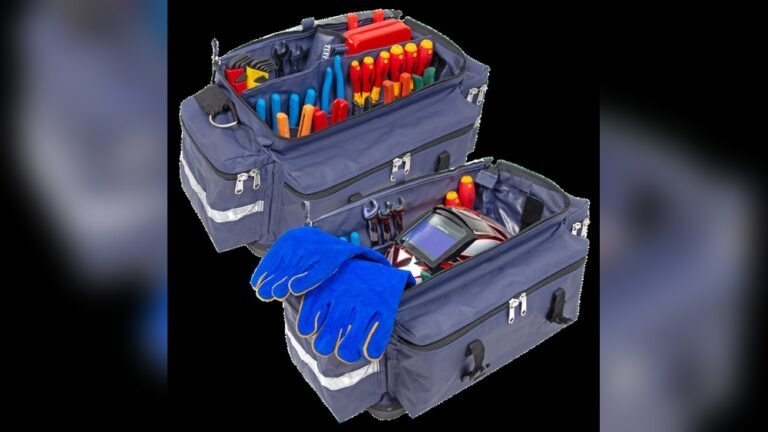
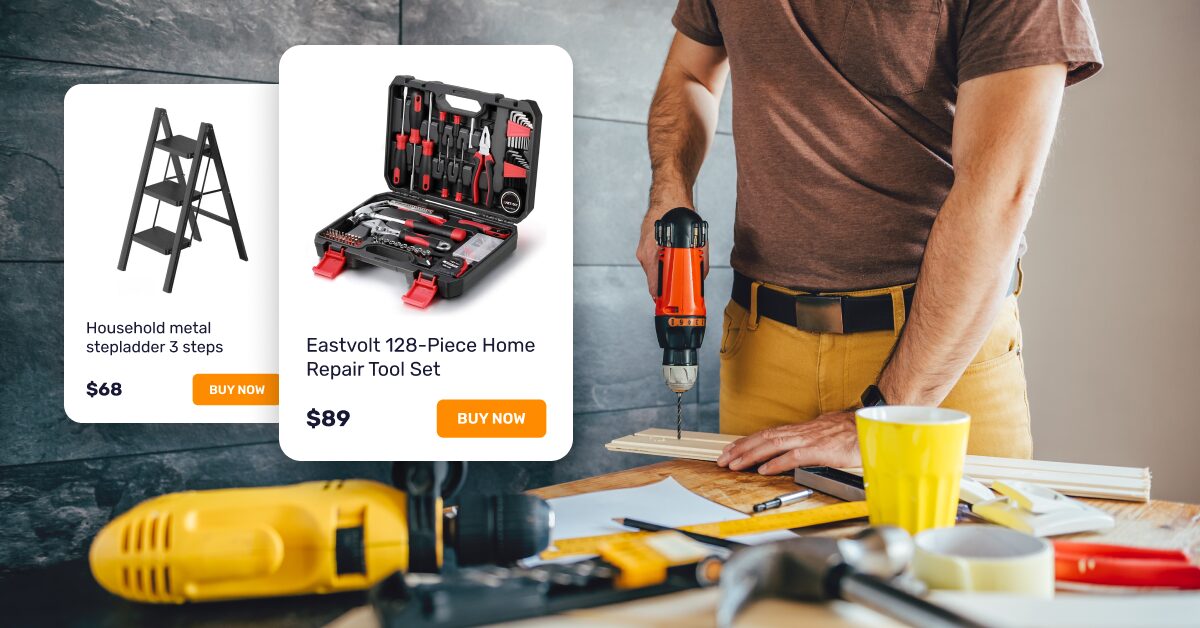
Toolboxes and bags provide portable storage for your tools. They come in various sizes and materials. Hard toolboxes protect tools from impact and moisture. Soft tool bags offer flexibility and lightness. Look for compartments and pockets to keep tools separated. Carrying handles or shoulder straps add convenience for transport.
Wall Organizers
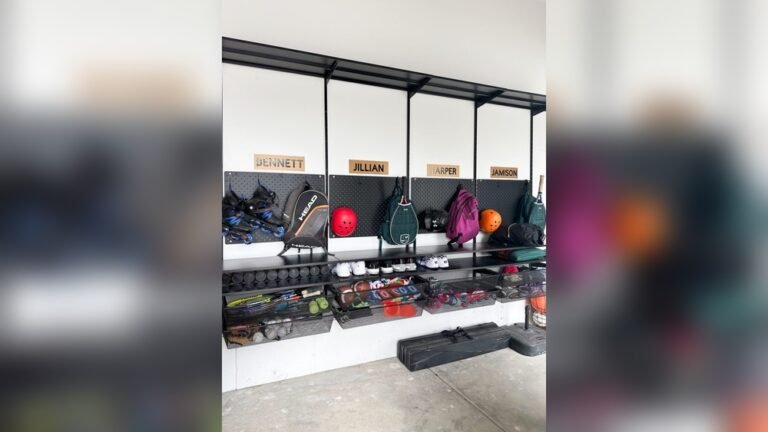
Wall organizers save floor space and keep tools visible. Pegboards are popular for hanging tools of different sizes. Magnetic strips hold metal tools securely. Hooks and shelves offer additional storage options. Mount organizers in your workshop or garage for easy access. Wall storage keeps your workspace tidy and tools ready.
Portable Workbenches
Portable workbenches combine workspace and storage. They fold up for easy transport and storage. Many models include built-in tool storage compartments. Workbenches offer a sturdy surface for repairs anywhere. They are perfect for small spaces or outdoor projects. Choose one with adjustable height for comfort.
Choosing The Right Tools
Choosing the right tools is key for any home repair project. The right tools make work easier and safer. Picking tools depends on what repairs you plan to do. Not all tools fit every task. It is smart to select tools based on your needs. Good tools last longer and perform better. Knowing how to pick tools saves time and money.
Assessing Your Needs
Start by thinking about the repairs you often do. Simple fixes might only need a few basic tools. More complex work calls for specialized tools. Check your home for common repair tasks. Do you fix plumbing, electrical, or carpentry? List the tools needed for these jobs. This list helps avoid buying tools you won’t use. Focus on tools that match your regular projects.
Budget-friendly Options
Set a budget before buying tools. Many quality tools are affordable. Look for sales or tool kits that save money. Buying tools in sets can be cheaper than single pieces. Avoid the cheapest tools as they may break fast. Spend a little more for tools that last. Balance cost with how often you will use the tool. Saving money upfront might cost more later.
Quality Vs. Price
High price does not always mean best quality. Some mid-priced tools offer great durability. Check reviews and brand reputation before buying. Strong materials and good craftsmanship matter most. Choose tools that feel comfortable and easy to use. A good warranty shows the maker stands behind the tool. Investing in quality tools pays off in the long run.
Maintaining Tools
Maintaining your home repair tools extends their life and keeps them working well. Regular care ensures tools stay safe and ready for any job. Neglecting maintenance can lead to rust, dull edges, and broken parts. Simple habits like cleaning and storing tools properly prevent damage and save money on replacements.
Cleaning And Lubrication
After each use, remove dirt and debris from your tools. Use a dry cloth or brush for cleaning. For metal parts, apply a light coat of oil to prevent rust. Lubricate moving parts such as hinges and joints to keep tools working smoothly. Avoid using too much oil, as it can attract dust and grime.
Proper Storage
Store tools in a dry place away from moisture. Use toolboxes, racks, or pegboards to organize tools neatly. Keeping tools off the ground protects them from dirt and water damage. Store sharp tools with blade guards or covers for safety. Proper storage prevents accidents and keeps tools easy to find.
Sharpening And Repairs
Dull blades and edges reduce tool efficiency and increase effort. Sharpen cutting tools like knives, scissors, and chisels regularly. Use the correct sharpening tools for the best results. Check tools for loose handles or broken parts. Repair or replace damaged tools promptly to avoid injury and poor performance.
Credit: www.autods.com
Frequently Asked Questions
What Tools Do I Need For Home Repair?
Essential tools for home repair include a hammer, screwdriver set, tape measure, pliers, adjustable wrench, utility knife, level, and cordless drill. These tools cover most basic fixes and maintenance tasks efficiently and safely.
What Tool Kit Should Every Homeowner Have?
Every homeowner should have a toolkit with a hammer, screwdrivers, pliers, tape measure, adjustable wrench, utility knife, and a level. These tools handle common repairs efficiently and support DIY projects around the house.
What Tools Should A Home Mechanic Have?
A home mechanic should have a wrench set, screwdrivers, pliers, a hammer, socket set, tape measure, and a cordless drill for basic repairs.
What Is The Best High Quality Home Tool Kit?
The best high-quality home tool kit combines durability, variety, and affordability. Top brands include Kobalt, Apollo, and iFixit. These kits offer essential tools for repairs and DIY projects, ensuring reliable performance and long-lasting use. Choose one based on your specific home maintenance needs.
Conclusion
Having the right home repair tools makes tasks easier and faster. A basic toolkit covers most common fixes around the house. Quality tools last longer and give better results. Start with essentials like screwdrivers, pliers, and a hammer. Add specialty tools as you gain experience.
Keep tools organized and stored safely. Regular maintenance of your tools keeps them in good shape. With these tools, you can handle many repairs yourself. This saves money and builds confidence in home care. Simple, reliable tools are key to successful home repairs.