Guide to Laser Measuring Tool: Ultimate Tips for Accurate Results
Are you tired of struggling with tape measures that twist, snag, or just don’t give you the precision you need? Imagine a tool that can measure distances quickly, accurately, and without any hassle.
That’s exactly what a laser measuring tool offers. Whether you’re tackling a home renovation, planning a new layout, or working on a professional project, this device can save you time and frustration. In this guide to laser measuring tools, you’ll learn how to use one like a pro, avoid common mistakes, and choose the best model for your needs.
Ready to upgrade your measuring game and get perfect results every time? Let’s dive in!
Laser Measuring Tool Basics
Choosing the right laser measuring tool is key to accurate and efficient work. The right tool saves time and reduces errors. It fits your specific project needs and budget. Understanding top brands, accuracy factors, and project requirements helps you make a smart choice.
Top Brands And Models
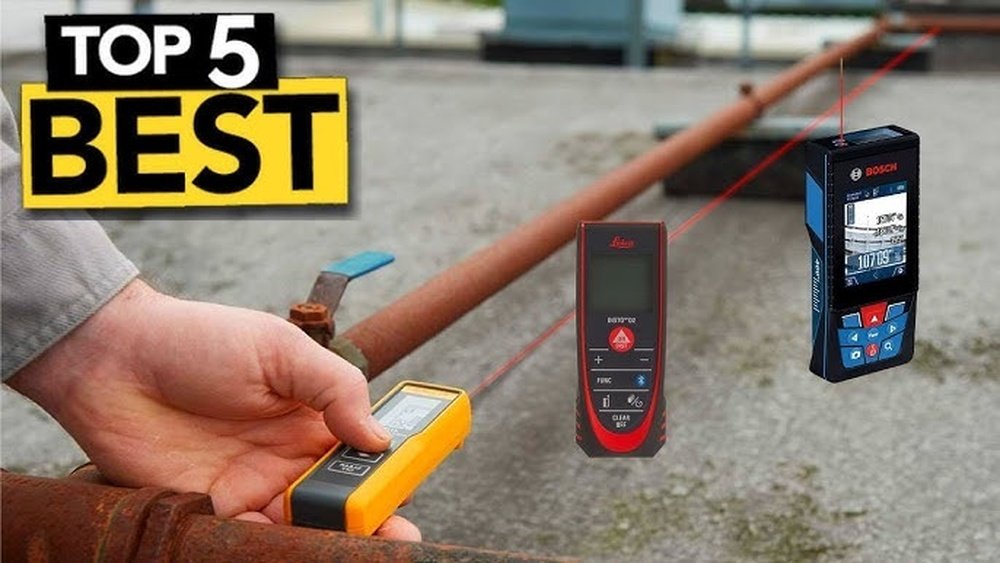
Several brands lead the laser measuring tool market. Bosch offers reliable models with easy-to-read displays. Leica provides high precision tools favored by professionals. DeWalt combines durability with accuracy for tough job sites. Each brand has multiple models to suit different tasks. Look for features like range, accuracy, and battery life when comparing models.
Factors Affecting Accuracy
Accuracy depends on the tool’s laser quality and sensor technology. Environmental conditions like light and surface reflectivity affect results. Smooth, light-colored surfaces reflect better than rough or dark ones. Temperature changes can cause slight measurement errors. Choose a tool with calibration features to maintain accuracy over time.
Selecting Based On Project Needs
Consider the size and type of your projects. Small indoor tasks need compact tools with short-range accuracy. Large outdoor projects require longer range and stronger lasers. Features like area calculation, volume measurement, and Bluetooth connectivity add value. Battery life is important for long jobs. Match the tool’s capabilities to your specific work demands.
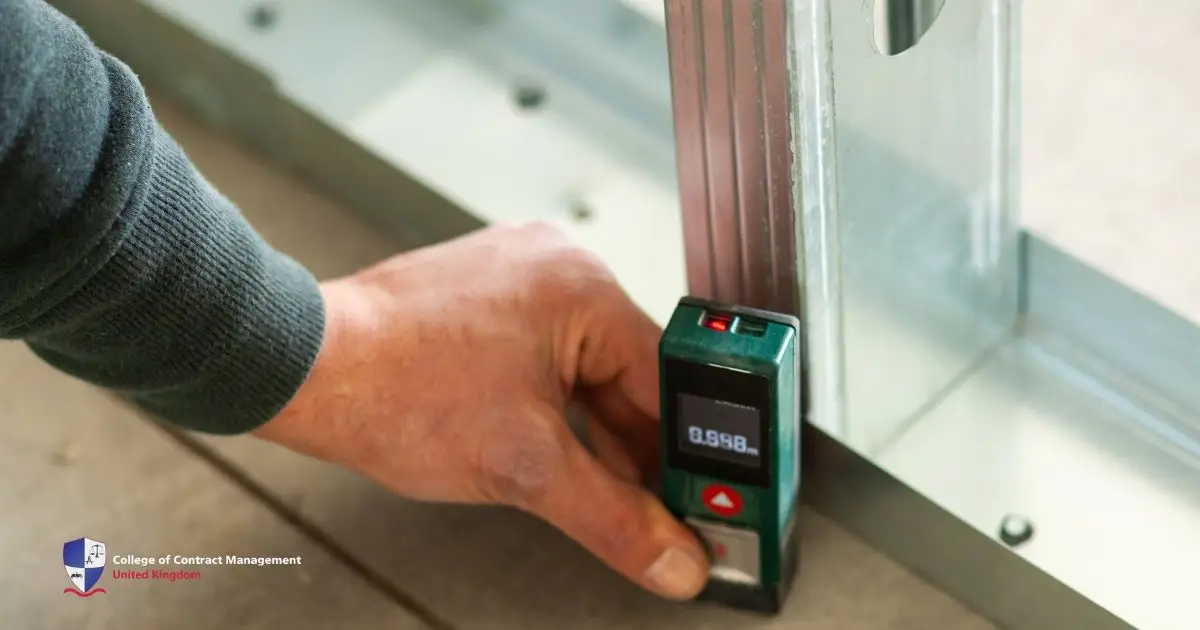
Credit: www.uniccm.com
Choosing The Right Laser Tool
Setting up and calibrating a laser measuring tool is key for accurate results. Proper setup ensures the device works well in different conditions. Calibration checks the tool’s sensors to keep measurements precise. This section explains how to set up and calibrate your laser measuring tool.
Proper Sensor Calibration
Sensor calibration adjusts the tool to measure distances correctly. Most laser tools have built-in calibration modes. Follow the user manual to start calibration. Place the device on a stable surface during the process. Calibration helps fix errors caused by sensor drift or wear. Repeat calibration regularly for the best accuracy.
Adjusting For Temperature And Environment
Temperature changes affect laser measurements. High heat or cold can cause slight errors. Some tools include temperature sensors to adjust readings automatically. In extreme conditions, allow the tool to warm up or cool down first. Avoid measuring near reflective or shiny surfaces. These surfaces can distort the laser beam and cause wrong results.
Aligning The Laser Beam
Correct beam alignment ensures the laser hits the exact target. Hold the tool steady and point it directly at the measuring point. Check the beam’s path for any obstacles. Use a tripod or a stable base for long-distance measurements. Misalignment can cause inaccurate or inconsistent readings. Adjust the angle until the beam and target line up perfectly.
Setup And Calibration
Troubleshooting common issues with laser measuring tools helps you get accurate results every time. Many problems arise from simple causes. Understanding these can save time and reduce frustration. This guide covers key issues and easy fixes.
Dealing With Surface Reflectivity
Laser tools work by reflecting light off surfaces. Shiny or very dark surfaces can cause errors. Reflective surfaces may scatter the laser beam. This leads to incorrect or no readings.
Use a matte tape or paper on shiny surfaces. This creates a better target for the laser. Avoid measuring on glass or mirrors directly. They reflect light away from the sensor. Adjust the angle slightly to improve reflection.
Handling Misalignment Problems
Misalignment happens when the laser beam is not aimed correctly. The tool must point straight at the target. Even a small angle can cause wrong measurements.
Hold the device steady and align the laser with the exact point you want to measure. Use a tripod or stand for better stability. Check the laser dot before taking a reading. Adjust until the dot is clear and centered.
Improving Measurements In Low Light
Low light can make it hard to see the laser dot. This affects aiming and accuracy. Some tools have a bright laser mode for dark spaces.
Increase ambient light if possible. Use a flashlight to highlight the target area. Some laser meters have a screen backlight for easier reading. Keep the device clean to avoid dim readings. Clear lenses improve laser visibility and accuracy.

Credit: almighty.tools
Step-by-step Measuring Techniques
Safety and maintenance are key to getting the best use from your laser measuring tool. Proper care keeps the tool accurate and extends its life. Handling the device with care prevents accidents and damage. Regular maintenance ensures reliable readings each time you measure.
Safe Handling Practices
Always point the laser away from eyes and reflective surfaces. Avoid shining the laser directly at people or animals. Hold the tool firmly to prevent drops and damage. Use the wrist strap if your tool has one. Work in well-lit areas to see the tool clearly. Turn off the device when not in use to save battery and reduce risk.
Cleaning And Storage Tips
Clean the lens with a soft, dry cloth to avoid scratches. Do not use harsh chemicals or water on the device. Store the tool in its protective case to prevent dust and impacts. Keep the device in a cool, dry place away from direct sunlight. Avoid storing in very hot or cold environments. Check the tool regularly for dirt and clean as needed.
Battery Care And Replacement
Remove batteries if you will not use the tool for a long time. Use the correct type and size of batteries recommended by the manufacturer. Replace old batteries promptly to avoid leakage and damage. Charge rechargeable batteries fully before use and do not overcharge. Keep battery contacts clean and free of corrosion. Dispose of old batteries safely according to local rules.
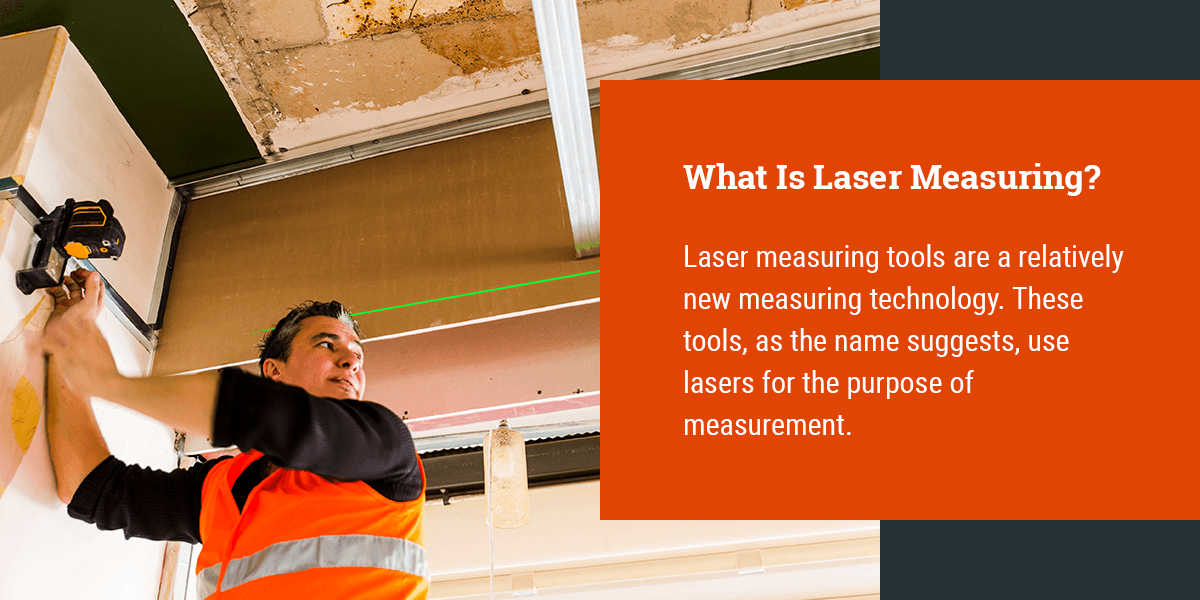
Credit: spike.ikegps.com
Frequently Asked Questions
How Do You Use A Laser Measuring Tool?
Turn on the laser measuring tool and select the reference point. Aim the laser at the target surface. Press the measure button to get the distance reading. Read the measurement displayed on the screen. Repeat for additional measurements as needed.
What Are The Common Problems With Laser Measures?
Common problems with laser measures include sensor miscalibration, extreme temperature effects, misaligned beams, and issues with reflective surfaces.
What Is The Best Brand For Laser Measuring Tools?
Bosch, Leica, and DeWalt rank among the best brands for laser measuring tools due to accuracy and durability.
How Accurate Are Laser Measuring Tools?
Laser measuring tools offer accuracy within 1/16 to 1/8 inch for typical distances. Accuracy depends on the model and conditions.
Conclusion
Choosing the right laser measuring tool saves time and effort. It offers quick, accurate distance readings for many tasks. Simple steps make using these tools easy and reliable. Avoid common mistakes like poor alignment or ignoring calibration. Practice helps improve your measuring skills and confidence.
This guide gives you the basics to start measuring better today. Keep your tool clean and store it safely after use. Using laser measuring tools can make projects smoother and more precise.