How to Maintain Tool Organizer: Expert Tips for Lasting Order
You know how frustrating it is to dig through a messy toolbox when you’re in the middle of a project. Your tools get lost, damaged, or worn out faster than they should.
But what if maintaining your tool organizer was simple and actually saved you time and money? You’ll discover easy, practical tips to keep your tool organizer neat, functional, and ready whenever you need it. By following these straightforward steps, you’ll protect your tools, speed up your work, and avoid unnecessary replacements.
Ready to take control of your workspace? Let’s dive in.

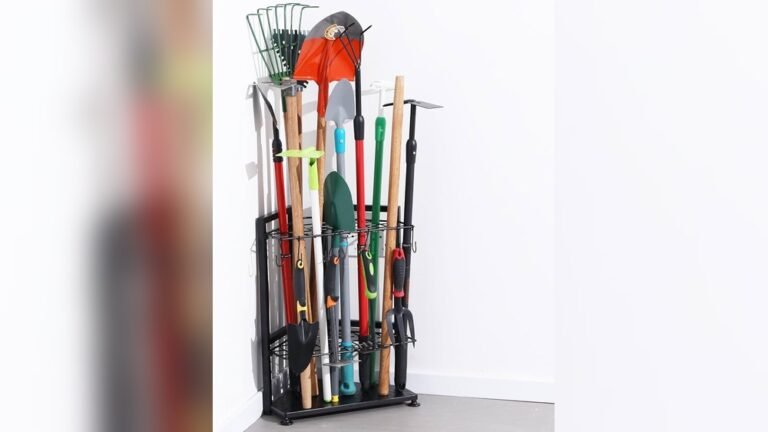
Credit: www.zerustproducts.com
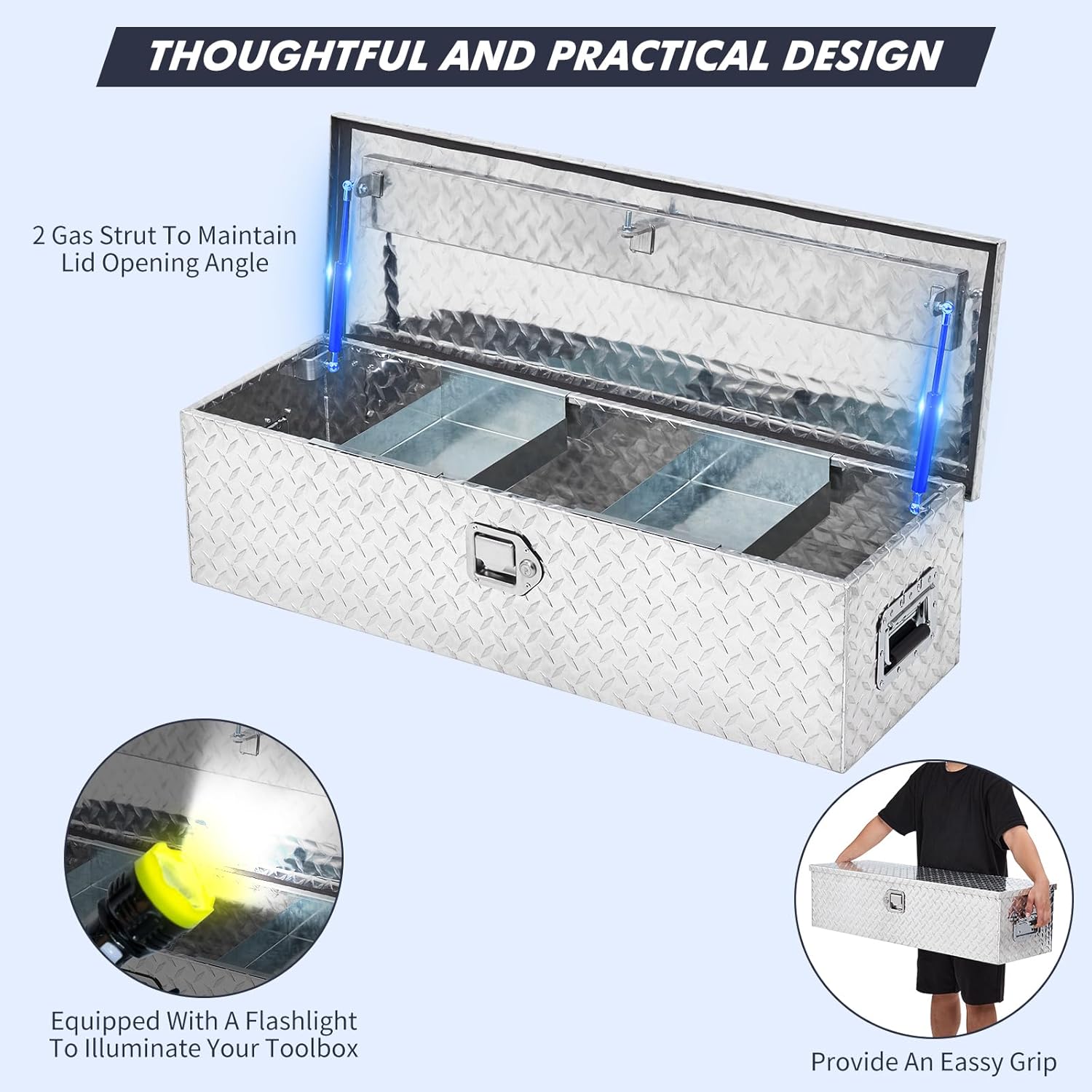
Choosing The Right Organizer
Setting up your tool organizer properly helps keep your workspace neat and efficient. It saves time and protects your tools from damage. A well-organized tool box makes every project easier and faster.
Sorting Tools By Category
Begin by grouping tools according to their type or purpose. Place all screwdrivers together and all wrenches in another section. This sorting method helps you find tools quickly. It also prevents clutter and confusion.
Arranging Tools For Accessibility
Arrange tools so that frequently used ones are easy to reach. Put heavy or large tools at the bottom or back. Smaller or lighter tools go on top or front. This setup reduces effort and speeds up your work.
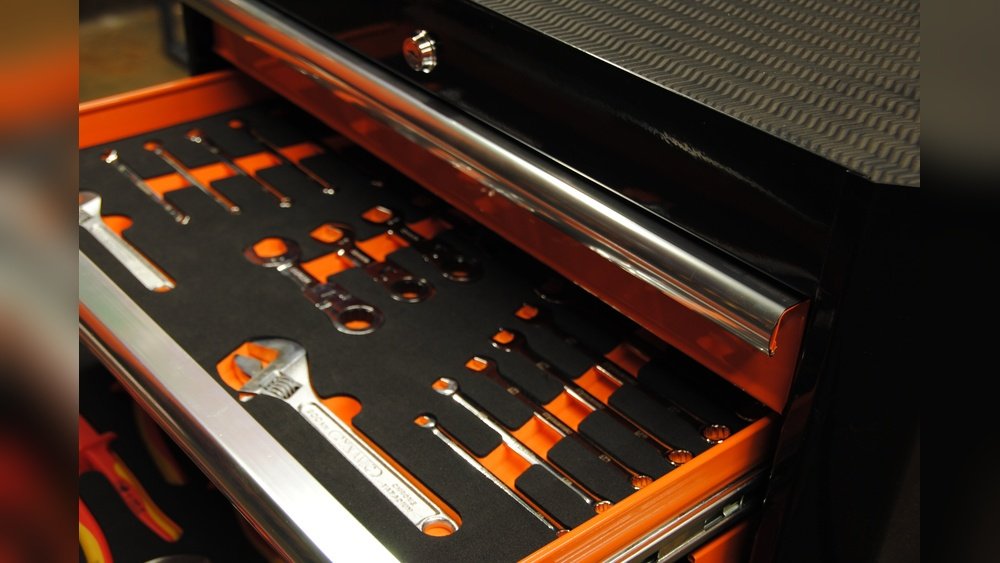
Using Foam Inserts And Liners
Foam inserts protect tools and keep them in place. Cut foam to fit each tool’s shape for a custom fit. Liners help prevent slipping and reduce noise. These additions extend tool life and improve organization.
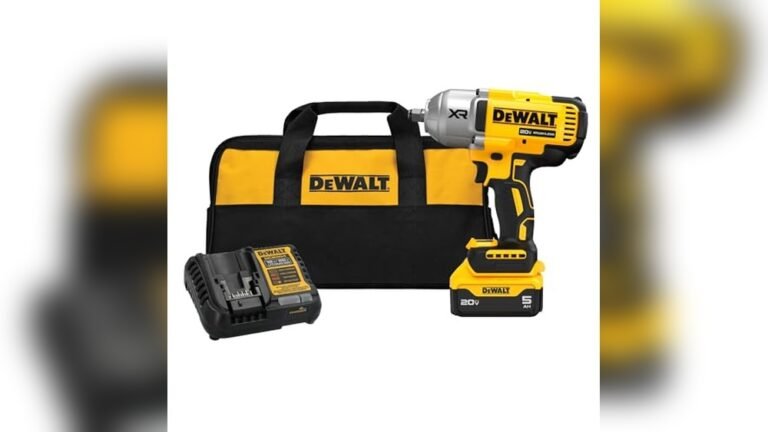
Credit: www.garvee.com
Setting Up Your Tool Organizer
Daily maintenance keeps your tool organizer neat and ready for work. Simple habits protect your tools and save time. Spend a few minutes after each use to maintain order. This routine prevents damage and loss. Follow these daily tips to extend your tools’ life and keep your workspace tidy.
Cleaning Tools After Use
Wipe tools with a clean cloth to remove dirt and grease. Use a brush to clear dust from tight spots. Dry tools thoroughly to stop rust from forming. Clean tools work better and last longer. Avoid leaving grime on tools overnight.
Replacing Damaged Tools
Check tools for cracks, chips, or rust every day. Replace any broken or worn-out tools immediately. Using damaged tools can cause accidents or poor work quality. Keep a list of tools that need replacement. Timely swaps keep your organizer safe and efficient.
Returning Tools To Their Spot
Put each tool back in its designated place after use. This habit saves time when you need tools later. Arrange tools by type or size for easy access. A tidy organizer prevents tools from getting lost. Train yourself to return tools right away.

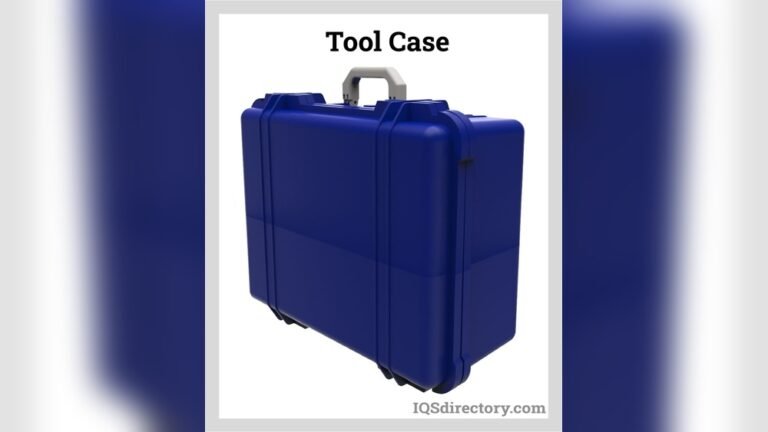
Credit: reginahotel.it
Frequently Asked Questions
How Do I Keep My Tools Organized?
Sort tools by type and use pegboards, toolboxes, or drawers for storage. Label sections and clean tools regularly to maintain order.
What Are The Common Toolbox Organizer Mistakes?
Common toolbox organizer mistakes include mixing unrelated tools, neglecting regular cleaning, ignoring maintenance schedules, and poor tool placement. These errors cause inefficiency, tool damage, and lost equipment. Proper sorting, cleaning, and scheduled upkeep keep tools accessible, safe, and extend their lifespan.
What Are The 10 Ways Of Maintaining Tools And Equipment?
Clean tools after use, store them properly, lubricate moving parts, inspect regularly, tighten loose components, replace damaged parts, sharpen blades, avoid moisture, organize for easy access, and follow manufacturer guidelines.
How To Maintain A Tool Box?
Regularly clean and dry your toolbox to prevent rust and dirt buildup. Organize tools by type and size for easy access. Inspect tools often and repair or replace damaged ones promptly. Use liners to protect surfaces and keep tools from shifting.
Store the toolbox in a dry, cool place.
Conclusion
Maintaining your tool organizer keeps your workspace tidy and efficient. Clean tools regularly to prevent rust and damage. Store each tool in its proper place after use. Check for broken parts and fix them quickly. Organize tools by type to find them fast.
Use labels to help remember where tools belong. Regular care saves money by extending tool life. A neat organizer makes any project easier and faster. Keep these simple habits for lasting tool order. Your tools will stay ready whenever you need them.