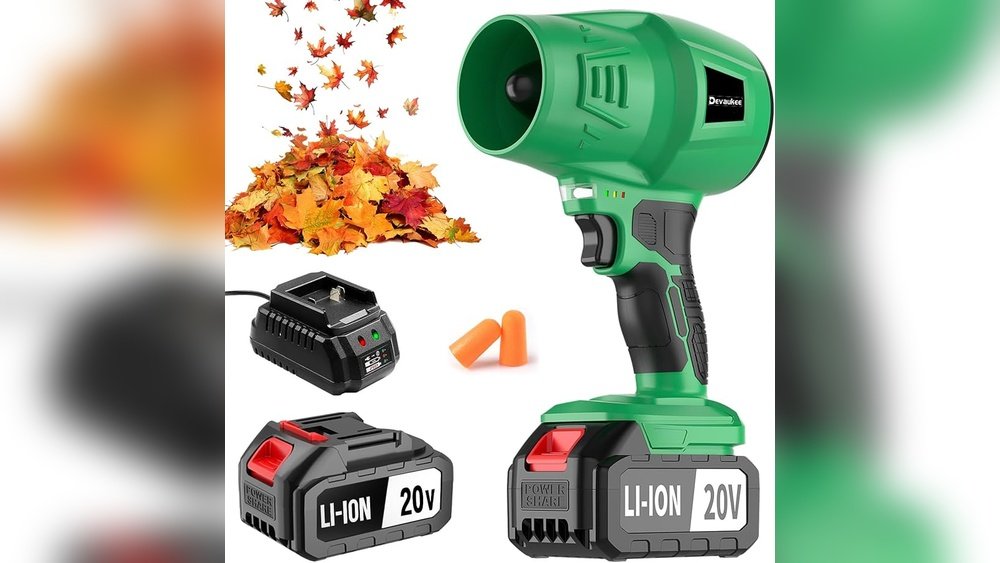
How to Maintain Mini Power Tools: Essential Tips for Longevity
You rely on your mini power tools to get precise jobs done quickly and efficiently. But have you ever stopped to think about how well you’re taking care of them?
Just like any valuable equipment, your tools need regular maintenance to keep running smoothly and avoid costly repairs. If you want your mini power tools to last longer, perform better, and always be ready when you need them, this guide is for you.
Keep reading, and you’ll discover simple, practical steps to maintain your tools like a pro—saving you time, money, and frustration in the long run.

Credit: www.amazon.com
Cleaning Mini Power Tools
Start by using a soft brush to remove dirt and debris from your mini power tools. Tiny particles can block vents and harm the motor. For sticky grime, apply a mild cleaning solution like soapy water or a specialized tool cleaner. Avoid harsh chemicals that can damage tool parts.
Use a damp cloth to wipe the surfaces gently. Never soak the tools in water. After cleaning, dry the tools thoroughly using a clean, dry cloth or air drying. Make sure no moisture stays inside the tool to prevent rust and corrosion.
Regular cleaning helps your tools work better and last longer. Remember to clean after every use to keep them in top shape.
Lubrication Practices
Choose lubricants based on your tool’s type and parts. Use light oils for small motors and grease for gears. Check the tool manual for recommended lubricants. Proper lubrication keeps parts moving smoothly and stops wear.
Lubricate mini power tools regularly but not too often. Some tools need oiling after every use, others monthly. Regular checks help spot dry spots or dirt buildup. Follow the schedule suggested by the manufacturer.
Avoid over-lubrication as it can attract dust and dirt. Too much oil or grease may cause parts to slip or clog. Apply just enough to cover moving parts lightly. Wipe off any excess lubricant to keep tools clean and working well.
Proper Storage Solutions
Moisture and humidity can damage mini power tools quickly. Store tools in a dry place to stop rust. Using silica gel packs or moisture absorbers helps keep the air dry inside storage boxes. Avoid basements or damp areas for storing tools.
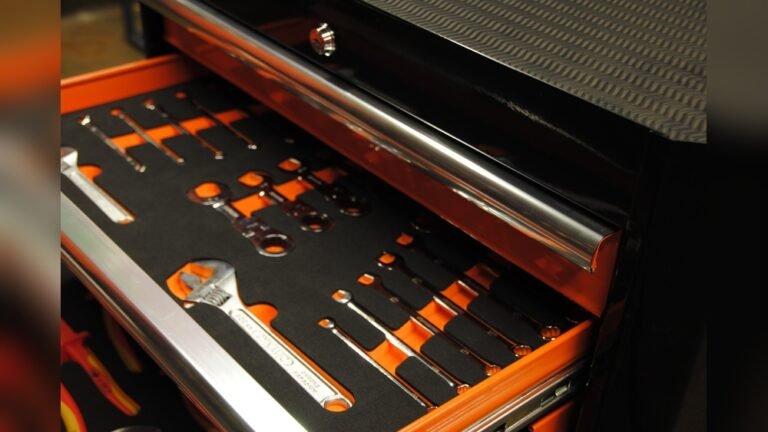
Organize tools neatly using toolboxes and cases. These keep tools safe and easy to find. Choose cases with compartments to hold each tool firmly. Label the cases for quick access. This reduces the chance of losing small parts.
Protect tools from dust and damage by covering them with cloth or plastic covers. Regularly clean the storage area to keep dust away. Avoid stacking heavy items on top of tools to prevent breaking or bending parts.
Routine Inspections
Regularly check mini power tools for any wear and tear. Look closely at cords, switches, and moving parts. Replace parts that look damaged or worn out. This helps avoid sudden tool failure and keeps you safe.
Test tool functions by running them briefly before work. Listen for strange noises or feel for unusual vibrations. These signs show something might be wrong inside. Fix problems early to keep tools working well.
Replace worn accessories like blades, bits, or sanding pads on time. Using sharp, new parts improves performance and prevents damage. Always use parts made for your specific tool model.
Safe Operation Tips
Always operate mini power tools within their design limits. Avoid pushing tools beyond their capacity to prevent damage and injury. Using the correct accessories ensures the tool works safely and effectively. Accessories made for other models can cause malfunction or accidents.
Prevent overheating by allowing the tool to rest during long jobs. Overheating can damage the motor and shorten the tool’s life. Keep vents clean and free from dust to help proper cooling. If the tool feels hot, stop and let it cool down before continuing.
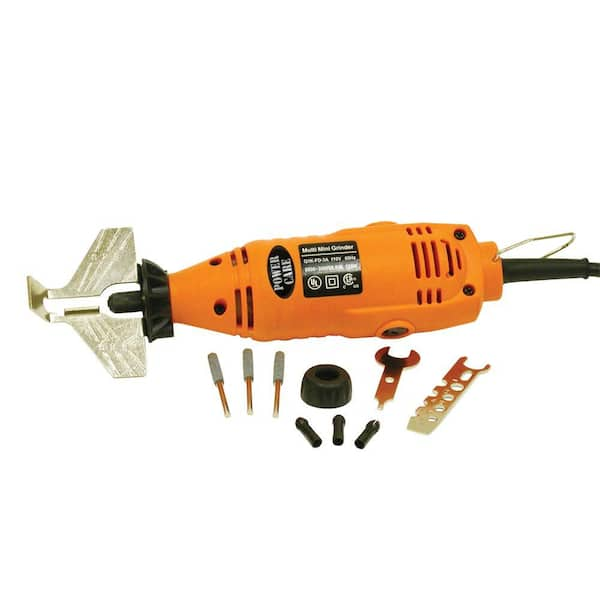
Credit: www.homedepot.com
Handling Repairs And Maintenance
Disassemble mini power tools only when they stop working properly or show signs of damage. Always use the correct tools to avoid breaking parts. Keep track of small pieces during disassembly to prevent loss. Clean internal components gently using a soft brush or compressed air to remove dust and debris. Avoid using water or harsh chemicals inside the tool to protect electrical parts.
Some parts, like brushes and bearings, may need regular checking and replacement. Lubricate moving parts lightly with recommended oil to keep them running smoothly. Avoid over-lubricating, as excess oil can attract dirt.
| Maintenance Task | Frequency | Notes |
|---|---|---|
| Disassemble for Repair | When tool malfunctions | Use proper tools and keep parts safe |
| Clean Internal Components | Every few uses | Use soft brush or compressed air |
| Professional Servicing | Once a year | For deep cleaning and complex repairs |
Professional servicing helps fix problems that are hard to spot. Experts can also replace worn parts safely. Regular checks extend your tool’s life and keep it safe to use.
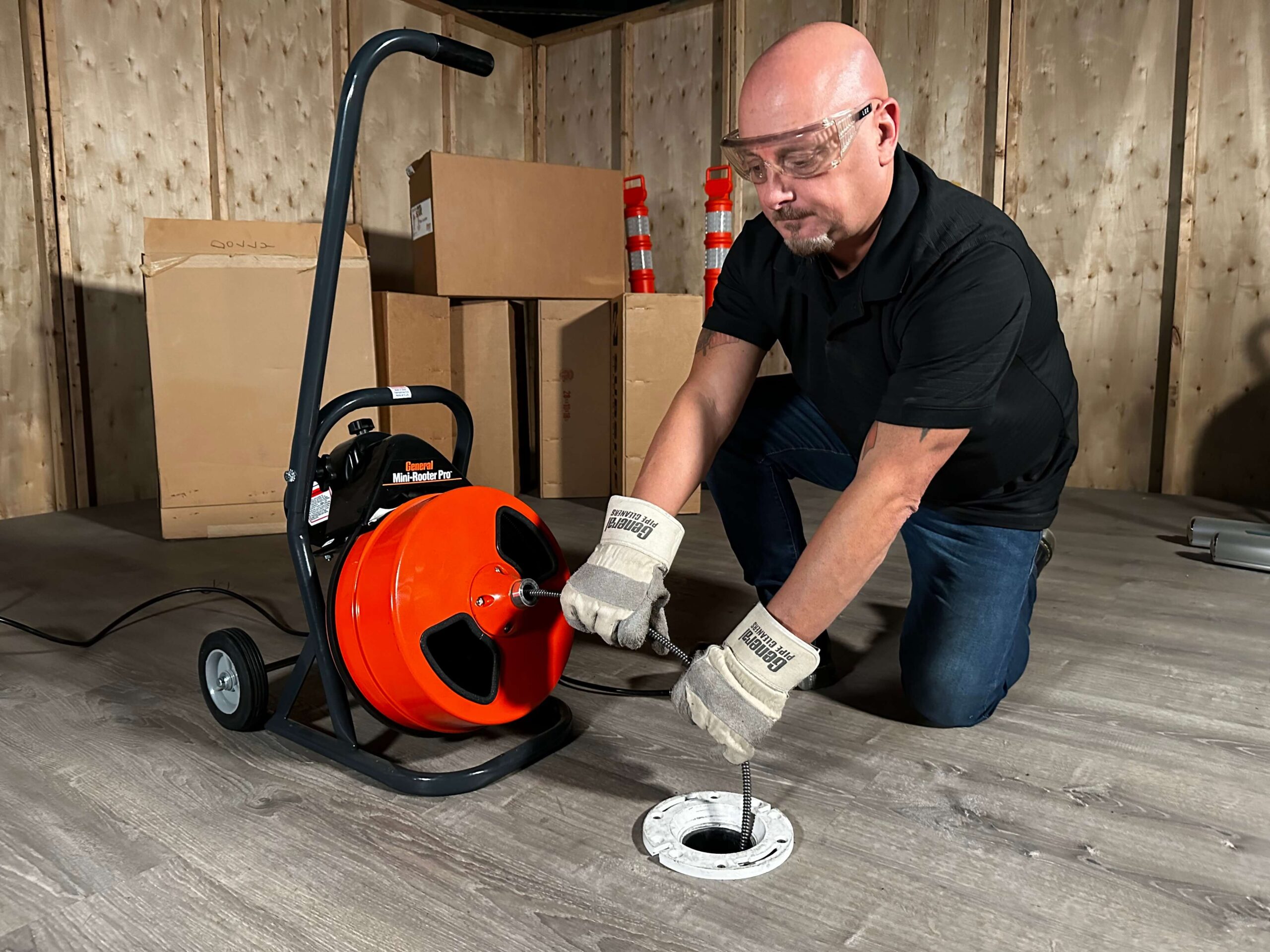
Credit: drainbrain.com
Frequently Asked Questions
Is Wd-40 Good For Cleaning Power Tools?
WD-40 cleans and protects power tools by removing grime and preventing rust. Use it sparingly to avoid residue buildup.
How To Maintain Small Hand Tools?
Clean small hand tools after each use with a brush and dry them thoroughly. Apply a thin oil layer to prevent rust. Store tools in a dry place, avoiding moisture. Regularly check for damage and replace worn parts. Keep tools organized to avoid unnecessary wear.
How Do You Maintain Power Tools?
Clean power tools after use, lubricate moving parts regularly, store in dry conditions, inspect for damage, and replace worn accessories promptly.
How Often Should Tools Be Oiled?
Oil tools after every use or at least once a month to prevent rust and ensure smooth operation. Follow manufacturer guidelines for specific tools.
Conclusion
Proper care keeps mini power tools working well and safe to use. Clean tools after each use to avoid dirt buildup. Lubricate moving parts regularly to prevent wear and tear. Store tools in a dry, cool place to stop rust and damage.
Replace worn parts quickly to maintain tool performance. Small efforts save money and extend tool life. Keep tools ready for any job by staying consistent with maintenance. Simple steps make your mini power tools last longer and work better every time.