Disclosure

Tools for mixing concrete

Concrete gets its strength from the ratio of water to cement, and nothing else you do afterwards recovers strength lost to a sloppy mix. Every extra litre of water beyond what the cement needs to hydrate leaves a void when it evaporates. All 31 tools here are grouped by batch size, then by the gauging and handling kit that makes each batch the same as the last.

17 are marked essential: enough to mix consistently and move it before it stiffens.

Part of the full concrete tools list, 78 tools in 7 groups.

Mixers 7

Sized to the batch. Above a few cubic metres a delivery beats any of these.

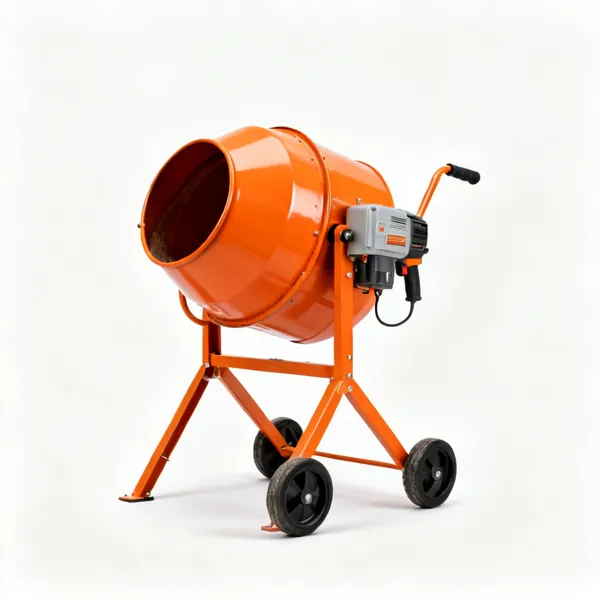
  • Drum mixer: An orange electric drum cement mixer on a wheeled stand with a tilting drumEssential

    Drum mixer

    A tilting rotating drum with internal blades that tumble the mix. The standard for continuous batching over a day, and it needs constant loading.

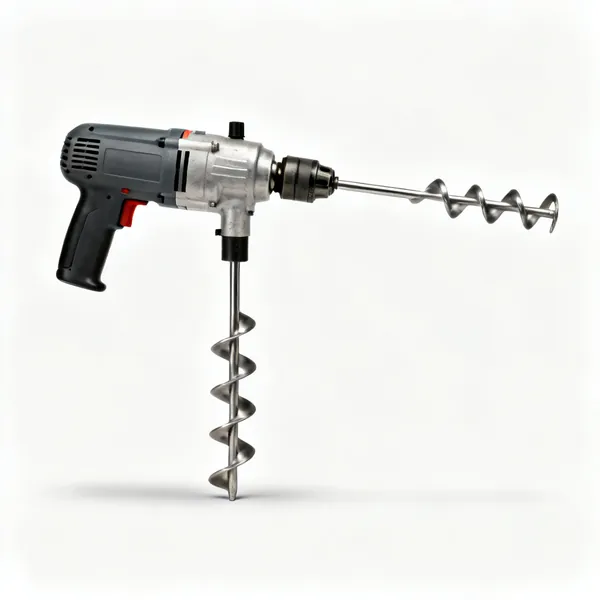
  • A heavy duty paddle mixer drill with a helical mixing paddle attachedEssential

    Paddle mixer

    A large helical paddle on a low speed high torque drill, mixing in a tub. Better than a drum on small batches because it forces material rather than tumbling it.

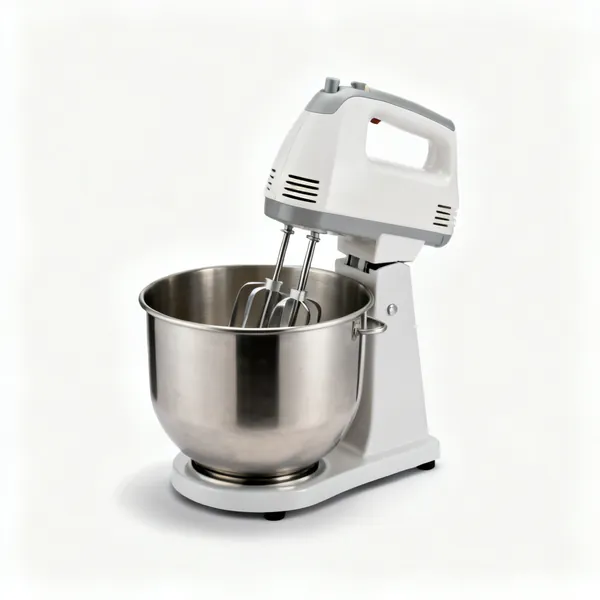
  • Forced action mixer: A forced action pan mixer with a fixed drum and internal rotating paddles

    Forced action mixer

    A fixed pan with rotating blades that scrape it, mixing stiff material a drum cannot. What screed and resin bound work needs.

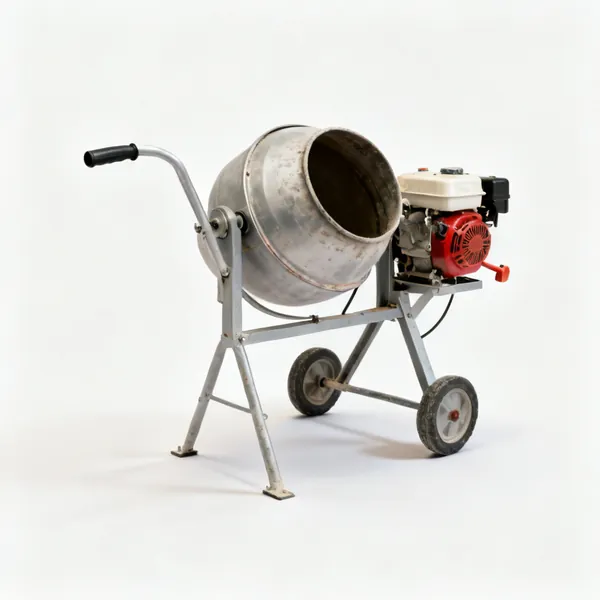
  • Petrol mixer: A petrol engine cement mixer with a drum and a pull start engine

    Petrol mixer

    The same drum with an engine, for sites with no power. Louder, heavier and it will not trip an extension lead halfway through a batch.

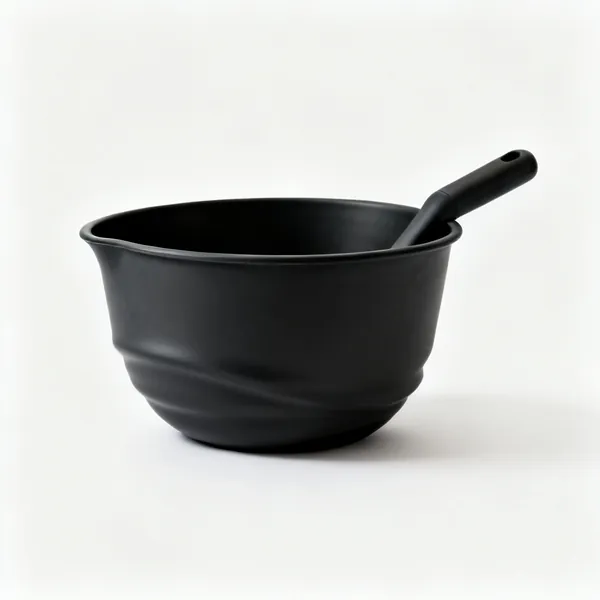
  • A large black flexible rubber mixing tubEssential

    Mixing tub

    A large flexible tub for hand or paddle mixing. Flexible so cured residue can be flexed out, which is what kills rigid tubs after a few uses.

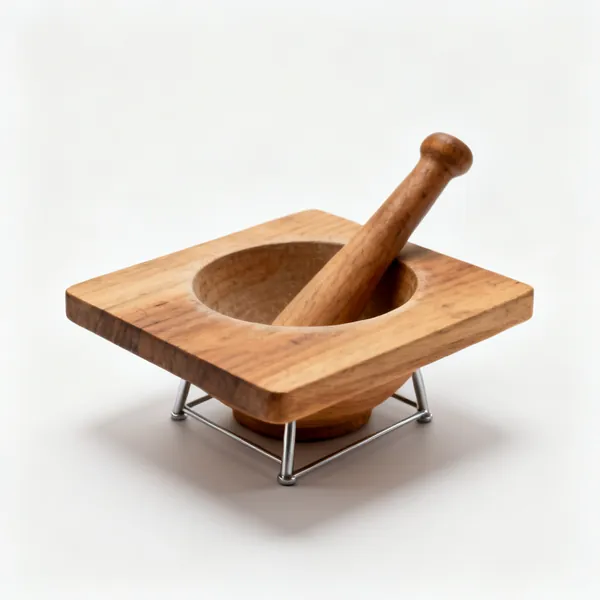
  • A square wooden mortar spot board on a low metal stand

    Spot board

    A flat board on a stand holding a working amount of mortar at working height. Bending to a barrow all day is why bricklayers use one.

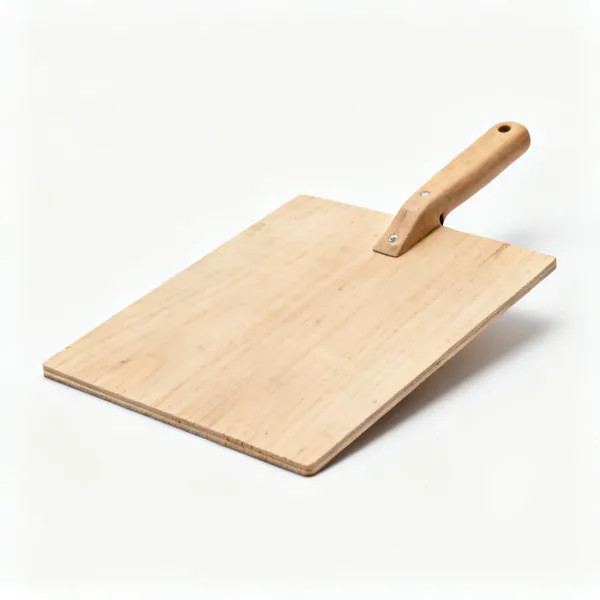
  • A large flat plywood mixing banker board

    Banker board

    A flat sheet to mix small quantities on by hand with a shovel, which is how mortar was mixed before mixers. Free, and it takes real effort.

Gauging and measuring 8

The group that makes batch two identical to batch one, which is most of what consistency means.

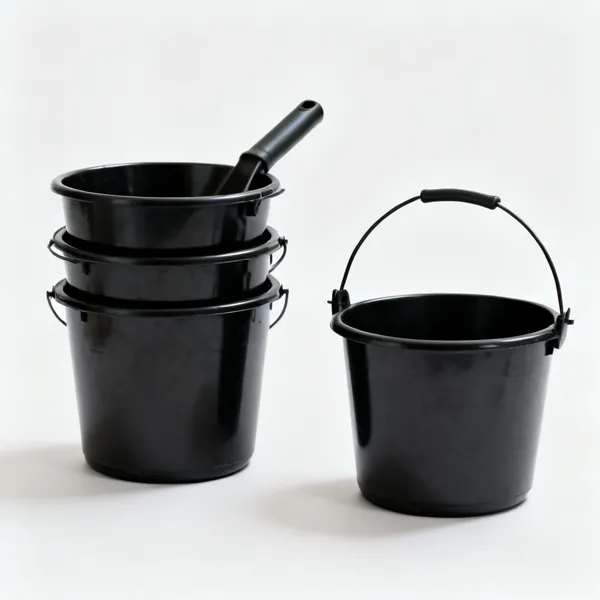
  • Three identical black plastic gauging buckets stacked and one uprightEssential

    Gauging buckets

    Identical buckets used as the unit for every ingredient, so the ratio is actually the ratio. A shovel varies with how wet the material is.

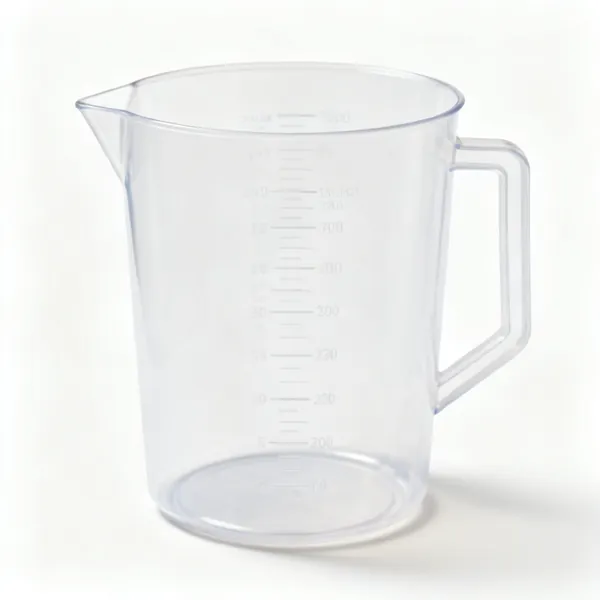
  • A large plastic measuring jug with printed graduationsEssential

    Measuring jug

    Water measured rather than run in from a hose. Since water content sets strength, this is the one ingredient that most needs a number.

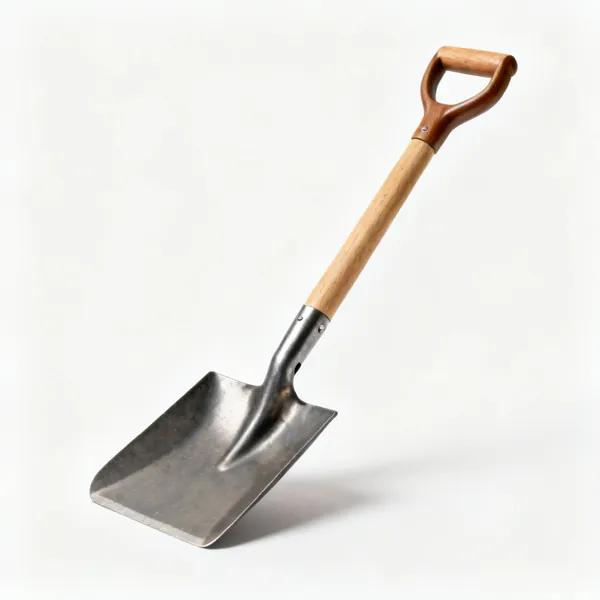
  • A square mouth steel shovel with a wooden handle and a D gripEssential

    Shovel

    A square mouth shovel for loading a mixer and turning a hand mix. Used for moving material rather than as a unit of measure.

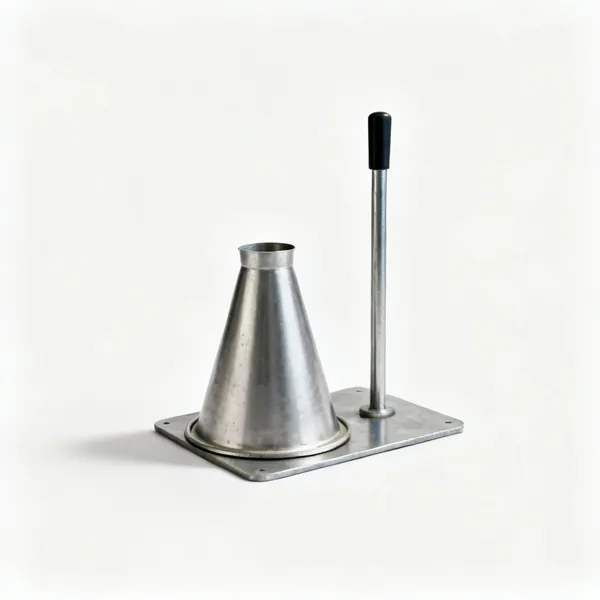
  • Slump cone: A metal concrete slump test cone with a base plate and a tamping rod

    Slump cone

    Measures workability as a number by how far a filled cone of concrete slumps when lifted. What turns looks about right into a documented consistency.

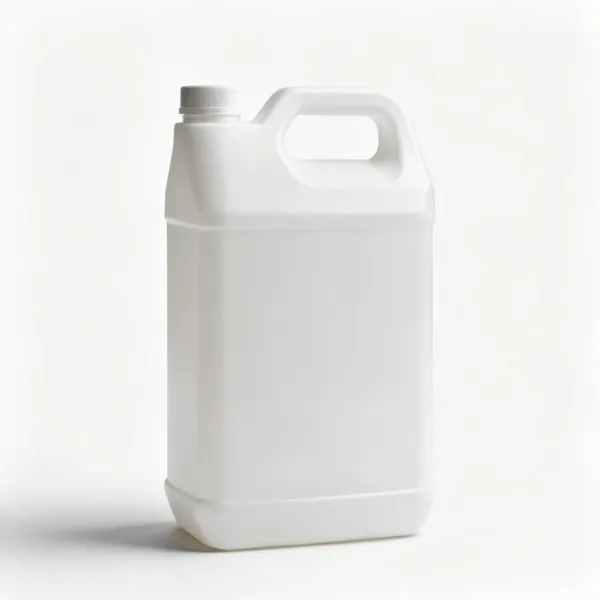
  • A plastic bottle of concrete plasticiser admixtureEssential

    Plasticiser

    Improves workability chemically at the same water content, which is the correct answer to a stiff mix. Mortar plasticiser also entrains air for frost resistance.

  • Waterproofer: A plastic bottle of concrete waterproofing admixture

    Waterproofer

    An admixture reducing permeability, for a mix below ground or in contact with water. It reduces water passage rather than making concrete waterproof.

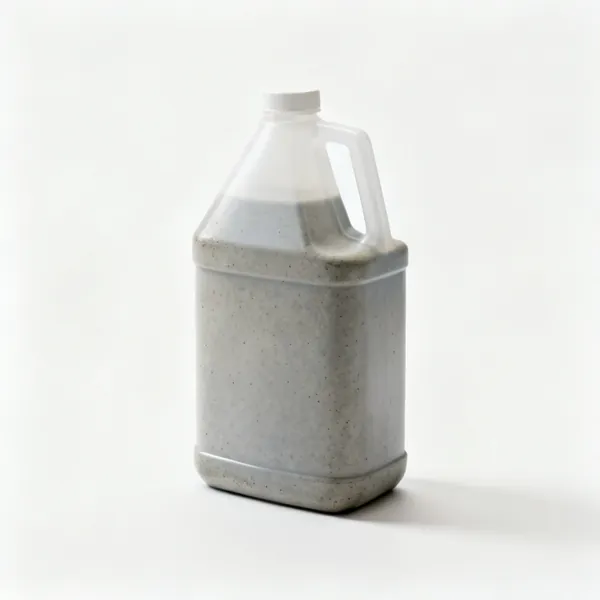
  • A plastic bottle of concrete frostproofer accelerator admixture

    Frostproofer

    Accelerates the set so the concrete gains strength before it can freeze. Concrete that freezes before it sets is permanently damaged, not just delayed.

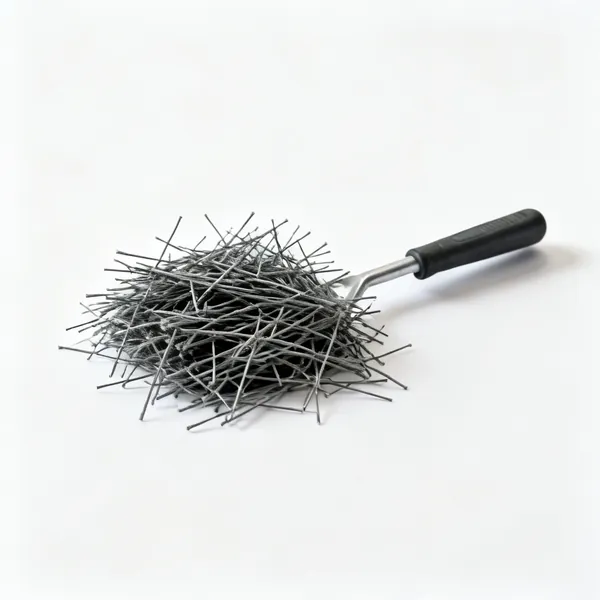
  • A handful of loose polypropylene concrete reinforcing fibres

    Reinforcing fibres

    Polypropylene fibres mixed in to control shrinkage cracking in a slab. Not a substitute for steel reinforcement, which does a different job.

Moving and placing 8

Concrete stiffens from the moment it is mixed, so everything here is about speed.

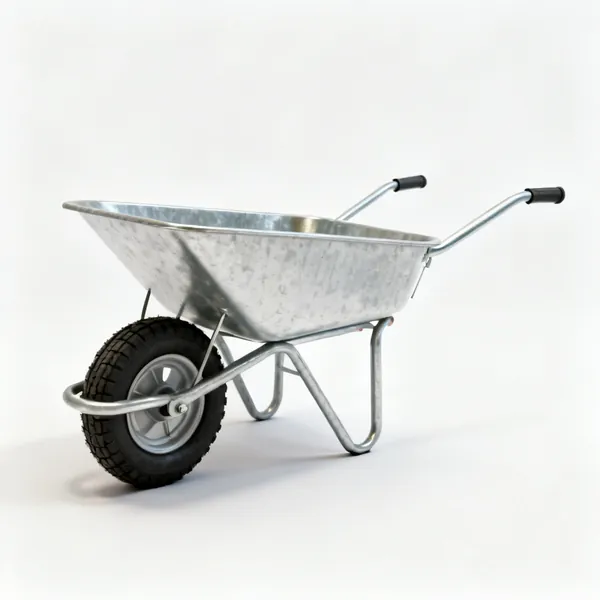
  • A metal builder's wheelbarrow with a pneumatic tyreEssential

    Wheelbarrow

    A builder's barrow with a pneumatic tyre. A cubic metre is about fourteen loads, which is the calculation people should do before mixing by hand.

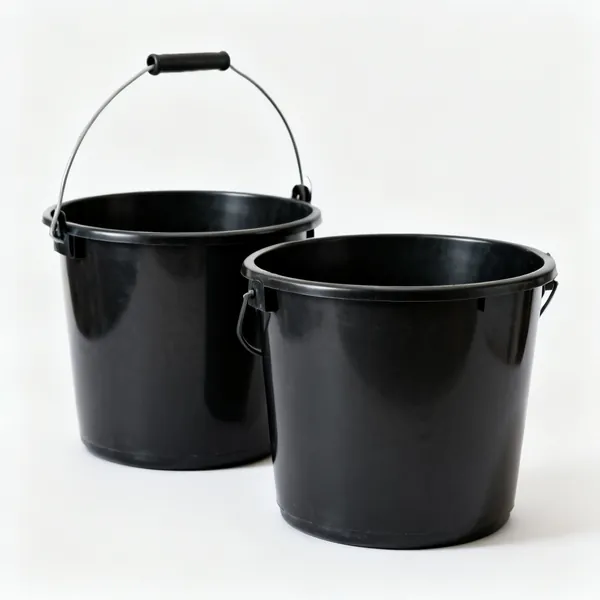
  • Heavy duty buckets: Two heavy duty black plastic builder's bucketsEssential

    Heavy duty buckets

    For placing into a narrow trench or footing where a barrow cannot tip. Also how concrete gets somewhere a barrow cannot go at all.

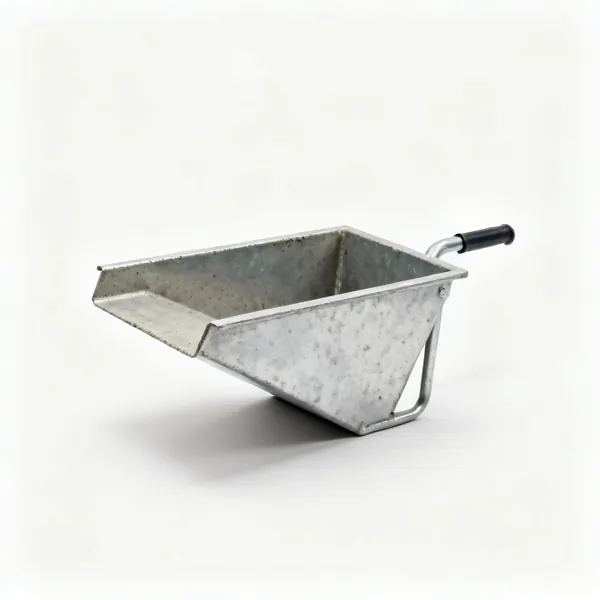
  • A metal concrete placement chute section with side walls

    Chute

    A sloped trough directing concrete from a mixer or a truck into a footing without a barrow. Speed matters most on a delivered load.

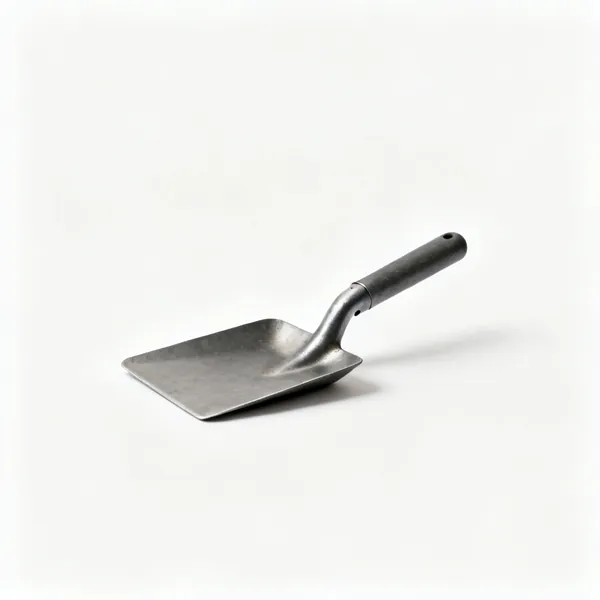
  • A flat square placing shovel with a short handle

    Placing shovel

    A flat square shovel for moving concrete around within a pour and working it into corners, which a round mouth shovel does badly.

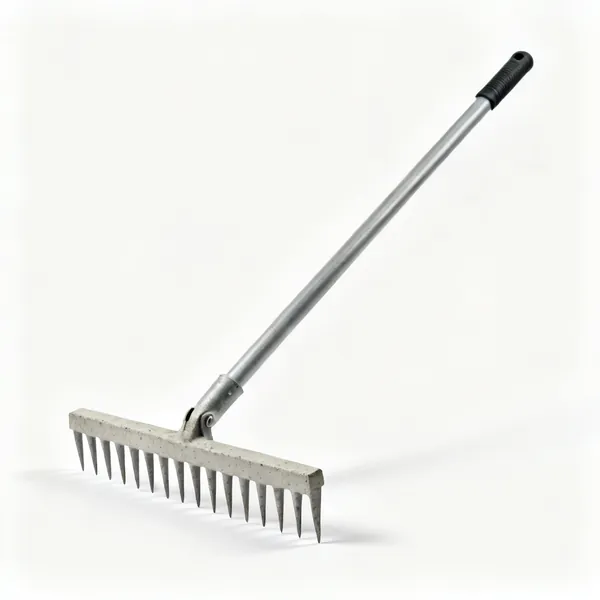
  • Concrete rake: A wide toothed concrete placing rake with a long handle

    Concrete rake

    A wide toothed head for spreading concrete to a rough level before screeding. Pulling rather than shovelling, which is far less work over a slab.

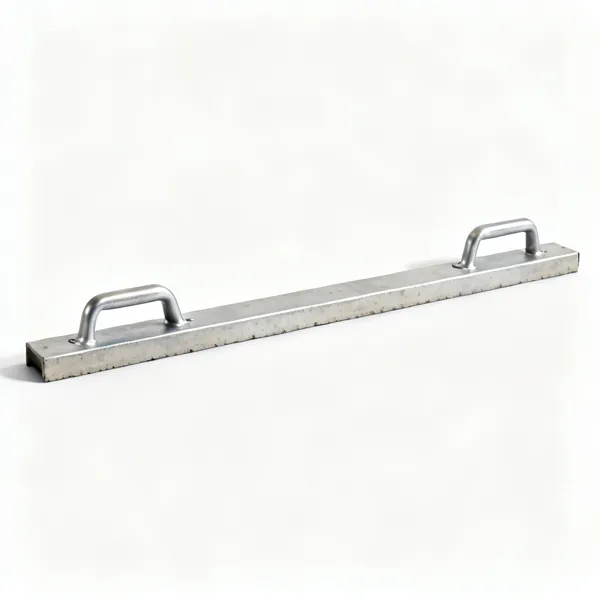
  • A long aluminium concrete tamping beam with two handles

    Tamping beam

    A straight timber or alloy beam worked across the pour, levelling and compacting at once. The traditional finish for a slab or a path.

  • Stiff brush: A stiff bristled long handled yard brushEssential

    Stiff brush

    For washing the mixer out before the next batch, because cured concrete in a drum reduces its capacity permanently and unbalances it.

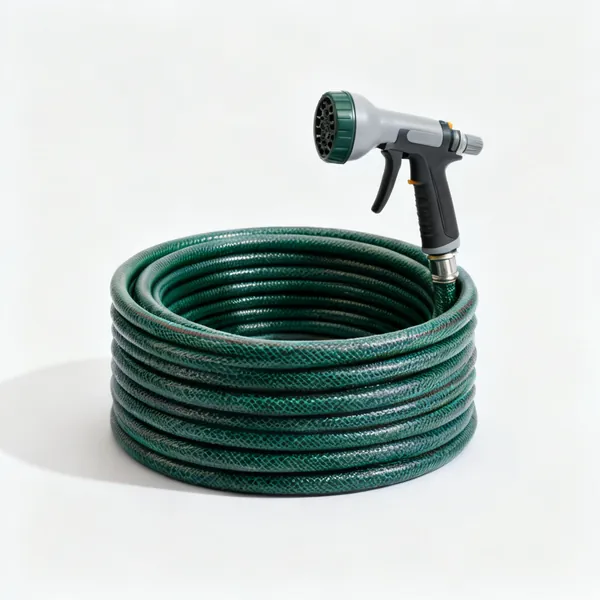
  • A coiled garden hose with a spray nozzleEssential

    Hose

    Washing tools and the mixer immediately after use. Concrete left on a tool for an hour comes off with a chisel rather than water.

Protection 8

Wet cement burns and dry cement dust sensitises. Both are underestimated because neither hurts immediately.

  • Waterproof gloves: A pair of blue nitrile coated waterproof gauntlet work glovesEssential

    Waterproof gloves

    Nitrile coated gauntlets, because wet cement is alkaline enough to burn and it soaks straight through fabric gloves onto skin.

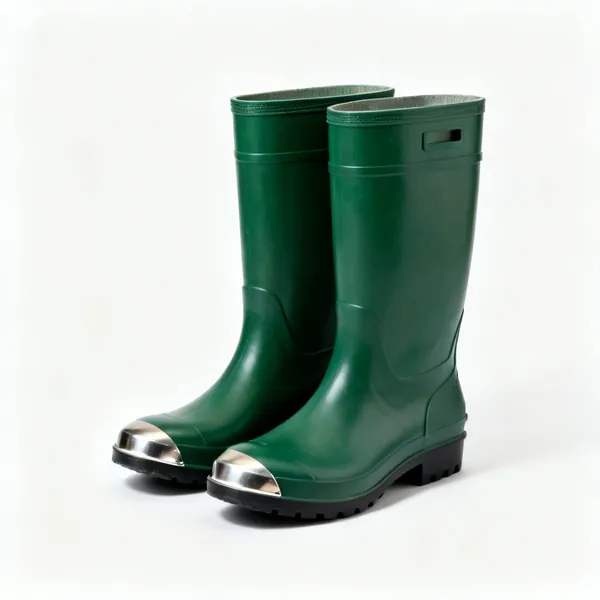
  • Safety wellingtons: A pair of green safety wellington boots with steel toecapsEssential

    Safety wellingtons

    Steel toe and midsole in a waterproof boot. Standing in wet concrete in leather boots burns feet, and the boots are then finished too.

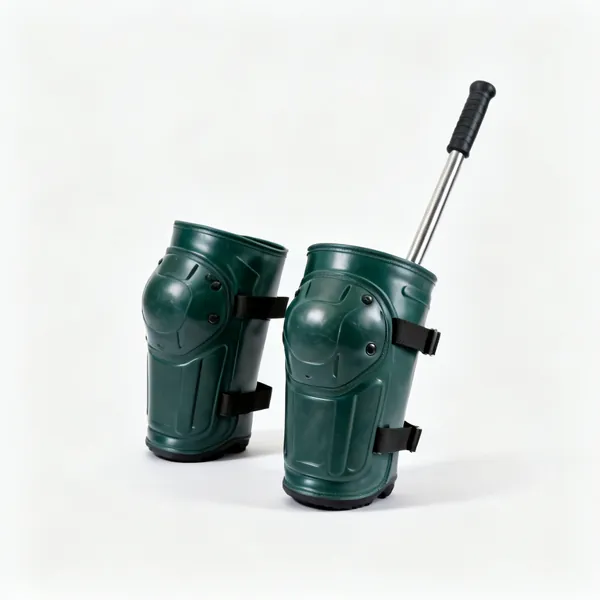
  • Waterproof knee pads: A pair of waterproof rubber work knee pads with strapsEssential

    Waterproof knee pads

    Kneeling in wet concrete in ordinary trousers is a classic route to a serious chemical burn, because denim holds it against the skin.

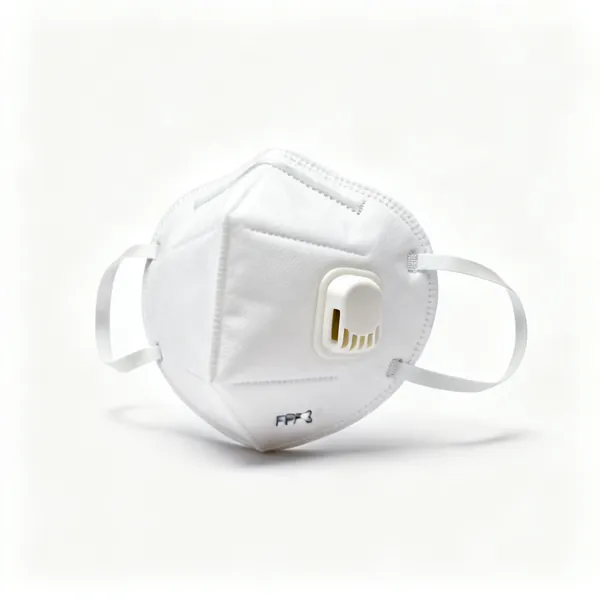
  • A white FFP3 respirator dust mask with two straps and a nose clipEssential

    Dust mask

    Emptying a cement bag releases a cloud of alkaline dust that irritates airways and sensitises skin. FFP3, and fitted so it seals.

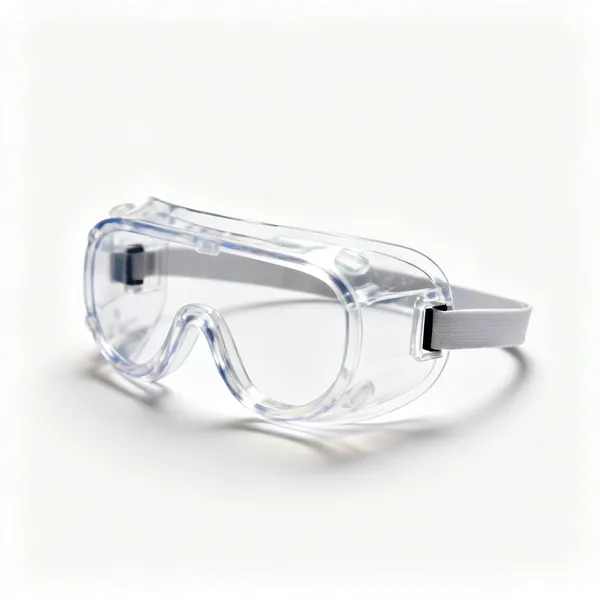
  • A pair of sealed clear safety goggles with a headbandEssential

    Goggles

    Sealed, because cement in an eye is a chemical burn where seconds of irrigation decide the outcome. Splashes come off a mixer paddle readily.

  • Barrier cream: A tube of skin barrier protection cream

    Barrier cream

    Applied before and washed off after. Cement dermatitis is a permanent sensitisation once it develops, so prevention is the only version that works.

  • Two sterile eye wash saline bottles with eye cupsEssential

    Eye wash

    Sterile saline pods on site rather than in a van. Cement in an eye needs irrigation immediately, not after a walk back to find something.

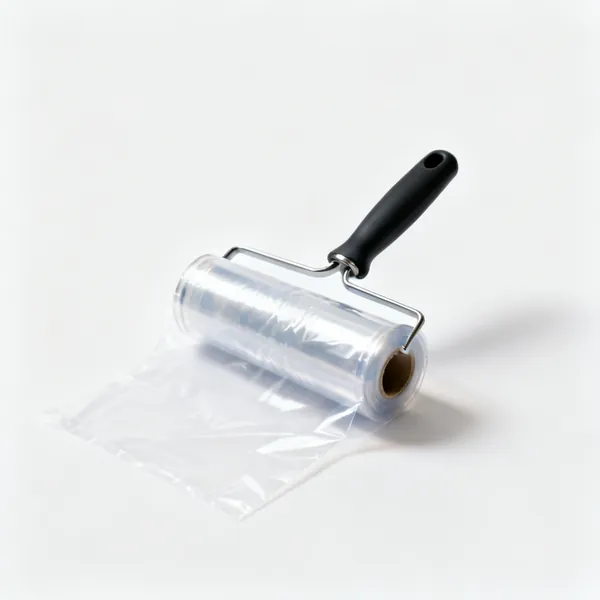
  • A roll of clear polythene sheeting partly unrolled

    Polythene sheet

    Covers a fresh pour so it cures slowly rather than drying out, which is what causes surface crazing and a weak top few millimetres.

Choosing mixing concrete tools

The list above is what exists. This is how to decide which of it you actually need, what separates a tool worth keeping from one that ends up at the back of a drawer.

Water is the whole strength question

Cement needs a specific amount of water to hydrate and cure. Any beyond that stays as free water, evaporates, and leaves voids. That is why a wet sloppy mix is markedly weaker than a stiff one made from the same materials.

Adding water because the mix is hard to work is the commonest way concrete ends up weak. The correct answer is a plasticiser, which improves workability without adding water, or accepting that a stiff mix takes more effort to place.

Only what hydrates
Extra water evaporates and leaves voids. Those voids are the lost strength.
Never add water for workability
Use a plasticiser instead. This is the single commonest cause of weak concrete.
Measure it
By bucket, not by eye or by hose. Consistency between batches matters as much as the ratio.
Allow for wet aggregate
Damp sand already carries water. Rain overnight changes the mix you need to add.

Ratios by volume, batched consistently

General concrete is roughly 1 part cement to 2 sand to 4 aggregate by volume. A stronger mix for a slab is 1 to 1.5 to 3. Mortar is 1 cement to 4 or 5 building sand, often with plasticiser or lime.

The critical thing is measuring by the same container every time. A shovel is not a unit: a shovel of dry sand and a shovel of wet ballast are different volumes, which is why batch to batch colour and strength vary when people gauge by shovel.

1:2:4 general, 1:1.5:3 stronger
Cement to sand to aggregate by volume. Ballast replaces the last two at roughly 1:5.
Gauge by bucket
A shovel is not a unit. Dry sand and wet ballast fill one differently.
Mortar is 1:4 or 1:5
Cement to building sand, with plasticiser or lime for workability.
Same batch, same everything
Colour variation between batches on exposed work is permanent and very visible.

Getting a proper mix

In a drum mixer, put in some water first, then aggregate, then cement, then the rest of the water, and let it turn for at least a couple of minutes after everything is in. Adding cement to a dry drum makes it ball up against the sides.

Under mixing is common and hard to see. A properly mixed batch is uniform in colour with no dry pockets and no streaks of cement, and it takes longer than it appears to. Stopping when it looks mixed usually means stopping too soon.

Water, aggregate, cement, water
Cement into a dry drum balls up against the sides and never disperses.
Mix for minutes, not seconds
At least two after everything is in. It looks done well before it is.
Uniform colour, no streaks
That is the test. Cement streaks mean it is not mixed through.
Do not overload the drum
An overfull drum tumbles rather than mixes, so nothing folds into the middle.

Choosing how to mix it

Under about a barrow, mix in a tub with a shovel or a paddle on a drill. Up to a few cubic metres over a day, a drum mixer. Beyond that, ready mixed delivered is cheaper, stronger and vastly less work, and it arrives with a documented mix.

The threshold most people get wrong is upward. Mixing three cubic metres by hand is roughly forty barrows and a full day of two people, and the result is less consistent than one delivery.

Under a barrow, tub and paddle
A forced action paddle in a tub mixes small batches better than a drum does.
Up to a few cubic metres, drum mixer
Continuous batching over a day, and it needs someone loading constantly.
Above that, order it in
Cheaper, stronger, documented. The threshold is lower than people assume.
Count the barrows honestly
A cubic metre is about fourteen barrow loads, each of which has to be moved.

Cement burns and cement dust

Wet cement is strongly alkaline and causes chemical burns, which develop slowly enough that people do not notice until real damage is done. Kneeling in wet concrete in ordinary trousers is a classic way to get a serious burn.

Dry cement dust is a respiratory irritant and a sensitiser: cement dermatitis, once developed, is permanent. So gloves, waterproof boots, long sleeves and a mask when handling dry bags, and washing off immediately rather than at the end of the day.

Wet cement burns
Alkaline, and slow enough that you notice after the damage. Not just an irritation.
Never kneel in it
Waterproof trousers and knee pads. Wet concrete goes straight through denim.
Wash off immediately
Not at the end of the day. Exposure time is what determines the burn.
Dermatitis is permanent
Cement sensitisation does not go away. Barrier cream and gloves from the start.

Frequently asked questions

What tools do I need for mixing concrete?
A mixing tub or a drum mixer, a shovel, gauging buckets so the ratio is consistent, a wheelbarrow and water. Add a paddle mixer on a drill for small batches and a plasticiser for workability, since adding water instead weakens the mix.
What is the correct concrete mix ratio?
Roughly 1 part cement to 2 sand to 4 aggregate by volume for general work, or 1 to 1.5 to 3 for a stronger slab. With combined ballast it is about 1 to 5. Measure by the same bucket every time, since a shovel is not a consistent unit.
Why does adding water weaken concrete?
Cement needs a specific amount of water to hydrate. Anything beyond that stays as free water, evaporates as the concrete cures, and leaves voids behind. Those voids are lost strength, which is why a sloppy mix is markedly weaker than a stiff one.
How do I make concrete easier to work without adding water?
Use a plasticiser, which improves workability chemically at the same water content. That is exactly what it exists for. The alternative is accepting that a stiff mix takes more effort to place and compact, which is a fair trade for the strength.
In what order should you add materials to a cement mixer?
Some water first, then the aggregate, then the cement, then the remaining water. Putting cement into a dry drum makes it ball up against the sides and it never disperses properly. Then let it turn for at least two minutes after everything is in.
How long should you mix concrete for?
At least two minutes after the last material goes in, and longer for a larger batch. Under mixing is common because a batch looks mixed well before it is. The test is uniform colour throughout with no dry pockets and no streaks of cement.
When is it worth ordering ready mixed concrete?
Above roughly a cubic metre or two, and the threshold is lower than most people assume. A cubic metre is about fourteen barrow loads, so three cubic metres mixed by hand is a full day for two people and a less consistent result than one delivery.
Is wet cement dangerous to skin?
Yes. It is strongly alkaline and causes chemical burns that develop slowly enough that people do not notice until real damage is done. Kneeling in wet concrete is a common cause. Wash it off immediately rather than at the end of the day.