Disclosure

Tools for rebar

Concrete is strong in compression and nearly useless in tension, so steel takes the tension. That only works if the steel is in the right place, has enough concrete around it, and is lapped far enough to transfer load. All 32 tools here are grouped as cutting, bending, fixing and positioning, with the positioning group being the one that decides whether the reinforcement works at all.

16 are marked essential: enough to cut, bend, tie and position steel correctly.

Part of the full concrete tools list, 78 tools in 7 groups.

Cutting 7

Sized to the bar diameter and the number of cuts. Hand tools stop being viable quickly.

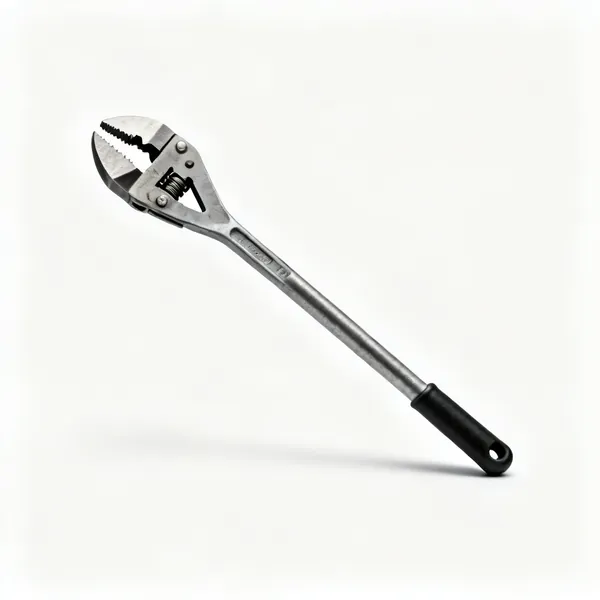
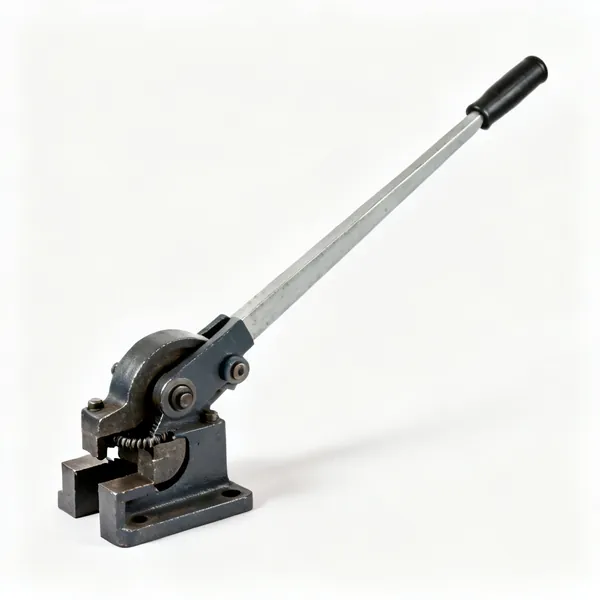
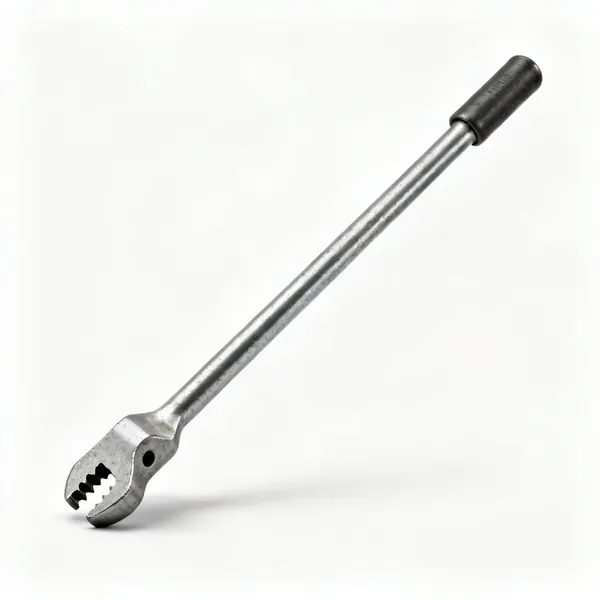
  • A long handled manual rebar cutter with hardened steel jawsEssential

    Manual rebar cutter

    Long handled shears with hardened jaws that shear a bar cleanly. Rated to a bar diameter, and forcing a larger one damages the jaws.

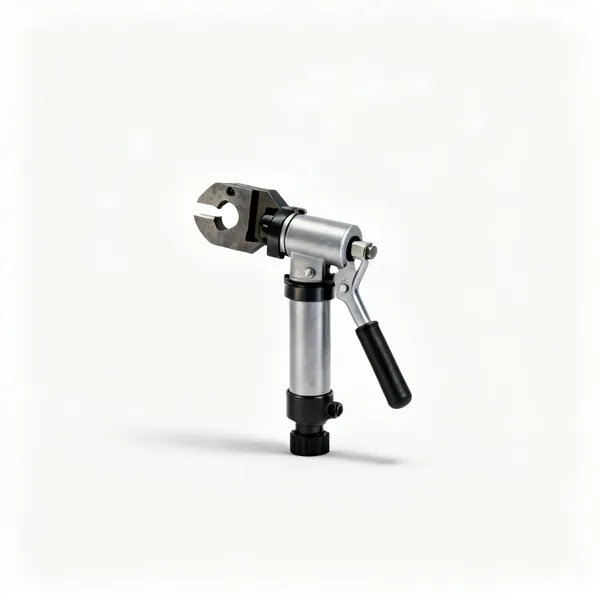
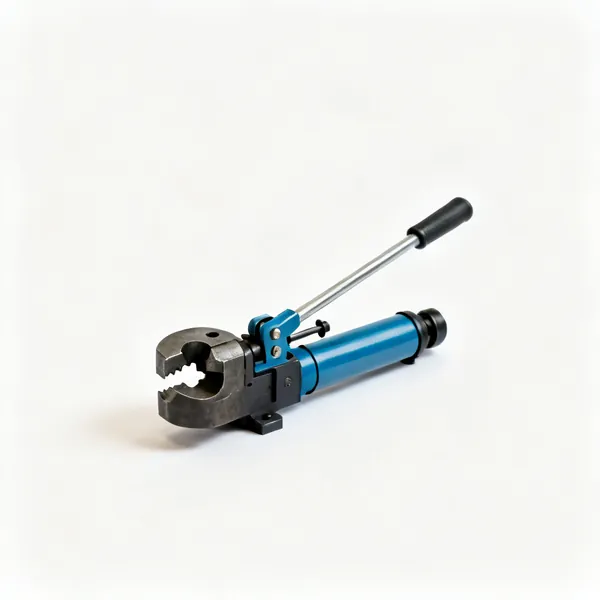
  • Hydraulic cutter: A handheld hydraulic rebar cutter with a pump handle and a cutting head

    Hydraulic cutter

    A hand pump multiplying force for larger bar, where manual shears simply will not close. Slow per cut and it needs no power.

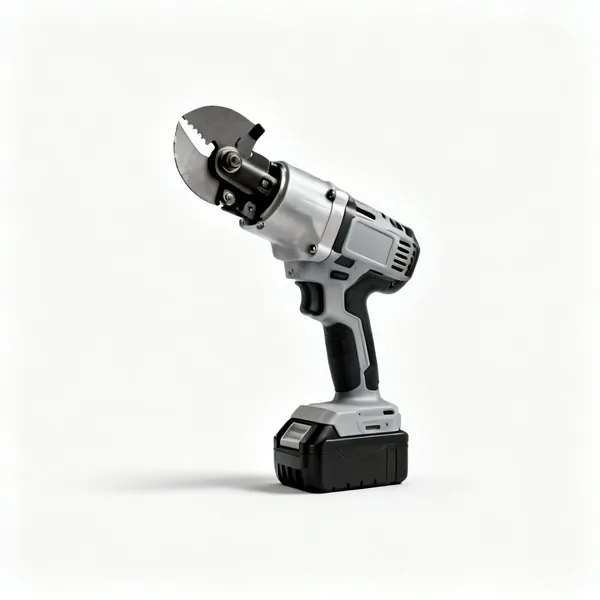
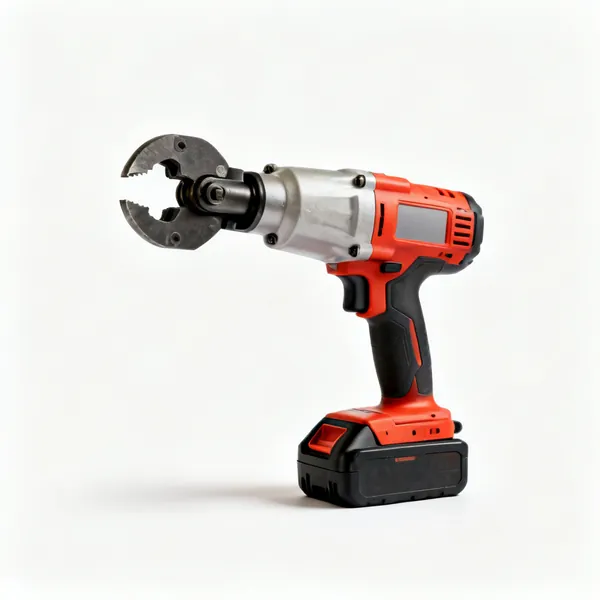
  • Cordless rebar cutter: A cordless electric rebar cutter with a cutting head and a battery

    Cordless rebar cutter

    Shears a bar in a couple of seconds with no swarf, no sparks and no dust. Expensive, and the only sensible choice for volume work.

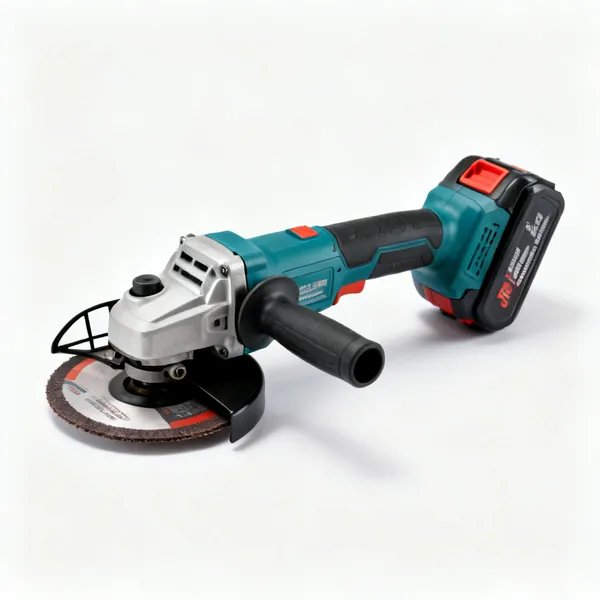
  • Angle grinder: A guard and a batteryEssential

    Angle grinder

    Cuts any bar with an abrasive disc, and it produces sparks, dust and a hot end. The tool most people already own, and the least pleasant option.

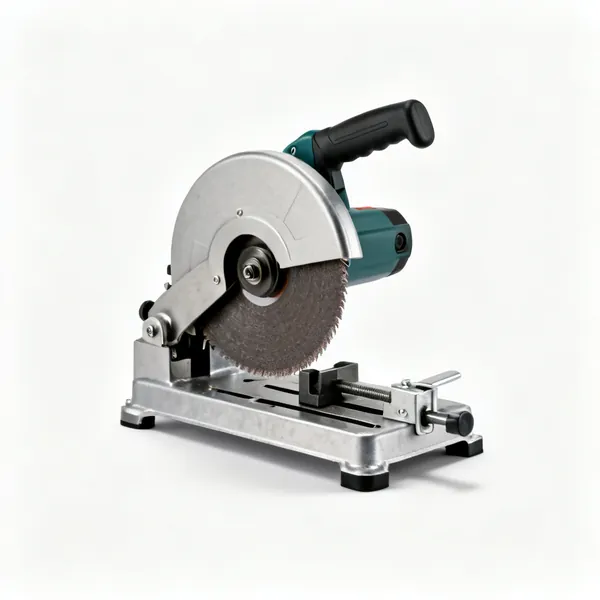
  • Metal chop saw: A metal cutting chop saw with an abrasive disc and a clamping vice

    Metal chop saw

    An abrasive or metal cutting blade on a mitre frame, so repeated cuts come out the same length. What makes a schedule of cut bars practical.

  • A pair of long handled bolt cutters with hardened jaws

    Bolt cutters

    Adequate for light mesh and small diameter bar, and they will not touch structural rebar. Quiet and dust free where they do work.

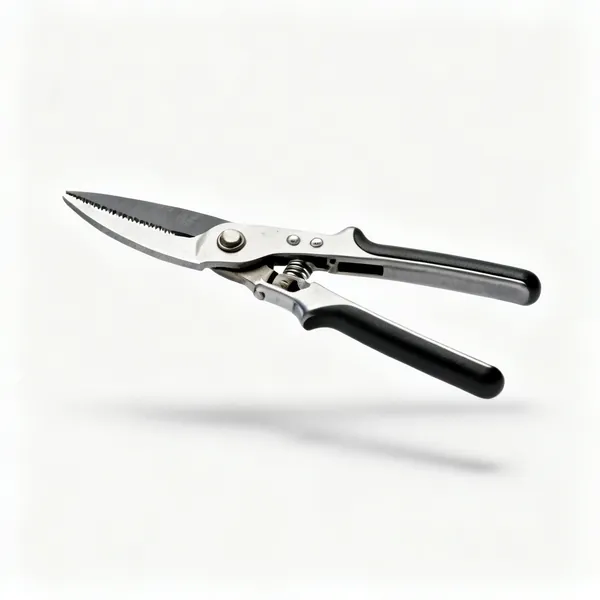
  • Mesh cutters: A pair of compound leverage mesh cutting shears

    Mesh cutters

    Compound leverage shears sized for reinforcing mesh, which is thinner than bar and awkward to cut with anything designed for a single rod.

Bending 7

Cold, around a former of the specified radius, and to a schedule rather than by eye.

  • A manual rebar bender with a long lever arm and a bending formerEssential

    Manual rebar bender

    A pin and a lever arm bending the bar around a former. Simple, and the radius depends on which former is fitted rather than how hard you pull.

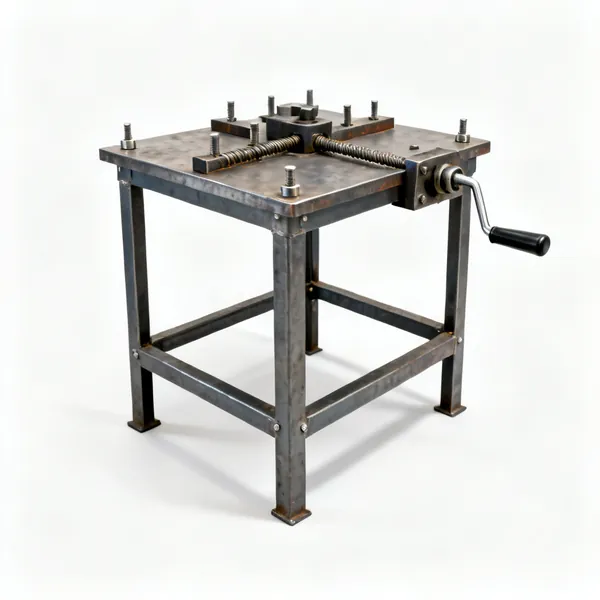
  • A steel rebar bending table with locating pins and adjustable stops

    Bending table

    A steel bench with pins and stops, so a repeated shape comes out identical every time. What makes a schedule of stirrups possible by hand.

  • Hydraulic bender: A hydraulic rebar bender with a pump handle and a bending die

    Hydraulic bender

    Bends larger diameter bar where a lever needs more force than one person has. Also gives a repeatable angle from a set stop.

  • Cordless bender: A cordless electric rebar bender with a bending head and a battery

    Cordless bender

    Bends to a set angle on a trigger, so a hundred stirrups come out identical without a hundred pulls on a lever.

  • A steel hickey bar rebar bending lever with a slotted end

    Hickey bar

    A slotted lever slid over a bar in place, for adjusting a bend or straightening a starter bar slightly. Not for making a specified bend.

  • Bending formers: Three steel rebar bending former pins of different diametersEssential

    Bending formers

    The pins that set the bend radius. Too tight a radius cracks the outside of the bend, which is why the size is specified rather than chosen.

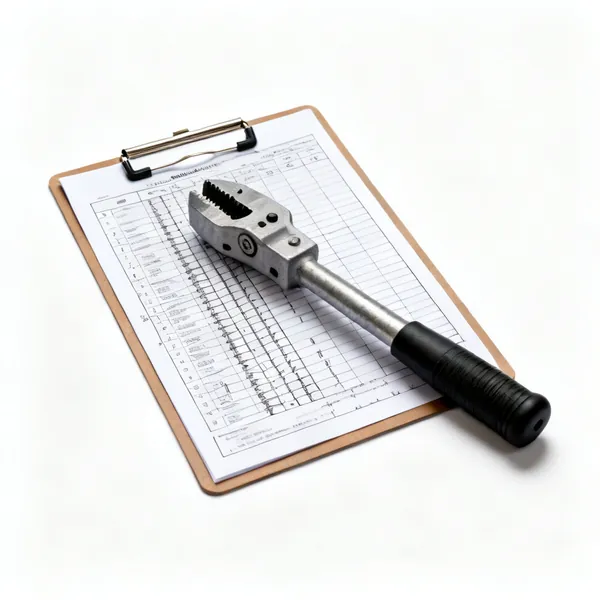
  • A printed rebar bending schedule drawing on a clipboardEssential

    Bending schedule

    The drawing listing every bar's shape, dimensions and count. Bars are cut and bent to it rather than to what looks right in the trench.

Tying and fixing 8

Holding the cage still while concrete is placed and vibrated. Hundreds of ties per pour.

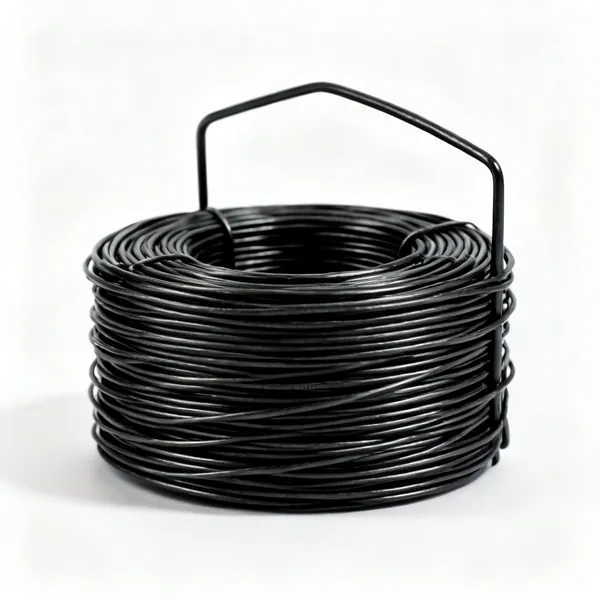
  • A coil of black annealed steel rebar tie wireEssential

    Tie wire

    Soft annealed steel wire that twists tightly and does not spring back. Sold in coils and as pre cut looped ties for speed.

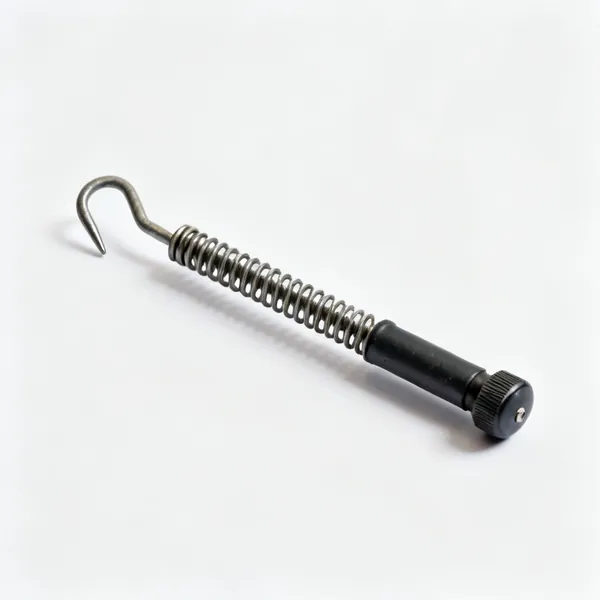
  • A spring loaded rebar tie twister tool with a hooked end and a knob handleEssential

    Tie twister

    A spring loaded hook that twists a tie in one pull. The cheap tool that makes hundreds of ties possible without destroying a wrist.

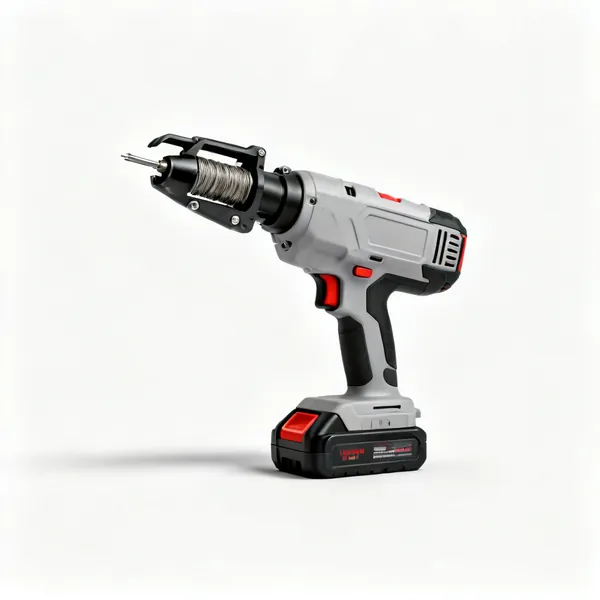
  • Cordless rebar tier: A cordless rebar tying tool with a wire cartridge and a battery

    Cordless rebar tier

    Feeds, wraps and twists a tie in under a second. Expensive, and on a large mat it is the difference between hours and a day.

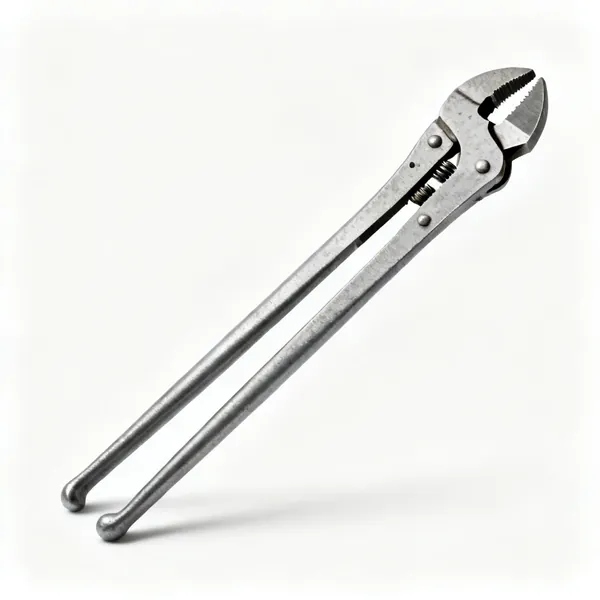
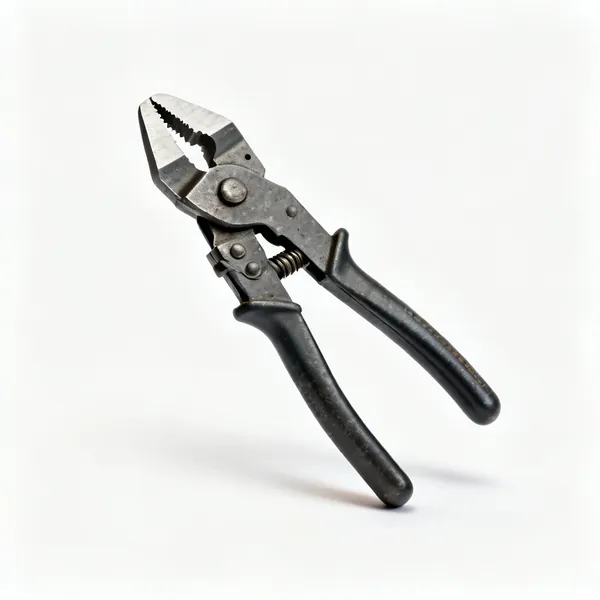
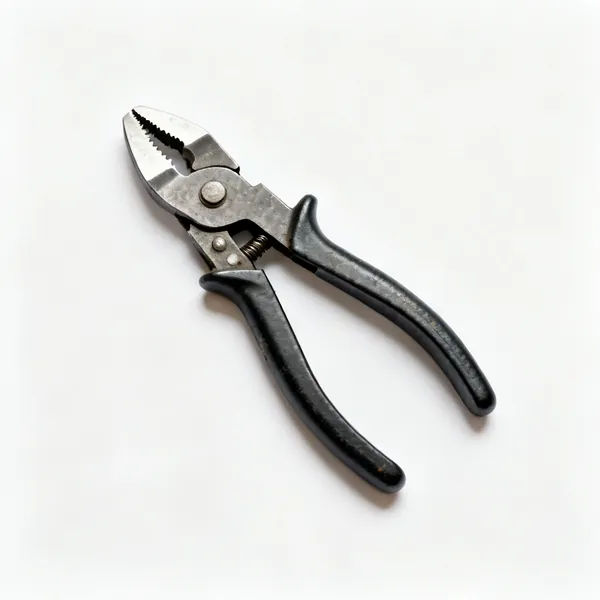
  • Rebar pliers: A pair of heavy rebar tying pliers with a cutting jaw and a flat headEssential

    Rebar pliers

    Heavy pincers that cut tie wire and twist it, with a hammer face on the head. The traditional fixer's tool and it does three jobs.

  • A pair of heavy duty side cutting wire cuttersEssential

    Wire cutters

    For trimming tie ends short so nothing protrudes toward the face. A wire end near the surface is a corrosion path straight to the steel.

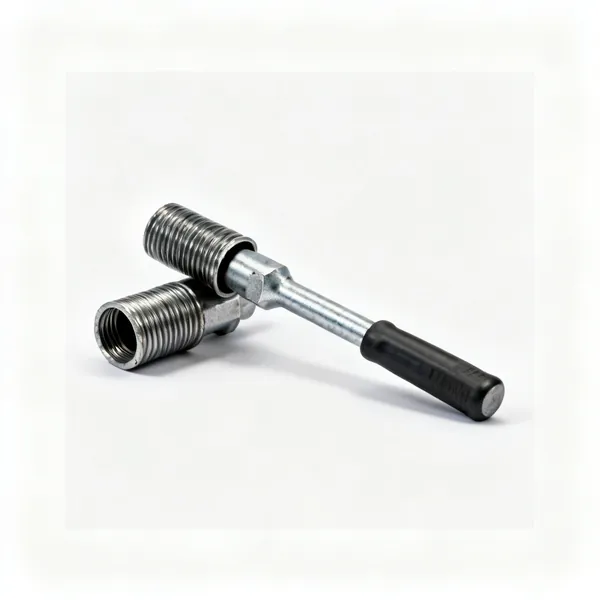
  • Rebar couplers: Two threaded steel rebar coupler sleeves

    Rebar couplers

    Threaded sleeves joining two bars mechanically where a lap will not fit. Designed and specified, and they replace lap length rather than supplement it.

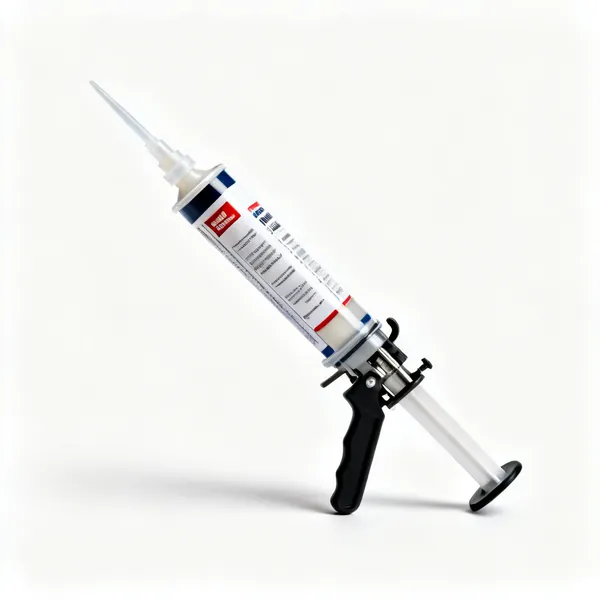
  • A cartridge of chemical anchor resin with a mixing nozzle

    Chemical anchor resin

    Bonds a starter bar into drilled existing concrete, to a specified embedment depth. The hole must be cleaned properly or the bond is a fraction of rated.

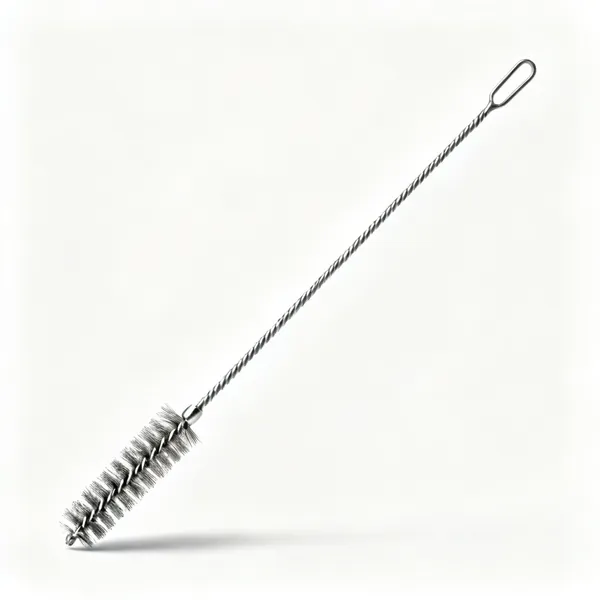
  • A steel hole cleaning brush with a long wire shaft

    Hole cleaning brush

    Cleans dust from a drilled hole before resin goes in, which is what the bond actually depends on. Skipping it is the commonest anchor failure.

Positioning and protection 10

Cover and safety. The group that decides whether the reinforcement works and whether anyone gets hurt.

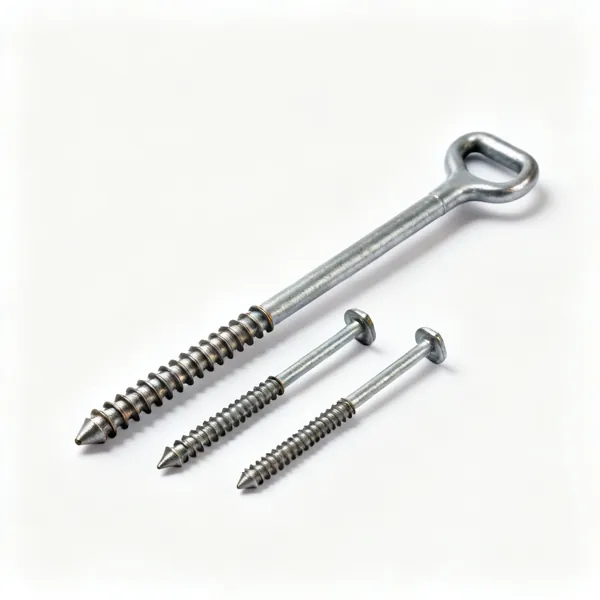
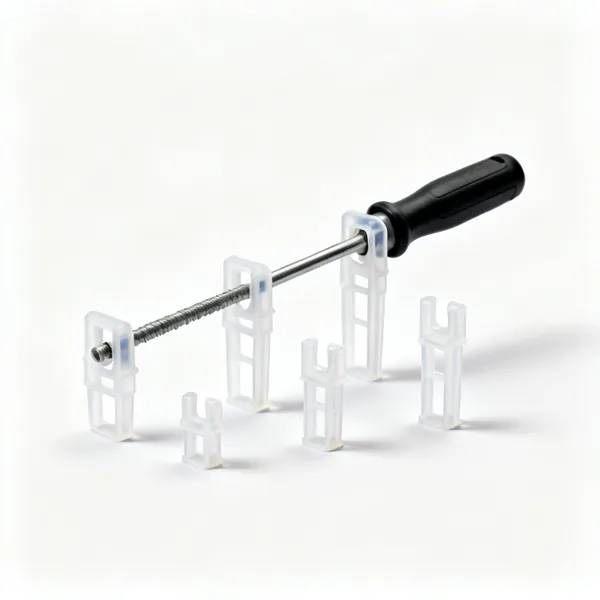
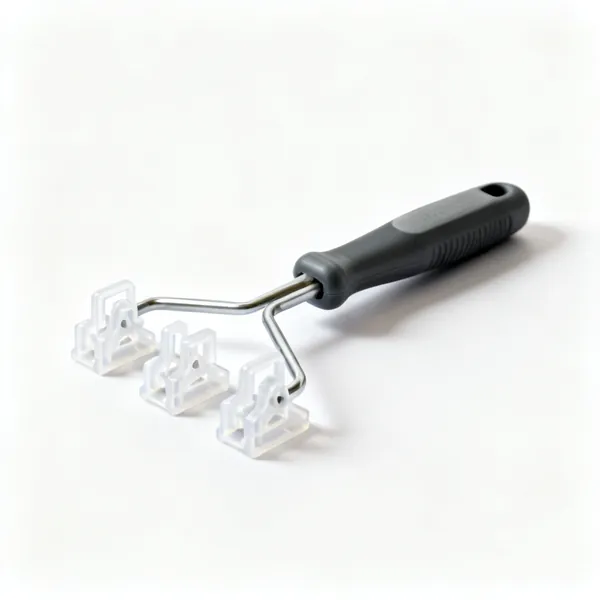
  • Rebar spacers: Several plastic rebar cover spacer clips of different heightsEssential

    Rebar spacers

    Plastic or concrete blocks holding a bar at the specified cover. A few pence each, and they are what stops the bar corroding in twenty years.

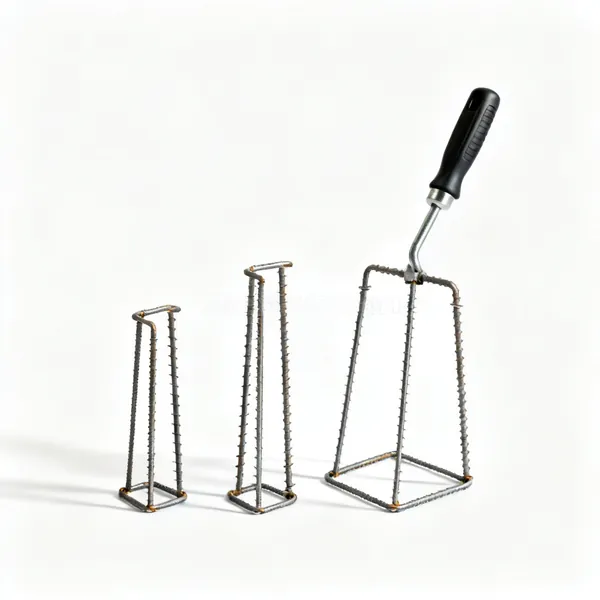
  • Bar chairs: Three wire rebar chair supports of different heightsEssential

    Bar chairs

    Wire or plastic supports holding a top mat at height above a bottom mat. Without them the top layer sinks and does nothing where it matters.

  • Mesh clips: Several plastic reinforcing mesh joining clips

    Mesh clips

    Push on clips joining mesh sheets faster than wire ties. Also lift mesh off the substrate to the correct cover in one component.

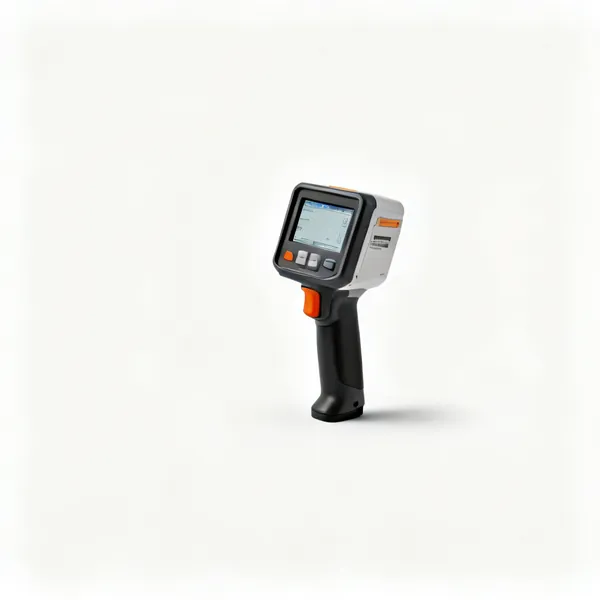
  • A handheld concrete cover meter rebar scanner with a display

    Cover meter

    Reads the depth of steel in cured concrete without breaking into it, which is how cover gets verified or a bar gets found before drilling.

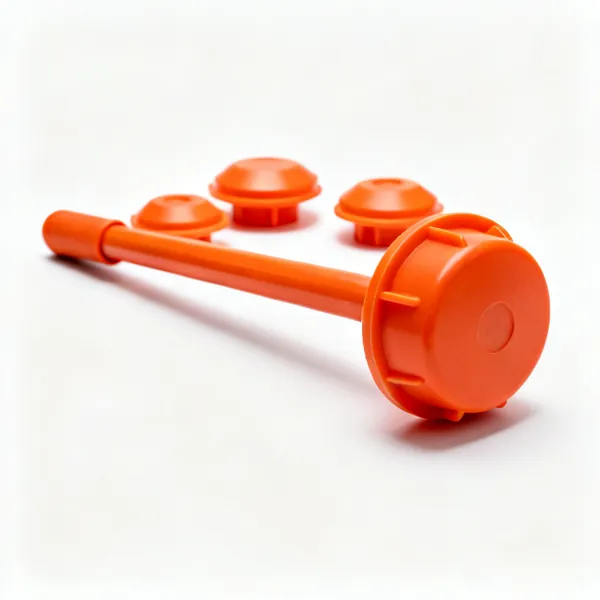
  • Rebar safety caps: Several orange plastic rebar safety mushroom capsEssential

    Rebar safety caps

    Plastic mushroom caps over protruding vertical bars. Pennies each, and they address one of the recognised serious construction injuries.

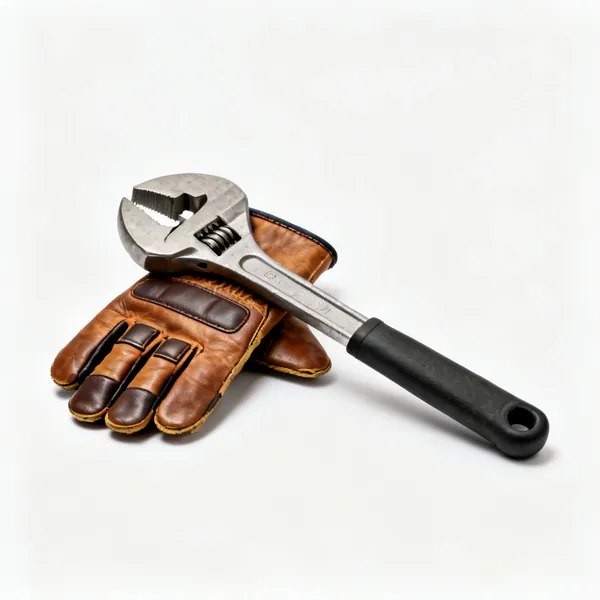
  • A pair of leather palmed rigger gloves with reinforced knucklesEssential

    Rigger gloves

    The ribbing on rebar shreds hands and cut ends are genuinely sharp. Leather palmed, and worn for the whole job rather than the awkward bits.

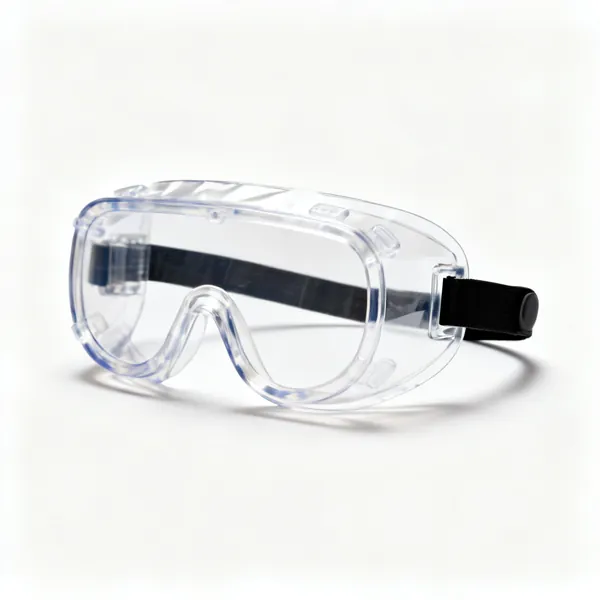
  • A pair of sealed clear safety goggles with a headbandEssential

    Safety goggles

    Tie wire under tension whips toward the face when cut, and a grinder throws sparks and fragments. Sealed rather than glasses.

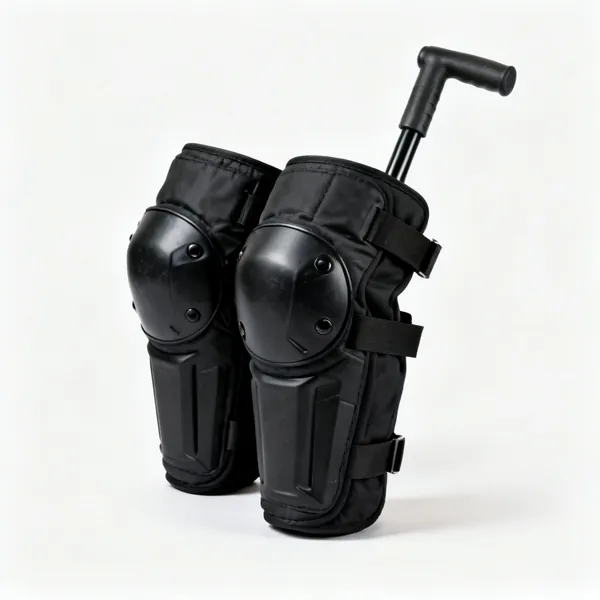
  • A pair of thick black work knee pads with strapsEssential

    Knee pads

    Fixing a mat means kneeling on steel for hours, which is worse than kneeling on anything else on a site. Thick and strapped rather than pocket inserts.

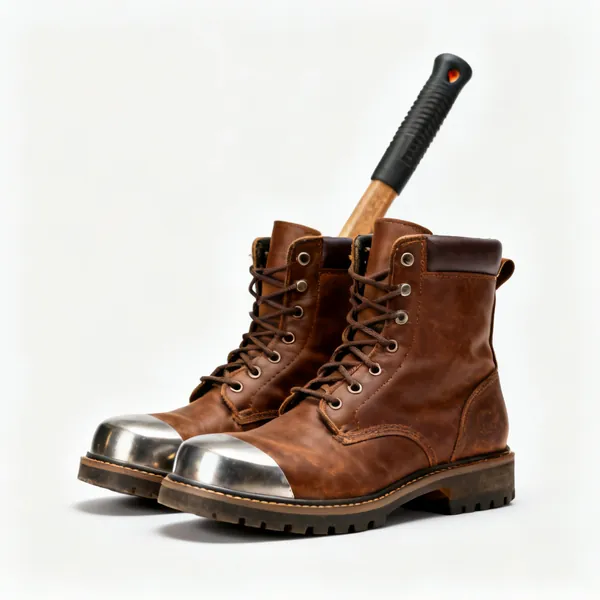
  • Safety boots: A pair of brown leather safety work boots with steel toecapsEssential

    Safety boots

    Steel midsole as much as toe cap, because walking on a mat of cut bar ends is exactly what a penetration resistant sole is for.

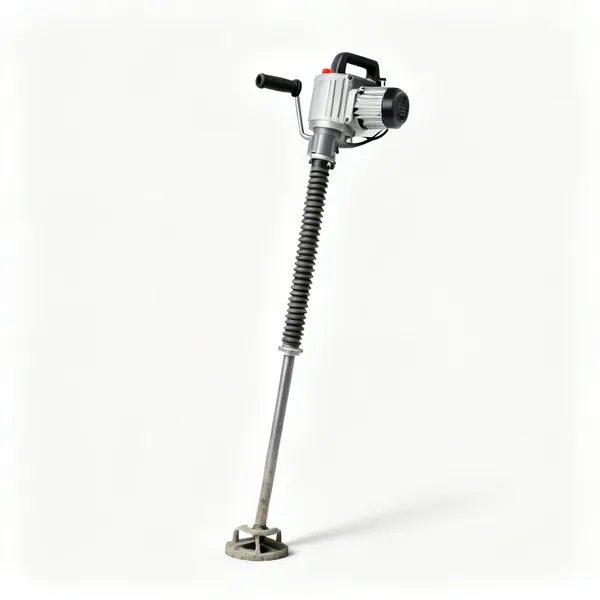
  • A concrete poker vibrator with a flexible shaft and a motor unit

    Poker vibrator

    Compacts concrete around the steel so there are no voids against a bar. Listed here because a void at the steel is the same failure as no cover.

Choosing rebar tools

The list above is what exists. This is how to decide which of it you actually need, what separates a tool worth keeping from one that ends up at the back of a drawer.

Cover is what protects the steel

Cover is the depth of concrete between the bar and the surface. It is what keeps water and chloride away from the steel, and it is specified for a reason. Too little and the bar corrodes, and corroding steel expands and spalls the concrete off the face.

That is the failure you see on old concrete structures with rust stains and lumps missing. It is almost always inadequate cover rather than bad concrete, and it happens decades later, which is why nobody notices the mistake at the time.

Cover is specified
Typically 25 to 50mm depending on exposure. Not a matter of judgement on site.
Too little means spalling
Corroding steel expands and pushes the concrete face off. Decades later.
Use spacers, not guesses
Plastic or concrete spacers holding the bar at the specified depth throughout.
Do not lift mesh mid pour
Pulling mesh up with a hook while pouring is how it ends up with no cover at all.

Lap length transfers the load

Where two bars meet they are not joined, they overlap, and the concrete between them transfers the force from one to the other. That overlap has to be long enough, typically dozens of bar diameters, and it is specified in the design.

A short lap is a hinge. The bars simply slide relative to each other under load and the section behaves as if it were unreinforced at that point. Tying the lap is about holding position during the pour, not about strength.

Bars lap, they do not join
The concrete between them transfers the force. That is why length matters.
Dozens of diameters
Specified in the design. A short lap is a hinge in the finished section.
Ties hold position only
The wire is not structural. It stops the cage moving during the pour.
Stagger laps
All laps in one plane creates a weak line. Offset them along the member.

Bending without weakening the bar

Rebar is bent cold around a former of the specified radius. Too tight a radius work hardens and cracks the steel at the bend, and heating it to bend more easily changes its properties and is not permitted in reinforcement.

Rebending a bar that has already been bent, particularly straightening and rebending it, damages it in the same way. If a bar is bent wrong the answer is a new bar rather than a correction.

Cold, around a former
The specified radius. Too tight and the outside of the bend cracks.
Never heat it
Heating changes the steel's properties and is not permitted in reinforcement.
Do not rebend
Straightening and rebending work hardens and weakens the bar. Use a new one.
Hooks and bends are specified
The bending schedule states shape and dimensions. It is not freehand.

Tying, and how much is enough

Ties hold the cage in position while concrete is placed and vibrated, which pushes hard in every direction. Every intersection does not need tying, and enough do that nothing can shift, typically alternate intersections in a mat.

Cut the wire ends short and turn them inward, because a wire end sticking out toward the face reduces cover to nothing at that point and gives corrosion a direct route in. It is a small detail with the same consequence as a cover failure.

Enough that nothing moves
Vibrating concrete pushes hard. Alternate intersections in a mat is usual.
Turn wire ends inward
A wire end toward the face is a corrosion path straight to the steel.
A tying tool is much faster
Hundreds of ties by hand costs a wrist. A twister or a battery tier pays for itself.
Ties are not structural
They position the steel. Load transfer comes from lap length and concrete.

Handling steel safely

Rebar ends are sharp and protruding vertical bars are an impalement hazard, which is why they get capped. A person falling onto an uncapped starter bar is one of the recognised serious construction injuries.

It is also heavy, awkward and springy. A long bar being carried by one person will hit something, cut wire under tension whips, and walking on a tied mat is how ankles get caught. Gloves throughout, because the ribbing shreds hands.

Cap protruding bars
An uncapped vertical starter bar is an impalement hazard. Plastic caps are pennies.
Cut wire whips
Tie wire under tension snaps toward your face. Eye protection while cutting it.
Two people on long bars
A 6 metre bar carried alone will hit something, usually someone else.
Gloves always
The ribbing shreds hands and the cut ends are genuinely sharp.

Frequently asked questions

What tools do I need to work with rebar?
A rebar cutter, a bender, tie wire and a tying tool, and spacers to hold the steel at the right cover. For anything more than a few bars, hydraulic or powered cutting and bending saves a great deal of effort and gives more consistent shapes.
What is rebar cover and why does it matter?
The depth of concrete between the bar and the surface, typically 25 to 50mm depending on exposure. It keeps water and chloride away from the steel. Too little and the bar corrodes, expands and spalls the concrete face off, which is what rust stained old concrete shows.
How much should rebar overlap?
The lap length is specified in the design and is typically dozens of bar diameters, because the bars are not joined: the concrete between them transfers the force. A short lap behaves as a hinge, and the section acts as if unreinforced there.
Can you weld rebar?
Only specific weldable grades and only where the design permits it. Welding ordinary reinforcement changes the steel's properties at the weld and creates a weak point. Bars are lapped rather than welded as standard practice for exactly that reason.
Can you heat rebar to bend it?
No. Heating changes the steel's mechanical properties and is not permitted in reinforcement. Rebar is bent cold around a former of the specified radius, and a bar bent wrong is replaced rather than straightened and rebent, since rebending work hardens it.
How do you tie rebar?
With annealed tie wire twisted at intersections, usually alternate ones in a mat, using a tie twister or a battery powered tying tool. Cut the ends short and turn them inward, because a wire end toward the face gives corrosion a direct path to the steel.
What are rebar spacers for?
Holding the steel at the specified cover from the formwork or the ground throughout the pour. Without them the bar rests wherever it lands, ends up with no cover in places, and corrodes there. They are a few pence and they decide whether the structure lasts.
Why do protruding rebar ends need caps?
Because an uncapped vertical starter bar is an impalement hazard, and a fall onto one is among the recognised serious construction injuries. Plastic mushroom caps cost pennies, and on any project with protruding steel they are a standard requirement.