Disclosure

Measuring tools: every type, with names, pictures and uses

A complete measuring tools list with a picture of each one, all 55 types grouped by what you are trying to find out, whether a length, an angle, a thickness or a temperature, so the tools that compete for the same job sit together.

18 are marked essential: the ones that earn a permanent place in a toolbox.

Tape measures & rules 6

Measuring length. The differences that matter are how far they reach, how rigid they stay, and whether they can be read accurately at the start of the scale.

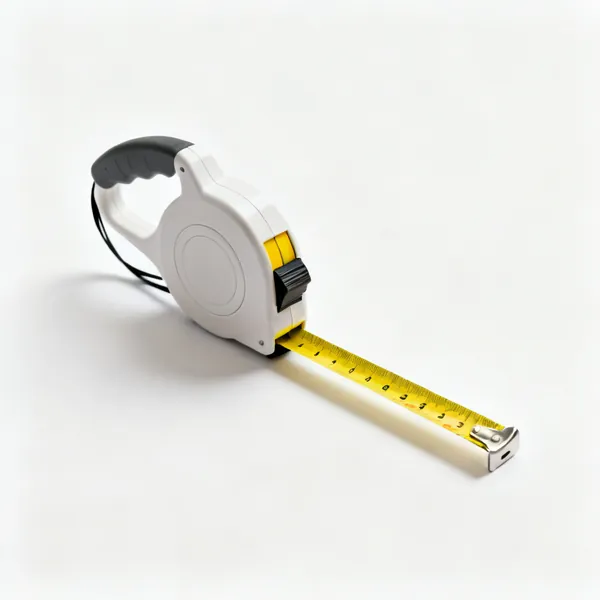
  • A retractable tape measure with a yellow blade and a belt clipEssential

    Tape measure

    A retracting steel blade with a sliding hook. The tool almost every job starts with. Past about three metres unsupported it sags and reads long, which is worth knowing before you cut.

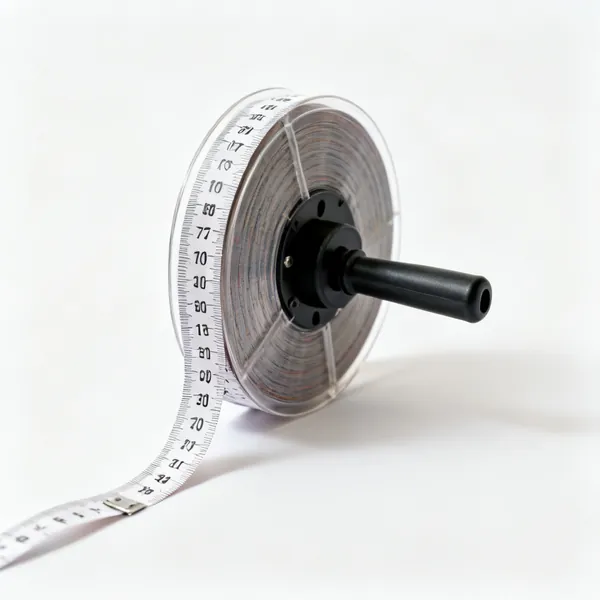
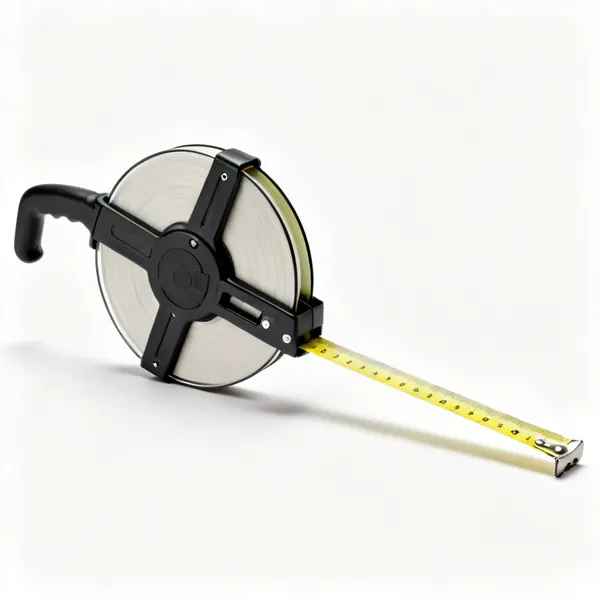
  • An open reel long tape measure with a crank handle

    Long tape

    Thirty metres or more of fibreglass or steel on an open reel, for plots, fences and setting out. Needs two people or a fixed pin, and it will still sag over the distance.

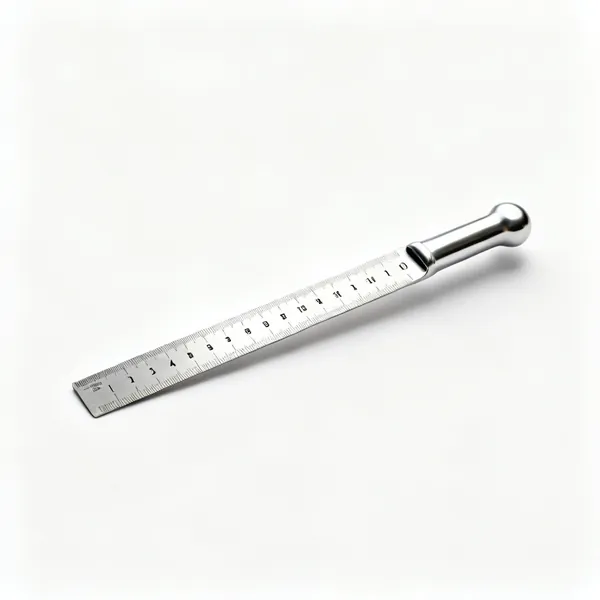
  • A stainless steel rule with engraved graduationsEssential

    Steel rule

    A rigid graduated strip that does not sag or stretch, so it reads the same every time. For accurate short measurements and as a straight edge to mark against.

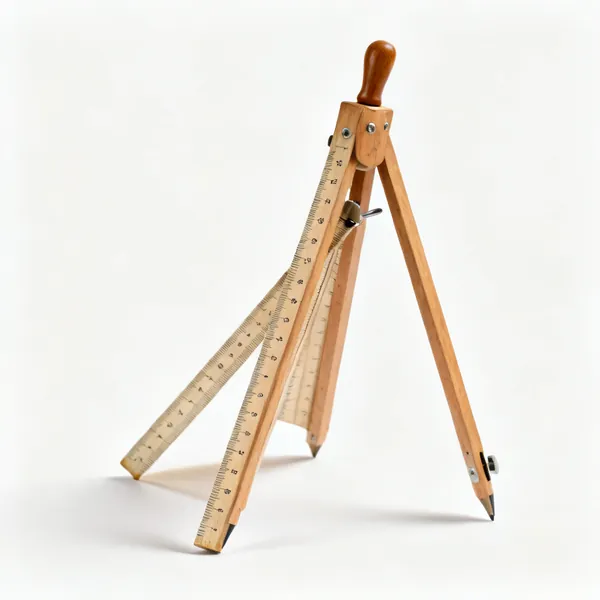
  • Folding rule: A folding wooden rule partly unfolded

    Folding rule

    Hinged wooden or plastic sections that stay rigid when extended, so you can measure across a gap without a second pair of hands. The traditional carpenter's rule.

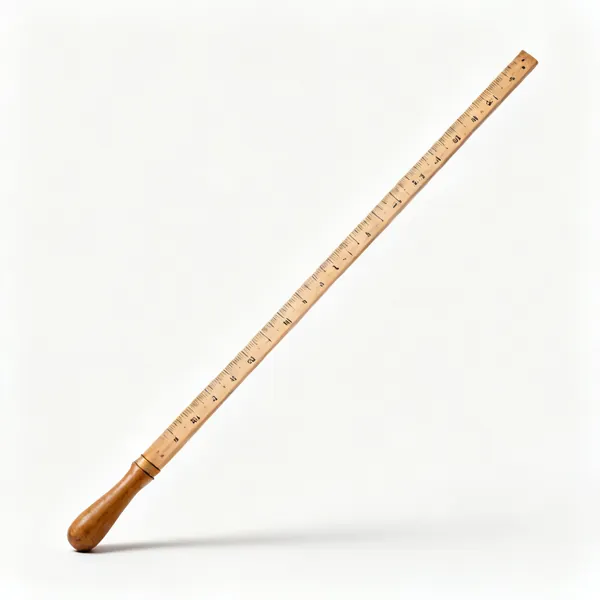
  • A long wooden story pole marked with pencil graduations

    Story pole

    A stick marked once with your spacings, then used to transfer them. Removes cumulative error entirely, which is why it beats a tape for repeated identical marks.

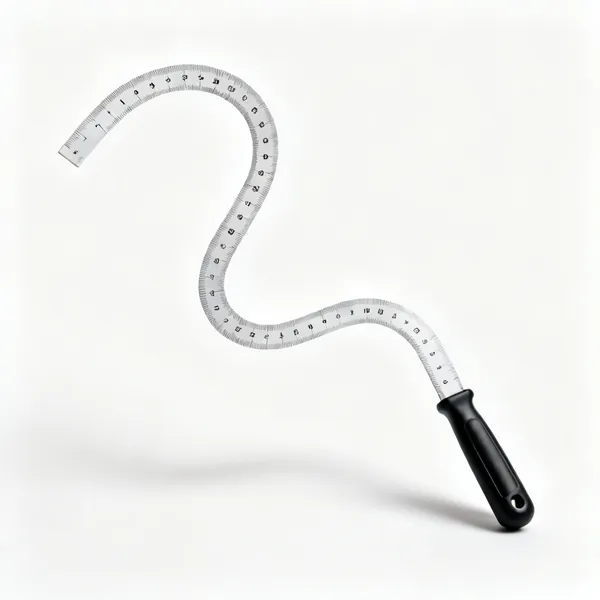
  • A flexible curve rule bent into an S shape

    Flexible curve rule

    A bendable strip that holds the shape you form, so a curve can be copied from one place to another. For templates and matching existing mouldings.

Levels 7

Finding horizontal and vertical. Longer is more accurate because it averages the surface, and every one of these should be tested before it is trusted.

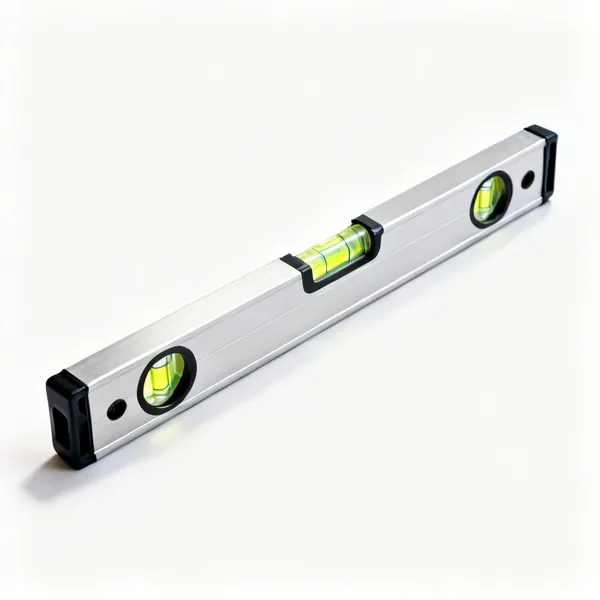
  • A spirit level with two bubble vials in an aluminium bodyEssential

    Spirit level

    A bubble in a liquid vial reading level and plumb. A 600mm level fits in a bag and covers most work. Test it by turning it end for end and checking the bubble agrees.

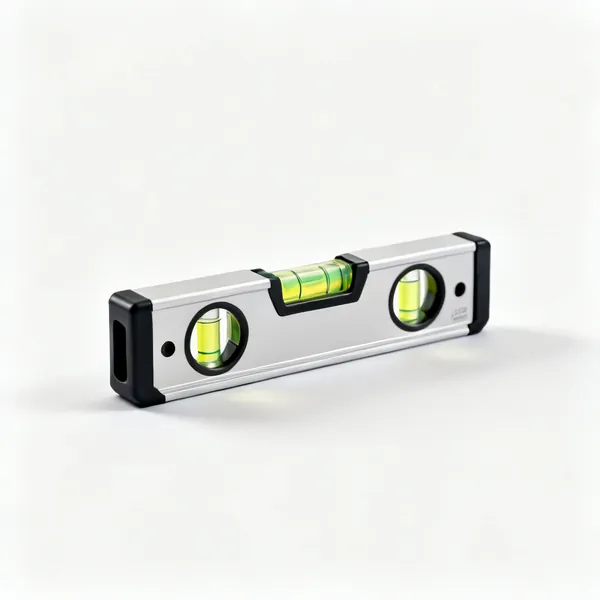
  • A small torpedo level with a magnetic edge and bubble vialsEssential

    Torpedo level

    A short level, often magnetic, for pipework, appliances and anywhere a long one will not fit. Less accurate over distance by definition, and the only option in a cupboard.

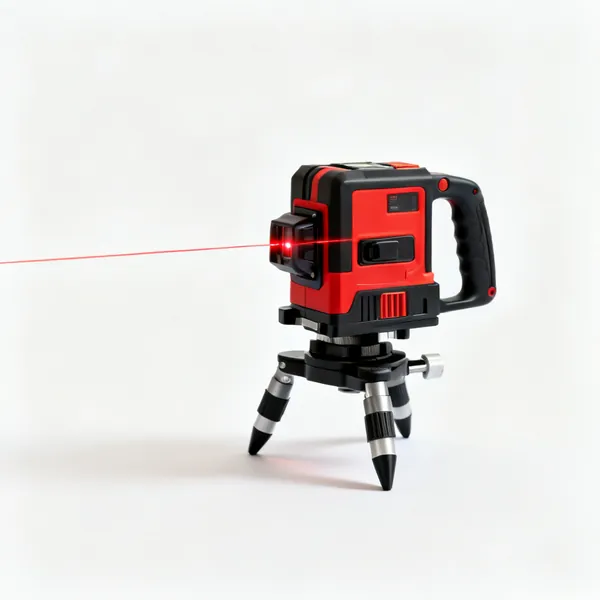
  • A cross-line laser level on a small tripod projecting a lineEssential

    Laser level

    Projects a level line across a whole room, so you can mark cabinets or tiles in one pass without a second person. Faster and more accurate than stepping a spirit level along.
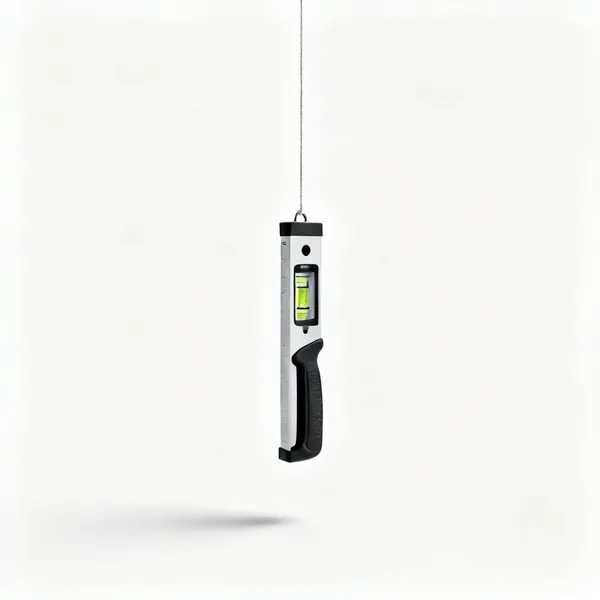
  • A small line level hanging on a taut string

    Line level

    A tiny vial that hangs on a taut string, giving a level reference over a long distance for cheap. Used for fences, paths and setting out before lasers existed.

  • A clear water level tube filled with coloured water

    Water level

    Clear tube filled with water, which finds its own level over any distance and around corners. Crude, unbeatably accurate over long runs, and impossible to knock out of true.

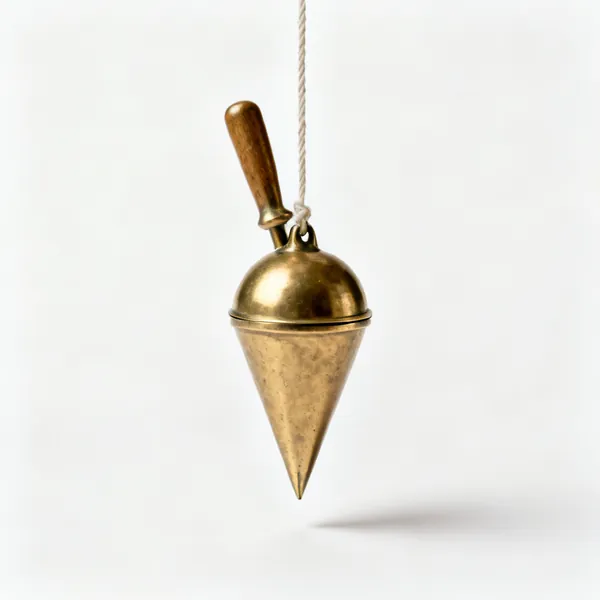
  • A brass plumb bob hanging on a string

    Plumb bob

    A weight on a string, giving true vertical by gravity. Cannot go out of calibration, which is why it is still used to transfer a point from a ceiling to a floor.

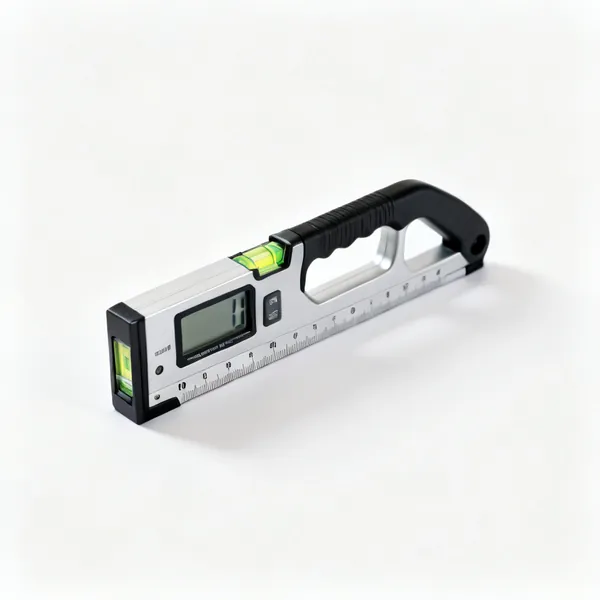
  • Digital level

    Digital level

    Reads the angle as a number rather than a bubble, so you can match an existing slope or set a specific fall. For drainage and anything that must not be level.

Squares & angle tools 8

Setting and checking angles. A square that is not square makes every cut wrong in the same direction, which is the hardest kind of error to notice.

  • A try square with a wooden stock and a steel bladeEssential

    Try square

    A fixed blade at ninety degrees to a stock. Rigid, simple and holds its accuracy, which is why it is the reference for checking whether other squares are true.

  • A combination square with a sliding steel rule and cast headEssential

    Combination square

    A sliding rule in a head giving ninety and forty five degrees, with a depth gauge and a scriber. Probably the most useful single marking tool there is.

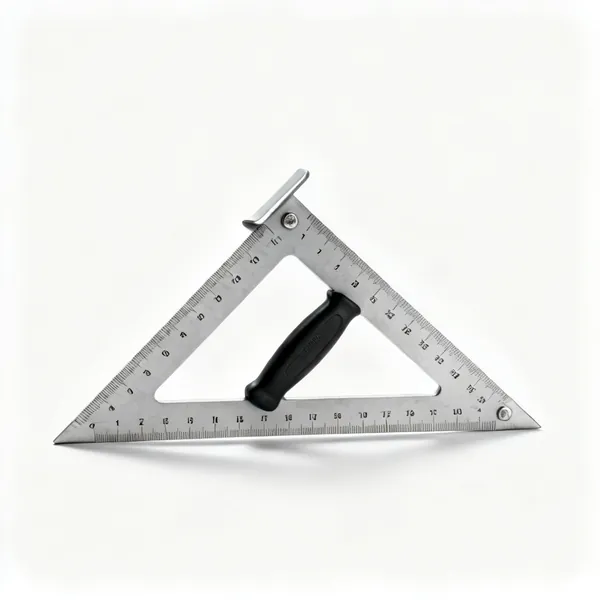
  • A triangular speed square with graduations and a raised lipEssential

    Speed square

    A triangular square that marks square and forty five degree lines and guides a saw against its lip. Made for repetition, which is why every carpenter has one.

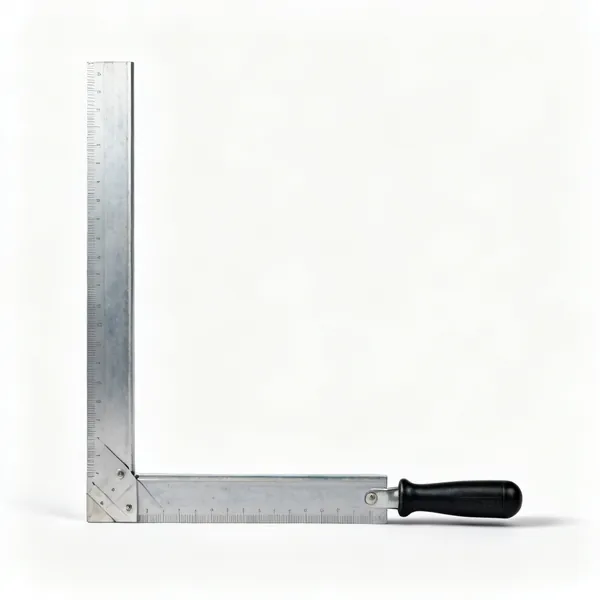
  • A large L-shaped steel framing square

    Framing square

    A large flat L, for squaring up big work like walls and stud frames where a small square cannot span far enough to be meaningful.

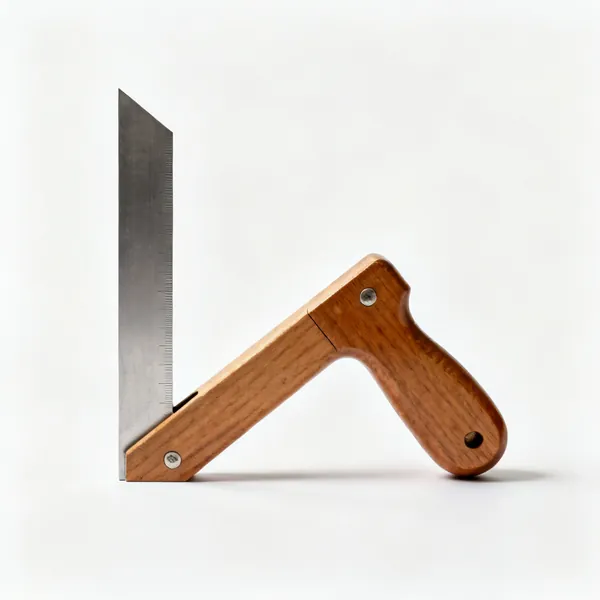
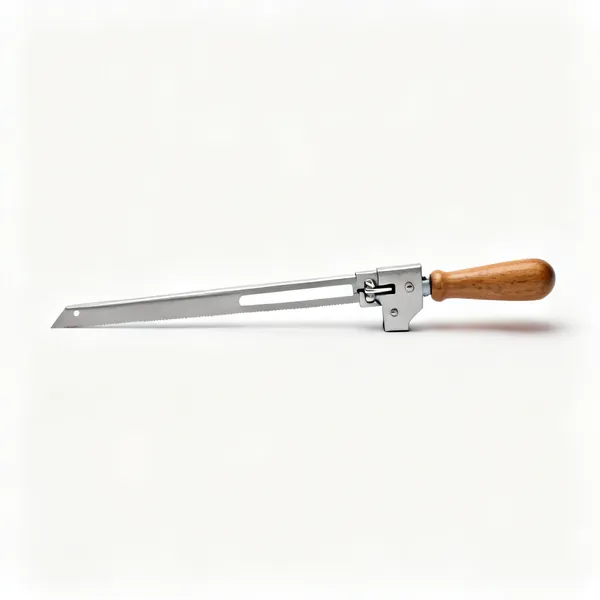
  • A sliding bevel gauge with a locking blade and wooden handle

    Sliding bevel

    Copies an existing angle and transfers it without you needing to know the number. Invaluable in old buildings, where almost nothing is the angle you assumed.

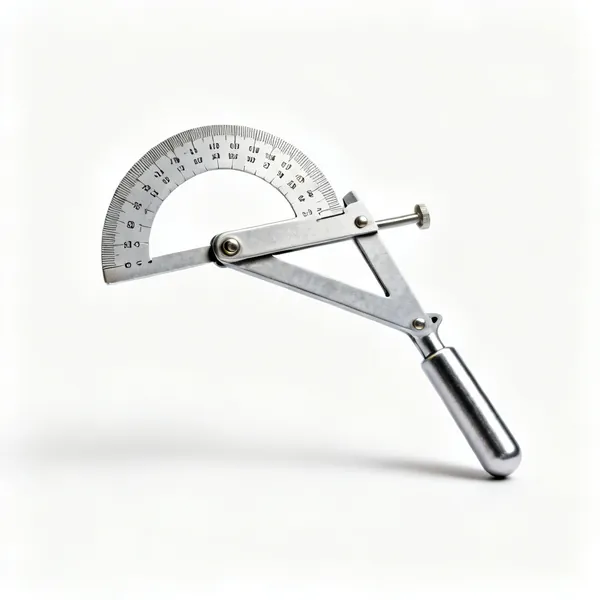
  • A metal protractor with a pivoting arm and degree scale

    Protractor

    Reads an angle as degrees. Needed when a drawing specifies a number rather than when you are matching something that already exists.

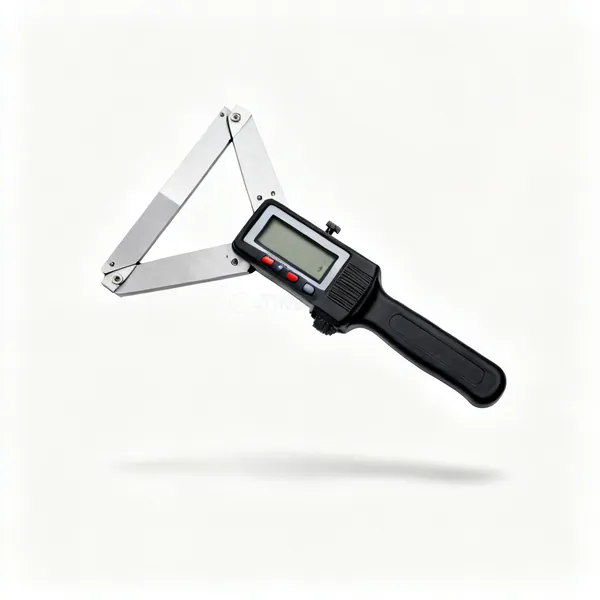
  • Digital angle finder

    Digital angle finder

    Measures an angle and displays it, so you can dial the same number into a mitre saw. Removes the guesswork from fitting trim into out of square corners.

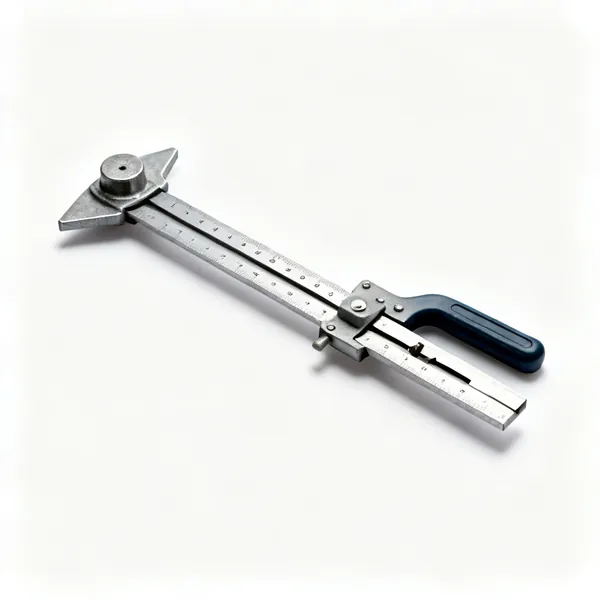
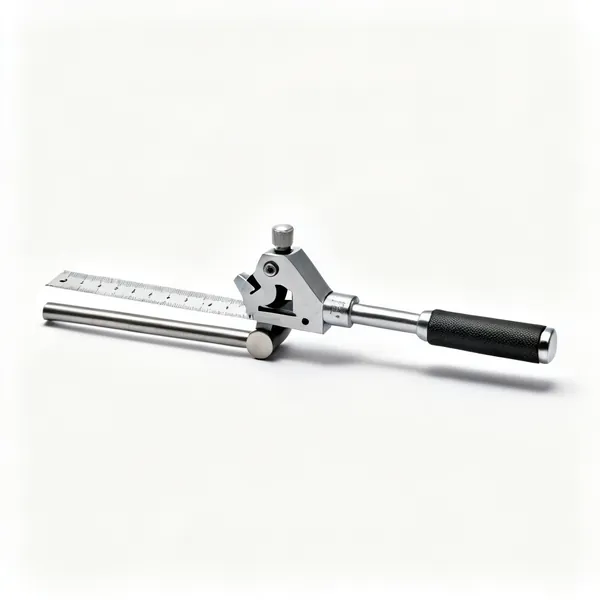
  • A centre finder head on a steel rule against a round bar

    Centre finder

    Locates the centre of a round bar or hole. Guessing the middle of a circle by eye is surprisingly hard and always slightly wrong.

Calipers & micrometers 9

Precision measurement of thickness and diameter, where a millimetre is far too coarse. All of these should be zeroed before use and kept in their cases.

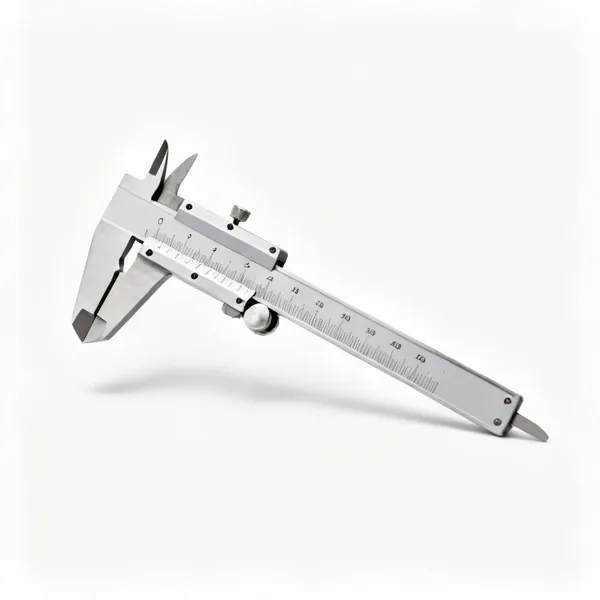
  • A vernier caliper with a sliding jaw and graduated scaleEssential

    Vernier caliper

    Measures external, internal and depth dimensions to a hundredth of a millimetre using a sliding scale. No battery, holds its accuracy indefinitely, and takes a minute to learn to read.

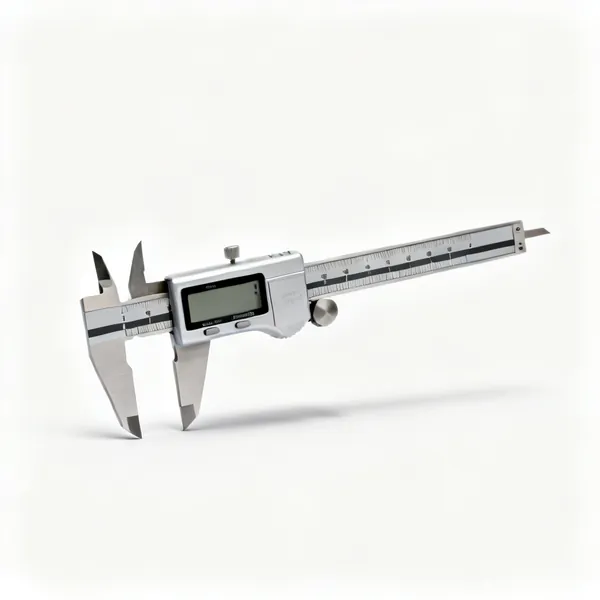
  • A digital caliper with an LCD display and sliding jaws

    Digital caliper

    Same measurements with a display instead of a scale, so there is nothing to misread. Check the stated tolerance rather than the number of digits, since cheap ones flatter themselves.

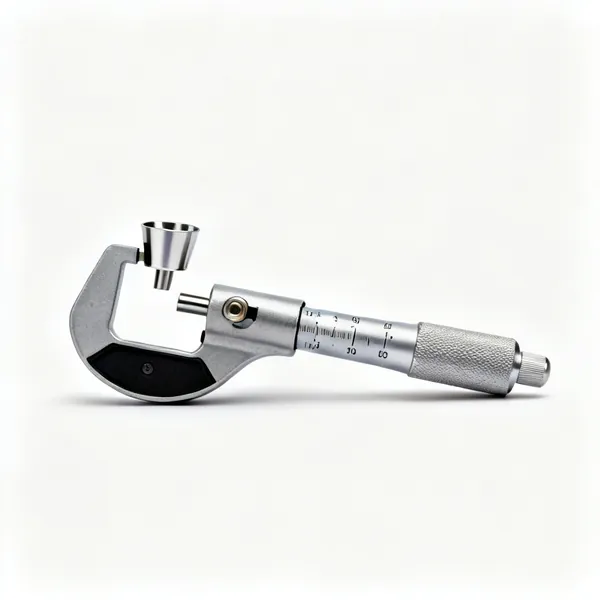
  • Micrometer

    Micrometer

    A precision screw measuring a narrow range to a thousandth of a millimetre. Far more accurate than a caliper and far less versatile, which is the trade.

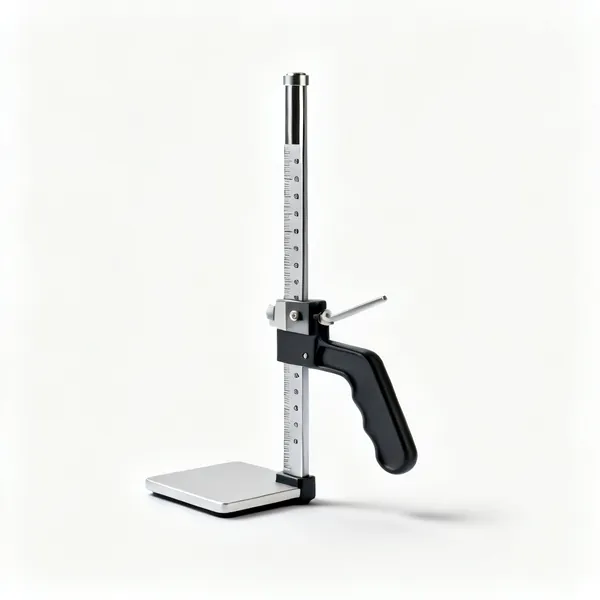
  • A depth gauge with a graduated rod and flat base

    Depth gauge

    Measures how deep a hole, recess or groove is, which a caliper does awkwardly and a rule cannot do at all reliably.

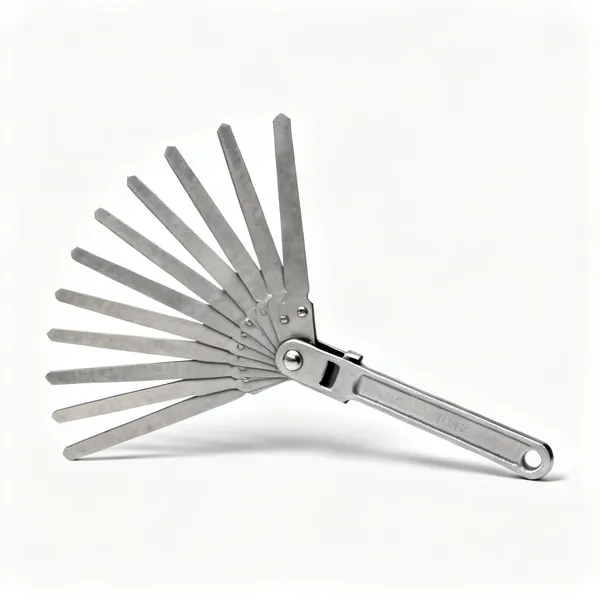
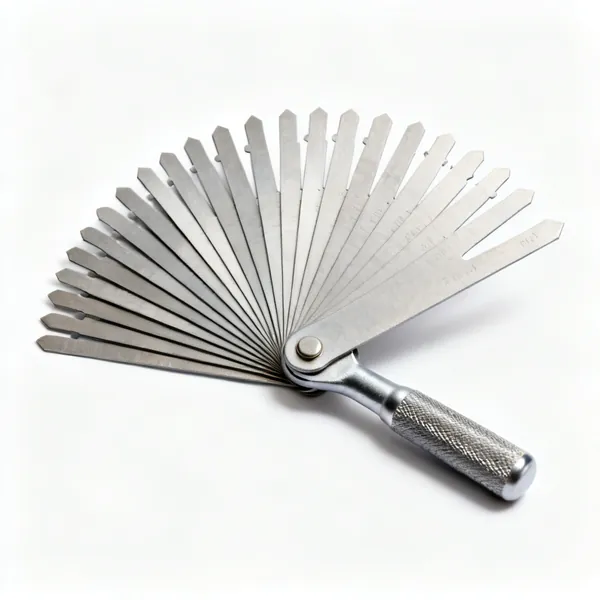
  • Feeler gauges: A fan of steel feeler gauge blades spread open

    Feeler gauges

    A fan of precisely ground blades for measuring small gaps by finding the one that just fits. Valve clearances, spark plugs and machine setup.

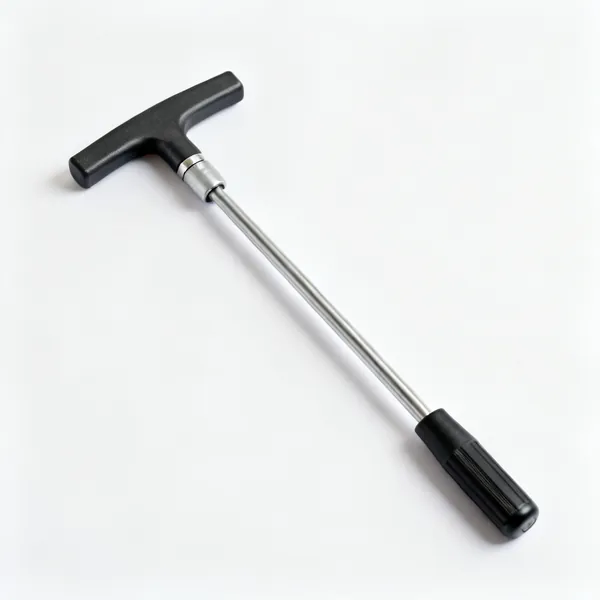
  • Telescoping gauge: A set of telescoping bore gauges with T-shaped heads

    Telescoping gauge

    Expands inside a bore to its exact diameter, then locks so you can measure it with a micrometer. The standard way to measure a hole precisely.

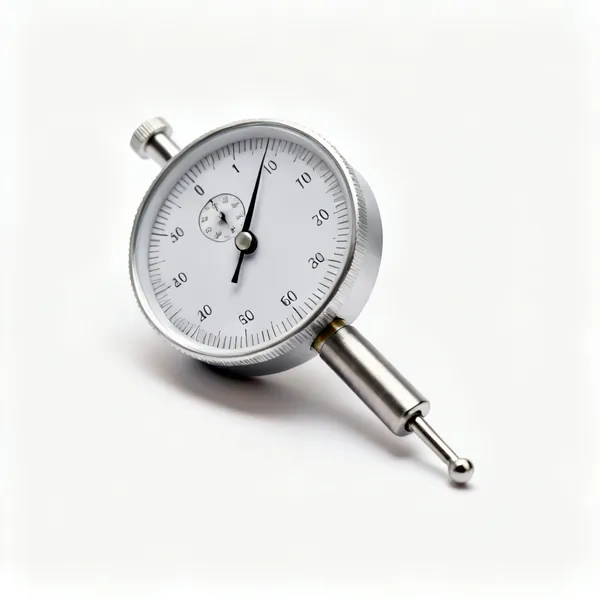
  • A dial indicator gauge with a round dial and plunger

    Dial indicator

    Shows tiny movements on a large dial, for checking run out, flatness and alignment. Measures change rather than size, which is a different question.

  • A set of radius gauge leaves fanned out

    Radius gauge

    Leaves of set curves you match against a corner or fillet to identify its radius. For matching an existing profile rather than creating one.

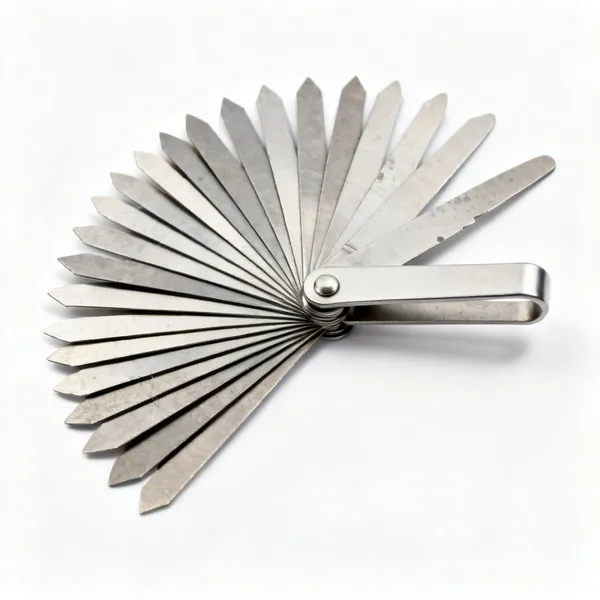
  • Thread gauge: A set of thread pitch gauge leaves fanned out

    Thread gauge

    Leaves cut to standard thread pitches, so you can identify a bolt rather than guess. Saves buying three wrong nuts before the right one.

Marking tools 9

Transferring a measurement onto the work. A measurement is only as good as the line, and a thick pencil line is half a millimetre of ambiguity.

  • A flat carpenter's pencil sharpened to a chisel pointEssential

    Carpenter's pencil

    A flat pencil that will not roll off a beam and marks rough timber clearly. Sharpen it to a chisel point so one edge gives a fine line and the flat gives a bold one.

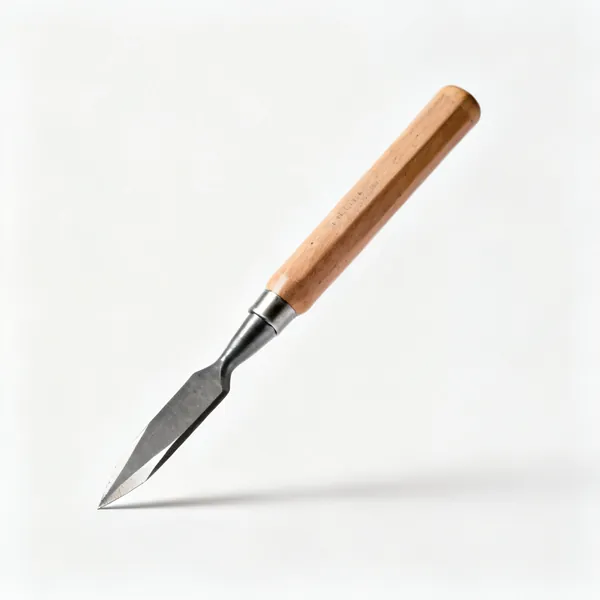
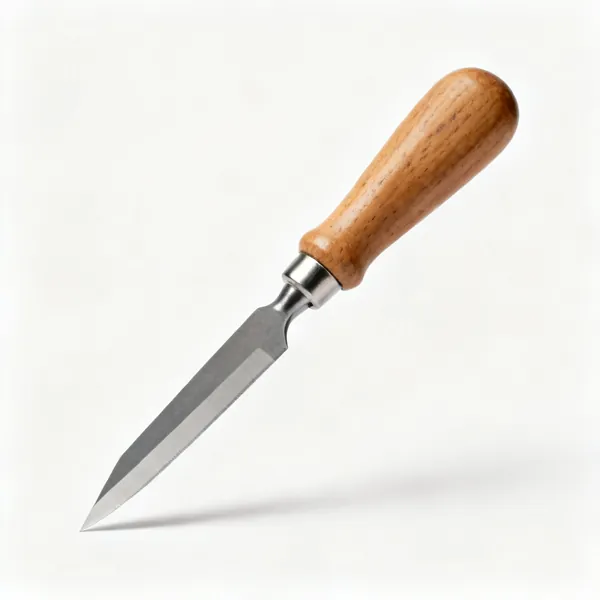
  • A marking knife with a single-bevel blade and wooden handleEssential

    Marking knife

    Scores a line rather than drawing one, severing the fibres so a chisel or saw drops into it. The difference between a joint that closes and one that nearly does.

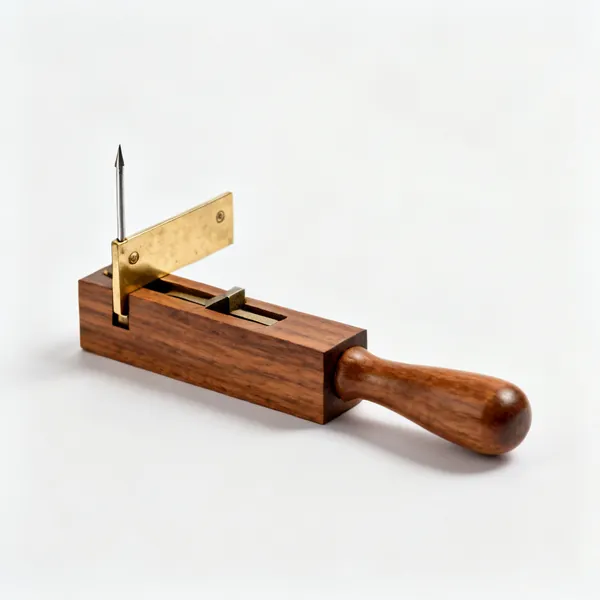
  • A wooden marking gauge with a brass-faced fence and a scribing pin

    Marking gauge

    A pin held at a set distance from a fence, scribing a line parallel to an edge as many times as you like. Joinery depends on that repeatability more than on any number.

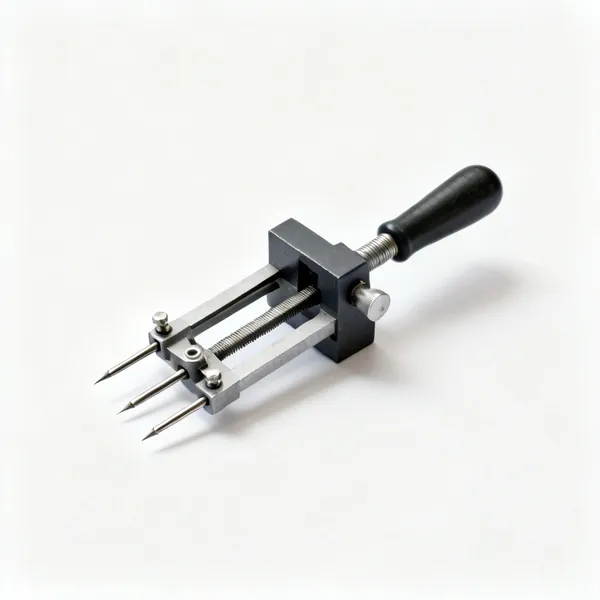
  • A mortise gauge with two adjustable scribing pins

    Mortise gauge

    Two pins so it scribes both sides of a mortise at once, permanently the right width apart. Marks the joint and its matching tenon from the same setting.

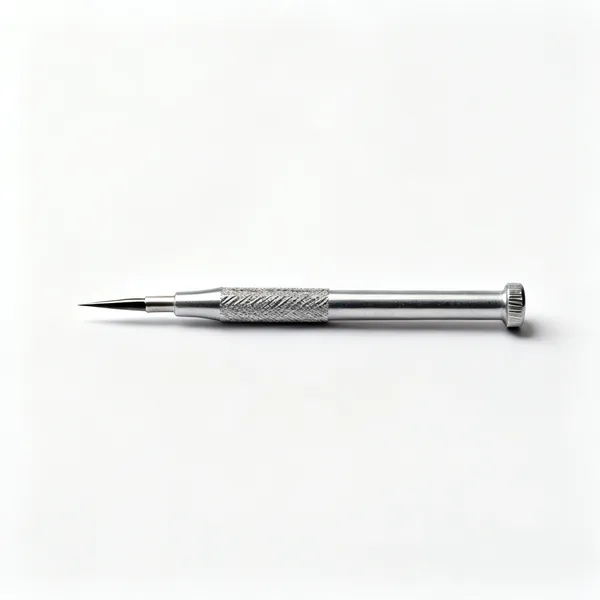
  • A metal scriber with a sharp hardened tip and knurled body

    Scriber

    A hardened point that scratches a visible line into metal, where pencil rubs off and ink lies about its position. The metalworking equivalent of a marking knife.

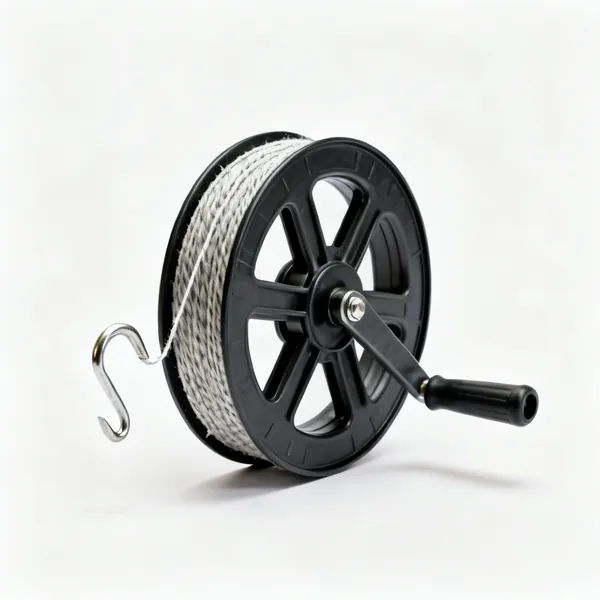
  • A chalk line reel with a hook and crank handleEssential

    Chalk line

    A chalked string snapped against a surface to leave a straight line over several metres. The only practical way to mark a long line on a floor or wall.

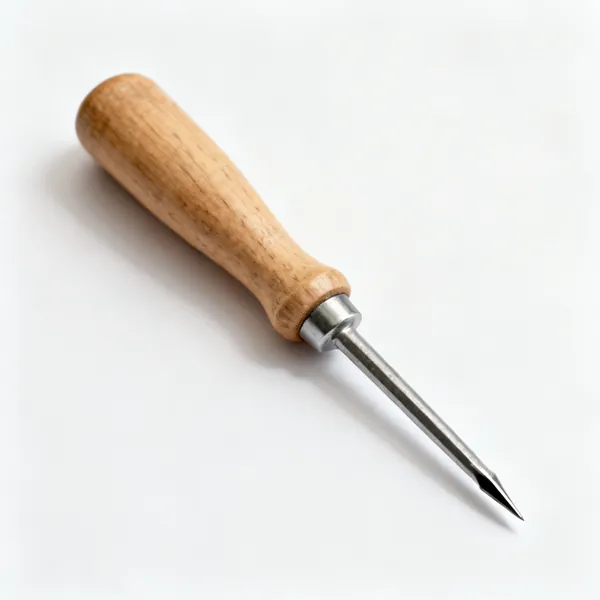
  • A bradawl with a sharp steel point and a wooden handleEssential

    Bradawl

    A point pushed into timber to mark a spot and start a screw, so the drill or screw does not wander. Two seconds that prevent a split or an off centre hole.

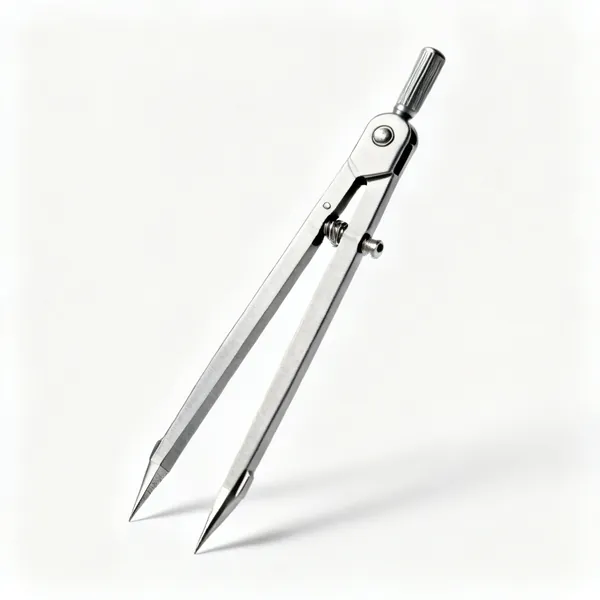
  • Compass & dividers: A pair of steel dividers with sharp points and an adjusting screw

    Compass & dividers

    Scribes circles and steps off equal distances along a line. Dividers are how you divide a length into equal parts without doing any arithmetic.

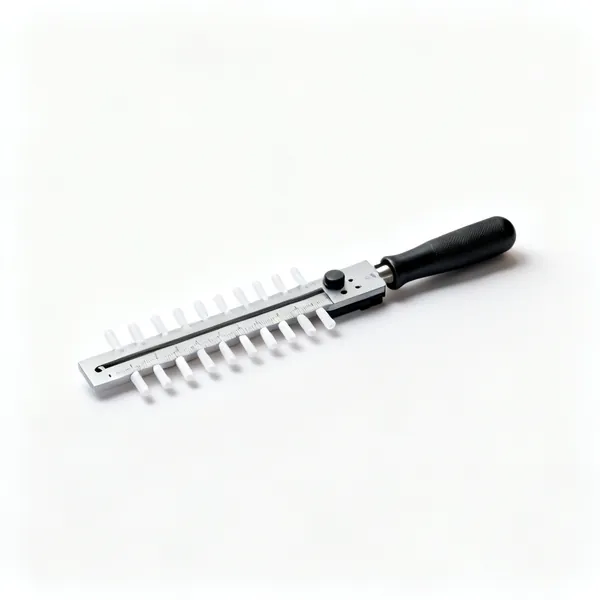
  • A contour profile gauge with sliding plastic pins

    Profile gauge

    Sprung pins that push against a shape and hold it, so you can copy a skirting or pipe profile onto flooring. The tidy way to cut around something awkward.

Distance & area 4

Measuring further than a tape can reach reliably. All of these trade a little accuracy for a great deal of convenience over distance.

  • A handheld laser distance measure with a small displayEssential

    Laser distance measure

    Measures a room end to end in seconds, single handed, to the millimetre. Cheap now, and it removes the tape sag that makes long measurements read long.
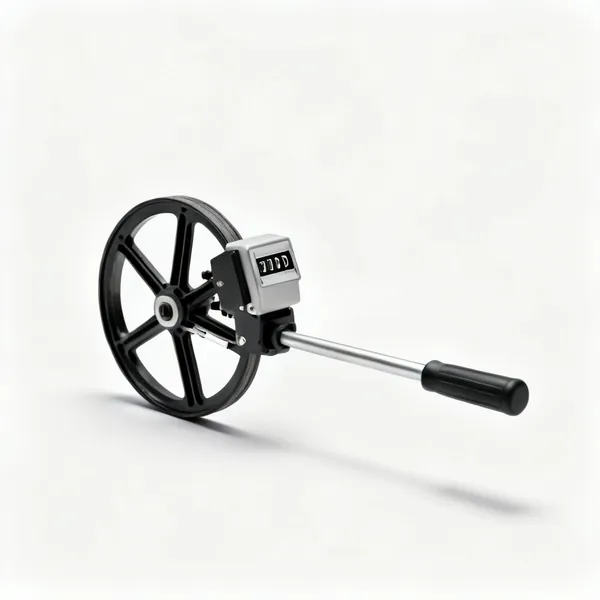
  • A measuring wheel with a counter and a long handle

    Measuring wheel

    A wheel on a handle counting distance as you walk. For fence runs, driveways and site lengths where a tape or a laser is impractical.

  • Surveyor's tape: A surveyor's open reel tape with a fibreglass blade

    Surveyor's tape

    A long non stretch tape on an open reel for setting out plots and foundations. Fibreglass so it does not conduct, and it must be pulled to a consistent tension.

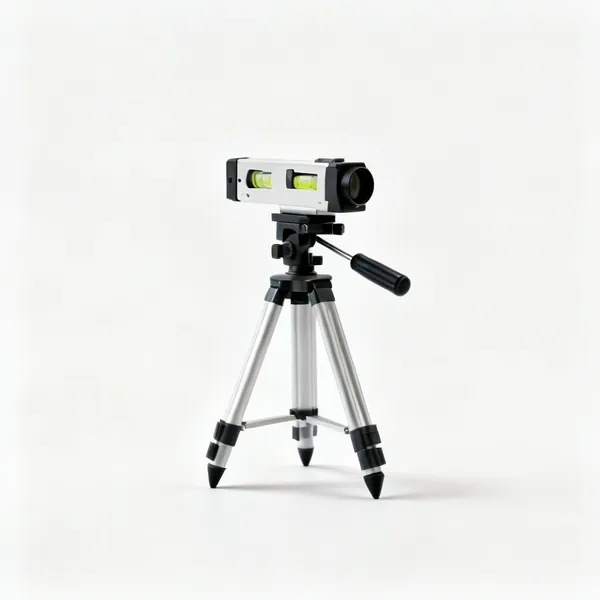
  • Optical level: An optical builder's level on a tripod

    Optical level

    A tripod telescope read against a graduated staff, giving heights across a whole site to a couple of millimetres. Still the standard for drainage falls and foundations.

Scales & weight 3

Measuring mass rather than size. Weight is a more reliable measure than volume for anything that can be compressed, poured or packed.

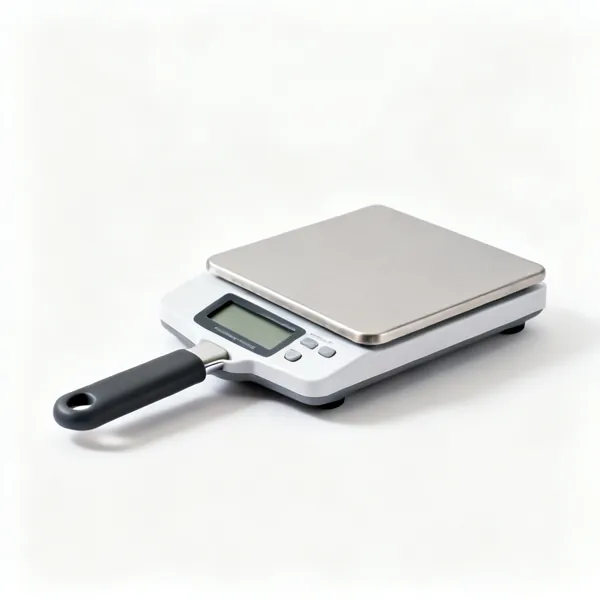
  • Digital scale: A flat digital weighing scale with an LCD displayEssential

    Digital scale

    Weighs to the gram with a tare function, so you can zero out a container. More accurate than measuring by volume for anything that packs down.

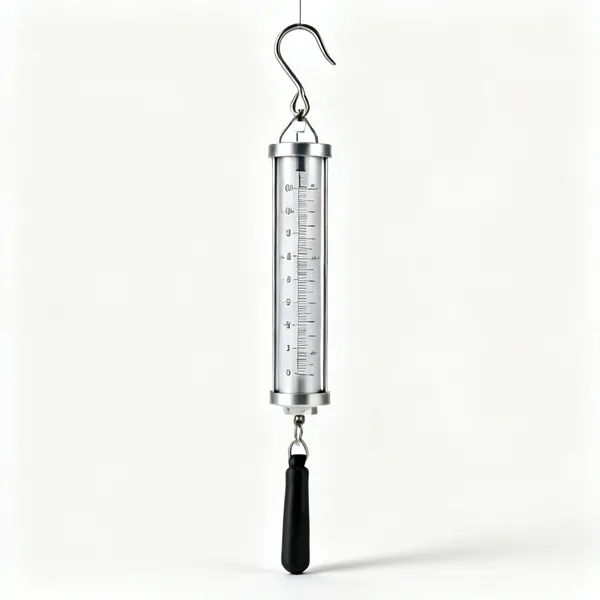
  • A hanging spring balance scale with a hook and a graduated barrel

    Spring balance

    A hook on a calibrated spring, reading weight by how far it stretches. No battery, works anywhere, and accurate enough for feed, luggage and produce.

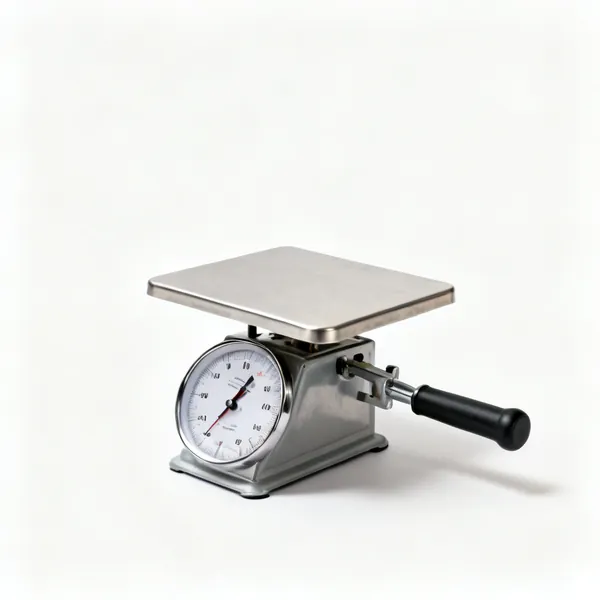
  • Platform scale: A metal platform weighing scale with a dial display

    Platform scale

    A flat plate for heavy or awkward loads. Where a small scale runs out of capacity or the item will not sit on it.

Temperature & moisture 5

Measuring conditions rather than dimensions. These diagnose problems you cannot see, which is why they pay for themselves on one job.

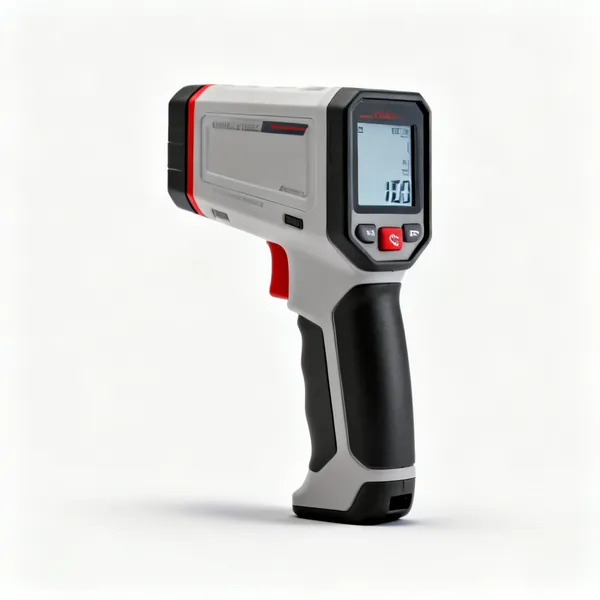
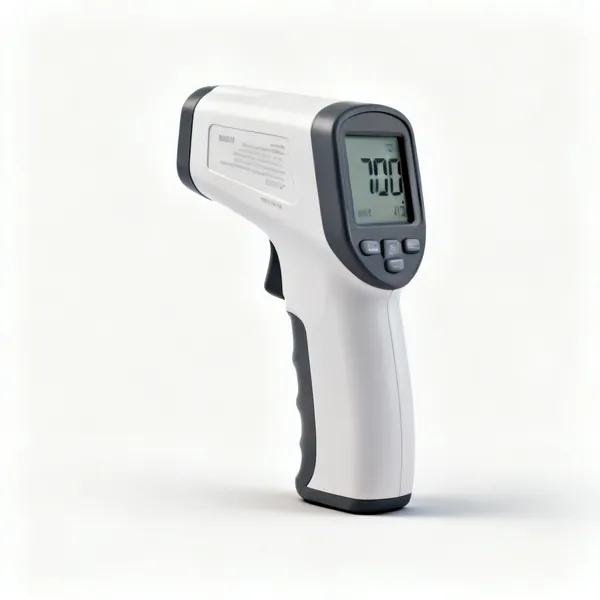
  • A handheld infrared thermometer gun with a displayEssential

    Infrared thermometer

    Reads surface temperature from a distance without touching. Finds cold spots, blocked radiators, overheating bearings and where heat is escaping a building.

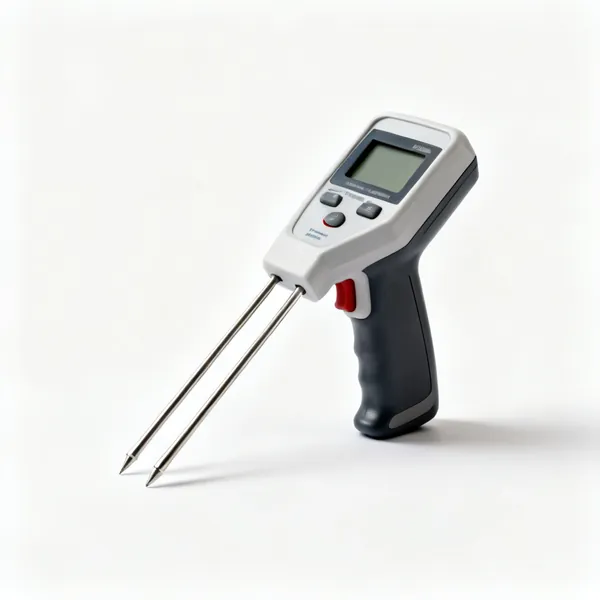
  • A handheld moisture meter with two probe pins and a displayEssential

    Moisture meter

    Reads how wet timber or plaster is. Distinguishes active damp from historic staining, and tells you whether new timber has dried enough to fit.

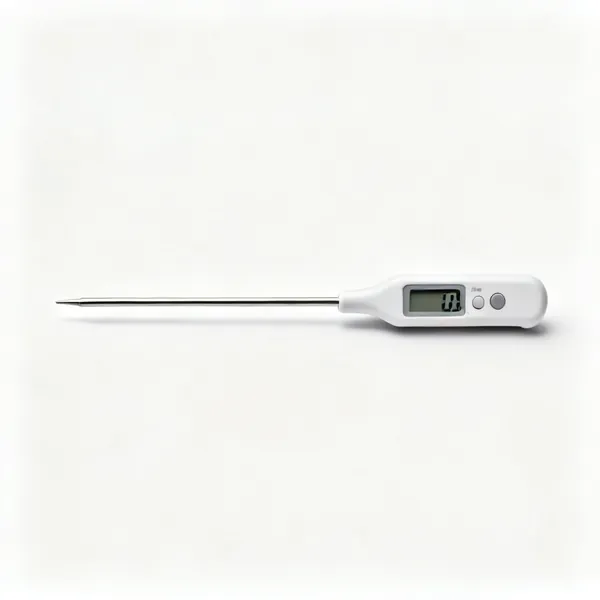
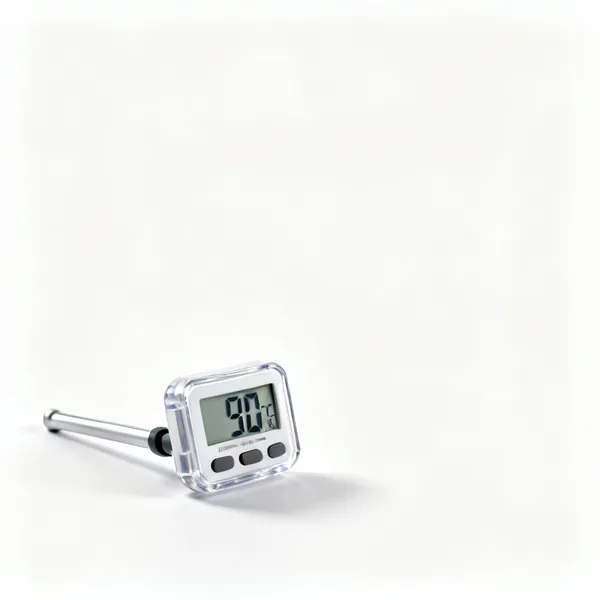
  • A digital probe thermometer with a thin metal stem

    Probe thermometer

    Measures internal temperature rather than surface. For anything where the inside matters and the outside lies about it.

  • A digital hygrometer displaying humidity and temperature

    Hygrometer

    Measures humidity in the air. Condensation, mould and timber movement are all humidity problems rather than temperature ones, and this is how you tell.

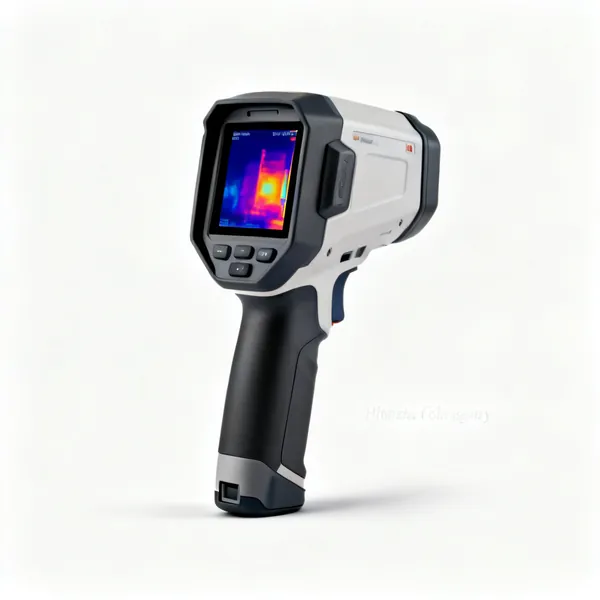
  • Thermal camera

    Thermal camera

    Shows temperature as an image, so a whole wall is surveyed at once instead of point by point. Finds missing insulation, leaks and hidden pipework fast.

Pressure & flow 4

Measuring what is inside a system. Reading these correctly usually depends on where in the system you take the reading, not just on the gauge.

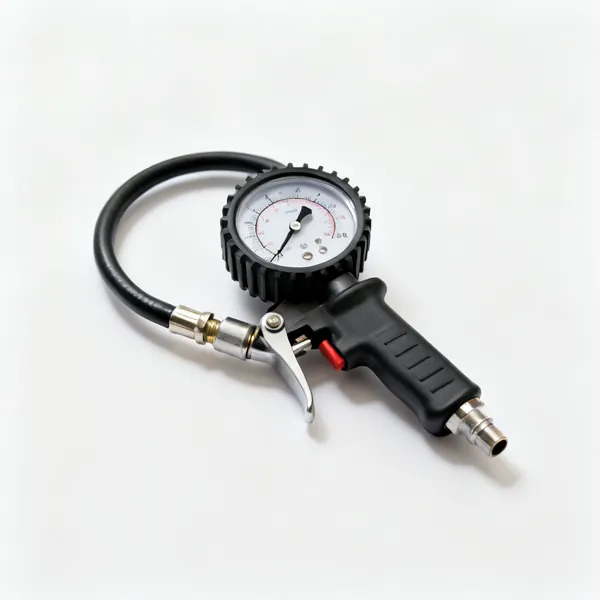
  • A dial tyre pressure gauge with a chuck and hoseEssential

    Tyre pressure gauge

    Checks inflation, which affects grip, wear and fuel use more than most people assume. Forecourt gauges are frequently out, so owning one is worth it.

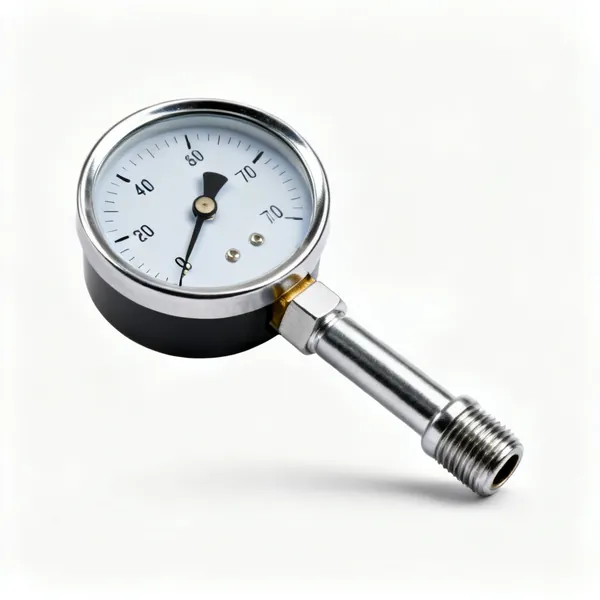
  • A round analogue pressure gauge with a threaded fitting

    Pressure gauge

    Reads pressure in a water, gas or air system, which is how you tell whether a pump, boiler or compressor is doing what it should.

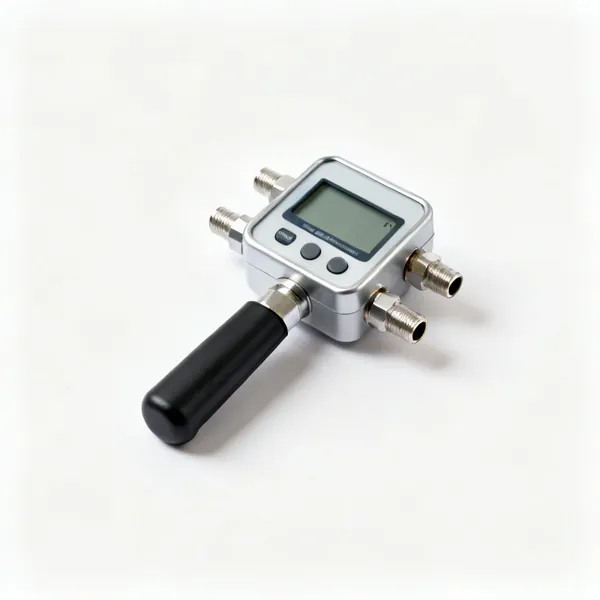
  • A digital manometer with two pressure ports and a display

    Manometer

    Measures small pressure differences, typically for gas appliances and ventilation. Reads far finer than a standard gauge, which is what those jobs require.

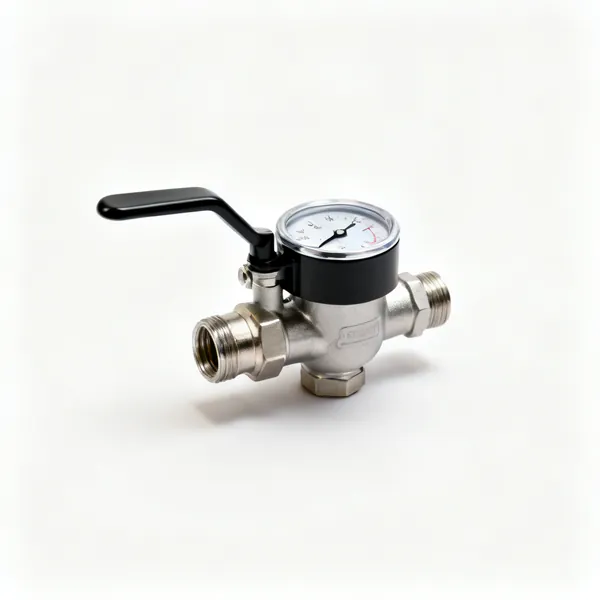
  • An inline water flow meter with a dial and pipe fittings

    Flow meter

    Measures how much liquid is passing rather than at what pressure. Two different questions, and a good pressure reading can hide a bad flow rate.

Choosing measuring tools

The list above is what exists. This is how to choose by the accuracy the job actually needs, which is usually less than you think and occasionally far more.

Work out what accuracy you need first

Almost every mistake in this group comes from using the wrong level of precision, in either direction. Measuring a room to the tenth of a millimetre is wasted effort, because the walls are not straight to that tolerance anyway. Measuring a bearing seat with a tape measure is worse than not measuring it.

A rough rule: carpentry works to a millimetre, cabinetmaking to a fraction of one, and anything mechanical to a hundredth. Pick the tool that comfortably beats the tolerance you need and stop there.

How to tell a good one from a bad one

Measuring tools are only worth what their accuracy is worth, and that is easy to check.

A loose tape hook is a feature
The hook on a tape measure is meant to move by exactly its own thickness, so it reads the same pushed against something as hooked over it. If it is riveted solid, or wobbles more than that, every measurement is out.
Check a level against itself
Stand it on a flat surface, note the bubble, then turn it end for end. If the reading changes, the level is wrong and no amount of care will fix the work.
Squares should be tested, not trusted
Mark a line along a square from a straight edge, flip the square, and mark again. If the two lines do not sit on top of each other, it is not square.
Digital is convenient, not automatically accurate
A cheap digital caliper reads to a hundredth and is often wrong by more than that. A good vernier with no battery beats it.
One tool, one job, one owner
Precision instruments go out of true when they are dropped, and they get dropped when they live loose in a bag with hammers.
Read the tolerance, not the resolution
Resolution is how many digits it shows. Tolerance is how wrong it is allowed to be. Cheap tools advertise the first and stay quiet about the second.

What to buy first, in order

Stage one: the four that cover most work
A good tape measure, a 600mm spirit level, a combination square and a pencil. That handles almost all building, fitting and hanging work in a house.
Stage two: when the work gets finer
A steel rule, a marking knife, a marking gauge and a sliding bevel for joinery. A laser distance measure, which is cheap and removes the tape sag that makes long spans wrong. A speed square if you are cutting timber repeatedly.
Stage three: precision and diagnosis
A caliper and a micrometer for anything mechanical. A moisture meter and an infrared thermometer for diagnosing damp and heat loss. Feeler and thread gauges when you are matching parts rather than making them.

Where measurements go wrong

The tool is rarely the problem. These five mistakes account for most of it.

Tape sag
Over three metres unsupported, a tape droops and reads long. For anything longer than an arm span, use a laser or support the middle.
Parallax
Reading a scale from an angle shifts the apparent position of the mark. Get your eye directly above it, every time.
Measuring from a rounded edge
Tapes and rules start at a corner that is often worn or chamfered. On precise work, start from the 100mm mark and subtract.
Cumulative marking
Marking six spacings one after another stacks six small errors. Measure each from the same origin instead.
Forgetting the blade
A saw cut removes material. Marking a line and cutting on the wrong side of it makes every piece short by the width of the kerf.

Mistakes that cost money

A cheap tape measure
A bent blade or a loose hook makes every reading different. This is the last place to save money and the first place people do.
Trusting a dropped level
One knock can shift a vial. Test it end for end before you rely on it, especially after it has been in a van.
Mixing metric and imperial
Sooner or later you will subtract inches from millimetres. Pick one system per project and stay in it.
Using a tape where a story pole belongs
For repeated identical spacings, mark a stick once and transfer it. Re measuring each time guarantees drift.
Storing calipers loose
A precision instrument in a drawer with spanners is a precision instrument until the first time the drawer is slammed.

Keeping them accurate

Wipe and case precision tools
Sweat corrodes measuring faces, and corrosion changes readings. A wipe and the original case is the whole maintenance routine.
Zero before every use
Digital calipers and micrometers drift. Close them, check they read zero, then measure. It takes a second and catches most errors.
Keep one reference straight edge
A single known good rule or square to test the others against. Without a reference, you cannot tell which of two disagreeing tools is wrong.
Replace the battery before it dies
A failing battery in a digital tool produces plausible wrong numbers rather than a blank screen, which is far more dangerous.
Do not leave tapes extended in sun
Heat and UV take the print off the blade, and an unreadable tape is a useless one.

Frequently asked questions

What measuring tools do I actually need?
A good tape measure, a spirit level, a combination square and a pencil cover almost all household and building work. Add a steel rule and a marking knife for joinery, and a caliper only if you work on anything mechanical.
What are the main types of measuring tools?
They divide by what they measure: length, level and plumb, angle, thickness and diameter, distance, weight, temperature and moisture, and pressure. This page is grouped in that order, so the tools that compete for one job sit together.
Why is my tape measure hook loose?
It is meant to be. The hook slides by exactly its own thickness, so the tape reads correctly whether you hook it over an edge or push it against a surface. If it is rigid or sloppier than that, the tape is faulty.
How do I check whether a spirit level is accurate?
Stand it on a flat surface and note where the bubble sits, then turn it end for end in the same spot. An accurate level reads identically both ways. If the bubble moves, the vial is out and the level should be replaced.
What is the difference between a caliper and a micrometer?
A caliper measures external, internal and depth dimensions over a wide range, typically to a hundredth of a millimetre. A micrometer measures a narrow range far more precisely, to a thousandth. Calipers are more versatile, micrometers are more accurate.
Is a digital caliper better than a vernier one?
Easier to read, not necessarily more accurate. A cheap digital caliper often has a tolerance worse than its display suggests, and it fails when the battery dies. A good vernier has no battery and holds its accuracy indefinitely.
What is the difference between a try square and a combination square?
A try square has a fixed blade at ninety degrees and is more rigid, so it stays accurate longer. A combination square has a sliding rule and a head giving ninety and forty five degrees, plus depth measuring and scribing, so it does far more.
Do I need a laser distance measure if I have a tape?
For rooms and long spans, yes. A tape sags past about three metres and reads long, and you need a second person or something to hook onto. A laser measures single handed to the millimetre and costs very little now.
What is a speed square used for?
Marking square and forty five degree lines across timber quickly, and as a saw guide. Carpenters use them because one tool marks, checks and guides a cut without adjustment, which matters when you are doing it hundreds of times.
How accurate does my measuring need to be?
Match the tool to the tolerance. Building work is fine to a millimetre, cabinetmaking wants a fraction of one, and mechanical work needs hundredths. Measuring more precisely than the material allows is wasted effort.
What does a moisture meter tell you?
How much water is in timber or plaster. It tells you whether damp is active or historic, and whether new timber has dried enough to fit before it shrinks and opens up your joints.
Why do my measurements drift over a long run?
Because each mark is being taken from the last one, so small errors add up. Measure every position from the same starting point, or mark a story pole once and transfer it, rather than stepping along.