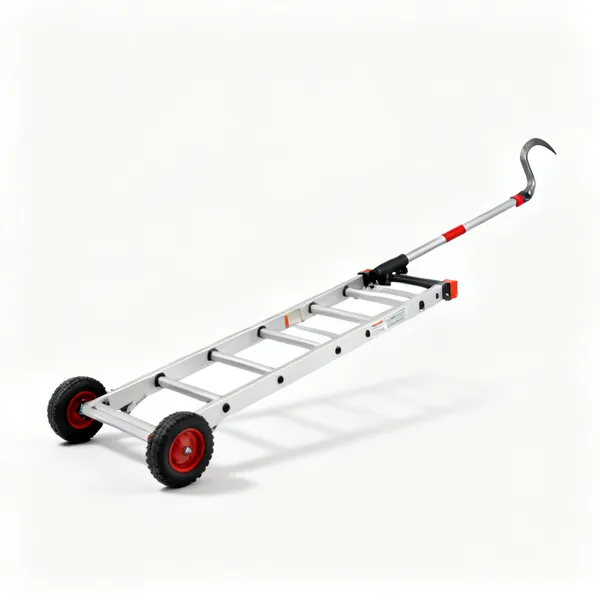
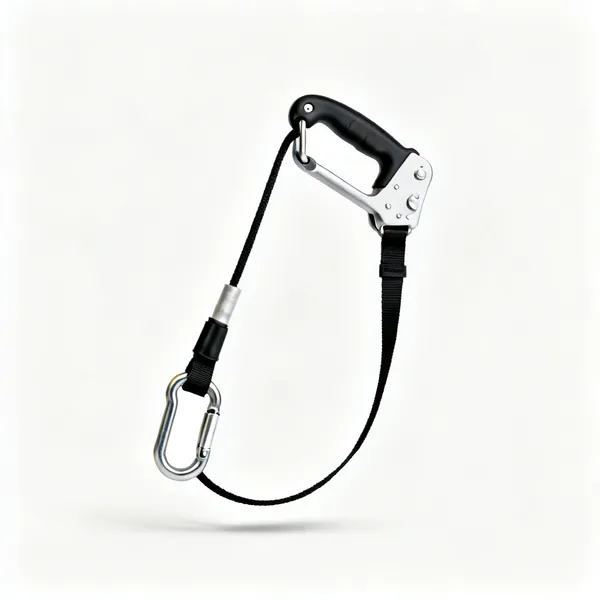
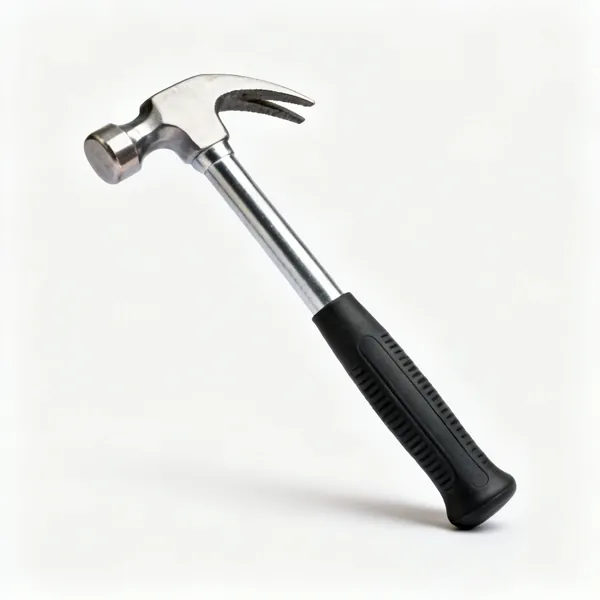
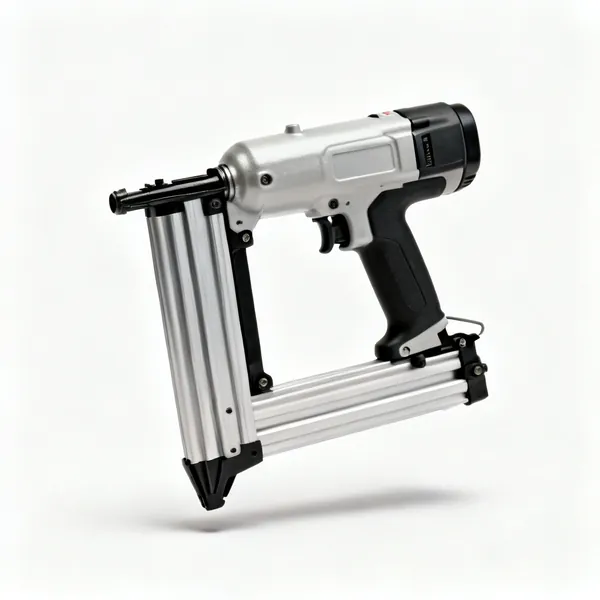
- What tools do I need to start on a construction site?
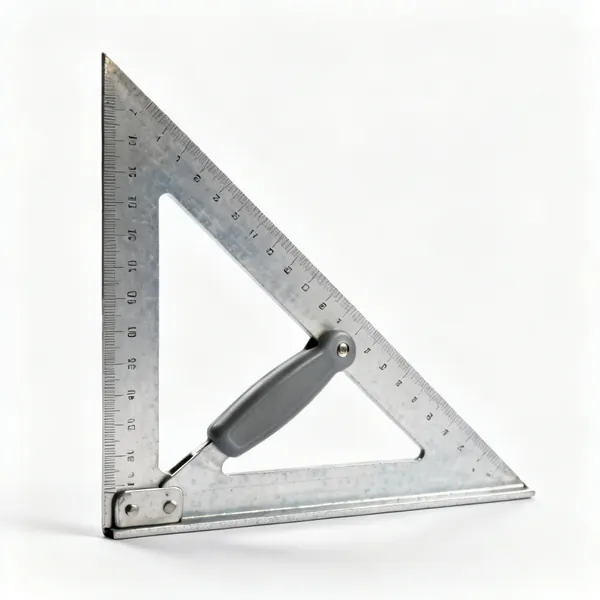
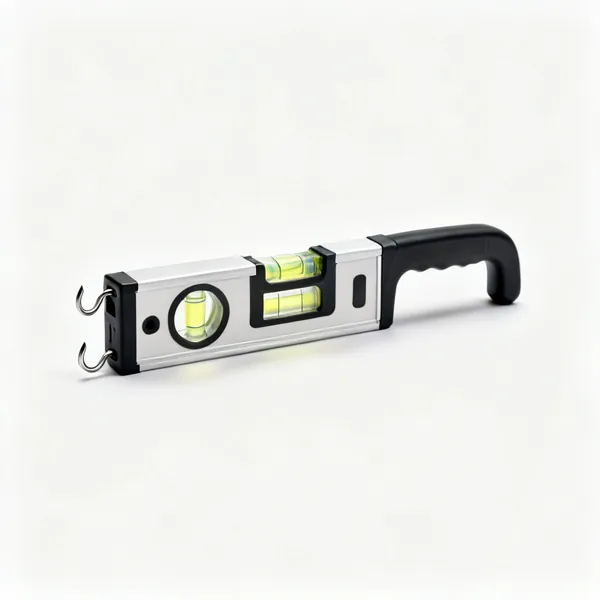
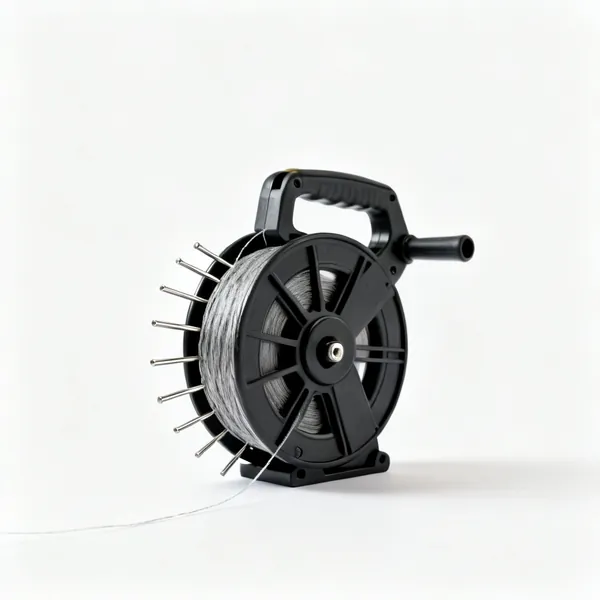
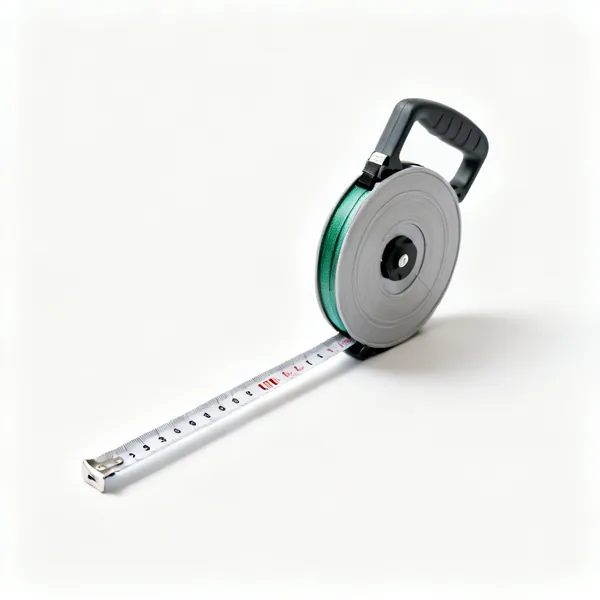
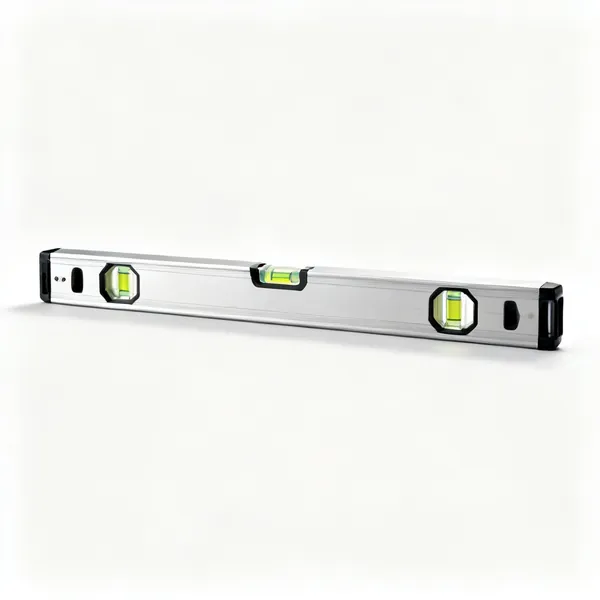
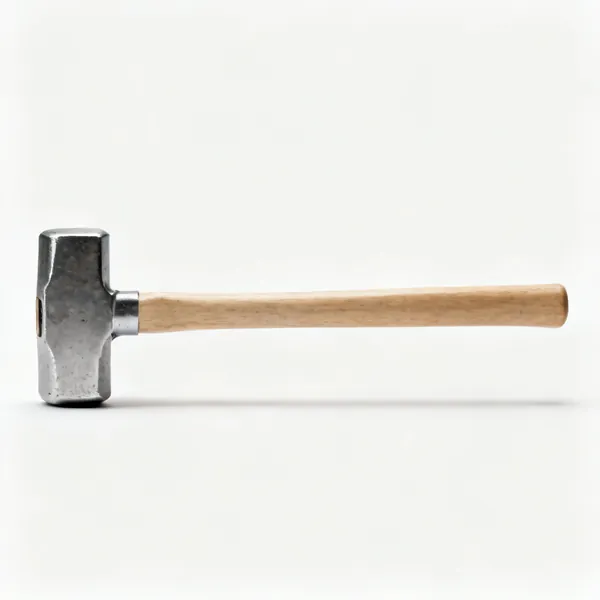
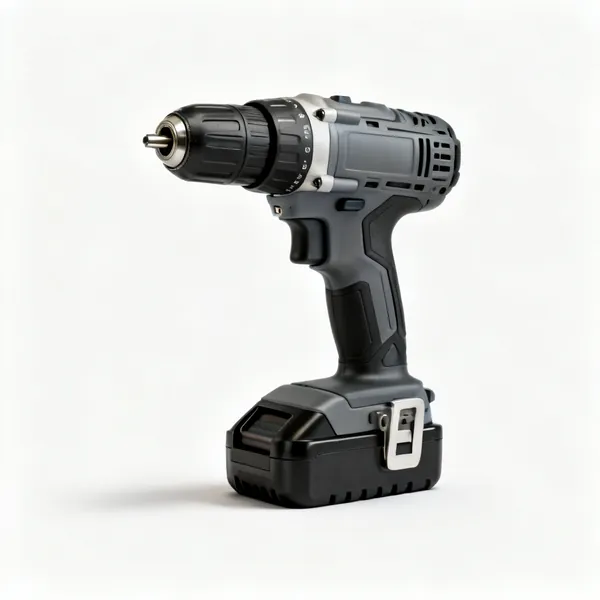
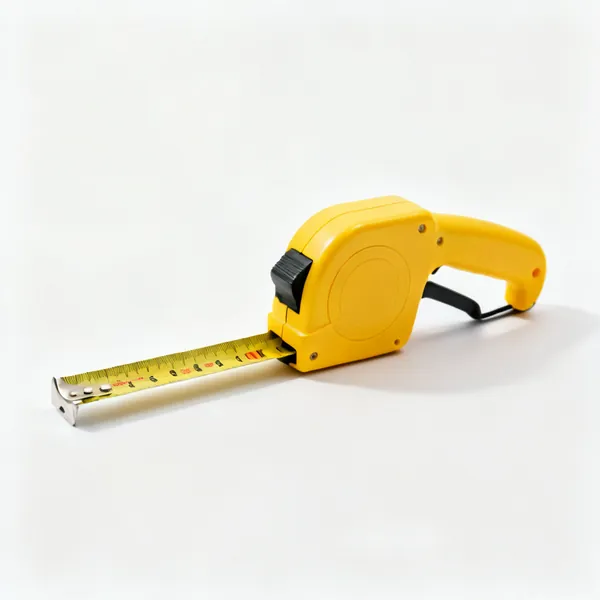
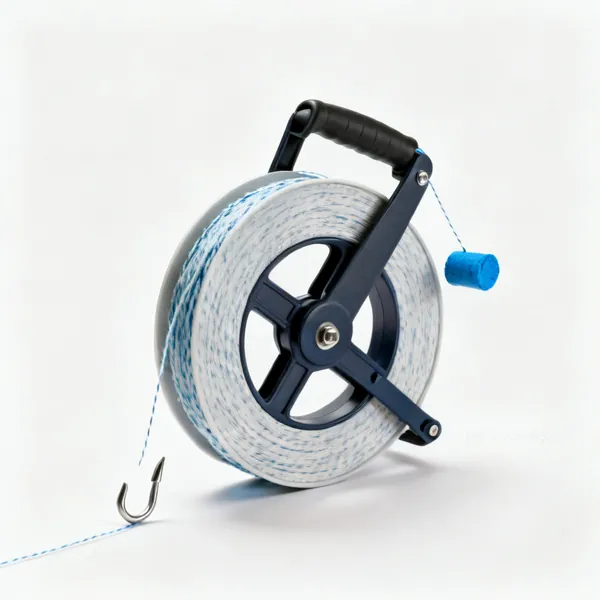
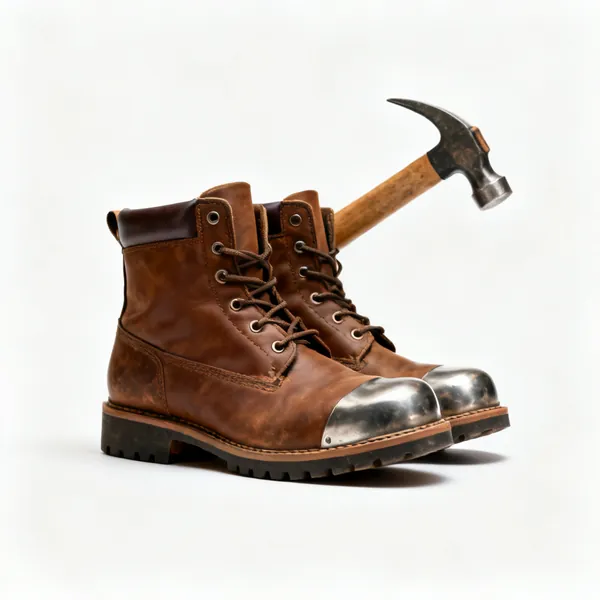
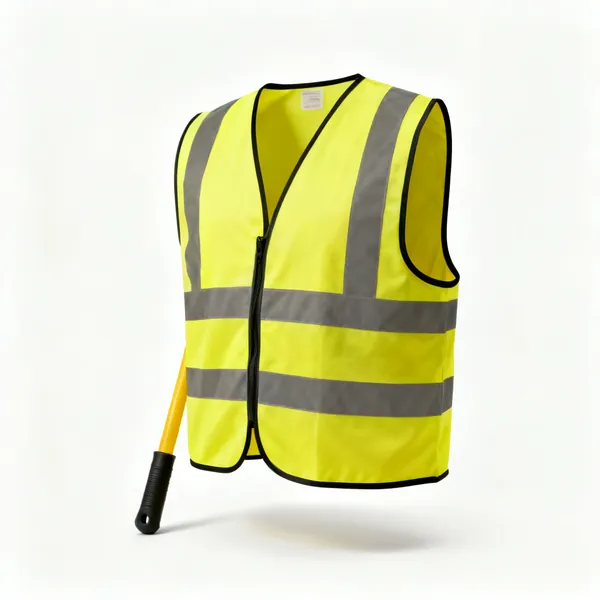
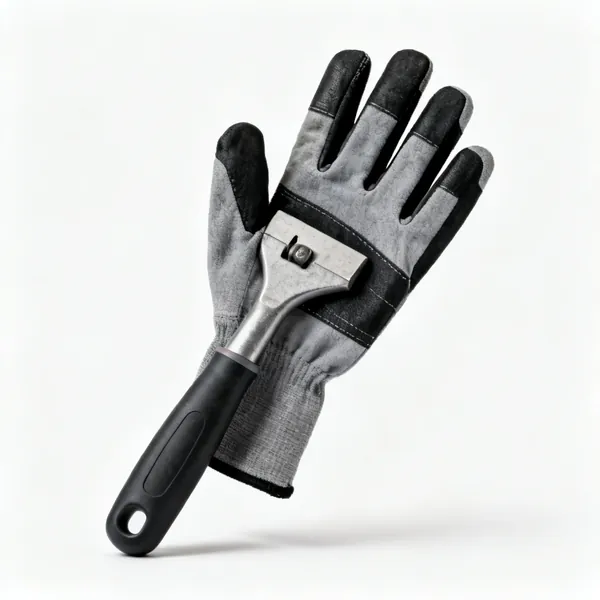
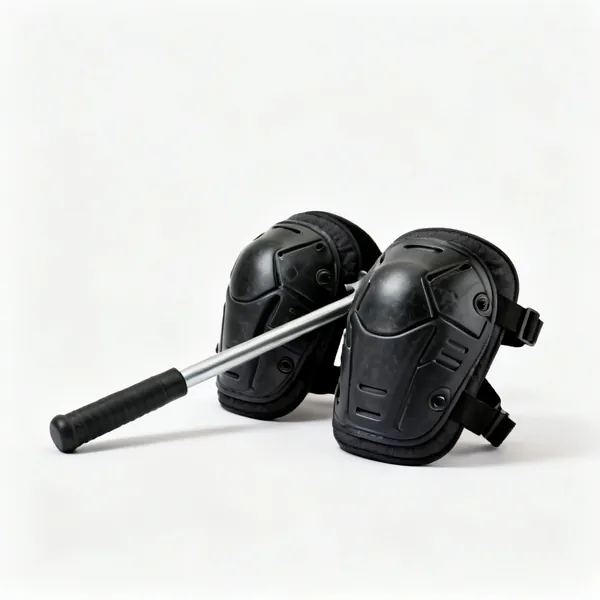
- Boots with a toe cap and midplate, a hard hat, eye protection, gloves and ear defenders, plus a tape, a spirit level, a claw hammer, a utility knife, a chalk line and a cordless combi drill. Most trades add their own kit on top of that.
- Should I buy or hire construction equipment?
- Roughly, own anything you use more than fifteen days a year and hire the rest. Anything with an engine that you need occasionally, like a breaker, wacker plate or floor saw, is nearly always better hired, because the rate includes servicing and consumables.
- What is the difference between construction tools and carpentry tools?
- Carpentry tools are mostly about cutting and joining timber accurately. Construction tools cover the whole site, so they lead on setting out over long distances, concrete and masonry, access equipment, lifting and demolition. There is overlap in the hand tools.
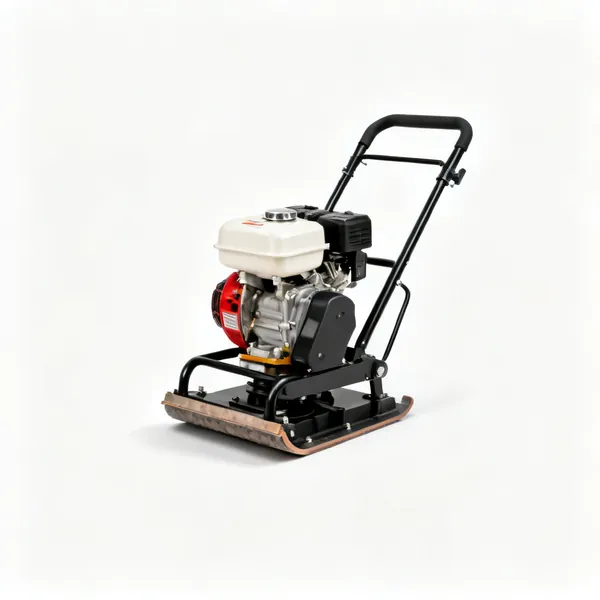
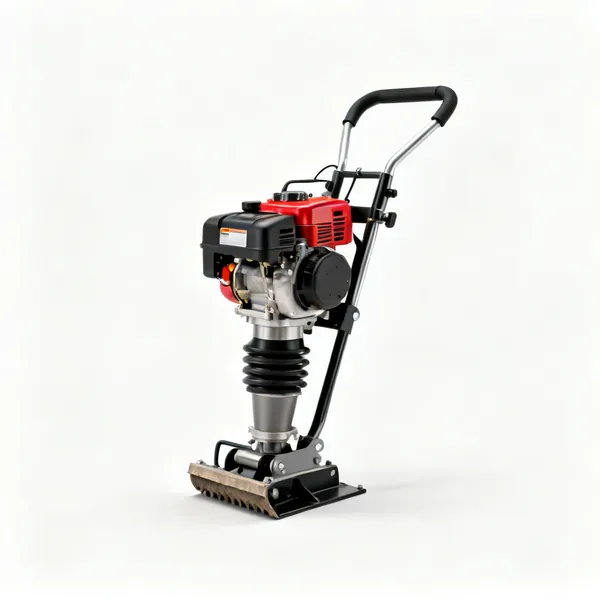
- What is a wacker plate used for?
- Compacting hardcore, sub base or soil so it stops settling before you build or pave on it. Skipping compaction is why paths sink and slabs crack, and it cannot be fixed afterwards without taking the surface up.
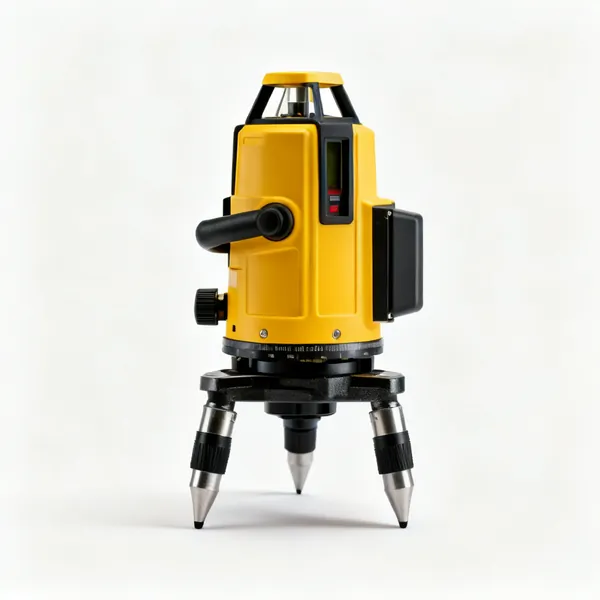
- Do I need a laser level or is a spirit level enough?
- A spirit level is accurate over its own length. Once you are working across a room or a plot, a laser level gives you one flat plane to measure from, which is the only practical way to get floors level and walls the same height.
- What is the difference between an SDS drill and a normal drill?
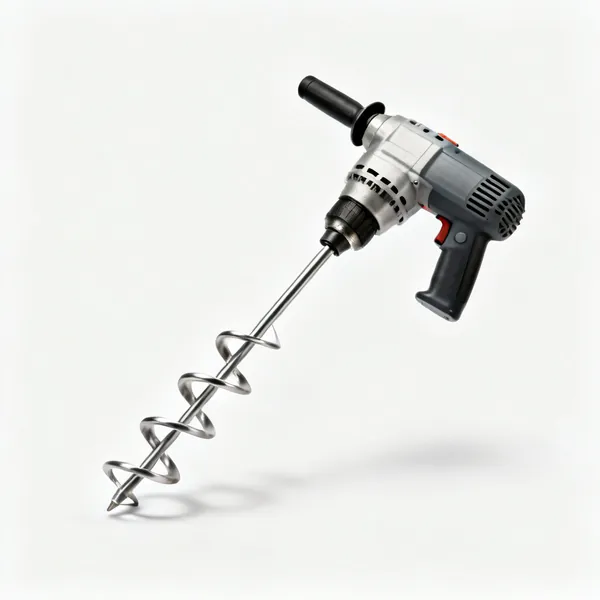
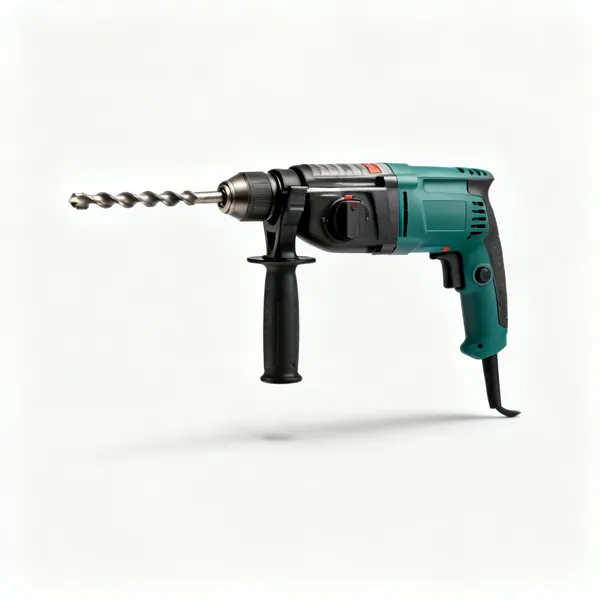
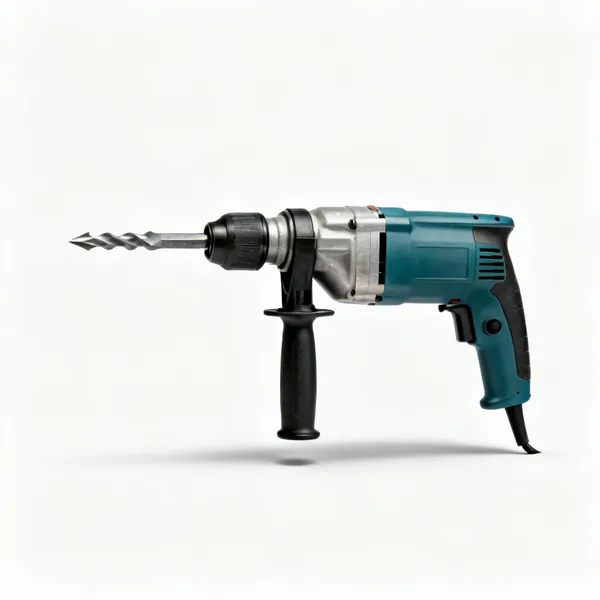
- An SDS drill hammers as well as rotating, using a bit that slides in its chuck so the hammer blow reaches the tip. It goes through concrete and brick quickly, where a normal drill on hammer mode struggles and burns out.
- Why is silica dust such a big deal?
- Cutting or grinding concrete, brick and stone releases fine crystalline silica, which causes permanent lung scarring and is a known cause of cancer. You cannot feel the damage happening, which is why on tool extraction, water suppression and an FFP3 mask are expected on site.
- What is the three four five method?
- A way of setting out a right angle with nothing but a tape. Measure three units along one line, four along the other, and if the diagonal between them is exactly five units, the corner is square. It works at any scale as long as the ratio holds.
- Can I use a grinder instead of hiring a floor saw?
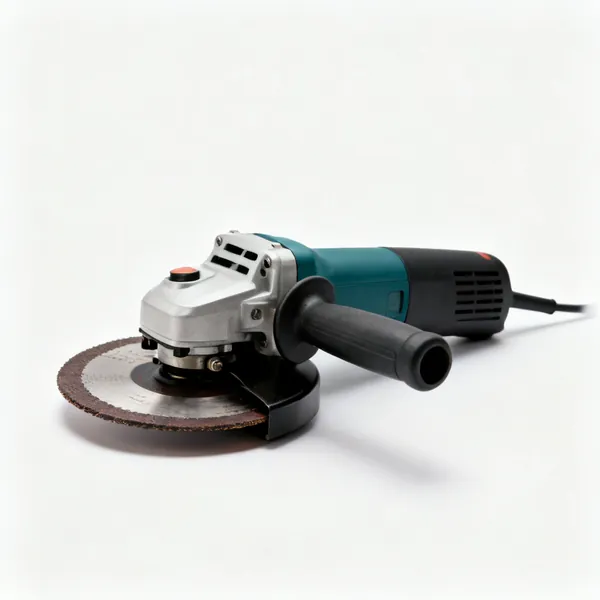
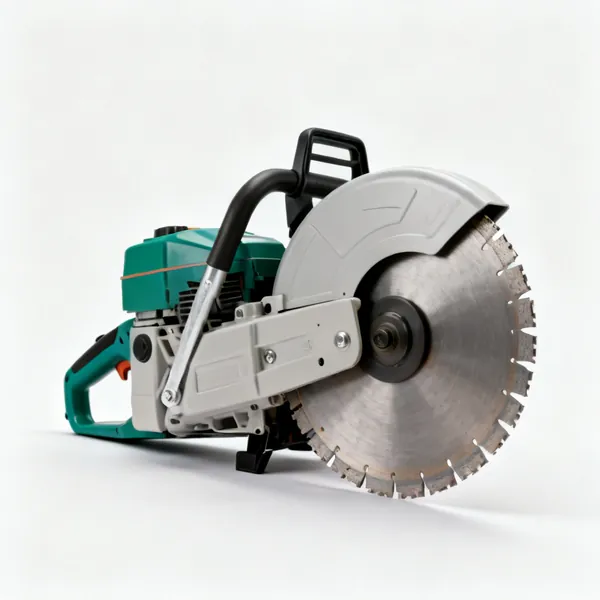
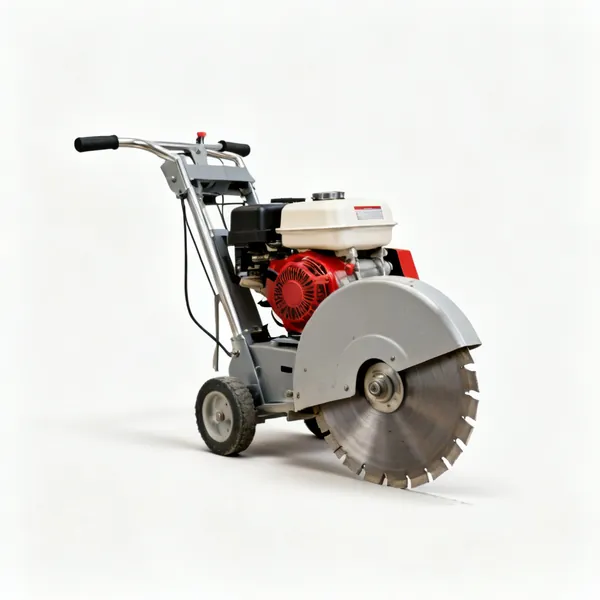
- For a short cut, yes. For anything long or deep it is a false economy, because a grinder cuts shallow, wanders, throws dust everywhere and wears out fast. A hired floor saw cuts straight, deep and with water suppression.
- What is the difference between a tamping beam and a float?
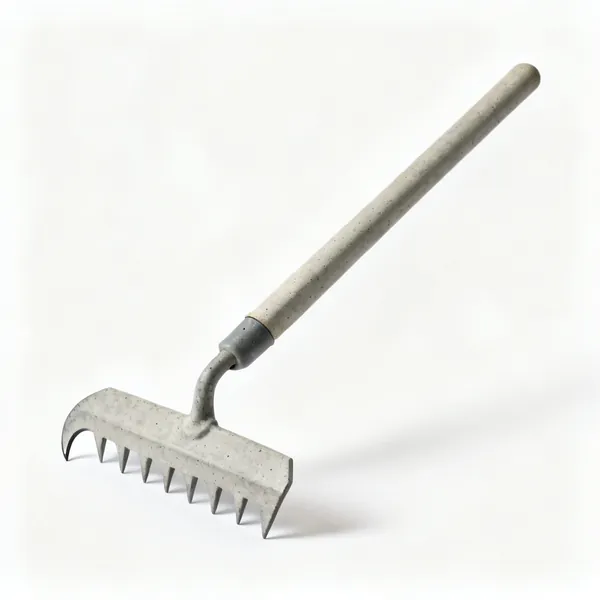
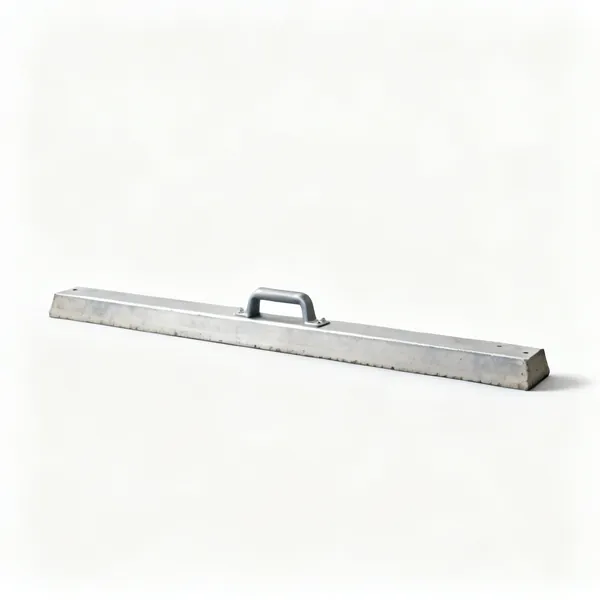
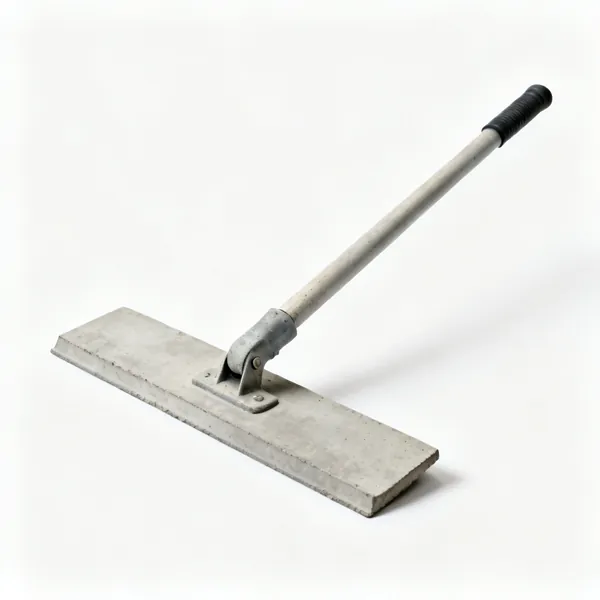
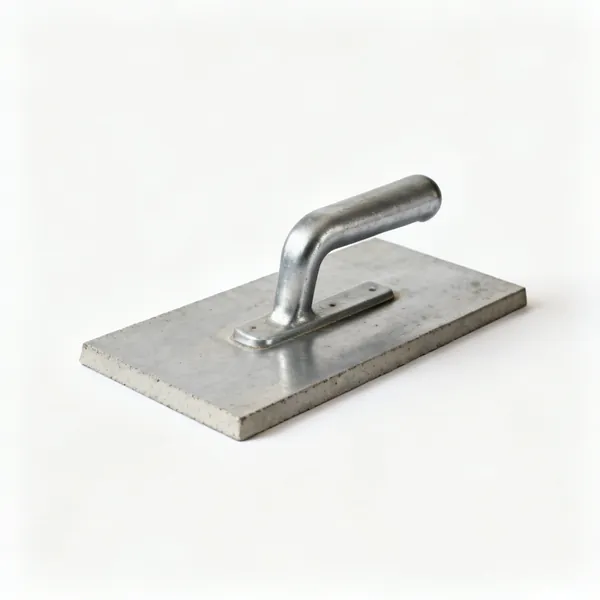
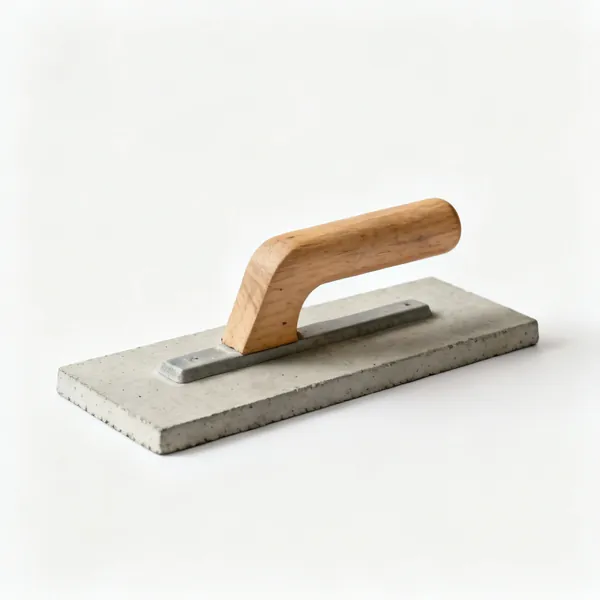
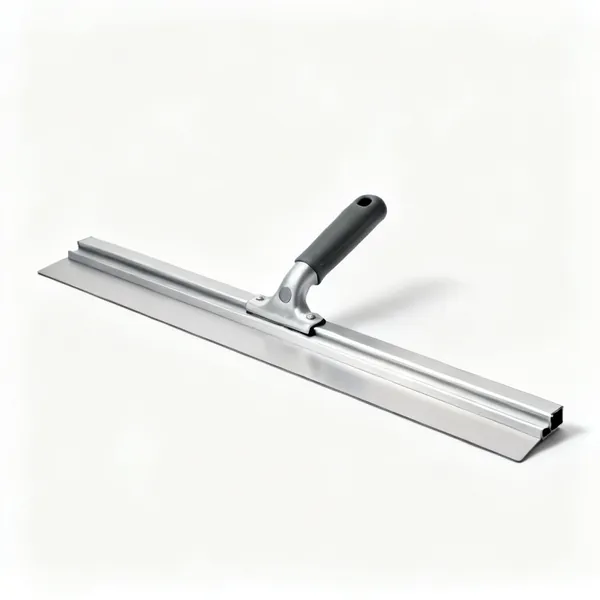
- A tamping beam is used first, dropped across the wet concrete to compact it and bring it to level. A float comes afterwards to close and smooth the surface. Floating too early brings water to the top and weakens the finish.
- How much scaffolding can I put up myself?
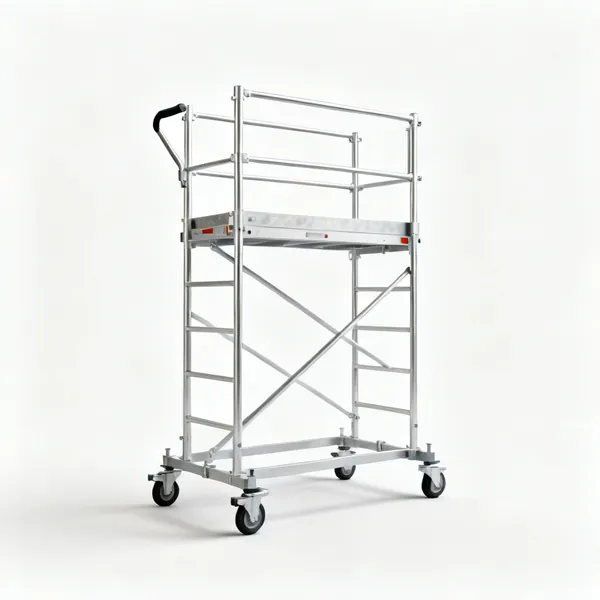
- Mobile towers are designed for competent assembly by the user, following the instructions and using the stabilisers. Tube and fitting scaffold is a trade in its own right and legally needs a competent scaffolder, not a confident builder.
- What is the most useful tool people forget to bring?
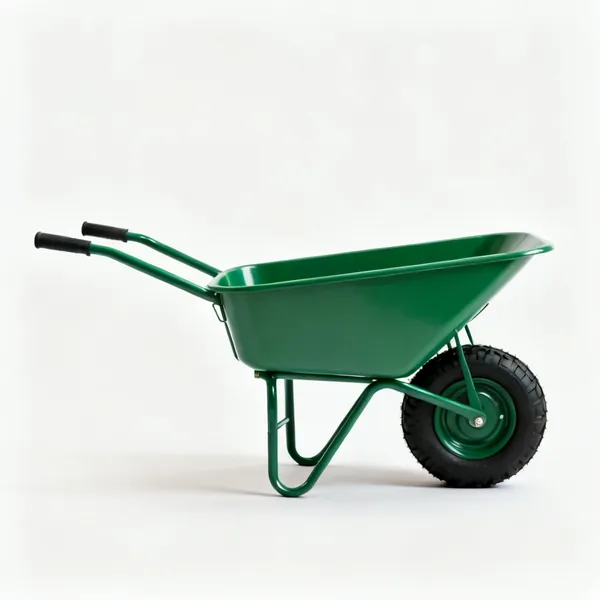
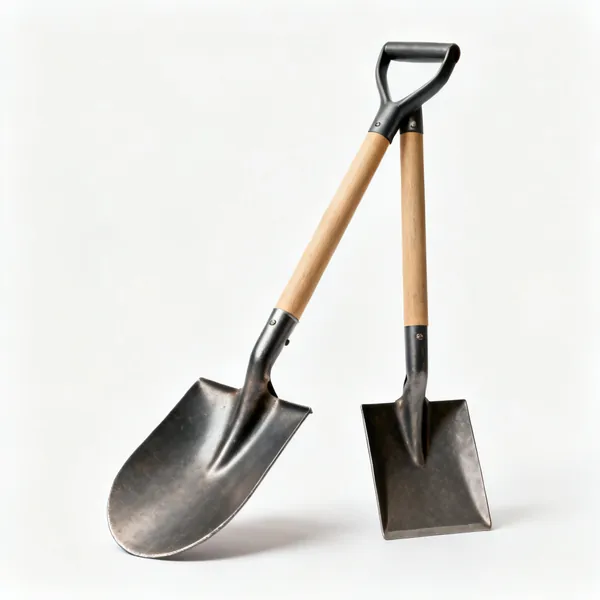
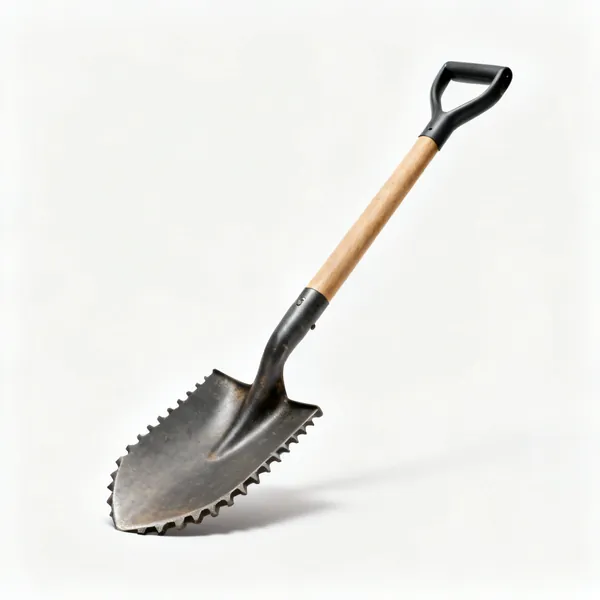
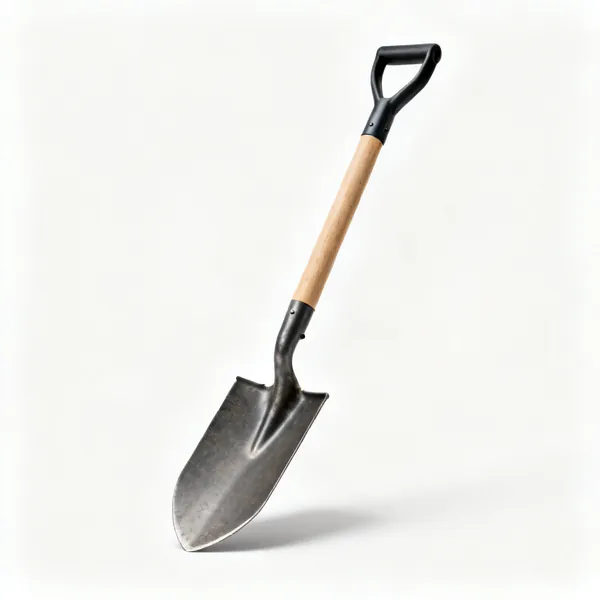
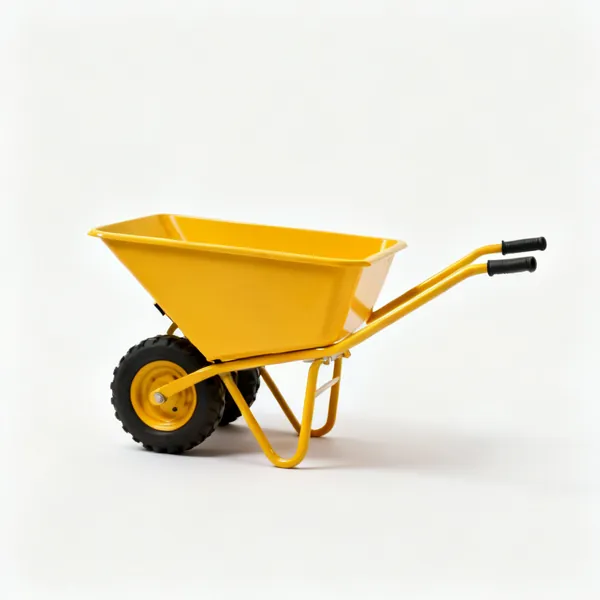
- A decent wheelbarrow and a shovel that suits the material. Every site moves far more stuff than anyone estimates, and a barrow with a flat tyre costs more time than any missing power tool.