Disclosure

Tools for excavation

Two things kill people during excavation and neither is the digging. Striking a buried service, and being buried by a trench side that looked perfectly stable. A cubic metre of soil weighs well over a tonne, which is why a waist deep trench is a fatal one. All 38 tools here are grouped as locating, digging, supporting and finishing, in that order deliberately.

20 are marked essential: enough to find what is buried, dig safely and support the sides.

Part of the full construction tools list, 102 tools in 10 groups.

Locating and setting out 8

Everything here happens before a spade goes in. This is the group that prevents the fatal outcomes.

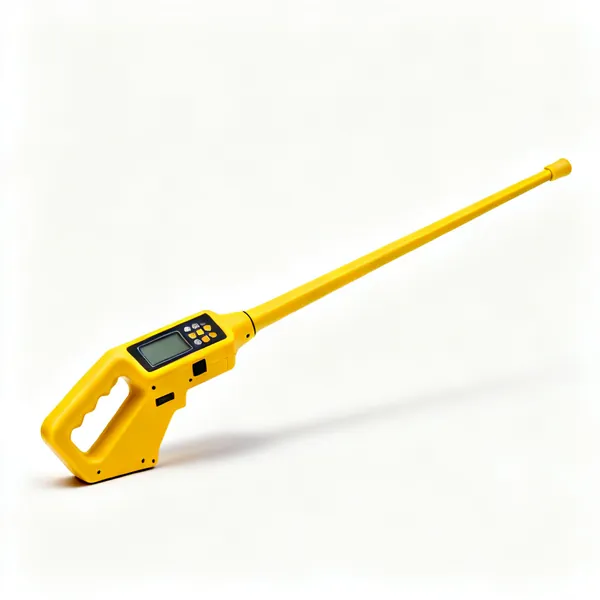
  • A yellow handheld cable avoidance tool detector with a display and a long bodyEssential

    Cable avoidance tool

    Detects the electromagnetic field around live cable and, in radio mode, metallic services. Swept along and across the line, since one pass misses things.

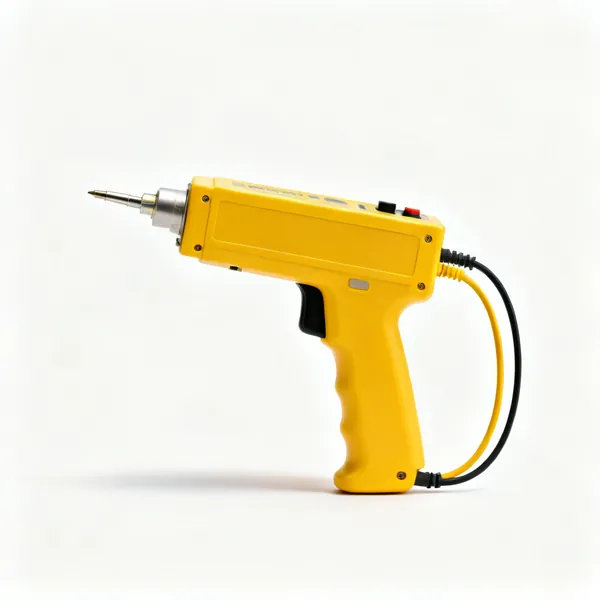
  • A yellow cable signal generator transmitter unit with connection leads

    Signal generator

    Injects a traceable signal into a pipe or cable so the detector can follow it, including unenergised services a passive sweep cannot see.

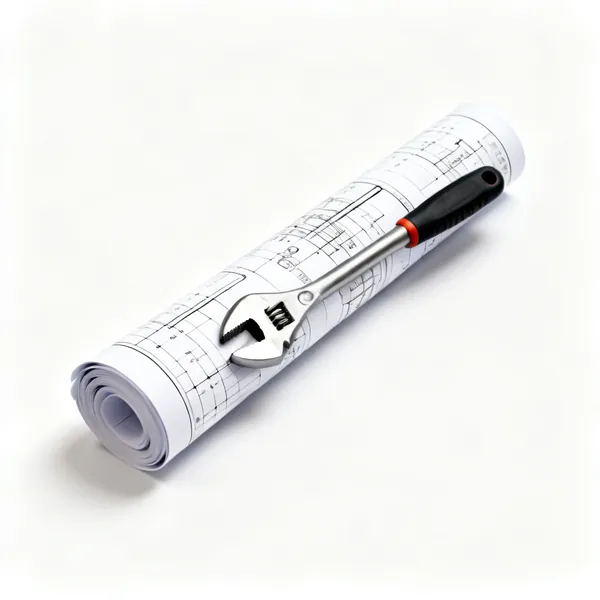
  • Utility plans: A rolled set of printed utility service drawingsEssential

    Utility plans

    Requested from each utility before work starts. They are indicative rather than accurate, which is why they are the first step and not the only one.

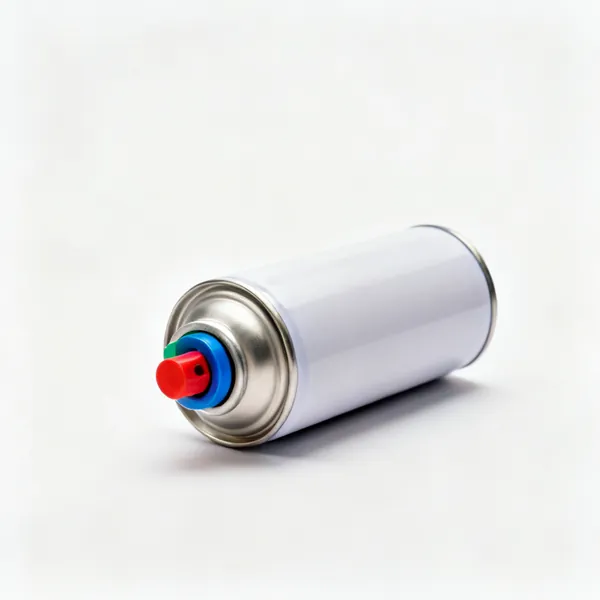
  • Line marking paint: An inverted marking spray paint can with a coloured capEssential

    Line marking paint

    Inverted aerosol marking the detected service runs on the ground in the standard colours, so the marks survive the day and everyone sees the same thing.

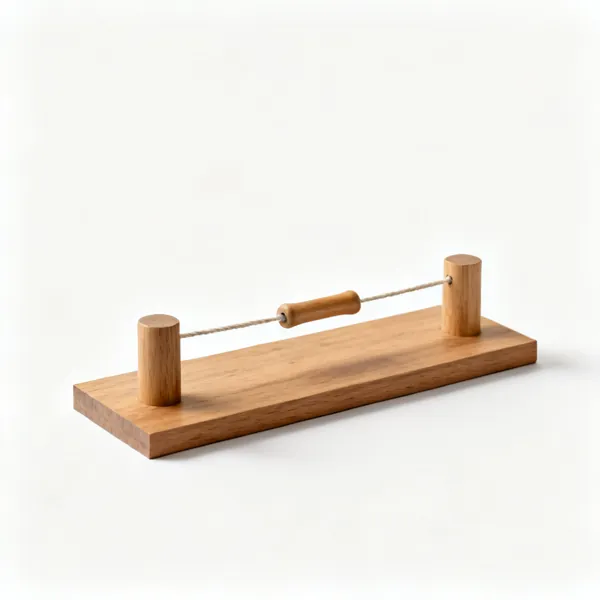
  • Profile boards: A wooden profile board with two posts and a horizontal rail with string

    Profile boards

    Timber frames set outside the excavation carrying the line and level, so the setting out survives the digging. Pegs in the trench line do not.

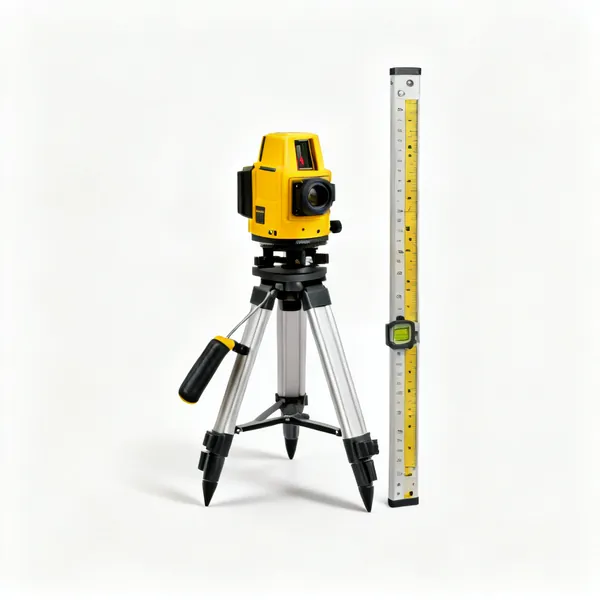
  • Rotary laser and staff: A yellow rotary laser level on a tripod beside a graduated levelling staffEssential

    Rotary laser and staff

    Sets depth and fall across the whole run from one plane, which is what a drain gradient needs. A short level stepped along a trench accumulates error.

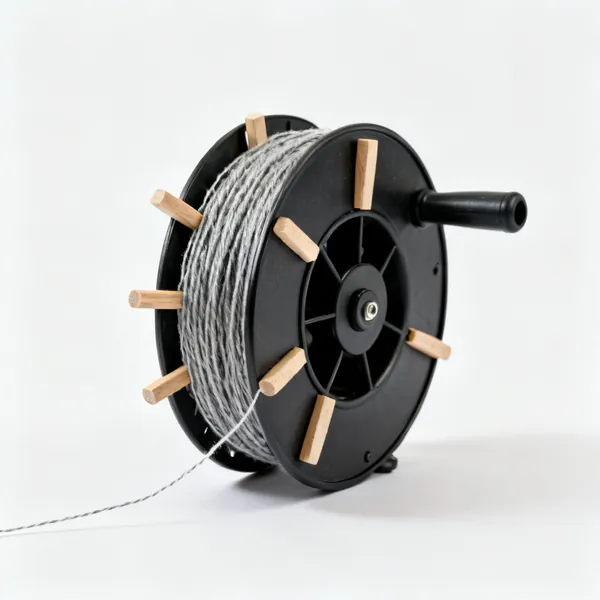
  • String line and pegs: A builder's string line on a winder with several wooden pegsEssential

    String line and pegs

    Marks the trench line, and a taut line is also a straight reference over any distance. Set outside the dig so it is not the first casualty.

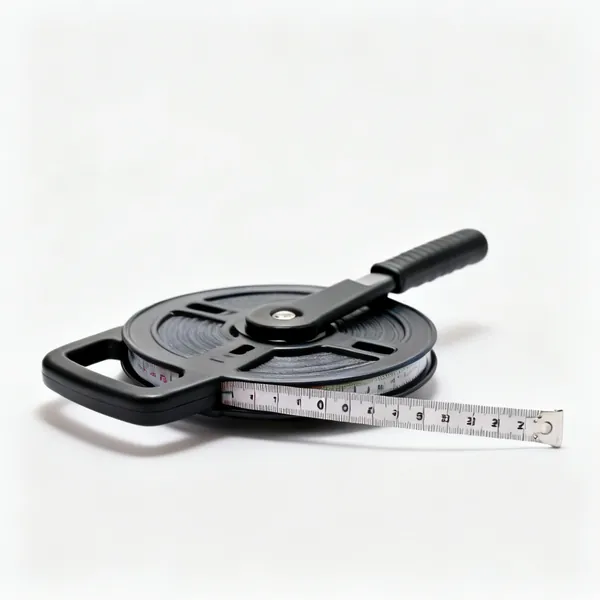
  • Long tape: An open reel 30 metre fibreglass measuring tape with a winding handleEssential

    Long tape

    A 30 metre open reel tape for setting out and for the 3 4 5 method, which squares a foundation with nothing else at all.

Digging tools 10

Hand tools near services, machines away from them, and the right blade for the ground.

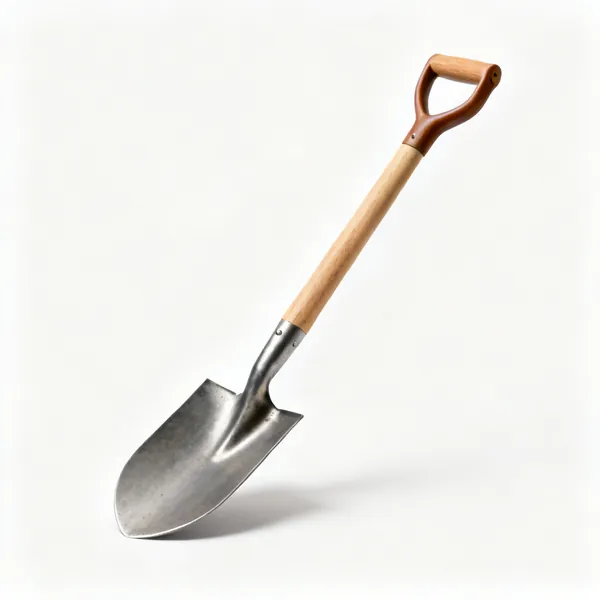
  • A steel digging spade with a flat blade and a wooden shaft with a D gripEssential

    Digging spade

    A flat blade with a sharpened edge for cutting into ground and lifting out a clean slice. Sharpened on a file, since a blunt spade is twice the work.

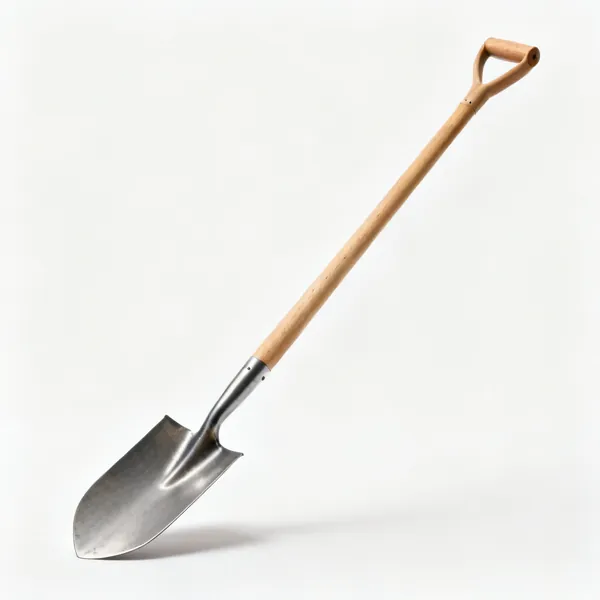
  • A narrow bladed trenching spade with a long steel blade and a wooden shaftEssential

    Trenching spade

    A narrow long blade that digs a trench close to its finished width, so far less spoil comes out and far less goes back.

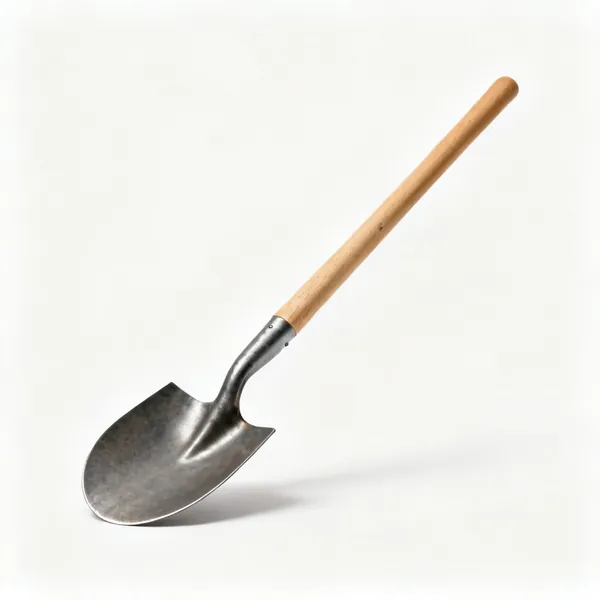
  • A round mouth steel shovel with a curved blade and a wooden shaftEssential

    Shovel

    A curved blade for moving loose material rather than cutting into ground. A spade and a shovel are different tools and swapping them wastes effort.

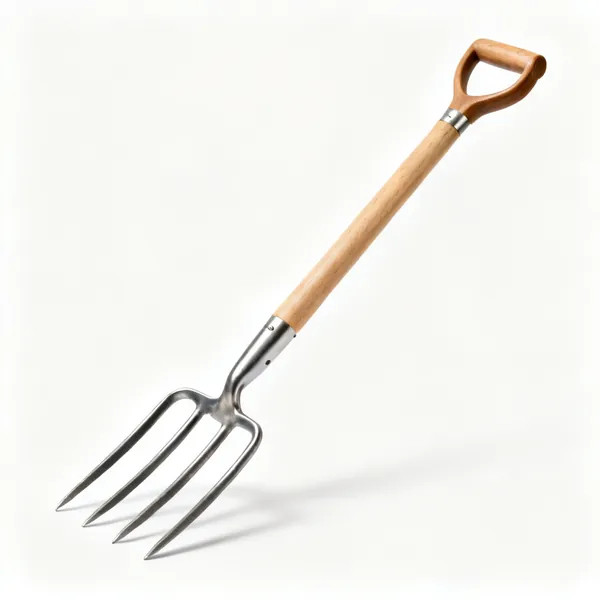
  • A steel digging fork with four tines and a wooden shaft with a D grip

    Digging fork

    Breaks up heavy clay and stony ground that a spade bounces off, and lifts roots. Also the safe tool for probing carefully near a marked service.

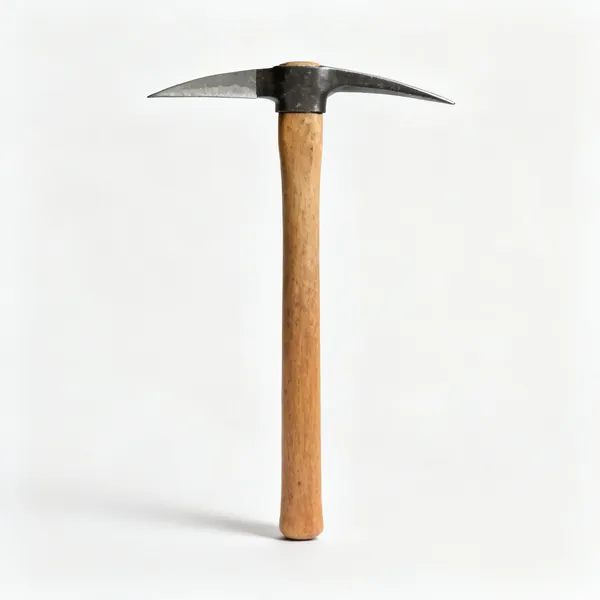
  • A pick axe with a pointed end, a flat blade and a wooden handleEssential

    Pick axe

    A point for breaking hard ground and a blade for cutting roots. Hand powered, so it is what works close to a service where a breaker cannot go.

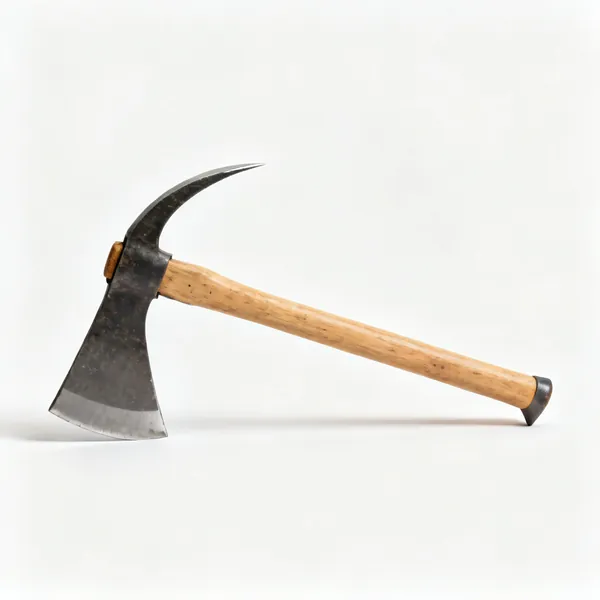
  • A mattock with a wide adze blade and a pick end on a wooden handle

    Mattock

    A wide adze blade that pulls soil toward you rather than lifting it. Faster than a spade in root bound or compacted ground.

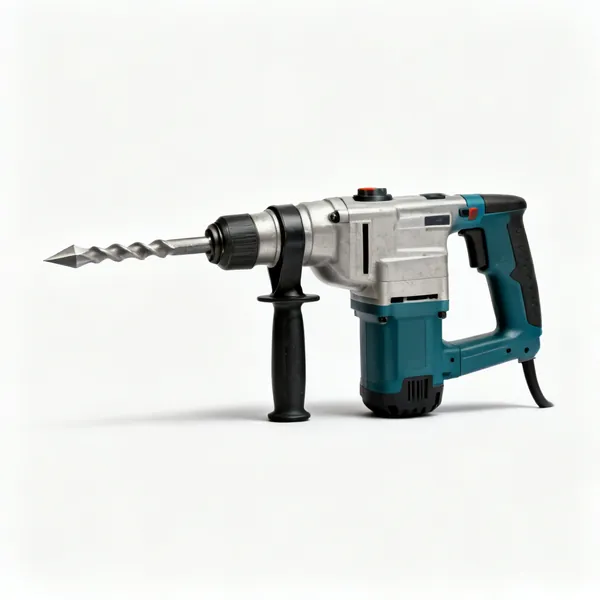
  • A large electric demolition breaker hammer with a pointed chisel

    Breaker

    For concrete, tarmac and compacted hardcore over a service. Not used until the service has been exposed by hand, since a breaker finds cable instantly.

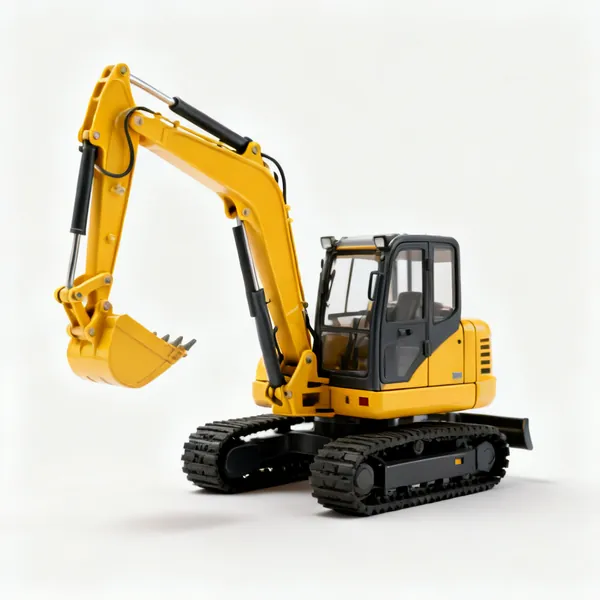
  • A small yellow mini excavator digger with a bucket arm and rubber tracks

    Mini excavator

    A day's hire moves what a week of digging would, and it needs a trained operator and confirmed clearance from services. Hand dig the last 500mm.

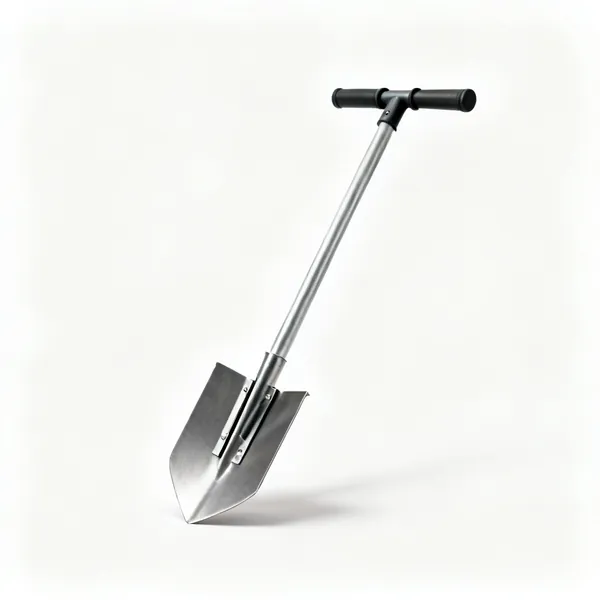
  • A two handled post hole digger with hinged steel blades

    Post hole digger

    Two hinged blades that lift a plug of soil from a narrow hole, keeping the sides straight. Far better than a spade for fence posts.

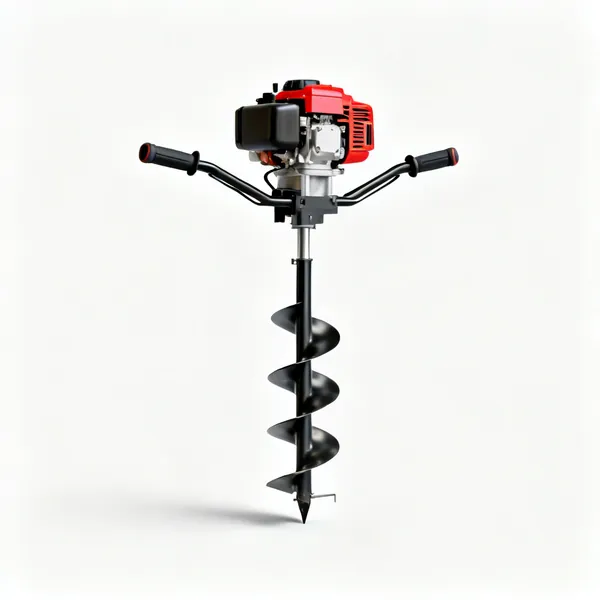
  • A petrol powered earth auger with a helical drill bit and two handles

    Earth auger

    A screw that bores a clean vertical hole to depth. Powered ones will break a wrist if the bit catches a root, which is why they have a clutch.

Trench support and access 10

The group that decides whether a deep trench is survivable. Not optional above about 1.2 metres.

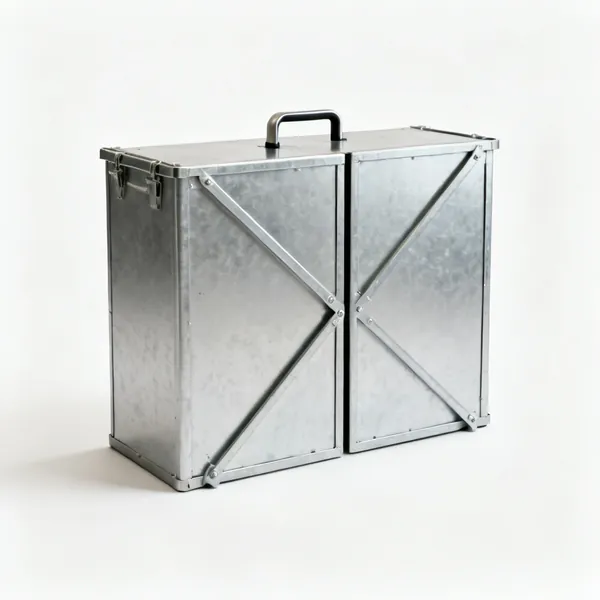
  • Trench box: A steel trench support box with two panels and adjustable cross strutsEssential

    Trench box

    Two steel panels on adjustable struts, lowered into an open trench to support both sides at once. The standard solution for service work.

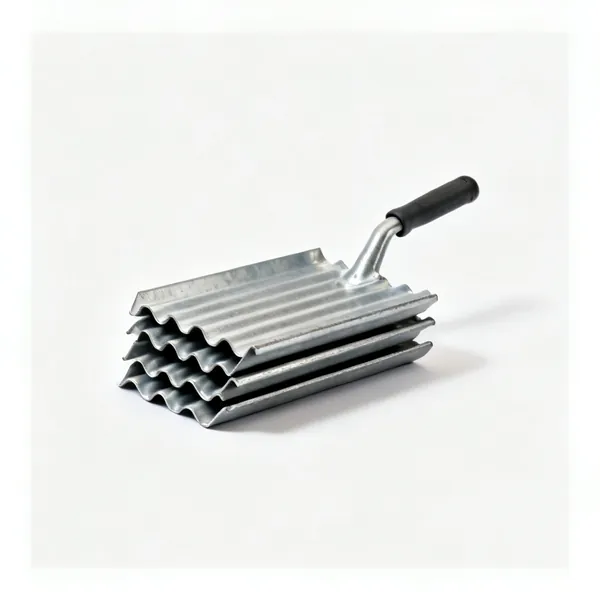
  • Three interlocking corrugated steel trench sheets stacked

    Trench sheets

    Interlocking steel sheets driven into the ground before or as the trench is dug, for ground too poor to stand even briefly.

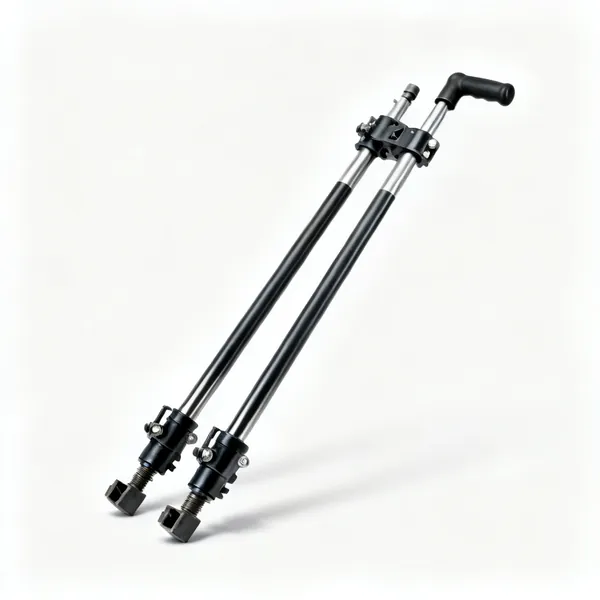
  • Hydraulic struts: Two hydraulic trench shoring struts with adjustment mechanisms

    Hydraulic struts

    Adjustable rams that hold shoring against both sides, set from above so nobody has to be in an unsupported trench to install the support.

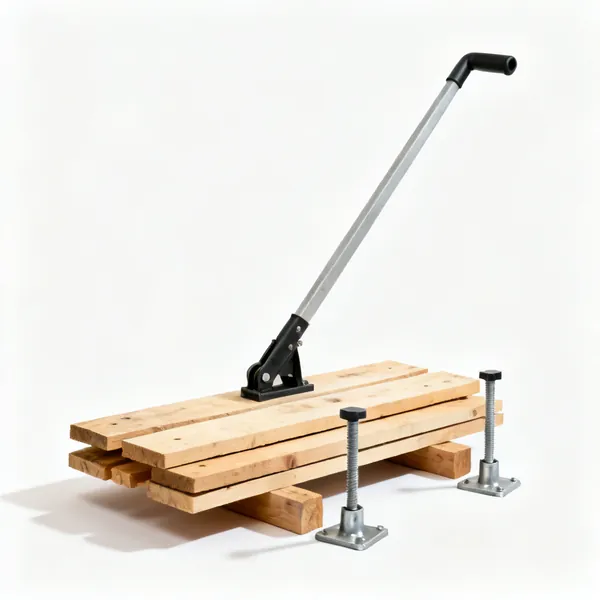
  • Several timber shoring boards and two adjustable steel props

    Timber shoring

    Boards and props supporting the sides, as an engineered arrangement rather than an improvised one. Slower than a box and it fits any shape.

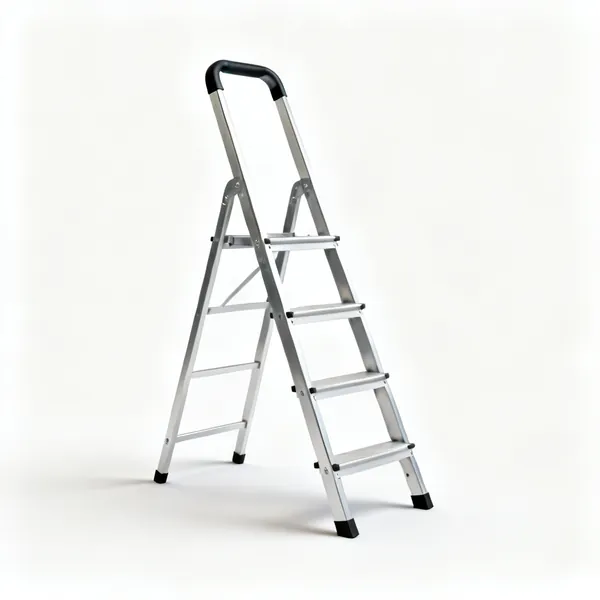
  • Access ladderEssential

    Access ladder

    Secured at the top and within a short distance of anyone working. Climbing out on the sides breaks them down and traps people mid climb.

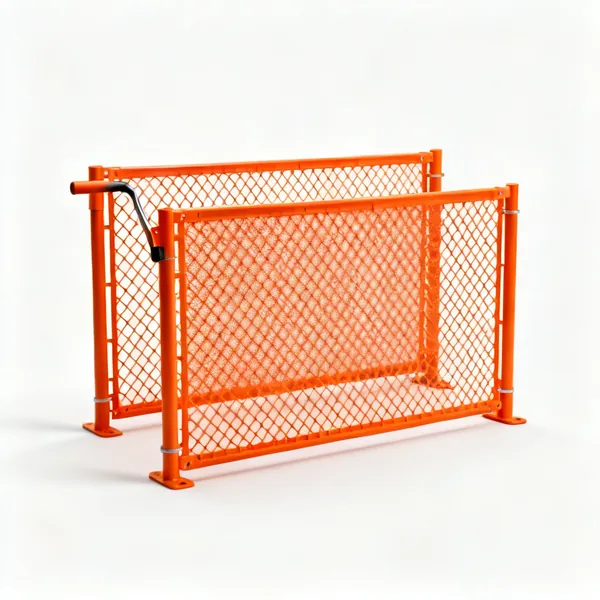
  • Edge barriers: Two orange plastic mesh safety barrier fence panelsEssential

    Edge barriers

    Fencing all the way round, because falling in is a separate hazard from collapse and it affects passers by as much as workers.

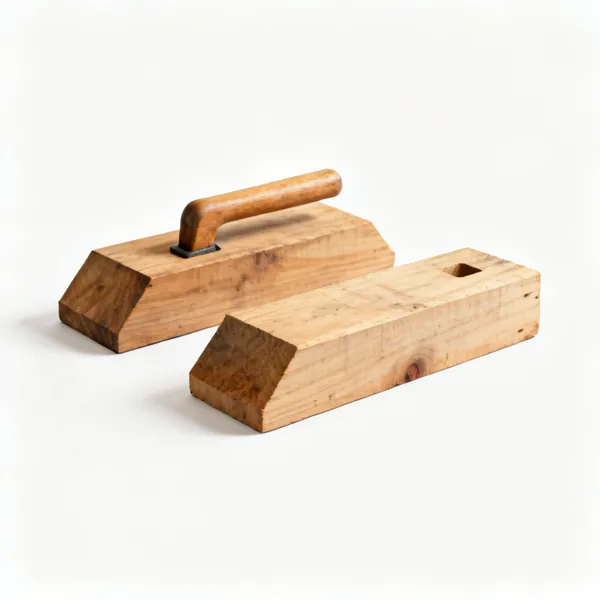
  • Two heavy timber vehicle stop blocks

    Stop blocks

    Baulks of timber or concrete stopping a reversing vehicle short of the edge. A vehicle at an edge is both a surcharge load and a falling hazard.

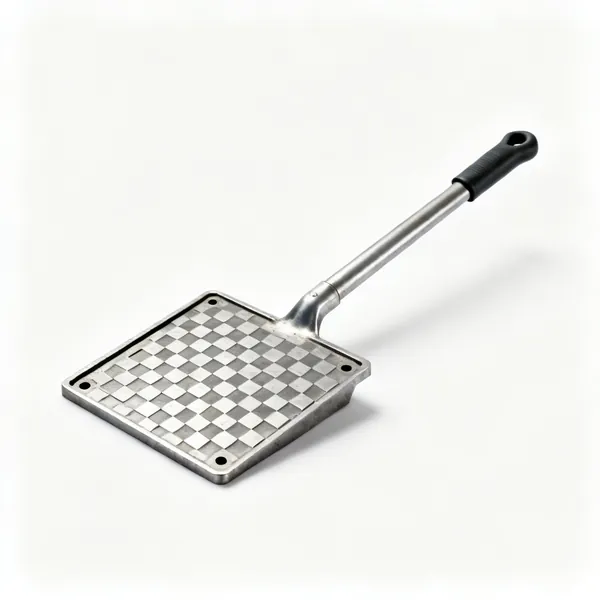
  • Trench covers: A steel trench cover plate with a chequered surface

    Trench covers

    Steel plates or boards covering an open trench overnight or where people must cross. Rated for what will go over them rather than whatever is to hand.

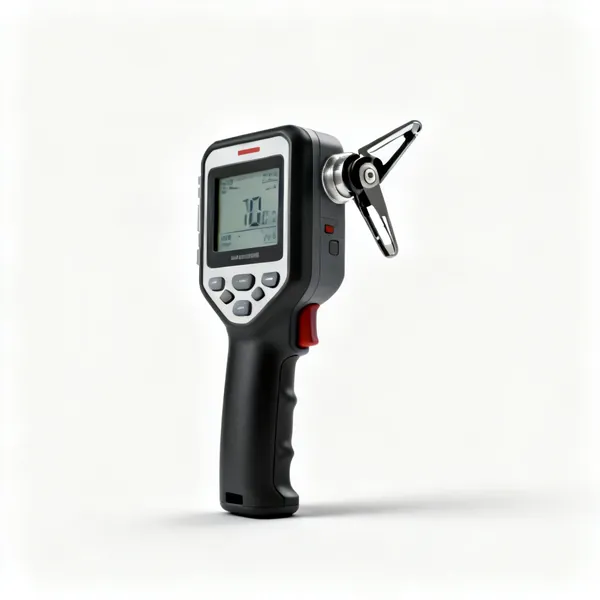
  • A handheld multi gas detector with a display and a clip

    Gas detector

    Deep trenches accumulate heavy gases and lose oxygen, which is a confined space problem people do not associate with an open topped hole.

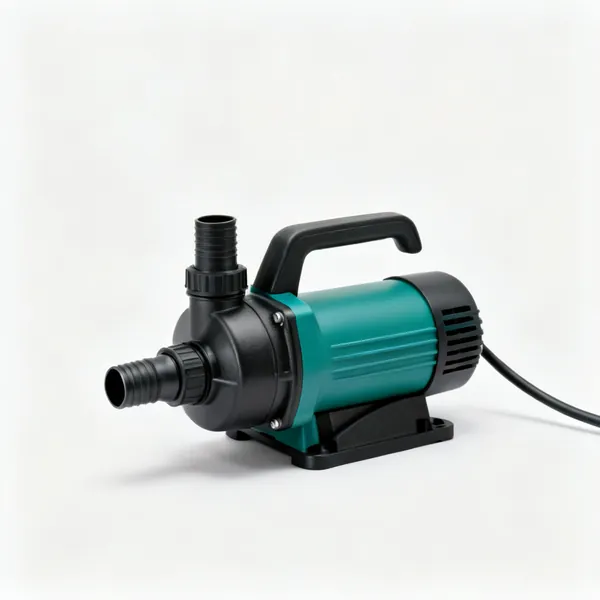
  • Submersible pump: A submersible water pump with a hose connection and a handleEssential

    Submersible pump

    Clears water from a trench, and afterwards the sides need reassessing because saturation changed them while it was full.

Backfilling and finishing 10

Settlement and point loads are both created here, and both show up years later.

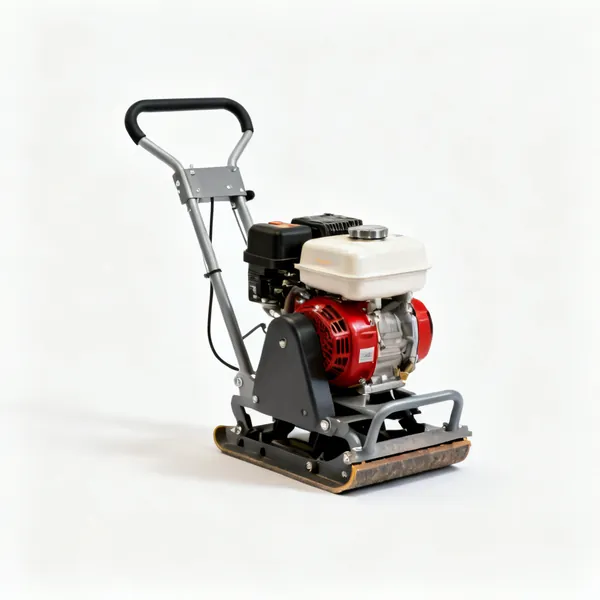
  • Compactor plate: A petrol powered vibrating compactor wacker plate with a handleEssential

    Compactor plate

    Compacts backfill in layers so it does not settle for years afterwards. Layers of 150 to 300mm, since a plate does not reach deeper than that.

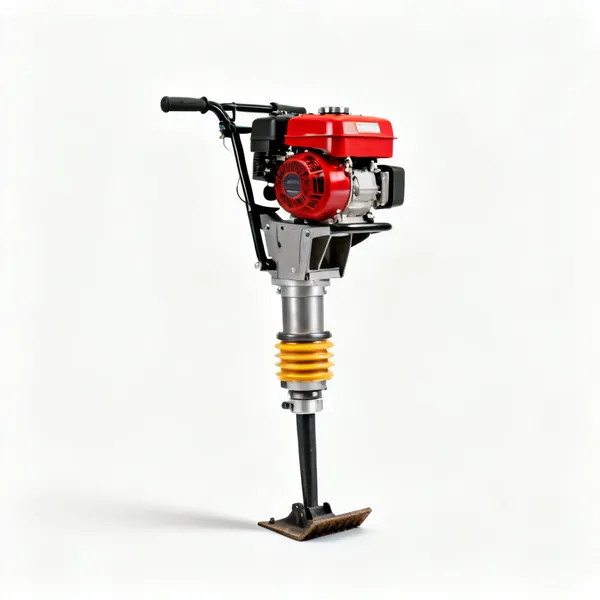
  • A petrol trench rammer compactor with a narrow foot and a tall body

    Trench rammer

    A narrow foot that compacts in the bottom of a trench where a plate will not fit. Also compacts deeper per layer than a plate does.

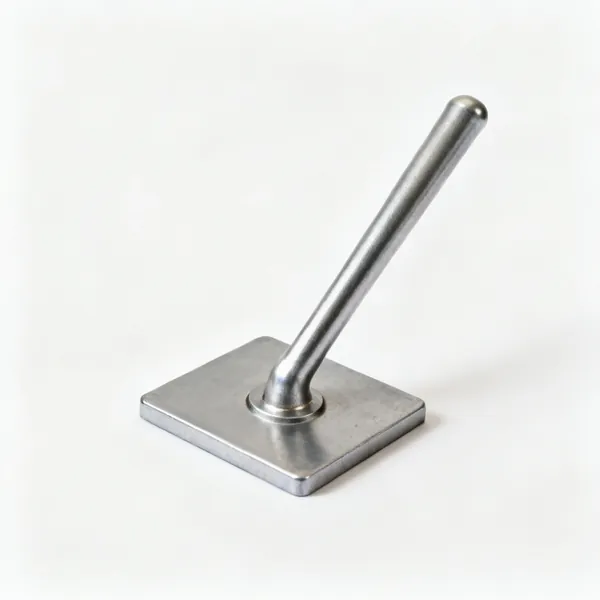
  • A steel hand tamper compactor with a flat square plate and a long handleEssential

    Hand tamper

    A steel plate on a shaft for compacting around a pipe or a post where a machine would damage it. Slow, controllable and it needs no fuel.

  • A pile of fine bedding sand with a shovel standing in itEssential

    Bedding sand

    Pipes and cables sit on sand rather than on stone, because a stone gives a point load and the pipe eventually fails exactly there.

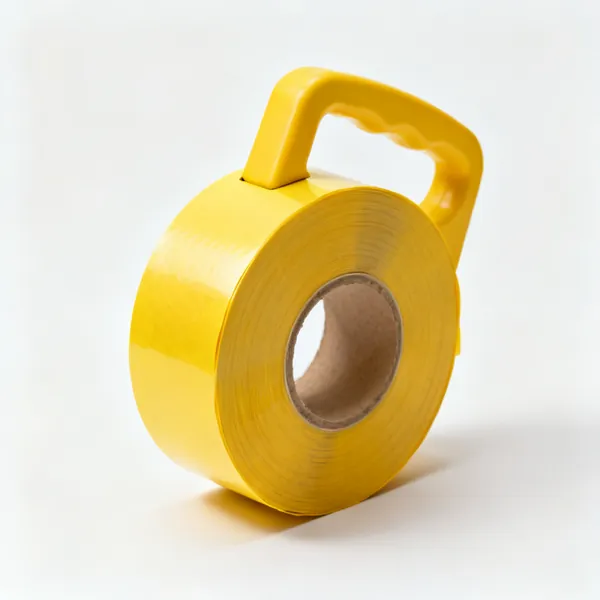
  • A roll of yellow underground service warning marker tapeEssential

    Warning marker tape

    Coloured tape laid above a buried service so the next person digging finds it before hitting it. Five minutes, and it protects someone else entirely.

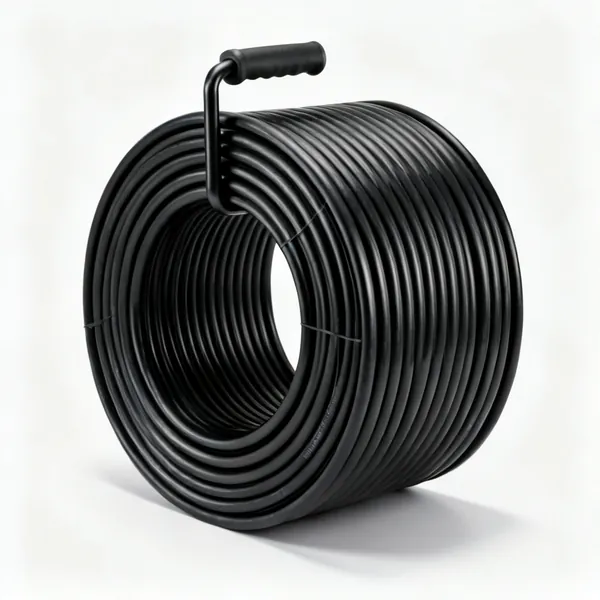
  • A coil of black flexible underground cable ducting

    Ducting

    A conduit around a cable so it can be replaced later without digging again. Also protects it from a point load and from a future spade.

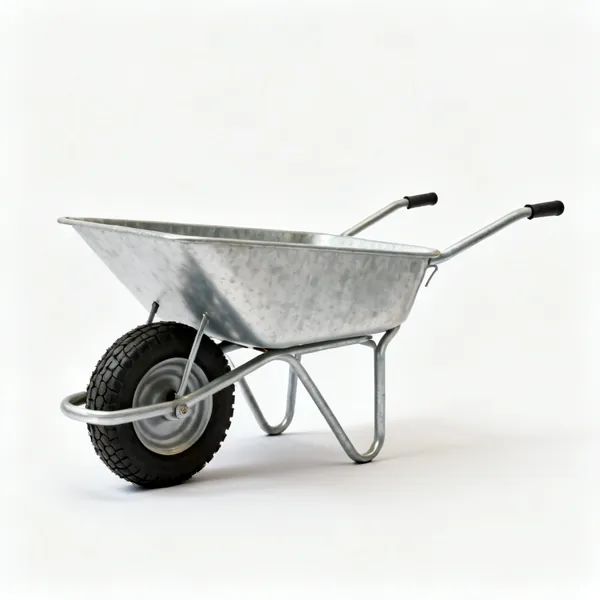
  • A metal builder's wheelbarrow with a pneumatic tyreEssential

    Wheelbarrow

    Moving spoil away from the edge, which is a safety requirement rather than tidiness. A pneumatic tyre for rough ground.

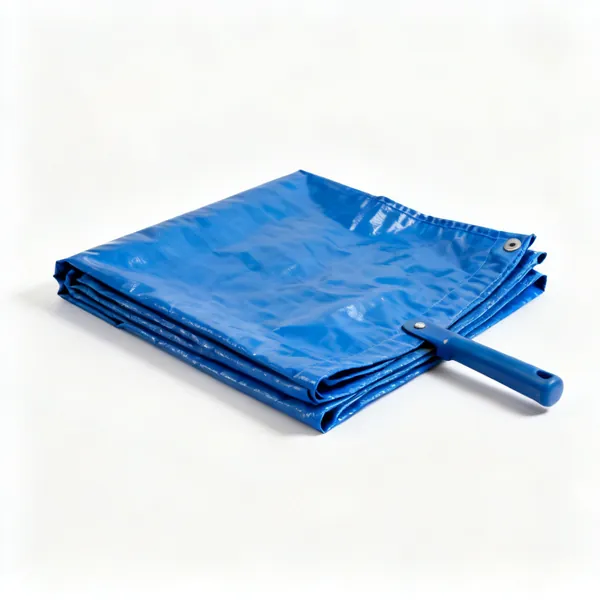
  • Spoil sheets: A folded blue tarpaulin spoil sheet

    Spoil sheets

    Tarpaulins the spoil goes onto, so the surface underneath survives and the backfill goes back in clean rather than mixed with whatever it sat on.

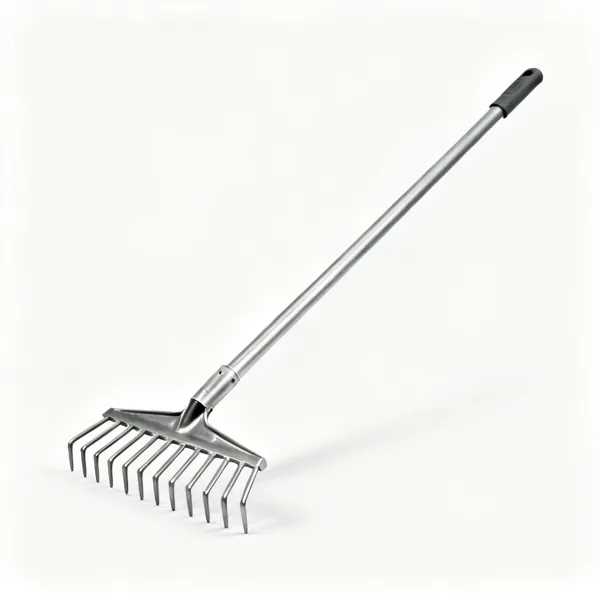
  • A steel landscape rake with a wide toothed head and a long handle

    Landscape rake

    Levels backfill and finished ground, and pulls stones out of what will be the top surface. The last tool used on any excavation.

  • Gloves and safety boots: A pair of leather rigger gloves beside a pair of green safety wellington bootsEssential

    Gloves and safety boots

    Wet soil, sharp stone and buried glass are all routine, and a spade blade on a foot is why the boots have toe caps. Wellingtons with steel toes for wet work.

Choosing excavation tools

The list above is what exists. This is how to decide which of it you actually need, what separates a tool worth keeping from one that ends up at the back of a drawer.

Find the services first

Buried electricity, gas, water and telecoms are rarely where the drawings say and rarely at the depth the regulations specify. Striking a live cable produces an arc flash that causes severe burns, and striking a gas main is worse.

The sequence is: get utility plans, sweep the line with a cable avoidance tool, mark what it finds, then dig trial holes by hand to confirm before any machine or breaker goes near. Plans alone are not a survey and a detector alone is not a confirmation.

Plans, then detect, then hand dig
All three. Each one catches what the previous one missed.
Trial holes by hand
Hand dig to expose a service before a machine or breaker gets near it.
Arc flash burns
Striking a cable does not trip a breaker and stop. It produces a flash and a blast.
Assume nothing about depth
Older services sit far shallower than the current rules require. Sweep the whole line.

Trench collapse, and why it surprises people

A cubic metre of soil weighs between 1.5 and 2 tonnes. A trench side that has stood all morning can fail without warning when the soil dries, when it rains, when a vehicle passes nearby, or when the spoil heap loads the edge.

Anything over about 1.2 metres deep needs support or battering back, and shallower trenches in poor ground do too. Being buried to the chest is enough to prevent breathing, so the depth people consider safe is above the depth that kills.

Soil is heavy
Well over a tonne per cubic metre. Waist deep burial prevents breathing.
Support above 1.2 metres
And in poor ground below it. Battering the sides back is the alternative.
It fails without warning
A side that stood all morning goes when the soil dries or a vehicle passes.
Keep spoil back
A heap at the edge loads the side it is standing on. A metre clear, minimum.

Getting in and out, and what falls in

A ladder in the trench, within a short distance of anyone working, secured at the top. Climbing out using the sides breaks them down and is also how people are trapped when a side goes while they are on it.

Then edge protection so nobody and nothing falls in. Barriers around the excavation, stop blocks where vehicles tip near it, and covers or fencing overnight. A person falling into a trench is a separate hazard from the trench collapsing.

Ladder, secured, close by
Not climbing the sides, which breaks them down and traps people mid climb.
Barriers all round
Falling in is a separate risk from collapse. Both need addressing.
Stop blocks for vehicles
A reversing vehicle tipping near an edge loads it and can go in.
Cover or fence overnight
An open trench on an accessible site is a hazard to anyone, not just workers.

Water, and what it does to ground

Water changes everything about a trench. Saturated soil is heavier, loses cohesion and flows, so a trench that was stable in dry ground becomes unstable within hours of rain. A trench that fills also drowns people who cannot climb out.

Pump it out, and be prepared for the sides to have changed while it was full. Where groundwater is present continuously, the excavation needs a designed approach rather than a bigger pump.

Wet ground loses cohesion
A stable dry trench can become unstable within hours of rain.
Pump, then reassess
The sides changed while it was full. Do not just get back in.
Drowning is a real risk
A filling trench with no easy exit. This has killed people in shallow trenches.
Continuous groundwater needs design
Not a bigger pump. That is a job for an engineered solution.

Backfilling and compacting properly

Backfill in layers, compacting each one, rather than filling and hoping. Uncompacted backfill settles for years, which shows up as a dip in a drive, a cracked slab, or a pipe that has been left unsupported and then fails.

Bedding matters equally. A pipe or cable laid on a stone gets a point load and eventually breaks there, so it goes on sand or pea gravel and gets surrounded before anything coarse goes back in. Marker tape above services is a five minute job that saves the next person's life.

Layers, compacted
150 to 300mm at a time. Fill and hope settles for years afterwards.
Bed on sand
A pipe on a stone gets a point load and fails there. Surround before backfilling.
Marker tape above
Coloured tape over a service so the next person digging finds it before hitting it.
Record what you buried
A photograph with a measurement. The next person will not have the plans either.

Frequently asked questions

What tools do I need for excavation?
A cable avoidance tool, a spade and a shovel, a fork, a pick and a breaker for hard ground, a laser or level for depth, and trench support or a way to batter the sides back. A mini digger for anything more than a short run.
How do I find buried services before digging?
Get utility plans, sweep the line with a cable avoidance tool and a signal generator, mark everything it finds, then hand dig trial holes to confirm before any machine or breaker gets near. All three steps, since each catches what the others miss.
How deep can you dig a trench without support?
Above about 1.2 metres it needs support or the sides battered back, and in poor or wet ground shallower trenches do too. A cubic metre of soil weighs well over a tonne, and being buried to the chest is enough to prevent breathing.
Why do trenches collapse without warning?
Because the failure conditions change while the trench looks the same. Soil drying out, rain saturating it, vibration from a nearby vehicle, or a spoil heap loading the edge can all trigger a side that stood perfectly well all morning.
What is a trench box?
Two steel panels held apart by adjustable struts, lowered into a trench to support both sides at once. Faster than timber shoring and it works in a trench that is already open, which is why it is the standard solution for service work.
How far should spoil be kept from a trench edge?
At least a metre, and further in poor ground. A spoil heap at the edge is a surcharge load on the very soil holding the side up, which makes a collapse considerably more likely rather than just getting in the way.
How should you backfill a trench?
In layers of 150 to 300mm, compacting each one before the next. Uncompacted backfill settles for years, producing dips, cracked slabs and unsupported pipes. Bed pipes and cables on sand rather than directly on stone, and lay marker tape above them.
Do I need a permit to dig?
For work in a public highway or footpath, yes, and utility companies have their own permit requirements near their apparatus. On private land it depends on depth, proximity to boundaries and whether the work affects a structure or a protected tree.