Disclosure

Construction safety equipment

PPE is the last line of defence, not the first. The order is to remove the hazard, then engineer it out, then control access, and only then protect the person. A mask is what you wear when the dust could not be eliminated, and that ordering is written into law. All 36 items here are grouped by what they protect, with the rating that decides whether they do.

16 are marked essential: what would be worn on almost any construction site.

Part of the full construction tools list, 102 tools in 10 groups.

Head, eyes and face 7

The baseline on almost any site, and the ratings that decide what each one stops.

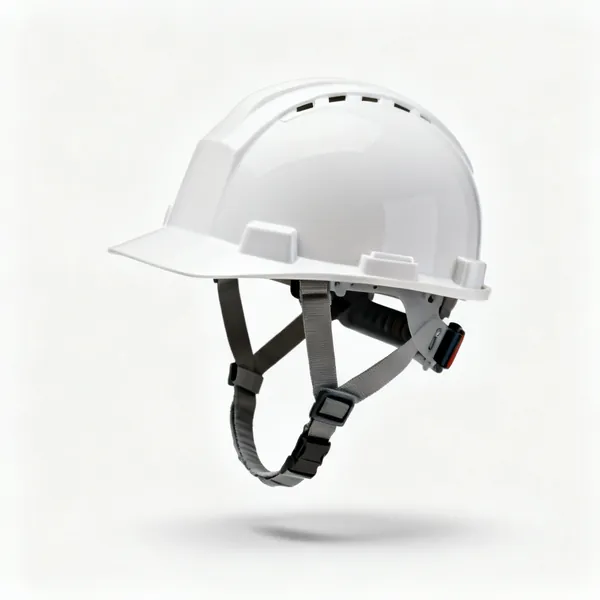
  • A white safety helmet with an adjustable harness and a chinstrapEssential

    Safety helmet

    A shell that absorbs impact by deforming, with a harness holding it clear of the skull. Replaced after any impact, because the deformation is invisible.

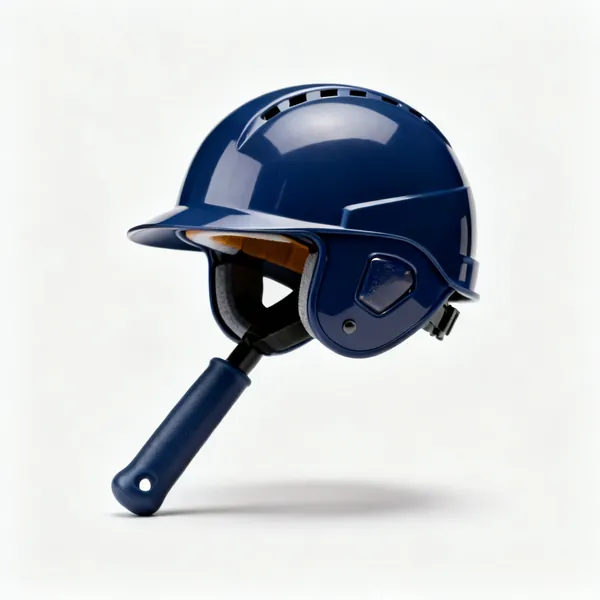
  • A navy blue safety bump cap with a hard inner shell visible

    Bump cap

    A shell for knocking your head on a low beam, and it is not impact rated for falling objects. Not a substitute for a helmet where one is required.

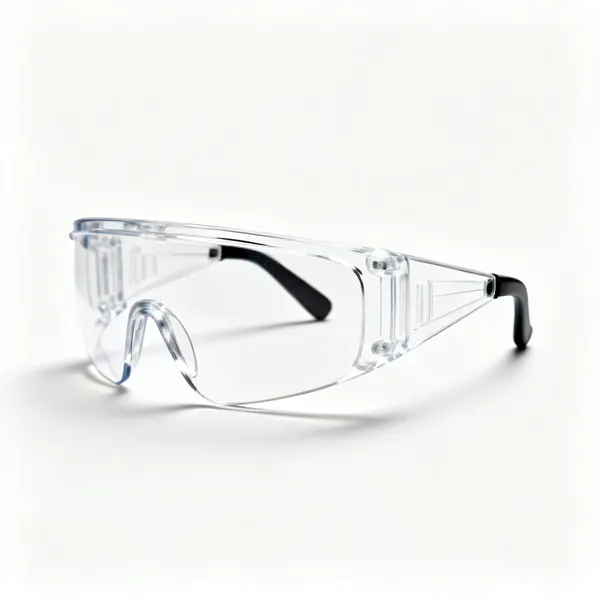
  • A pair of clear wraparound safety glasses with side coverageEssential

    Safety glasses

    Impact rated lenses with side protection. The rating on the frame states what velocity they stop, and ordinary spectacles stop none of it.

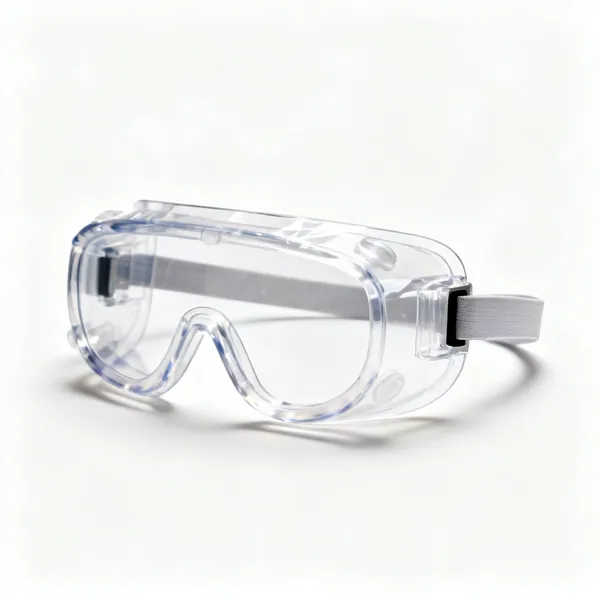
  • A pair of sealed clear safety goggles with a headband

    Safety goggles

    Sealed against dust and liquid splash, which glasses are not. For chemical handling and for overhead work where debris arrives from any angle.

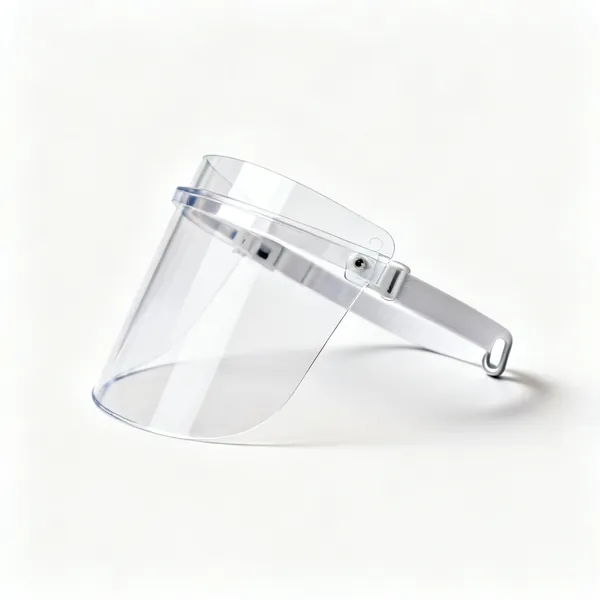
  • A clear polycarbonate face shield with a headband and a pivoting visor

    Face shield

    Protects the whole face against flying fragments, and it is not sealed so it does not replace goggles for dust. Worn over glasses, not instead.

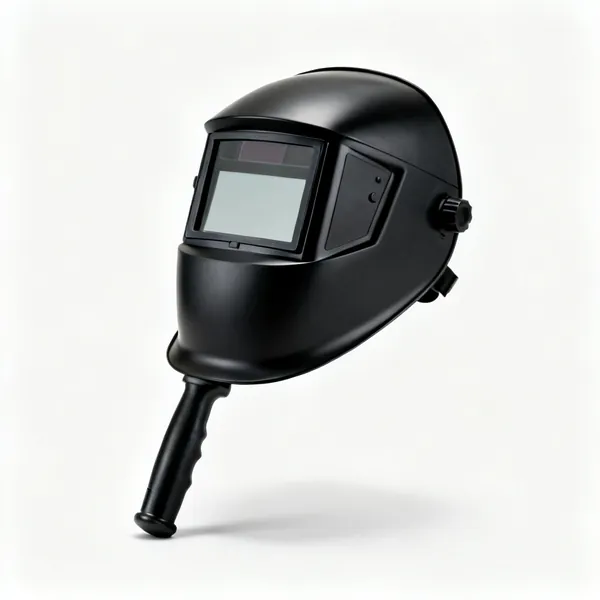
  • Welding helmet

    Welding helmet

    An auto darkening filter shading the arc, and it also blocks the ultraviolet that burns skin and eyes. Shade number matched to the process and current.

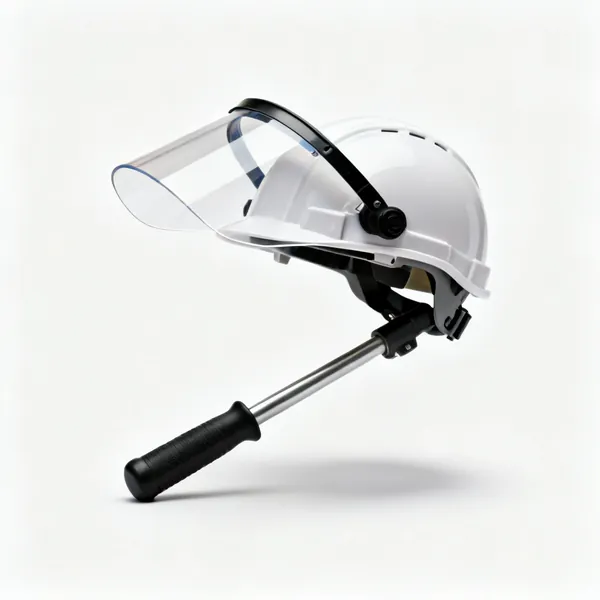
  • Helmet mounted visor: A safety helmet with a flip up clear visor attachment fitted

    Helmet mounted visor

    Clips to a helmet so face protection is there without carrying a second item, which is what makes it get worn rather than left in the van.

Lungs and hearing 9

The two that cause the most long term harm, and the two most often skipped because nothing hurts.

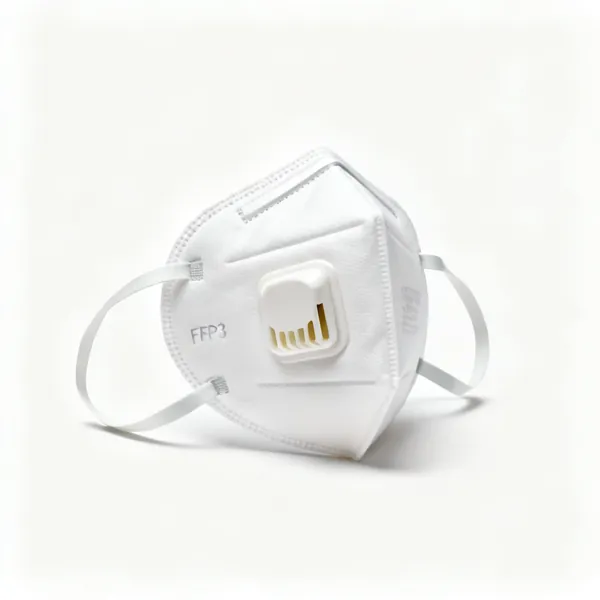
  • A white FFP3 respirator dust mask with two straps and a nose clipEssential

    FFP3 respirator

    The minimum for silica, hardwood dust and anything carcinogenic. It only works if it seals, which is what face fit testing establishes.

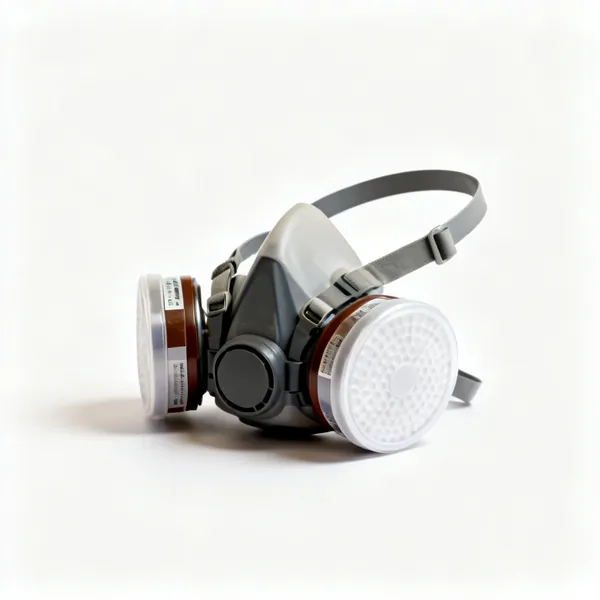
  • Half mask respirator: A half face respirator mask with two filter cartridges

    Half mask respirator

    A reusable rubber facepiece with replaceable cartridges, so particulate and vapour filters can be combined. Cheaper over time and it needs cleaning.

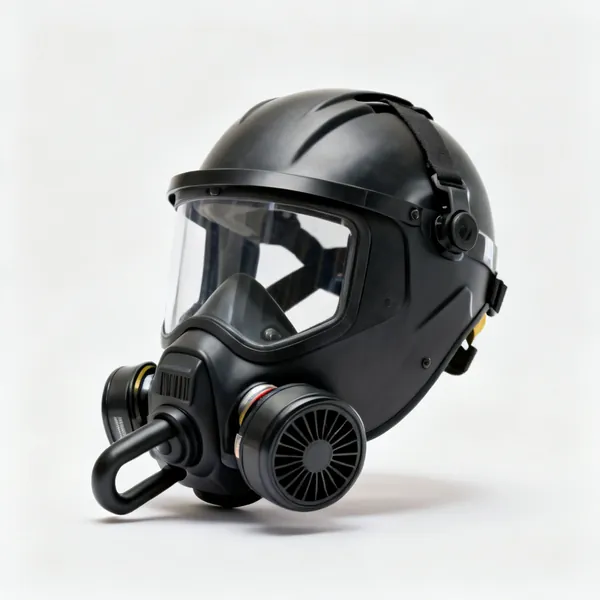
  • Powered respirator: A powered air purifying respirator helmet with a visor and a fan unit

    Powered respirator

    A fan drawing filtered air into a hood, which works with a beard where a tight fitting mask cannot seal. Also far less tiring over a full day.

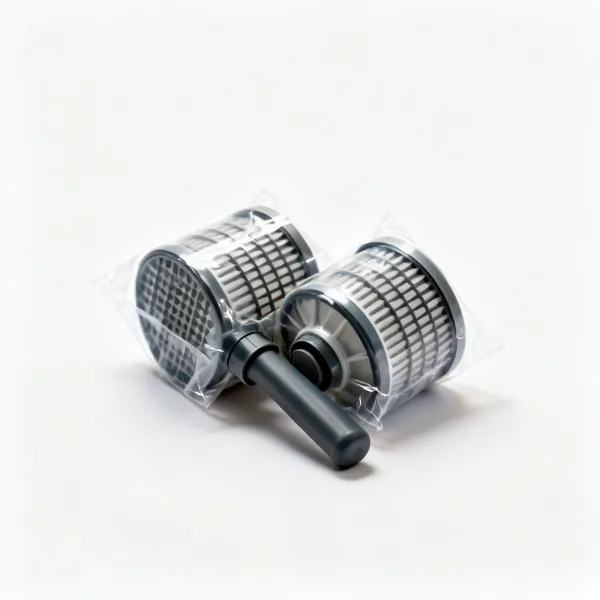
  • Replacement filters: Two cylindrical respirator filter cartridges in sealed packagingEssential

    Replacement filters

    Dated when opened, since the working life starts then rather than at first use. A clogged particulate filter also makes breathing hard enough to notice.

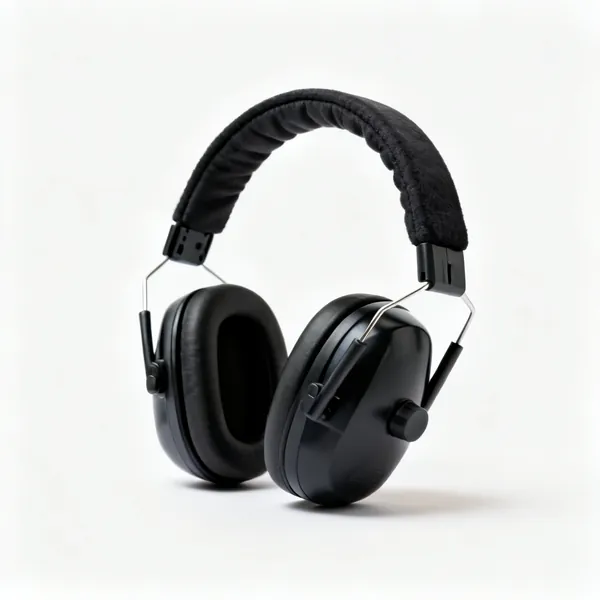
  • A pair of over ear protective ear defenders with a padded headbandEssential

    Ear defenders

    Over ear cups with a stated attenuation. Matched to the actual noise, because over attenuating means missing a reversing alarm or a shout.

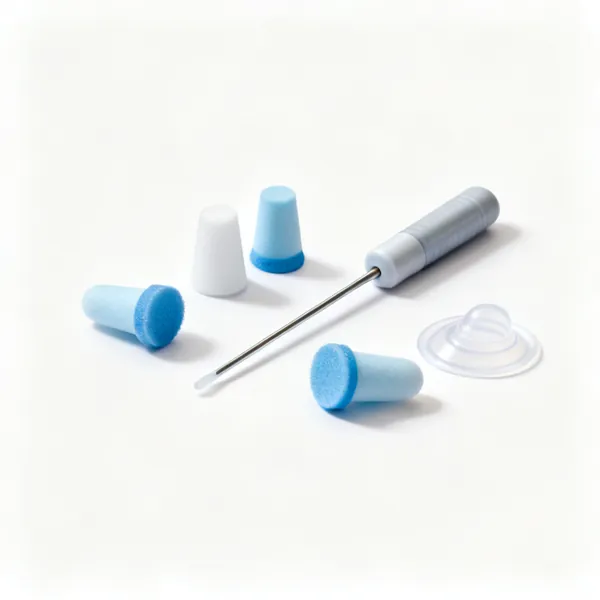
  • Several pairs of foam and silicone ear plugsEssential

    Ear plugs

    Foam or moulded, and rolled and inserted properly rather than pushed at the ear. A badly inserted plug provides a fraction of its rating.

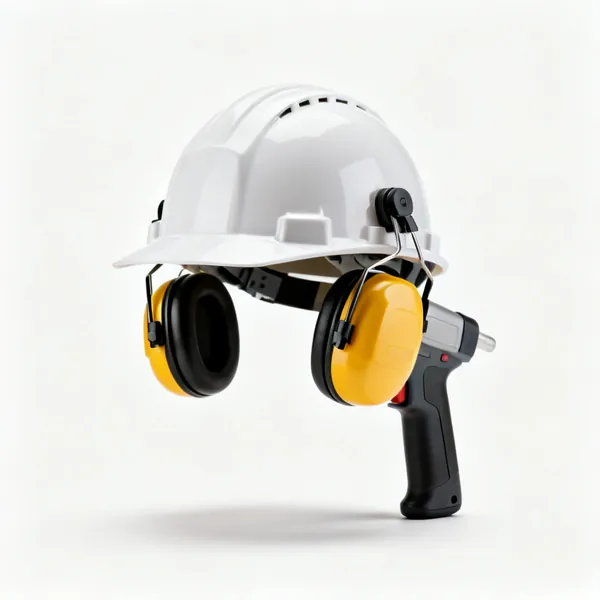
  • Helmet mounted defenders: A safety helmet with clip on ear defender cups attached

    Helmet mounted defenders

    Clip to a helmet, so hearing protection is always to hand. They must seal against the head rather than resting on the helmet brim.

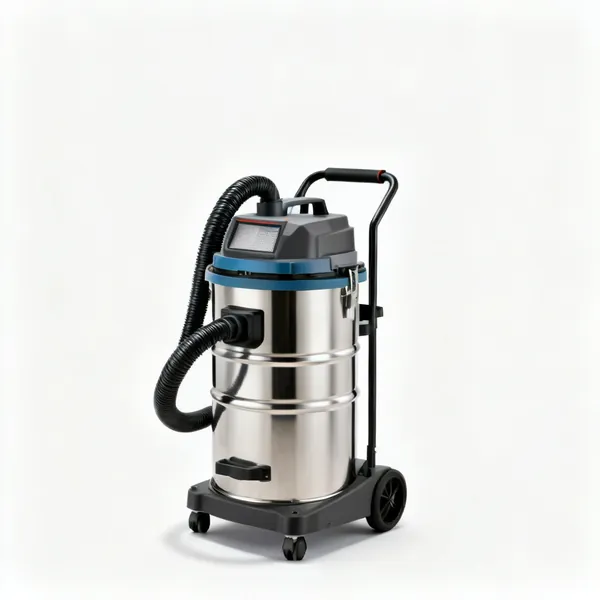
  • A workshop dust extraction vacuum with a hose and a filter housingEssential

    Dust extraction

    An M or H class vacuum on the tool. Listed here because it is the engineering control that protects everyone, which the mask does not.

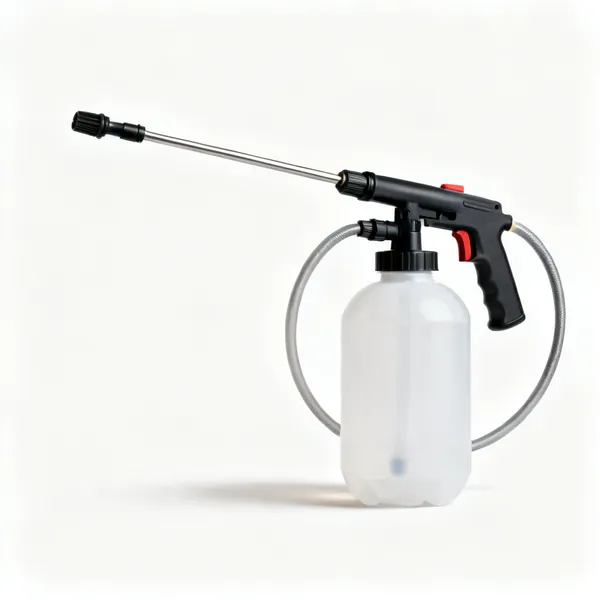
  • Water suppression kit: A pressurised water suppression bottle with a hose and a lance

    Water suppression kit

    A pressurised bottle feeding water to a cutting disc, so the dust never becomes airborne. Required alongside extraction for cutting masonry.

Body, hands and feet 9

Worn all day, so comfort decides whether they are worn at all.

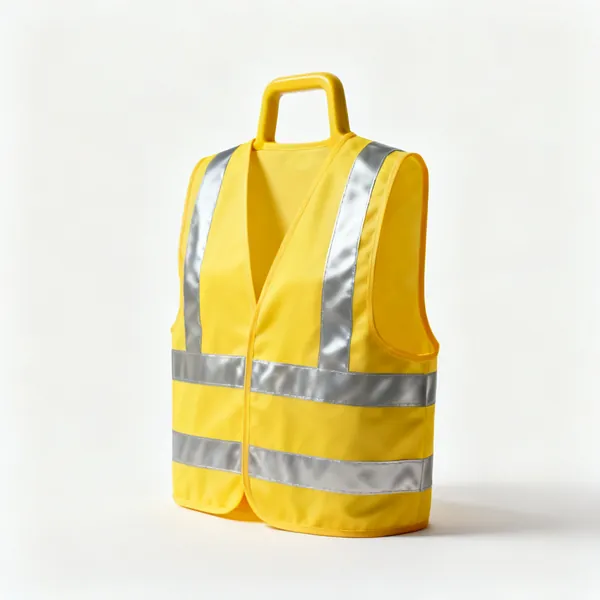
  • High visibility clothing: A yellow high visibility vest with reflective silver bandsEssential

    High visibility clothing

    Class rated by how much fluorescent and retroreflective material it carries. Class 3 for roadside work, where being seen at distance is the point.

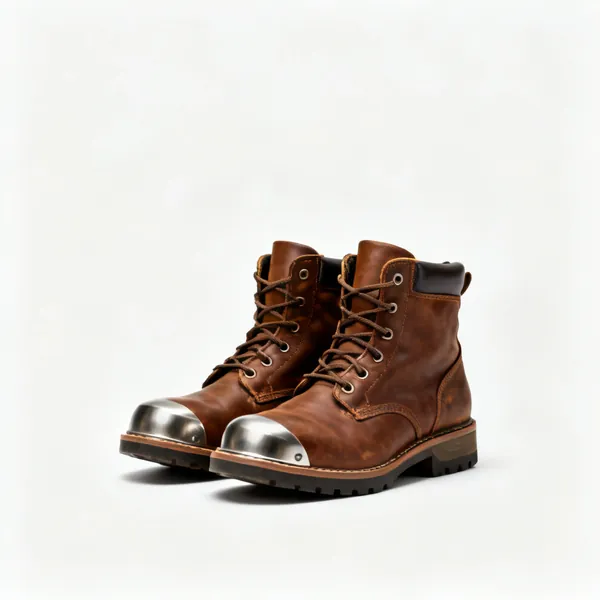
  • Safety boots: A pair of brown leather safety work boots with steel toecapsEssential

    Safety boots

    Toe protection and a penetration resistant midsole, since dropped material and protruding nails are both routine. Fitted properly, or they cause trips.

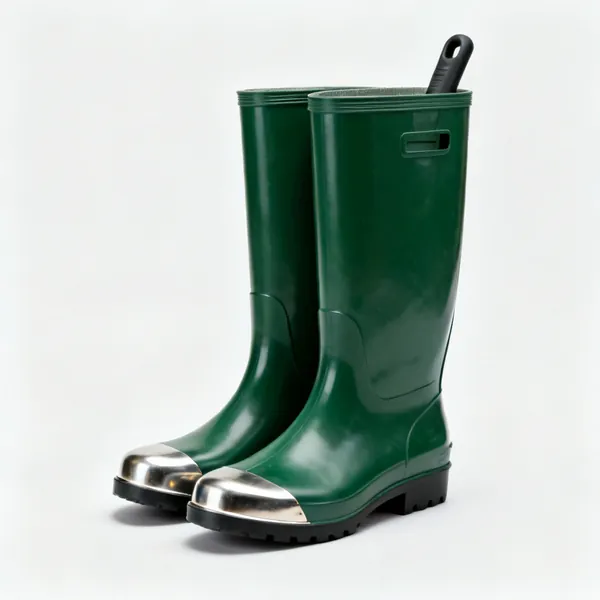
  • Safety wellingtons: A pair of green safety wellington boots with steel toecaps

    Safety wellingtons

    Steel toe and midsole in a waterproof boot, for groundwork and wet concrete. Wet concrete is alkaline enough to burn skin through ordinary boots.

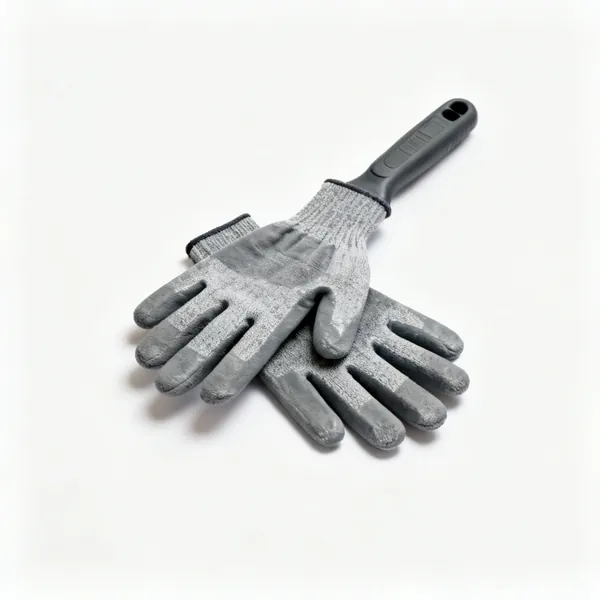
  • Cut resistant gloves: A pair of grey cut resistant work gloves with coated palmsEssential

    Cut resistant gloves

    Rated by cut level, from A to F. Not worn around rotating machinery, where a caught glove pulls a hand in rather than protecting it.

  • Chemical gloves: A pair of thick blue chemical resistant gauntlet gloves

    Chemical gloves

    Nitrile or butyl rated for the substance, which the safety data sheet specifies. Many chemicals pass straight through latex without any sign.

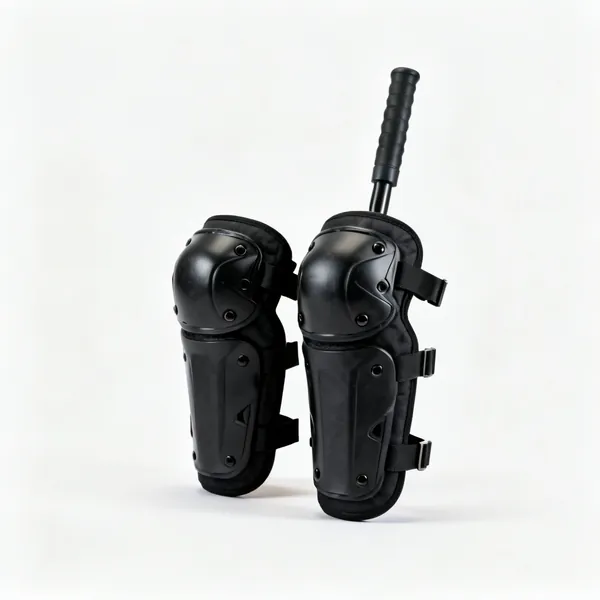
  • A pair of black work knee pads with straps

    Knee pads

    Kneeling on grit and screed damages knees cumulatively, which shows up twenty years later. Trouser pocket inserts get worn where strap on pads do not.

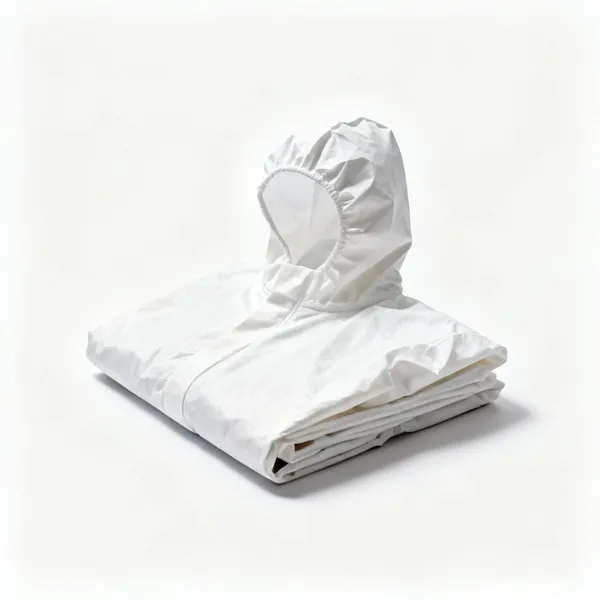
  • Coveralls: A folded white disposable coverall suit with a hood

    Coveralls

    Type rated for the hazard: disposable for dust and asbestos work, flame retardant near hot work. The type marking is what matters, not the appearance.

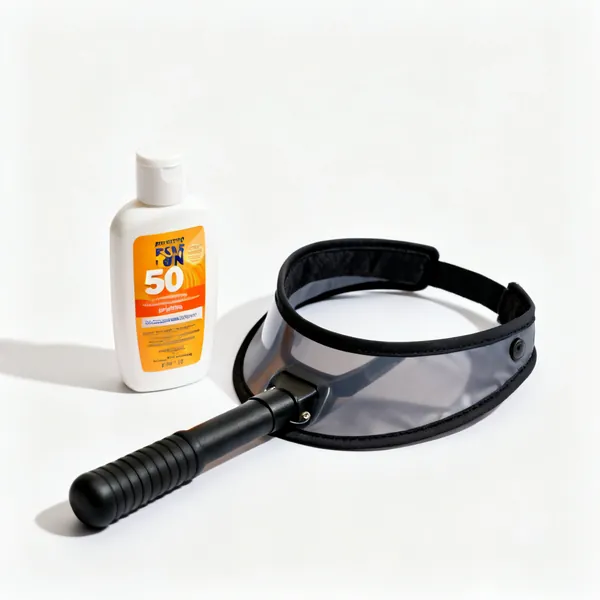
  • Sun protection: A bottle of high factor sun cream beside a helmet neck shade flap

    Sun protection

    Outdoor workers have among the highest rates of occupational skin cancer, from cumulative exposure rather than burning. A neck flap on the helmet too.

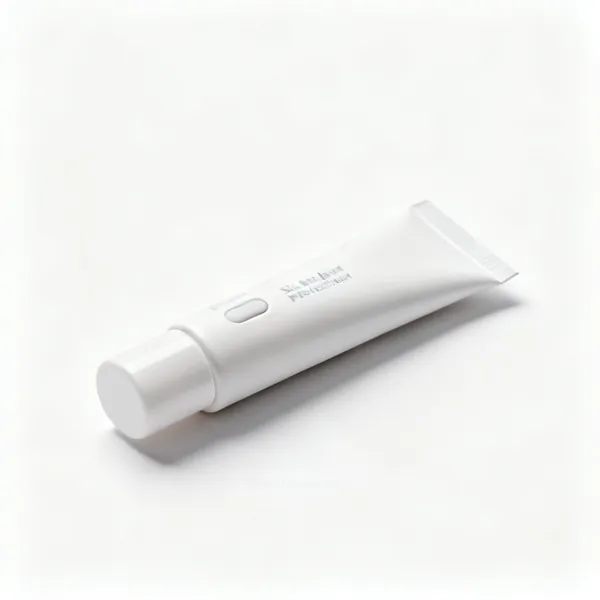
  • Barrier cream: A tube of skin barrier protection cream

    Barrier cream

    Cement dermatitis is common and it is a permanent sensitisation once it develops. Barrier cream before and a wash after, rather than after only.

Falls and site controls 11

Falls remain the largest single cause of construction deaths. Edge protection beats a harness every time.

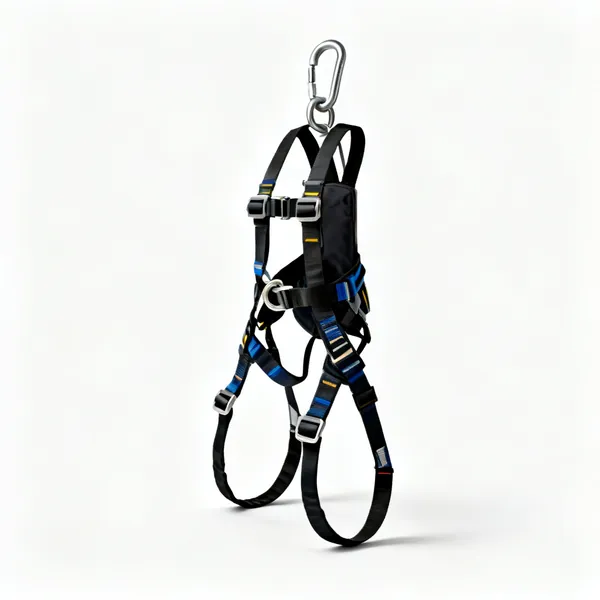
  • Full body harness: A full body safety harness with leg loops and a dorsal D ringEssential

    Full body harness

    Distributes arrest forces across the body. Only useful with a rated anchor and enough clearance below for the lanyard to deploy, which is often absent.

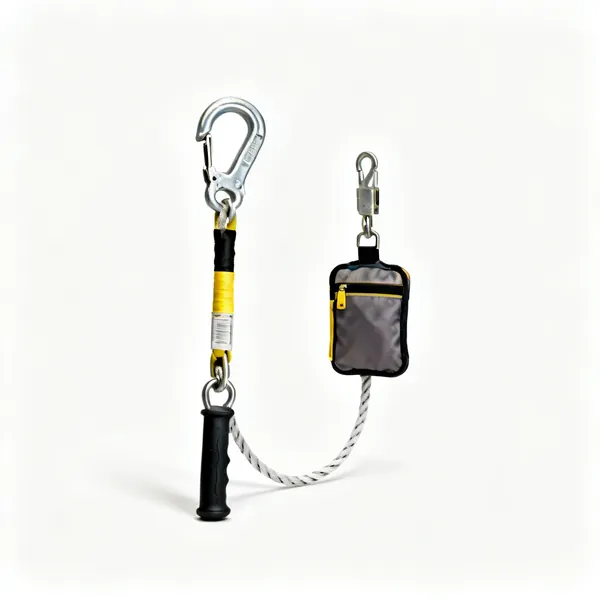
  • Shock absorbing lanyard: A shock absorbing fall arrest lanyard with a scaffold hook and a packEssential

    Shock absorbing lanyard

    A tear strip limits the force on the body during arrest, and it extends as it does so. That extension is the clearance you must have beneath you.

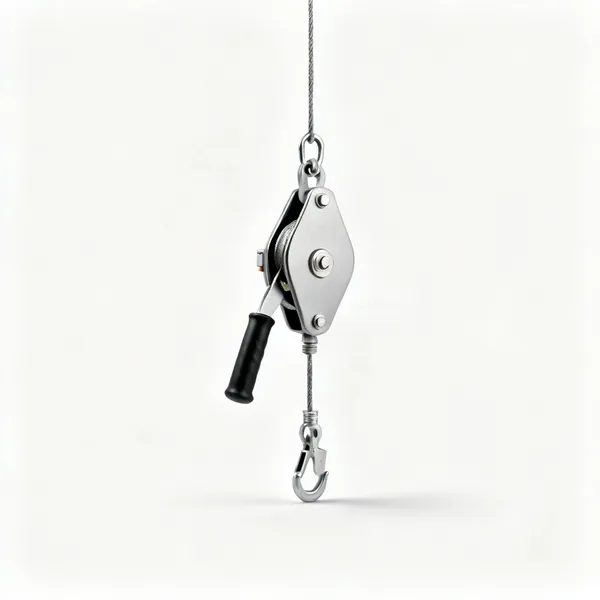
  • Retractable fall arrester: A retractable fall arrest block with a housing and a steel cable

    Retractable fall arrester

    A reel that pays out slowly and locks under acceleration, so the free fall distance is short. Needs far less clearance than a fixed lanyard.

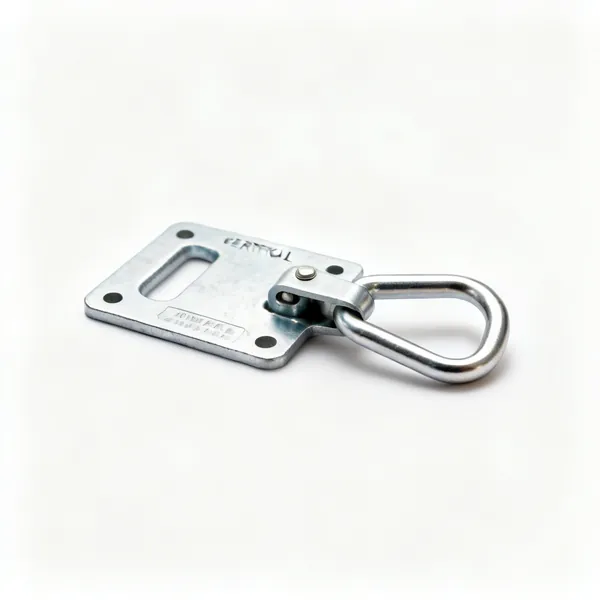
  • A metal certified fall arrest anchor point plate with a D ringEssential

    Anchor point

    Rated for the arrest load, which is far higher than body weight. A convenient pipe or handrail is not an anchor, and it is what people clip to.

  • A section of metal guard rail edge protection with a toe boardEssential

    Edge protection

    Guard rails and toe boards, which prevent the fall rather than arresting it. Listed as essential because it is always the better answer than a harness.

  • A rolled section of knotted safety netting

    Safety netting

    Catches a person or debris below the work, installed by a specialist rigger. Collective protection, so it covers everyone rather than whoever clipped on.

  • A green first aid kit box with a white cross, open showing contentsEssential

    First aid kit

    Sized to the site and checked rather than assumed stocked. An eye wash bottle in particular is the one item found empty when it is needed.

  • Two sterile eye wash saline bottles with eye cupsEssential

    Eye wash

    Sterile saline pods for grit and for cement splash. Cement in an eye is a chemical burn and irrigation within seconds decides the outcome.

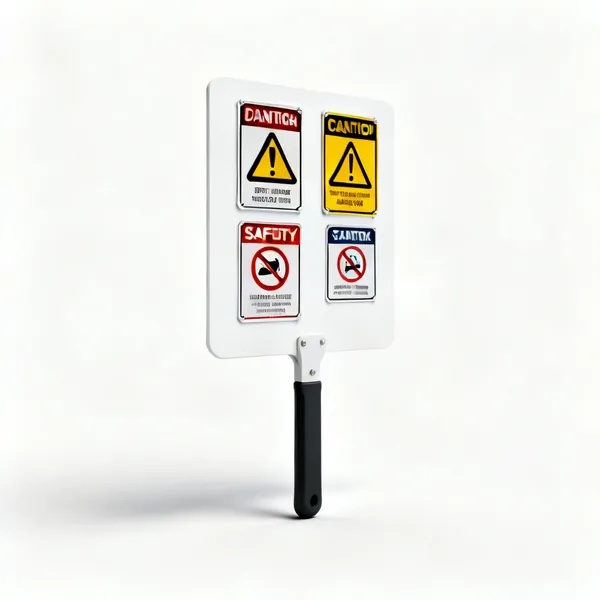
  • Safety signage: Several construction site safety warning signs on a board

    Safety signage

    States what protection is required in an area and what the hazard is. An administrative control, which sits above PPE in the hierarchy.

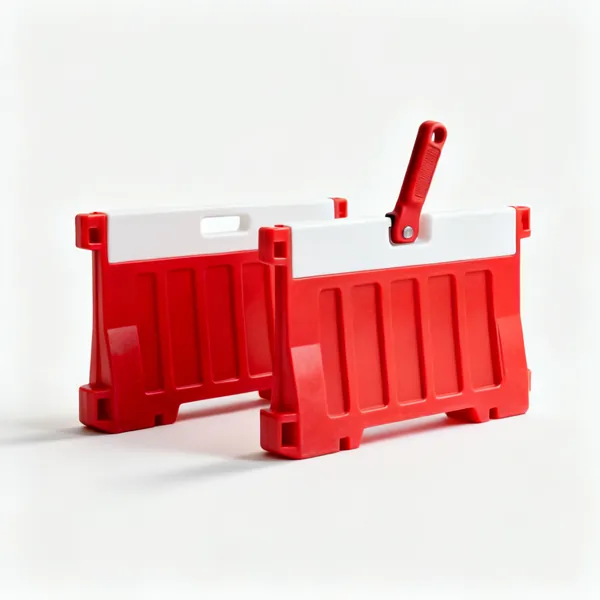
  • Barriers: Two red and white plastic barrier panels

    Barriers

    Keeps people out of the hazard area entirely, which is the control that works whether or not anyone is wearing anything.

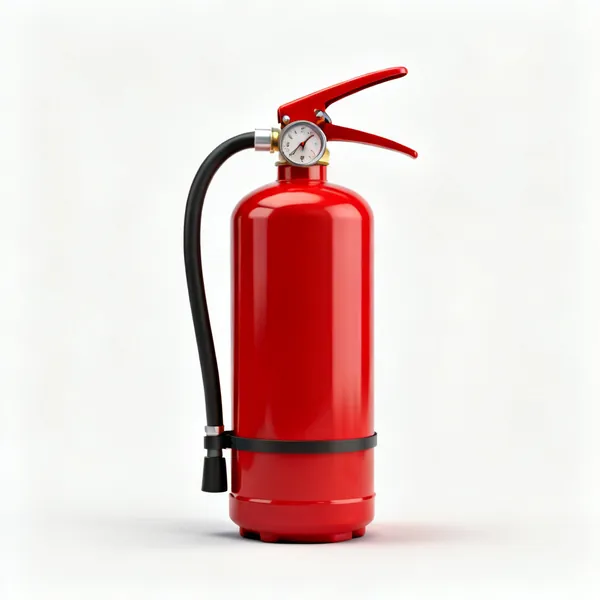
  • A red fire extinguisher with a pressure gauge and a hose

    Fire extinguisher

    Matched to the risk, and near any hot work rather than in a site office. Hot work fires start in voids and are found some time later.

Choosing safety equipment tools

The list above is what exists. This is how to decide which of it you actually need, what separates a tool worth keeping from one that ends up at the back of a drawer.

PPE comes last, not first

The hierarchy of control puts elimination first: do not create the dust, do not work at that height, use a material that is not hazardous. Then substitution, then engineering controls like extraction and edge protection, then administrative controls, and only then PPE.

That matters practically because PPE protects one person, only while worn, only if fitted, and only against what it is rated for. Extraction on the tool protects everyone in the room permanently. Reaching for a mask first is the least effective option available.

Eliminate first
Cut it outside, order it pre cut, use a different material. No hazard needs no protection.
Then engineer
Extraction, edge protection, guarding. Protects everyone rather than one person.
PPE protects one person
Only while worn and only if it fits. That is why it is the last resort.
It is a legal order
Not a preference. Choosing PPE over an available engineering control is a failure.

Fit is what makes it work

An FFP3 mask that leaks around the nose provides the protection of no mask at all. Face fit testing exists because face shapes differ, and a mask that seals on one person does not on another. Beards prevent a seal entirely.

The same applies elsewhere. A harness with slack leg straps injures you during a fall arrest. Ear defenders over a hard hat's brim leak. Boots a size too large cause the trips they were meant to survive.

Face fit test masks
A tight fitting respirator that leaks does nothing. Fit is not a comfort question.

Beards break the seal
Any stubble does. A powered hood is the alternative rather than trying harder.
Adjust the harness
Slack leg straps cause injury during arrest. Two fingers of clearance, no more.
Check the seal each time
Cover the filter and inhale. It should collapse against your face and hold.

Dust is the biggest long term risk

Silica dust from cutting concrete, brick, block and stone causes silicosis and lung cancer, and it kills far more construction workers than falls do. It is invisible at the particle size that matters and there is no immediate symptom.

The controls are water suppression, on tool extraction, and an FFP3 or better respirator. Any one of those alone is inadequate for cutting concrete, which is why the guidance specifies them together for that task.

Silica kills more than falls
Concrete, brick, block, stone. The dose accumulates with no warning symptom.
Water plus extraction plus mask
For cutting masonry, all three. Any one alone is not adequate.
FFP3 minimum
FFP2 is not enough for silica. Check the marking on the mask itself.
Wood dust too
Hardwood dust is a carcinogen and MDF dust releases formaldehyde.

Noise damage is permanent and quiet

Hearing loss from noise accumulates and does not recover. At 85 decibels action is required, and a disc cutter, breaker or nail gun is well above that, so a single afternoon contributes measurably.

Over protection is a real problem too: defenders that block too much mean you cannot hear a reversing vehicle or a shout. Choose attenuation matched to the actual noise rather than the highest available.

It does not recover
Accumulated damage is permanent. There is no version of this that heals.
85 decibels is the threshold
A breaker or disc cutter is far above it. One afternoon counts.
Do not over attenuate
Blocking too much means missing a reversing alarm or a warning shout.
Plugs and defenders together
Only for extreme noise like a road breaker. Otherwise one or the other.

Inspecting and replacing PPE

PPE degrades. A helmet has a stated shelf life and must be replaced after any impact even if it looks fine, because the shell absorbs energy by deforming at a level you cannot see. Harnesses are inspected before every use and formally at intervals.

Filters have a working life once opened. Gloves and boots wear through. The habit that matters is checking before use rather than assuming, because the failure is discovered at the moment it matters.

Replace a helmet after impact
Even if it looks undamaged. It absorbed energy by deforming invisibly.
Harness before every use
Webbing, stitching, D ring, buckles. And a formal inspection at intervals.
Filters have a life
From first opening, not from first use. Dated when opened, replaced when due.
Check, do not assume
The failure gets discovered at the moment it was needed. Look first.

Frequently asked questions

What safety equipment is required on a construction site?
A safety helmet, safety boots, high visibility clothing, eye protection and gloves as the baseline on most UK sites. Hearing protection, respiratory protection and fall arrest are added according to the task rather than worn continuously.
Why is PPE the last resort rather than the first?
Because it protects one person, only while worn and only if it fits, whereas eliminating the hazard or engineering it out protects everyone permanently. The hierarchy of control puts elimination, substitution, engineering and administrative controls all ahead of PPE.
What mask do I need for cutting concrete?
FFP3 as a minimum, and not on its own. Cutting masonry releases silica dust, so the guidance specifies water suppression and on tool extraction as well as the respirator. Any one of the three alone is not adequate protection for that task.
What is face fit testing and do I need it?
A test confirming a tight fitting respirator actually seals on your face, because face shapes differ and a mask that seals on one person leaks on another. A leaking FFP3 gives the protection of no mask at all. Beards prevent a seal entirely.
How often should a safety helmet be replaced?
By the manufacturer's stated date, typically a few years from first use, and immediately after any impact even if it looks undamaged. The shell absorbs energy by deforming in ways you cannot see, so a helmet that has taken a hit has already done its job.
What is the difference between FFP2 and FFP3 masks?
The filtration efficiency and the assigned protection factor. FFP3 filters more and is the minimum for silica dust, hardwood dust and anything carcinogenic. FFP2 is adequate for nuisance dust. The rating is marked on the mask itself, so check rather than assume.
Do I need a harness on scaffolding?
Not on a completed scaffold with guard rails and toe boards, which is already a safe working platform. Harnesses are for erection and dismantling when that edge protection does not yet exist, and they need a rated anchor point and sufficient clearance below.
Are gloves always a good idea on site?
No. Gloves protect against cuts, abrasion and chemicals, and they are a hazard around rotating machinery, where a caught glove pulls the hand in. Around a drill press, lathe or bench grinder the correct choice is bare hands and no loose clothing.