Choosing scaffolding tools
The list above is what exists. This is how to decide which of it you actually need, what separates a tool worth keeping from one that ends up at the back of a drawer.
Who is allowed to erect a scaffold
In the UK, scaffolding must be erected, altered and dismantled by a competent person, which in practice means CISRS carded scaffolders. Basic configurations can follow the recognised guidance; anything outside them requires a bespoke design from a competent designer.
This is not a formality. Scaffold collapses and falls from height are among the most serious construction incidents, and the responsibility falls on whoever put it up and whoever allowed it to be used. Hiring a scaffolder is the correct answer for almost every reader.
- Competent person only
- CISRS carded in practice. This applies to altering an existing scaffold too.
- Standard or designed
- Basic configurations follow recognised guidance. Anything else needs a design.
- Do not alter one
- Removing a tie or a brace to get access is how a scaffold fails. Ask the scaffolder.
- Tower alternative
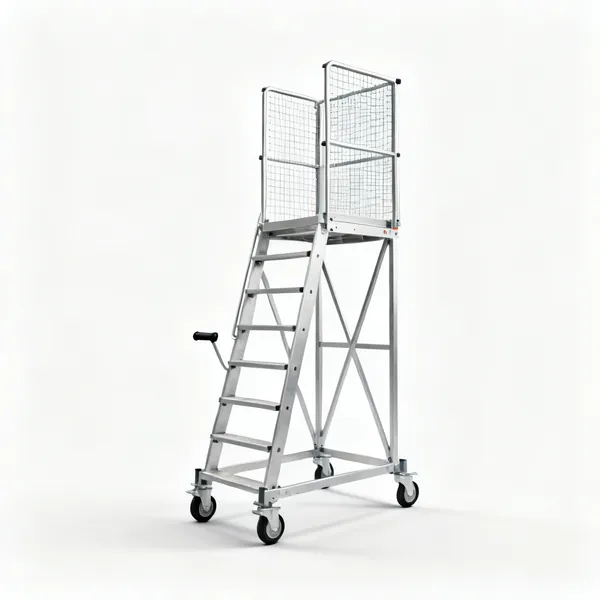
- A mobile tower can be assembled by a PASMA trained person and covers many small jobs.
Inspection is a legal duty
A scaffold must be inspected by a competent person before first use, after any alteration or event that could affect its stability, and at intervals not exceeding seven days. The inspection is recorded and the record kept.
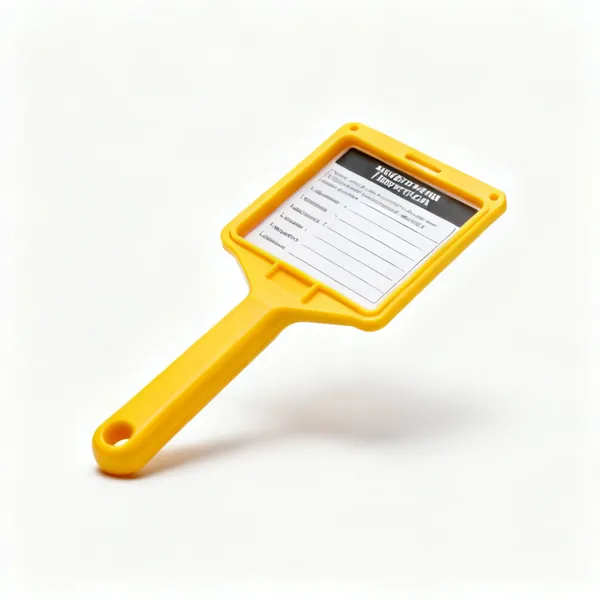
In practice a scafftag at the access point shows the last inspection date. An untagged or out of date scaffold should not be used, and that is a decision for the person about to climb it as much as for the site manager.
- Before first use
- And after any alteration, and after severe weather. Not just weekly.
- At least every seven days
- Recorded, with the record retained. That interval is a maximum, not a target.
- Check the tag
- No tag or an out of date tag means do not use it, whatever anyone says.
- Report and stop
- A missing brace or board is a reason to get off, not to work more carefully.
What the parts are called
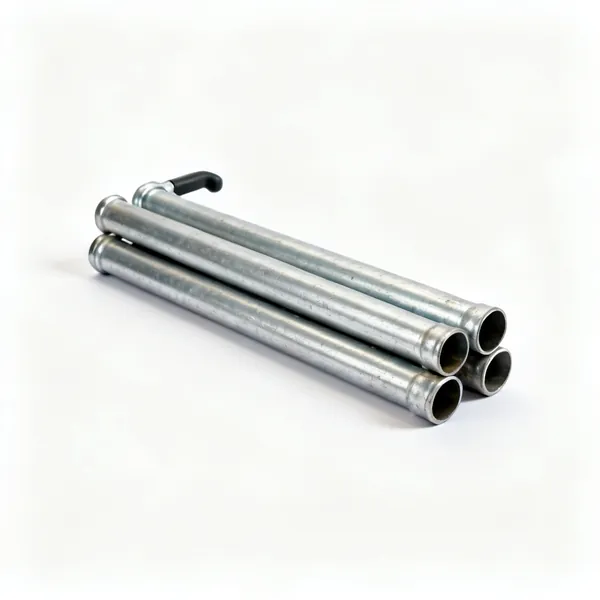
Standards are the vertical tubes. Ledgers run horizontally along the length, transoms run across and carry the boards. Braces run diagonally and are what stop the whole frame racking. Base plates spread the load onto sole boards.
Ties connect the scaffold to the building, and they are the component most often interfered with because they are in the way. Removing one changes the structure's stability, which is why it is a scaffolder's decision and not a convenience.
- Standards, ledgers, transoms
- Vertical, along, across. Transoms carry the boards you stand on.
- Braces stop racking
- The diagonals. A scaffold without them is a parallelogram waiting to happen.
- Ties hold it to the building
- The most commonly removed component and one of the most important.
- Base plates and sole boards
- Spread the load. On soft ground this is what stops a leg sinking.
Couplers and what they can carry
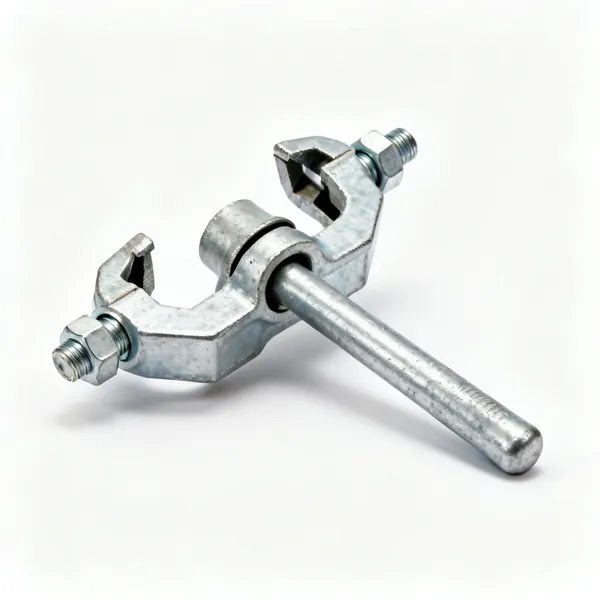
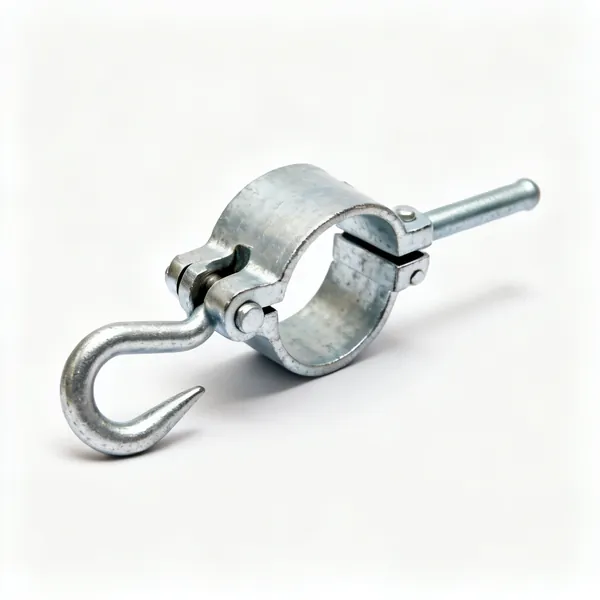
A right angle coupler is load bearing and joins tubes at 90 degrees. A swivel coupler joins them at any angle and is also load bearing. A putlog coupler is non load bearing and only fixes a transom to a ledger.
Using a putlog coupler where a right angle one belongs is a classic and dangerous substitution, because it looks similar and carries a fraction of the load. Torque matters too: a coupler is tightened to a specified figure, not to feel.
- Right angle is load bearing
- The main structural fitting. Joins tubes at ninety degrees.
- Swivel for any angle
- Also load bearing. Used for bracing that is not at ninety degrees.
- Putlog is not load bearing
- Looks similar, carries a fraction. Substituting one is a genuine hazard.
- Torque to spec
- Usually around 50Nm. Tightened by feel means some are loose and some are damaged.
Working on a platform
A working platform needs guard rails at the correct heights, toe boards to stop things being kicked off, and boards that are fully supported and not overhanging beyond their allowance. Gaps between boards and the building are a fall risk in themselves.
Everything carried up should be secured or in a bag, because a dropped spanner from ten metres is lethal to whoever is below. Debris netting and a controlled area beneath are part of the arrangement, not decoration.
- Guard rails and toe boards
- Both. Toe boards stop tools and material being kicked over the edge.
- Boards fully supported
- No excessive overhang, no traps, no gaps to the building face.
- Nothing loose in a pocket
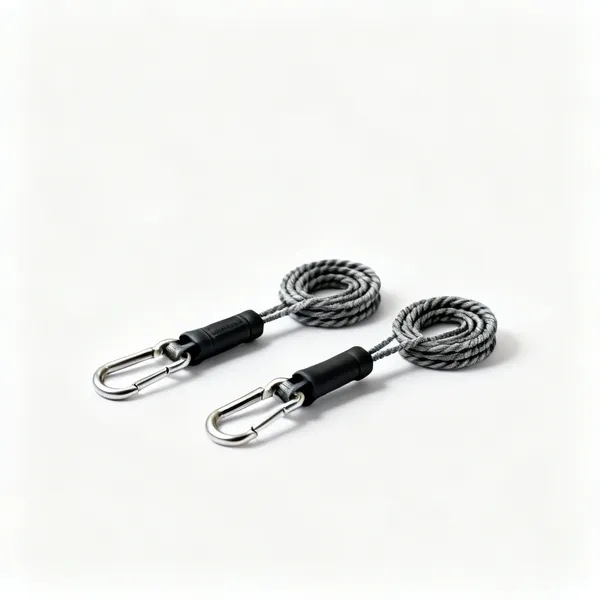
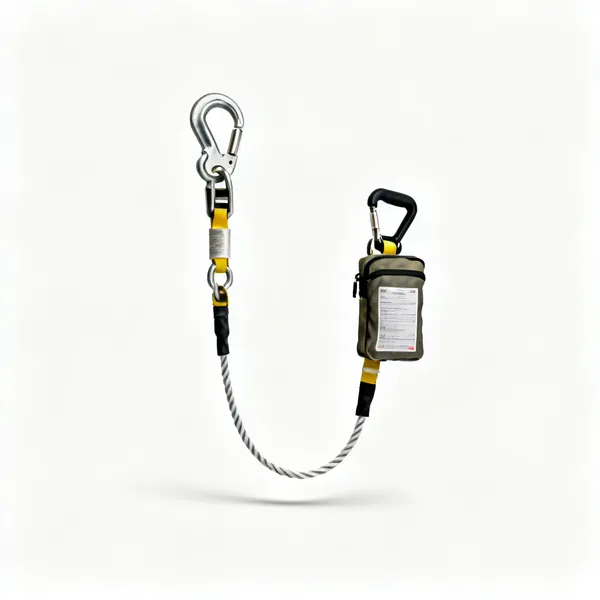
- Tool lanyards and a bag. A dropped spanner is the commonest serious injury below.
- Area below controlled
- Netting, barriers, or nobody underneath. This is the scaffolder's arrangement to respect.
Frequently asked questions
- Can I erect my own scaffolding?
- In the UK it must be erected, altered and dismantled by a competent person, which in practice means a CISRS carded scaffolder. A mobile access tower is different: a PASMA trained person can assemble one, and that covers many domestic jobs at lower height.
- What tools do scaffolders use?
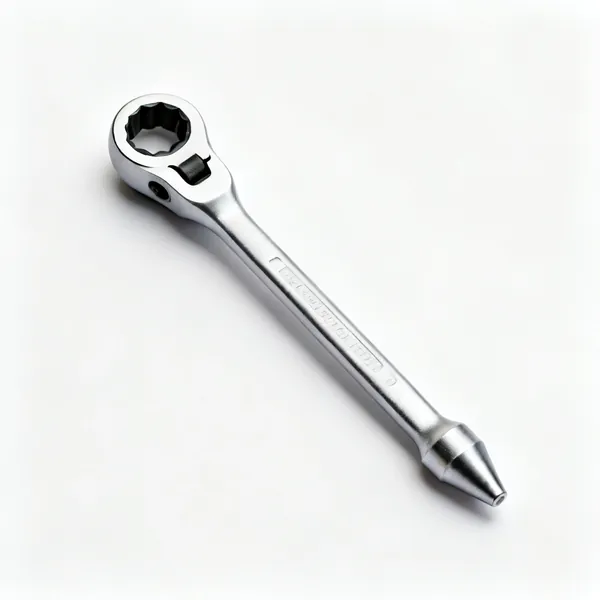
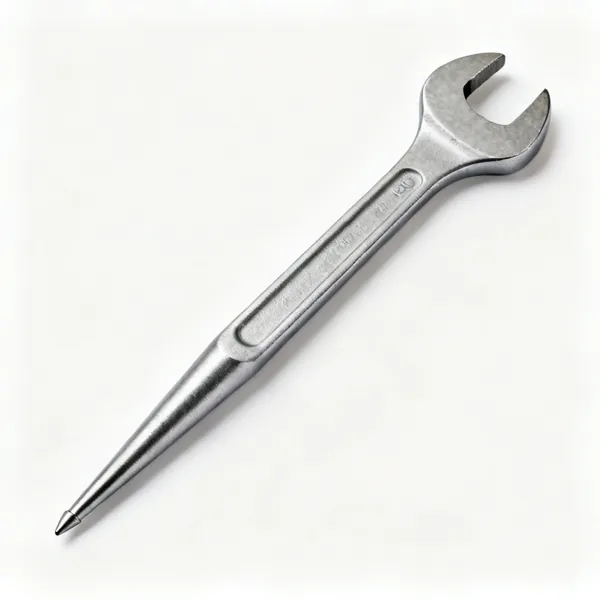
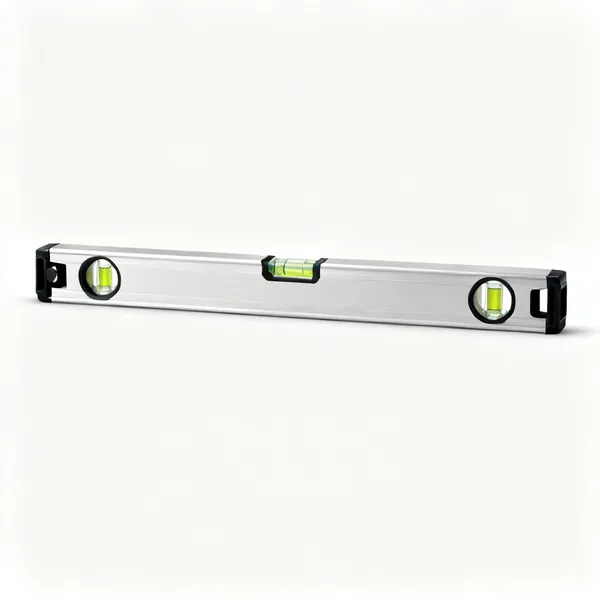
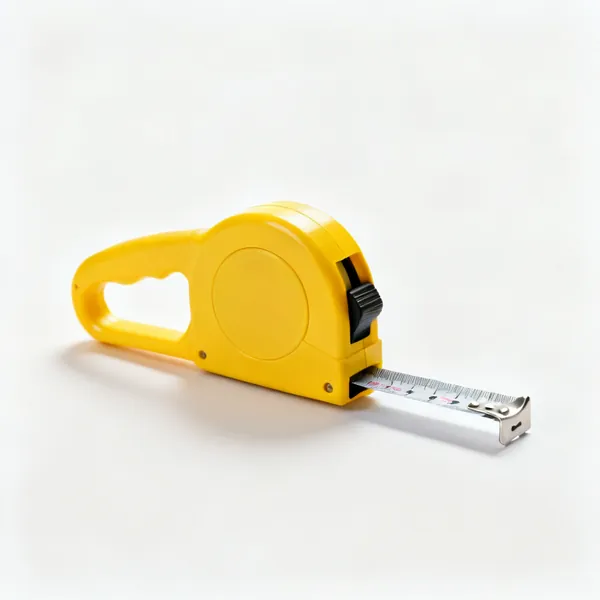
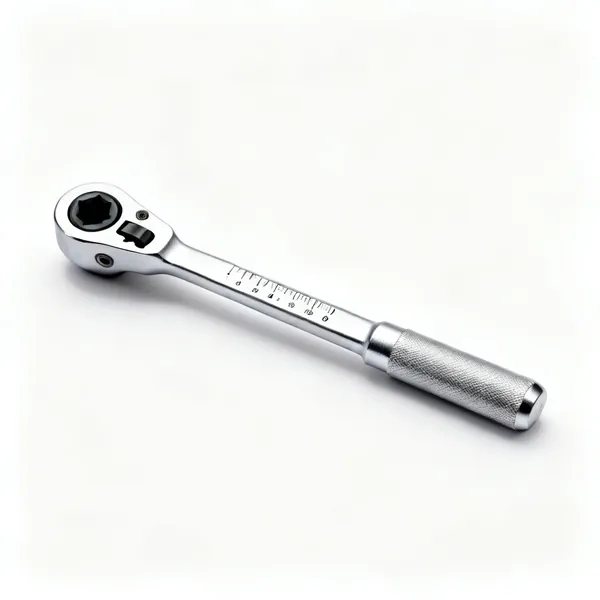
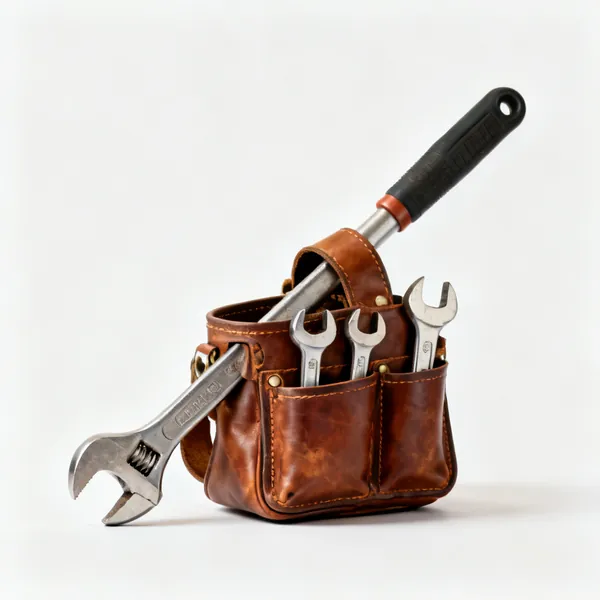
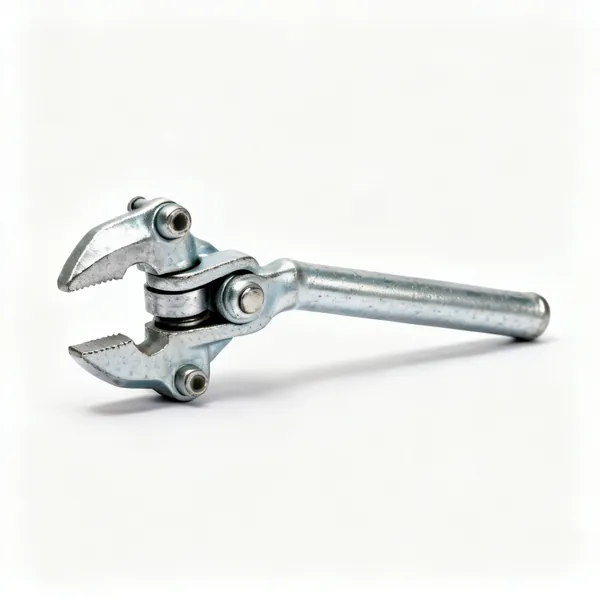
- A ratchet scaffold spanner, usually 7/16 inch AF, a level, a tape, a spirit level and a podger for aligning tubes. Beyond that it is the components themselves: tubes, boards, couplers, base plates, ties and the harness and lanyard system.
- What is a scaffold ratchet spanner?
- A ratchet with a 7/16 inch AF socket sized to a scaffold coupler nut, and usually a tapered podger end for aligning holes and levering tubes into position. It is the single tool a scaffolder is never without.
- How often must scaffolding be inspected?
- Before first use, after any alteration or event that could affect stability such as severe weather, and at intervals of no more than seven days. The inspection must be done by a competent person, recorded, and the record kept.
- What is the difference between a right angle and a putlog coupler?
- A right angle coupler is load bearing and is the main structural fitting joining tubes at ninety degrees. A putlog coupler is not load bearing and only fixes a transom to a ledger. They look similar and substituting one for the other is a real hazard.
- What are the parts of a scaffold called?
- Standards are the verticals, ledgers run horizontally along the length, transoms run across and carry the boards, and braces are the diagonals that stop the frame racking. Ties fix it to the building and base plates spread the load onto sole boards.
- Can I remove a scaffold tie that is in my way?
- No. Ties are what hold the scaffold to the building and removing one changes its stability. Altering a scaffold, including removing a tie, brace or board, is work for the scaffolder who erected it. Ask them to reposition it instead.
- Do I need a harness on a scaffold?
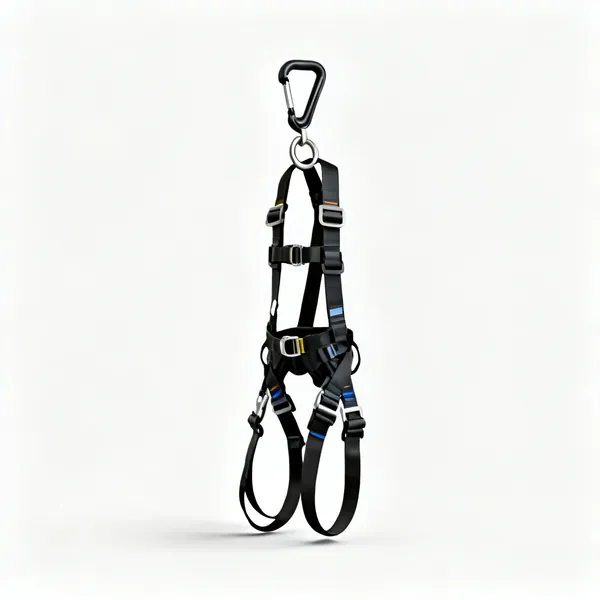
- A properly built scaffold with guard rails and toe boards is a safe working platform and does not require one. Harnesses are needed during erection and dismantling, when the edge protection does not yet exist, and they need a rated anchor point.