Choosing demolition tools
The list above is what exists. This is how to decide which of it you actually need, what separates a tool worth keeping from one that ends up at the back of a drawer.
Asbestos, before anything else
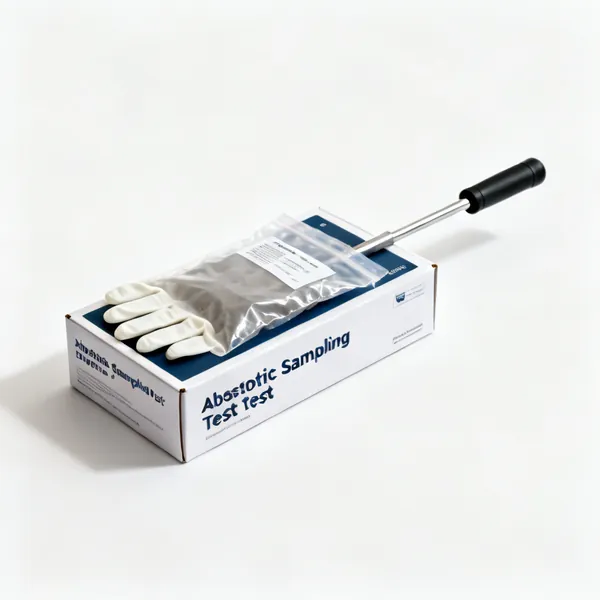
Asbestos was used in UK construction until 1999 and banned in 1999, so any building from before 2000 may contain it. It is in artex, floor tiles, cement sheet, insulation board, pipe lagging, textured coatings, soffits, garage roofs and toilet cisterns.
Disturbing it releases fibres that cause mesothelioma decades later, and there is no safe exposure level. Some materials may only be removed by a licensed contractor. If a building predates 2000, get a survey before breaking anything, not after.
- Pre 2000 means survey
- Not maybe. Artex, floor tiles, cement sheet, lagging, soffits, cisterns are all candidates.
- No safe exposure
- The disease appears decades later, which is why people take the risk casually.
- Some needs a licence
- Insulation board and lagging are licensed work. Cement sheet is not, and still needs care.
- Do not sand or break it
- Intact asbestos is not the hazard. Fibres released by disturbing it are.
Is the wall holding something up
A load bearing wall carries floor or roof load, and removing one without support brings down what it was carrying. Thickness is a hint and not an answer: a single skin blockwork wall can be structural and a thick stud wall may not be.
The reliable indicators are joists running into it, a wall directly above it on the next floor, and its position relative to the span of the building. Where there is any doubt, a structural engineer costs a fraction of the repair, and the work needs building control approval.
- Thickness proves nothing
- A single skin block wall can be structural. A thick stud wall may carry nothing.
- Look above and at the joists
- Joists bearing into it, or a wall stacked above it, both mean load.
- Engineer plus building control
- Removing a structural wall is notifiable work with a calculated beam and support.
- Prop before cutting
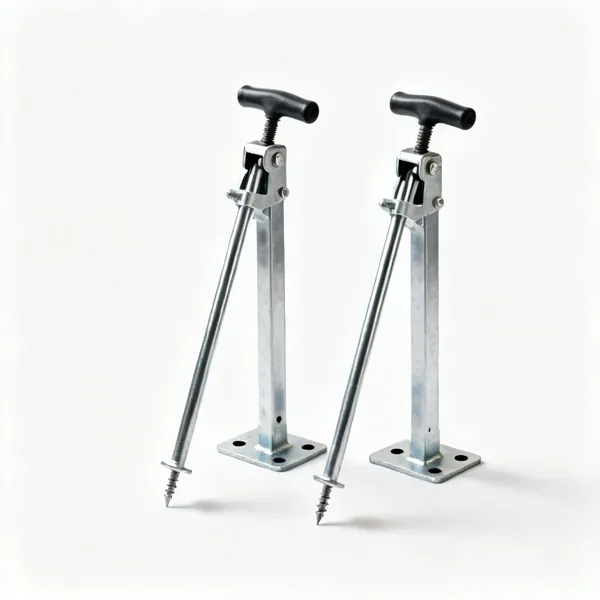
- Acrow props and needles take the load first. Cutting first is how ceilings come down.
What is in the wall
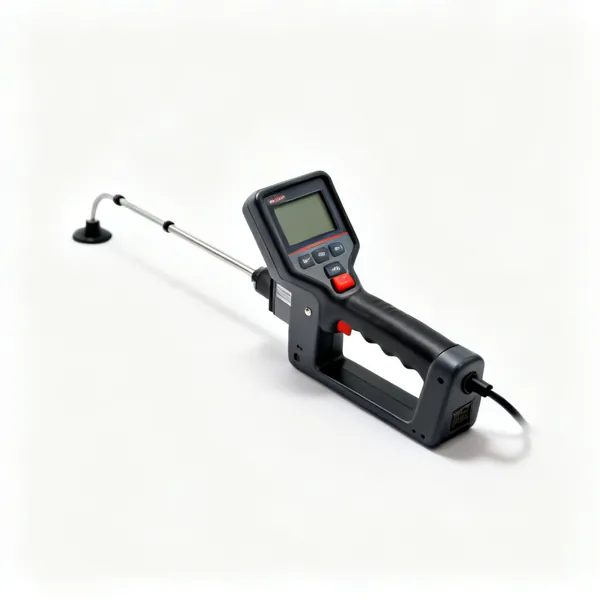
Cables, water pipes, gas pipes and waste pipes all run through walls, and rarely where the regulations say they should in older houses. A cable detector before every cut is a two second habit that prevents the two commonest demolition injuries.
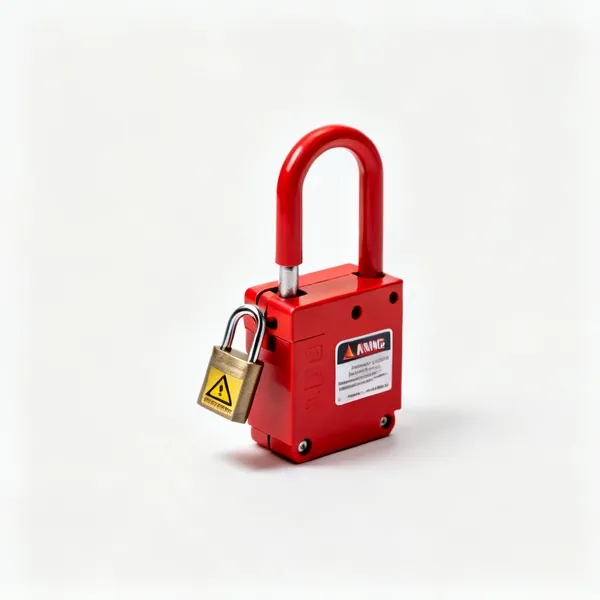
Isolation is separate from detection. Turn off and lock off the circuit, turn off the water at the stopcock and drain down, and have gas work done by a Gas Safe engineer. Detecting a live cable and then cutting near it is not a plan.
- Detect before every cut
- Not once at the start. Two seconds, and it covers the commonest injury here.
- Isolate, do not just detect
- Circuit off and locked off, water off and drained. Detection is not protection.
- Gas is not DIY
- Any gas pipe is a Gas Safe job to move or cap. This one has no exceptions.
- Old houses are not compliant
- Cables run diagonally and shallowly in houses built before the current rules.
Working top down and in order
Soft strip first: fittings, linings, doors, floor coverings, anything not structural. That reveals what is actually there and reduces the weight before anything structural is touched. Then work downward, so nothing is being removed from beneath a load.
Controlled removal beats collapse in every case. A wall taken down course by course produces manageable debris and no surprise, where a wall pushed over produces both a dust cloud and an unpredictable fall direction.
- Soft strip first
- Non structural removal reveals what is there and reduces weight before the real work.
- Top down
- Never remove something that is supporting what you are standing under or on.
- Course by course
- Controlled removal produces manageable debris. Pushing a wall over does not.
- Clear as you go
- Debris underfoot is the trip hazard that causes injuries around a live breaker.
Dust and vibration
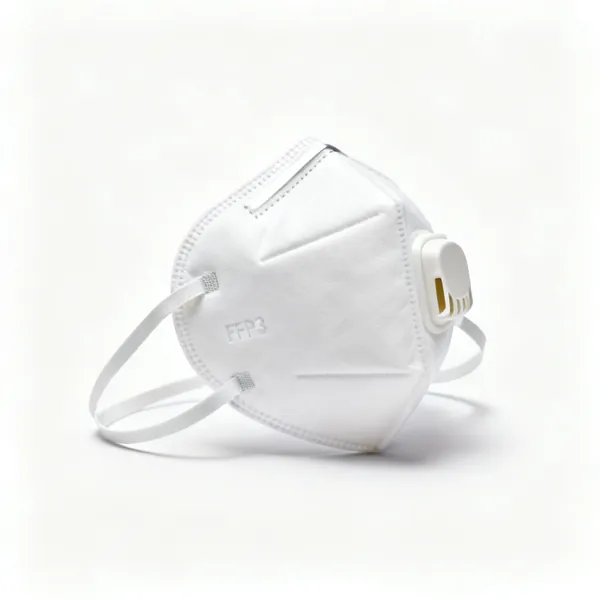
Breaking concrete, brick and block releases silica, which causes silicosis and lung cancer and kills more construction workers than falls do. Water suppression, extraction and an FFP3 respirator together, not one of the three.
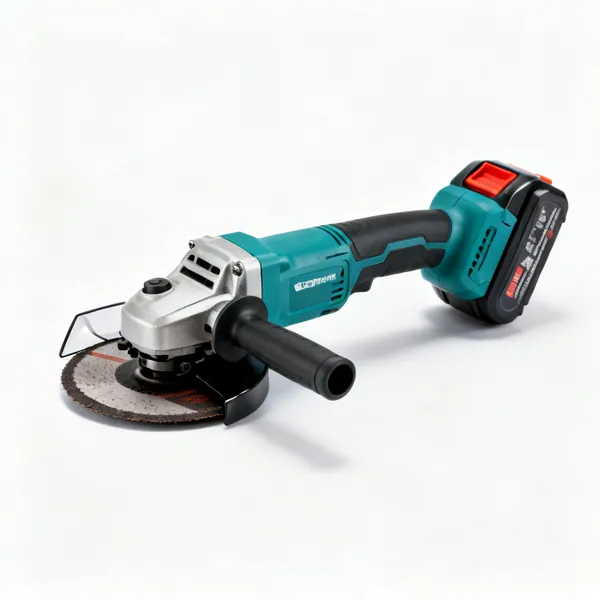
Vibration is the other cumulative injury. Hand arm vibration syndrome is permanent numbness and pain from breakers and grinders, and the exposure limits are measured in minutes per day for the worst tools. Rotating the task between people is the practical control.
- Silica needs all three controls
- Water, extraction and FFP3. Any one alone is not adequate for masonry.
- Vibration is permanent
- Numbness and pain that does not recover. Exposure limits are minutes for a breaker.
- Rotate the task
- Sharing breaker time between people is the only realistic vibration control.
- Damp down before sweeping
- Sweeping dry silica dust puts it all back into the air you just cleared.
Frequently asked questions
- What tools do I need for demolition?
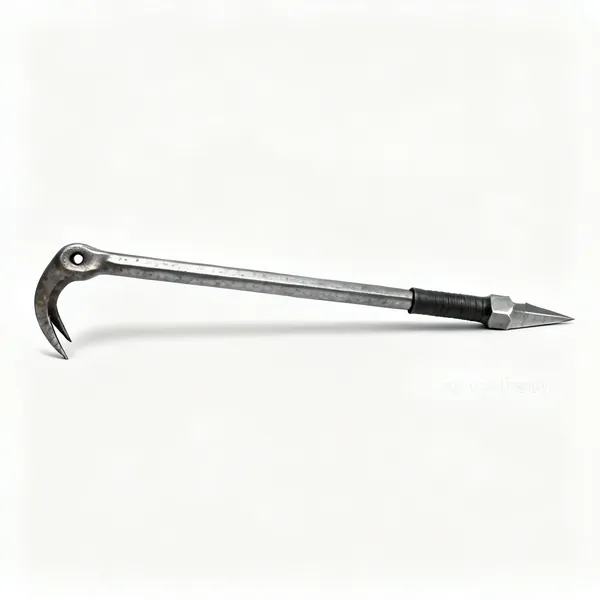
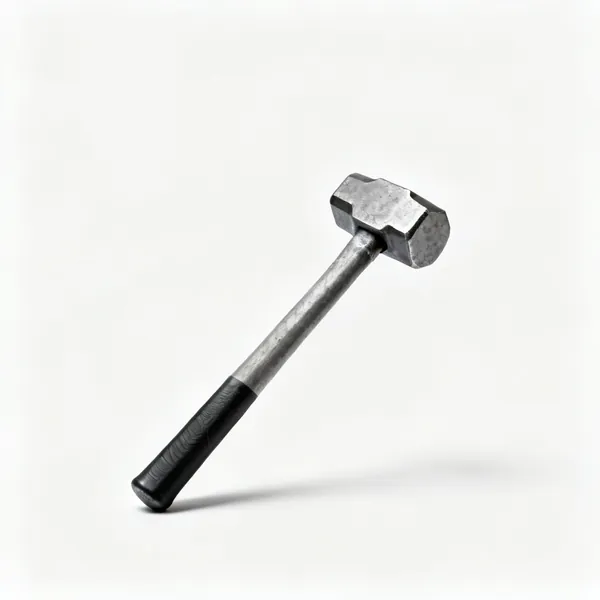
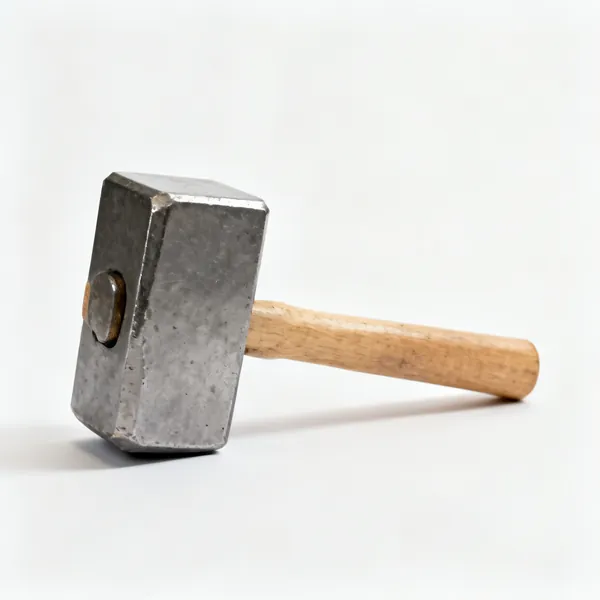
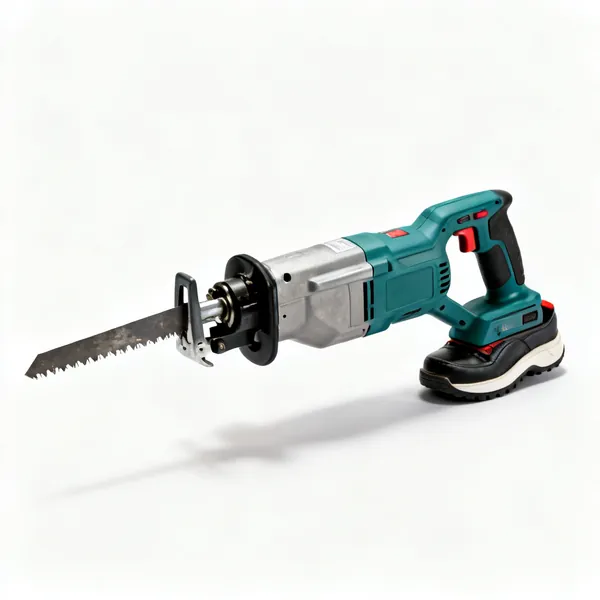
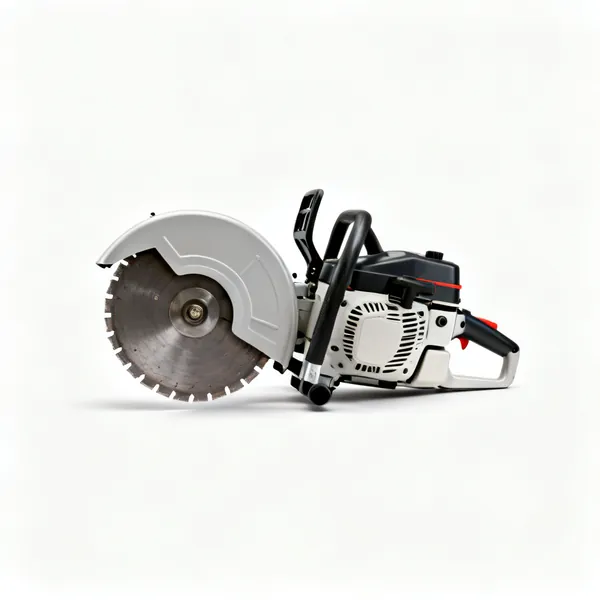
- A wrecking bar, a sledgehammer, a club hammer and bolster, a reciprocating saw and an SDS breaker cover most internal work. Add a disc cutter for reinforcement and steel. The survey, the isolation and the propping all come before any of them.
- Do I need an asbestos survey before demolition?
- For any UK building predating 2000, yes. Asbestos is in artex, floor tiles, cement sheet, insulation board, pipe lagging, soffits and cisterns, and there is no safe exposure level. Some materials may only be removed by a licensed contractor.
- How do I know if a wall is load bearing?
- Thickness proves nothing. Look for joists bearing into it, a wall stacked directly above it on the next floor, and its position relative to the building's span. Where there is any doubt, a structural engineer costs a fraction of what the repair would.
- What should I do before knocking down an internal wall?
- Get an asbestos survey if the building predates 2000, confirm whether it is load bearing and get an engineer's design and building control approval if it is, detect and isolate all services, prop the load above it, and soft strip the surrounding area first.
- What is the difference between an SDS drill and a demolition breaker?
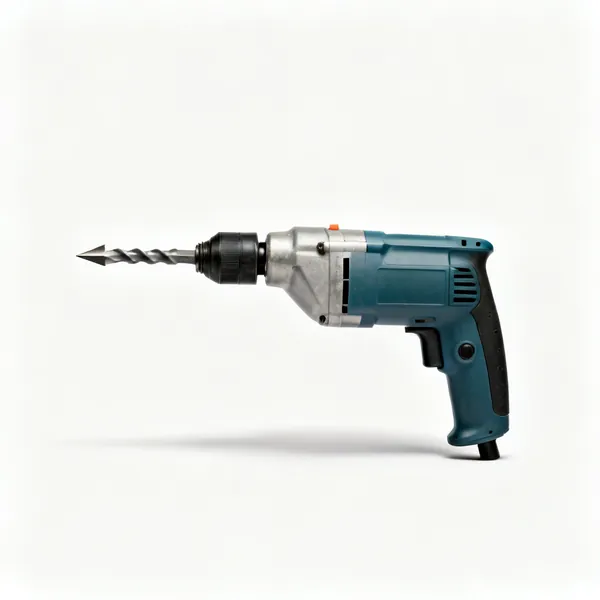
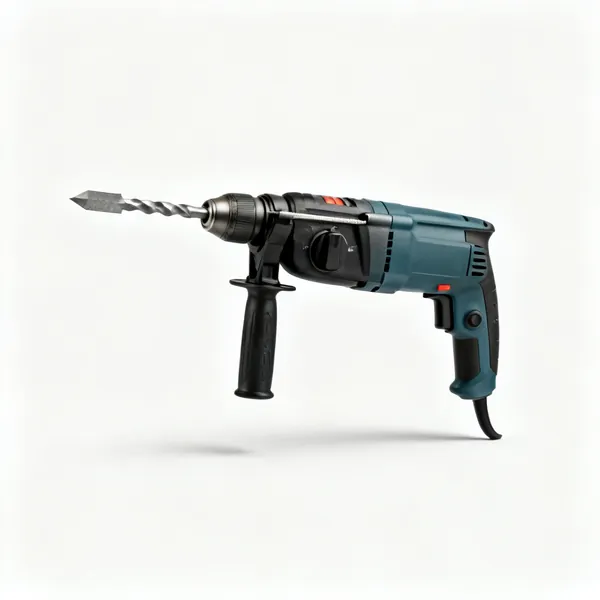
- An SDS rotary hammer drills and chisels, and it is sized for holes and small chases. A demolition breaker only chisels, with far more impact energy, and it is what actually breaks up concrete and lifts screed. A drill used as a breaker takes hours and then fails.
- How do you cut through a wall with nails and pipes in it?
- A reciprocating saw with a bimetal or demolition blade, which cuts timber, nails and light steel without complaint. That tolerance is the whole reason the tool exists. Detect and isolate services first, since a saw will cut a live cable just as readily.
- Is demolition dust dangerous?
- Yes. Breaking concrete, brick and block releases silica, which causes silicosis and lung cancer and kills more construction workers than falls do. Use water suppression, on tool extraction and an FFP3 respirator together rather than relying on any one of them.
- How long can I use a breaker for in a day?
- Less than most people assume. Hand arm vibration exposure limits are measured in minutes per day for high vibration tools, and the resulting nerve damage is permanent. The tool's declared vibration figure sets the limit, and rotating the task is the practical control.