- What painting tools do I need to paint a room?
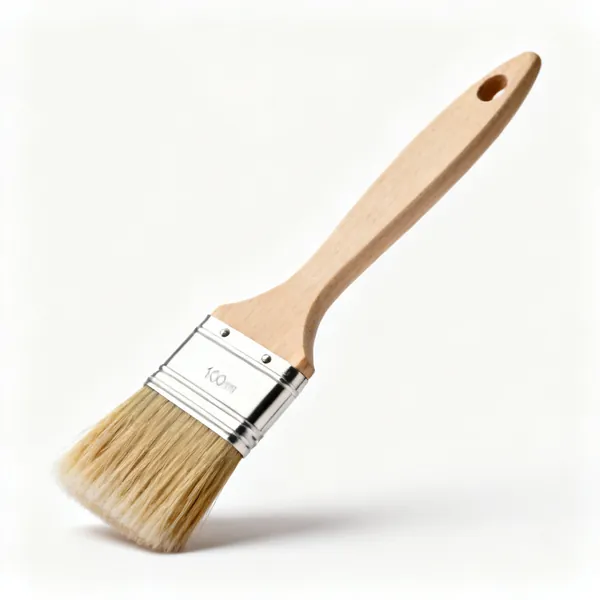
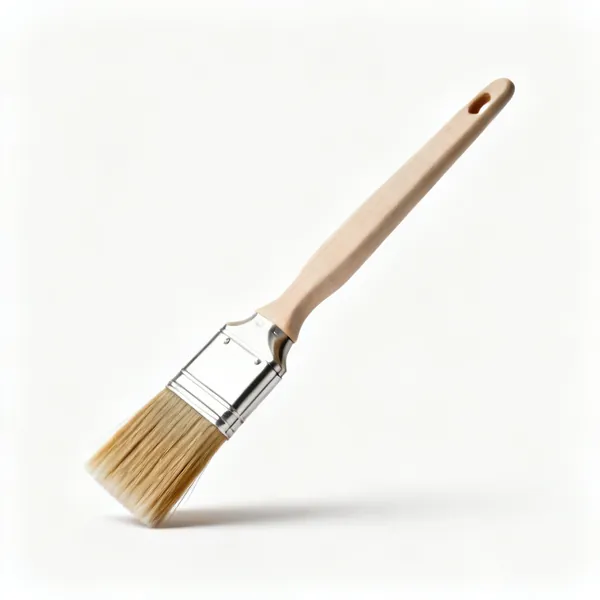
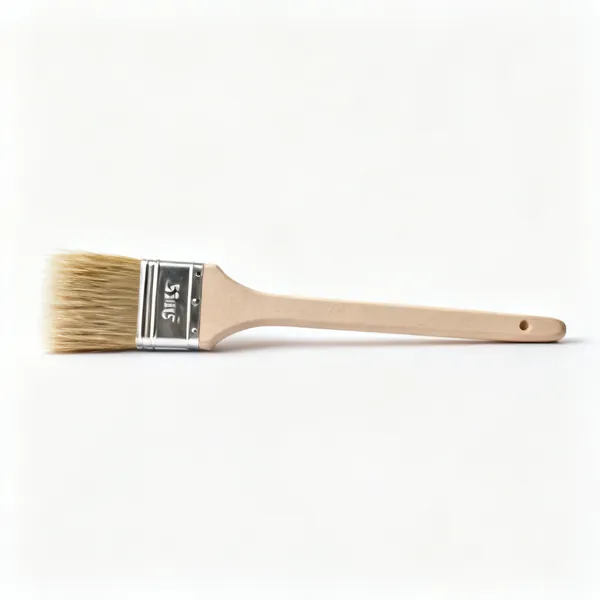
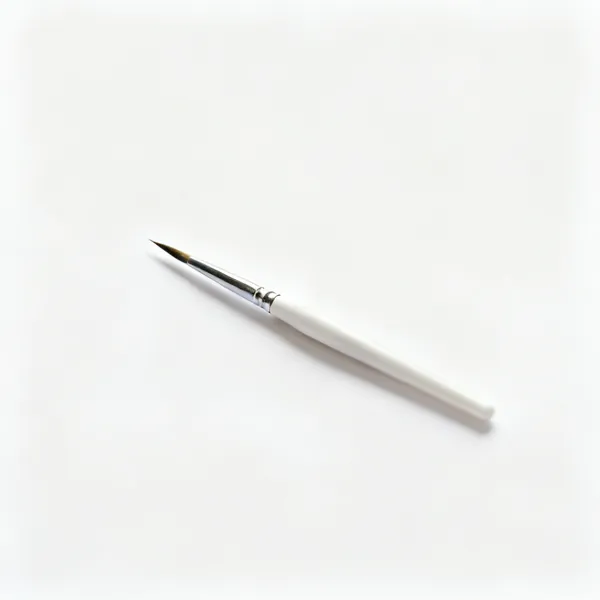
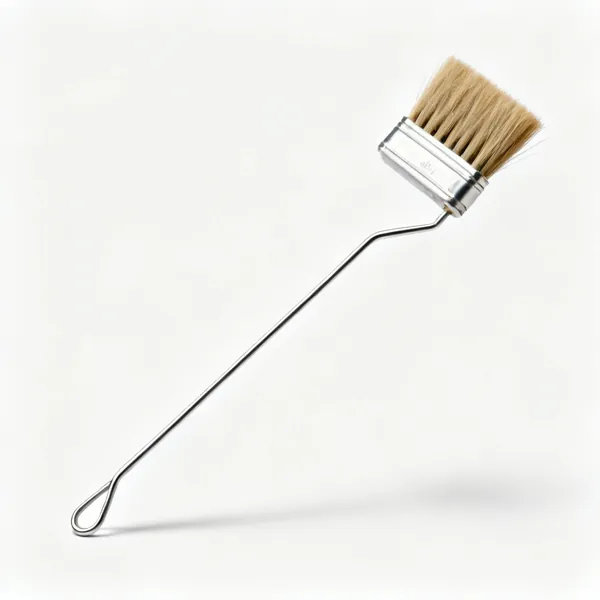
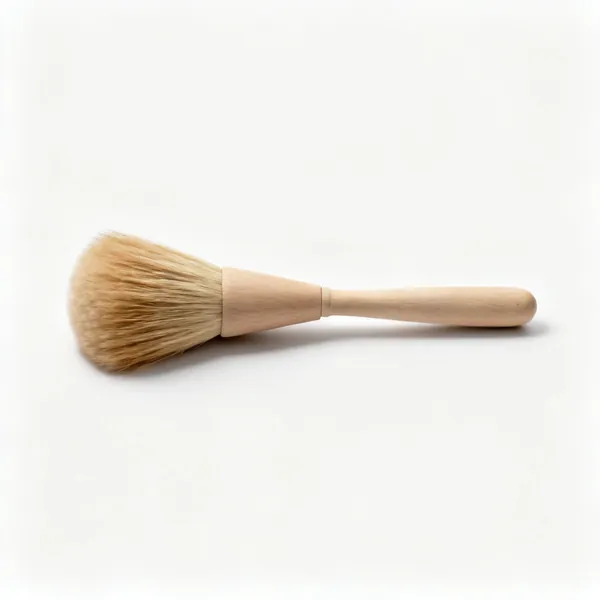
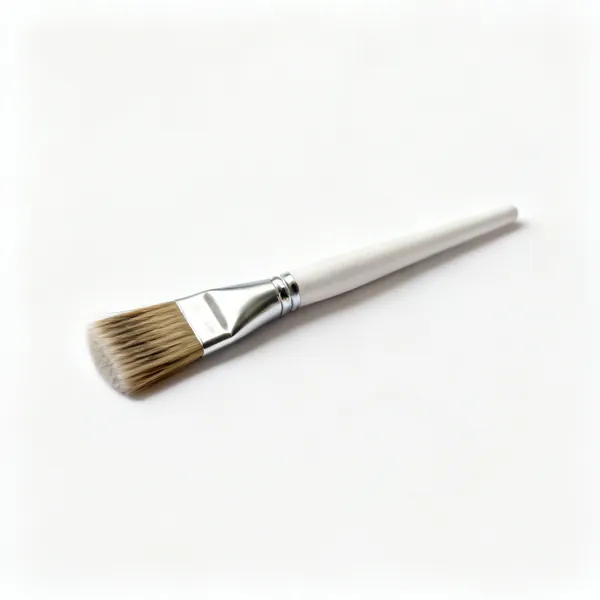
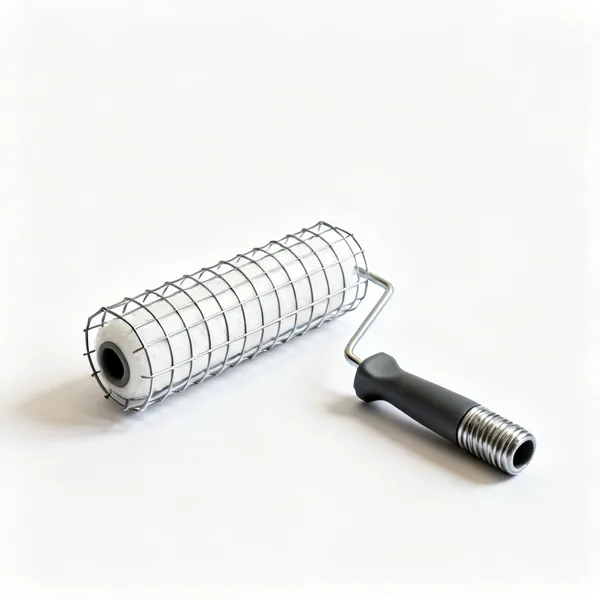
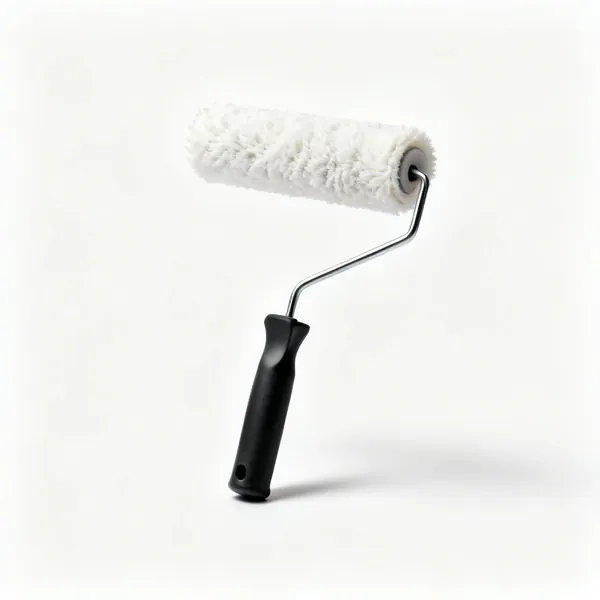
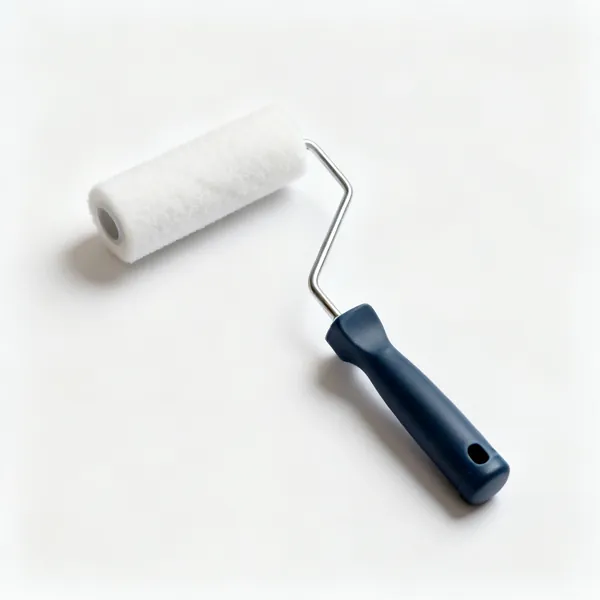
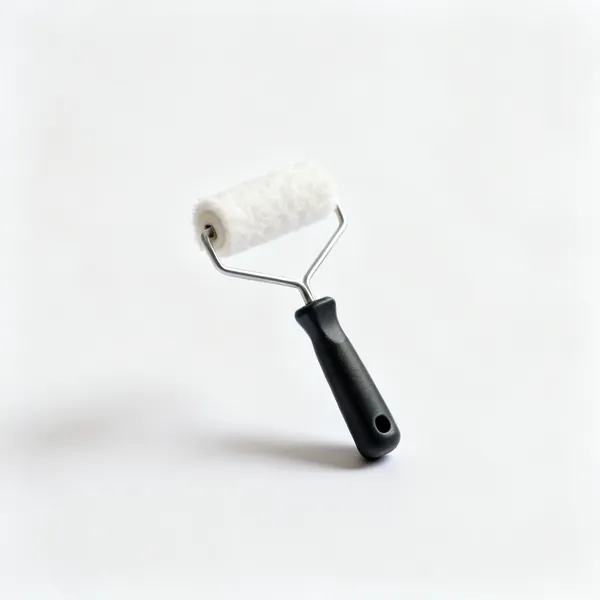
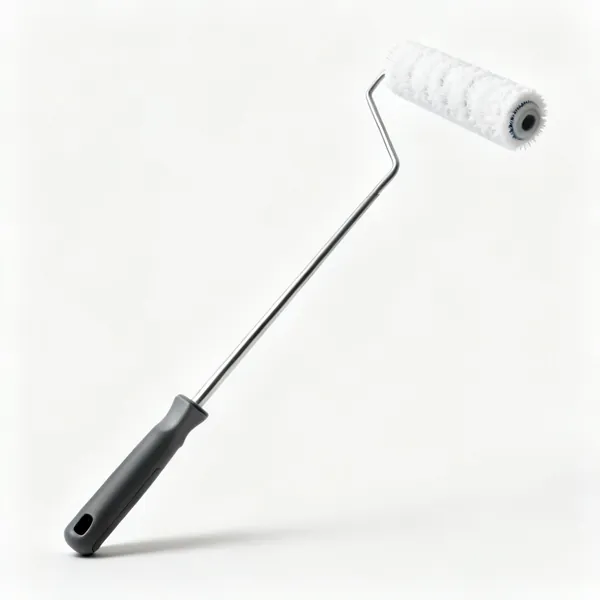
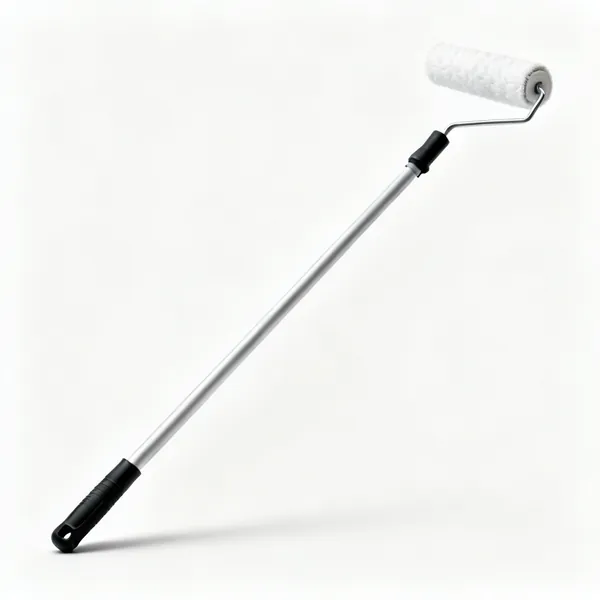
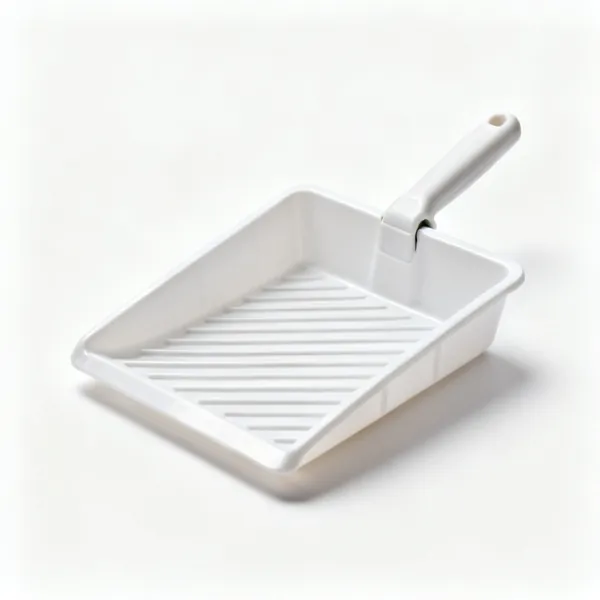
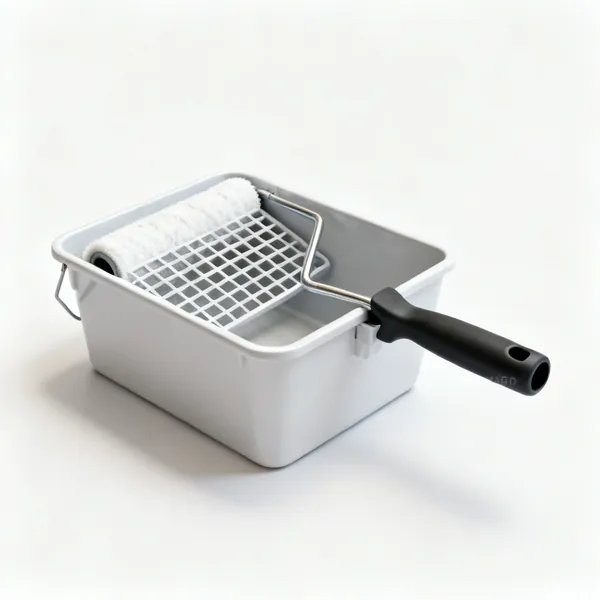
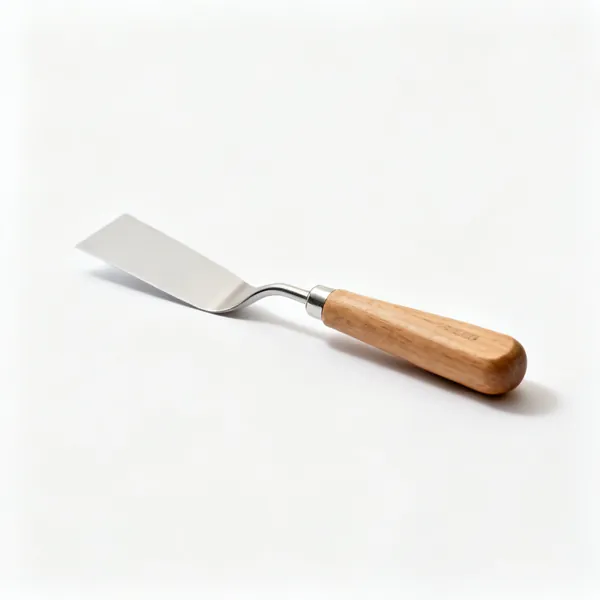
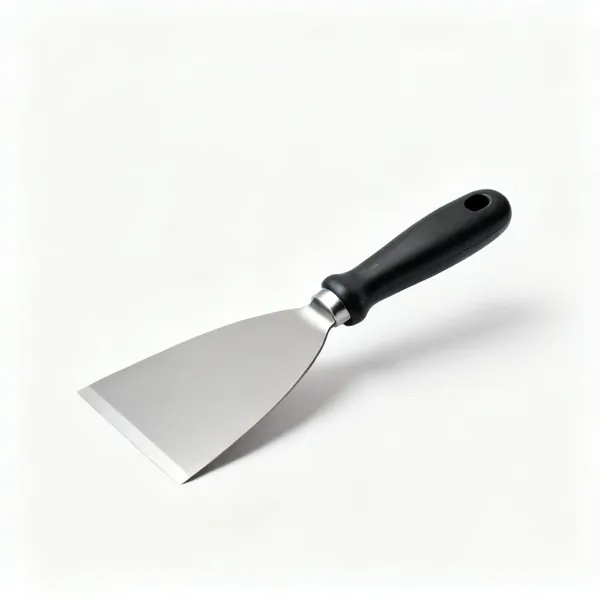
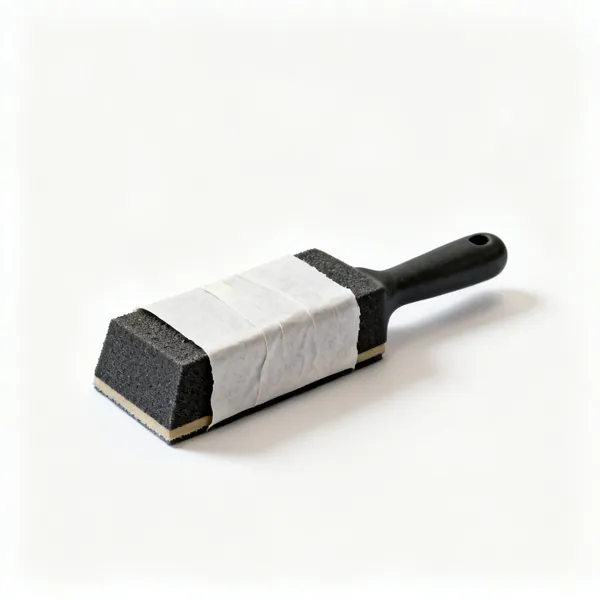
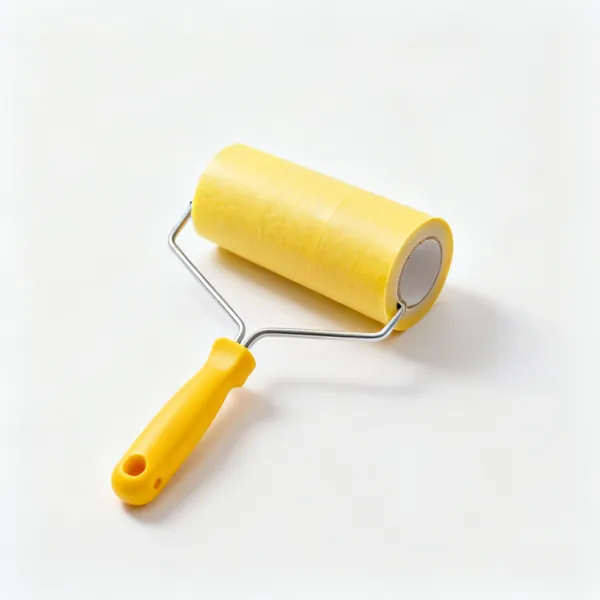
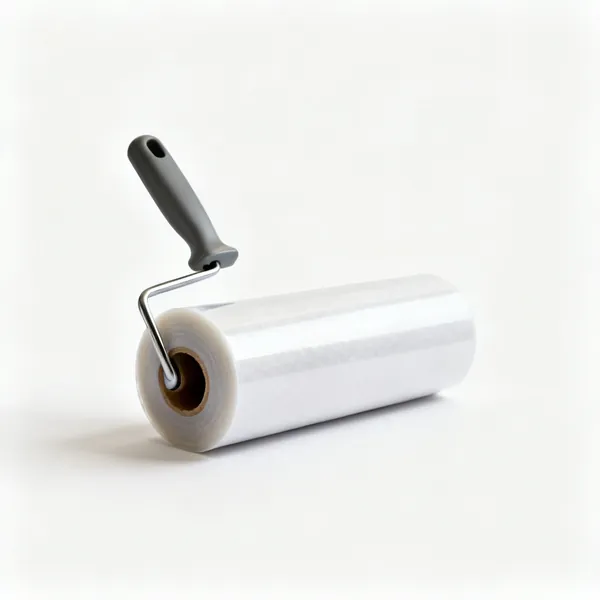
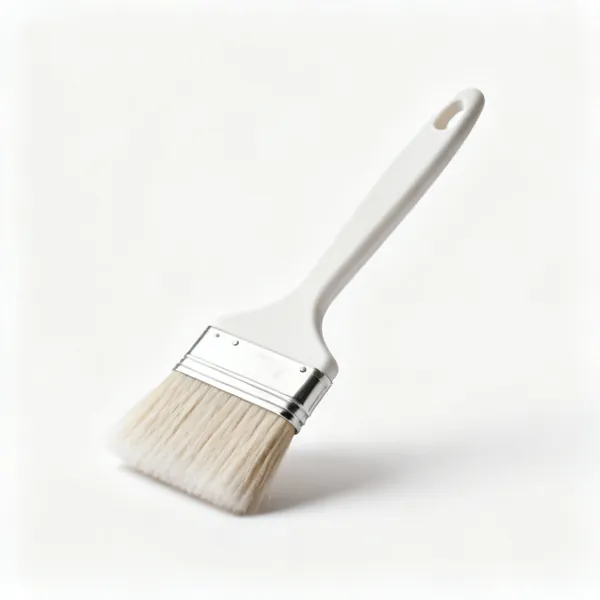
- A 50mm angled brush, a smaller brush for detail, a roller frame with two medium pile sleeves, a tray, a filling knife and filler, a sanding block, a dust sheet, masking tape and a paint kettle. That is a complete kit and it costs very little.
- Are expensive paint brushes worth it?
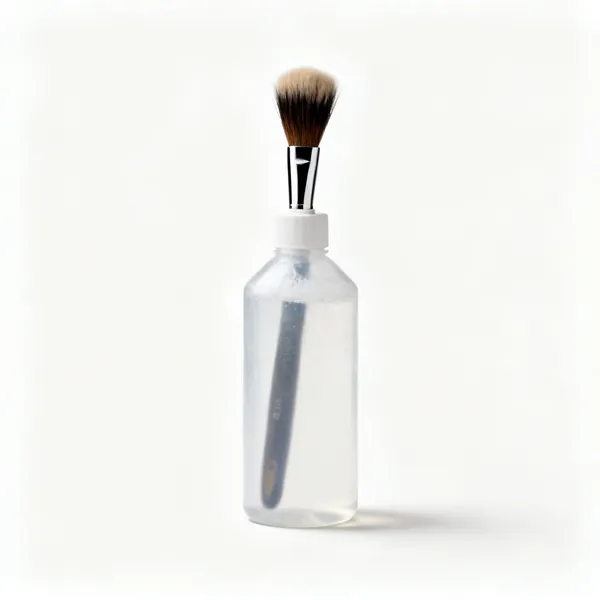
- Yes, more than any other item here. A cheap brush sheds bristles into the paint, holds less so you reload constantly, and cannot hold a straight line when cutting in. A good synthetic brush washed properly lasts years.
- What roller pile should I use?
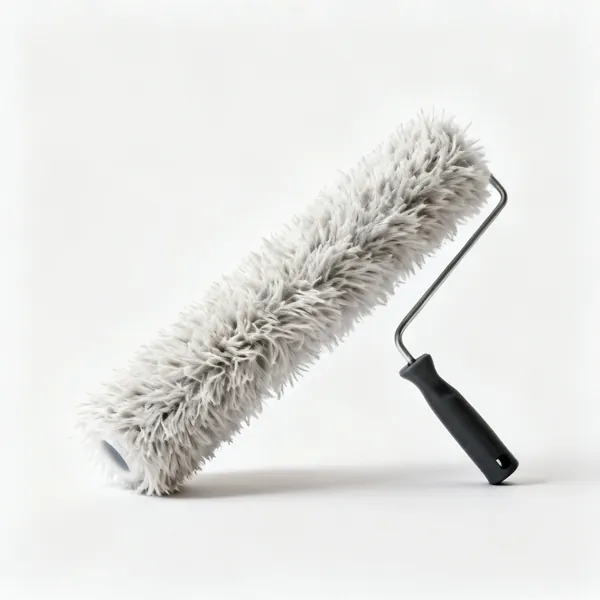
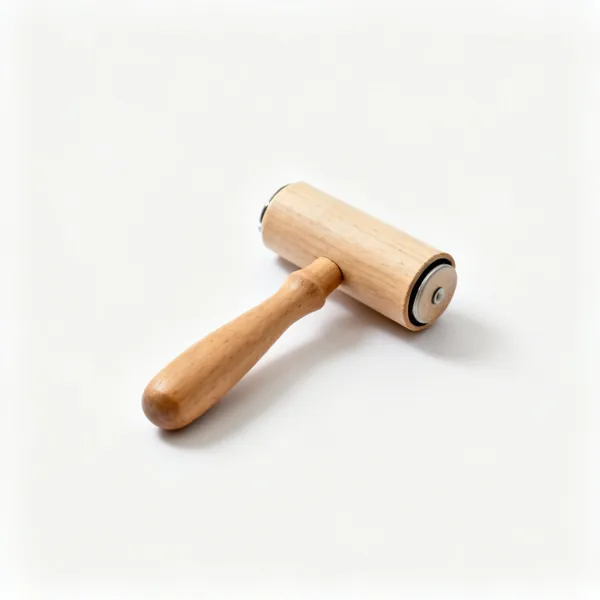
- Short pile for smooth walls, gloss and doors. Medium for emulsion on normal plaster, which is most interior work. Long pile for textured surfaces and masonry. Using too short a pile on texture is the usual reason a wall looks patchy.
- Should I use natural or synthetic brushes?
- Synthetic for water based paint, which is most modern paint, because natural bristle absorbs water, swells and goes limp. Natural bristle still holds an edge better in oil based gloss and varnish.
- Is masking tape better than cutting in?
- Cutting in freehand with an angled brush is faster once you can do it, and it does not bleed. Tape earns its place on textured, fragile or fiddly surfaces where a brush edge cannot hold a line. Most decorators do both.
- Why does paint bleed under my masking tape?
- Either the tape is not pressed down along its full edge, or the surface is textured so there is no seal. Run a filling knife along the edge to bed it, and on texture seal the edge with a thin coat of the base colour first.
- What is decorator's caulk for?
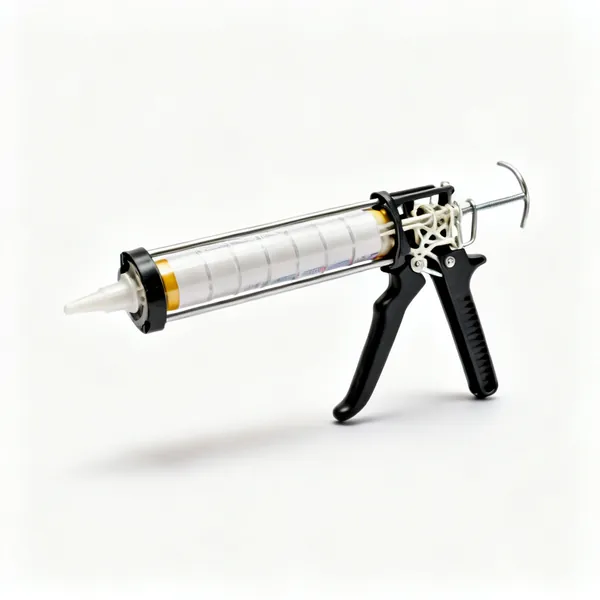
- Filling the gaps where trim meets wall, around skirting, architrave and coving. It stays slightly flexible so it does not crack when the building moves. It is the single biggest difference between an amateur and a professional looking finish.
- Do I need a paint sprayer?
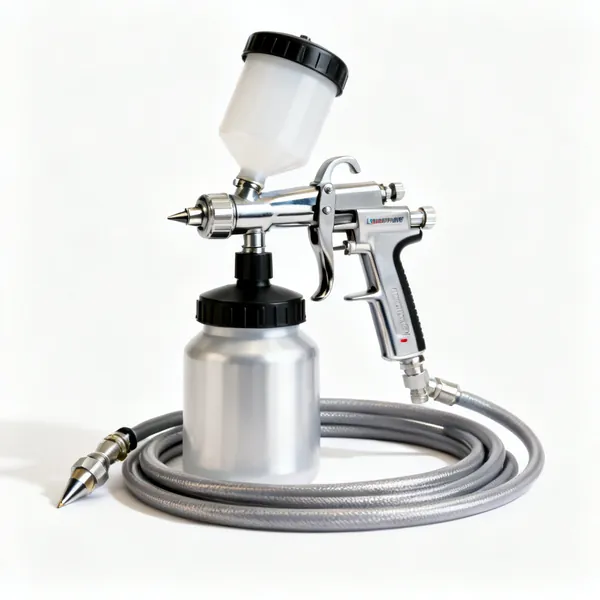
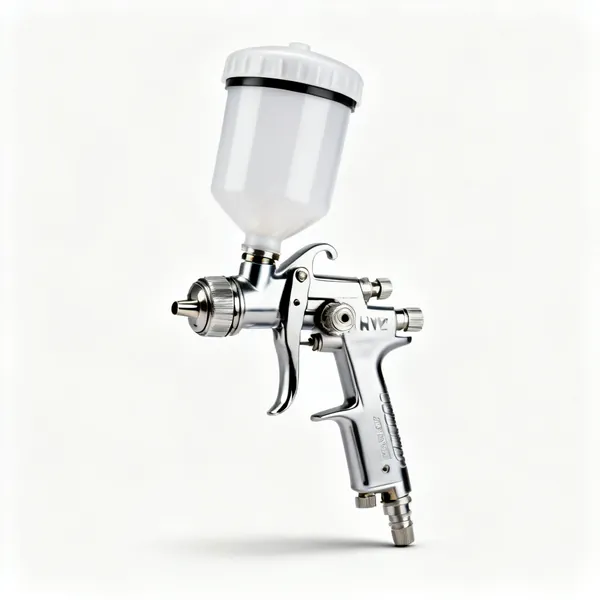
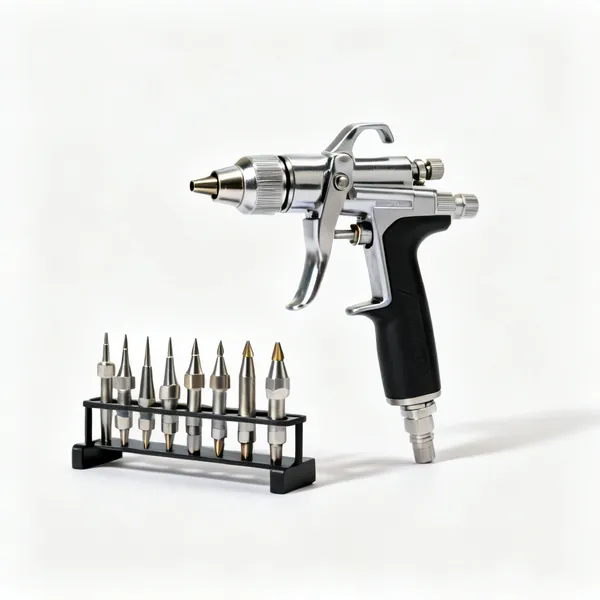
- Only at scale. For empty rooms, a lot of doors, fences or spindles, a sprayer is dramatically faster. For one furnished room, masking and then cleaning the sprayer takes longer than simply rolling it.
- How do I clean paint brushes properly?
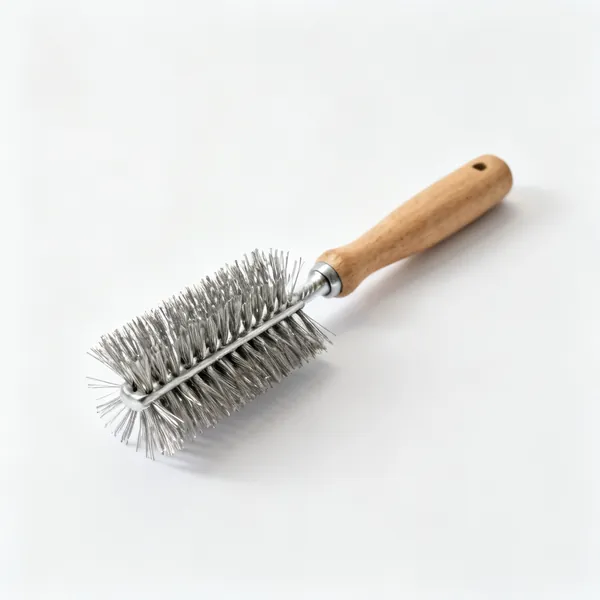
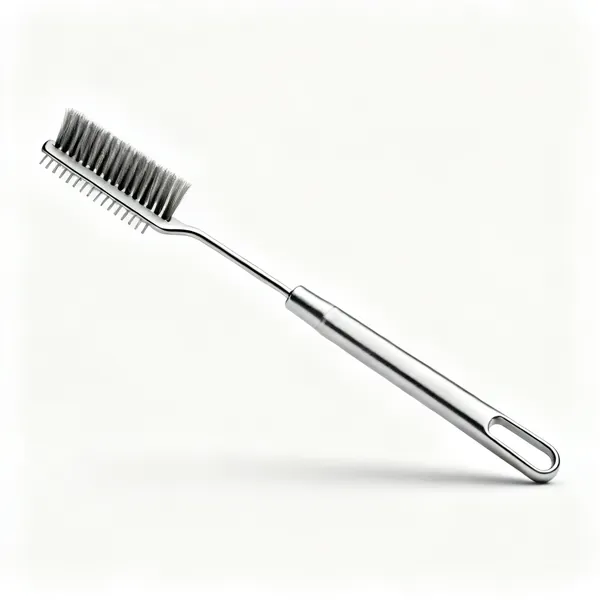
- Wash immediately in water for emulsion, white spirit for oil based. Work the paint out of the base of the bristles with a brush comb, because paint hiding in the ferrule is what makes a brush splay. Reshape and hang bristles down.
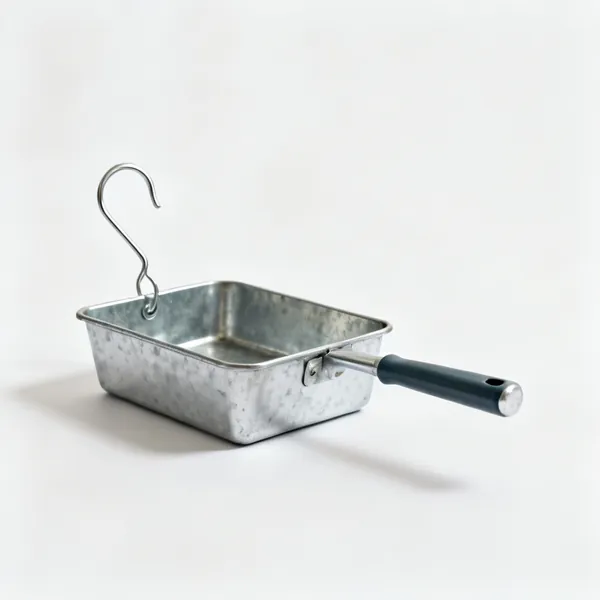
- What is a paint kettle for?
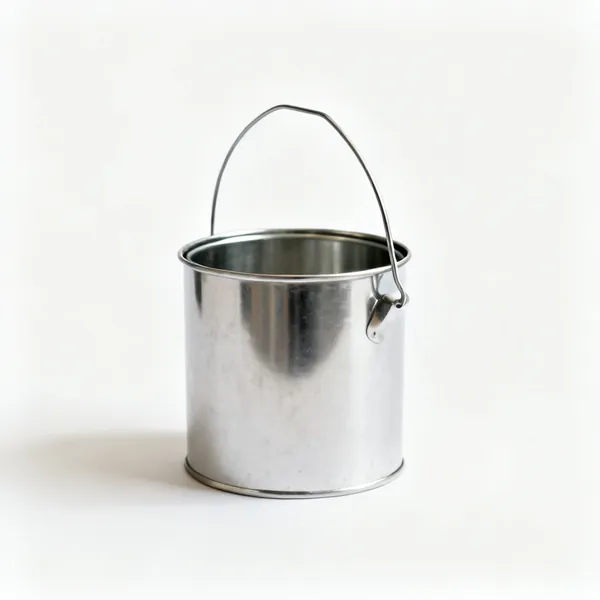
- Decanting a manageable amount of paint so you are not carrying a full tin and not contaminating it with dust or bristles from the wall. It also lets you thin a small amount without committing the whole tin.
- How much preparation do I really need to do?
- More than you want to. Fill, sand, caulk, wipe down and prime bare patches. Paint hides nothing and highlights everything: every unfilled nick and every dusty patch shows more once there is a uniform sheen over it.
- Can I paint over wallpaper?
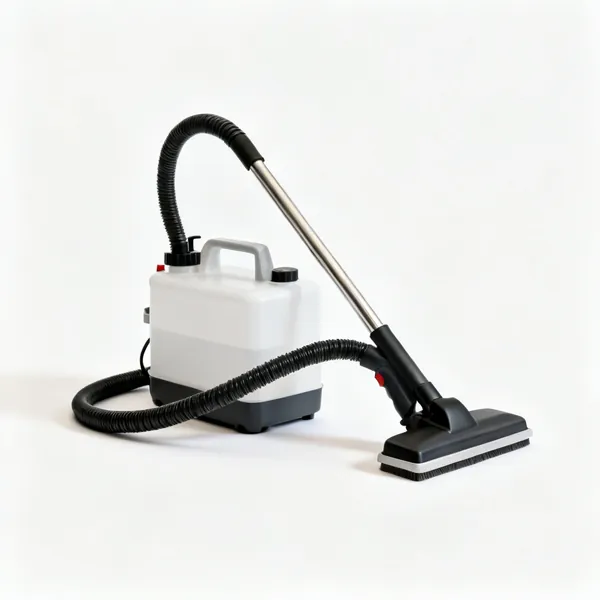
- Sometimes, if it is well stuck and not vinyl or textured. It is a gamble, because water based paint can loosen the paste and lift seams. Stripping it with a steamer is more work and a far more reliable result.