Choosing spray painting tools
The list above is what exists. This is how to decide which of it you actually need, what separates a tool worth keeping from one that ends up at the back of a drawer.
When spraying is actually faster
Spraying wins where there is a lot of surface or a lot of profile: a whole house exterior, a ceiling, a fence, a set of spindles, a run of kitchen doors. In those cases the setup time is repaid several times over.
It loses on one room, because masking an occupied room takes longer than rolling it, and it loses on anything where overspray cannot be controlled. Counting the masking and cleaning honestly is what makes the decision correctly.
- Large areas win
- Exteriors, ceilings, fences. The setup is repaid several times over on scale.
- Profiles win
- Spindles, radiators, panelled doors. A gun coats a shape a brush has to chase.
- One room loses
- Masking an occupied room takes longer than rolling it. Count that time honestly.
- Cleaning is part of the job
- Twenty minutes minimum, every time, or the gun is ruined for the next one.
Airless, HVLP and compressed air
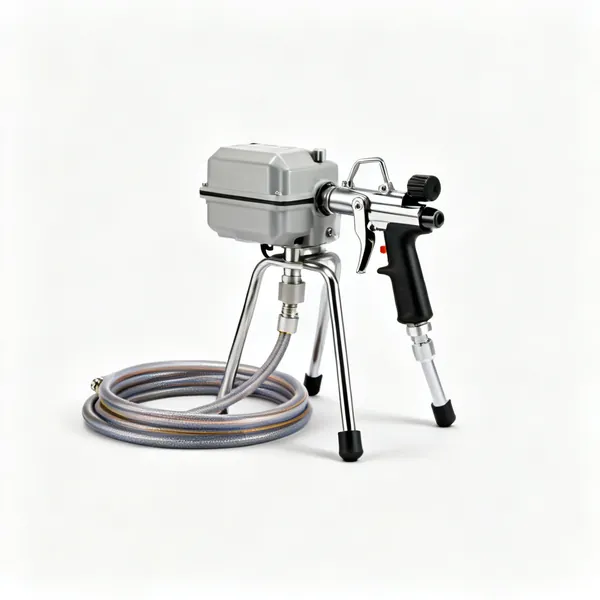
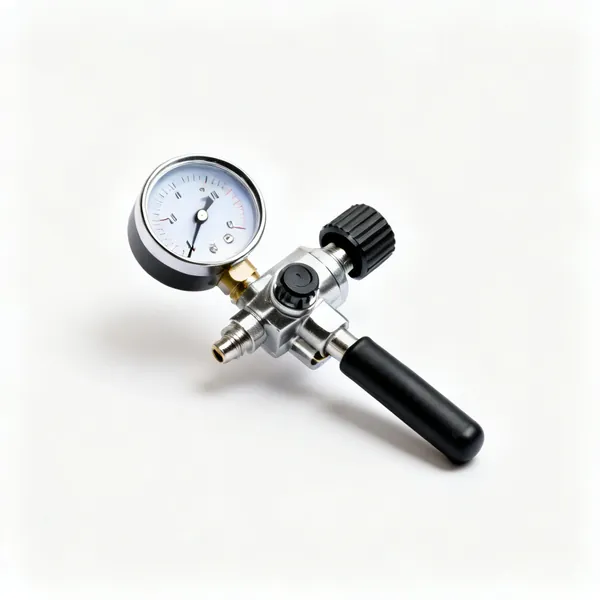
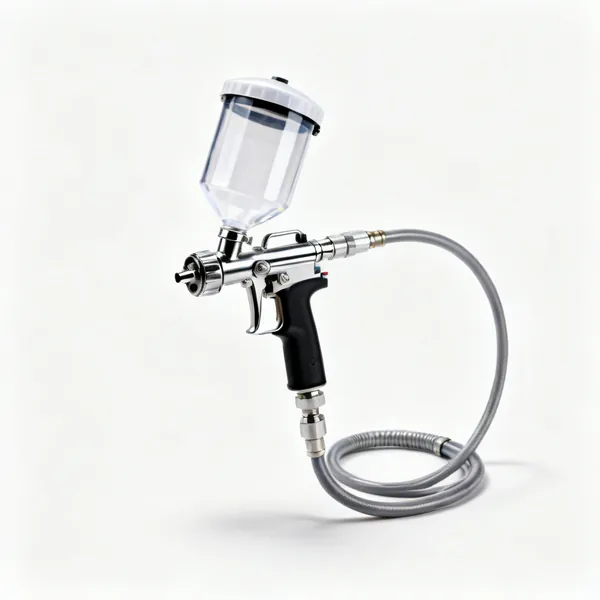
An airless sprayer pumps paint at high pressure through a small tip, atomising it by force. It moves a lot of paint fast, handles unthinned emulsion, and produces the most overspray of the three.
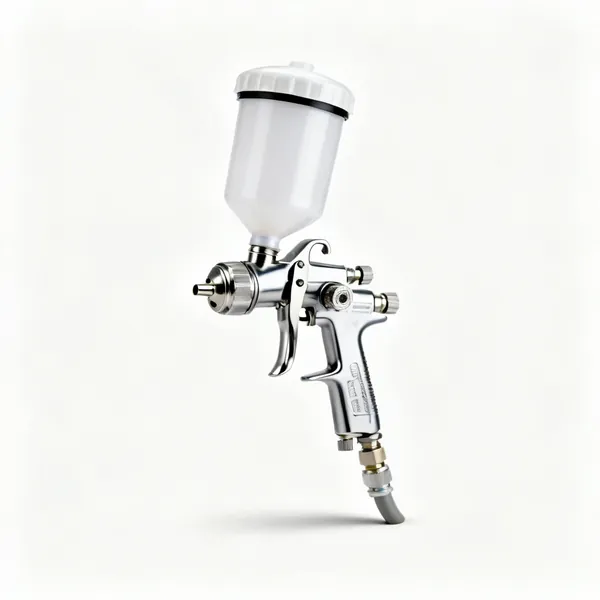
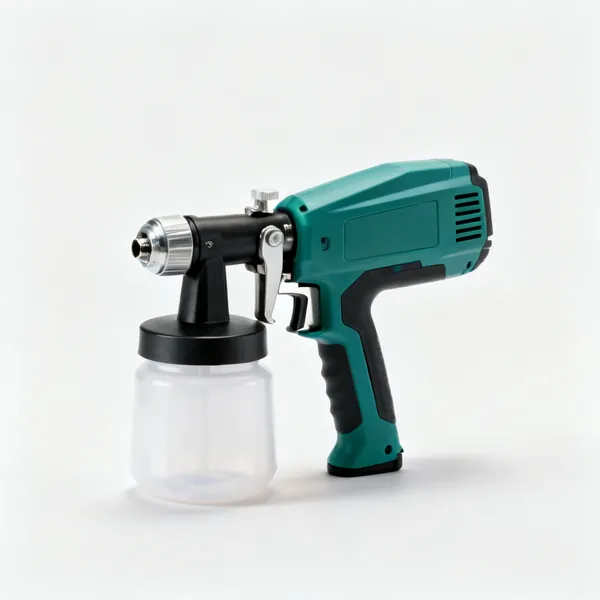
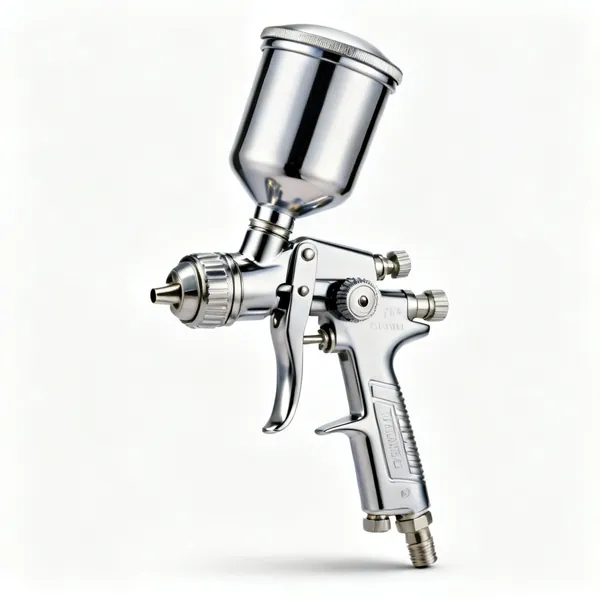
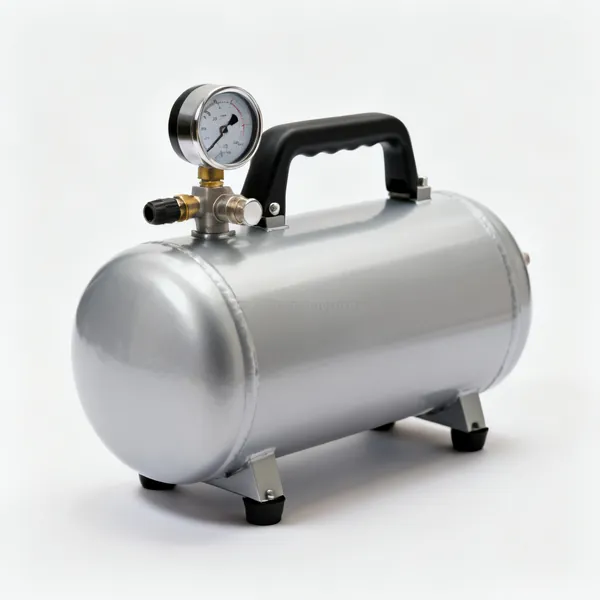
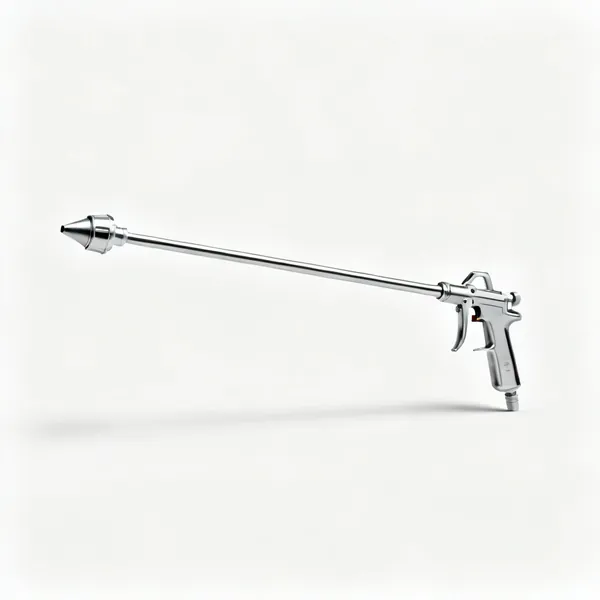
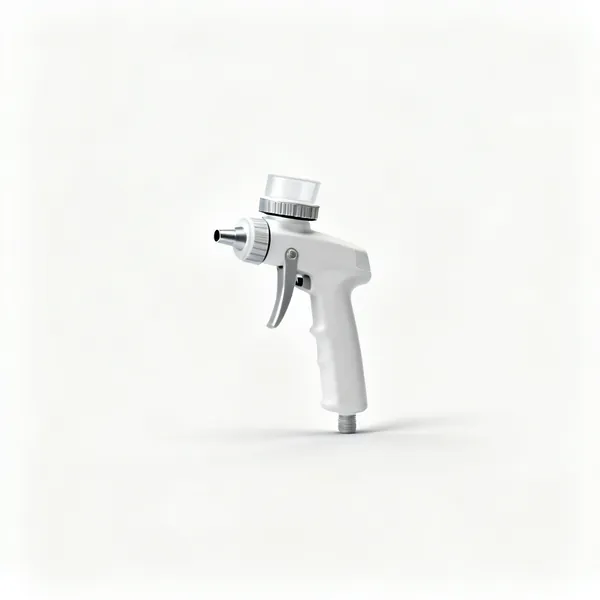
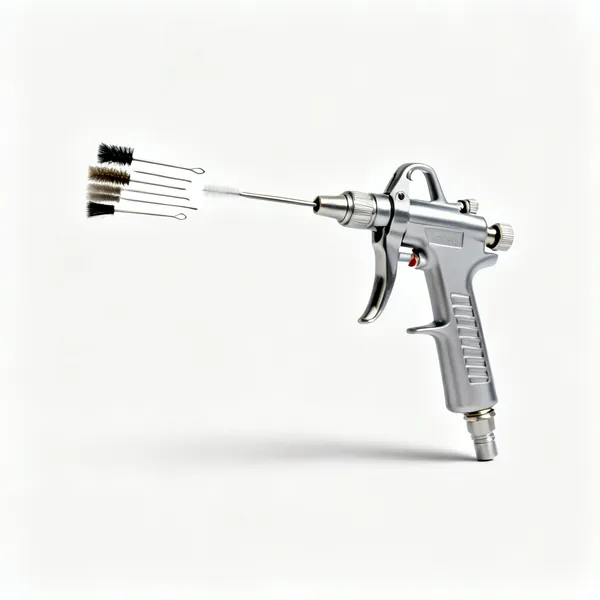
HVLP uses a large volume of low pressure air, which atomises more gently, wastes less and gives a finer finish. It is the choice for cabinets and furniture. Compressed air guns need a compressor with real capacity and are the traditional automotive route.
- Airless for volume
- Walls, ceilings, fences. Handles thick paint and throws the most overspray.
- HVLP for finish
- Cabinets, doors, furniture. Less waste, finer atomisation, slower coverage.
- Compressed air for bodywork
- Needs a compressor with genuine capacity, not a tyre inflator.
- Aerosols for small work
- No cleaning, no setup, and the least control over the film thickness.
Thinning and tip size
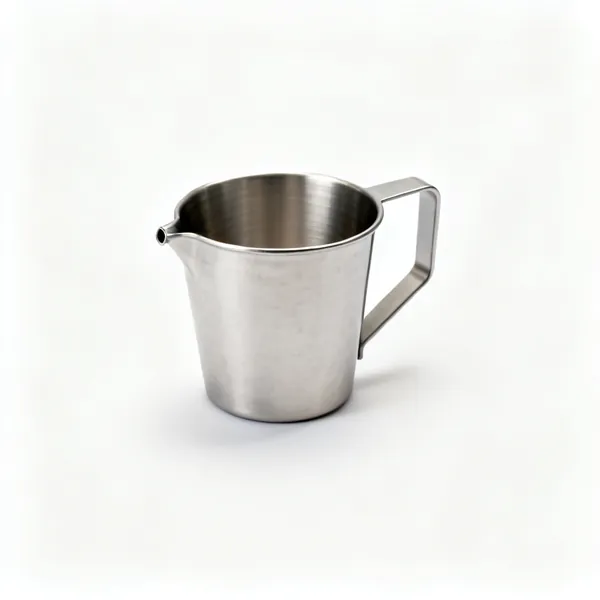
Paint has to be thin enough to atomise through the tip you have fitted. Too thick and it spits and leaves a coarse orange peel texture; too thin and it runs and needs more coats. A viscosity cup measures it in seconds rather than by eye.
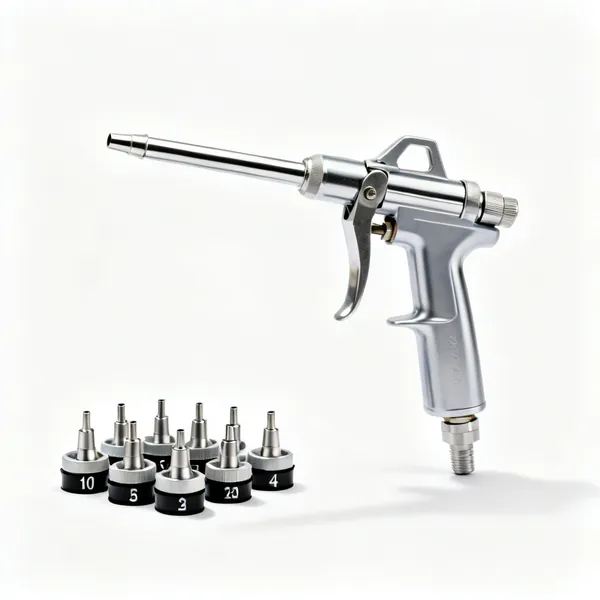
Tip size is the other half of that. A larger tip passes thicker paint and sprays a wider fan, so emulsion needs a bigger tip than lacquer. Matching tip to paint is why a sprayer that seems to work badly often just has the wrong tip in it.
- Measure viscosity
- A flow cup and a stopwatch. Guessing at thinning is where most spray faults start.
- Match the tip to the paint
- Emulsion needs a larger tip than lacquer. A bad finish is often a wrong tip.
- Thin in steps
- Five per cent at a time and test spray. Over thinned paint cannot be thickened back.
- Strain the paint
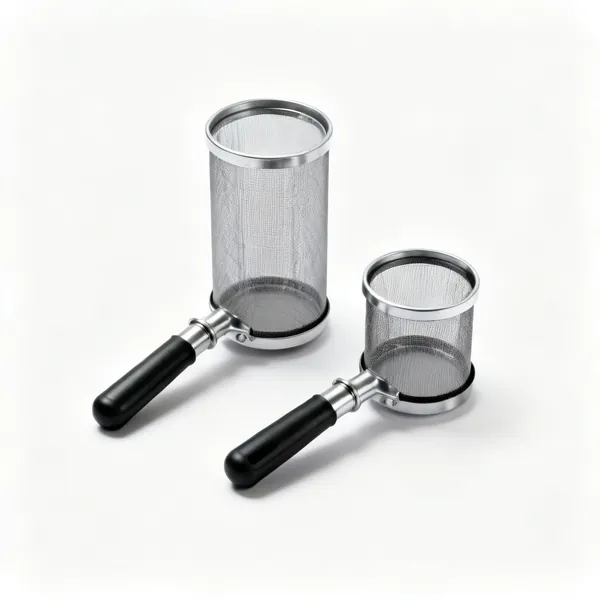
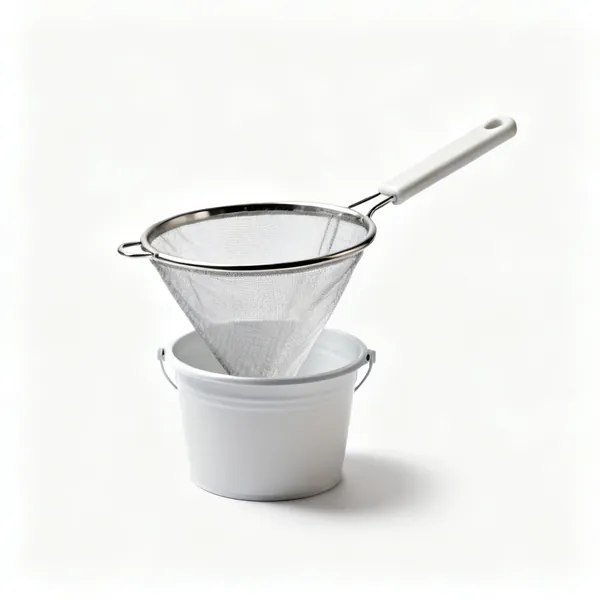
- Through a mesh filter. One skin fragment blocks a tip mid pass and ruins the panel.
Distance, overlap and trigger discipline
Hold the gun perpendicular to the surface at a consistent distance, roughly 250 to 300mm for airless and closer for HVLP. Move first, then pull the trigger; release before stopping. Triggering while stationary is what makes a heavy patch.
Overlap each pass by half its width, which gives an even film thickness rather than banding. Arcing the wrist so the gun is nearer in the middle of a pass than at the ends is the other common cause of stripes.
- Consistent distance
- Perpendicular and the same gap throughout. Arcing the wrist causes visible banding.
- Move, then trigger
- Start the movement before the paint and release before stopping. No heavy ends.
- Overlap by half
- Each pass covers half the previous one. That is what evens out the film.
- Two thin coats
- Rather than one heavy one. A heavy coat runs on anything vertical.
Overspray and what you breathe
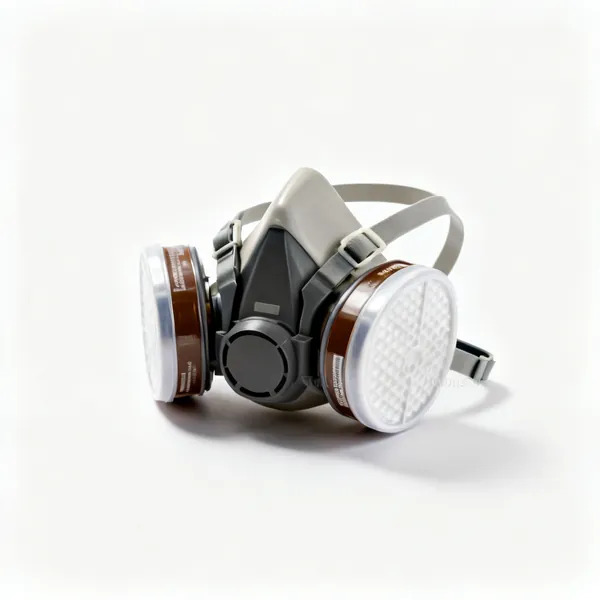
Atomised paint hangs in the air, travels much further than expected, and is inhaled. A dust mask does nothing about it. The mask has to be rated for organic vapours as well as particulates, and for isocyanate paints only air fed breathing apparatus is adequate.
Airless sprayers add an injection hazard: the pressure is high enough to inject paint through skin, which is a surgical emergency rather than a wound. Never point one at anything you value and never clear a tip with a finger over the nozzle.
- Respirator, not a dust mask
- Particulate plus organic vapour filters. Atomised paint is breathed, not landed on.
- Isocyanates need air fed
- Two pack automotive paint is not survivable in a cartridge mask. Do not attempt it.
- Injection injury is real
- Airless pressure injects paint under skin. Treat it as an emergency, not a graze.
- Overspray travels
- Metres further than it seems. Mask beyond the area and check what is downwind.
Frequently asked questions
- What tools do I need for spray painting?
- A sprayer suited to the job, the right tip, a paint strainer, a viscosity cup, masking tape and film, and a respirator rated for particulates and organic vapours. Cleaning kit is part of the list rather than optional, since a gun left dirty is ruined.
- What is the difference between airless and HVLP spraying?
- Airless pumps paint at high pressure through a small tip, moving a lot of paint fast and producing plenty of overspray. HVLP uses high volume low pressure air, atomising more gently with less waste and a finer finish. Airless for walls, HVLP for cabinets.
- Is spray painting faster than using a roller?
- At applying paint, much faster. Overall it depends on scale, because masking and cleaning take longer than rolling a single room would. Spraying wins on exteriors, ceilings, fences and anything with a profile, and loses on one occupied room.
- Do I need to thin paint for spraying?
- Usually, and how much depends on the paint and the tip fitted. Measure it with a flow cup rather than guessing: too thick spits and leaves an orange peel texture, too thin runs. Thin five per cent at a time and test spray, since it cannot be thickened back.
- What size spray tip do I need?
- Larger for thicker paint and a wider fan, so emulsion needs a bigger tip than lacquer or stain. A sprayer that seems to perform badly very often just has the wrong tip in it. The manufacturer's chart pairs tip size to paint type.
- How far should you hold a spray gun from the surface?
- Around 250 to 300mm for airless and closer for HVLP, perpendicular to the surface and at a consistent distance throughout the pass. Arcing the wrist so the gun is nearer in the middle than at the ends is a common cause of visible banding.
- What mask do I need for spray painting?
- A half mask respirator with combined particulate and organic vapour cartridges, not a dust mask, because atomised paint and solvent are both inhaled. Two pack automotive paints containing isocyanates require air fed breathing apparatus, not a cartridge mask.
- Why is my spray finish coming out rough?
- Usually paint too thick for the tip, which spits and leaves an orange peel texture. Also holding the gun too far away, so the paint partly dries before it lands. Check viscosity with a cup, verify the tip matches the paint, and work closer and slower.