Disclosure

Tools for painting edges

A straight edge at a ceiling line is a brush skill, not a tape skill. Tape gives a line only if the paint cannot get under it, and paint gets under tape far more readily than people expect. All 33 tools here are grouped into brushes, masking, guides and preparation, and preparation is where most bad edges are actually decided.

17 are marked essential: one good angled brush and the things that stop paint travelling.

Part of the full painting tools list, 60 tools in 9 groups.

Brushes for cutting in 8

The tool that actually makes the line. One good angled brush does most of this work.

  • Angled sash brushEssential

    Angled sash brush

    Bristles cut at an angle so the tip presents a fine edge while the body holds paint. A 50mm or 63mm one is the single best tool for cutting in.

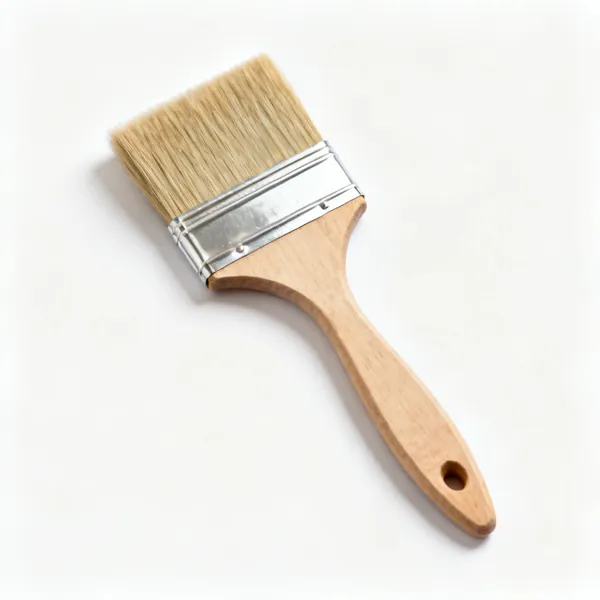
  • Flat trim brush: A flat square cut paint brush 50mm wide with a wooden handleEssential

    Flat trim brush

    A square cut 50mm brush for the long straight runs along skirting, architrave and window boards, where an angled tip is unnecessary.

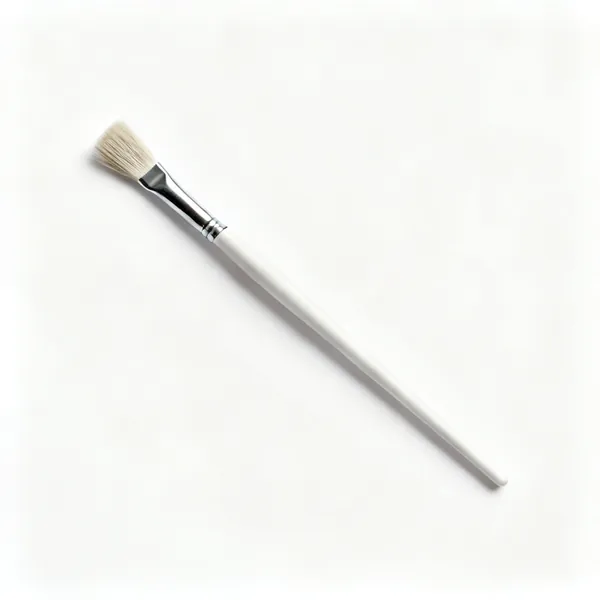
  • Small detail brush: A small 25mm detail paint brush with fine bristles and a slim handleEssential

    Small detail brush

    25mm or less for corners, glazing bars and beading. A wide brush in a corner splays and floods, so this is a change of tool rather than technique.

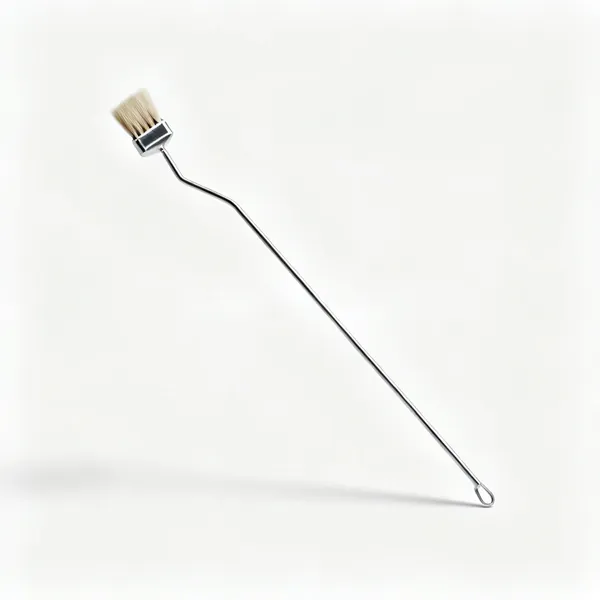
  • Radiator brush

    Radiator brush

    A small head on a long angled handle that reaches behind a radiator or a pipe. There is genuinely no alternative for that specific gap.

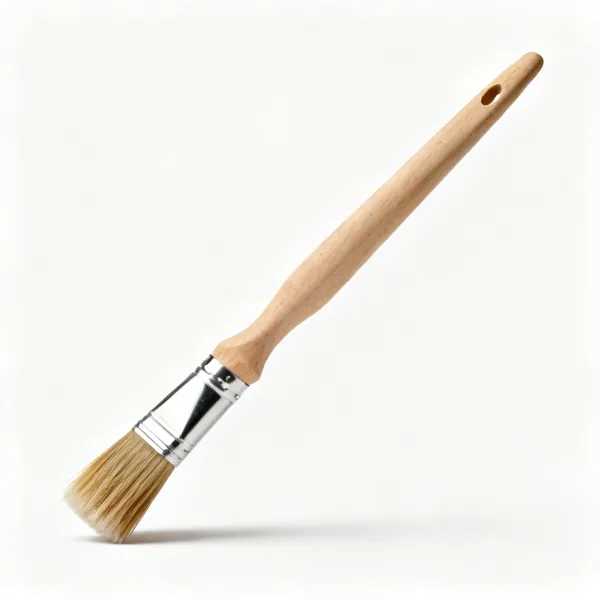
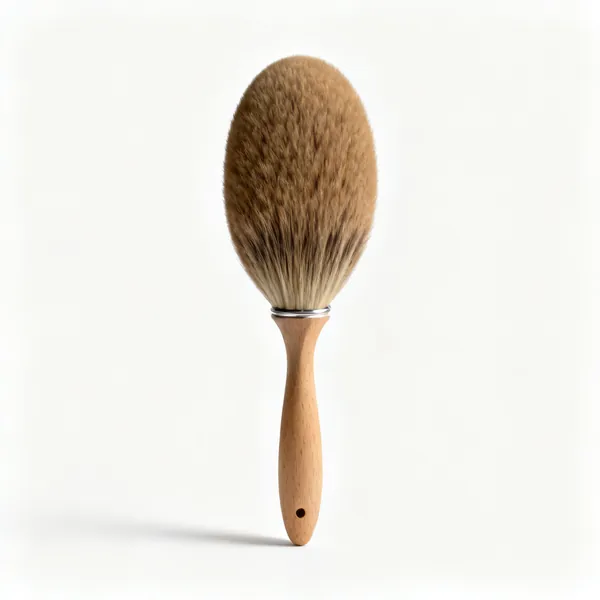
  • Oval brush: An oval paint brush with a rounded thick bristle head and a wooden handle

    Oval brush

    A round or oval ferrule holding far more paint than a flat brush, so a long cut in can be completed without reloading. Favoured for ceiling lines.

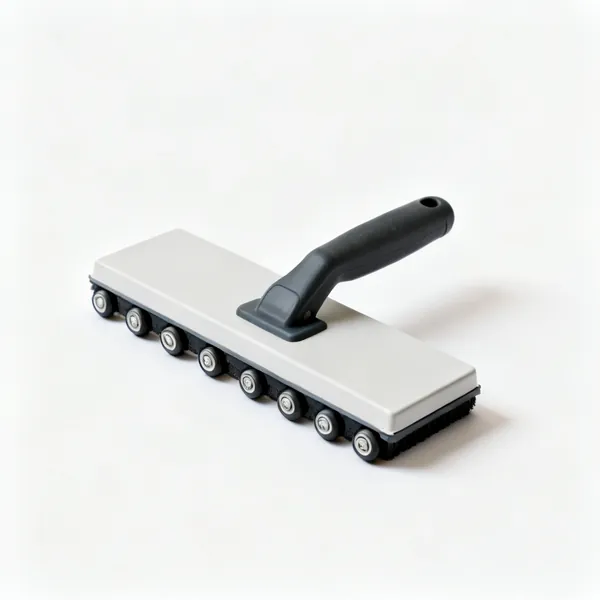
  • A rectangular paint edging pad with small guide wheels along one edge

    Edging pad

    A flat pad with a guide wheel that runs along the adjacent surface. Easy to get a line with, and it lays paint thinner than a brush so needs two coats.

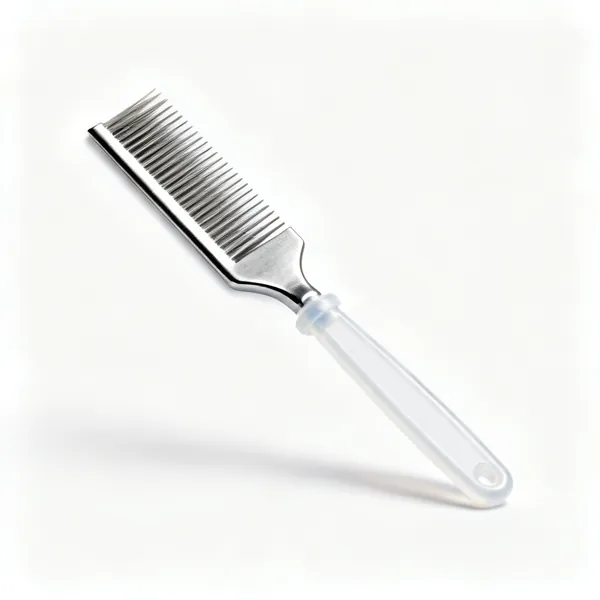
  • A metal paint brush comb with fine tines and a plastic handle

    Brush comb

    Combs dried paint out of the ferrule end of the bristle, where it builds up and splays the brush. That build up is what ruins a good brush.

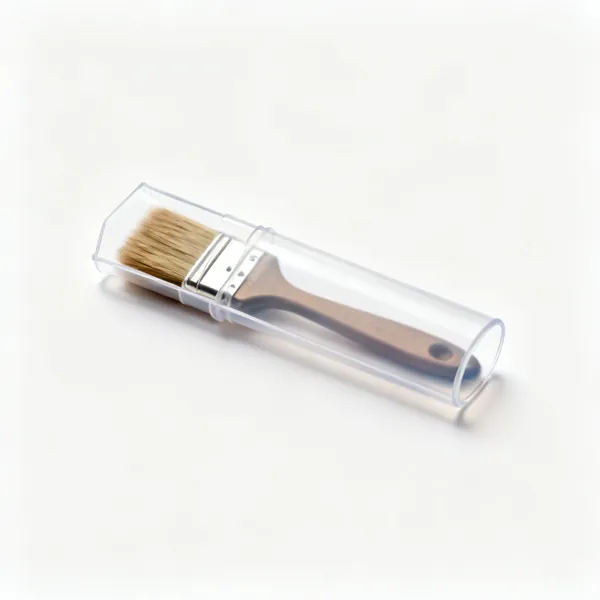
  • A plastic paint brush keeper sleeve with a brush inside

    Brush keeper

    A sleeve that holds a wet brush overnight without cleaning, so a two day job needs one clean rather than two. It also keeps the tip shape.

Masking 8

Works on smooth surfaces and only if the edge is sealed. On texture it does very little.

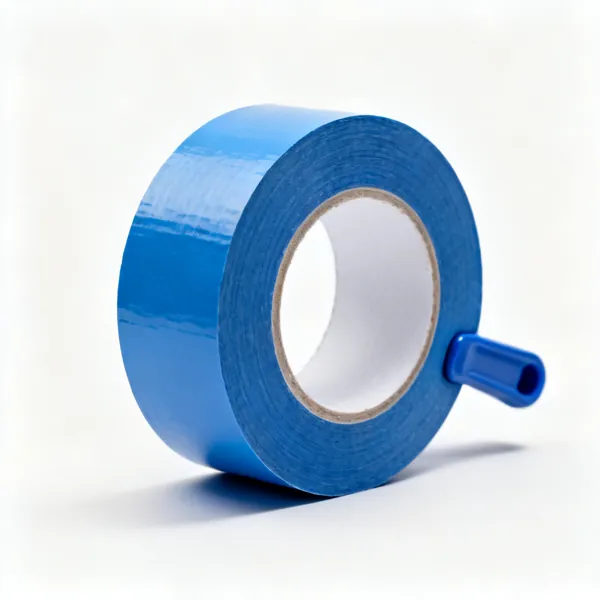
  • A roll of blue low tack masking tapeEssential

    Low tack masking tape

    Sticks enough to seal and releases without pulling paint off. Rated by how long it can stay on, and leaving it beyond that is how it tears surfaces.

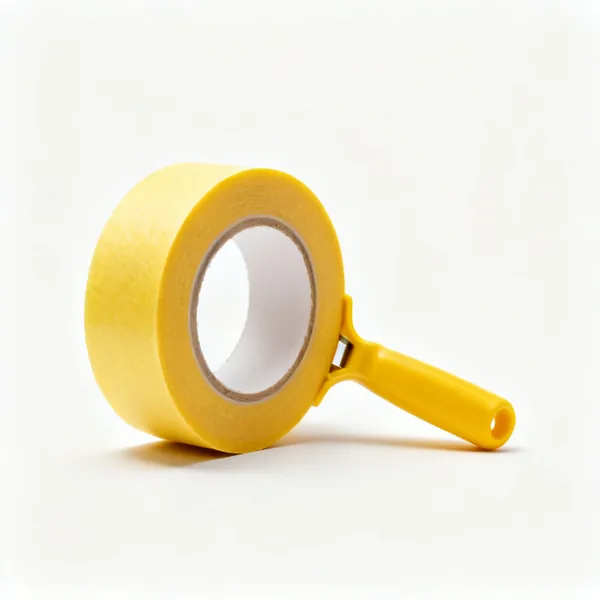
  • Delicate surface tape: A roll of yellow delicate surface masking tape

    Delicate surface tape

    Lower adhesion again for fresh paint, wallpaper and lining paper, which normal tape lifts. Seals less well, so it needs the edge sealing trick.

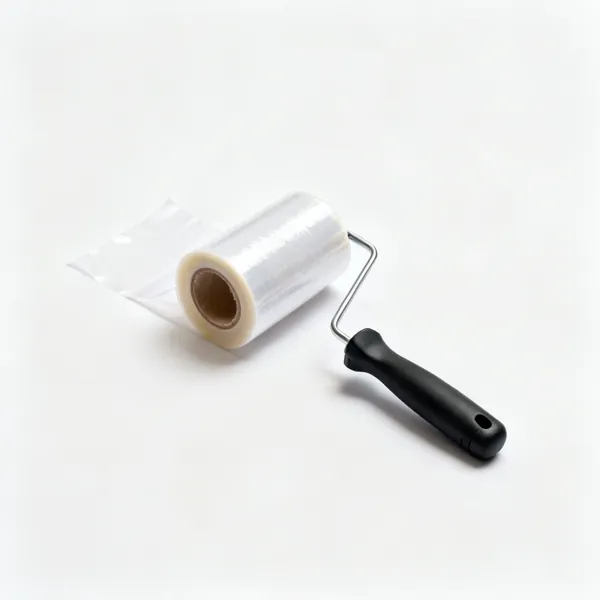
  • A roll of pre taped masking film partly unfoldedEssential

    Masking film

    Tape with a folded plastic sheet attached that unfolds to cover a wall or a floor. One movement instead of taping and then taping paper to the tape.

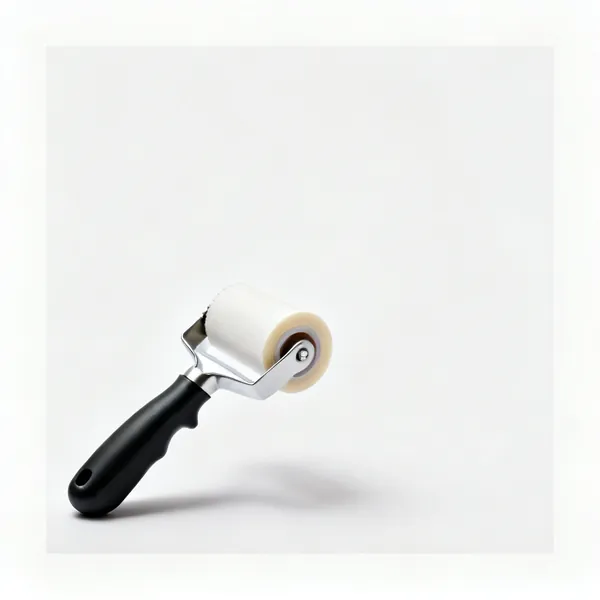
  • A handheld masking tape applicator dispenser with a roll fitted

    Tape applicator

    Runs tape onto a line and burnishes it in one pass. Faster than hand taping a whole room and it presses the edge down harder than fingers do.

  • A flat plastic paint tape burnishing tool with a bevelled edgeEssential

    Burnishing tool

    A plastic blade that presses the tape edge down hard. This is the step that decides whether the tape seals, and fingers do not apply enough pressure.

  • Dust sheets: A folded canvas cotton dust sheetEssential

    Dust sheets

    Cotton for floors, since it absorbs a drip rather than letting it sit and be walked through. Plastic under cotton where the floor matters.

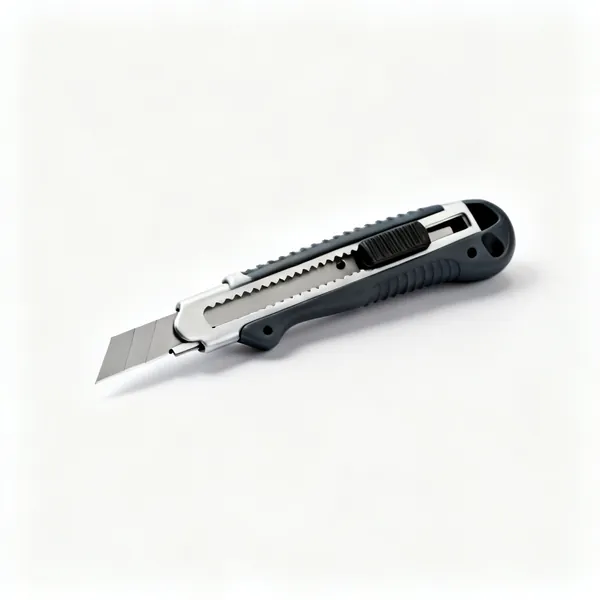
  • A retractable craft knife with a snap off blade

    Craft knife

    Scores along the tape edge before removal, so dry paint breaks at the line rather than peeling off with the tape. What saves a dried on mask.

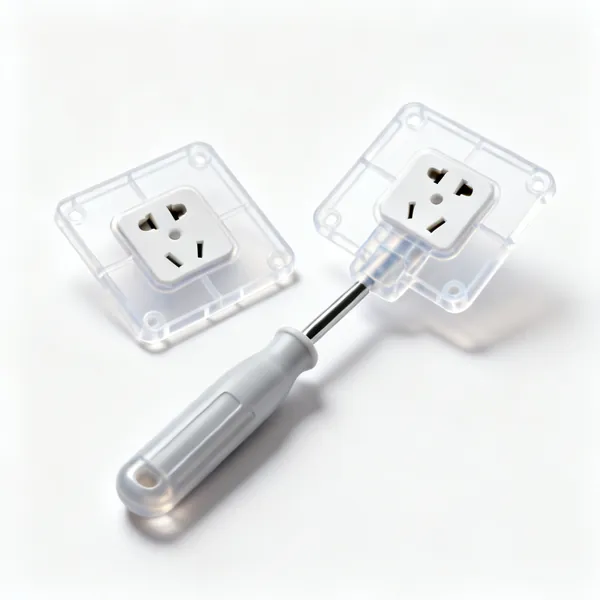
  • Socket covers: Two plastic electrical socket masking covers

    Socket covers

    Plastic caps or taped bags over sockets and switches, so a brush at a wall edge cannot get paint into an electrical fitting.

Shields and guides 8

A physical barrier held in place, which works where tape cannot stick.

  • A flat rigid metal paint shield guard with a handleEssential

    Paint shield

    A rigid plastic or metal blade held against the adjacent surface as the brush runs along it. What works against carpet, where tape has nothing to grip.

  • Carpet tucker: A thin flat carpet tucking tool with a bevelled blade and a handle

    Carpet tucker

    A thin blade that pushes carpet pile down into the gap under a skirting, so the board can be painted with the pile out of the way.

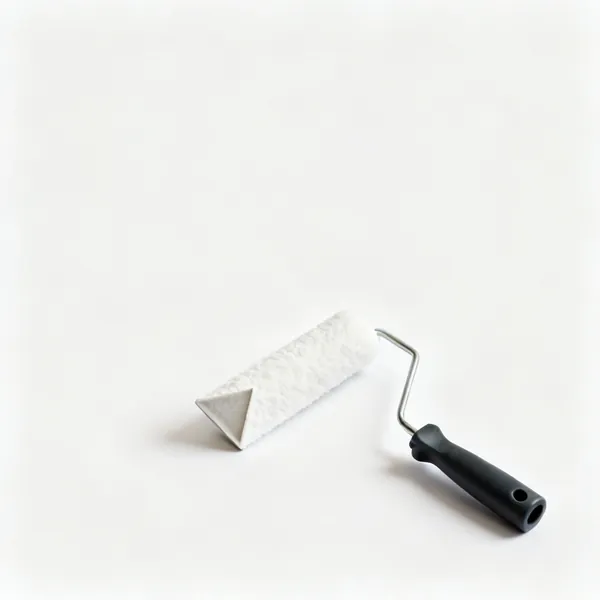
  • Corner roller: A small V shaped corner paint roller on a short handle

    Corner roller

    A small V or wheel shaped roller that paints an internal corner in one pass. Faster than a brush and it leaves roller texture rather than brush marks.

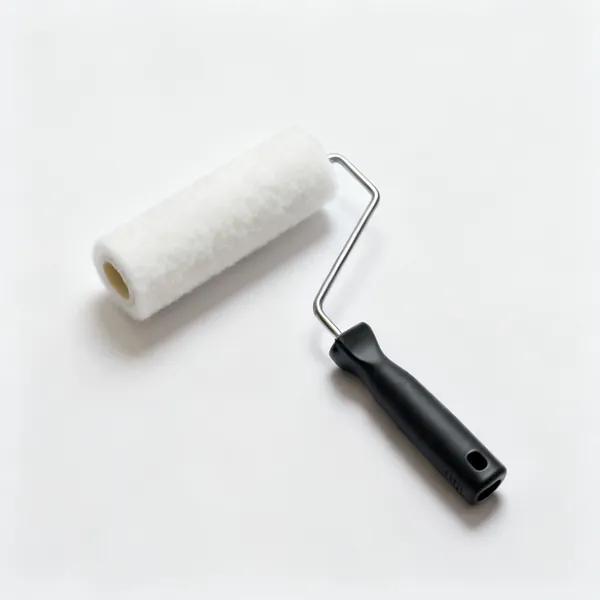
  • Mini rollerEssential

    Mini roller

    A 100mm roller that gets within 30mm of an edge with roller texture, so the finish matches the wall rather than showing a brushed band.

  • A telescopic paint roller extension pole partly extendedEssential

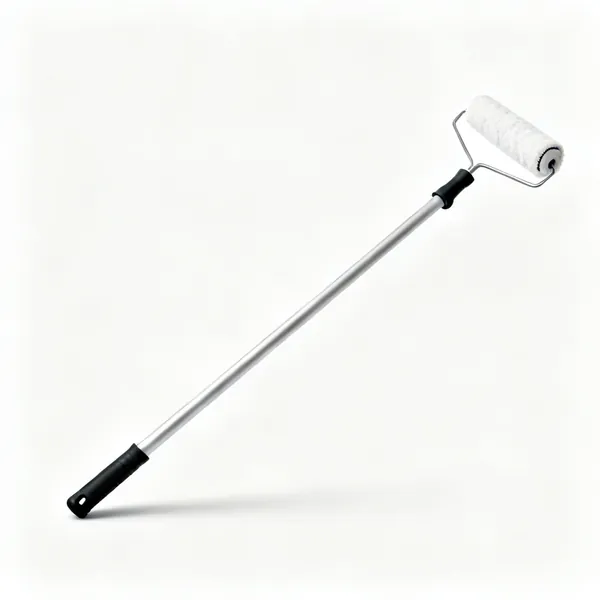
    Extension pole

    Threads into a roller or pad frame to reach a high edge from the floor. The safest single purchase in this whole list.

  • Brush pole adaptor

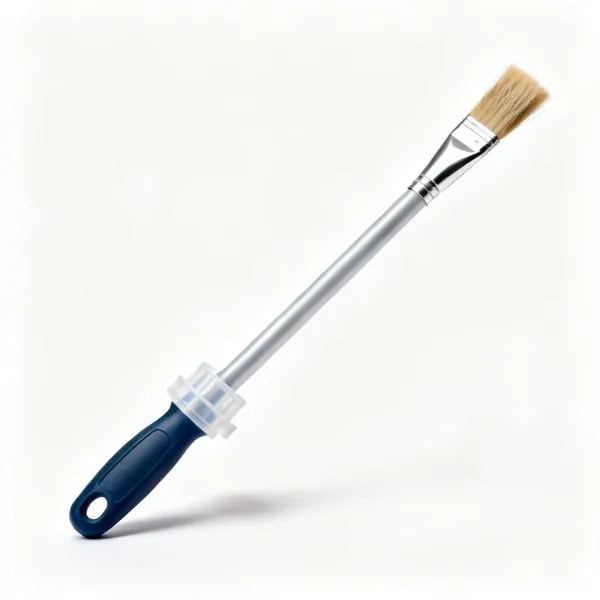
    Brush pole adaptor

    Holds a brush at an angle on an extension pole, so a ceiling line can be cut in without a ladder. Less control than by hand and far safer.

  • A folding aluminium step ladder with a platform top stepEssential

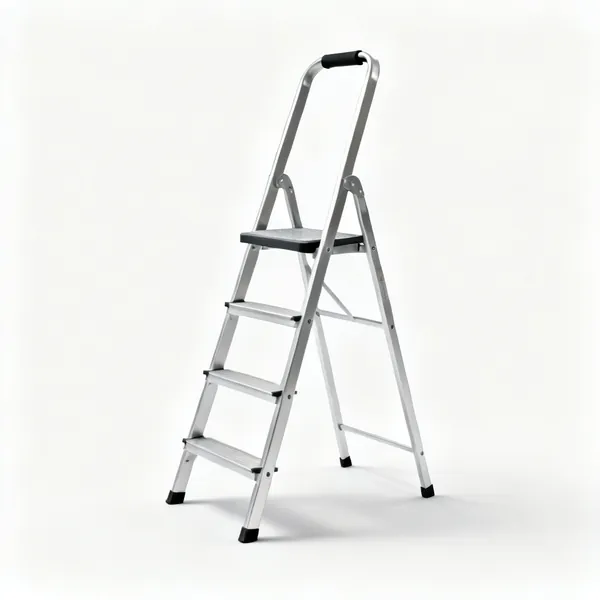
    Step ladder

    Positioned so you never reach sideways, and moved instead. A platform step with a tray for the pot means both hands can work.

  • Paint pot hook: A metal S shaped paint pot hanging hook

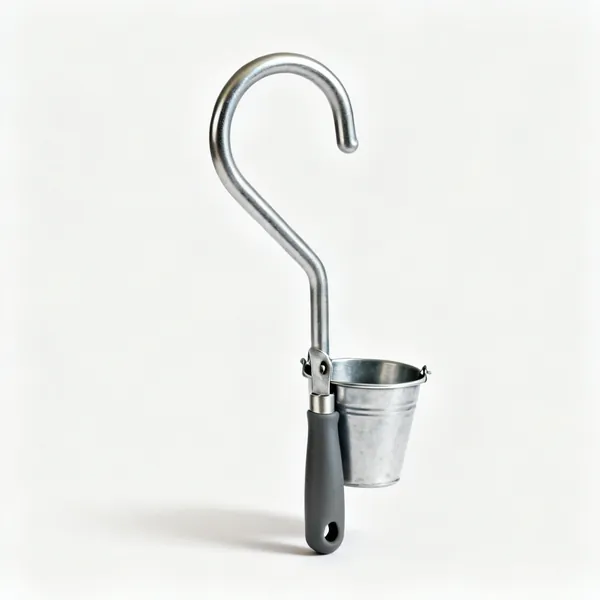
    Paint pot hook

    Hangs the kettle from a ladder rung, which is what frees the other hand. Holding a tin while cutting in is how people overbalance.

Preparation and cleaning up 9

Where most bad edges are actually decided, before any paint is opened.

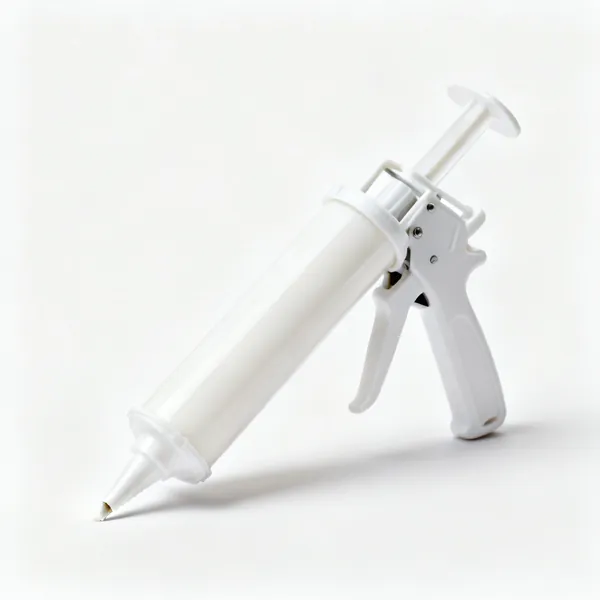
  • A cartridge of white decorator's caulk with a cut nozzleEssential

    Decorator's caulk

    Fills the gap between skirting or architrave and the wall, giving a solid line to cut to. Without it there is a shadow gap that no brush can define.

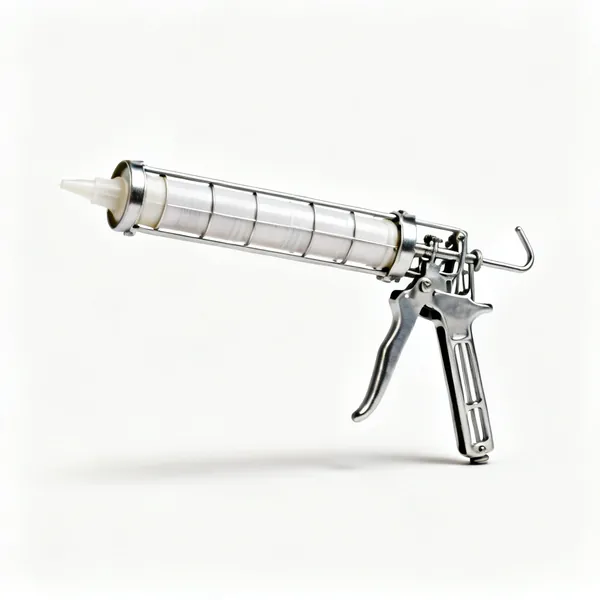
  • Caulk gun: A metal skeleton caulking gun with a cartridge fittedEssential

    Caulk gun

    A skeleton gun with a smooth action, since a ratchet gun jumps and leaves an uneven bead. The bead is the line you will cut to, so it matters.

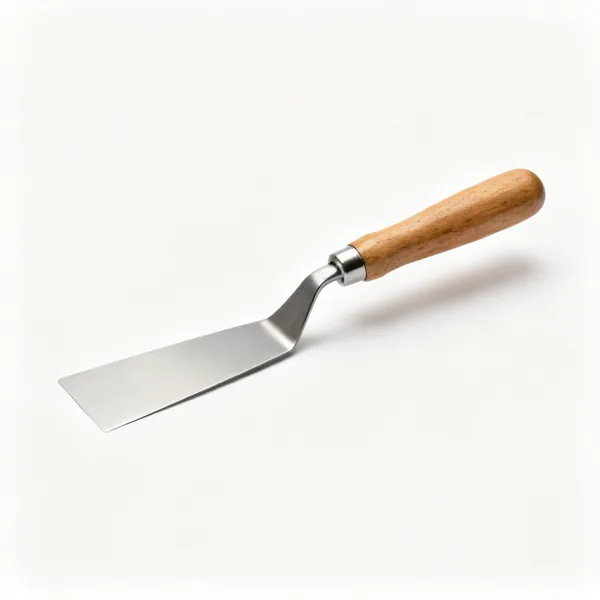
  • A flexible steel filling knife with a wooden handleEssential

    Filling knife

    A flexible blade for pressing filler into a crack and scraping it flush. A crack at an edge shows through paint whatever the brushwork is like.

  • A rubber sanding block with abrasive paper wrapped around itEssential

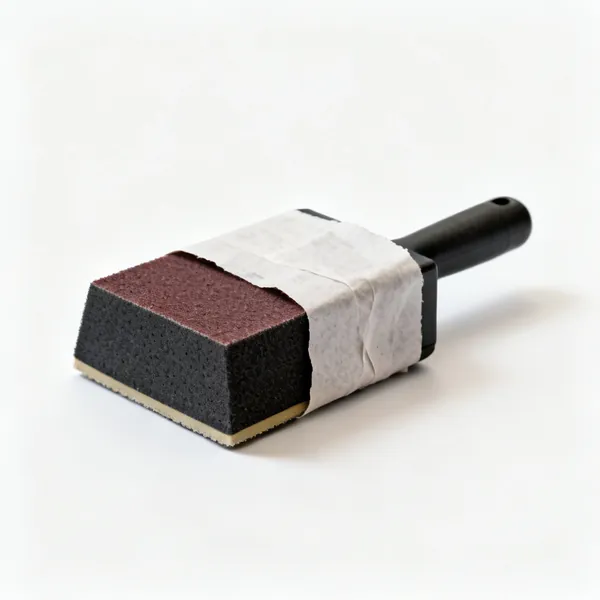
    Sanding block

    Flattens filler and keys existing paint. A ridge of dried filler at an edge is what drags a brush off line, so this is preparation not finishing.

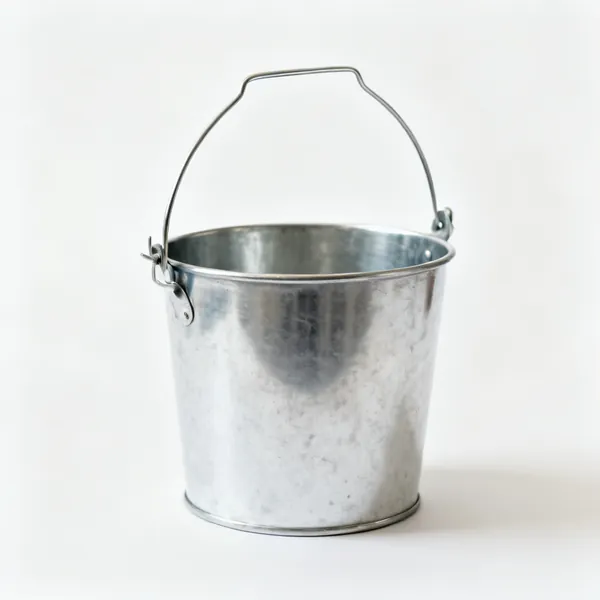
  • A metal paint kettle pot with a wire handleEssential

    Paint kettle

    A small pot decanted from the tin, so the brush is loaded from a shallow depth and the main tin stays clean. Loading from a full tin overloads the brush.

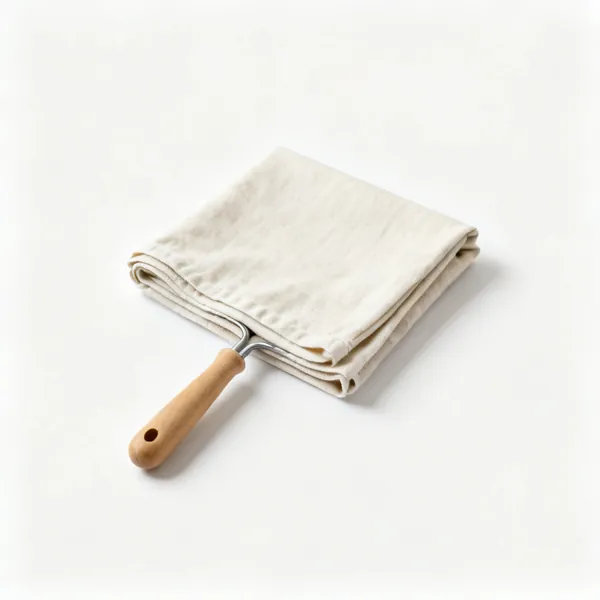
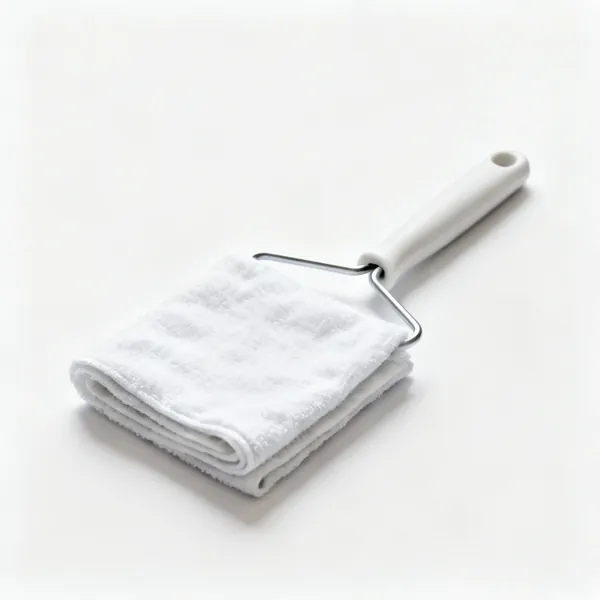
  • Damp cloth: A folded damp cotton cloth ragEssential

    Damp cloth

    Wipes a wet mistake off immediately, which is the only easy moment to fix one. Kept in the other hand while cutting in, not fetched afterwards.

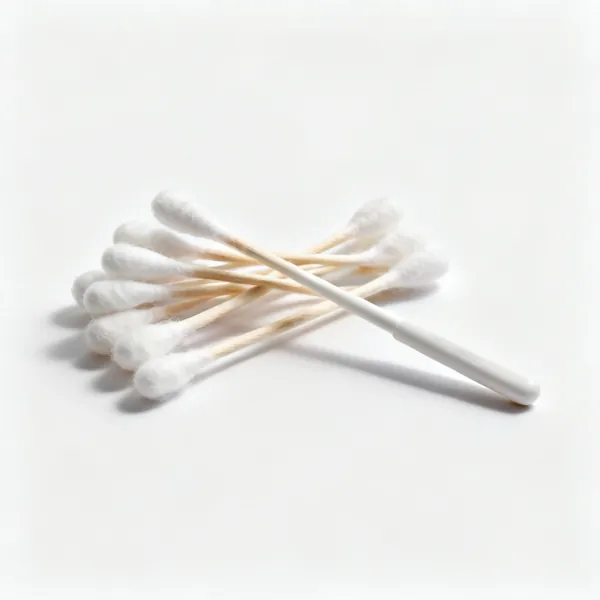
  • Several cotton buds in a small pile

    Cotton buds

    Lift a small overrun off glass or a light switch precisely, without smearing it across the area like a cloth does.

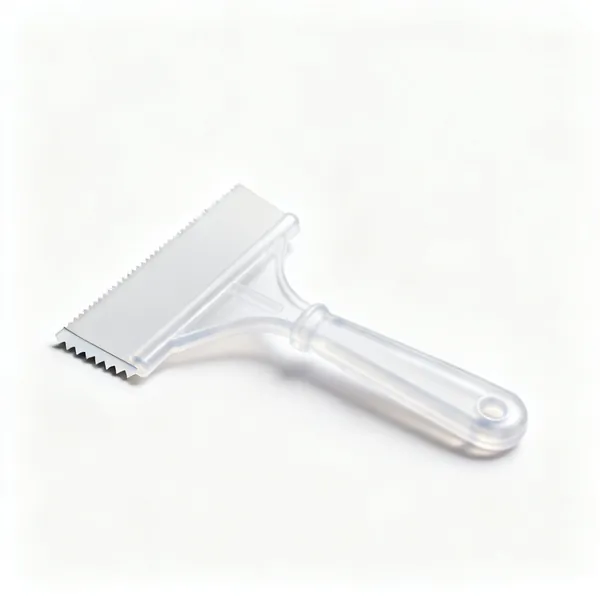
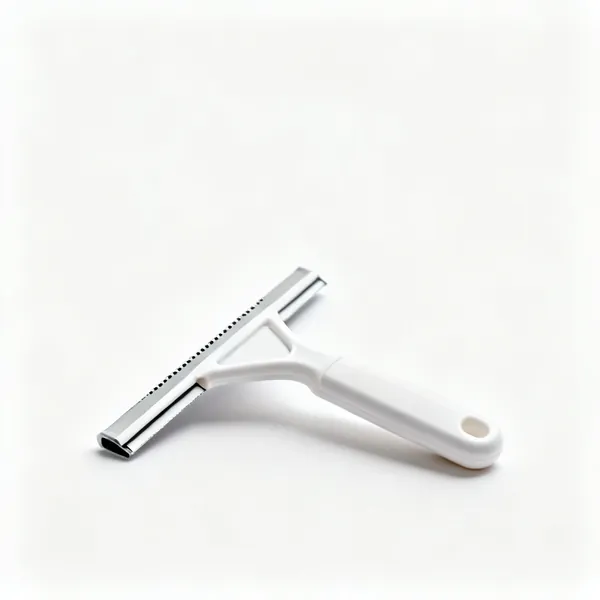
  • A plastic handled razor blade window scraper

    Window scraper

    A razor blade in a holder for taking dried paint off glass at a clean line. Faster and neater than masking glass in the first place.

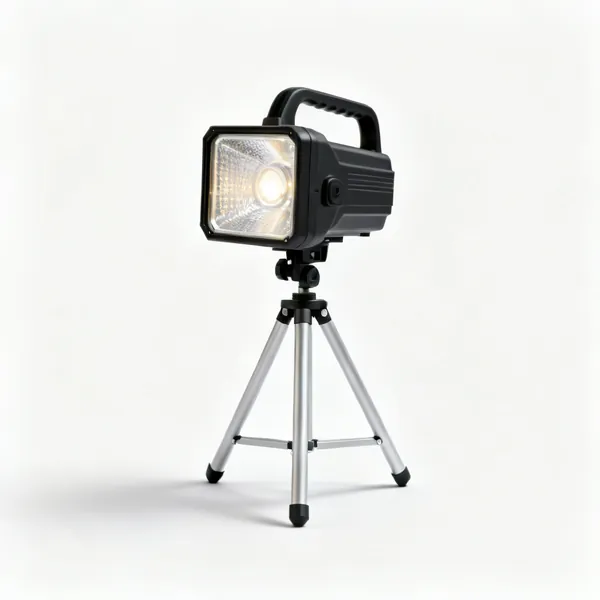
  • A portable LED work light on a folding stand

    Work light

    Raking light across a wall shows an uneven cut in line that flat light hides completely. It also shows the misses before you pack up.

Choosing edges and cutting in tools

The list above is what exists. This is how to decide which of it you actually need, what separates a tool worth keeping from one that ends up at the back of a drawer.

Cutting in is a loading and pressure problem

Load the brush about a third of the way up the bristle and tap off rather than scraping. Then set the brush 20mm short of the line, press gently so the bristles fan toward the line, and draw it along in one continuous movement.

That approach beats trying to place the tip exactly on the line, because a loaded brush pushed to a line squeezes paint over it. The paint arrives at the line rather than being dragged there, which is why the technique produces a crisp edge.

Load a third up
Tap off the excess, do not scrape. A scraped brush has no paint in the reservoir.
Start short of the line
20mm away, then let pressure walk the bristles up to it. Do not aim the tip.
One continuous stroke
Stopping mid line leaves a join that shows. Work in lengths you can complete.
Less paint near the line
A heavy brush at the edge is what floods over it. Load away from the cut.

Why tape bleeds, and how to stop it

Paint gets under tape through the gaps left by surface texture. On a smooth gloss it seals well and on textured plaster or woodchip it barely seals at all, which is why tape works beautifully in one room and not the next.

The fix is to seal the tape edge first: burnish it down hard with a plastic tool, then run a thin coat of the existing colour along the edge. That coat seals the gaps, and any bleed is the colour that was already there.

Burnish the edge
Press it down hard with a plastic tool. Finger pressure alone leaves gaps.
Seal with the old colour
A thin coat along the tape edge first. Any bleed then matches what was there.
Texture defeats tape
On plaster or paper with a pattern, tape cannot seal. Cut in by hand instead.
Remove while soft
Or score the edge with a knife first. Dry paint peels off with the tape.

Order of work at an edge

Cut in first, then roll. Rolling toward a wet cut in blends the two, so no brush texture shows in the corner. Roll first and the cut in sits on top as a visible band a brush width wide.

The other rule is to cut in only as far ahead as stays wet. On emulsion in a warm room that is a couple of metres, so working round a whole room before rolling produces a dry edge that shows as a line.

Cut in, then roll into it
Rolling toward a wet cut blends them. The reverse leaves a visible band.
Keep it wet
Cut only as far ahead as stays wet, which is a couple of metres in a warm room.
Roll close to the edge
Within 30mm. Leaving a wide brushed band is what makes the corner look different.
Ceiling before walls
So any overspray onto the wall gets covered. Then walls, then woodwork last.

The edges that are genuinely hard

An uneven ceiling line has no straight line to follow, so you paint a straight line and let the shadow gap absorb it. A textured ceiling meeting a smooth wall is best cut just below the texture rather than trying to follow it.

Behind a radiator, into a corner and against a carpet all need a different tool rather than more care: a radiator brush, a small brush loaded lightly, and a shield or masking film respectively.

Paint straight, not true
On a wavy ceiling line, a straight painted line looks right. Following the wave does not.
Cut below the texture
Where an artex ceiling meets a wall, take the line just below the roughness.
Corners need a small brush
A wide brush in a corner splays and floods. Change tool rather than technique.
Carpet needs a shield
Tape does not stick to pile. A rigid shield tucked into the gap does.

Reaching a high edge safely

Cutting in a stairwell or a high ceiling from a ladder is where most decorating accidents happen, because the work needs both hands and a lean. A pole extension for a brush or a pad avoids the lean entirely.

Where a ladder is unavoidable, a platform or a small tower is worth hiring for a day. Overreaching sideways from a ladder is the specific movement that causes falls, and it is exactly what cutting in a long edge encourages.
Extension pole first
A pad or brush on a pole reaches a high edge with both feet on the floor.
Do not reach sideways
Move the ladder. Overreaching is the movement that causes the fall.
Hire a platform
For a stairwell or a tall room, a day's hire costs less than an accident.
Both hands free
A pot hook on the ladder, or a belt pot. Holding a tin while cutting in is the problem.

Frequently asked questions

What is the best tool for painting edges?
An angled sash brush, 50mm or 63mm, used well. Load a third of the way up the bristle, start 20mm short of the line and press gently so the bristles walk up to it. Tape, shields and pads all help in specific situations, and none of them beats a good brush.
How do you cut in a straight line when painting?
Set the brush short of the line, apply light pressure so the bristles fan toward it, then draw along in one continuous stroke. Do not try to place the tip on the line, since a loaded brush pushed against a line squeezes paint over it.
Why does paint bleed under masking tape?
Surface texture leaves gaps the paint runs into. The fix is to burnish the tape edge down hard with a plastic tool, then paint a thin coat of the existing colour along it first. That seals the gaps, so any bleed is the colour already there.
Should you cut in before or after rolling?
Cut in first, then roll toward the wet edge so the two blend. Rolling first leaves the cut in sitting on top as a visible band a brush width wide. Only cut as far ahead as stays wet, which is a couple of metres in a warm room.
Do you need tape to paint a straight edge?
No, and on textured surfaces tape actively will not work because it cannot seal. A well loaded angled brush produces a better line on plaster or patterned paper than tape does. Tape earns its place on smooth gloss trim and against glass.
How do you paint an uneven ceiling line?
Paint a straight line rather than following the unevenness, and let the shadow in the corner absorb the difference. Following a wavy junction produces a wavy line that the eye reads as a mistake, where a straight one reads as correct.
What is the best way to paint skirting boards?
Mask the floor with tape and film rather than the skirting, since the skirting is the thing being painted. A rigid shield tucked into the gap works on carpet, where tape will not stick to pile. Cut the top edge in by brush and use long strokes along the length.
How do you paint high ceiling edges safely?
Use an extension pole with a brush or an edging pad so both feet stay on the floor. If a ladder is unavoidable, move it rather than reaching sideways, since overreaching is the specific movement that causes falls. For a stairwell, hire a platform for a day.