Choosing paint stripping tools
The list above is what exists. This is how to decide which of it you actually need, what separates a tool worth keeping from one that ends up at the back of a drawer.
Heat, chemicals or abrasion
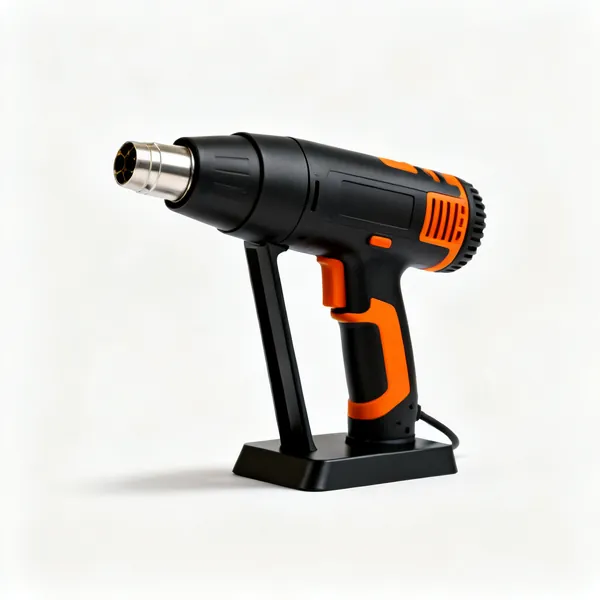
Heat softens paint so it lifts in sheets, and it is fast on flat timber and hopeless in a moulding. Chemical stripper creeps into detail and lifts every layer at once, and it is slow, expensive and messy. Abrasion is fast on flat surfaces and destroys any profile.
So the surface decides the method. A flush door is a heat gun job. A carved architrave or a banister is a chemical job. A flat floor is a sanding job. Using the wrong one is why a small area takes all day.
- Heat for flat timber
- Fast, cheap, and it will scorch the wood and cannot follow a moulding.
- Chemicals for detail
- Creeps into carving and lifts every layer. Slow, expensive and it works where nothing else does.
- Abrasion for flat and hard
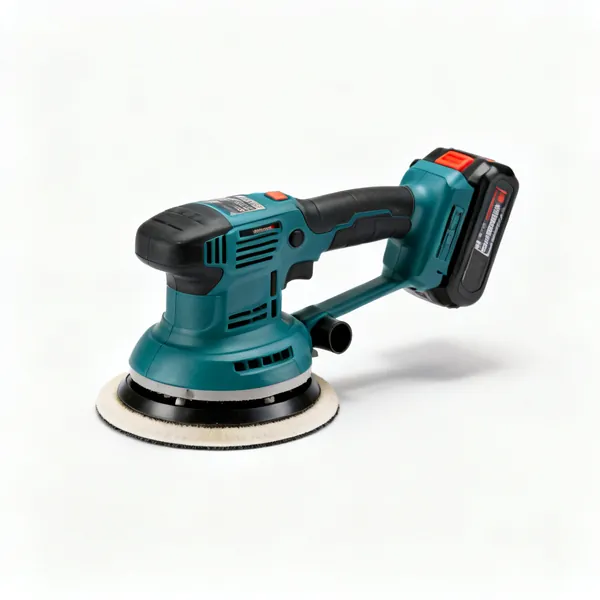
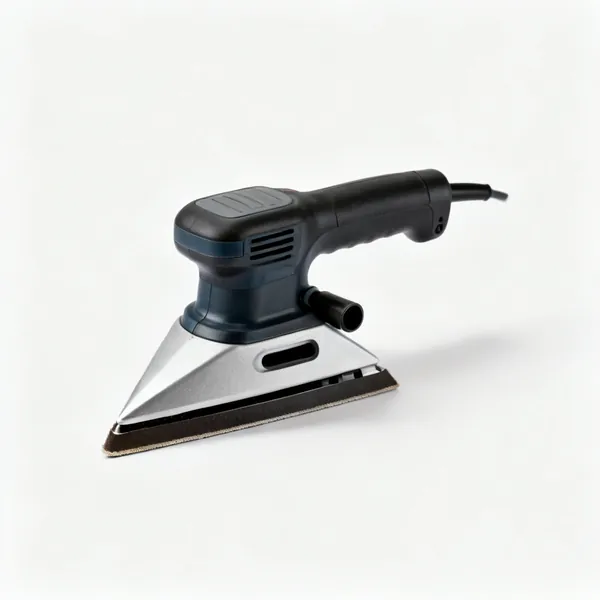
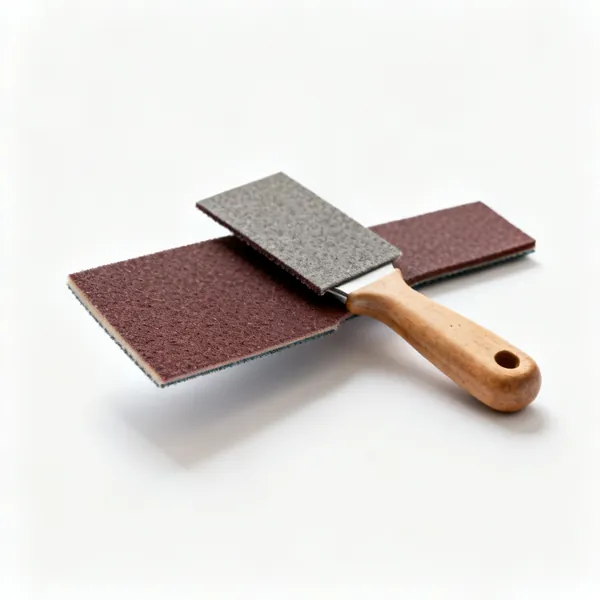
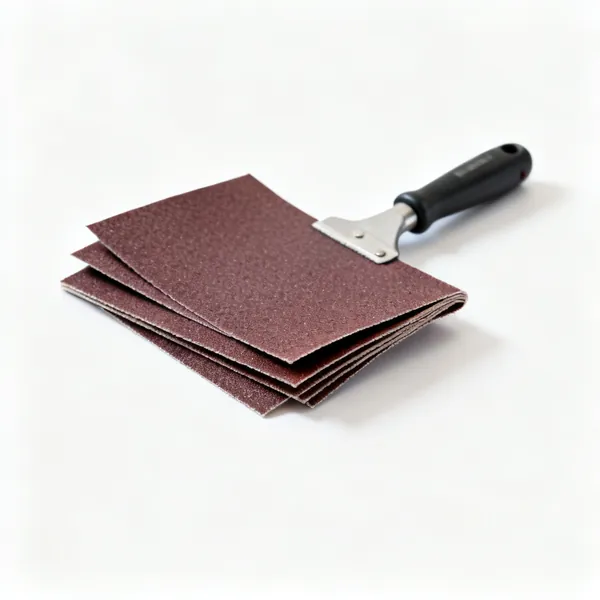
- Floors and level surfaces. It removes wood along with paint, so not on anything shaped.
- Test a small patch
- Different paint systems respond differently. Ten minutes on a hidden area saves a day.
Lead paint, and why the method changes
Paint sold in the UK before 1992 may contain lead, and older layers underneath are more likely to. Lead is a cumulative poison and children and pregnant women are at particular risk from dust and fume, not from the intact paint film.
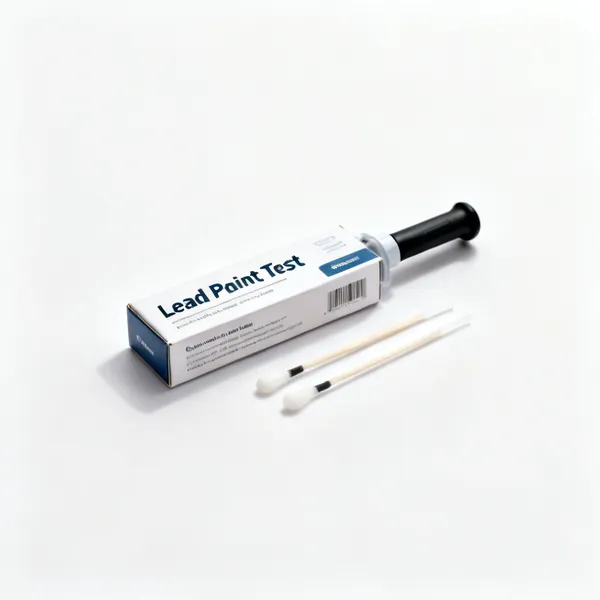
Heat above roughly 450C vaporises lead, and dry sanding makes lead dust that spreads through a house and stays in carpets. So on old paint the correct methods are chemical stripping or wet scraping, and a lead test kit costs a few pounds.
- Test if pre 1992
- A swab kit costs a few pounds. Assume lead in older layers until it says otherwise.
- No dry sanding
- Lead dust spreads through the house and settles in carpet. This is the biggest risk.
- No hot air guns
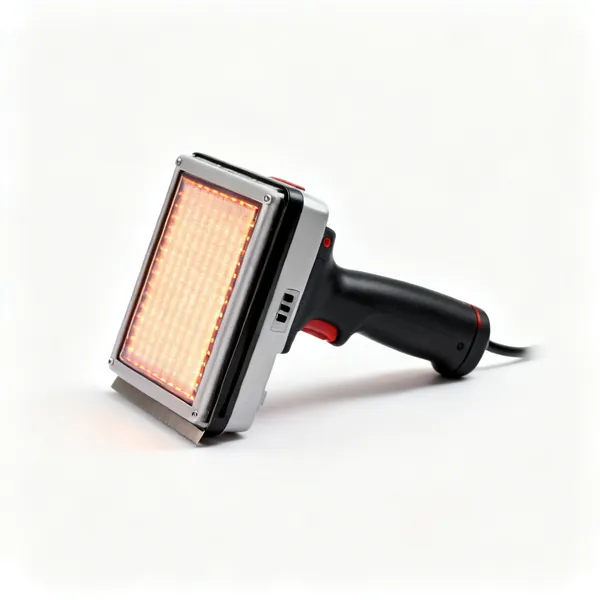
- Above about 450C lead vaporises. An infrared stripper runs cooler and is safer.
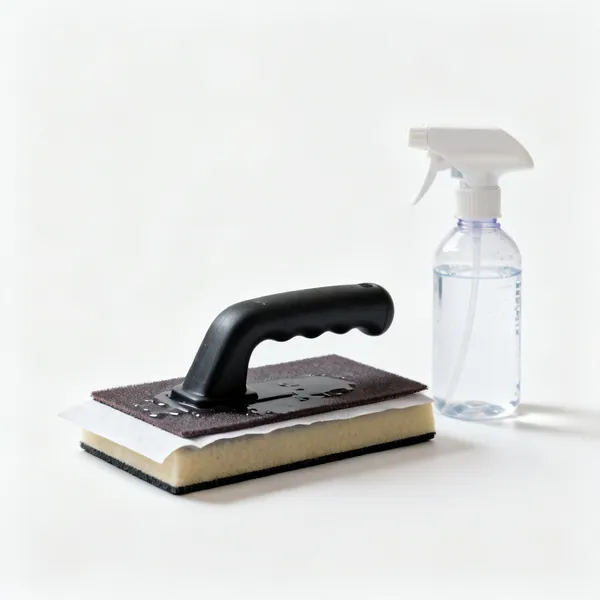
- Chemical or wet scrape
- The correct methods on old paint. Slower, and they keep the lead out of the air.
Using heat without scorching
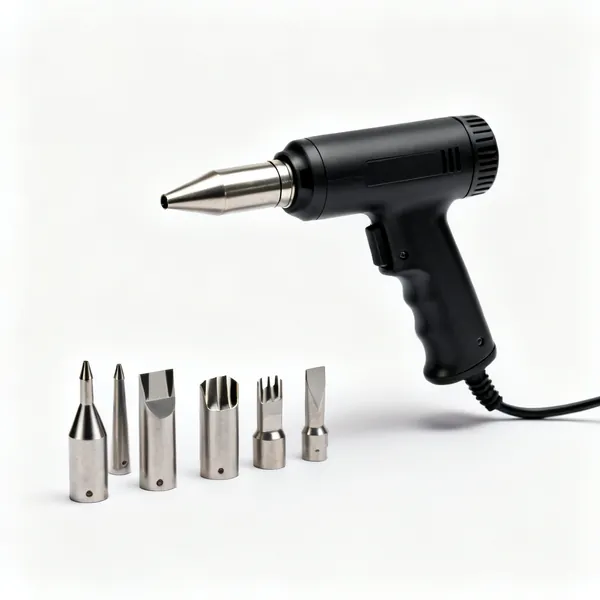
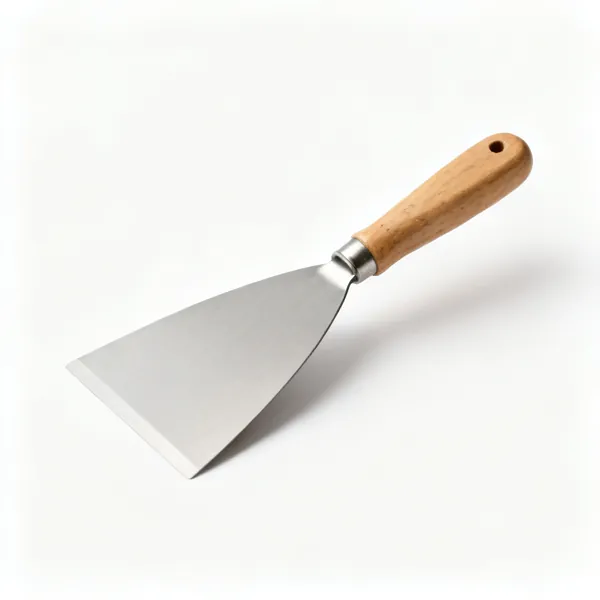
Keep the gun moving and work just ahead of the scraper, so the paint is softening as the blade reaches it. Hold it still and the paint burns and the timber under it scorches, which then shows through any clear finish.
The real hazard is fire behind the work. Heat travels through a gap into a void, and smouldering debris in a cavity or under a windowsill can catch hours later. Never use a heat gun near a thatched or timber cavity, and check the area before leaving.
- Keep it moving
- Just ahead of the scraper. Held still it burns the paint and scorches the wood.
- Scorch shows through
- Under a clear finish a burn mark is permanent. Under paint it does not matter.
- Fire in the void
- Heat travels through gaps and smoulders. Check the area an hour after finishing.
- Not near glass
- A heat gun cracks a pane easily. Use a shield or work chemically at a glazing bar.
Getting chemical stripper to work
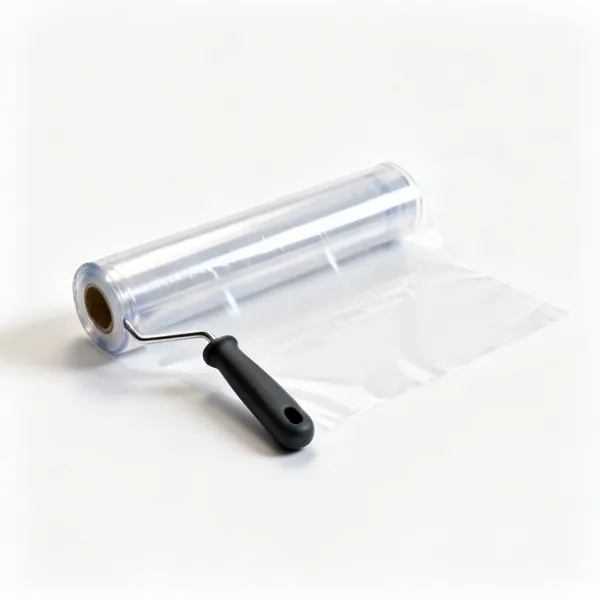
Chemical stripper needs thickness and time. A thin coat dries out before it has penetrated, which is the commonest reason people conclude it does not work. Apply it thick, cover it with film so it cannot dry, and leave it for the time on the tin.
Modern water based strippers are far less hazardous than the old methylene chloride types and considerably slower, often needing several hours or overnight. That is a fair trade, and it means planning the job around the waiting.
- Thick, not thin
- A thin coat dries before it penetrates. That is why it appeared not to work.
- Cover with film
- Cling film or a poultice blanket stops it drying and doubles the working time.
- Wait properly
- Water based strippers often need hours or overnight. Scraping early wastes the product.
- Neutralise afterwards
- Wash the residue off or the next finish will not adhere. Check what the tin specifies.
What the surface needs afterwards
Stripped timber is raw, open grained and often has stripper residue or scorch in it. Wash it down as the product directs, let it dry fully, then sand lightly with the grain and fill any damage the scraper caused.
Do not put a finish on stripped wood the same day. Chemical residue and trapped moisture are both common causes of a new finish that will not dry or that lifts in patches a month later.
- Wash then dry fully
- Residue and moisture both stop a new finish adhering or curing.
- Sand with the grain
- Lightly, to knock down raised grain. Across the grain leaves scratches that show.
- Fill scraper damage
- Gouges are inevitable in old softwood. Fill before priming, not after.
- Prime bare wood
- Stripped timber is far more absorbent than it was. Primer or thinned first coat.
Frequently asked questions
- What is the best tool for stripping paint?
- It depends on the surface. A heat gun and scraper on flat timber, chemical stripper on mouldings and carving where a blade cannot follow the shape, and a sander on flat hard surfaces like floors. Using the wrong one is why a small job takes all day.
- How do I know if old paint contains lead?
- Anything painted in the UK before 1992 may, and older layers are more likely to. A swab test kit costs a few pounds and gives an answer in minutes. Until it says otherwise, treat old paint as if it contains lead, particularly the layers underneath.
- Is it safe to sand old paint?
- Not dry, if it might contain lead. Dry sanding creates lead dust that spreads through a house and settles into carpet, where it stays. Wet scraping or chemical stripping keeps the lead out of the air, and both are the correct methods on pre 1992 paint.
- Can I use a heat gun on lead paint?
- Not a hot air gun, since above roughly 450C lead vaporises and you breathe it. An infrared stripper runs at a lower temperature and is considerably safer, and chemical stripping avoids the question entirely. Test the paint first if the building is old.
- Why is my chemical paint stripper not working?
- Almost always applied too thinly, so it dried before it penetrated. Put it on thick, cover it with cling film or a poultice blanket so it cannot dry, and leave it for the full time on the tin. Water based strippers often need several hours or overnight.
- How do you strip paint from intricate mouldings?
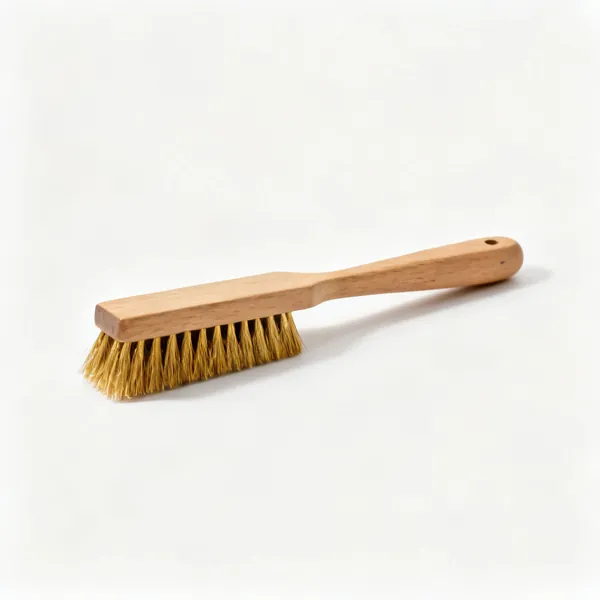
- Chemical stripper, because it creeps into detail that no blade can follow. Apply it thick and covered, then lift the softened paint with shaped shave hooks that match the profile, and finish with a brass brush or a wooden stick rather than steel.
- Do I need to neutralise the surface after stripping?
- Yes, as the product directs, usually with water or white spirit. Residue left in the grain is one of the commonest reasons a new finish refuses to dry or lifts in patches a month later. Let the timber dry fully afterwards before priming.
- Is a heat gun a fire risk?
- Yes, and the risk is behind the work rather than at it. Heat travels through gaps into voids and cavities where debris can smoulder for hours before catching. Check the area an hour after finishing, and never use one on a building with a timber or thatched cavity.