Choosing wood turning tools
The list above is what exists. This is how to decide which of it you actually need, what separates a tool worth keeping from one that ends up at the back of a drawer.
Riding the bevel is the whole technique
A turning gouge is not pushed into the wood. The bevel behind the edge is laid on the surface first, then the handle is raised until the edge just begins to cut. The bevel then acts as a bearing, controlling how deep the edge goes.
That is why turning feels either effortless or violent. With the bevel supported, the cut is a continuous ribbon of shaving and the tool is stable. Without it, the edge digs, the work grabs the tool, and that is a catch.
- Bevel first, then edge
- Lay the bevel on the wood, raise the handle until it cuts. Never lead with the edge.
- The bevel is a bearing
- It limits depth. That is what makes a controlled cut controlled rather than lucky.
- Anchor, contact, rotate
- Tool on the rest, bevel on the wood, then rotate into the cut. In that order, every time.
- A ribbon means it is right
- A continuous shaving off the edge. Dust means a scrape rather than a cut.
What a catch is and how to prevent one
A catch is the edge digging in below where the bevel supports it, so the rotating work levers the tool violently. On a spindle it snatches the handle sideways; on a bowl it can throw the piece off the lathe.
Prevention is mechanical rather than a matter of care. Keep the tool rest close to the work so there is less overhang to lever against, present the bevel before the edge, and never let an unsupported edge touch anything spinning.
- Rest close to the work
- Less overhang means less leverage for the work to act on. Move it as the shape changes.
- Never lead with the edge
- An unsupported edge on a spinning workpiece is a catch waiting for a moment.
- Turn the lathe by hand first
- One full rotation before switching on, so nothing is going to hit the rest.
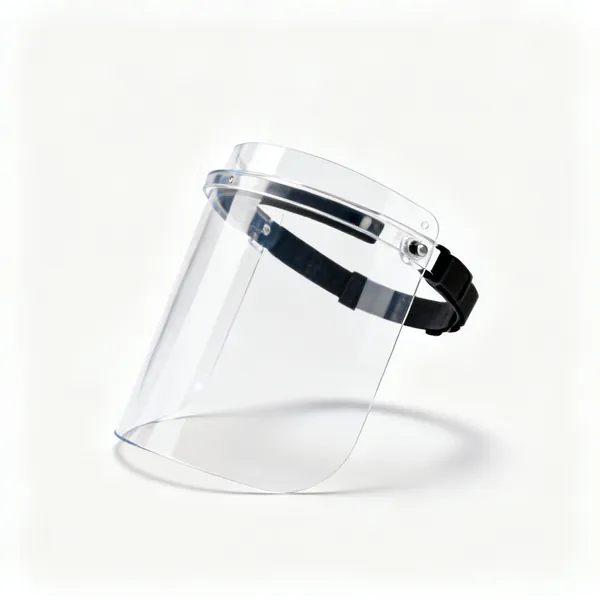
- Face shield, not glasses
- A catch on a bowl can throw the workpiece. Glasses protect the eyes and not the face.
Spindle and bowl turning are different crafts
Spindle turning works with the grain running along the axis, so the tool cuts along the fibres like planing. Bowl turning works with the grain across the axis, so the edge meets end grain twice per revolution and then side grain twice.
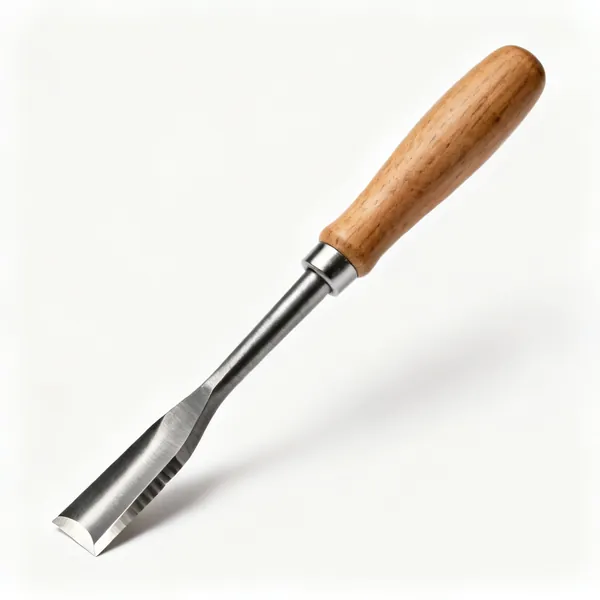
That is why the tools differ. A spindle gouge is shallow with a fingernail grind for detail along a length. A bowl gouge is deep with a thick shaft, because it works far out over the rest and has to resist twisting.
- Spindle: grain along the axis
- The tool cuts along the fibres. Detail work, and the safer place to start.
- Bowl: grain across the axis
- End grain twice a revolution. Harder on the edge and less forgiving of a bad presentation.
- Bowl gouges are thick
- They work far over the rest, so the shaft has to resist twisting. Not a big spindle gouge.
- Cut downhill
- Outside of a bowl from base to rim, inside from rim to centre. The fibres are supported that way.
Cutting against scraping
A gouge slices, severing fibres cleanly with the bevel supported. A scraper is presented flat with the edge trailing and abrades the surface, removing material as dust rather than shavings. Both are legitimate and they leave different surfaces.
A cut surface needs little sanding. A scraped surface tears end grain slightly and needs more. Scrapers earn their place in places a gouge cannot reach and in refining a shape that is nearly right.
- Gouge slices, scraper abrades
- One makes shavings and one makes dust. That difference is visible in the surface.
- Scrapers trail
- Presented flat on the rest with the handle high, edge trailing. Never pointed into the work.
- Negative rake is safer
- A scraper ground with a top bevel is far less likely to catch on a bowl rim.
- Sharpen from the burr
- A scraper cuts with the burr the grinder leaves. Honing it off makes it worse.
Sharpening constantly, and jigs
Turning tools are sharpened far more often than any other woodworking edge, sometimes several times within one bowl. That is normal: the work moves at speed past the edge and abrades it, and a dull gouge stops cutting and starts scraping.
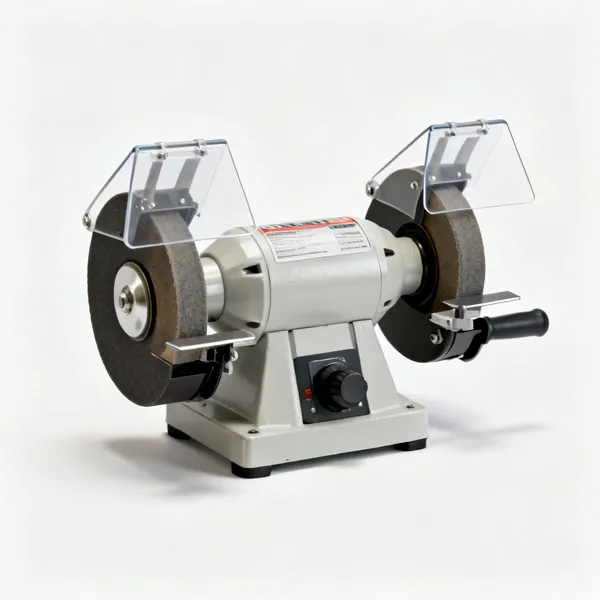
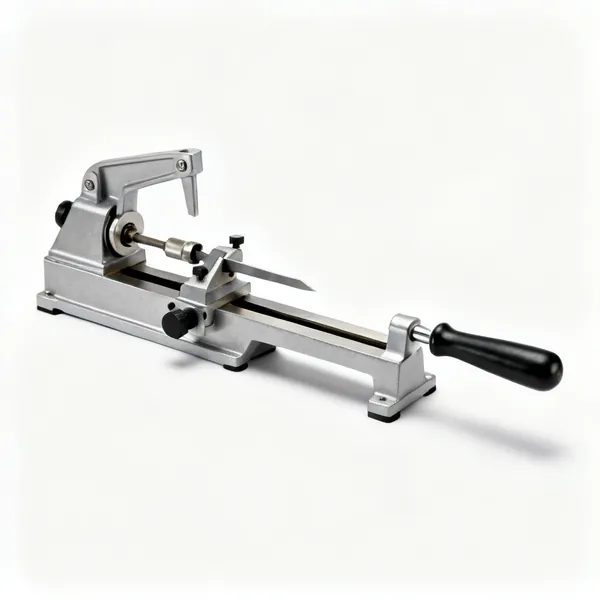
Which is why a grinder with a jig matters more here than a fine stone. The jig repeats the same grind in twenty seconds so the tool behaves identically every time, and consistency is what makes technique reliable.
- Every few minutes
- Not every few hours. Turning abrades an edge quickly and a dull gouge scrapes.
- Grinder over stones
- Speed matters more than final keenness. A stone is too slow to keep up.
- Use a jig
- It repeats the same angle, so the tool feels the same after every sharpening.
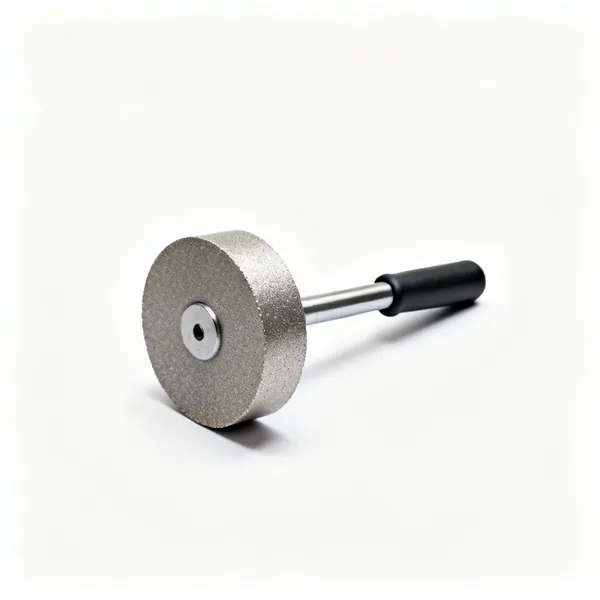
- White or CBN wheels
- A grey wheel burns high speed steel. A cooler wheel keeps the temper in the edge.
Frequently asked questions
- What tools do I need to start wood turning?
- A roughing gouge, a spindle gouge, a parting tool and a skew chisel will turn anything between centres. Add a bowl gouge and a chuck when you move to bowls. A grinder with a sharpening jig is not optional, since turning tools blunt within minutes.
- What does riding the bevel mean in wood turning?
- Laying the bevel behind the cutting edge onto the wood first, then raising the handle until the edge just begins to cut. The bevel then acts as a bearing controlling depth. Leading with the edge instead is what causes a catch, and it is the fundamental technique.
- What causes a catch when turning wood?
- The edge digging in below where the bevel supports it, so the rotating work levers the tool. Prevent it mechanically: keep the tool rest close so there is less overhang, present the bevel before the edge, and never touch an unsupported edge to spinning work.
- What is the difference between a spindle gouge and a bowl gouge?
- A spindle gouge is shallow with a fingernail grind, for detail on work with the grain running along the axis. A bowl gouge is much deeper with a thick shaft, because it works far out over the rest on cross grain work and has to resist twisting.
- What is the difference between cutting and scraping on a lathe?
- A gouge slices with the bevel supported and produces shavings. A scraper is presented flat with the edge trailing and abrades, producing dust. A cut surface needs far less sanding, and a scraper reaches places a gouge cannot and refines a nearly right shape.
- How often do you sharpen wood turning tools?
- Far more often than other woodworking edges, sometimes several times within one bowl. The work moves past the edge at speed and abrades it, and a dull gouge stops cutting and starts scraping. A grinder with a jig makes it a twenty second job.
- Do I need a chuck for wood turning?
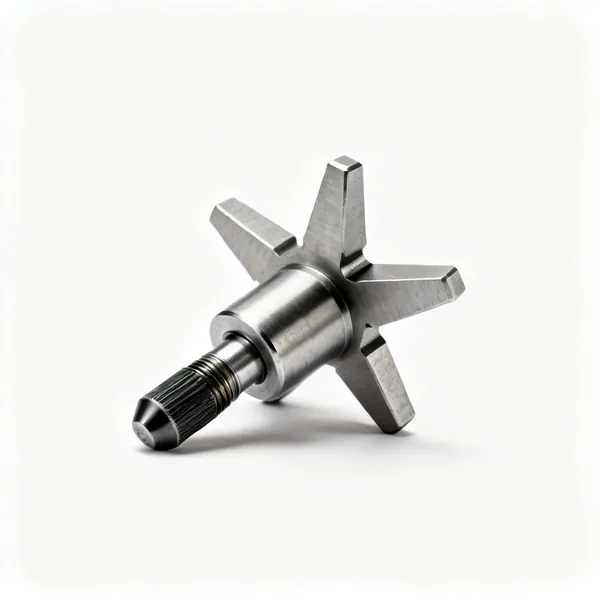
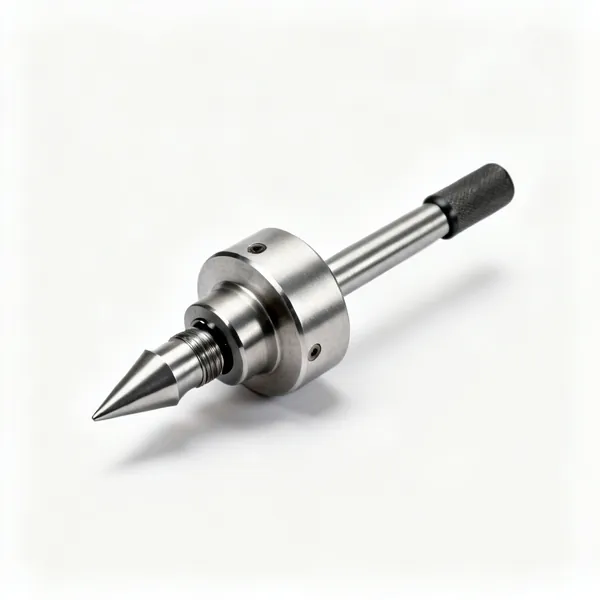
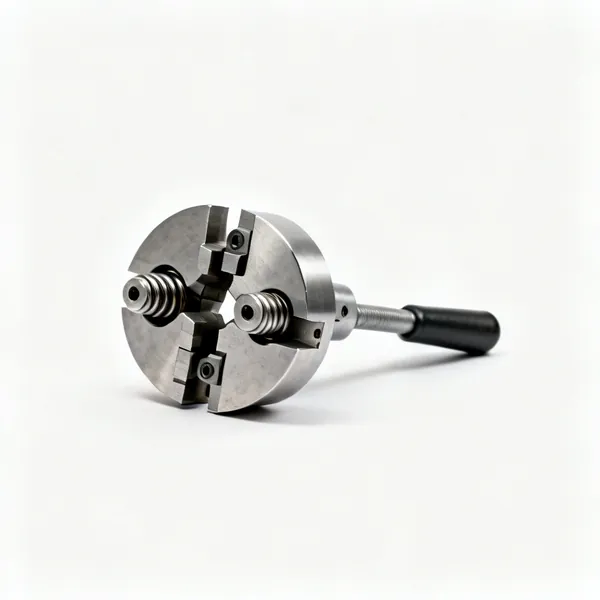
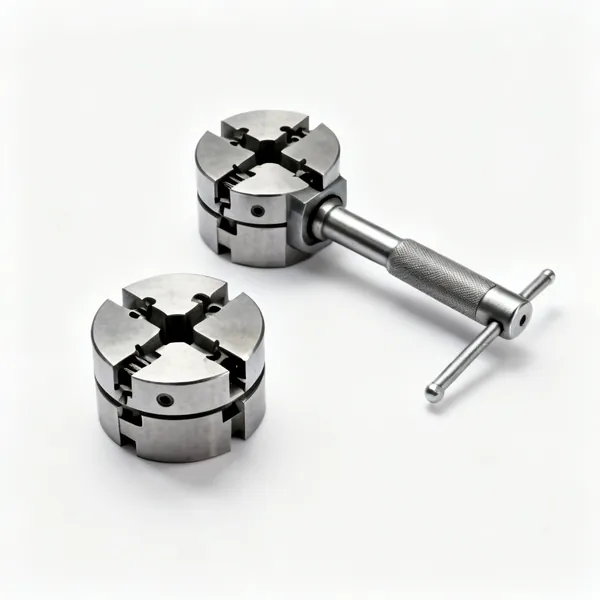
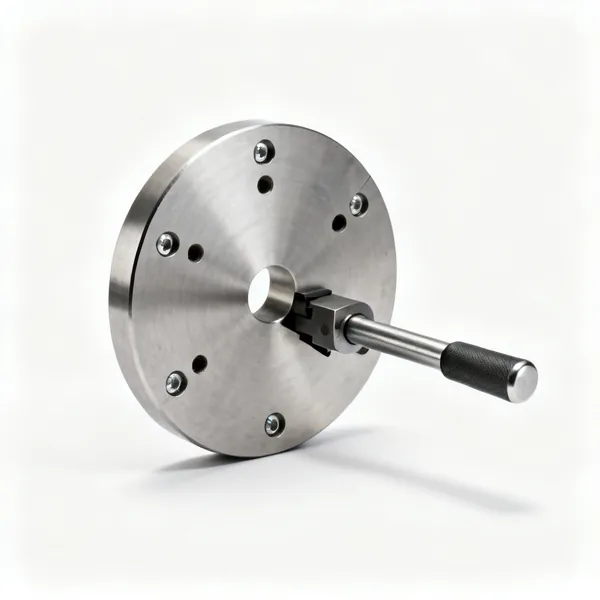
- Not for spindle work between centres, which needs only a drive centre and a live centre. For bowls and hollow forms you do, since the work has to be held from one end only. A four jaw scroll chuck with a set of jaws is the usual first serious purchase.
- What safety equipment do I need for wood turning?
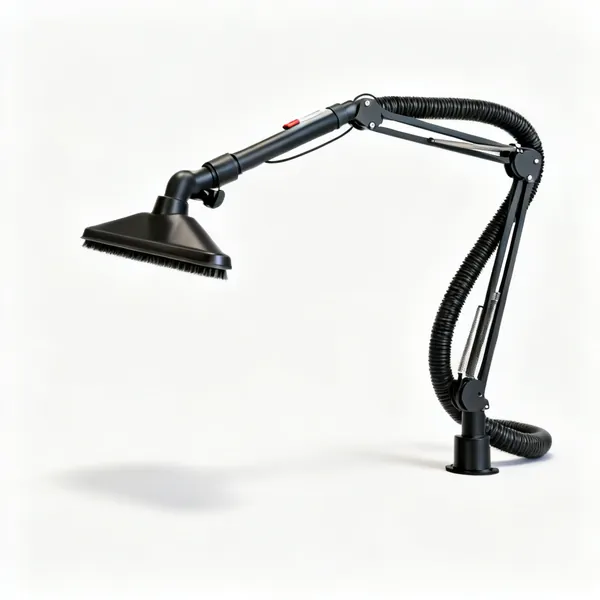
- A full face shield rather than safety glasses, because a catch can throw the whole workpiece. Also no loose sleeves, no gloves, no jewellery and tied hair, since anything that can wrap around spinning work will. Dust extraction for sanding, which is the worst part.