Disclosure

Power tools: every type, with names, pictures and uses

A complete power tools list with a picture of every one, all 66 types grouped by the job they do rather than alphabetically, so related tools sit together and the differences between them are easy to see.

26 are marked essential: the ones that earn their place in almost any workshop.

Drills & drivers 8

The first tools most people buy, and the pair that does the most work. A drill makes holes, an impact driver drives screws, and once you own both you stop trying to make one do the other's job.

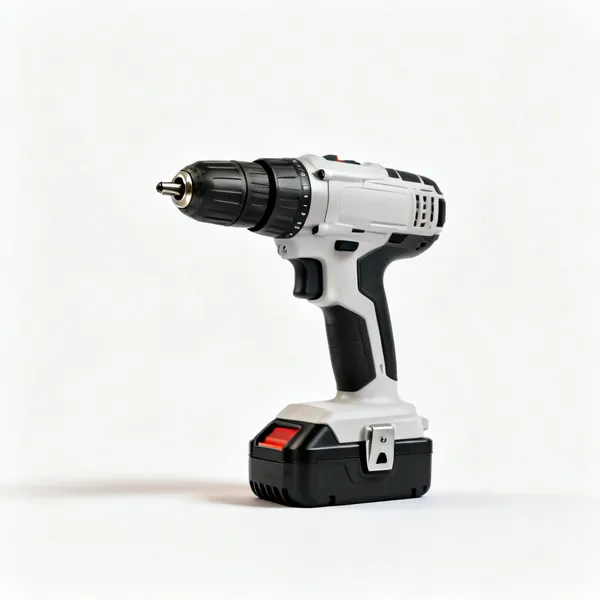
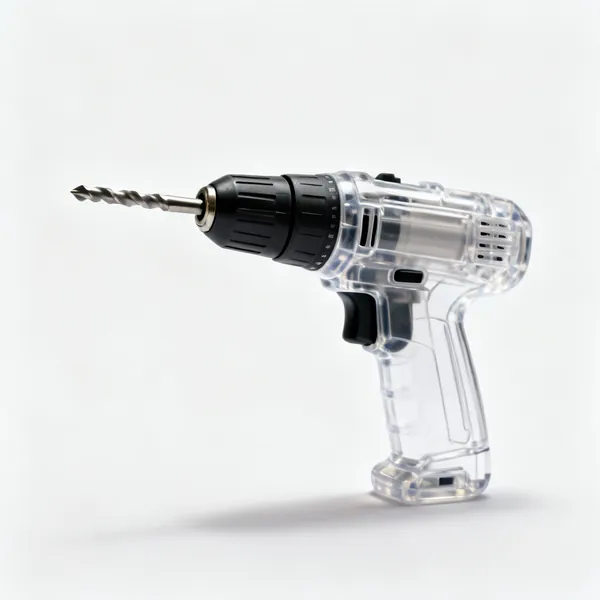
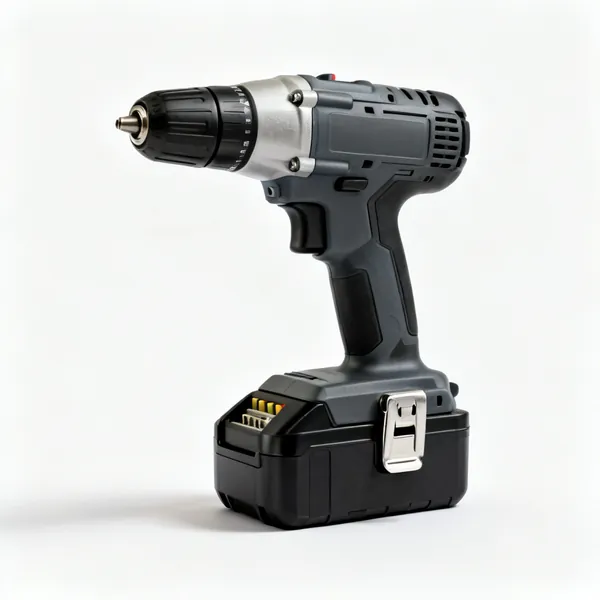
  • A cordless drill driver with a keyless chuck and a battery attachedEssential

    Drill driver

    The tool you will reach for most. It makes holes and drives screws, and the clutch slips before it strips the head or snaps the screw. If you buy one power tool, this is it.

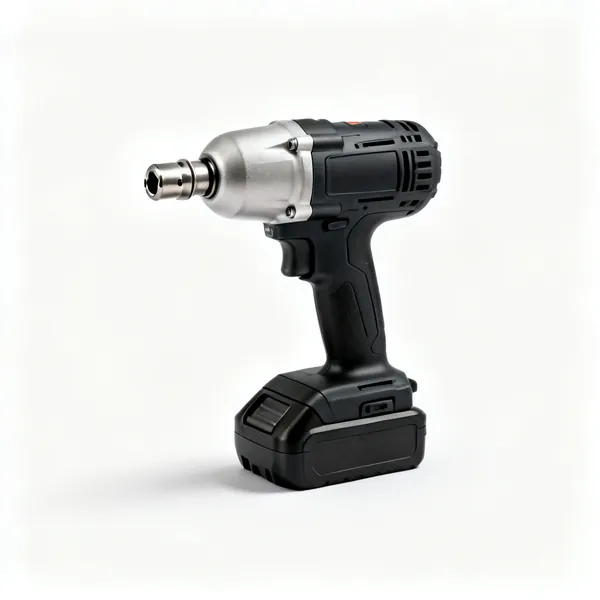
  • A cordless impact driver with a hex quick-release chuck and a batteryEssential

    Impact driver

    Looks like a stubby drill but hammers as it turns, which is what drives long screws into hard timber without stalling or twisting your wrist. Takes hex bits only, so it does not replace a drill.

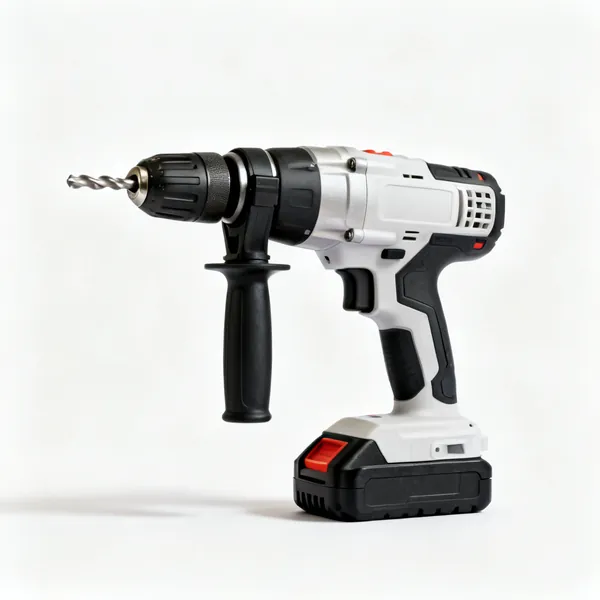
  • A cordless hammer drill with a side handle and a batteryEssential

    Hammer drill

    A drill with a tapping action you can switch on for brick, block and mortar. Fine for fixing into masonry around the house. Struggles with concrete, where you want a rotary hammer instead.

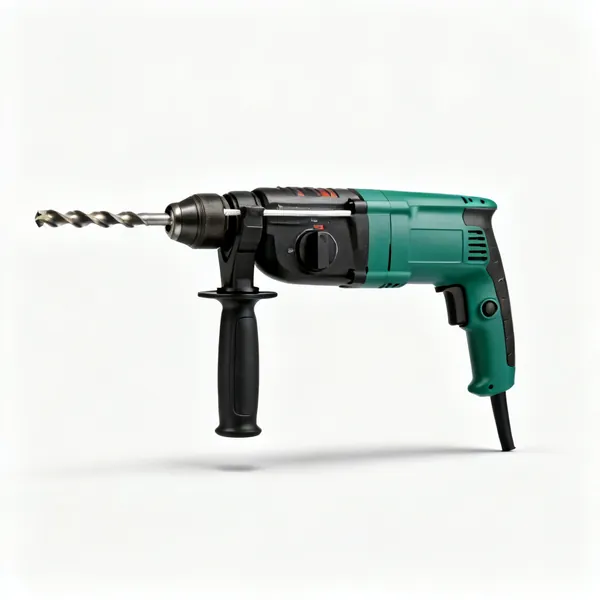
  • Rotary hammer (SDS): An SDS rotary hammer drill with a side handle and a masonry bit

    Rotary hammer (SDS)

    A proper masonry drill that uses SDS bits and does the work with a piston rather than a clutch. Goes through concrete in seconds where a hammer drill would take minutes and cook itself.

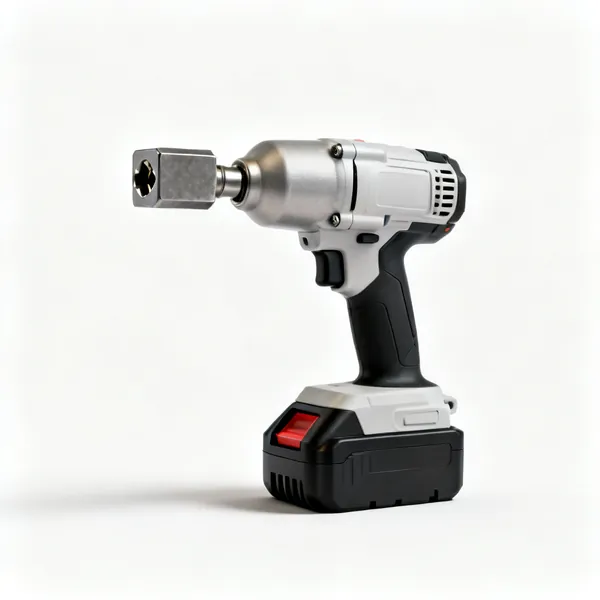
  • A cordless impact wrench with a square socket drive and a battery

    Impact wrench

    An impact driver's bigger relative, with a square drive for sockets. Made for nuts and bolts, so it shifts wheel nuts and structural bolts that would defeat anything else you own.

  • Right angle drill

    Right angle drill

    The head sits at ninety degrees to the body, so it drills between joists and inside cabinets where a normal drill simply will not fit. A one job tool that is priceless on that job.

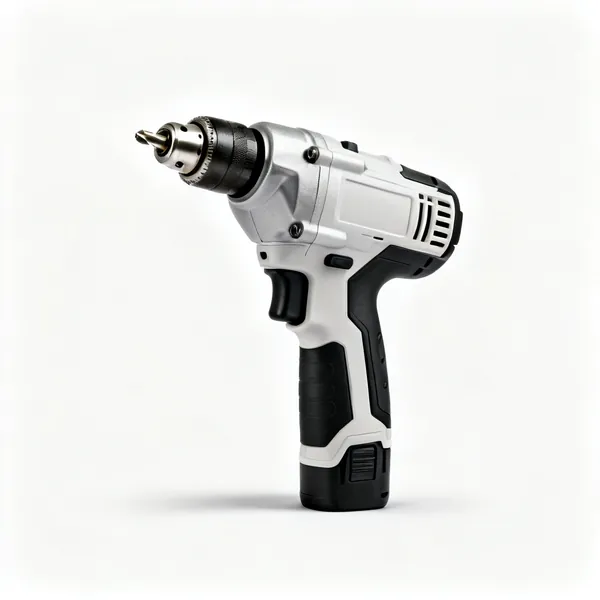
  • A small cordless screwdriver with a pistol grip and a bit inserted

    Cordless screwdriver

    Small, light and gentle, for flat pack furniture, electrical faceplates and anything where a full drill is overkill and likely to overtighten. Lives in a kitchen drawer rather than a tool bag.

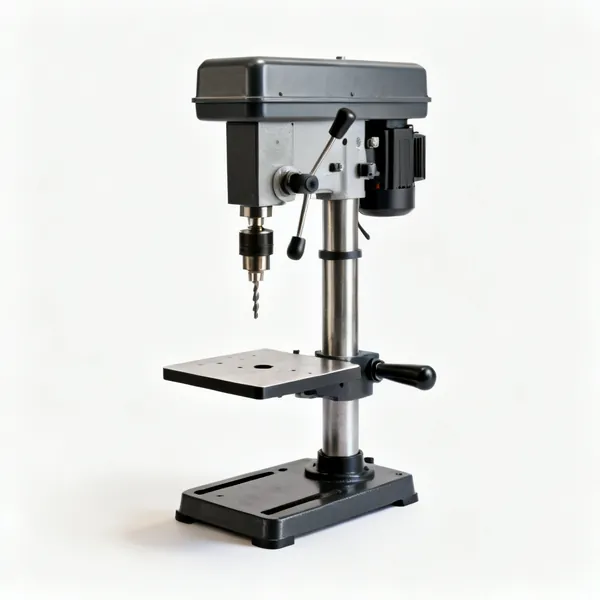
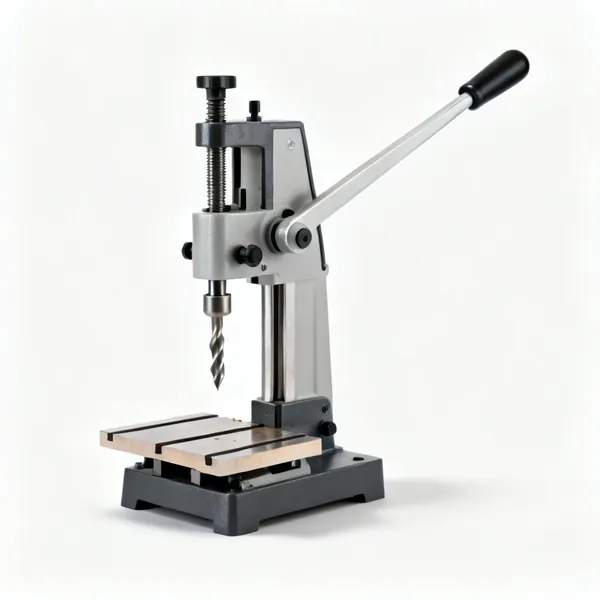
  • A benchtop drill press with a column, table and handle

    Drill press

    A drill mounted on a column, so every hole is exactly square and exactly as deep as you set it. Once you have tried to drill a straight hole by hand through thick steel, the appeal is obvious.

Saws 10

Choose by the cut, not the price. Straight cuts through sheets, repeated accurate crosscuts, curves and demolition are four different jobs, and one saw is genuinely bad at the other three.

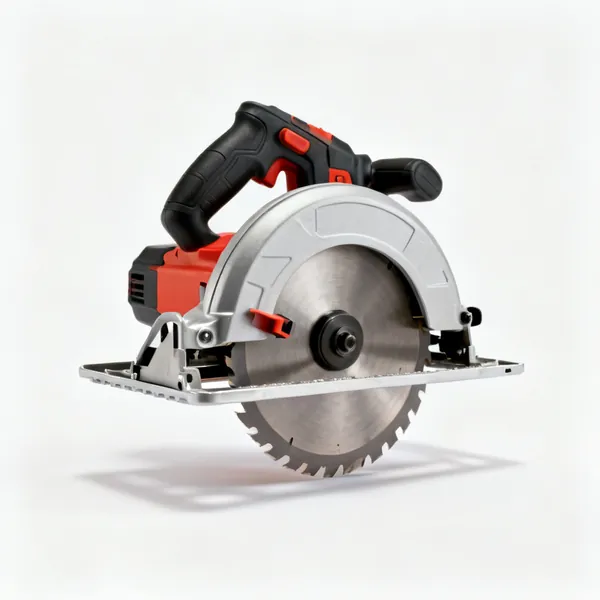
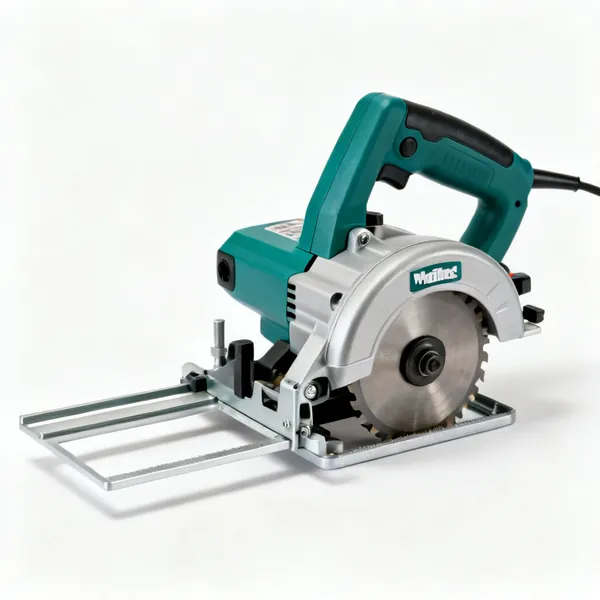
  • A cordless circular saw with a blade guard and base plateEssential

    Circular saw

    Handheld and taken to the work, so it rips sheet goods and long boards that would never fit on a bench saw. With a straight edge clamped as a guide it cuts accurately enough for most jobs.

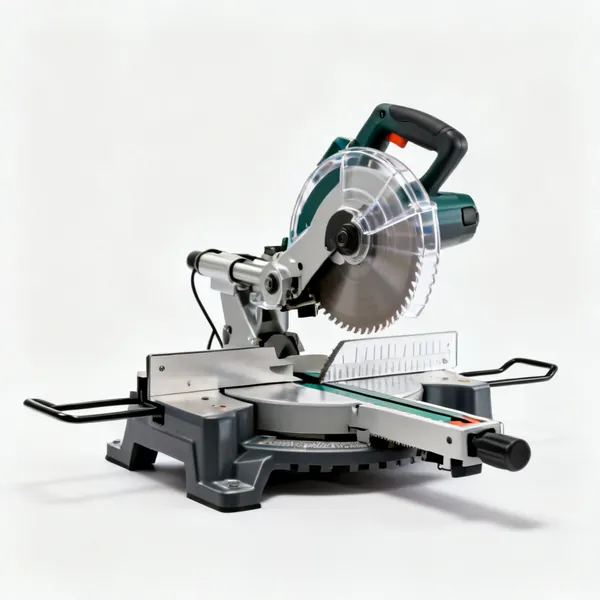
  • A sliding compound mitre saw on a base with a blade guardEssential

    Mitre saw

    Fixed in place, and you bring the timber to it. Makes repeated crosscuts and angles that match every time, which is what you need for skirting, architrave and framing to length.

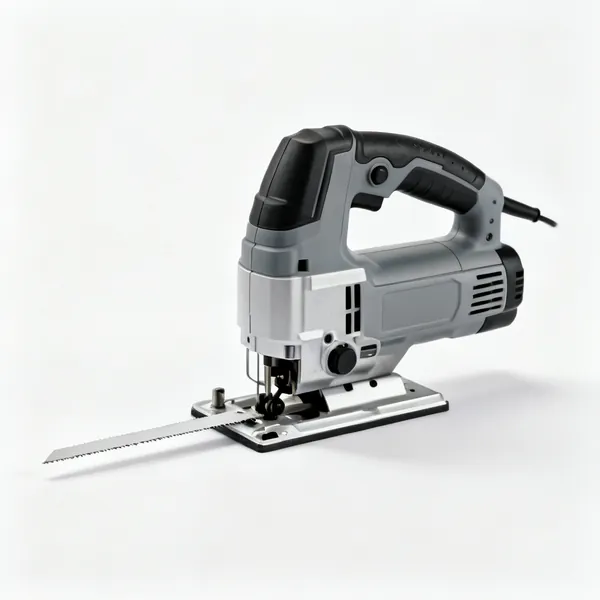
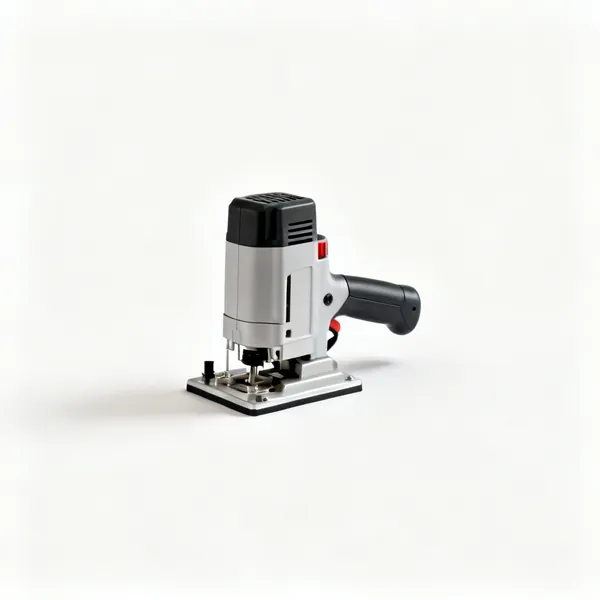
  • A cordless jigsaw with a narrow blade and a base plateEssential

    Jigsaw

    A narrow blade going up and down, so it turns as it cuts. The tool for curves, cutouts for sinks and sockets, and anything a straight blade cannot follow. Not the tool for a clean straight edge.

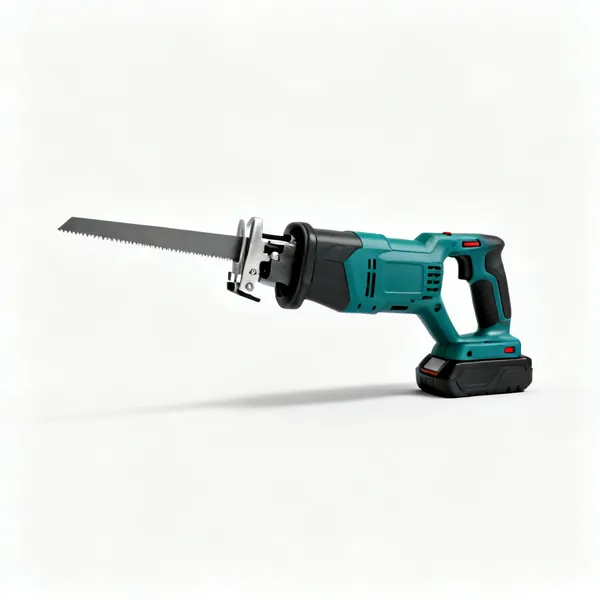
  • A cordless reciprocating saw with a long blade and pivoting shoeEssential

    Reciprocating saw

    A blade on a piston, for cutting things apart rather than cutting them to size. Timber with nails in it, pipe, roots, old frames. Fast, rough, and the right choice when the finish does not matter.

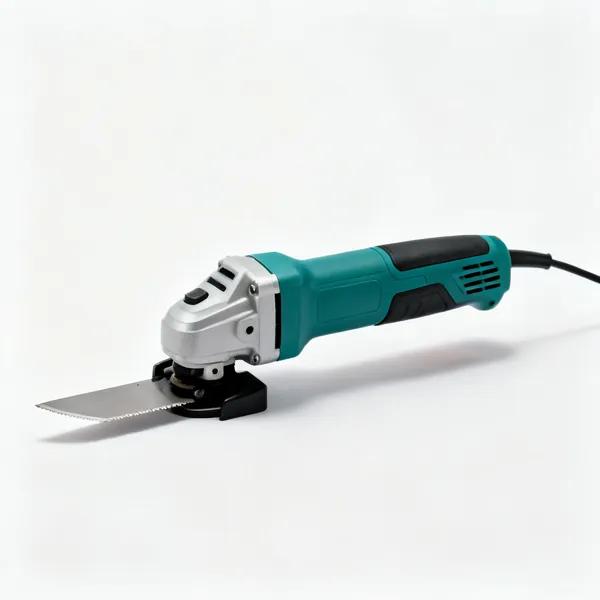
  • A cordless oscillating multi tool with a flat cutting blade attachmentEssential

    Oscillating multi tool

    Vibrates a blade side to side over a tiny arc, which lets it cut flush against a surface and start in the middle of one. Nothing else undercuts a door frame or removes old grout as easily.

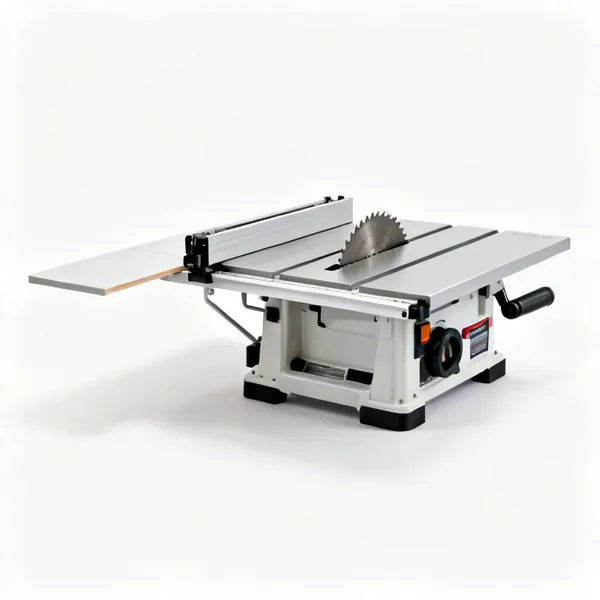
  • A portable table saw with a blade, fence and flat table

    Table saw

    A blade fixed in a table with a fence, so you push the wood past it. The most accurate way to rip boards to a repeatable width, and the tool that demands the most respect in any workshop.

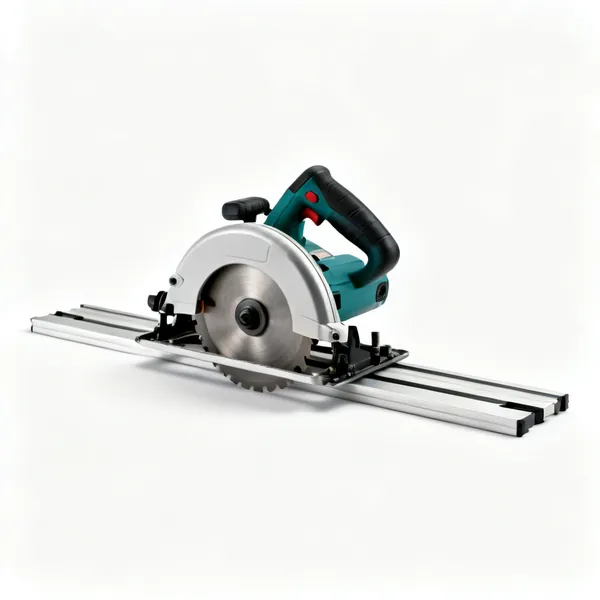
  • A track saw sitting on a guide rail

    Track saw

    A circular saw that rides on a rail, so it cuts a dead straight line with a finish close to a table saw. For breaking down full sheets of plywood without wrestling them onto a bench.

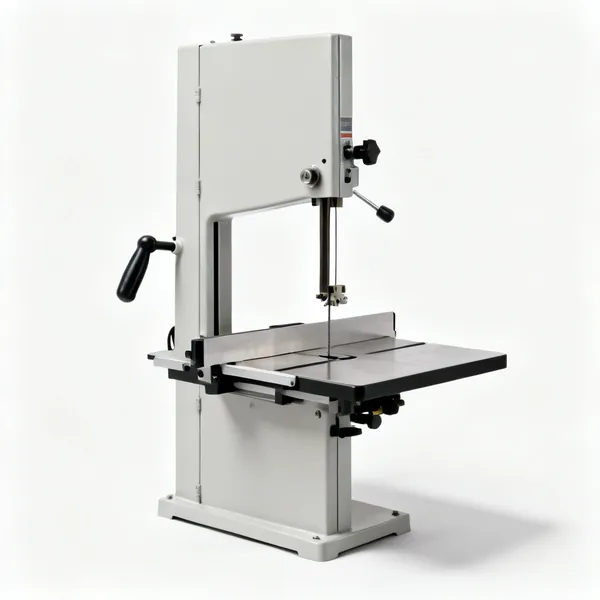
  • Band saw

    Band saw

    A continuous loop of blade running through a table. Cuts tight curves in thick material and resaws boards to thickness, which no other saw here does well.

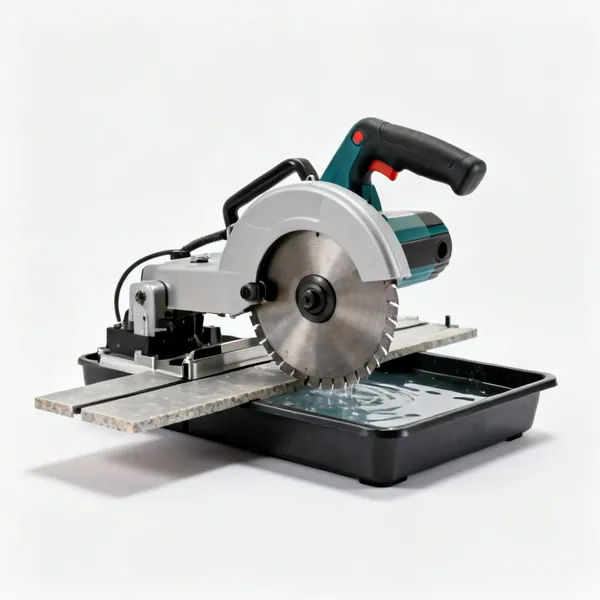
  • A wet tile saw with a diamond blade and a water tray

    Tile saw

    A diamond blade running through water, which keeps it cool and holds the dust down. Cuts ceramic and porcelain without chipping the glazed face. Worth hiring for one bathroom.

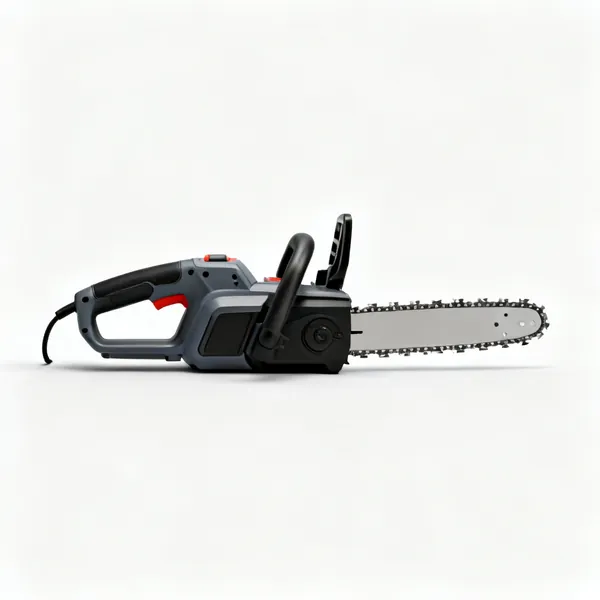
  • A cordless chainsaw with a guide bar and chain

    Chainsaw

    For felling, limbing and cutting logs. The most dangerous tool on this page by a wide margin, and the one where proper trousers, boots and training are not optional extras.

Sanders & planers 6

Removing material in a controlled way. The difference between these is how aggressive they are and how visible the marks they leave will be under a finish.

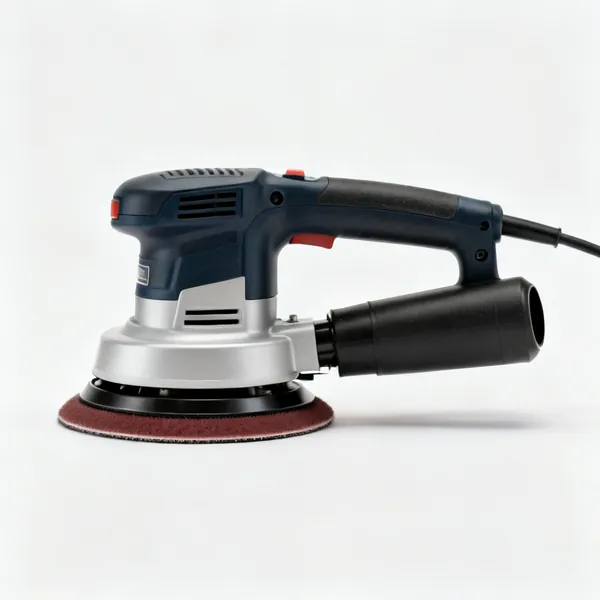
  • A random orbit sander with a round sanding pad and dust portEssential

    Random orbit sander

    Spins and wobbles at the same time, so it never leaves a repeating scratch pattern. That is what makes it the right sander before paint or varnish, and the one to own if you own one.

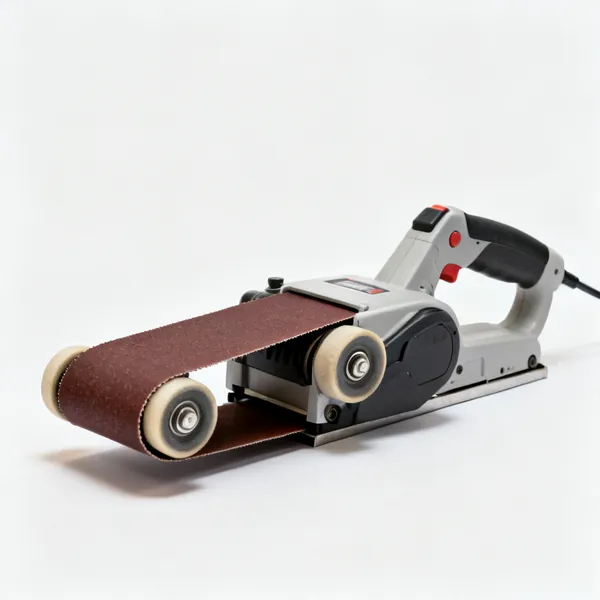
  • A belt sander with a continuous abrasive belt and two rollers

    Belt sander

    A loop of abrasive dragging in one direction, which removes material fast and forgives nothing. For levelling rough boards and old floors. Leave it running in one spot and you have a dent.

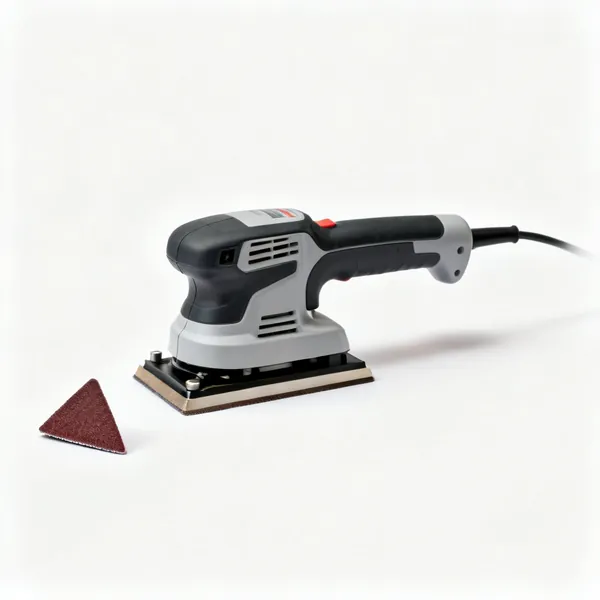
  • A detail sander with a small triangular sanding pad

    Detail sander

    A small triangular pad that reaches into corners, spindles and window frames where a round pad cannot. Slow over any area, indispensable in the last ten percent of a job.

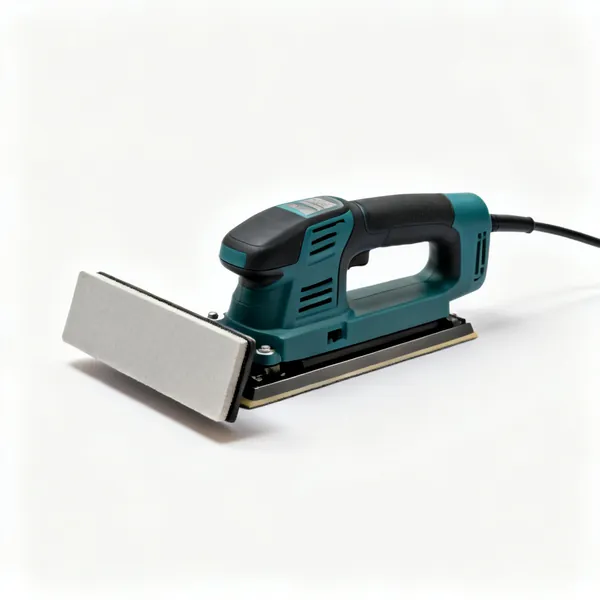
  • An orbital sheet sander with a rectangular flat pad

    Sheet sander

    A flat rectangular pad vibrating in small circles. Cheap, gentle and good at flat surfaces and right into edges, but it leaves faint swirls that show through gloss.

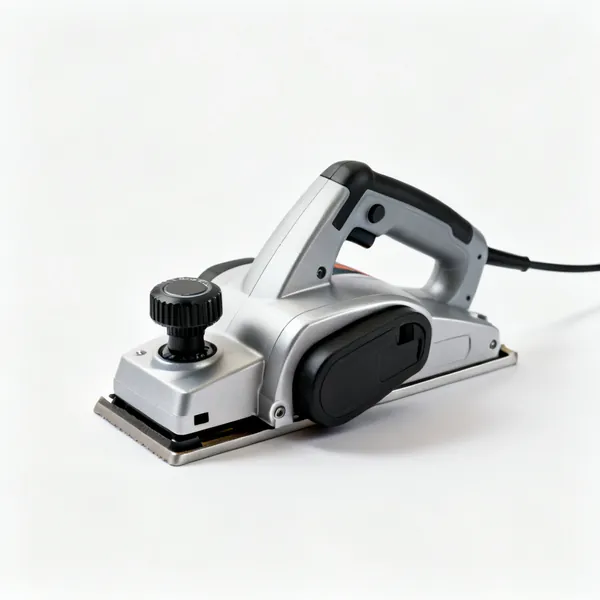
  • A handheld electric planer with a front depth adjustment knob

    Electric planer

    A spinning drum of blades that shaves a set depth off a surface. For taking the bind out of a sticking door or straightening a rough edge, far faster than sanding it down.

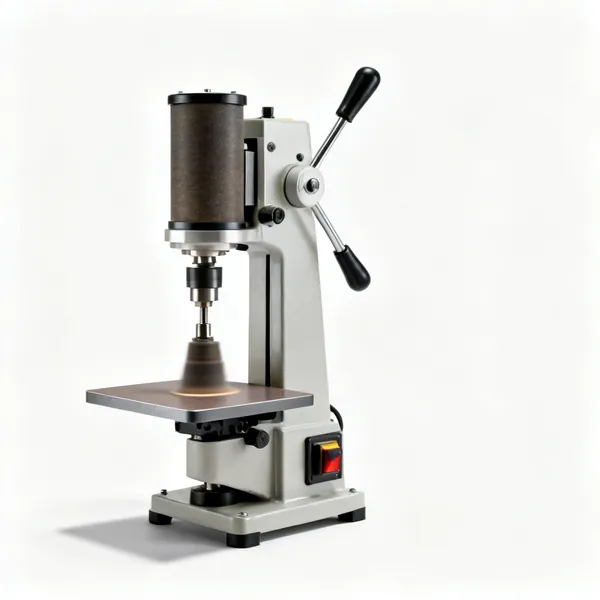
  • A benchtop oscillating spindle sander with a vertical drum and table

    Spindle sander

    An abrasive drum rising and falling through a table, for smoothing the inside of curves you cut with a jigsaw or band saw. The only easy way to get a fair curve rather than a wobbly one.

Grinders 5

Abrasive discs turning fast enough to cut steel and masonry. All of these throw sparks and fragments, so eye protection here is not advisory.

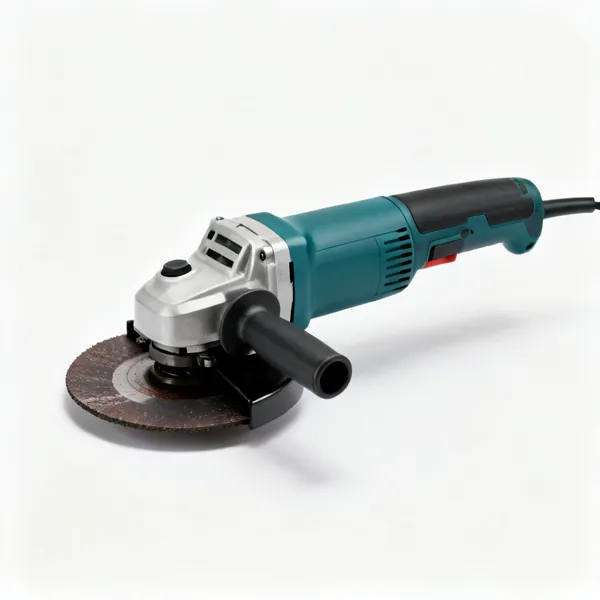
  • Angle grinderEssential

    Angle grinder

    The most versatile metal tool you can own. Swap the disc and it cuts steel, grinds welds, removes rust or slices through paving. Also the tool most likely to hurt you if the guard is off.

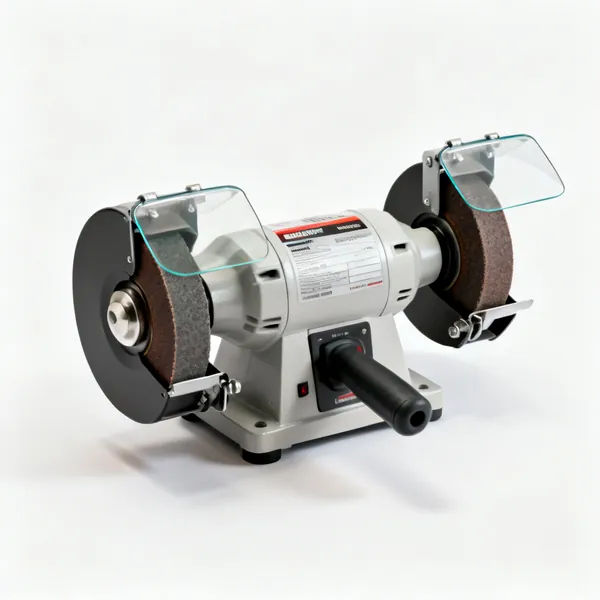
  • A bench grinder with two grinding wheels and eye shields

    Bench grinder

    Two wheels on a fixed motor, for sharpening chisels and drill bits and cleaning up steel. Being fixed is the point: you can present the work at a consistent angle and repeat it.

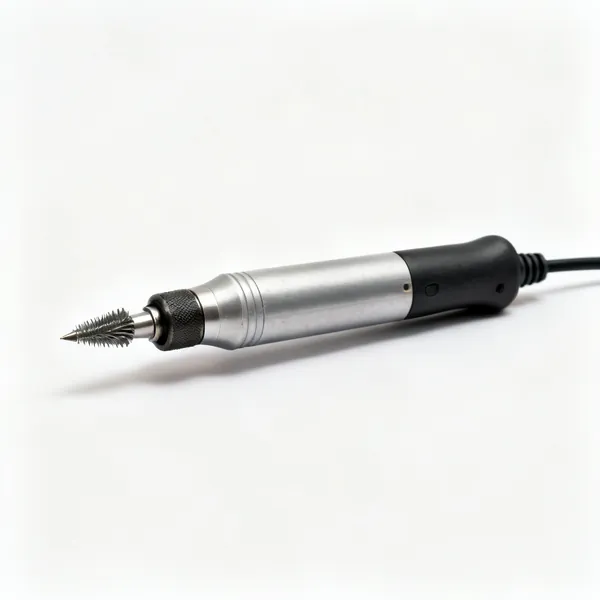
  • A pencil-style die grinder with a small burr bit fitted

    Die grinder

    A small high speed grinder that takes burrs and small stones, for deburring welds and cleaning up inside holes and awkward corners a full size disc cannot reach.

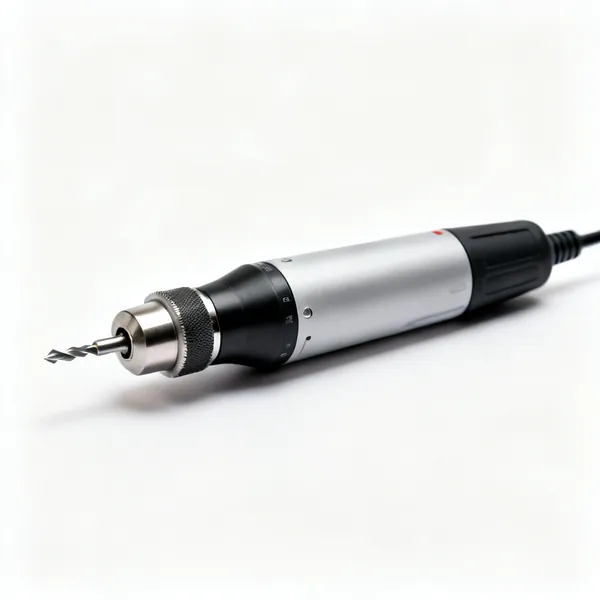
  • A handheld rotary tool with a collet and a small cutting bit

    Rotary tool

    A pencil sized motor with dozens of tiny attachments for cutting, grinding, polishing and engraving. Made for detail work on small objects rather than anything structural.

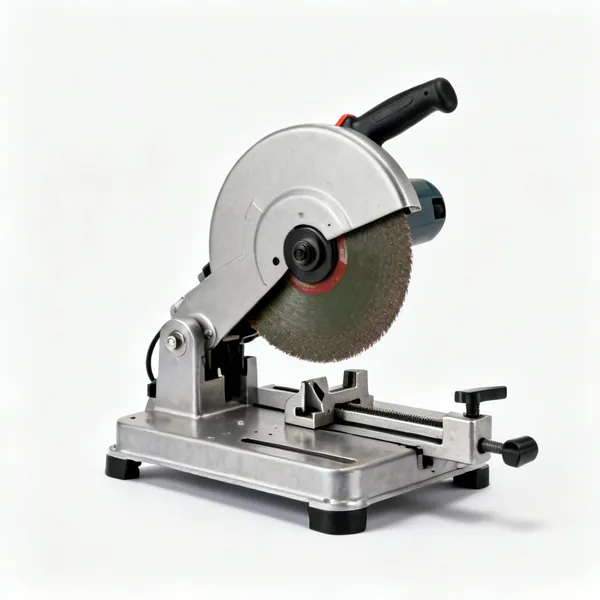
  • Metal chop saw: A metal cut-off chop saw with an abrasive disc and a clamping vice

    Metal chop saw

    A fixed abrasive or carbide blade that cuts steel bar, tube and angle square and fast. If you are building anything out of metal section, this replaces a great deal of grinder work.

Routers & joinery tools 6

Shaping edges and cutting joints. These are the tools that move work from assembled to properly made, and they reward a slow first pass over a fast one.

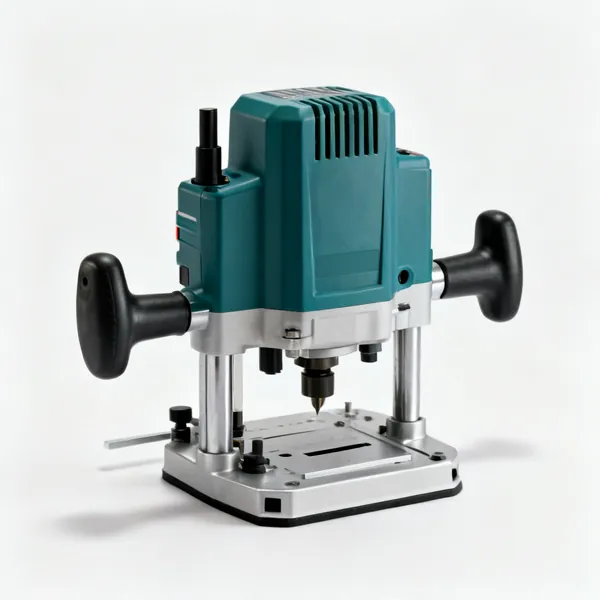
  • A plunge router with two handles and a flat base

    Router

    A motor spinning a cutter, which shapes edges, cuts grooves and trims laminate. The most versatile woodworking tool after a saw, and the one with the steepest learning curve.

  • A compact one-handed trim router with a small base

    Trim router

    A one handed router for rounding edges, trimming veneer and small hinge recesses. Light enough to control precisely, which is exactly why it gets used more than the big one.

  • A biscuit joiner with a fence and a circular cutting blade

    Biscuit joiner

    Cuts matching crescent slots in two pieces so a flat oval biscuit can align them. Its real job is keeping panels level while glue dries rather than adding much strength.

  • A benchtop mortiser with a long lever handle and a chisel bit

    Mortiser

    Drills a square hole, using a chisel around a bit, for traditional mortise and tenon joints. Slow, single purpose and the only tidy way to do that joint repeatedly.

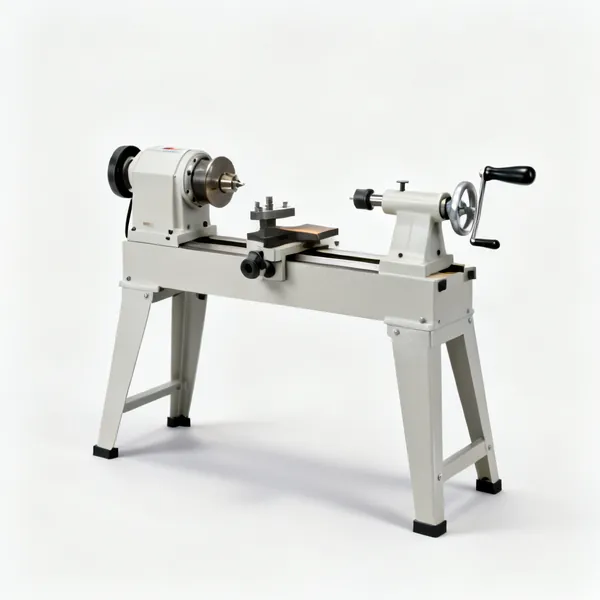
  • A benchtop wood lathe with a headstock, tailstock and tool rest

    Wood lathe

    Spins timber so you can cut it round with hand chisels. For legs, bowls, handles and spindles. Nothing else on this page makes a curved symmetrical shape at all.

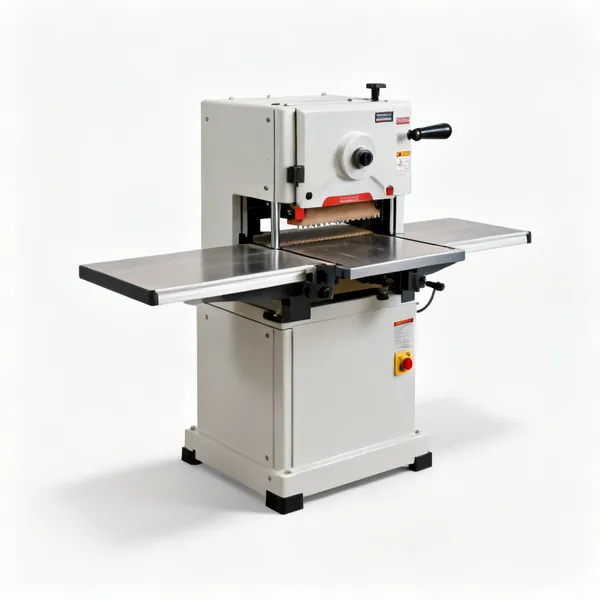
  • A benchtop thicknesser planer with an infeed table and cutter head

    Thicknesser

    Feeds a board past a cutter to bring it to an exact even thickness. If you buy rough sawn timber rather than planed, this is what turns it into usable stock.

Nail guns & staplers 6

Driving fixings faster and more consistently than a hammer, and without the dents. Sized by the gauge of the fixing: the thinner the nail, the smaller the hole and the less it holds.

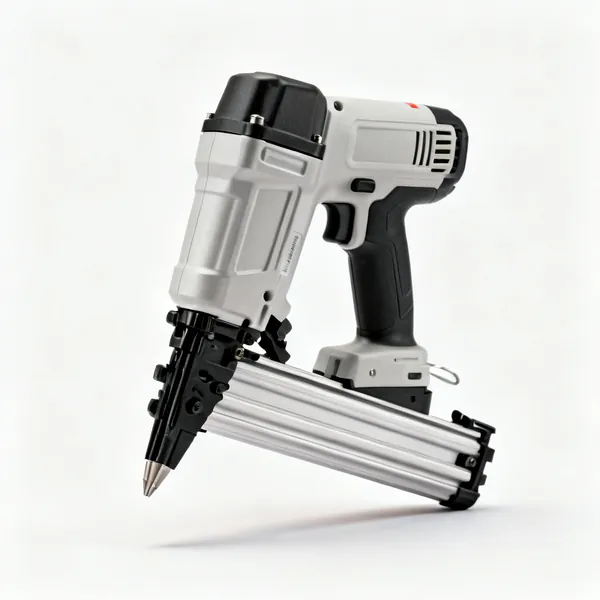
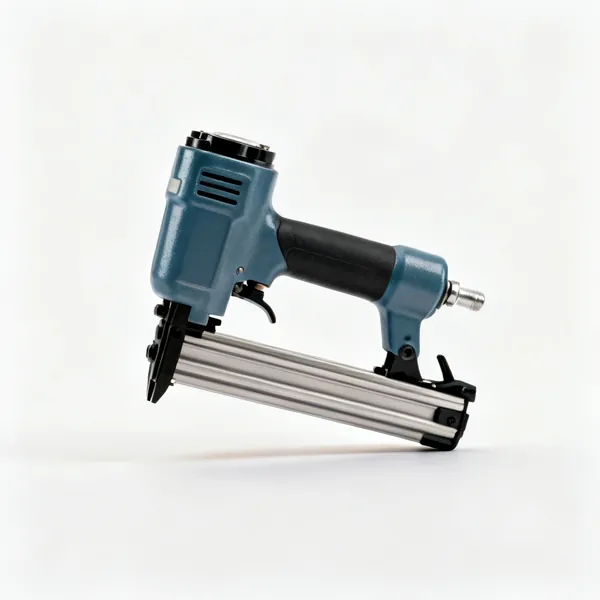
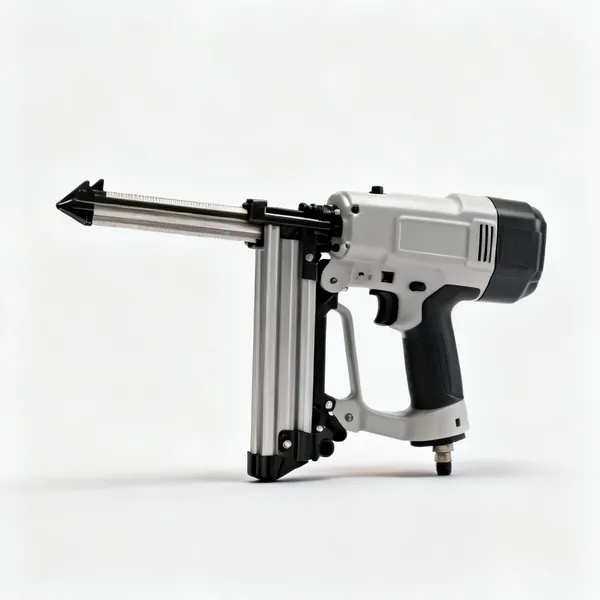
  • A cordless brad nailer with a magazine and nose tipEssential

    Brad nailer

    Fires thin 18 gauge nails that leave a hole you can barely see. The right tool for trim, beading and small mouldings, where holding the piece while glue sets is most of the job.

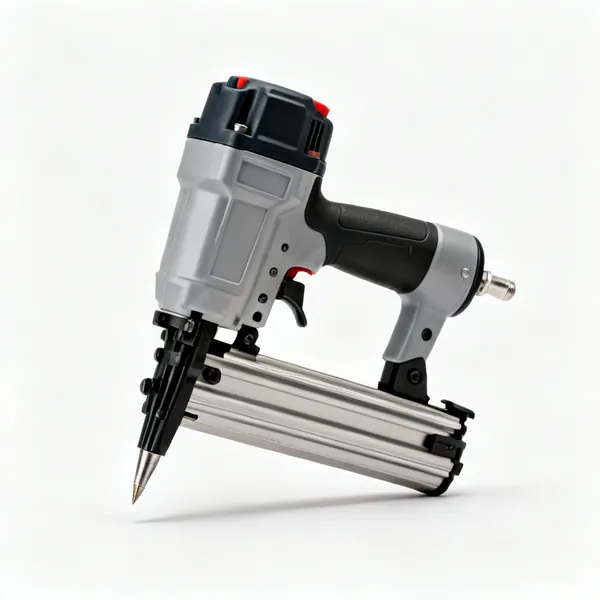
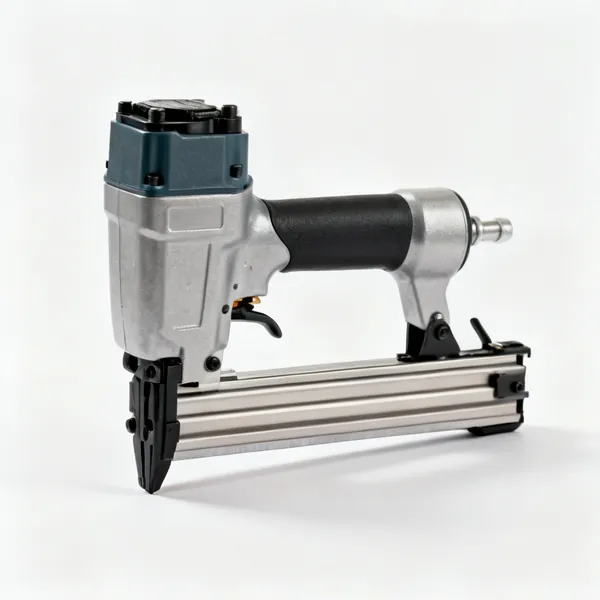
  • Finish nailer

    Finish nailer

    Heavier 15 or 16 gauge nails with real holding power, for skirting, architrave and door casings. Leaves a bigger hole than a brad nailer, so it needs filling before paint.

  • Framing nailer

    Framing nailer

    Drives long thick nails into structural timber, for studwork, joists and decking. Wildly faster than a hammer over a whole frame, and far too much tool for anything indoors and finished.

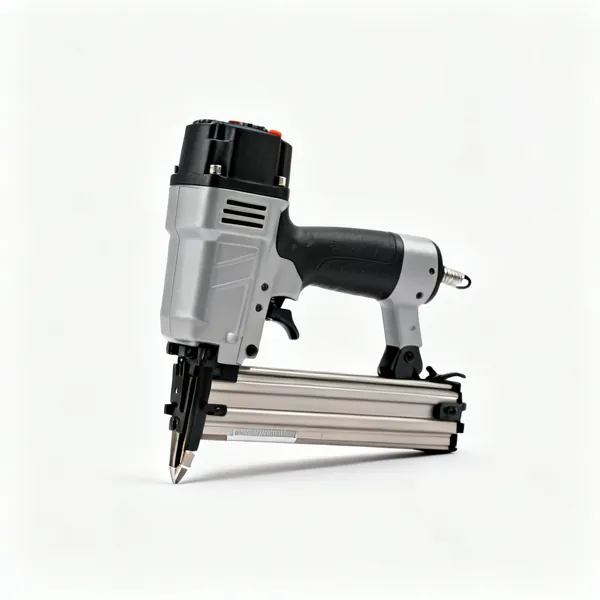
  • A small pin nailer with a slim magazine

    Pin nailer

    Fires headless 23 gauge pins that leave almost no mark at all. Holds delicate mouldings and mitres while glue cures, which is the only thing holding them together afterwards.

  • A crown stapler with a wide staple magazine

    Crown stapler

    Drives wide staples that grip sheet material, for fixing plywood backs, roofing felt and insulation board. Spreads its hold across the staple rather than at one point like a nail.

  • An electric staple gun with a pistol grip and staple magazine

    Electric staple gun

    A mains or battery stapler for upholstery, carpet gripper, netting and cable clips. Saves your palm over a few hundred staples, which a manual gun very much does not.

Air compressors & air tools 5

One motor in the corner powering everything through a hose. Cheaper per tool than cordless and lighter in the hand, at the cost of being tethered to a compressor.

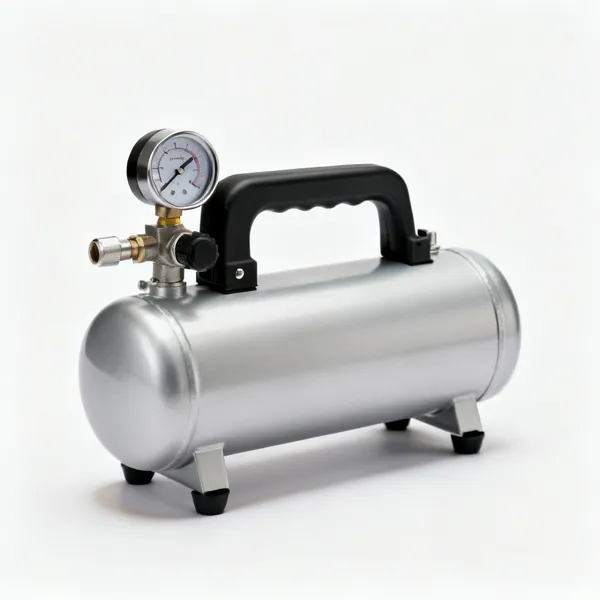
  • A portable air compressor with a horizontal tank, gauge and regulatorEssential

    Air compressor

    Stores compressed air in a tank to run nailers, wrenches and blow guns. The two numbers that matter are how much air it delivers and how fast it recovers, not the size of the tank alone.

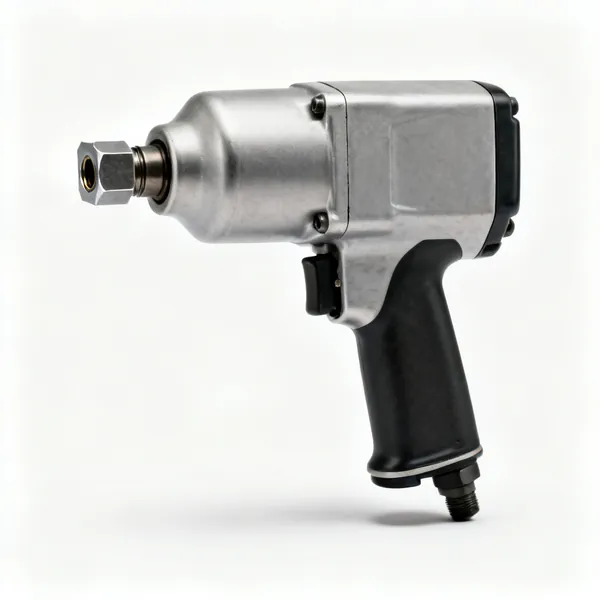
  • An air impact wrench with a square drive and air inlet fitting

    Air impact wrench

    The workshop standard for wheel nuts and seized bolts. Lighter and cheaper than a cordless equivalent of the same power, because the heavy part is over in the corner.

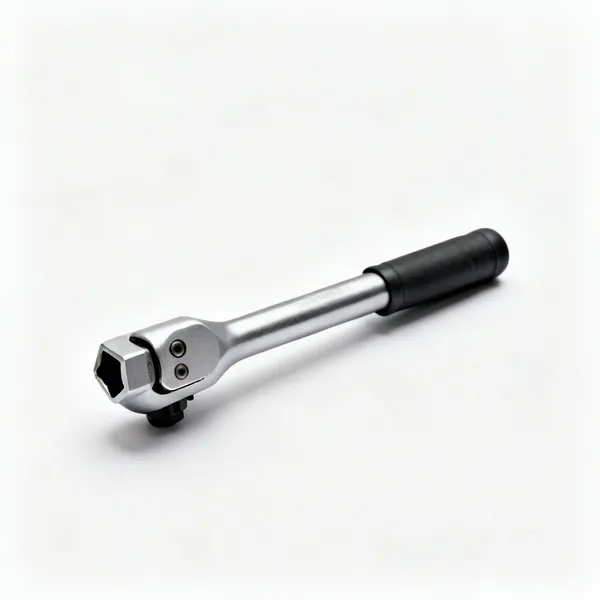
  • An air ratchet wrench with a slim head and square drive

    Air ratchet

    A powered ratchet head slim enough to work inside an engine bay. Does not hit as hard as an impact wrench, which is exactly why you use it on smaller fasteners.

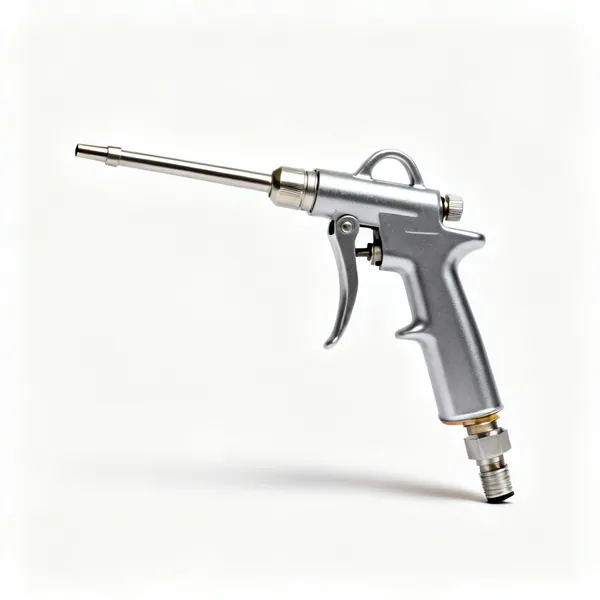
  • An air blow gun nozzle with a trigger and hose fitting

    Blow gun

    A trigger nozzle for clearing sawdust and swarf out of vents, threads and corners. The cheapest and most used air tool, and the one that keeps other tools from overheating.

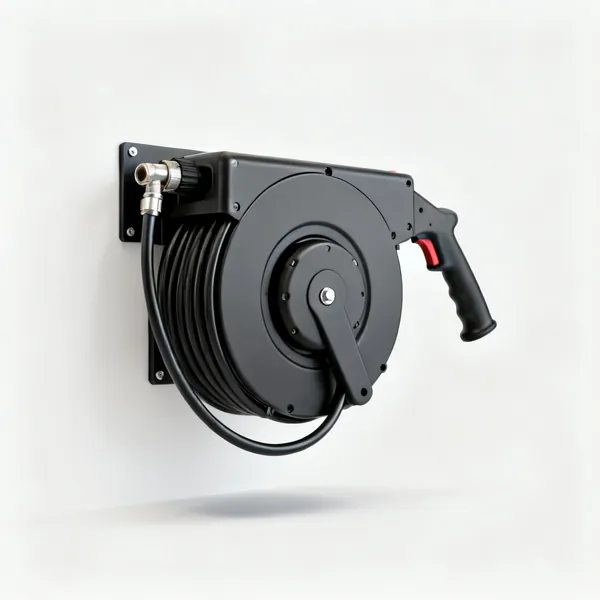
  • A wall-mounted retractable air hose reel with coiled hose

    Air hose reel

    Keeps the hose off the floor and retracts it when you finish. Sounds like a luxury until you have tripped over twenty metres of hose in a busy workshop.

Lasers & detectors 5

The electronic tools that stop you guessing. Cheap relative to everything else here, and they prevent the mistakes that cost the most to undo.

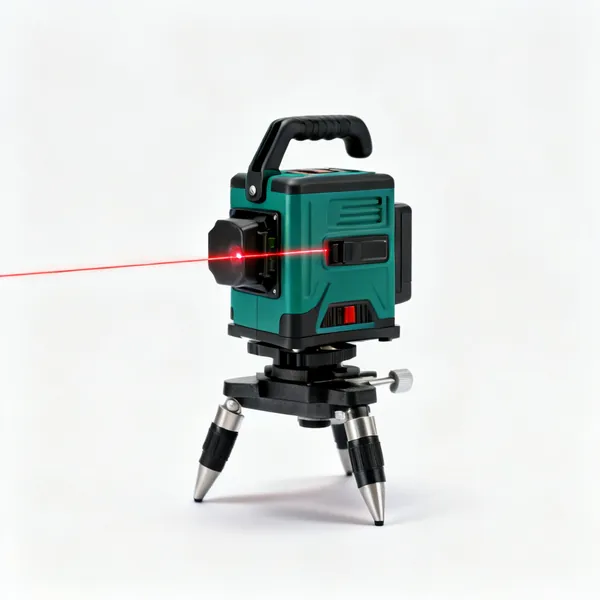
  • A cross-line laser level on a small tripod projecting a lineEssential

    Laser level

    Projects a dead level line across a wall or room. For hanging cabinets, tiling and setting out, it is faster than a spirit level and it does not need a second pair of hands.

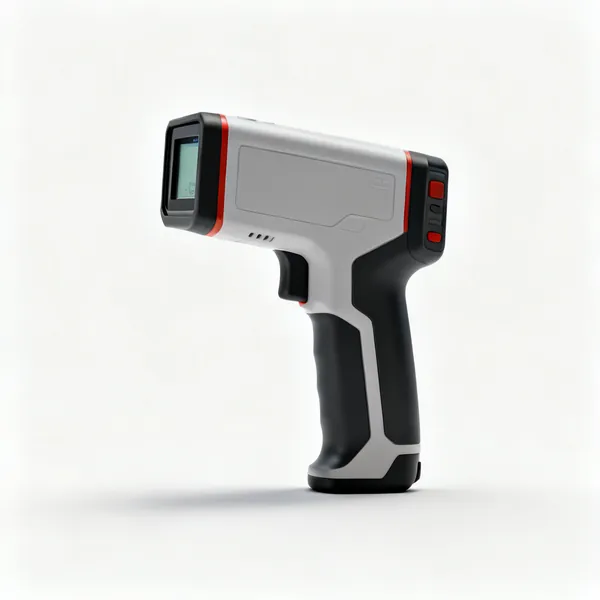
  • A handheld laser distance measure with a small displayEssential

    Laser distance measure

    Measures a room in seconds from one end, to the millimetre, on your own. Cheap, pocket sized, and it removes the tape measure sag that makes long spans wrong.

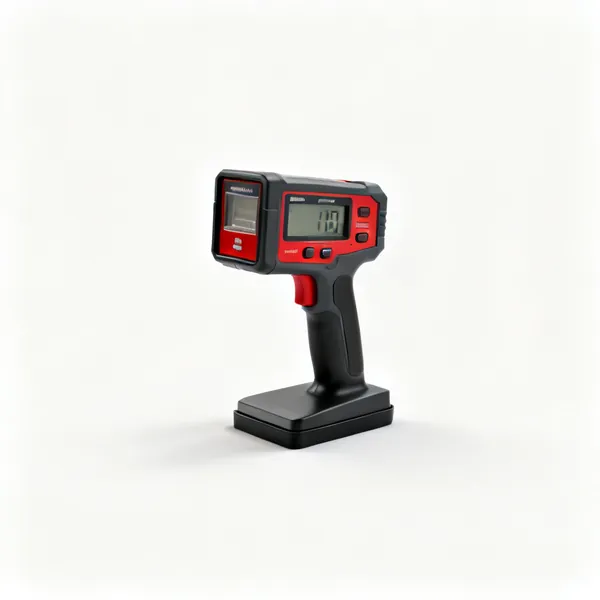
  • A handheld electronic stud finder with a display and flat baseEssential

    Stud finder

    Locates timber, metal and live cable behind plasterboard. The one tool here that stops you drilling into a wire, which is the mistake that turns a shelf into an electrician's callout.

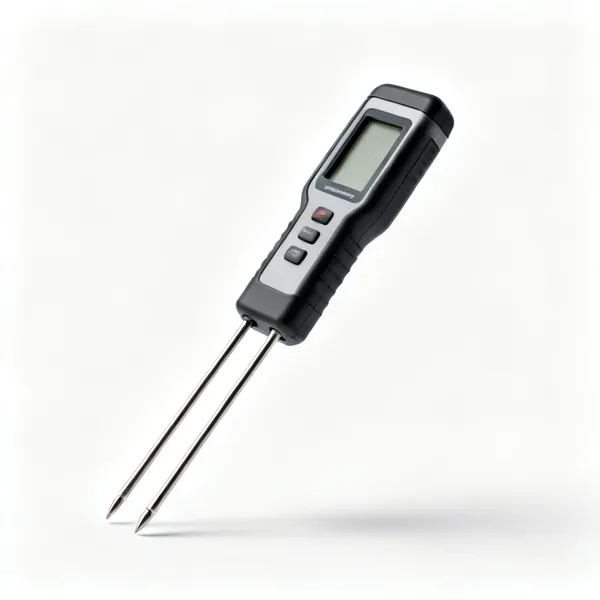
  • A handheld moisture meter with two probe pins and a display

    Moisture meter

    Reads how wet timber or plaster is. Tells you whether damp is active or historic, and whether new timber has acclimatised enough to fit without shrinking later.

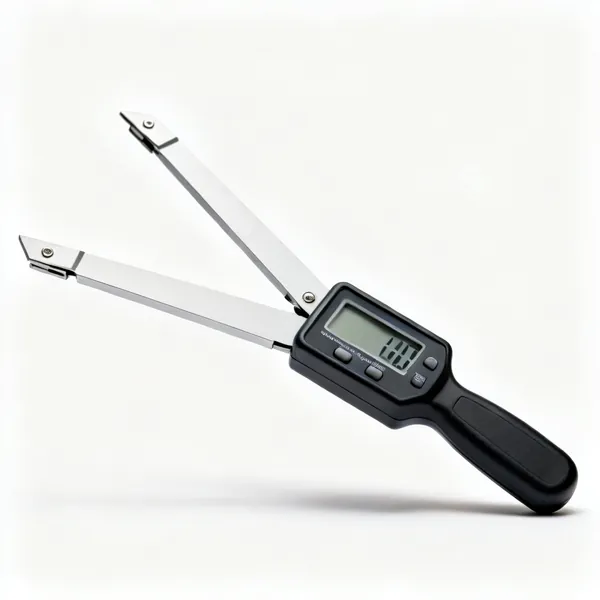
  • Digital angle finder

    Digital angle finder

    Measures an existing angle and reads it out, so you can set a mitre saw to match. Essential in old houses, where almost nothing is the ninety degrees you assumed.

Vacuums, blowers & work lights 7

The tools that make the others usable. Dust extraction in particular is a health measure rather than a tidiness one, because board, brick and concrete dust does permanent damage.

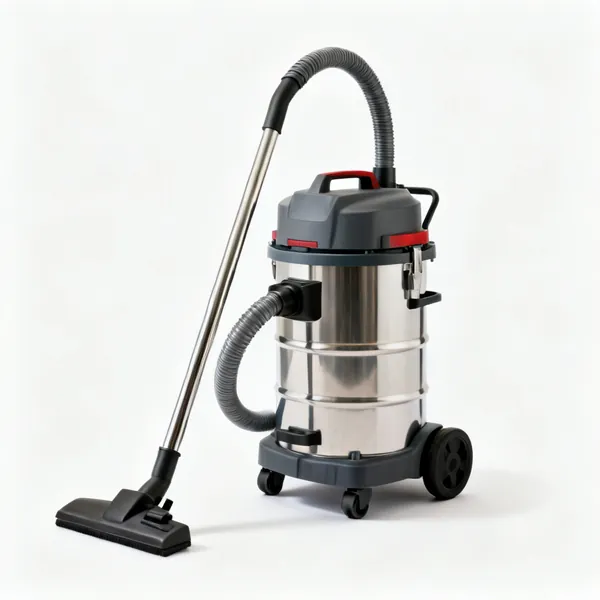
  • A shop vacuum cleaner with a hose and wheeled drum bodyEssential

    Shop vacuum

    Handles the water, screws and rubble that would destroy a household vacuum, and connects to sanders and saws as extraction. The first non cutting tool worth buying.

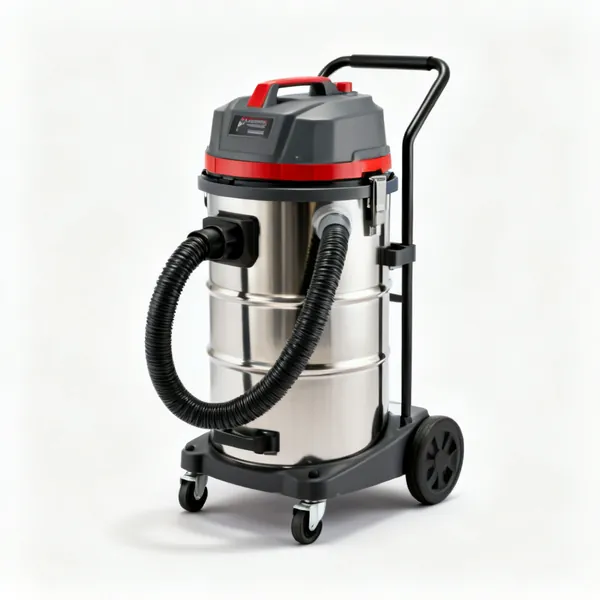
  • An M-class dust extractor with a hose, filter housing and wheels

    Dust extractor

    A shop vacuum with fine filtration and automatic filter cleaning, made to run all day on a tool. What you want if you are cutting board or masonry regularly rather than occasionally.

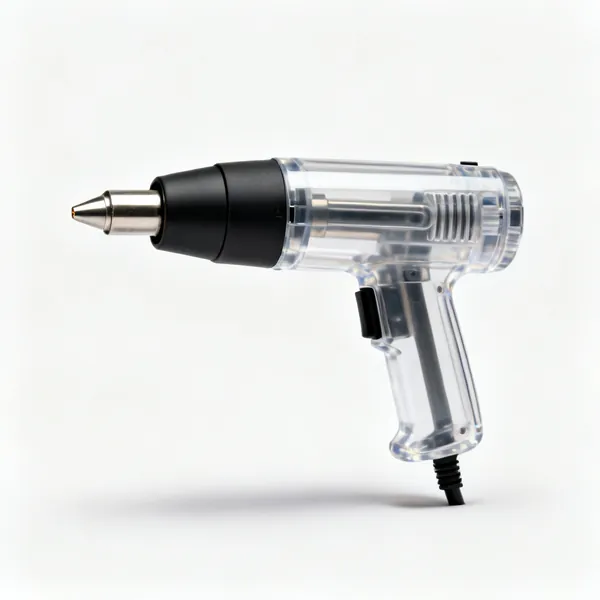
  • A heat gun with a pistol grip and a metal nozzleEssential

    Heat gun

    Hot air on demand, for stripping paint, softening old adhesive, shrinking cable sleeving and thawing pipes. Quietly one of the most used tools in the cupboard.

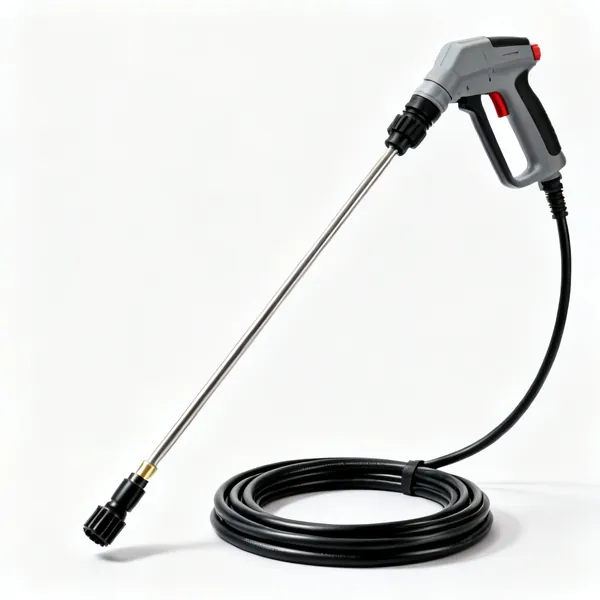
  • A pressure washer with a lance, trigger gun and hose

    Pressure washer

    High pressure water for paths, patios, render and vehicles. Effective enough to strip loose paint and mortar, which is why you keep it away from soft brick and old pointing.

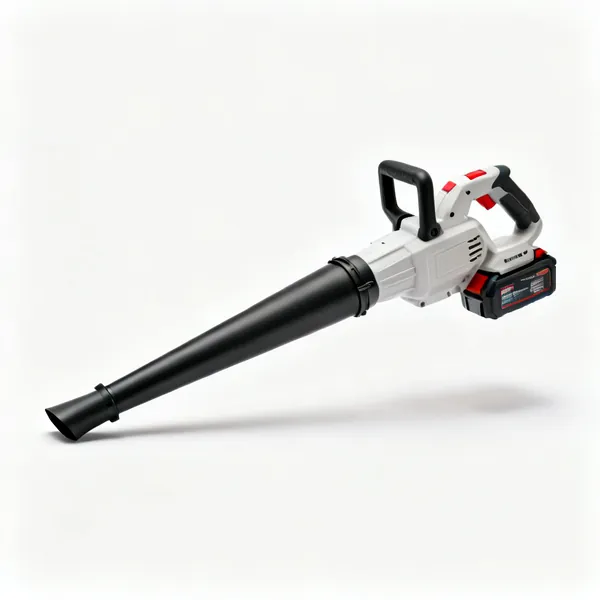
  • A cordless leaf blower with a nozzle tube and battery

    Leaf blower

    Moves leaves outdoors and clears sawdust off a floor faster than sweeping. Not subtle, and it will relocate every fine particle you were trying to collect if used indoors.

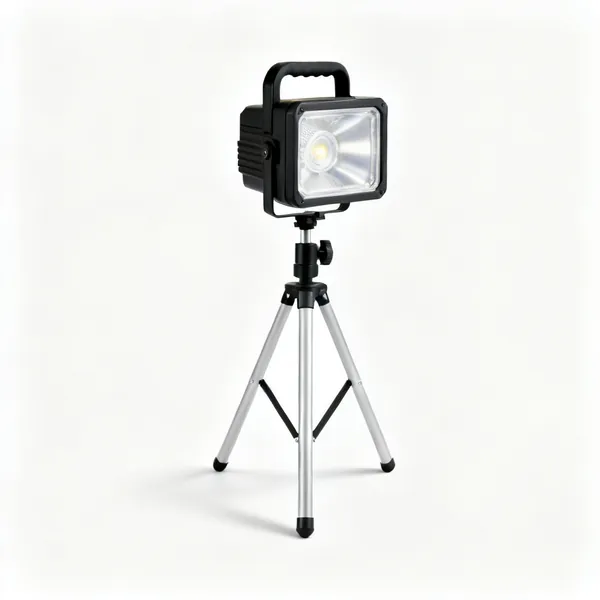
  • A portable LED work light on a folding standEssential

    Work light

    A bright light you can stand or hang where the work is. Most bad results in dark corners are bad because nobody could see them, and a light fixes more mistakes than any tool.

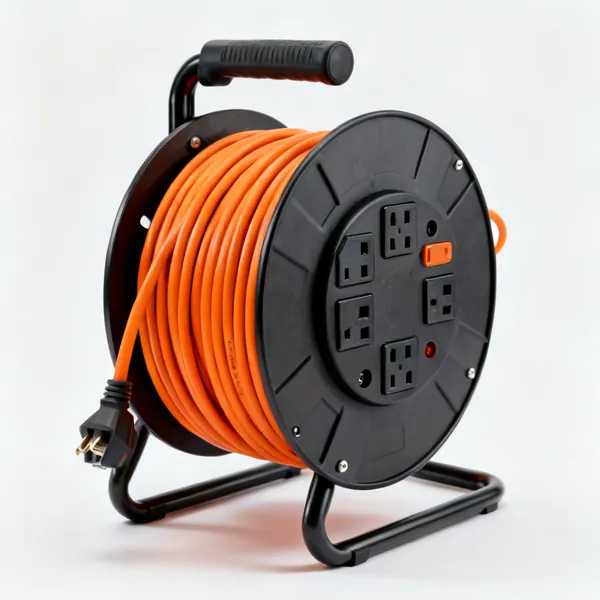
  • Extension reel: An extension cord reel with orange cable and multiple socketsEssential

    Extension reel

    Mains power where you need it, on a reel so it stows without tangling. Unwind it fully before drawing heavy current, because a coiled cable under load heats up.

Batteries & chargers 4

The half of a cordless workshop nobody photographs, and the half that decides what you can buy next. Batteries wear out long before the tools do.

  • A cordless tool lithium battery pack with contacts and a release catchEssential

    Battery pack

    The thing that ties you to a brand. Amp hours set runtime, not power, and two mid sized packs beat one large one because you can always be charging the other.

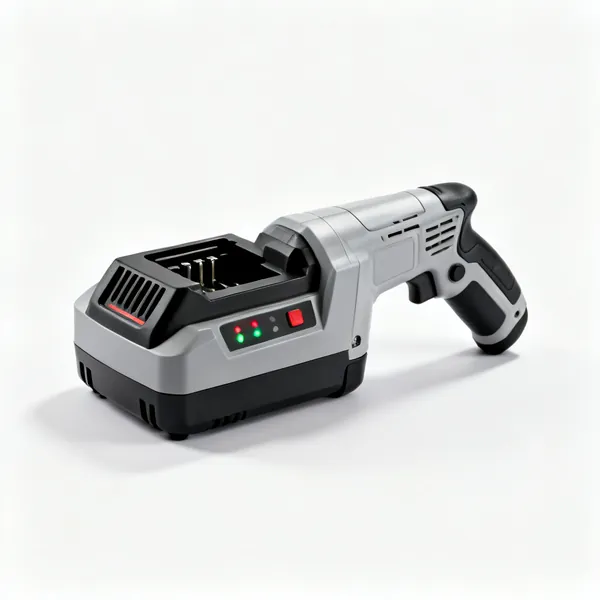
  • A power tool battery fast charger with a docking slot and indicator lightsEssential

    Fast charger

    Refills a pack in a fraction of the time a basic charger takes, which is what makes two batteries feel like four. Good ones wait for a hot pack to cool before starting.

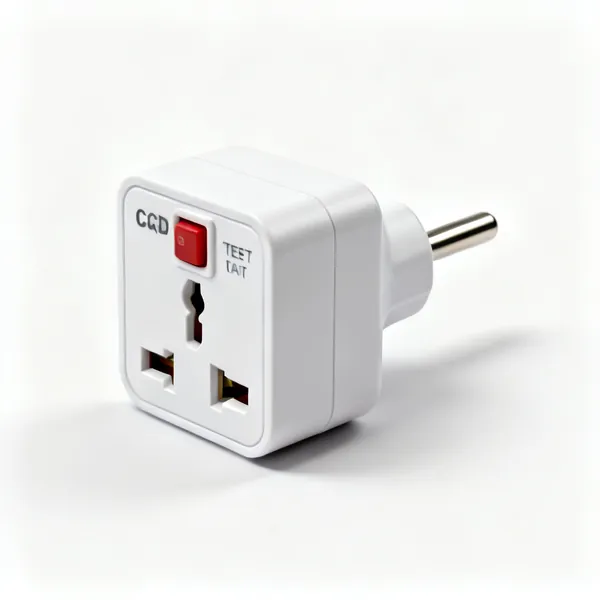
  • RCD adaptor: An RCD safety adaptor plug with a test and reset buttonEssential

    RCD adaptor

    Plugs between the socket and the tool and cuts power in milliseconds if current leaks to earth. Costs very little and is the difference between a shock and an electrocution outdoors.

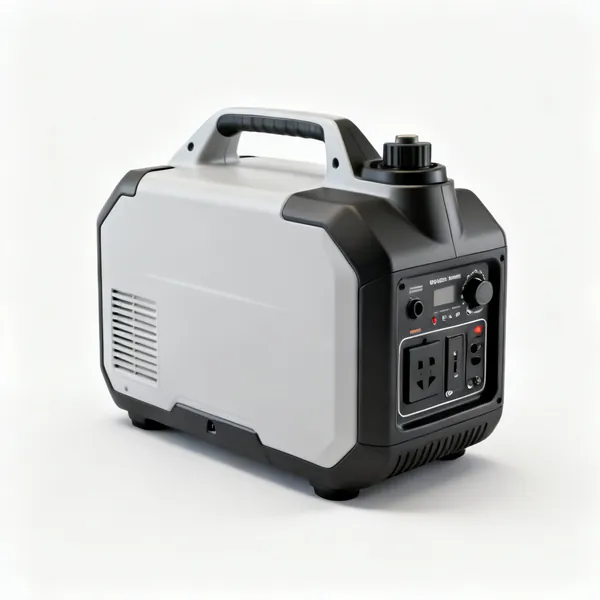
  • A portable inverter generator with a carry handle and control panel

    Inverter generator

    Mains power where there is none, with a clean enough output to run chargers and electronics safely. For sites without a supply rather than for everyday workshop use.

Safety gear 4

Not accessories. Every tool above throws something at you, makes noise loud enough to damage hearing permanently, or produces dust you should not breathe.

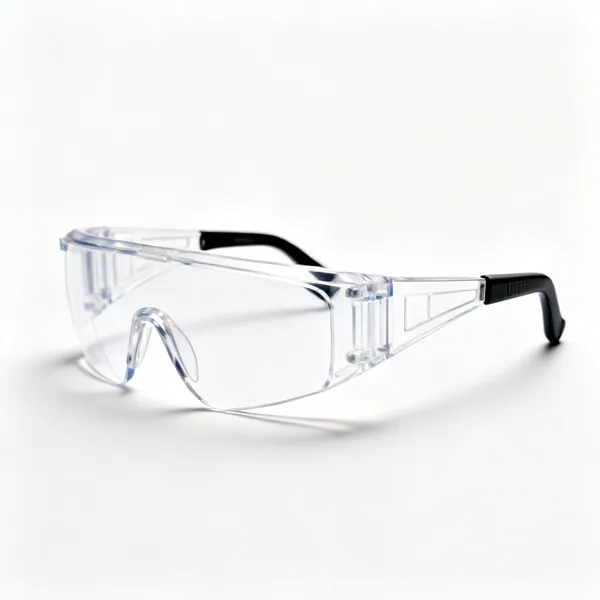
  • A pair of clear safety glasses with side protectionEssential

    Safety glasses

    The one piece you wear every single time. Eyes do not heal, and a fragment off a grinder or a nail off a hard surface travels faster than you can blink.

  • A pair of over-ear protective ear defendersEssential

    Ear defenders

    Most saws and grinders are loud enough to cause permanent damage in minutes. Hearing loss is cumulative and irreversible, so wear them for short jobs too.

  • A half-face dust respirator mask with twin filter cartridgesEssential

    Dust respirator

    A rated mask, not a paper one. Cutting board, brick or concrete releases silica, which causes irreversible lung disease. This is the highest value item on the whole page.

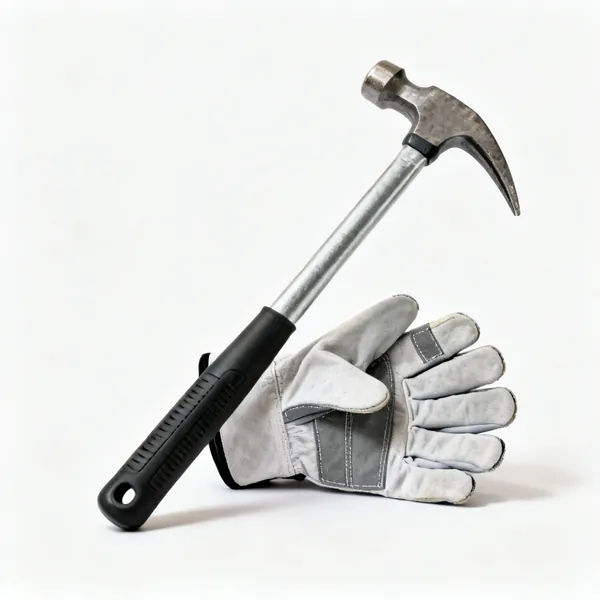
  • A pair of work gloves with reinforced palmsEssential

    Work gloves

    For handling timber, steel and masonry without splinters or cuts. Take them off around anything spinning, where a glove that catches pulls your hand in with it.

Choosing power tools

The list above is what exists. This is how to decide which of it you need, and the one decision that matters more than any individual tool.

How many power tools do you actually need?

Far fewer than the shops would like. A drill driver, an impact driver, a circular saw, a multi tool and a sander will get you through the overwhelming majority of home jobs. Everything else on this page is a specialist that earns its place only when you meet the job it exists for.

The trap with power tools is not buying the wrong tool. It is buying a tool for a job you have not done yet. A tile saw is excellent at cutting tile and useless for the eleven months of the year you are not tiling a bathroom, and for one bathroom, hiring one costs a fraction of owning it.

Pick a battery system before you pick tools

This is the single biggest decision on the page, and most people make it by accident. Batteries do not swap between brands. Once you own three of one make, every future purchase is quietly steered towards that make, because a bare tool costs half what the same tool costs in a kit with a battery.

So choose the system first, then buy tools inside it. The things worth comparing are how wide the range is, whether bare tools are easy to buy on their own, and what a replacement battery costs in five years, because the batteries will wear out long before the tools do.

Count the range, not the tool
A brand with sixty tools on one battery is worth more to you than a slightly better drill on a battery that fits nothing else.
Check bare tool availability
If a maker only sells kits, every addition comes with a battery you did not need, and you pay for it every time.
Two batteries is the real minimum
One battery means you stop working when it dies. Two means you never do. This matters more than any spec on the tool.
Mixing brands is a false economy
Adaptors exist and they are a bad idea. They defeat the tool's own protection circuits, and they void the warranty on the expensive half of the pairing.

How to tell a good one from a bad one

Once you are inside a battery system, the differences that matter are mechanical and they are easy to check.

Brushless is worth the money
A brushless motor has no carbon brushes rubbing away, so it runs cooler, lasts longer and gets noticeably more work out of the same battery. On anything you will use weekly, it pays for itself.
Amps for corded, amp hours for cordless
On a corded tool, amps tell you roughly how hard it can work. On a cordless one, amp hours tell you how long, not how hard. A 5.0Ah battery is not more powerful than a 2.0Ah one, it just lasts longer.
Voltage numbers are partly marketing
18V and 20V max describe the same battery measured two different ways. Compare within a brand, and ignore the badge when comparing across them.
Weight and balance decide whether you use it
A tool that fights you overhead or in a tight space stays in the case. Hold it in the position you will actually work in, not on the shop counter.
Dust extraction is a feature, not an accessory
A sander or saw with a proper extraction port and a vacuum on the end keeps the mess out of your lungs. Cutting board, brick and stone releases silica, and that is a genuine long term health risk rather than an inconvenience.
Cheap corded beats cheap cordless
If the budget is tight, a corded tool spends all of it on the motor. A cheap cordless tool spends half of it on a battery that will be dead in two years.

Corded or cordless?

Cordless has won for anything you carry around, and that is most jobs. But it has not won everywhere, and the exceptions are predictable.

Cordless for anything you move
Drilling, driving, cutting timber, working up a ladder or outside. Not having a lead is worth more than the small loss in sustained power.
Corded for sustained heavy load
Table saws, bench grinders, thicknessers, anything that runs for minutes at full tilt. Batteries get hot and give up long before the mains does.
Corded for tools that live on a bench
If it never moves, a lead is not a problem, and you get more machine for the money.
Either way, use an RCD outdoors
Mains tools outside or anywhere damp need a residual current device. It is a plug in adaptor that costs very little and stops a fault becoming a fatality.

What to buy first, in order

Starting from nothing, buying in stages costs less and wastes far less than a big combo kit, most of which is chosen to pad the box.

Stage one: the five that do everything
A brushless drill driver and an impact driver, both on the same battery, with two batteries and a fast charger. A circular saw. An oscillating multi tool. A random orbit sander. Add a laser distance measure and a stud finder, which are cheap and stop you guessing.
Stage two: when the jobs get bigger
A mitre saw once you are cutting trim or framing to length repeatedly. A jigsaw for curves. A reciprocating saw for demolition. An angle grinder for metal and masonry. A shop vacuum, which doubles as dust extraction.
Stage three: only for the job in front of you
Router, table saw, planer, thicknesser, nailers, tile saw, lathe, biscuit joiner. Each is excellent at one thing. Buy the one whose job you are actually doing, and hire the one you will do once.

Mistakes that cost money

Buying the big combo kit
Five tools in a case looks like value. Usually two are the ones you wanted, two are last year's model, and one is a torch.
Spreading across battery brands
The most expensive mistake on this page. Three brands means three chargers, three sets of dead batteries, and paying for a battery every time you buy a tool.
Using a drill where an impact driver belongs
A drill will drive long screws, badly, and wear out its clutch doing it. An impact driver does it faster and does not fight your wrist.
Forcing a small tool through a big job
A trim router in place of a full size one, or a 12V drill through masonry. The tool overheats, the finish suffers, and you have replaced it inside a year.
Skipping the dust extraction
Not just mess. Silica from board, brick and concrete does permanent damage, and it is entirely avoidable with a port and a vacuum.
Storing batteries flat or full
Both shorten their life. Around half charge, somewhere dry and not freezing, is what keeps them healthy between jobs.

Keeping them alive

Power tools mostly die of neglect rather than use. The habits that prevent it take seconds.

Let batteries cool before charging
Charging a hot pack straight off a hard cut is what kills cells early. Ten minutes on the bench is enough.
Blow out the vents
A motor packed with sawdust runs hot and burns out. A blast of air through the cooling slots after a dusty job is the cheapest maintenance there is.
Replace blades and abrasives sooner than you think
A blunt blade makes the motor work harder, burns the cut and is more likely to kick back. Consumables are cheap and the tool is not.
Keep leads off the cut line
The classic corded accident is cutting through your own lead. Route it over your shoulder before you start, every time.
Check the guard actually returns
On a circular saw or grinder, a guard that sticks is the fault that hurts people. Flick it and watch it snap back before each session.
Store them dry
Damp is what turns a working tool into a seized one over a winter in an unheated garage. Cases exist for a reason.

Frequently asked questions

What power tools do I actually need to start?
A drill driver, an impact driver, a circular saw, an oscillating multi tool and a random orbit sander cover almost every home job. Buy them on one battery system with two batteries, and add specialists only when you meet the job that needs them.
Should I buy corded or cordless power tools?
Cordless for anything you carry, which is most work. Corded for anything that runs under heavy load for minutes at a time, like a table saw or a bench grinder, and for tools that live on a bench where a lead costs you nothing.
Is a brushless motor worth the extra money?
On any tool you will use weekly, yes. A brushless motor has no carbon brushes wearing down, so it runs cooler, lasts longer and gets meaningfully more work from the same battery. On a tool you use twice a year, it is hard to justify.
Does higher voltage mean a more powerful tool?
Not across brands. 18V and 20V max are the same battery measured two different ways, so the badge tells you nothing when comparing makes. Within one brand, higher voltage lines generally are more capable, but compare the tools rather than the numbers.
What do amp hours mean on a battery?
Runtime, not power. A 5.0Ah pack holds more energy than a 2.0Ah one, so it works longer between charges, but it does not make the tool stronger. Bigger packs are also heavier, which matters overhead.
Can I use one brand's batteries in another brand's tool?
Not properly. Adaptors are sold but they bypass the protection built into the pairing, they usually void both warranties, and they are a genuine fire risk with damaged cells. Pick one system and stay in it.
What is the difference between a drill and an impact driver?
A drill turns steadily and is for making holes, with a clutch to stop overtightening. An impact driver adds rapid hammering blows in the direction of rotation, which is what drives long screws without stalling or twisting your wrist. Most people want both.
Do I need a hammer drill?
Only for masonry. A hammer drill adds a forward tapping action for brick, block and mortar. For anything heavier, like concrete or repeated holes, a rotary hammer with SDS bits does the job far faster and with much less effort.
What is the difference between a circular saw and a mitre saw?
A circular saw is handheld and you take it to the material, so it rips sheets and long boards. A mitre saw is fixed and you take the material to it, so it makes repeated accurate crosscuts and angles. They are not substitutes.
Are cheap power tools ever worth buying?
For a tool you will use a handful of times, often yes, especially corded, where all the money goes into the motor. For anything you use weekly, cheap costs more over time in replacements and in worse results. Never buy cheap on anything with a guard or a blade.
How do I make my batteries last longer?
Let them cool before charging, store them at around half charge somewhere dry and above freezing, and do not leave them on the charger for weeks. Heat and being stored fully flat or fully full are what age cells fastest.
What safety gear do power tools need?
Eye protection always, because that is the injury you cannot undo. Hearing protection for anything loud, since damage is cumulative and permanent. A proper respirator for board, brick or concrete dust, and gloves for handling material but not near a spinning blade.