Disclosure

Cordless tools

The decision that matters with cordless is not the tool, it is the battery. Every brand's batteries fit only that brand's tools, so the first cordless purchase quietly commits you to every one after it. All 32 here are grouped into what to buy first, what to add, and the batteries and chargers, because the specification you should compare is amp hours and platform rather than the headline voltage.

11 are marked essential: the small set that covers most work before anything specialised.

Part of the full power tools list, 66 tools in 11 groups.

The core cordless tools 8

The two or three that earn their place immediately, and most of what a household actually needs.

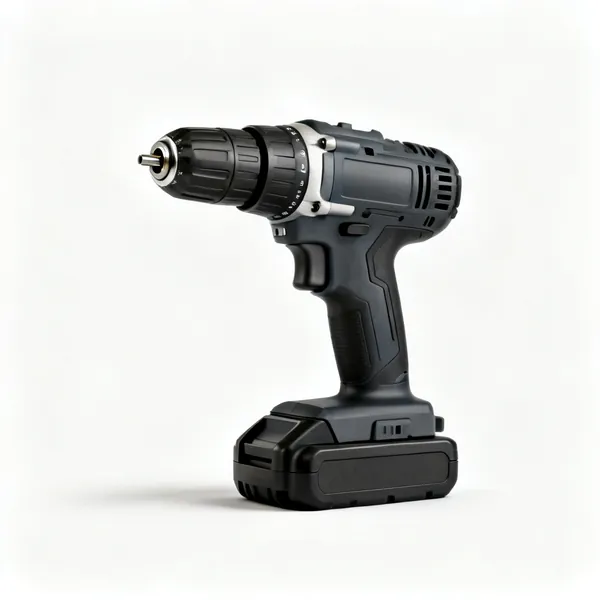
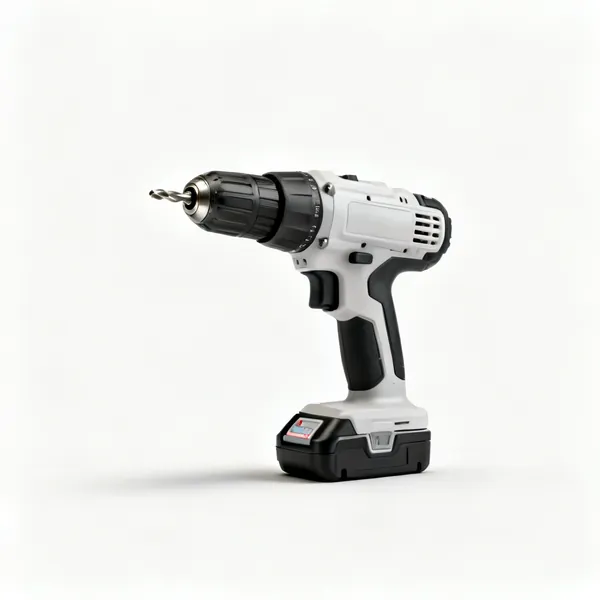
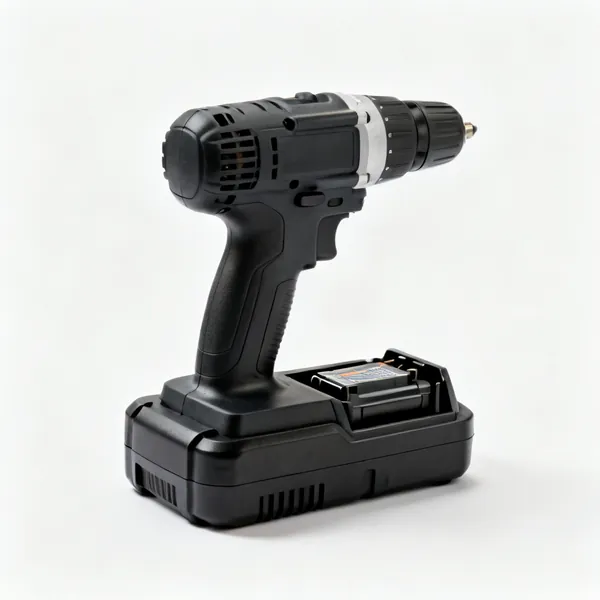
  • A cordless combi drill with a keyless chuck, a torque collar and a batteryEssential

    Combi drill

    Drills, drives and hammers into masonry with a clutch that stops driving at a set torque. The one tool to own if you only own one, and it does all three jobs adequately.

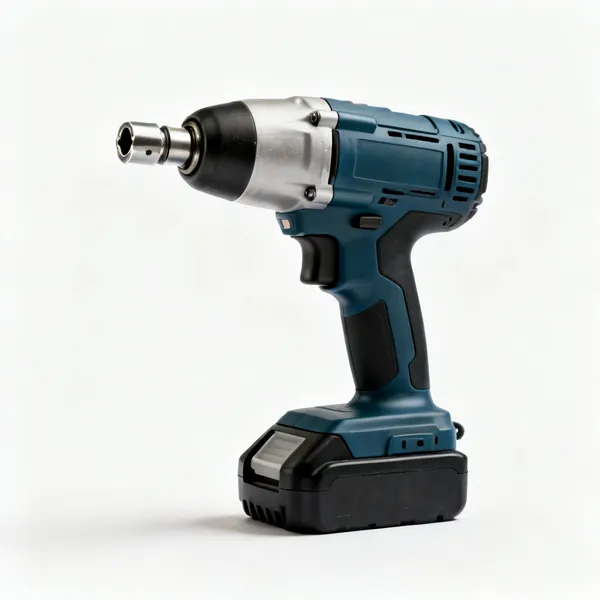
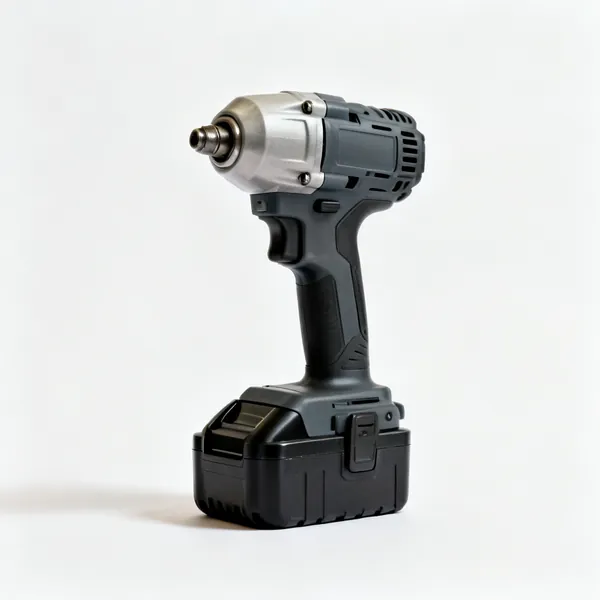
  • A cordless impact driver with a hex quick change chuck and a batteryEssential

    Impact driver

    Delivers rotational hammer blows, so a long screw goes in without the tool twisting your wrist. Far better than a drill at driving and it cannot hold a drill bit chuck.

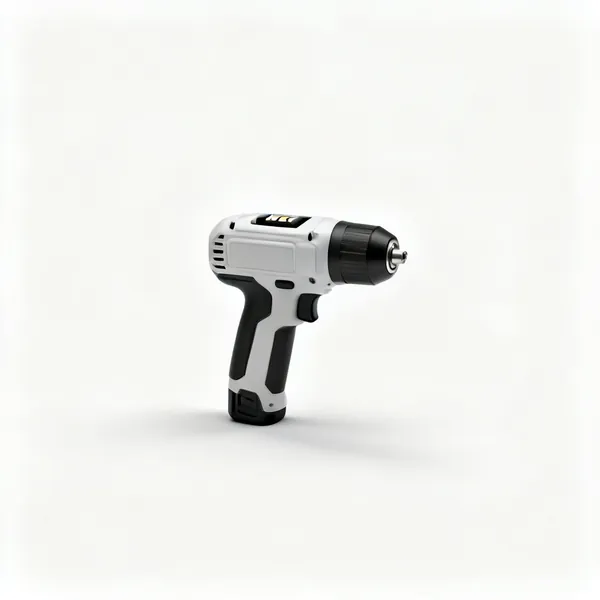
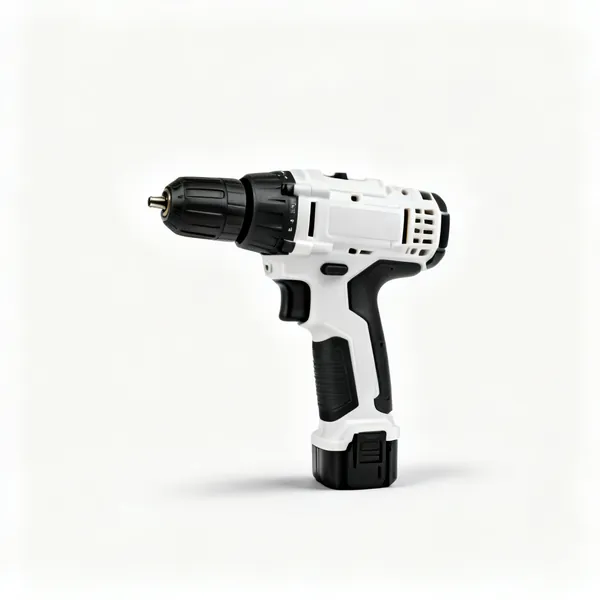
  • A compact cordless drill driver with a keyless chuck and a small battery

    Drill driver

    A combi drill without the hammer action, so lighter and shorter. Better in a cabinet or a loft where the extra 40mm of a combi drill will not fit.

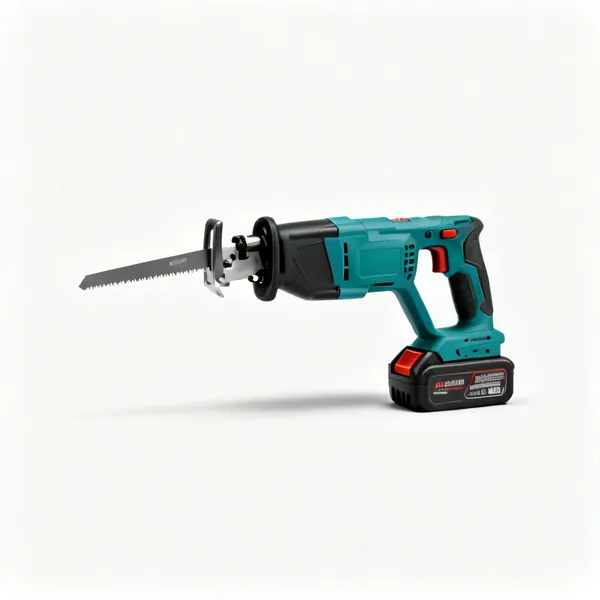
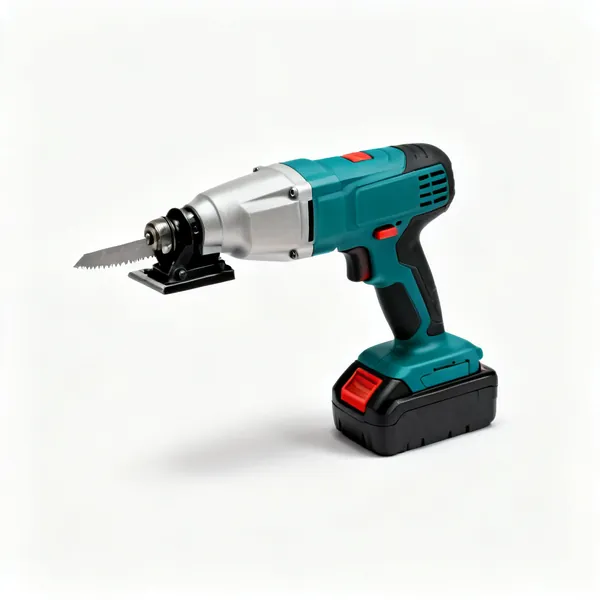
  • A cordless reciprocating saw with a blade fitted, a shoe and a batteryEssential

    Reciprocating saw

    Cuts anything roughly and fast: timber with nails in it, pipe, plasterboard, roots. The demolition saw, and it makes no attempt at a clean edge.

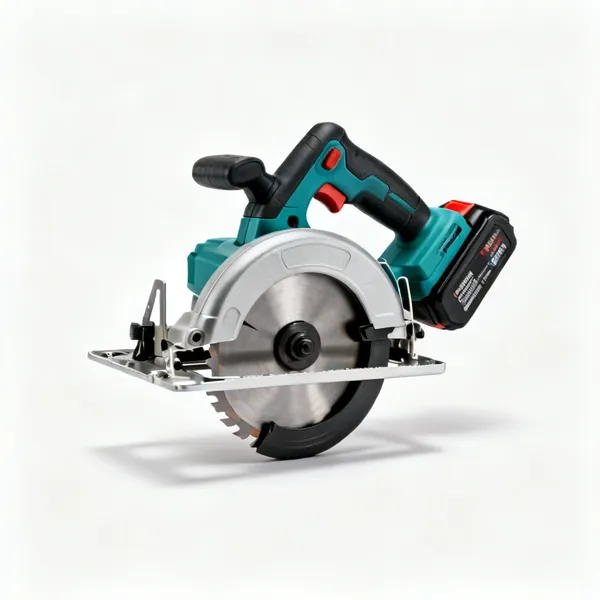
  • A cordless circular saw with a blade guard, a base plate and a battery

    Circular saw

    Straight cuts in sheet material and timber, guided along a batten or a track. A cordless one on a big pack manages a day of framing cuts.

  • A cordless oscillating multi tool with a cutting blade fitted and a battery

    Oscillating multi tool

    Cuts flush against a surface and plunges into a fitted panel, which nothing else does. Slow at any long cut, and the only tool for a few specific jobs.

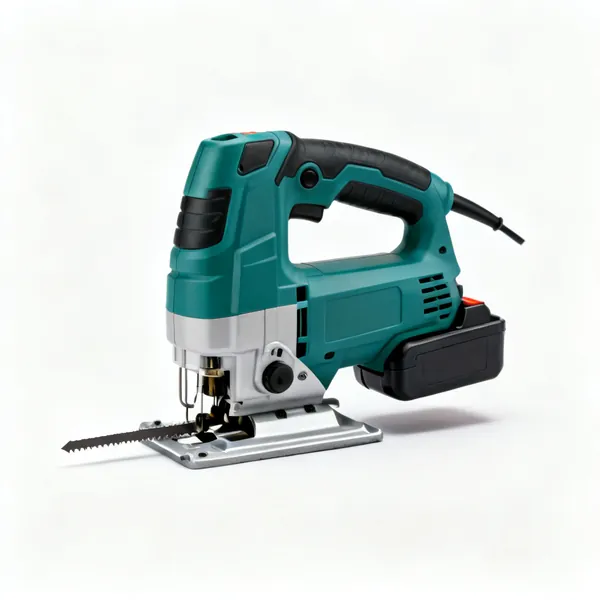
  • A cordless jigsaw with a blade fitted, a base plate and a battery

    Jigsaw

    Curves and cut outs in timber and sheet. Blade choice does most of the work here, and a coarse blade in thin ply will tear the face off it.

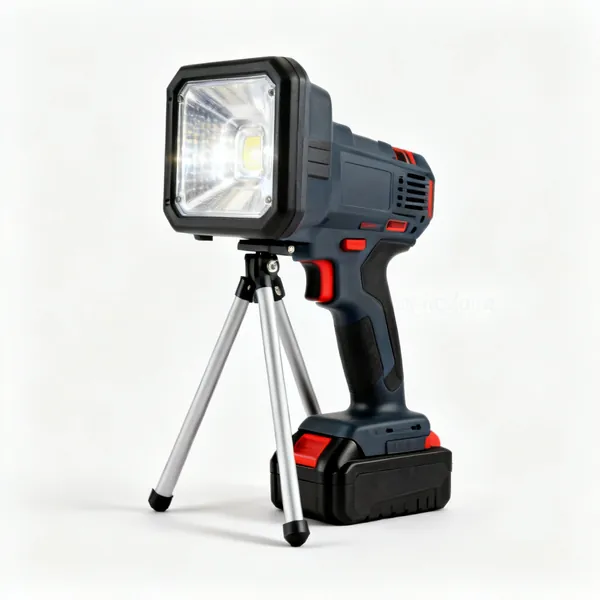
  • A cordless LED work light with a folding stand and a batteryEssential

    Work light

    Runs on the batteries you already own, which is what makes it worth having over a mains lamp. The cheapest tool on the platform and often the most used.

Worth adding to a platform 8

Cheap once you own the batteries, and each one replaces a job that was awkward.

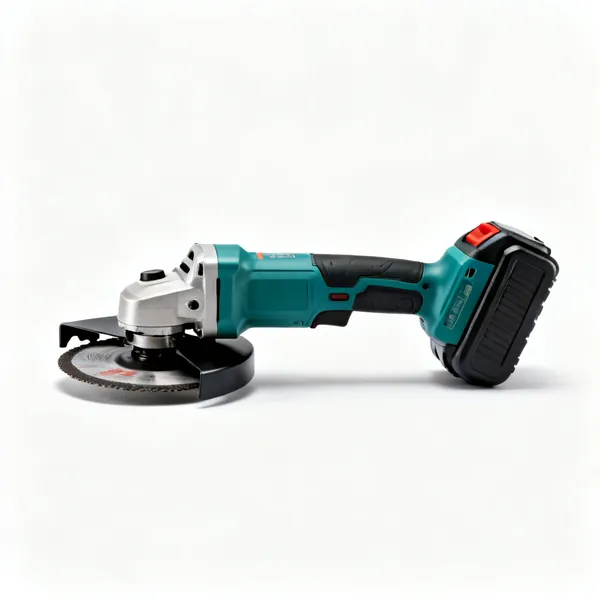
  • Angle grinder: A guard and a large battery

    Angle grinder

    Cuts and grinds steel, stone and tile. It draws hard, so this is where a large pack and a brushless motor genuinely change what the tool can finish.

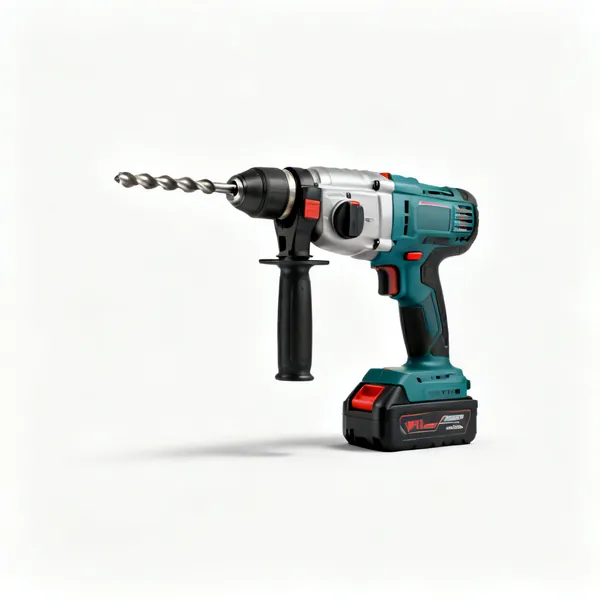
  • SDS hammer drill: A cordless SDS rotary hammer drill with a drill bit and a battery

    SDS hammer drill

    A proper hammer mechanism for concrete, where a combi drill's percussion gives up. Also chisels, which is what makes it the tool for lifting tile.

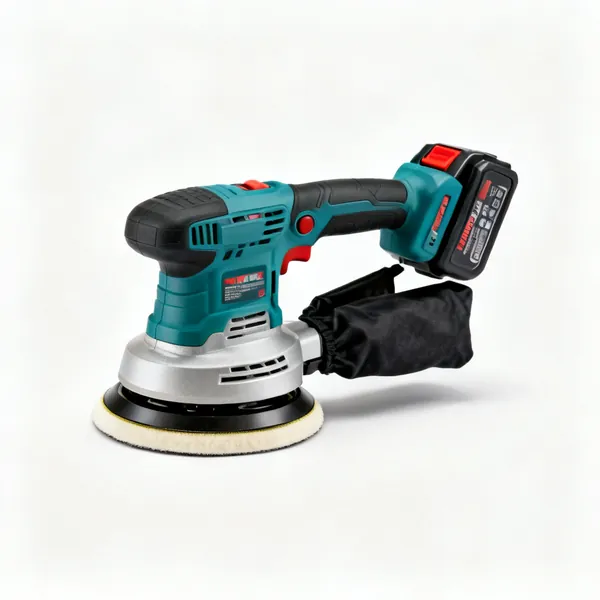
  • A cordless random orbit sander with a round pad, a dust bag and a battery

    Random orbit sander

    Sanding is where a cable is most in the way, which makes cordless worth it despite the runtime. Connect the dust bag or a vacuum, since fine dust is the real issue.

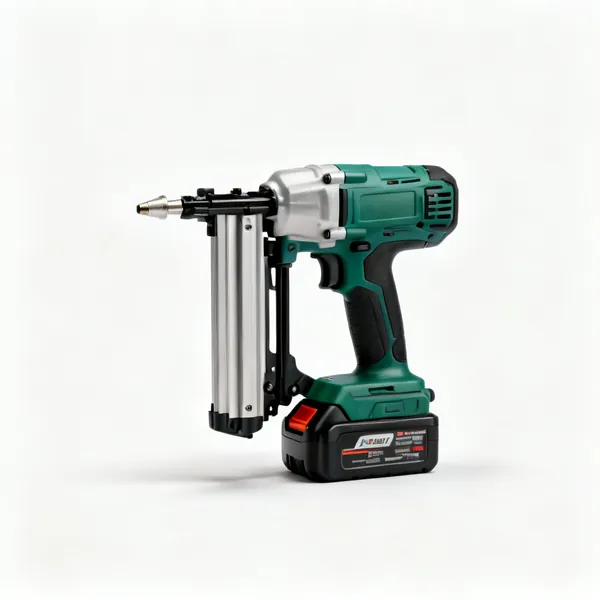
  • A cordless finish nail gun with a magazine, a nose and a battery

    Nail gun

    Drives and sets a nail in one action with no compressor and no hose. That is the whole appeal: a first fix or second fix nailer that goes up a ladder.

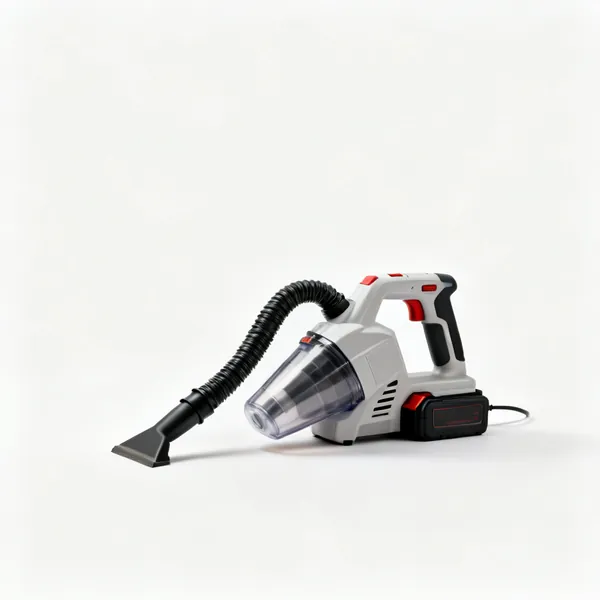
  • Cordless vacuum: A small cordless workshop vacuum with a hose and a battery

    Cordless vacuum

    Small capacity, and it connects to a sander or a saw for extraction where no mains socket exists. Also the tool that clears a work area before you leave it.

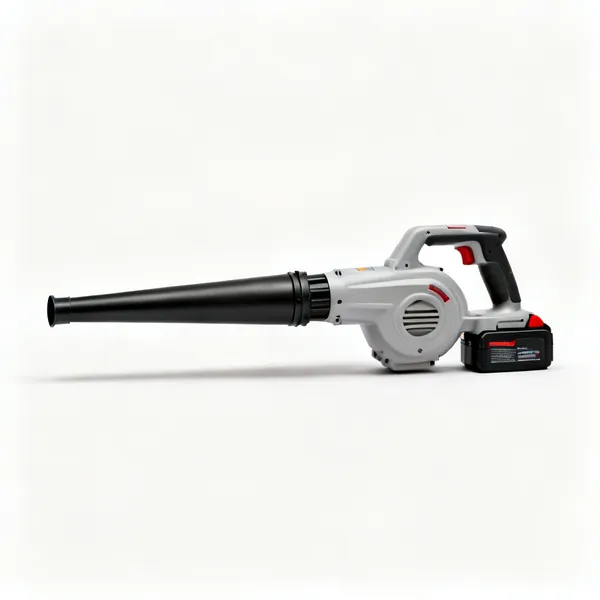
  • A cordless handheld blower with a nozzle and a battery

    Blower

    Clears sawdust, swarf and leaves. Frivolous until you have to clear a whole floor of dust before laying anything on it.

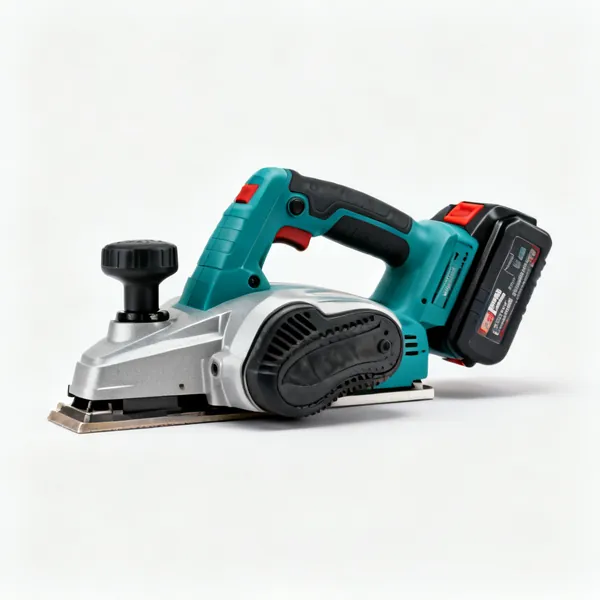
  • A cordless electric planer with a front handle, a shoe and a battery

    Planer

    Takes a shaving off a door edge that is binding, in place, on the hinges. That specific job is why anyone owns a cordless planer.

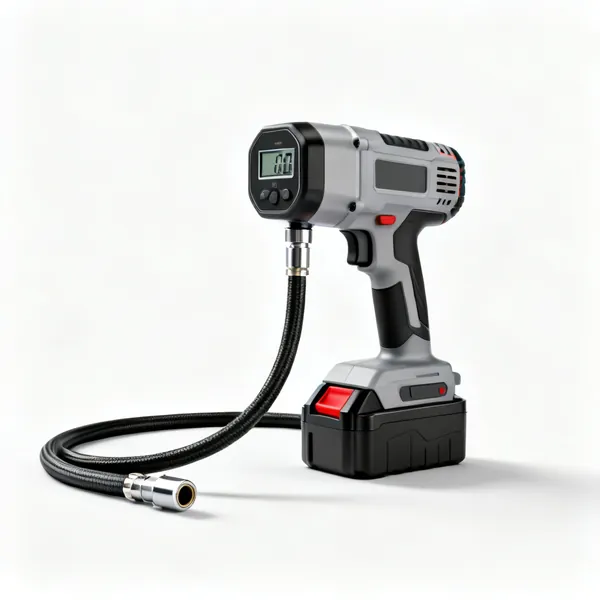
  • A cordless tyre inflator with a digital display, a hose and a battery

    Inflator

    Sets a tyre pressure by number and stops there, off a battery you already have. Useful out of all proportion to what it costs alongside a kit.

Batteries and charging 8

The part that actually decides the experience, and the part that wears out.

  • Compact battery: A compact cordless tool battery pack with a slim body and contacts on topEssential

    Compact battery

    Around 2.0Ah, light and short so a drill still balances and fits in a cabinet. Two of these are more useful than one big pack for most work.

  • High capacity battery: A large high capacity cordless tool battery pack with a tall body

    High capacity battery

    Around 5.0Ah, for saws and grinders that draw hard and empty a small pack in minutes. Heavy on a drill, and the right thing on a circular saw.

  • A cordless tool battery charger with a battery seated in it and indicator lightsEssential

    Charger

    A fast charger refills a pack in the time a job takes, which is what makes two batteries enough. It will also wait for a hot pack to cool first.

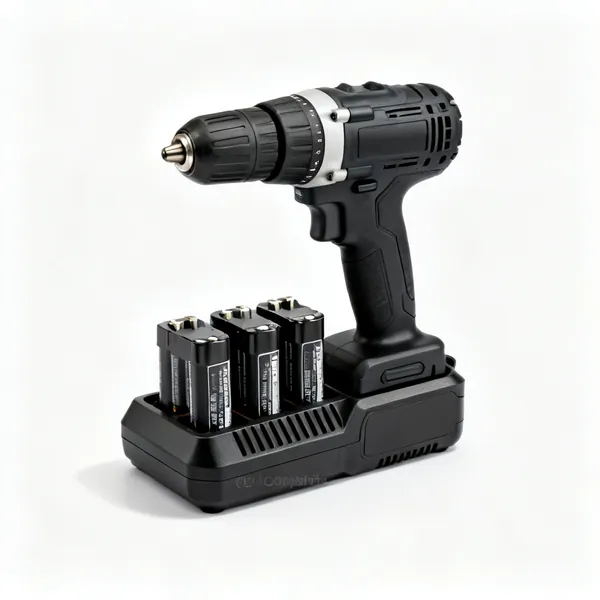
  • Multi bay charger: A four bay cordless tool battery charger with several batteries seated

    Multi bay charger

    Charges four packs in sequence overnight, so the van starts full. Sequential rather than simultaneous, which is fine when it charges while you sleep.

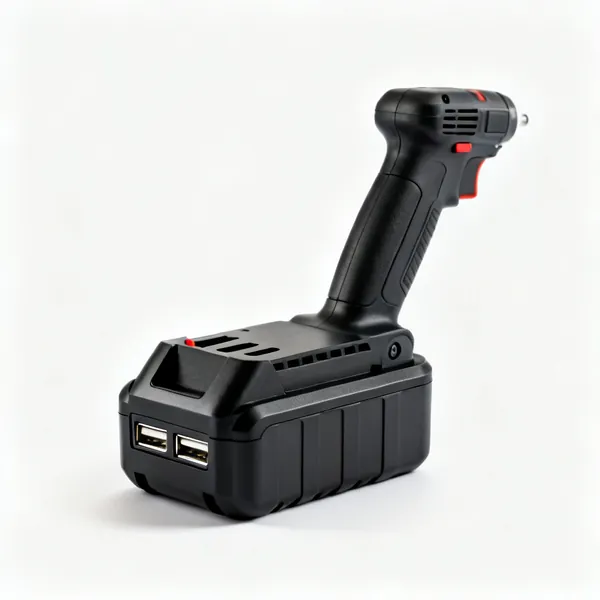
  • USB adaptor: A cordless tool battery USB charging adaptor with two USB ports

    USB adaptor

    Turns a tool battery into a power bank for a phone or a radio. On site that is genuinely the difference between a working phone and a dead one.

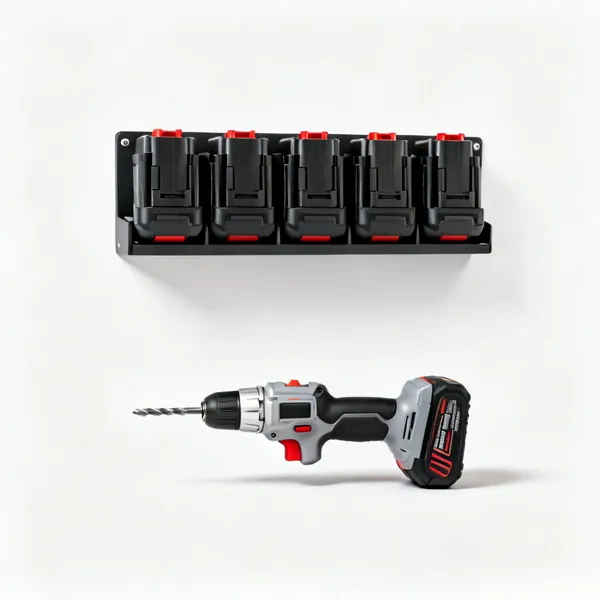
  • A wall mounted battery storage rack holding several cordless tool batteries

    Battery storage

    A rack that keeps packs off the floor, dry and together. Lithium packs also want to be stored cool and around half charged, which a shelf allows and a van does not.

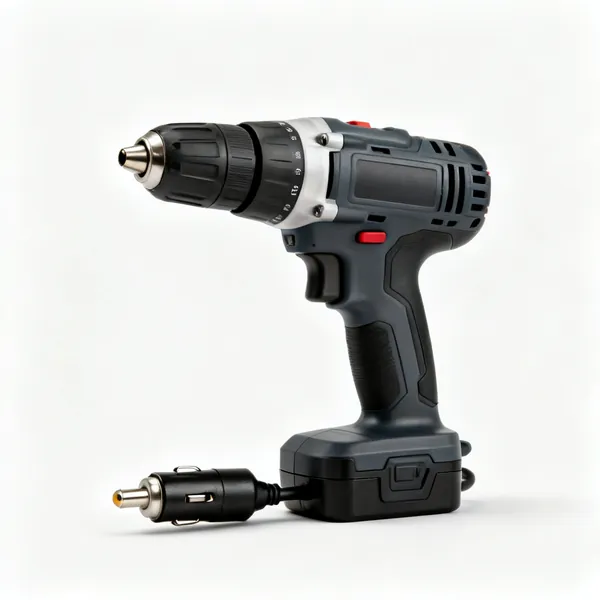
  • Vehicle charger: A 12 volt vehicle cordless tool battery charger with a cigarette lighter plug

    Vehicle charger

    Charges from 12V while driving between jobs, which is dead time anyway. Slower than a mains charger and it turns travel into charging.

  • Platform adaptor: A plastic cordless tool battery adaptor plate with two different mounting patterns

    Platform adaptor

    Fits one brand's pack to another's tool. It bypasses the temperature and protection signalling the pack relies on, which is why this is listed as a caution.

Carrying and using them 8

Cordless means the tools move, which makes storage and consumables part of the system.

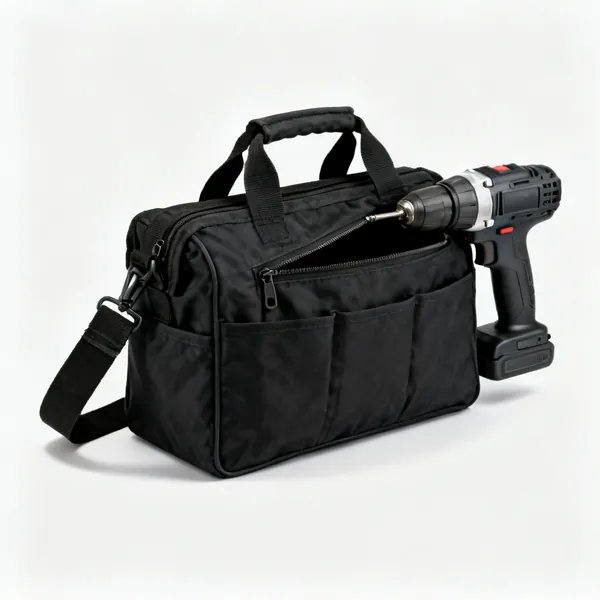
  • A black canvas power tool bag with a shoulder strap and open zipEssential

    Tool bag

    The bag a twin kit arrives in, which is usually the right size for a drill, a driver, two batteries and a charger. Soft, so it packs into a car.

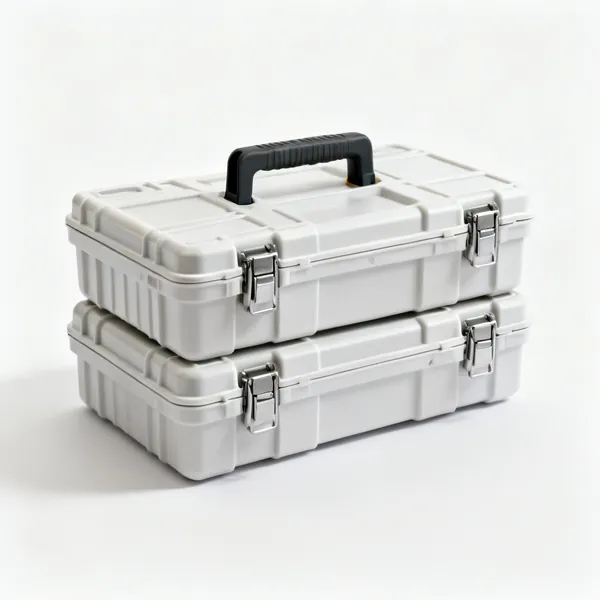
  • Stacking case: Two stacking plastic tool cases clipped together with latches

    Stacking case

    Cases that clip together and roll as one, which is what makes carrying six tools a single trip. Only worth it once everything is the same system.

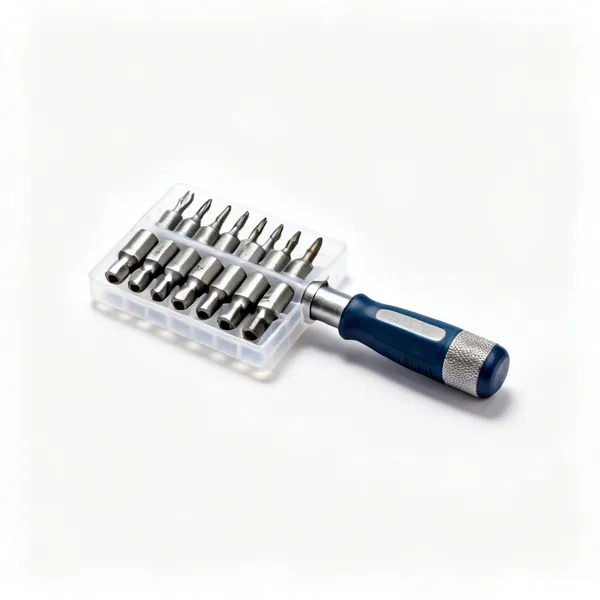
  • Driver bit set: A set of impact rated driver bits in a plastic holderEssential

    Driver bit set

    Impact rated bits, since a standard bit shatters under hammer action. The consumable that decides whether an impact driver is pleasant or infuriating.

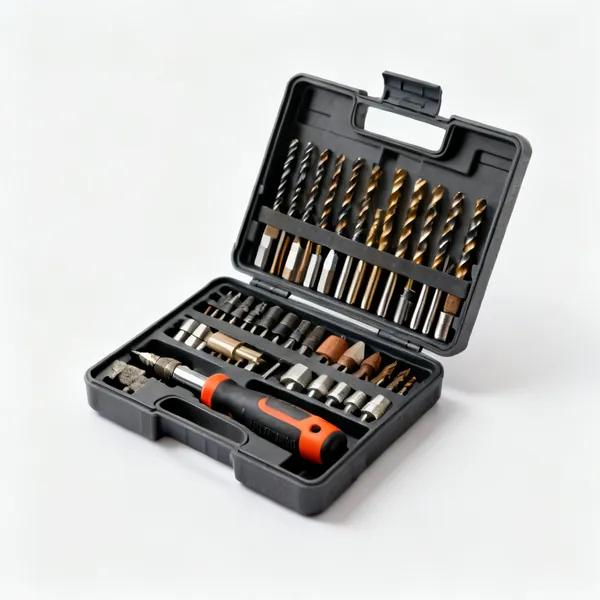
  • Drill bit set: An open case of assorted drill bits for wood metal and masonryEssential

    Drill bit set

    HSS for metal, brad point for wood and masonry bits for brick, in one case. Cheap sets blunt on the first hole, which reads as the drill being weak.

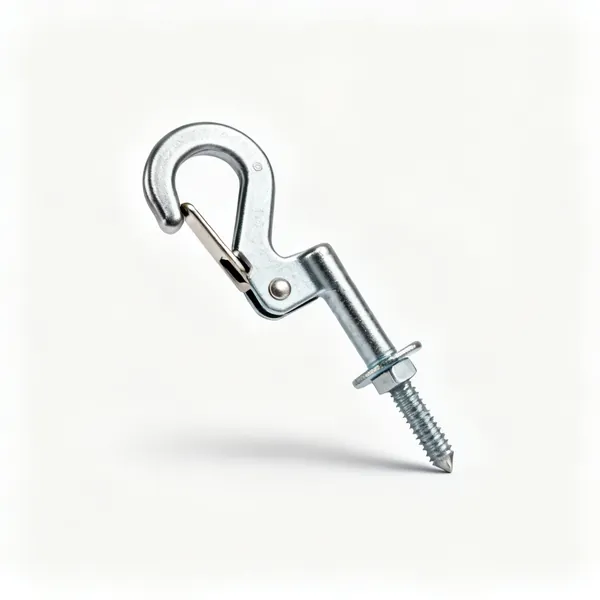
  • A metal power tool belt hook clip and its mounting screw

    Belt hook

    The small metal hook on a drill, so it hangs on a belt rather than being put down at the top of a ladder. Fitted on the correct side for your hand.

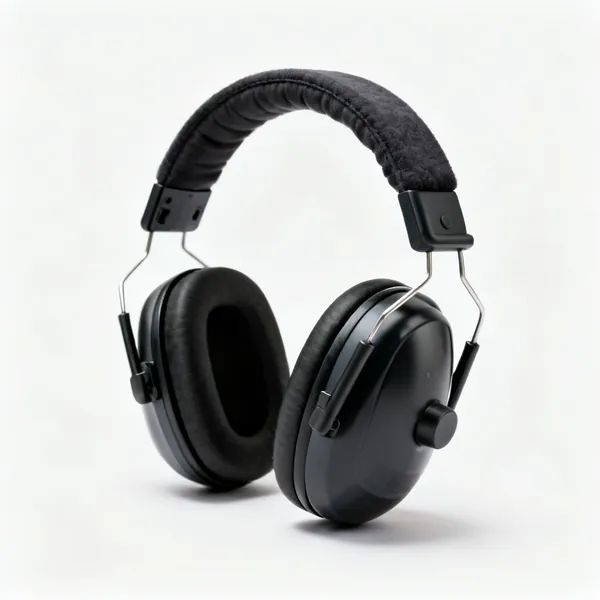
  • A pair of over ear protective ear defenders with a padded headbandEssential

    Ear defenders

    Cordless tools are as loud as corded ones. An impact driver in particular sits at a level that accumulates hearing damage over a working day.

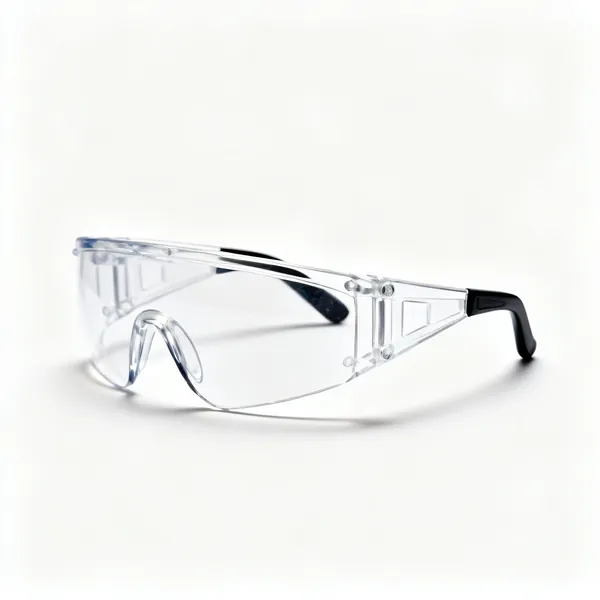
  • A pair of clear wraparound safety glasses with side coverageEssential

    Safety glasses

    Drilling overhead, cutting steel and grinding all put fragments in the air. Wraparound, since chips arrive from the side more often than the front.

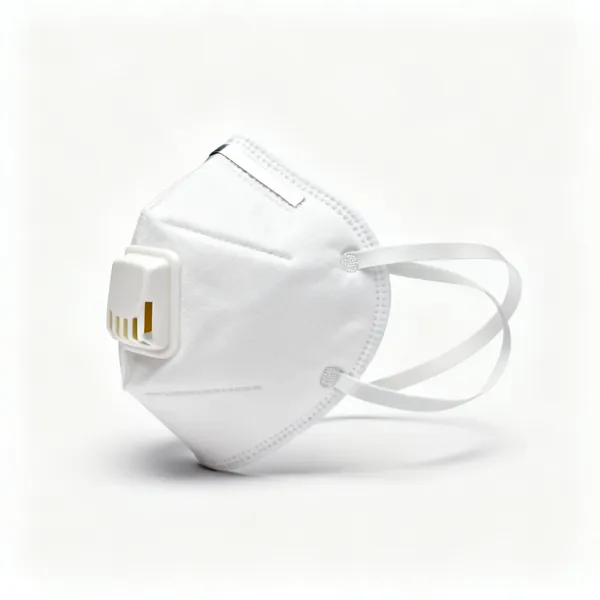
  • A white FFP3 respirator dust mask with two straps and a nose clip

    Dust mask

    For masonry drilling and cutting board, both of which release silica. FFP3 for those, and it has to fit closely to do anything at all.

Choosing cordless tools tools

The list above is what exists. This is how to decide which of it you actually need, what separates a tool worth keeping from one that ends up at the back of a drawer.

You are buying a battery, not a tool

Batteries are not interchangeable between brands. Buy a drill from one and a circular saw from another and you own two chargers, four batteries and a permanent annoyance. The tool is replaceable in five years; the platform decision follows you.

So choose on the range available rather than the item in front of you. A brand with fifty tools on one battery lets you add whatever the next job needs. A cheap kit on a battery nothing else uses is a dead end that looked like a bargain.

Batteries lock you in
One brand's pack fits only its own tools. The first purchase decides the next ten.
Judge the range
How many tools run on that battery. That is what you are actually buying.
Bare tools are cheap
Once you own batteries, adding a tool without one costs a fraction of a kit.
Check it is current
A discontinued platform means no replacement batteries in three years.

Volts and amp hours are different claims

Voltage is roughly how hard the tool can push: 12V for driving screws and light drilling, 18V for almost everything, higher for circular saws and grinders working continuously. Amp hours is how long it runs, which is capacity and nothing else.

A 5.0Ah pack on the same 18V tool does not make it more powerful in any useful sense; it makes it last two and a half times as long as a 2.0Ah, weigh more, and sustain high current better under a heavy cut. Marketing conflates the two constantly.

Volts is force
12V for screwdriving, 18V for general work, more for sustained heavy cutting.
Amp hours is runtime
A 5.0Ah lasts two and a half times a 2.0Ah on the same tool. Not more powerful.
Weight follows capacity
A big pack on a small drill makes it tiring overhead. Two small packs beat one large.
Ignore peak voltage
A pack sold as 20V max is the same 18V nominal as everyone else's.

Brushless, and what it actually gives you

A brushless motor has no carbon brushes rubbing, so less energy becomes heat and more becomes work. In practice it means noticeably longer runtime per charge, more power from the same battery, and no brushes to wear out.

It matters most on tools that work hard for long periods: saws, grinders, impact drivers. On an occasional use drill the difference is real and small, and a brushed drill at half the price is not a mistake.

Longer runtime
Less energy wasted as heat, so the same battery lasts appreciably longer.
Matters most under load
Saws and grinders benefit most. On an occasional drill the gain is modest.
Nothing to wear out
No brushes to replace, and the motor is sealed against dust.
Not a reason alone
A brushed tool from a good platform beats a brushless one on a dead battery range.

Making batteries last

Lithium packs degrade with heat and with sitting at full or empty charge. So the habits are: let a pack cool before charging it, do not leave it on the charger for weeks, and store anything unused at around half charge rather than full.

Cold matters too. Below freezing a pack delivers much less and charging a frozen pack damages it, which is why most chargers refuse until it warms. Bringing packs in from the van overnight is the whole fix.

Heat is the enemy
Let a hot pack cool before charging. Charging warm is what shortens its life.
Store at half charge
Full or empty for months both degrade it. Half is where it sits happiest.
Do not run flat repeatedly
The protection circuit cuts out to save the cells. Take that as the signal it is.
Warm before charging
A frozen pack should not be charged. Most chargers refuse, and not all do.

Where corded still wins

Anything that runs continuously for long periods and draws hard: a table saw, a big SDS breaker, a bench grinder, a dust extractor. Cordless versions exist and they exchange batteries as fast as you can charge them.

The other case is anything you use rarely. A corded tool sitting in a cupboard for two years works instantly. A cordless one sitting there for two years has a pack that has quietly lost much of its capacity.

Continuous heavy work
Table saws, breakers, extractors. Cordless eats batteries faster than a charger fills them.
Rarely used tools
A corded tool works after two years in a cupboard. A neglected battery does not.
Fixed workshop machines
Nothing about them needs to move, so nothing about them needs a battery.
Mains where mains exists
For a whole day in one spot, a cable is not the inconvenience it is made out to be.

Frequently asked questions

What cordless tools should I buy first?
A combi drill and an impact driver, ideally as a twin kit with two batteries and a charger. That pair covers drilling and driving, which is most jobs. Add a circular saw or reciprocating saw next, then a grinder or multi tool as work demands.
Is 18V better than 12V for cordless tools?
For general work, yes: 18V has the range of tools and enough power for drilling into masonry and cutting timber. A 12V platform is lighter, smaller and genuinely nicer for screwdriving, cabinet fitting and anything overhead or in a confined space.
What does amp hours mean on a battery?
Capacity, which is runtime. A 5.0Ah pack runs about two and a half times as long as a 2.0Ah on the same tool. It does not make the tool more powerful in any useful sense, and it does make it heavier, which matters when working above your head.
Are brushless cordless tools worth it?
On tools that work hard for long stretches, yes: saws, grinders and impact drivers gain noticeably more runtime and power from the same battery, with no brushes to wear out. On an occasional use drill the difference is real but small, and a brushed one is not a mistake.
Can I use one brand's batteries in another brand's tools?
No. Every manufacturer uses its own physical fitting and communication protocol. Third party adaptors exist and they bypass the pack's protection and temperature reporting, which is how packs get damaged and occasionally worse. Choosing one platform is the real decision.
How do I make cordless batteries last longer?
Keep them cool, let a hot pack cool before charging, and do not leave packs on the charger for weeks. Store anything unused at around half charge rather than full. Bring them indoors in winter, since charging a frozen pack damages the cells.
How many batteries do I need?
Two as a minimum, so one charges while one works. Two mid sized packs beat one large one, because they weigh less on the tool and you are never waiting. A third only pays for itself if you regularly run a saw or grinder for a whole day.
Should I buy a big cordless tool kit or individual tools?
A twin kit of drill and impact driver is good value because you need the batteries and charger anyway. Beyond that, large kits usually include tools you will never fit, and once you own batteries a bare tool costs a fraction of the kit price.