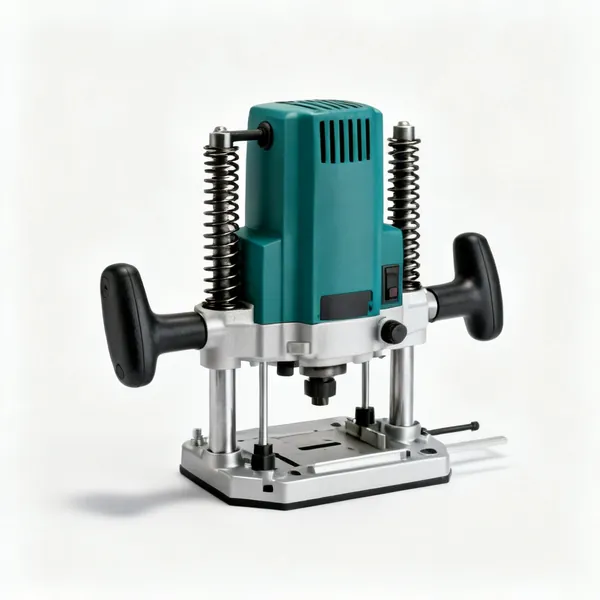
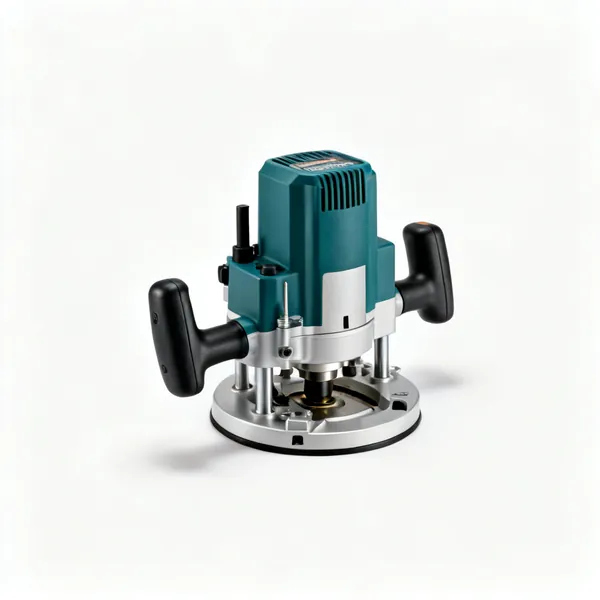
Choosing router work tools
The list above is what exists. This is how to decide which of it you actually need, what separates a tool worth keeping from one that ends up at the back of a drawer.
Feed direction, and why it matters more than anything
The cutter spins clockwise seen from above. Feed the router so the cutter's rotation pushes back against your movement and it stays pressed to the fence and cuts cleanly. Feed it the other way and the cutter climbs, grabs and drags the router along the work at speed.
In practice that means moving left to right along the near edge of a workpiece, and anticlockwise around the outside of a panel. Inside a cut out it reverses: clockwise. This is the single thing that separates clean router work from frightening router work.
- Against the rotation
- The cutter should resist your feed, not help it. That resistance is what holds the fence contact.
- Outside edges anticlockwise
- Around the outside of a panel. Inside a cut out, the opposite way.
- Climb cutting grabs
- Feed the wrong way and the cutter pulls the machine along the work faster than you can react.
- A deliberate exception
- A very light climb cut can reduce tear out on figured grain. Light, and only once you know why.
Depth of cut in passes
A router will take a deep cut in one pass, badly. It burns, it deflects, the cutter chatters and on a large profile it can stall or split the workpiece. Two or three shallower passes take about the same time overall and produce a completely different surface.
As a guide, no more than the cutter diameter in depth per pass on softwood and less on hardwood. A plunge router's turret stop exists precisely to make stepped passes repeatable, and it is the feature most often ignored.
- Shallow passes
- Roughly the cutter diameter per pass at most, and less in hardwood.
- Use the turret
- A stepped stop makes each pass repeatable, which is what it is for.
- Last pass light
- A final thin pass cleans up chatter from the ones before it.
- Burning is a symptom
- Too slow a feed, too deep a cut, or a dull cutter. Never a reason to push harder.
What the cutter shapes tell you
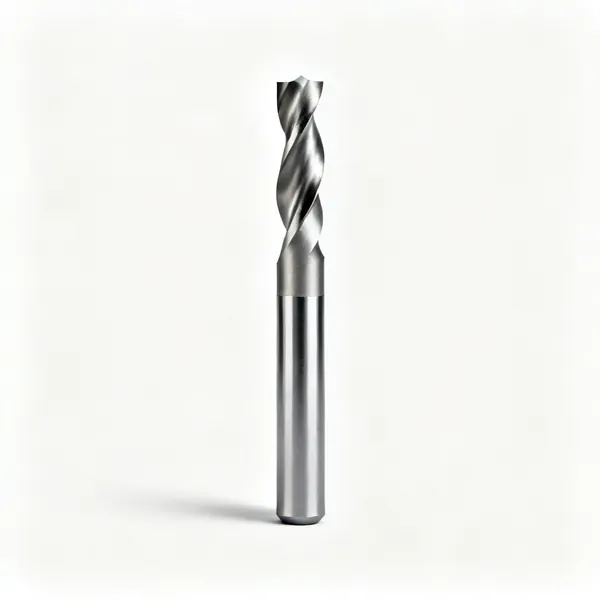
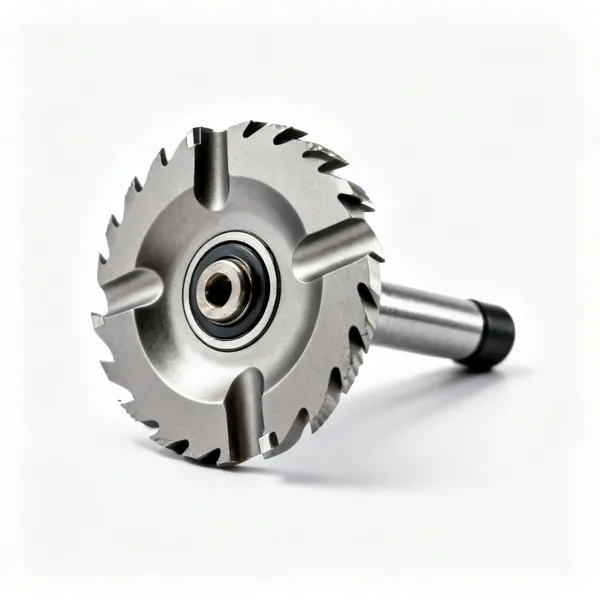
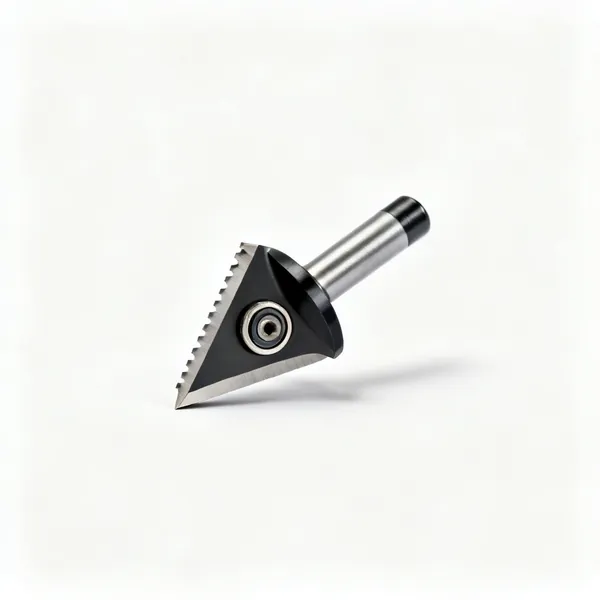
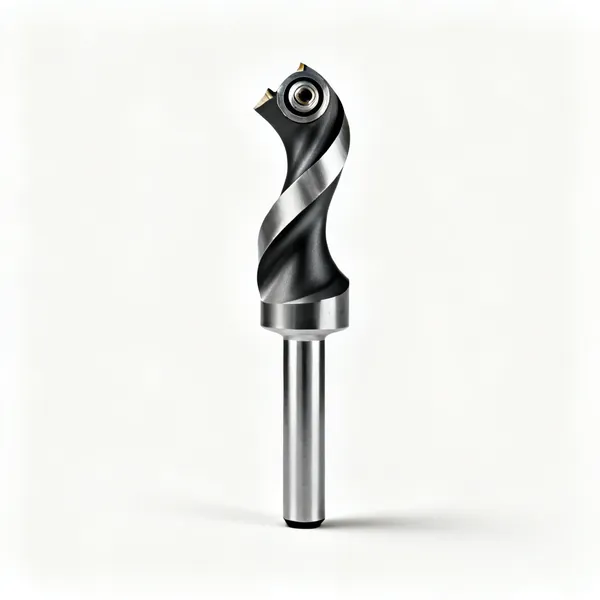
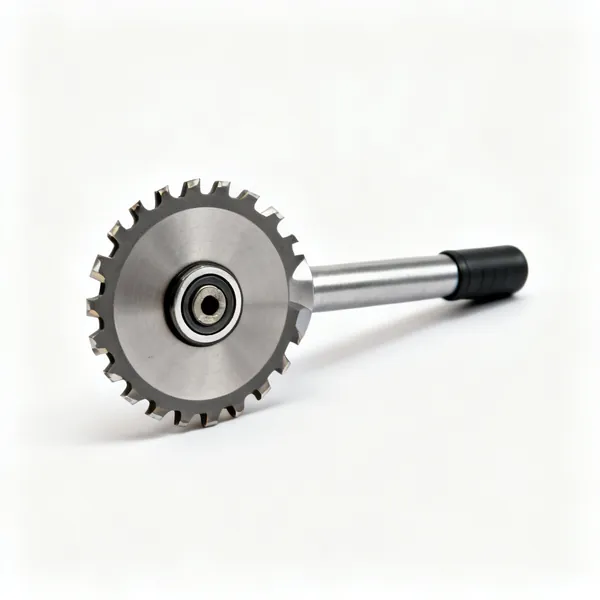
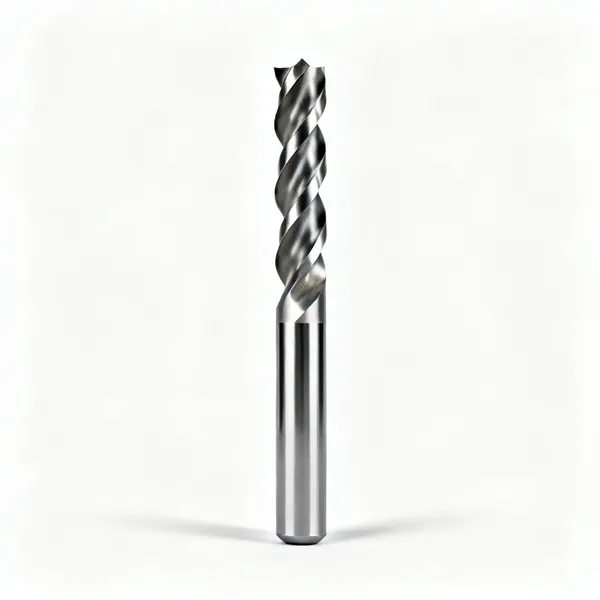
Straight cutters make grooves, rebates and mortises, and follow a fence or a template. Bearing guided cutters carry their own reference, so a profile follows the edge of the work with no fence at all. That bearing is why they are the easiest cutters to use well.
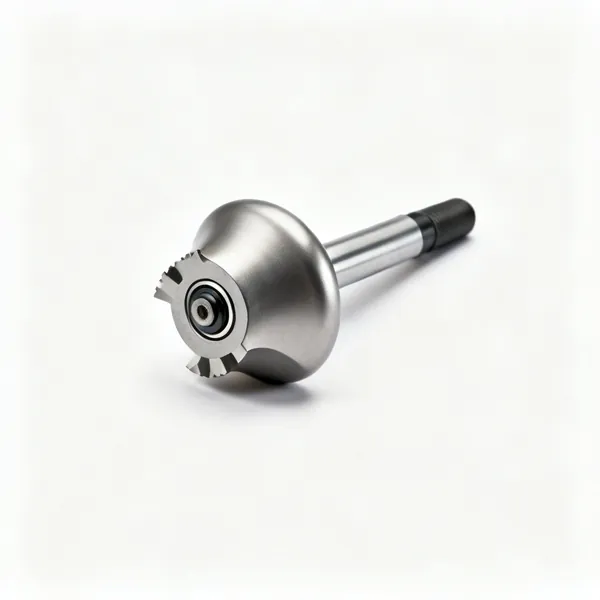
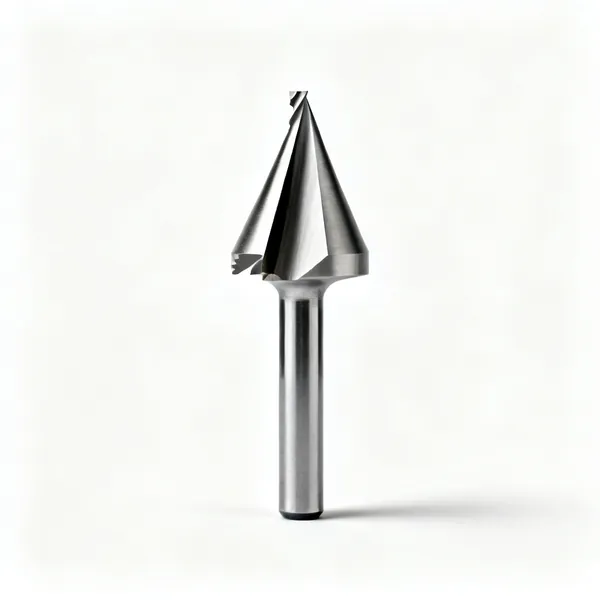
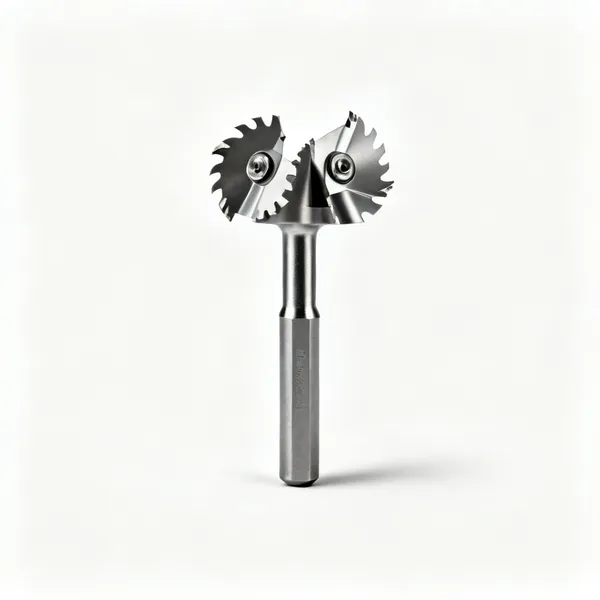
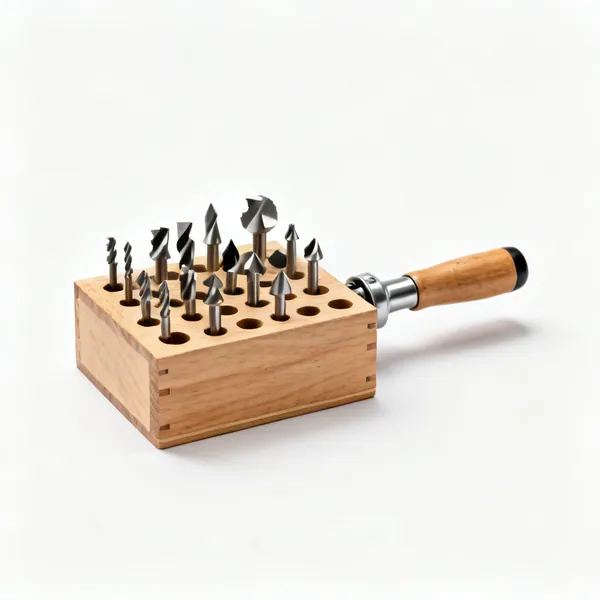
Profile cutters cut a shape rather than a slot: round overs, chamfers, coves and ogees. Jointing cutters cut two mating parts, so a rail and stile set only makes sense as a pair and has to run at a set height.
- Straight
- Grooves, rebates and mortises. Needs a fence, a bush or a template to follow.
- Bearing guided
- Carries its own reference, so it follows the edge. The most forgiving cutters to start with.
- Profile
- Round overs, chamfers, coves. Shapes an edge rather than removing a section.
- Shank size
- 12mm or half inch is stiffer and chatters less than 8mm or quarter inch. Use the larger where the router takes it.
Fences, bushes and templates
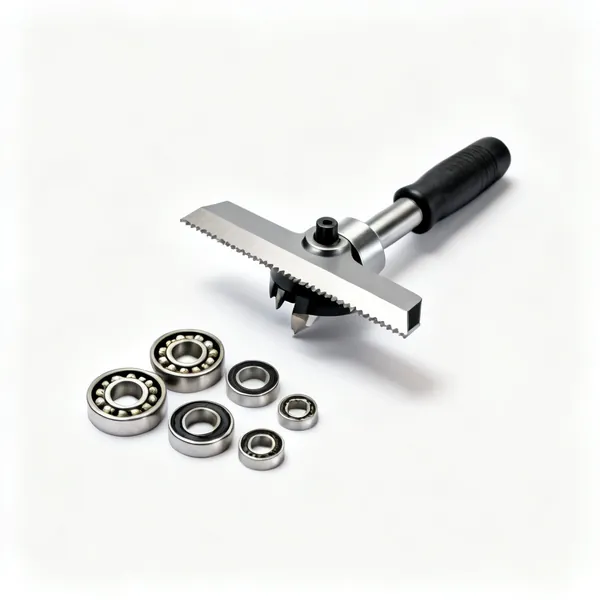
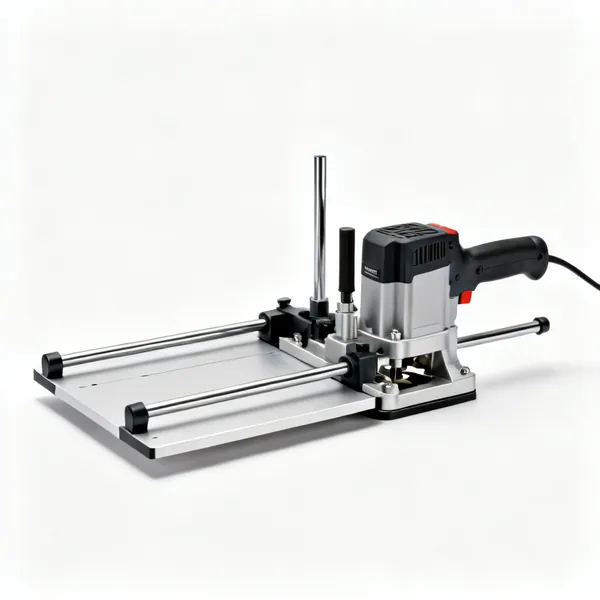
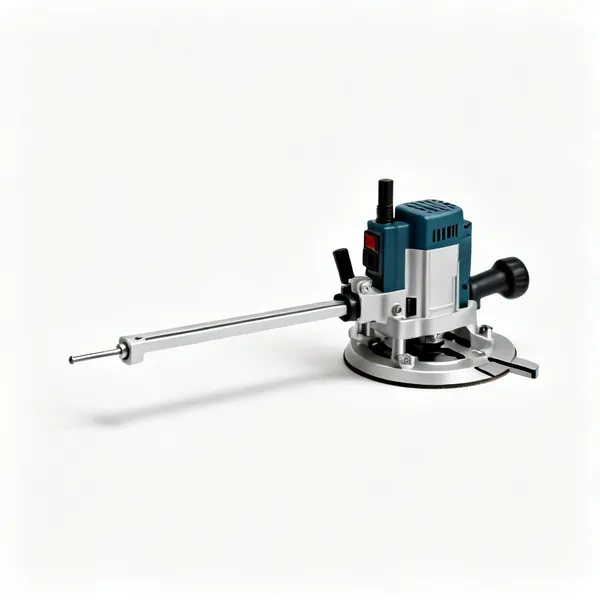
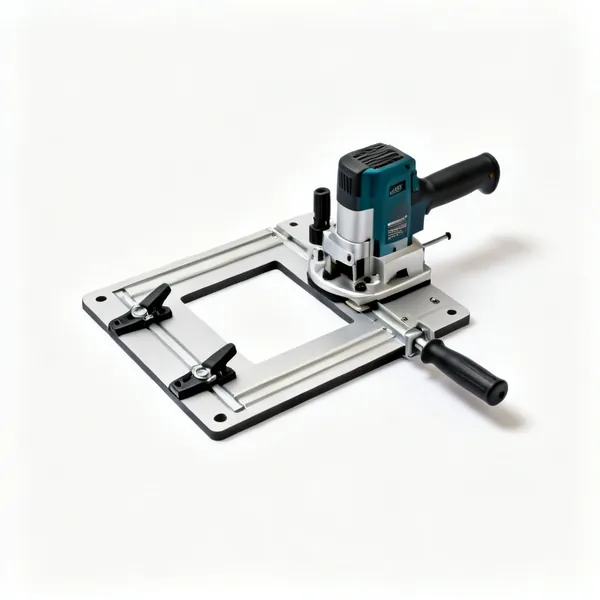
A side fence references off the workpiece edge, which is fine when that edge is straight. A guide bush references off a template, which lets a shape be repeated exactly however irregular it is. A bearing references off the work itself.
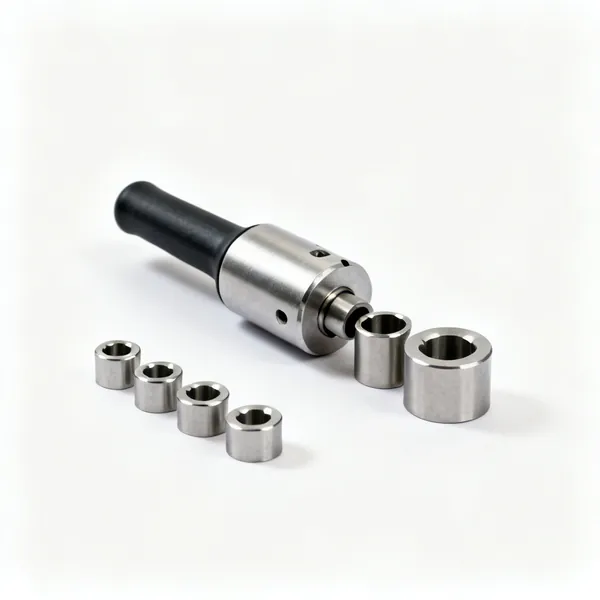
The guide bush has one trap: the cut sits offset from the template by half the difference between the bush and the cutter. Every template has to be made that much larger or smaller, and forgetting it is the classic first template mistake.
- Side fence
- Parallel to a straight edge. Simple, and only as straight as the edge it follows.
- Guide bush
- Follows a template. Allow for the offset between bush and cutter or the shape comes out wrong.
- Bearing
- Follows the work directly, no setup. Limited to the profiles that come with one.
- Straight edge clamp
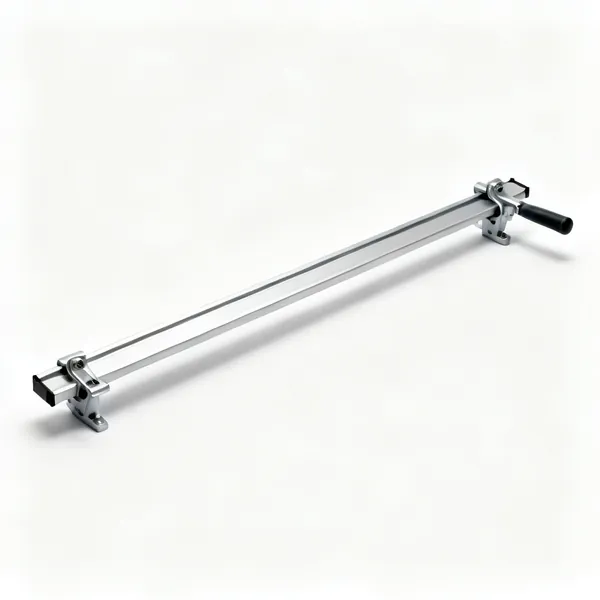
- A clamped batten is a fence for any cut a side fence cannot reach.
Dust, noise and the things people skip
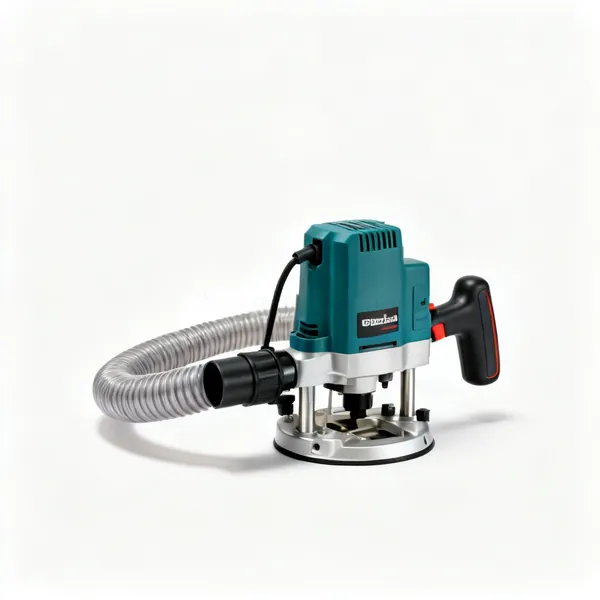
A router produces more fine dust per minute than almost any other workshop tool, and MDF dust in particular is the reason routing without extraction is a bad habit rather than a shortcut. Most routers have a port; connecting it also lets you see the line.
The noise is genuinely damaging at close range: a router under load sits well above the level where hearing loss accumulates. Ear defenders and eye protection are not optional here, because a cutter fragment leaves at 20,000rpm.
- Extraction, always
- Fine dust in volume, and MDF dust is worse. It also clears the line so you can see it.
- Ear defenders
- A router under load is above the level that accumulates damage. Every time, not just long jobs.
- Eye protection
- Chips leave at cutter speed, and a fractured cutter leaves faster.
- Unplug to change cutters
- Both hands are on the collet with a spanner. Nothing else should be able to happen.
Frequently asked questions
- What is a router used for in woodworking?
- Cutting grooves, rebates and mortises, shaping edges with a profile, trimming laminate and veneer flush, and cutting repeated shapes from a template. It does all of it by spinning a cutter at high speed while something guides the machine along a line.
- Which way should you feed a router?
- So the cutter's rotation pushes back against your movement, which keeps the machine pressed to its fence. In practice that is left to right along the near edge, anticlockwise around the outside of a panel, and clockwise inside a cut out. The wrong way makes the cutter grab.
- How deep can a router cut in one pass?
- Less than you think. Roughly the cutter diameter in depth per pass in softwood and less in hardwood. A deep single pass burns, chatters and can split the work. Two or three shallow passes take about the same total time and leave a far better surface.
- What is the difference between a plunge and a fixed base router?
- A plunge base lets the spinning cutter be lowered into the middle of a workpiece, which is what mortises and stopped grooves need. A fixed base sets the depth before you start and is steadier for edge profiling. Combination kits give you one motor and both bases.
- What router bits do I actually need?
- A straight cutter, a flush trim bit with a bearing, a round over and a chamfer will cover most work. Those four handle grooves, template trimming and edge finishing. Buy the rest when a specific job calls for them rather than as a large set up front.
- What size router bit shank is better?
- The larger one your router accepts, usually 12mm or half an inch. A thicker shank deflects and chatters less, which shows directly in the finish, and it lets a bigger cutter run safely. Keep 8mm or quarter inch for small cutters and trim routers.
- Why is my router burning the wood?
- Almost always feeding too slowly, cutting too deep in one pass, or a dull cutter. Burn marks mean the cutter is rubbing rather than shearing. Move a little faster, take a shallower pass, and if it persists the cutter needs replacing rather than more pressure.
- Do I need a router table?
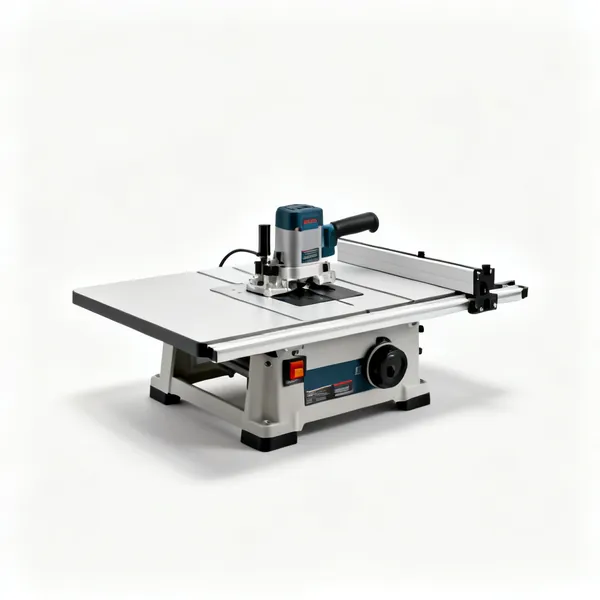
- For small workpieces and repeated profiles, it helps a great deal, since the machine is fixed and both hands guide the wood. For large panels and site work the handheld router is the only option. Many people end up with the same router used both ways.