Choosing multi tools tools
The list above is what exists. This is how to decide which of it you actually need, what separates a tool worth keeping from one that ends up at the back of a drawer.
Three different tools, one name
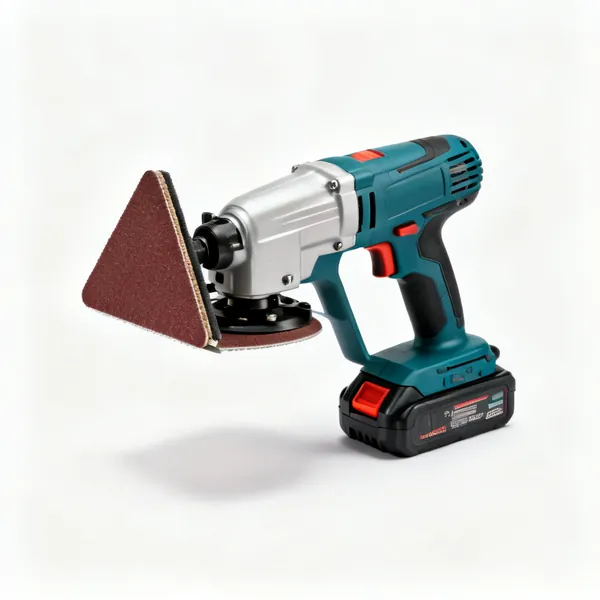
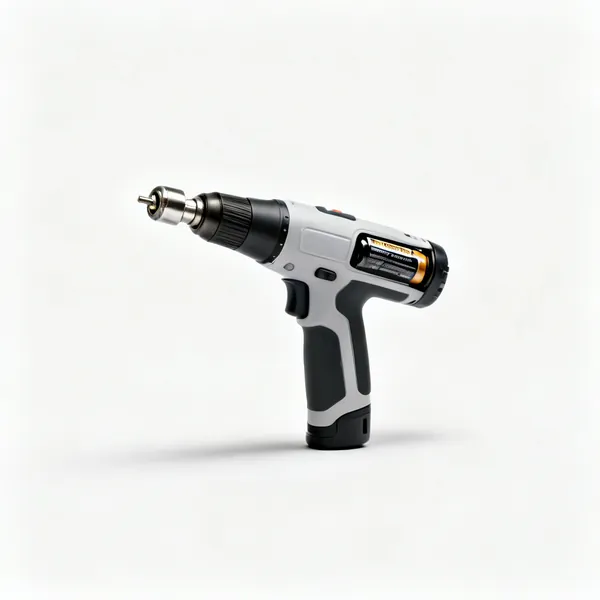
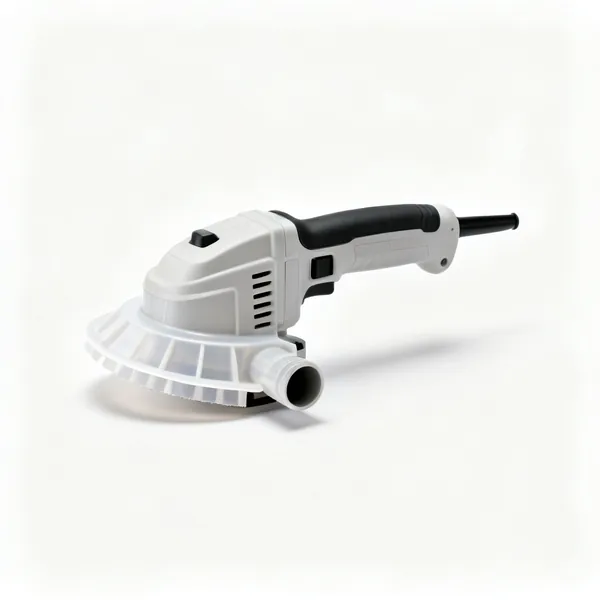
An oscillating multi tool swings a blade through about three degrees, thousands of times a minute. Because the blade barely moves it can be laid flat against a surface and cut flush, or plunged into the middle of a panel, which no rotating saw can do.
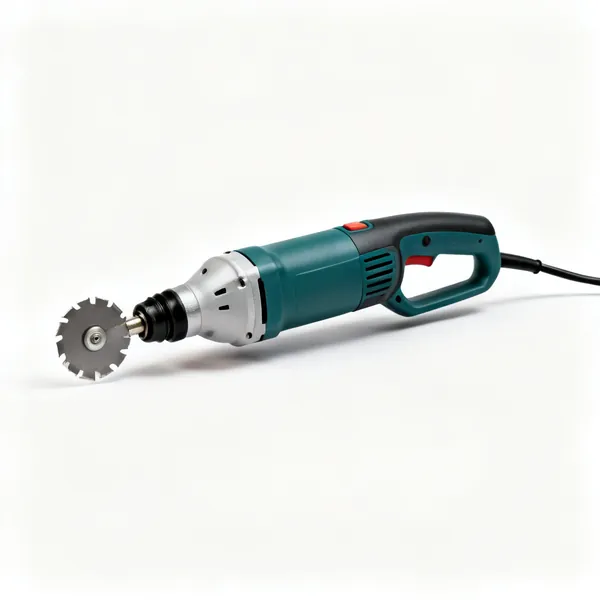
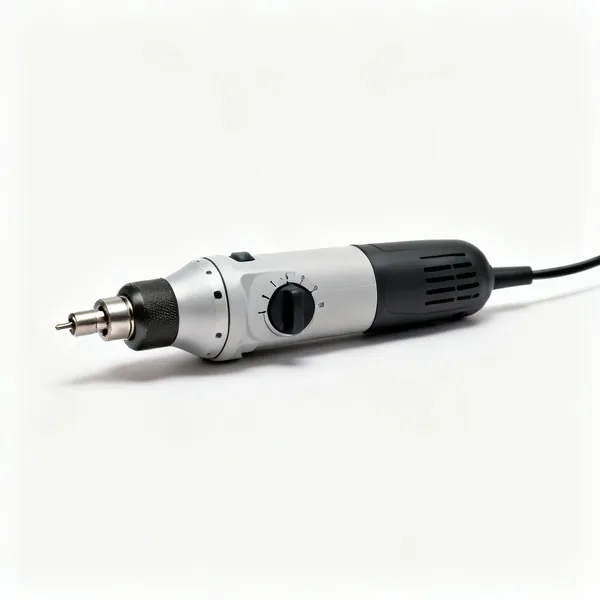
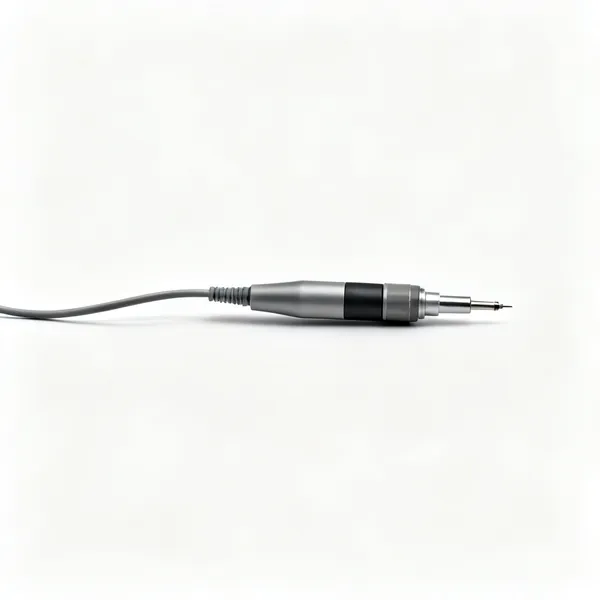
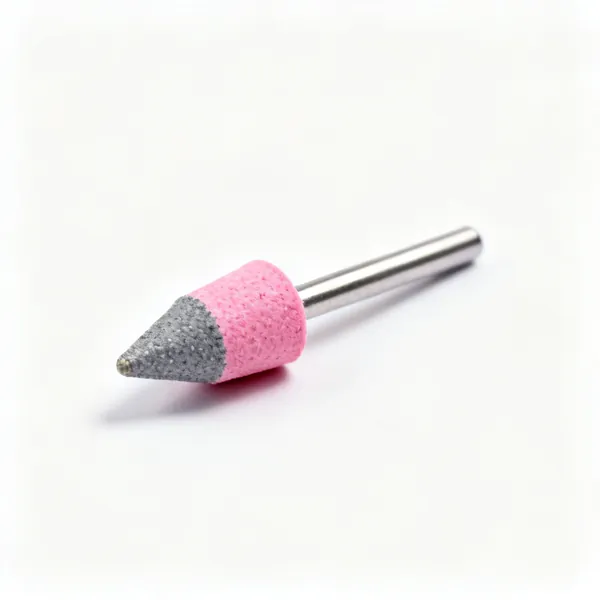
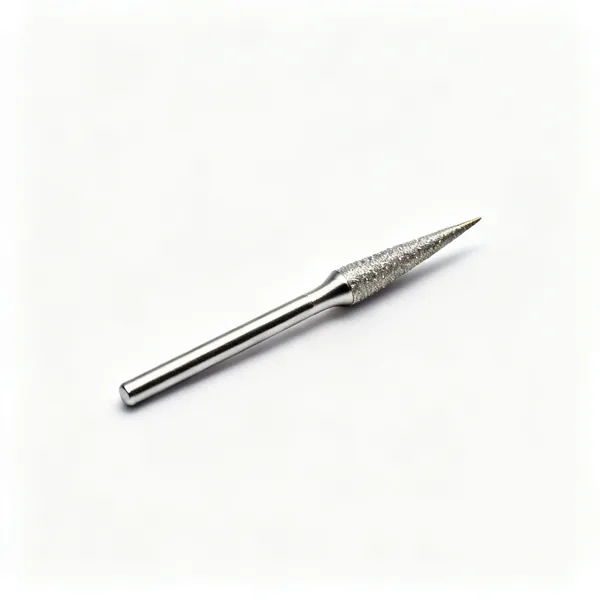
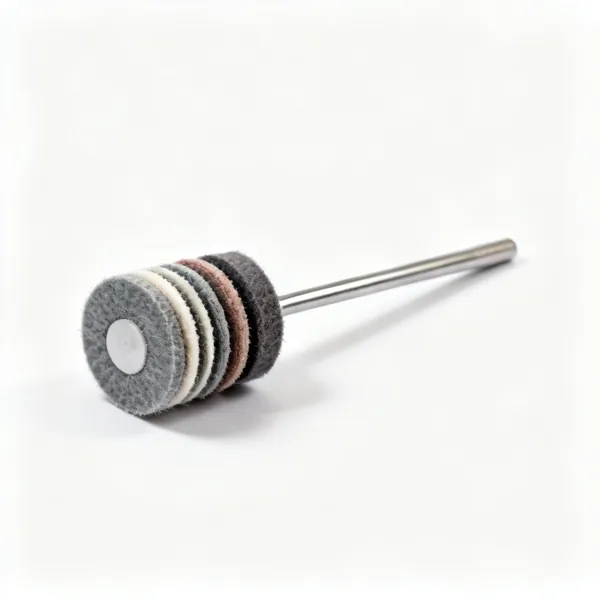
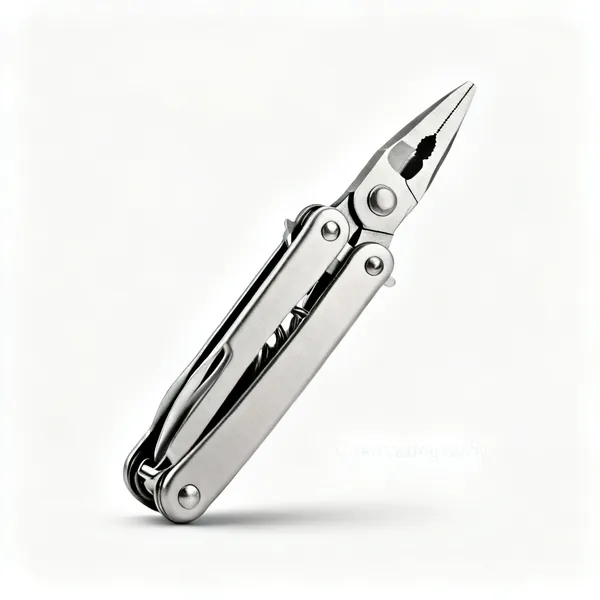
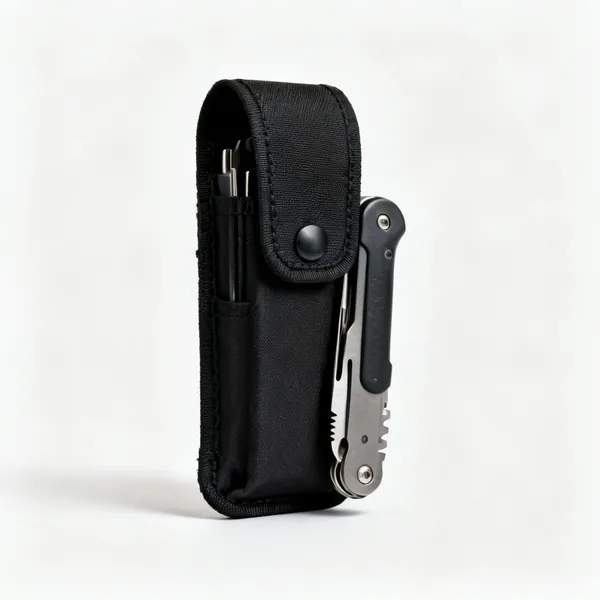
A rotary tool spins a small bit at up to 35,000rpm for grinding, sanding, engraving and cutting small material. A pocket multi tool is a folding plier with blades and drivers in the handles, and has nothing mechanically in common with either.
- Oscillating
- Flush cuts and plunge cuts in place. The one people mean by multi tool most of the time.
- Rotary
- High speed and small. Grinding, engraving, cutting tile and metal at a scale nothing else reaches.
- Pocket
- Pliers with folded tools in the handles. Carried rather than used at a bench.
- Not interchangeable
- They overlap in almost nothing, so the choice is which job you have rather than which is better.
What an oscillating tool is genuinely good at
Cutting something already fixed in place. Trimming a door frame at the floor to fit new flooring, cutting out a section of skirting, removing grout, plunging a hole into plasterboard for a socket, or cutting a nail flush that no other tool can reach.
What it is poor at is any long straight cut. It is slow, it wanders, and a circular saw or jigsaw will beat it every time. Buying one expecting a general saw is the usual disappointment.
- Flush and in place
- Its whole reason to exist. Nothing else cuts against a surface without marking it.
- Plunge from nothing
- Starts a cut in the middle of a panel with no drilled hole and no run in.
- Not for long cuts
- Slow and it wanders. A jigsaw does a metre of cut in the time this does 100mm.
- Let it work
- Light pressure and let the blade oscillate. Pushing hard stalls it and burns the blade.
The blade decides everything
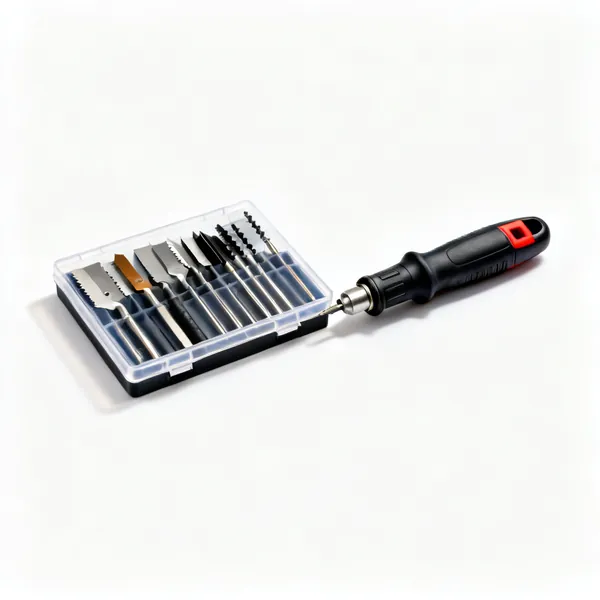
An oscillating tool is a motor and an arm. What it can cut is entirely the blade, and a bimetal blade that cuts nails costs several times a wood blade that does not. Using a wood blade on a hidden nail destroys it in one stroke.
The other thing to check is the fitting. Older tools use a bolted arbor specific to the brand, newer ones a universal quick change. A cheap blade set that does not fit your machine is the commonest wasted purchase here.
- Wood blade
- Fast in clean timber and finished the moment it meets a nail or a screw.
- Bimetal
- Cuts nails, screws and thin steel. Slower in wood, and what you want in old timber.
- Carbide and diamond
- Grout, tile, cement board and hardened material. They abrade rather than cut.
- Check the fitting
- Universal or a brand specific arbor. A blade that does not mount is the usual wasted purchase.
Rotary tools and speed
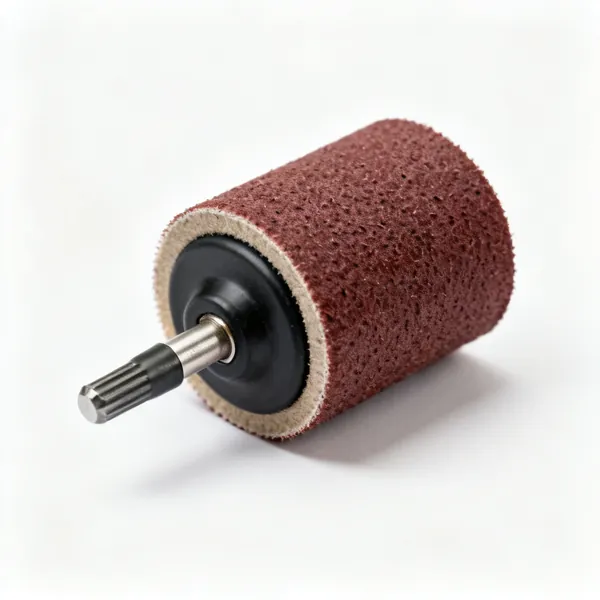
A rotary tool is fast and light rather than powerful. The speed does the work, so the technique is a light touch and letting the bit cut, not leaning on it. Pressing hard stalls the motor, burns the workpiece and snaps small bits.
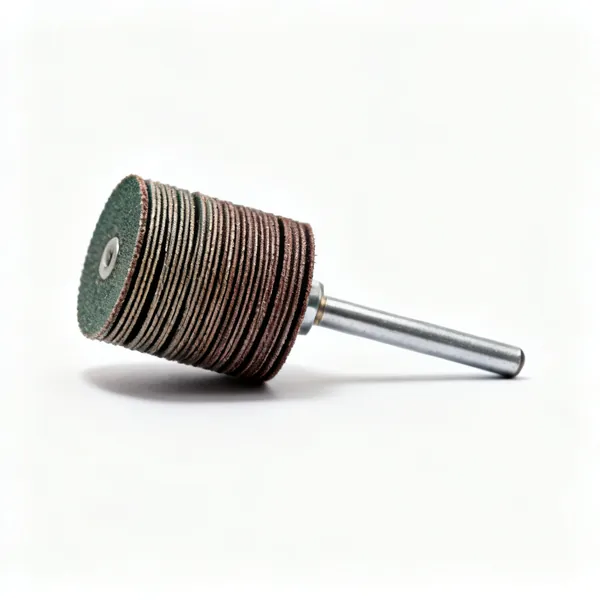
Speed also has to match the material and the bit. A large sanding drum at full speed throws itself apart, and a cutting disc at low speed rubs rather than cuts. Most jobs use less than half the dial.
- Light touch
- Let the speed cut. Pressure stalls the motor and snaps bits, which then leave at speed.
- Match speed to bit
- Large diameter accessories need low speed. A big drum at 35,000rpm comes apart.
- Flex shaft for control
- A cable drive lets you hold a pencil sized handpiece instead of the whole motor.
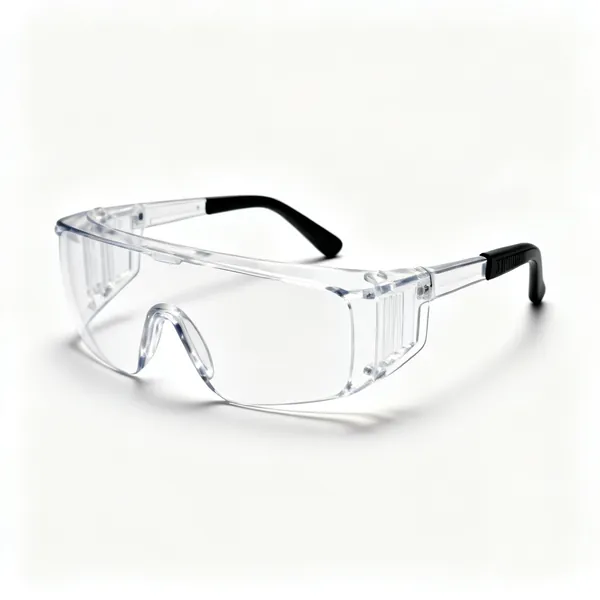
- Eye protection always
- Small bits break and cutting discs shatter. Both leave at the speed they were spinning.
Pocket multi tools, and what actually gets used
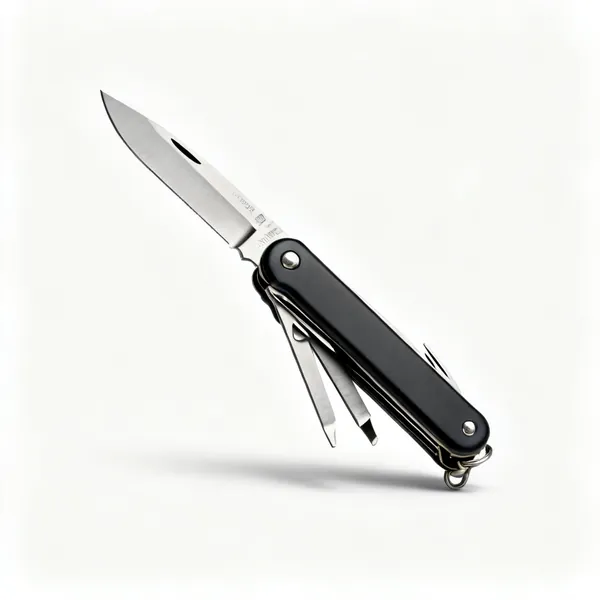
On a folding plier the parts that see real use are the pliers, one blade, a driver and the scissors. The saw, the file and the awl are used occasionally, and the corkscrew and the can opener almost never on a working tool.
So piece count is the wrong measure. A twelve function tool with good pliers and locking blades beats a twenty function tool where nothing locks and the pliers flex, and the second usually costs less for a reason.
- Pliers first
- It is the part you bought it for. If they flex or the jaws do not meet, nothing else matters.
- Locking blades
- An unlocked blade folding on your fingers under load is the injury these are known for.
- One handed opening
- Because the other hand is usually holding the thing you are working on.
- Ignore the piece count
- Twelve useful beats twenty where half are a bottle opener. Count what you would actually use.
Frequently asked questions
- What is a multi tool used for?
- It depends which of three tools you mean. An oscillating multi tool cuts flush against a surface and plunges into the middle of a panel, which nothing else does. A rotary tool grinds, engraves and cuts small material at high speed. A pocket multi tool is a folding plier you carry.
- What is an oscillating multi tool best at?
- Cutting something already fixed in place: trimming a door frame at floor level, cutting out skirting, removing grout, plunging a socket opening into plasterboard, or cutting a nail flush. It is poor at long straight cuts, where a jigsaw or circular saw is far faster.
- What is the difference between an oscillating and a rotary multi tool?
- An oscillating tool swings a blade about three degrees very fast, so it cuts flush and in place. A rotary tool spins a small bit up to 35,000rpm for grinding, engraving and small cuts. They overlap in almost nothing, so the choice is which job you have.
- Which multi tool blade do I need?
- A wood blade for clean timber, which is finished the moment it meets a nail. A bimetal blade for old timber, nails, screws and thin steel. Carbide or diamond for grout, tile and cement board. Also check the fitting, since a blade that will not mount is the usual wasted purchase.
- Can a multi tool cut through nails?
- A bimetal blade will, which is one of the things an oscillating tool is genuinely best at, since it can reach a nail flush to a surface. An ordinary wood blade will not: it strips its teeth on the first nail and is then useless in timber as well.
- Why does my rotary tool keep stalling?
- Almost always too much pressure. A rotary tool works by speed rather than force, so leaning on it stalls the motor, burns the work and snaps small bits. It can also be the wrong speed: a large accessory needs a low setting and a cutting disc needs a high one.
- Are multi tool attachment sets worth buying?
- Only if they fit. Older machines use a brand specific bolted arbor and newer ones a universal quick change, and a set that will not mount is the commonest wasted purchase here. Beyond that, a few good blades outlast a large set of thin ones several times over.
- How many functions should a pocket multi tool have?
- Fewer than the marketing suggests. The pliers, one blade, a driver and the scissors do almost all the work. A twelve function tool with solid pliers and locking blades beats a twenty function one where nothing locks, and it usually costs more for that reason.