Disclosure

Angle grinder tools

An angle grinder is the tool that causes the most serious workshop injuries, and the reasons are consistent: a disc rated below the machine's speed, a guard removed for access, and cutting freehand so the disc binds and the tool kicks back. All 37 items here are grouped by disc type and by the protection that this particular tool genuinely requires.

15 are marked essential, and the guard and the face shield are not negotiable on this one.

Part of the full power tools list, 66 tools in 11 groups.

Grinders 9

Sized by disc diameter. Small ones are more controllable and large ones reach further.

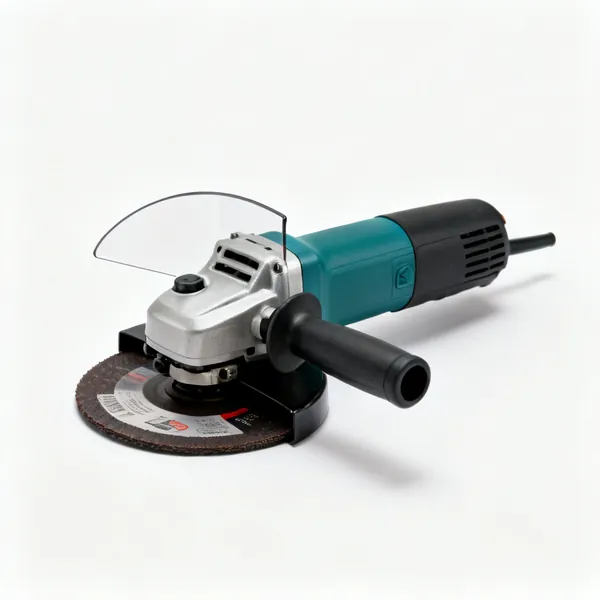
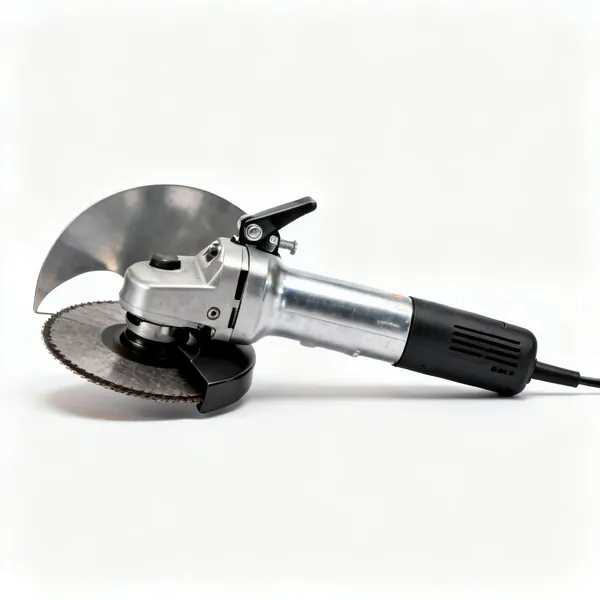
  • 115mm angle grinder: A guard and a side handleEssential

    115mm angle grinder

    The general purpose size: light enough to control one handed if you have to, and adequate for most cutting and grinding. The one to own first.

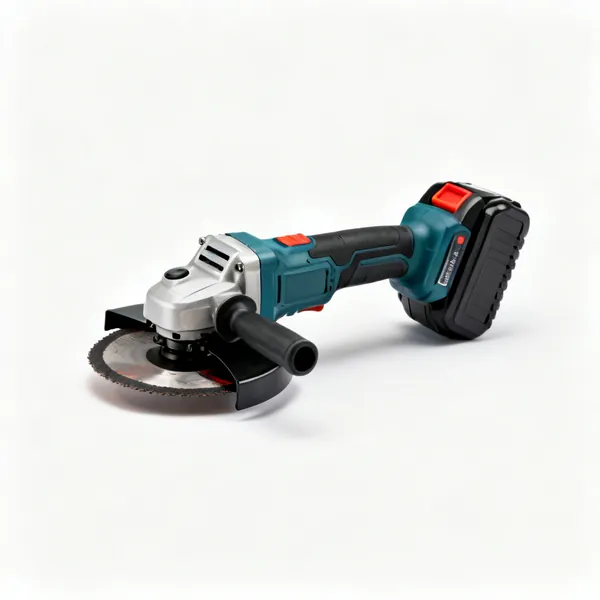
  • Cordless grinder: A guard and a large battery

    Cordless grinder

    Draws hard, so a large battery and a brushless motor genuinely change what it can finish. Worth having for site work and short cuts.

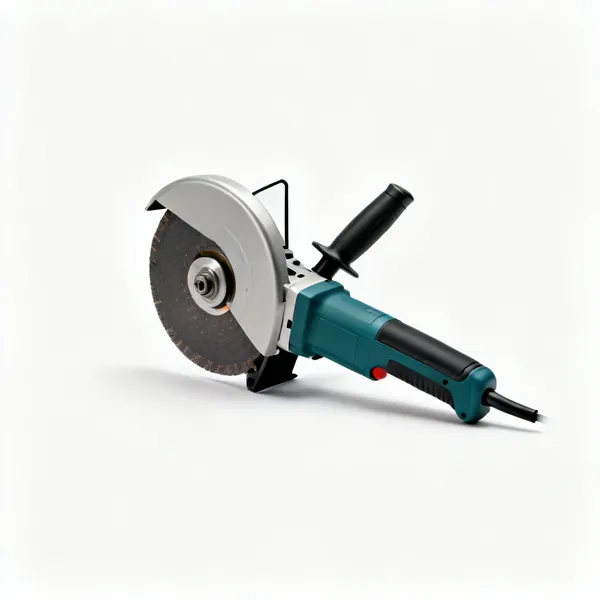
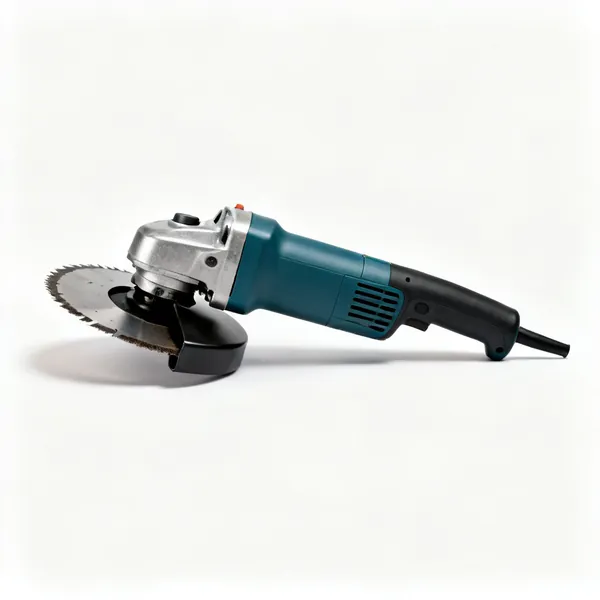
  • 230mm angle grinder: A guard and two handles

    230mm angle grinder

    Far more cutting depth and reach, and considerably more dangerous because of the energy stored in a large spinning disc. Two hands always.

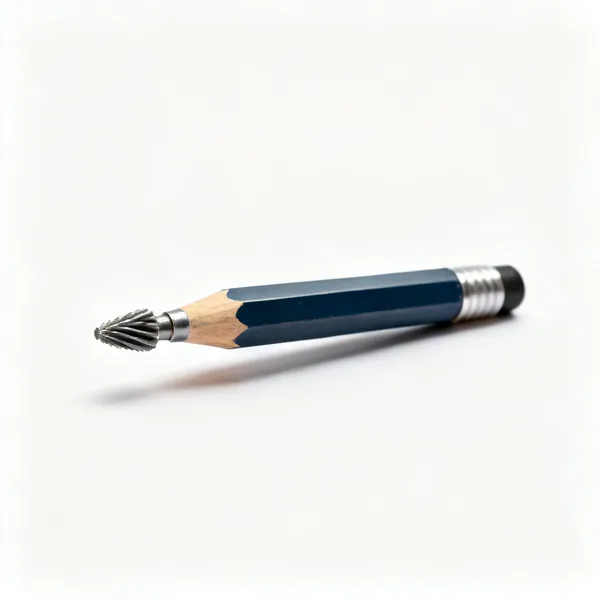
  • A pencil shaped die grinder with a small carbide burr fitted

    Die grinder

    A small high speed grinder taking burrs and small stones, for detail work and reaching inside a shape. Precision rather than power.

  • Disc guardEssential

    Disc guard

    Contains most of a burst disc and directs sparks away. It rotates to suit the cut, which is the alternative to taking it off for access.

  • Cutting guard

    Cutting guard

    A closed guard with an extraction port for cutting masonry, which contains dust as well as fragments. What silica cutting actually needs.

  • Side handleEssential

    Side handle

    The leverage to hold a kickback, which one hand on the body does not give you. Fitted on the side that suits the cut and the hand.

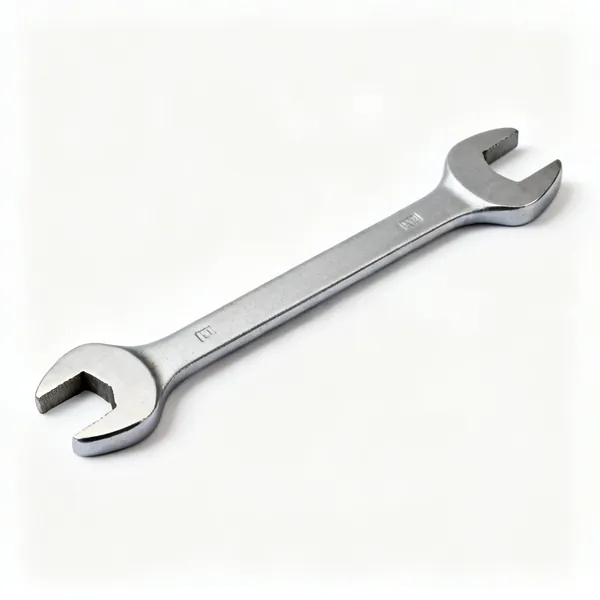
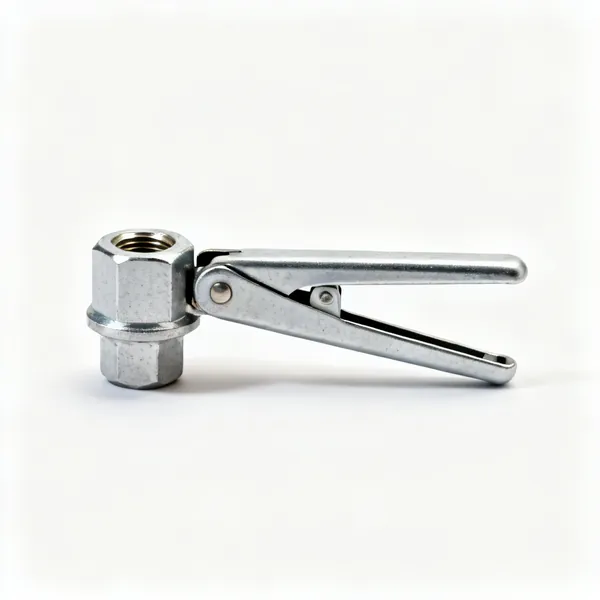
  • Pin spannerEssential

    Pin spanner

    The two pin spanner that undoes the disc nut, used with the spindle lock and the machine unplugged. A substitute tool rounds the nut.

  • Quick release nut

    Quick release nut

    Hand tightened, so a disc change needs no spanner. It also means a disc gets changed rather than the wrong one being used because the spanner is lost.

Cutting discs 8

Thin, and loaded on the edge only. Matched to the material by bond and abrasive.

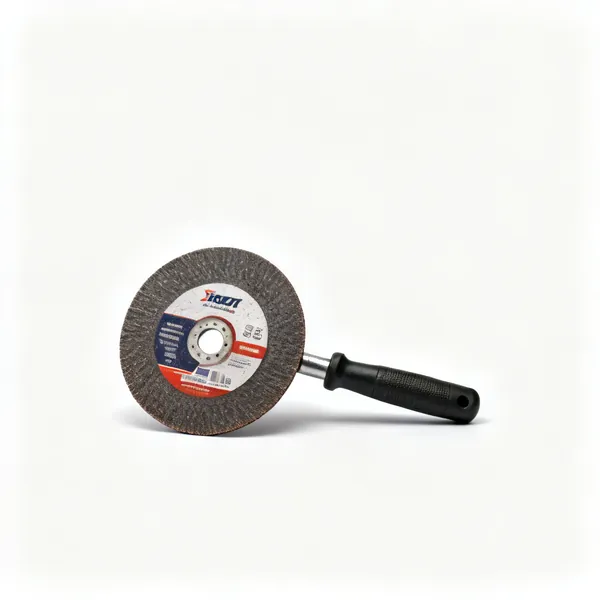
  • A thin reinforced abrasive metal cutting disc with a printed labelEssential

    Metal cutting disc

    A thin bonded abrasive disc for steel. Consumed as it cuts, so it wears down, and it must never be used on its face to grind.

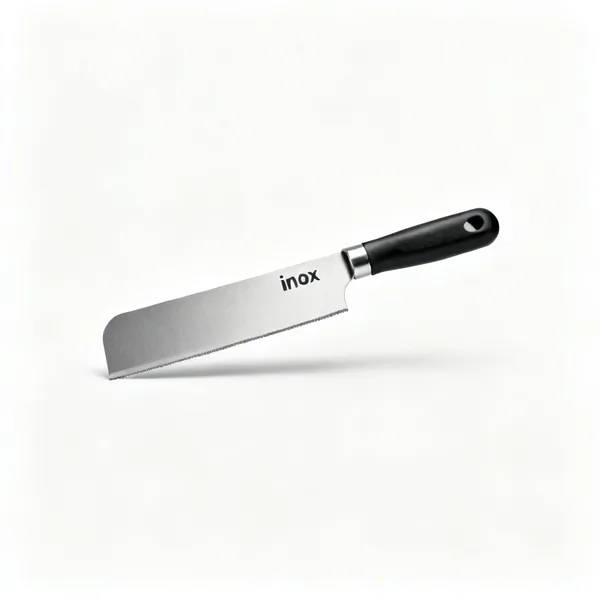
  • Stainless steel disc: A thin abrasive stainless steel cutting disc marked inox

    Stainless steel disc

    Free of iron and sulphur, so it does not contaminate stainless and cause it to rust at the cut. Marked inox, and it matters on anything that stays visible.

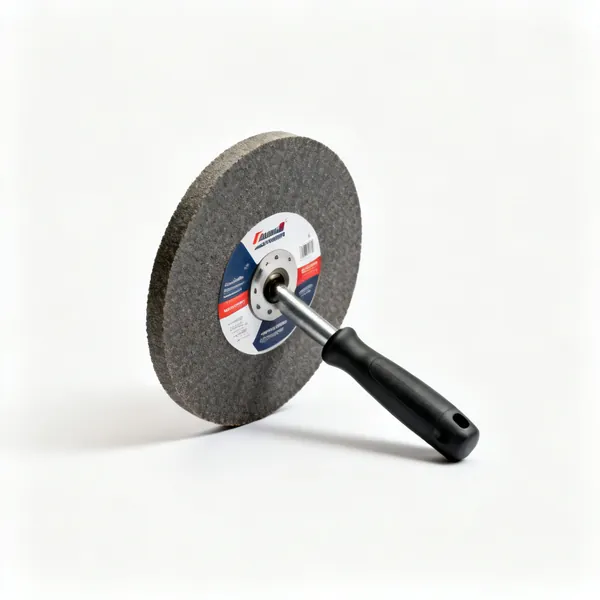
  • A thick abrasive stone cutting disc with a printed label

    Stone cutting disc

    A coarser bond for masonry, brick and concrete. Wears fast and produces a great deal of silica dust, which needs the full set of controls.

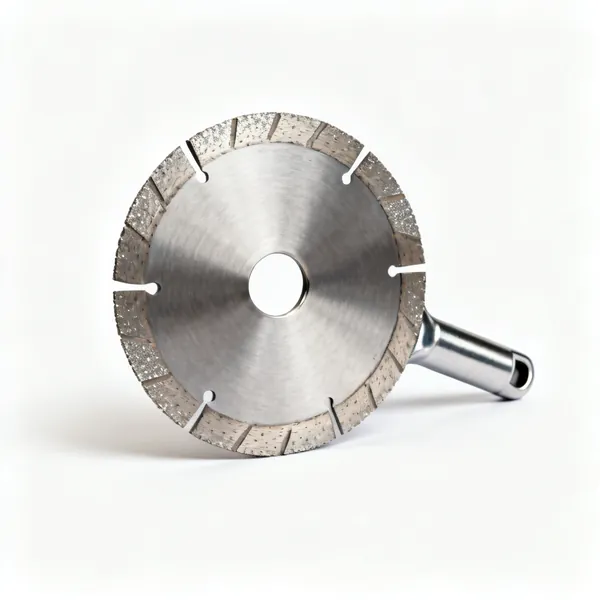
  • Diamond blade: A diamond cutting blade with a segmented rim and a steel bodyEssential

    Diamond blade

    A steel disc with a diamond rim that abrades rather than wearing away, so it lasts many times an abrasive disc in masonry and tile.

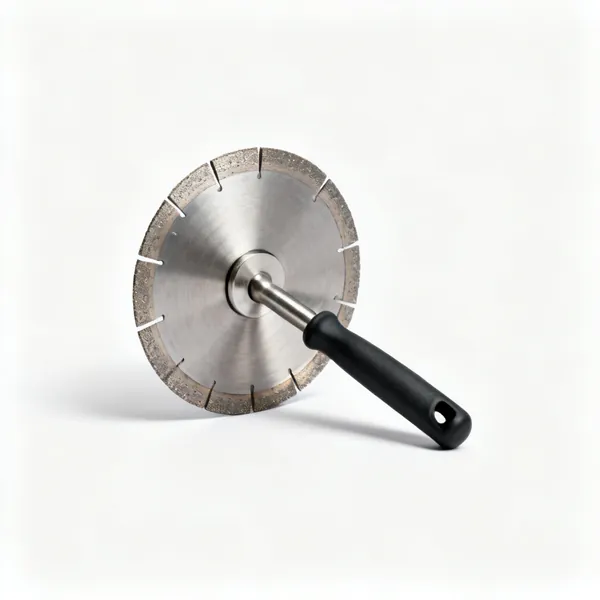
  • Continuous rim blade: A continuous rim diamond tile cutting blade

    Continuous rim blade

    An unsegmented diamond rim for tile and porcelain, which chips at a segmented edge. Used wet where possible, which also controls the dust.

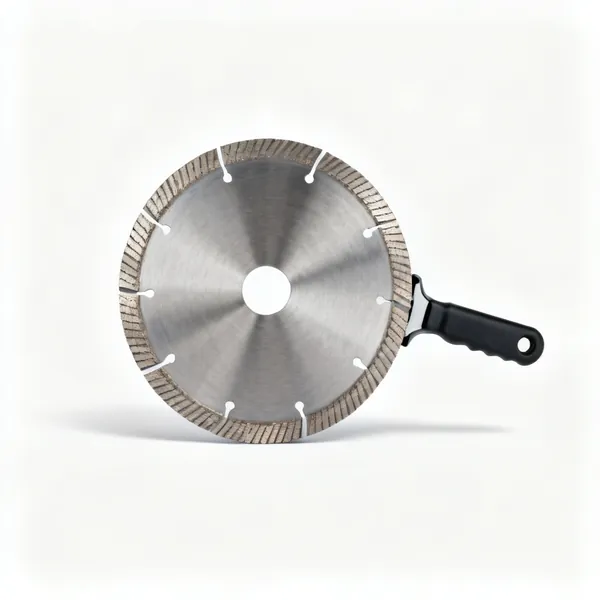
  • Multi material disc: A thin multi material diamond cutting disc

    Multi material disc

    A thin diamond or carbide disc rated for steel, masonry and plastic. Convenient, and never as good in any one material as the dedicated disc.

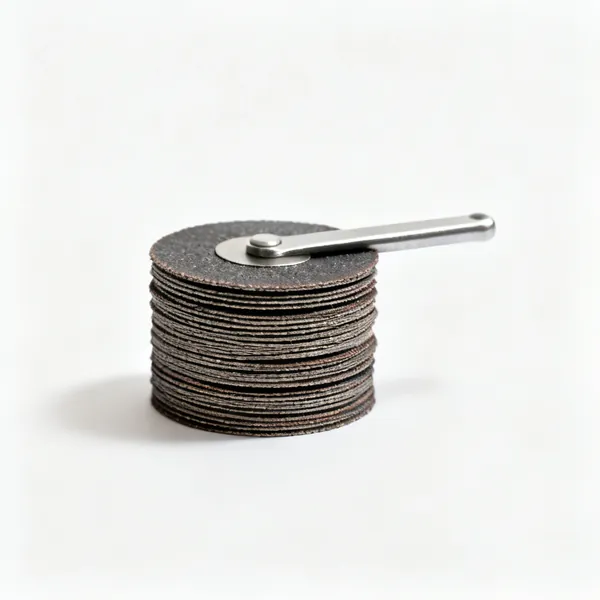
  • Thin cut discs: A stack of very thin 1mm abrasive metal cutting discs

    Thin cut discs

    1mm discs that cut fast with little heat, so thin sheet does not distort or discolour. Fragile, and easily broken by a twist in the cut.

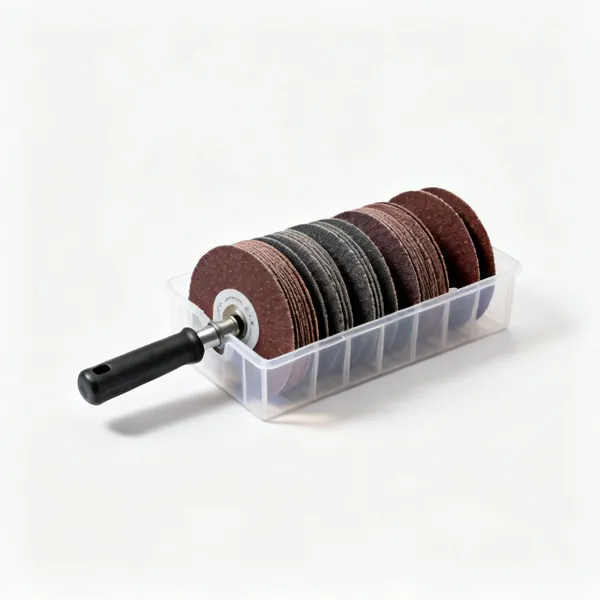
  • A plastic disc storage case holding several abrasive discs flat

    Disc storage

    Flat and dry, since a bonded disc stored leaning or damp weakens. It also keeps the labels readable, which is how you know the rating.

Grinding, sanding and cleaning 9

Loaded on the face. Thicker, and for shaping rather than cutting.

  • A thick depressed centre abrasive grinding discEssential

    Grinding disc

    A thick depressed centre disc for dressing welds and removing metal fast. Designed for face loading, unlike a cutting disc.

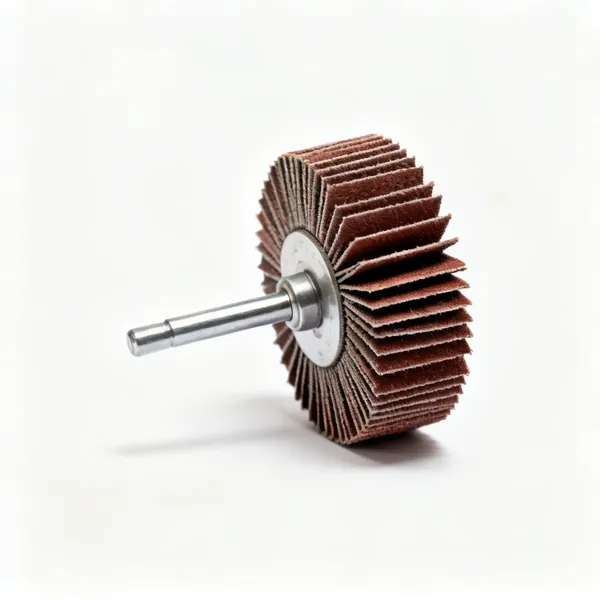
  • An abrasive flap disc with overlapping sanding flapsEssential

    Flap disc

    Overlapping abrasive flaps that grind and blend at once, leaving a far better surface than a grinding disc. Wears down evenly as it goes.

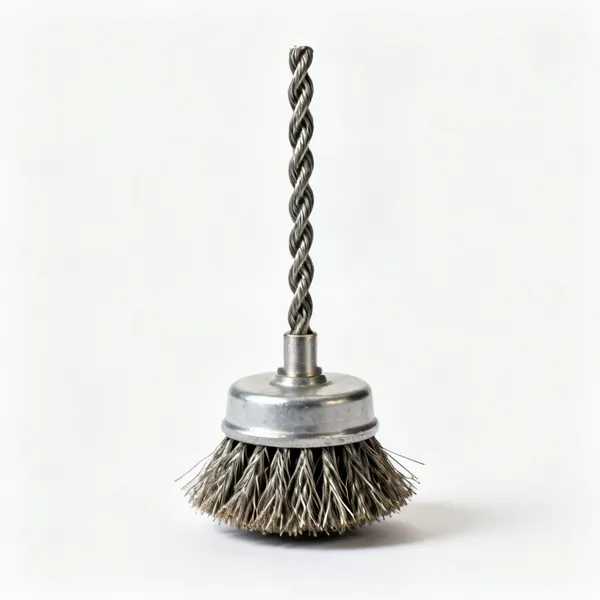
  • Wire cup brush

    Wire cup brush

    Strips rust, paint and mill scale. It throws wire bristles as it wears, which is why a face shield matters as much here as with a disc.

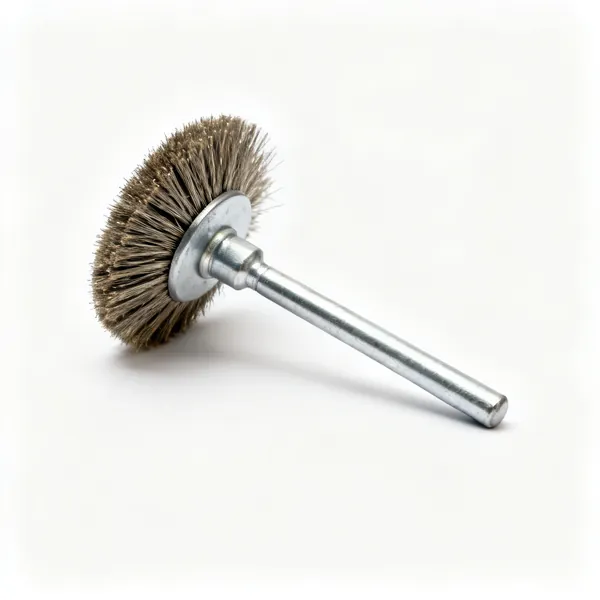
  • Wire wheel

    Wire wheel

    A narrower brush reaching into a corner or a weld seam. Same bristle throwing behaviour, and the same protection required.

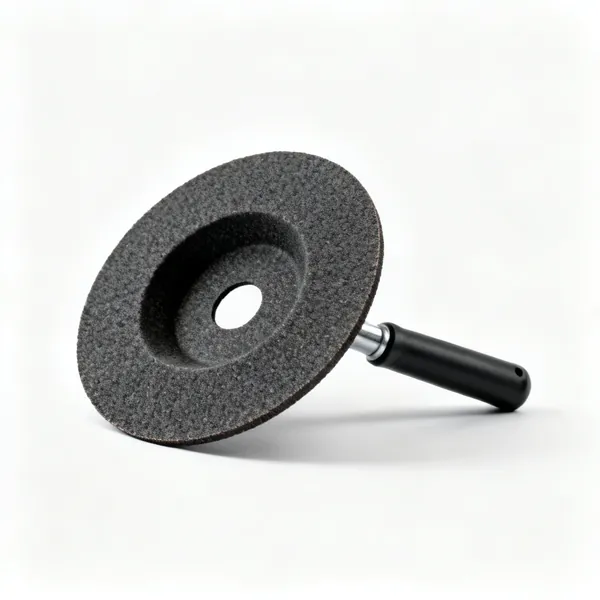
  • Fibre sanding disc: A fibre backed abrasive sanding disc with a rubber backing pad

    Fibre sanding disc

    Abrasive on a fibre backing over a rubber pad, for aggressive sanding of steel or timber. Faster and coarser than any orbital sander.

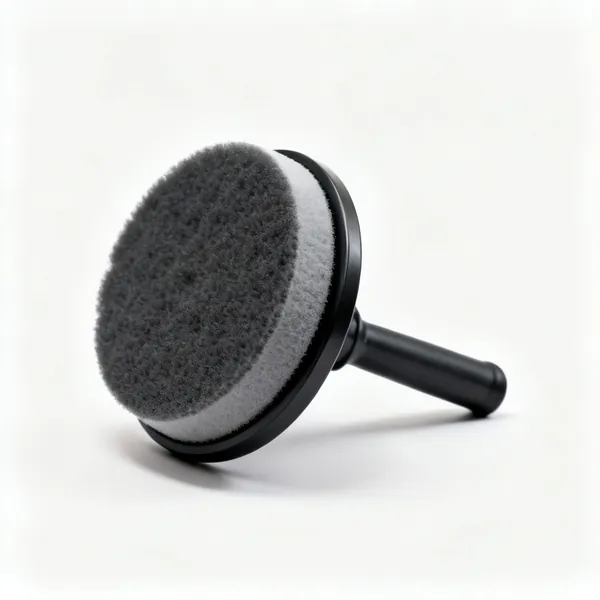
  • A foam polishing pad on a backing plate

    Polishing pad

    Foam or wool on a backing pad with compound, at the lowest speed the grinder offers. Fast, and easy to burn a surface with.

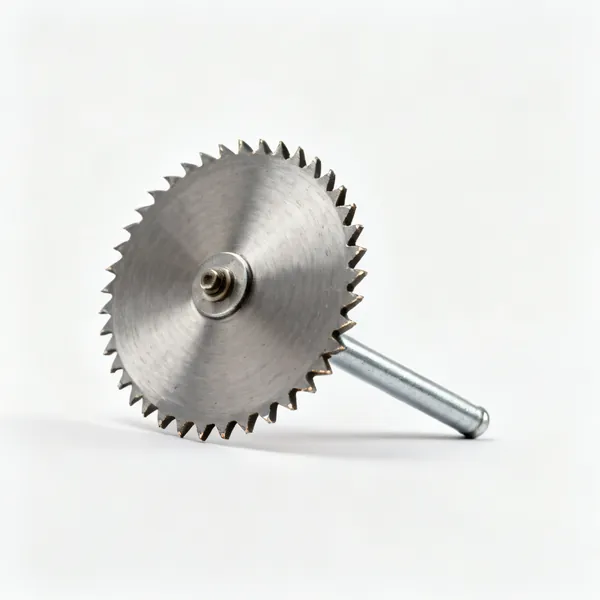
  • Carving disc

    Carving disc

    A toothed carbide disc for shaping timber aggressively. Very effective and it grabs badly, which makes it one of the least forgiving accessories.

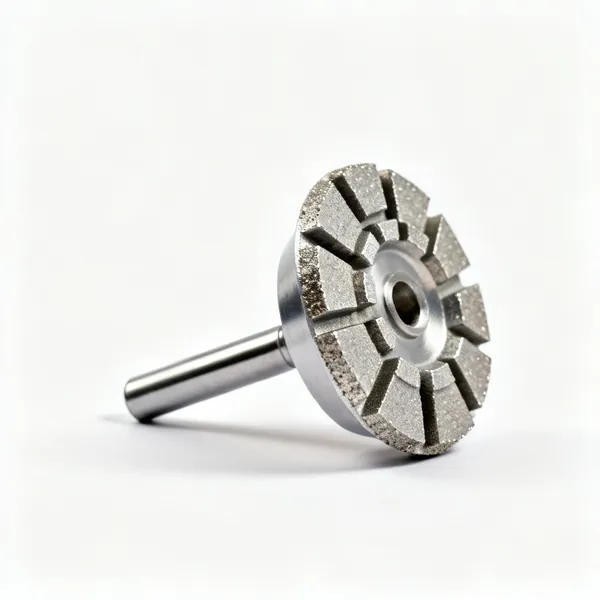
  • Diamond cup wheel: A diamond cup grinding wheel with segmented diamond blocks

    Diamond cup wheel

    Grinds concrete and stone flat, for levelling a screed high spot or removing render. Produces silica dust in volume, so extraction is required.

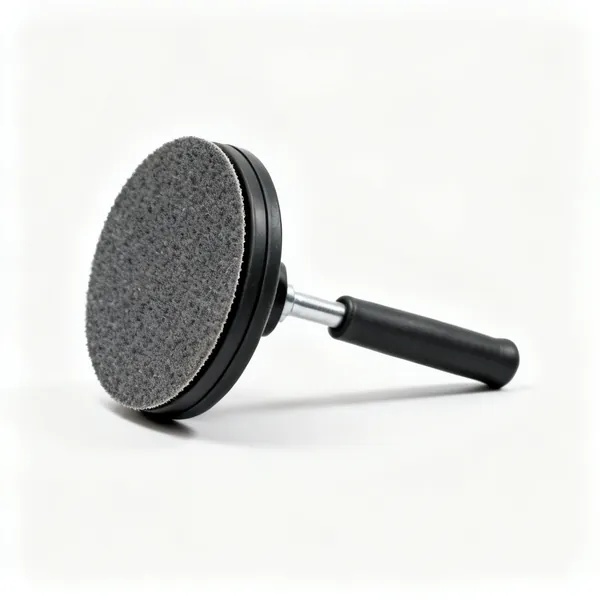
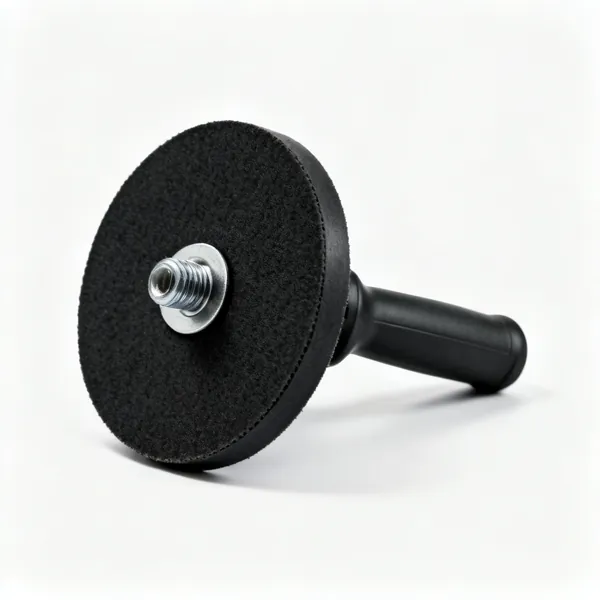
  • Backing pad

    Backing pad

    The rubber plate that fibre discs and polishing pads mount to. Sized to the disc, and worn ones let the abrasive flex and tear at the edge.

Protection and controlling the work 11

The tool that causes the most serious workshop injuries. This group is where that gets addressed.

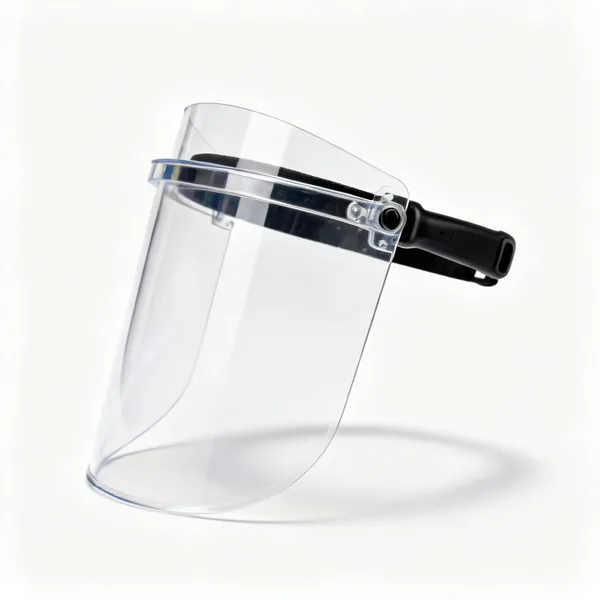
  • A clear polycarbonate face shield with a headband and a pivoting visorEssential

    Face shield

    A burst disc and a thrown wire bristle both arrive at the face at full speed. Glasses protect the eyes and leave everything else exposed.

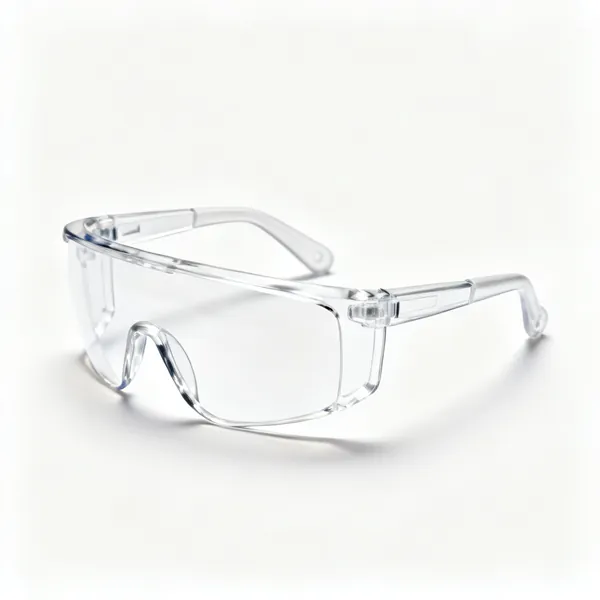
  • A pair of clear wraparound safety glasses with side coverageEssential

    Safety glasses

    Worn under the shield, because a shield is open at the sides and grinding sparks reach around it readily.

  • A pair of over ear protective ear defenders with a padded headbandEssential

    Ear defenders

    A grinder cutting steel is well above the level at which hearing damage accumulates, and the pitch is unusually fatiguing.

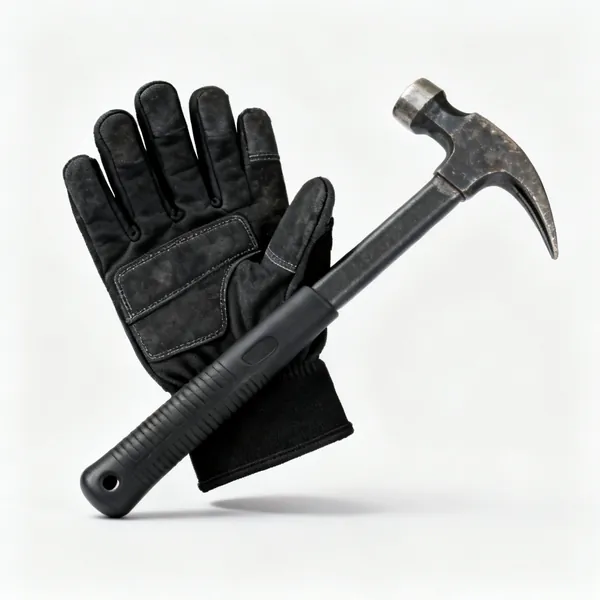
  • A pair of black work gloves with reinforced palmsEssential

    Work gloves

    Cut steel is hot and razor sharp at the edge. Close fitting rather than loose, since anything loose near a spinning disc is a hazard.

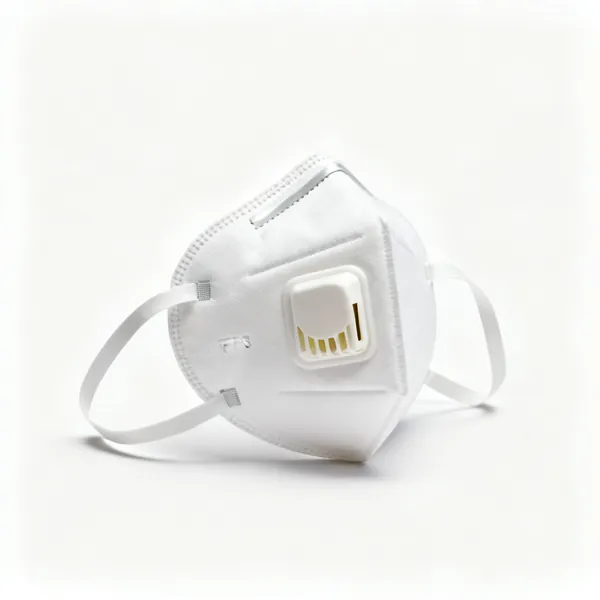
  • A white FFP3 respirator dust mask with two straps and a nose clipEssential

    FFP3 respirator

    Cutting masonry releases silica. Also relevant on steel, since grinding dust includes metal fume and coating particles.
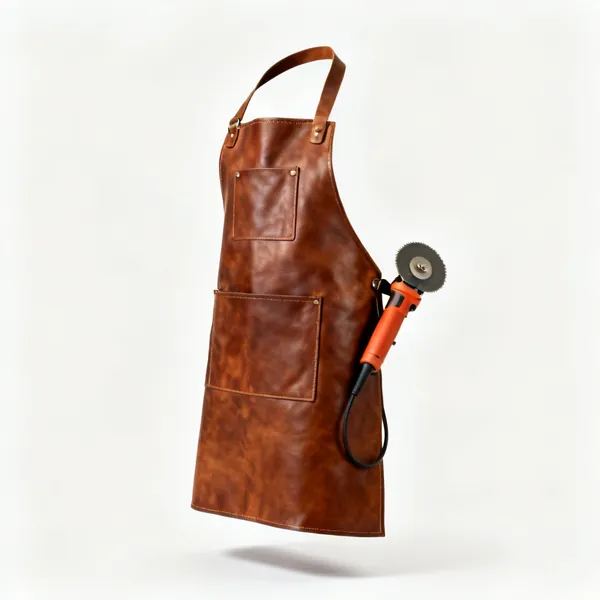
  • Leather apron: A brown leather welding and grinding apron

    Leather apron

    Sparks burn through a synthetic fleece and stick to it. Leather or cotton, and nothing melted or loose while a grinder is running.

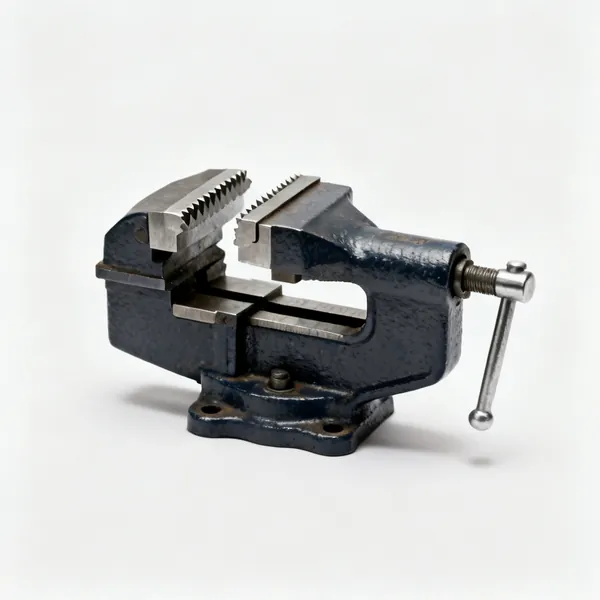
  • A cast iron engineer's bench vice with serrated steel jawsEssential

    Bench vice

    The work must be held. A grinder pushes hard and an unheld workpiece either spins or closes the cut, both of which cause kickback.

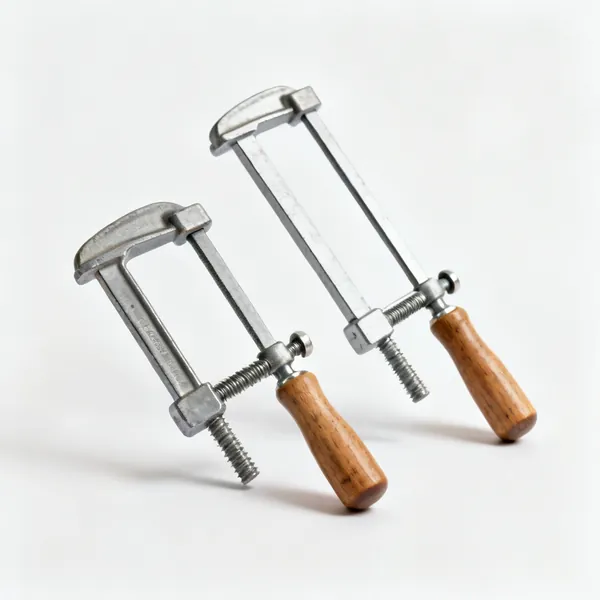
  • Two F clamps with steel bars and wooden handle screwsEssential

    Clamps

    Supporting the work both sides of the cut is what stops it closing on the disc. An unsupported offcut pinching as it drops is the classic trigger.

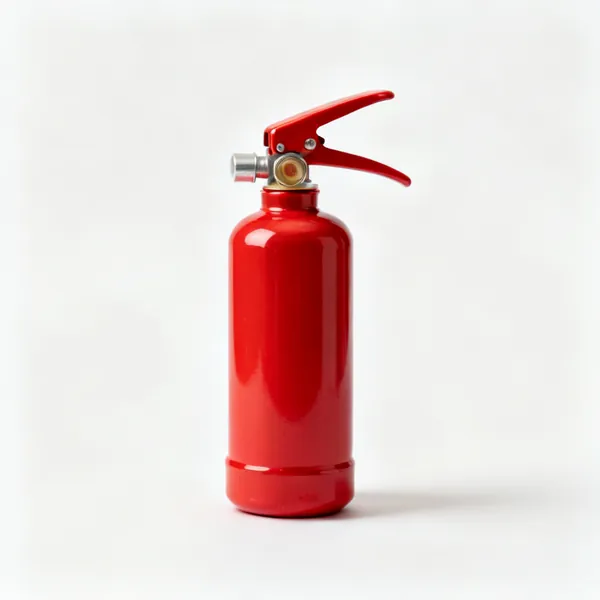
  • A small red water fire extinguisher

    Fire extinguisher

    Grinder sparks igniting sawdust or solvent vapour is a recognised cause of workshop fires. Present rather than fetched at the time.

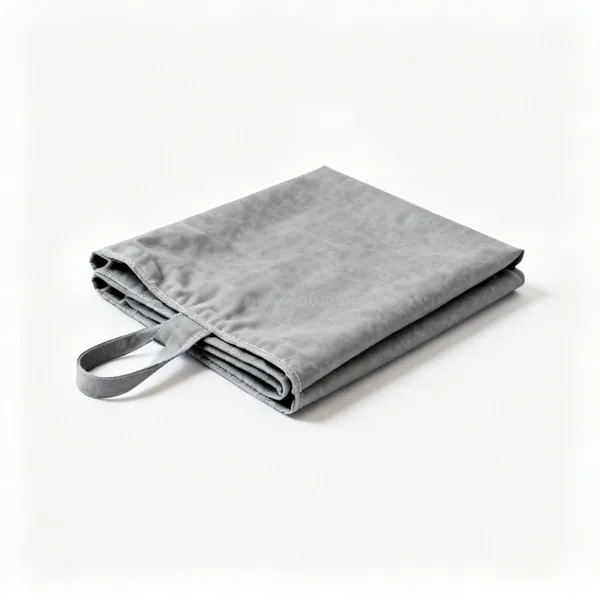
  • A grey fibreglass welding spark blanket, partly folded

    Spark blanket

    A fire resistant sheet catching sparks before they reach anything flammable behind the work. Also protects a finished surface below.

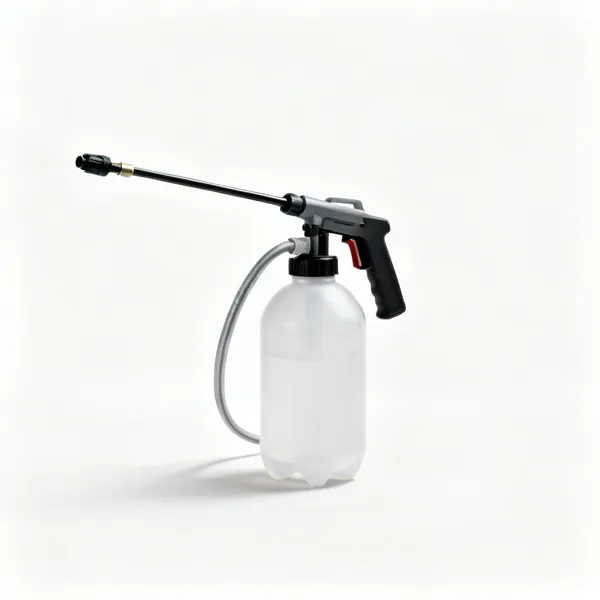
  • A pressurised water suppression bottle with a hose and a lance

    Water suppression bottle

    Feeds water to the disc when cutting masonry, so the silica never becomes airborne. Used with a cutting guard rather than instead of one.

Choosing angle grinder work tools

The list above is what exists. This is how to decide which of it you actually need, what separates a tool worth keeping from one that ends up at the back of a drawer.

Kickback, and which way it throws the tool

Kickback happens when a cutting disc binds in the cut. The disc stops, the motor does not, and the machine is thrown along the line of the cut. Which direction depends on which part of the disc bound, and it happens faster than any reaction.

Prevention is mechanical. Cut with the disc pulling the work into the guard rather than away from it, keep the cut straight so the disc cannot pinch, support the work both sides of the cut so it cannot close, and never cut with the disc's leading edge into a corner.

Binding causes it
The disc stops, the motor does not, and the machine goes along the cut line.
Support both sides
So the cut cannot close on the disc. An unsupported offcut pinches as it drops.
Keep the cut straight
Twisting the grinder in a cut pinches the disc, which is exactly the trigger.
Stand out of the line
Not directly behind the cut. That is where the tool goes if it does kick.

Disc speed rating and diameter

Every disc carries a maximum rpm, and it must be at or above the grinder's no load speed. A disc rated slower than the machine can burst, and a bursting abrasive disc sends fragments out at the speed it was spinning.

Diameter matters too. Fitting a 115mm disc to a 230mm grinder means the disc spins far faster at its rim than it is designed for, even though it physically fits. The guard also no longer covers it properly, which compounds the problem.

Check the rpm rating
At or above the machine's no load speed. A slower disc can burst.
Correct diameter only
A small disc on a big grinder overspeeds at the rim even though it fits.
Check for damage
A chipped or cracked disc goes in the bin. A ring test on a bonded disc finds cracks.
Respect the expiry date
Bonded abrasive discs have one. The resin degrades and the disc weakens.

Cutting discs and grinding discs are not interchangeable

A cutting disc is thin and designed for load on its edge only. Using its face to grind puts a side load on a thin brittle disc, which is one of the classic ways to shatter one.

A grinding disc is thick and designed for face loading. Trying to cut with it is slow and it wanders. Neither substitutes for the other, and the disc will not tell you which it is once the label has worn off, so keep them separate.

Cutting disc: edge only
Thin, and side loading it is a classic way to shatter one.
Grinding disc: face only
Thick and designed for the load on its face. Cutting with it is slow and wanders.
Keep them apart
An unlabelled thin disc and a thick one look similar in a drawer. They are not.
One disc per material
Steel, stone and stainless each have their own bond and abrasive.

The guard is the whole safety case

The guard contains most of a burst disc and directs sparks and fragments away from you. Removing it for access is the single most common thing that turns a grinder incident into a hospital visit, and it is done because it is inconvenient.

Positioned correctly it sits between the disc and your body, and it rotates so it can be set for the cut. If a cut cannot be made with a guard fitted, the answer is a different tool or a different approach rather than a removed guard.

Never remove it
It contains a burst disc. This is the difference between a fright and an injury.
Rotate it for the cut
It adjusts. Set it between the disc and your body rather than taking it off.
Two hands, side handle
The handle gives the leverage to hold a kickback. One handed use gives none.
If it will not fit, stop
A cut that needs the guard off needs a different tool. Reciprocating saw, or a hacksaw.

Sparks, dust and what catches fire

Cutting steel throws a stream of hot particles several metres, and they will ignite sawdust, solvent vapour, a dust extractor's bag and fuel residue. Grinder sparks setting light to something behind the operator is a recognised cause of workshop fires.

Cutting masonry produces silica dust rather than sparks, which is a long term rather than immediate hazard and needs water suppression, extraction and an FFP3 mask. So the two materials require completely different precautions from the same tool.

Sparks travel metres
And they ignite sawdust, solvent vapour and extractor bags. Clear the area behind you.
Check for a fire an hour later
A smouldering start is common and it develops slowly. Do not leave immediately.
Masonry means silica
Water, extraction and FFP3, all three. Not the same precautions as steel.
Let go before it stops
A disc coasts for seconds after the trigger. Never put it down still spinning.

Frequently asked questions

What can you use an angle grinder for?
Cutting steel, reinforcement, bolts, tile and stone; grinding welds and deburring; removing rust and paint with a wire cup; and polishing. The disc decides which, and the machine will do all of them with the right one fitted.
What causes angle grinder kickback?
A cutting disc binding in the cut, so the disc stops while the motor does not and the machine is thrown along the cut line. Support the work both sides so the cut cannot close, keep the cut straight, and never lead into a corner with the disc's edge.
Can you use a cutting disc to grind?
No. A cutting disc is thin and made for load on its edge only, so grinding with its face applies a side load to a thin brittle disc. That is one of the classic ways to shatter one, and a bursting disc sends fragments out at full speed.
How do I know if a grinder disc is safe to use?
Check the rpm rating is at or above the machine's no load speed, the diameter matches the machine, the expiry date has not passed, and there are no chips or cracks. A bonded disc can be ring tested by tapping it and listening for a clear tone.
Is it ever acceptable to remove an angle grinder guard?
No. The guard contains most of a burst disc and directs sparks away from you, and removing it is the single commonest factor in serious grinder injuries. If a cut cannot be made with the guard fitted, use a different tool such as a reciprocating saw.
What size angle grinder should I buy?
A 115mm or 125mm for general work: light enough to control, and adequate for most cutting and grinding. A 230mm has far more reach and cutting depth and is considerably more dangerous, so it belongs on jobs that genuinely need it.
Do angle grinders start fires?
Yes, and it is a recognised cause of workshop and site fires. Cutting steel throws hot particles several metres, and they ignite sawdust, solvent vapour and extractor bags readily. Clear the area behind you and check it again an hour after finishing.
What protection do I need for angle grinder work?
A full face shield rather than glasses, because a burst disc sends fragments at the face. Plus ear defenders, gloves, and no loose clothing. For masonry add water suppression, extraction and an FFP3 mask, since the dust contains silica.