Choosing drilling tools
The list above is what exists. This is how to decide which of it you actually need, what separates a tool worth keeping from one that ends up at the back of a drawer.
Speed and pressure by material
Steel wants slow rotation and firm steady pressure, because the cutting edge has to bite rather than rub. Run it fast and the edge overheats, loses its temper and stops cutting, usually in the first hole.
Timber wants fast rotation and light pressure so the bit clears its own waste. Masonry wants moderate speed, firm pressure and percussion, and tile wants slow speed with no percussion at all, because hammering a tile cracks it.
- Steel: slow and firm
- Slow rotation, real pressure, and cutting fluid. Fast is how a bit is destroyed.
- Timber: fast and light
- Let it clear the waste. Forcing a wood bit packs the flutes and it stops cutting.
- Masonry: percussion on
- Moderate speed and firm pressure. The hammer action does the breaking.
- Tile: slow, no hammer
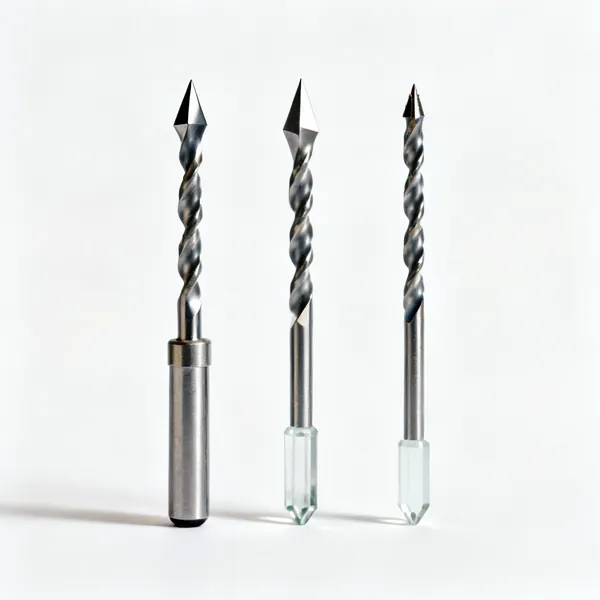
- Percussion cracks tile. Slow with a diamond or spear point bit and water.
Bits by what they cut
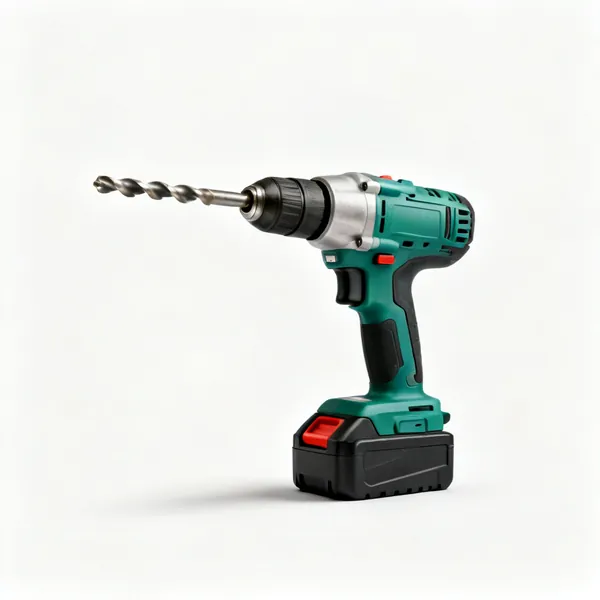
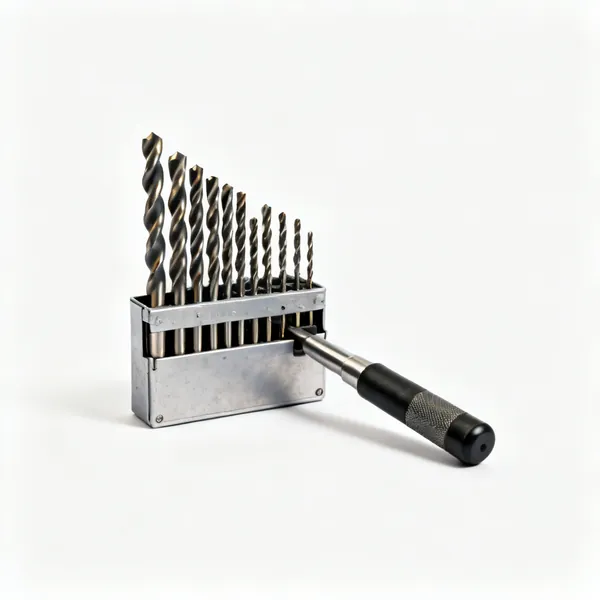
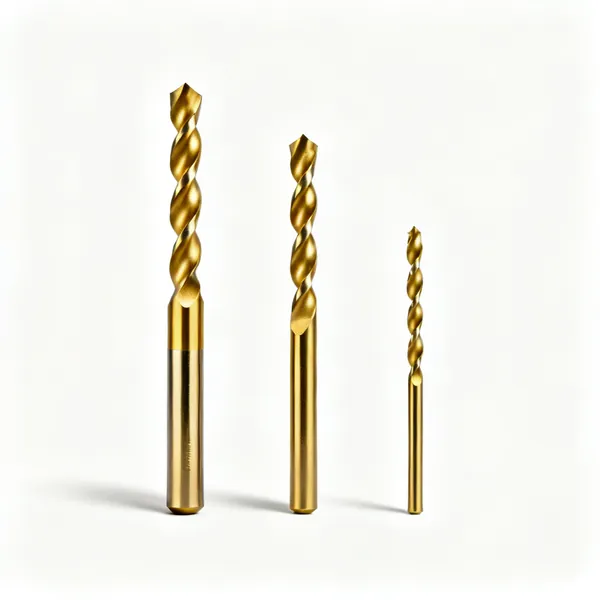
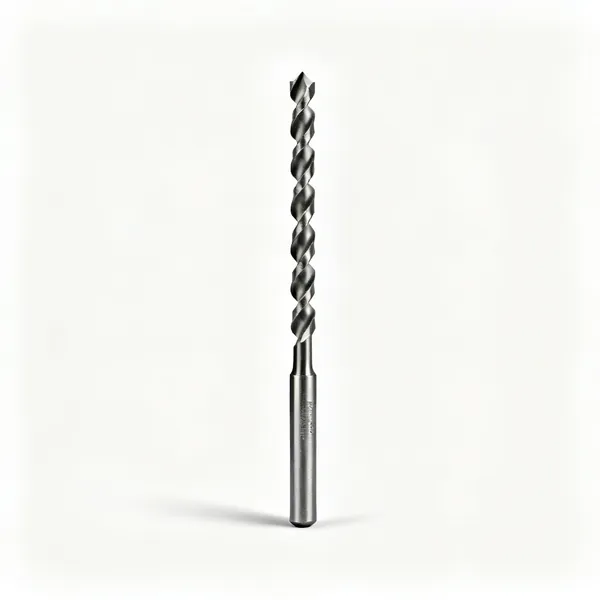
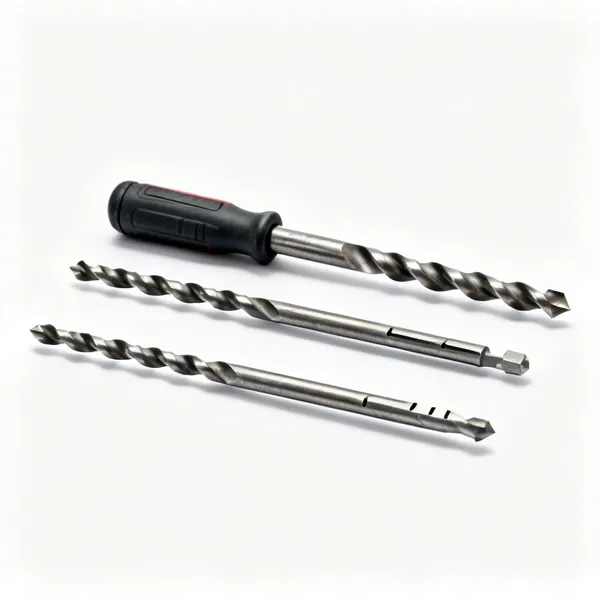
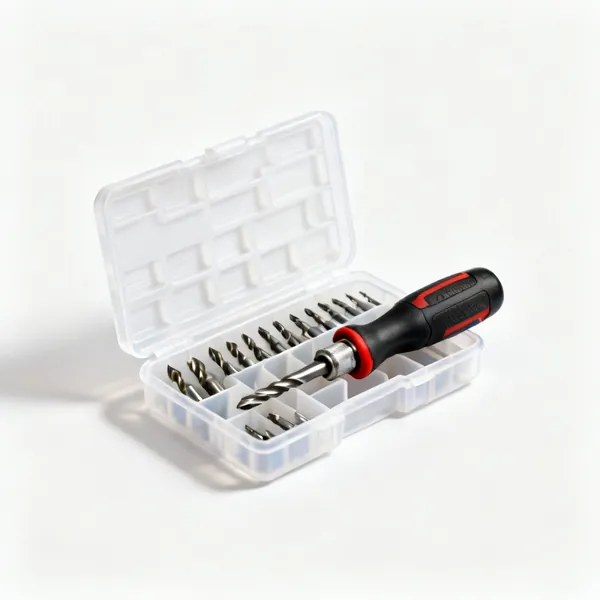
HSS twist bits cut metal and will do timber adequately. Brad point bits have a centre spur that stops them wandering in wood and leave a clean rim. Masonry bits have a brazed tungsten carbide tip that survives percussion and will not cut steel.
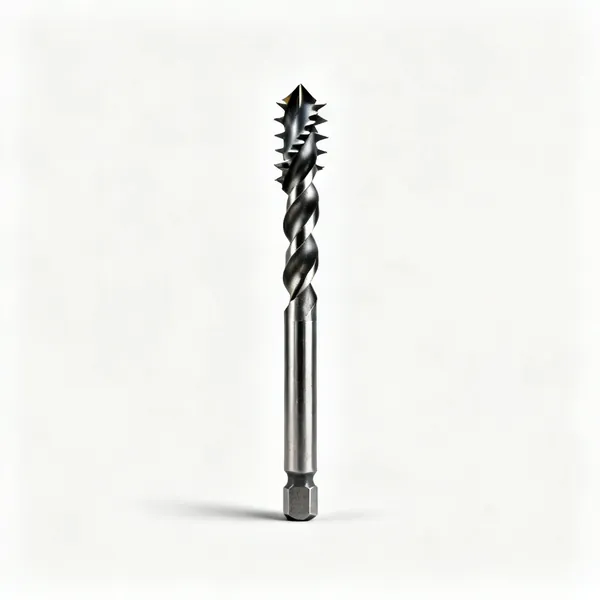
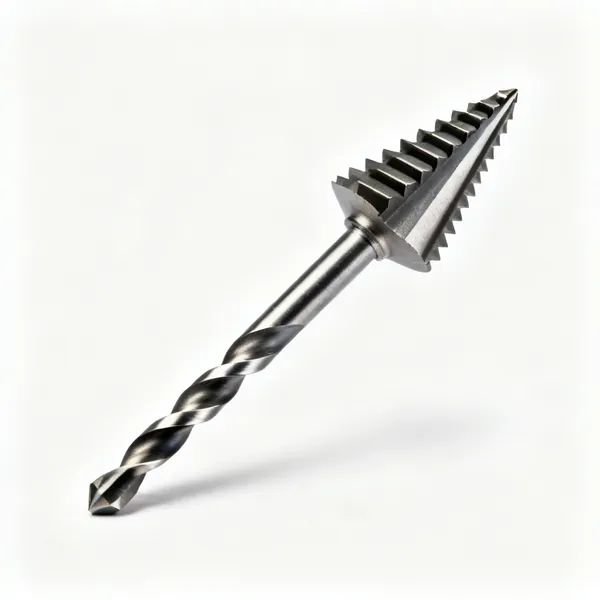
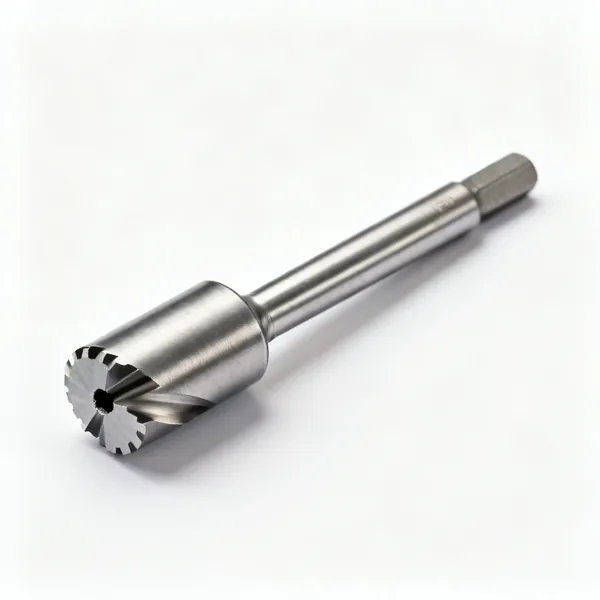
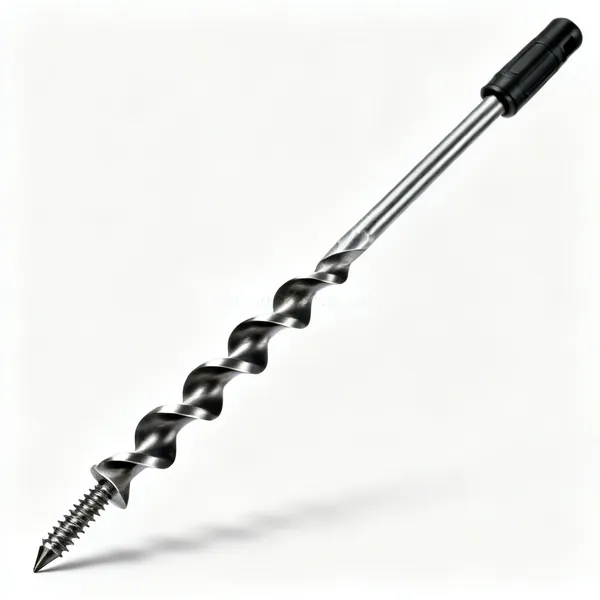
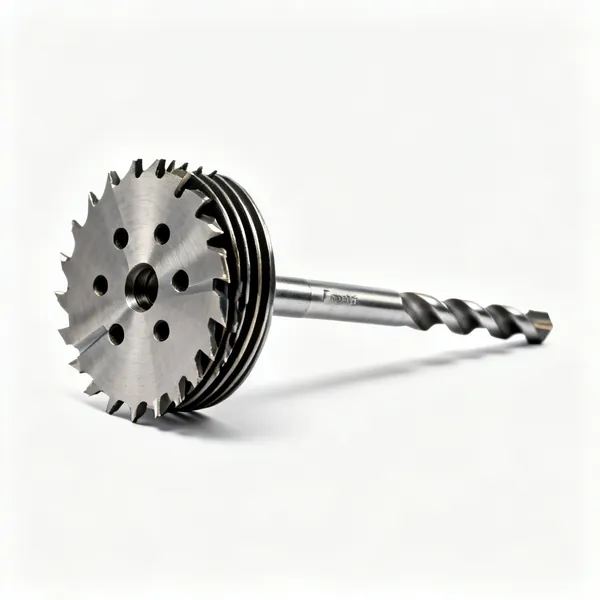
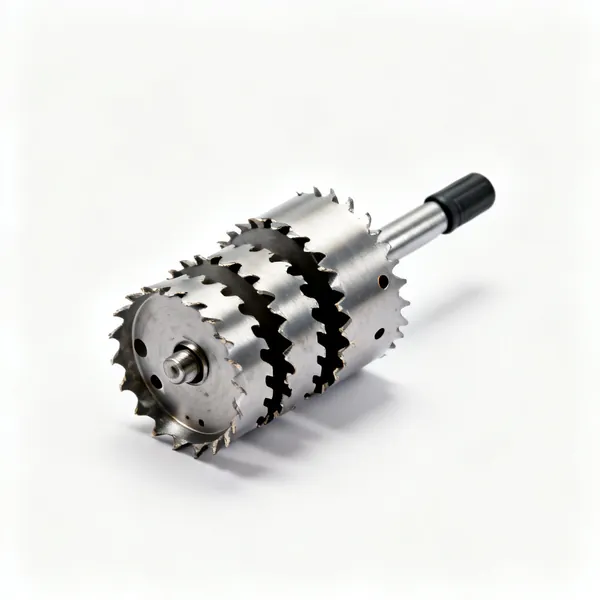
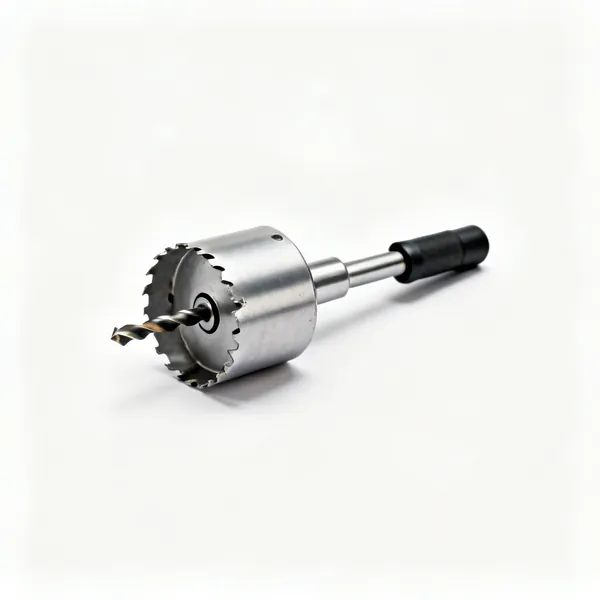
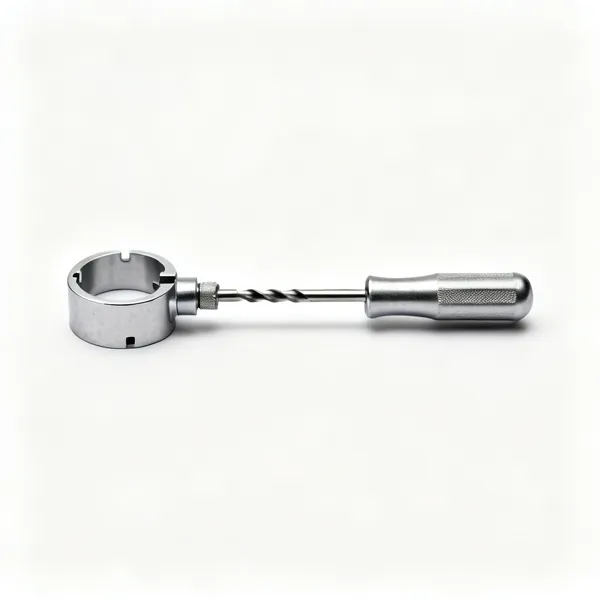
For large holes in timber, an auger clears its own waste down a deep hole, a Forstner leaves a flat bottom and a clean edge, and a holesaw cuts a ring rather than the whole disc. Each of those is the right answer to a different large hole.
- HSS for metal
- And adequate in timber. Cobalt or titanium coated for stainless and hard steel.
- Brad point for wood
- A centre spur stops it walking and the rim is cut cleanly rather than torn.
- Carbide tip for masonry
- Survives percussion. It will not cut steel, so a rebar hit stops it dead.
- Big holes need the right type
- Auger for depth, Forstner for a flat bottom, holesaw for a large diameter.
Making the hole land where you meant
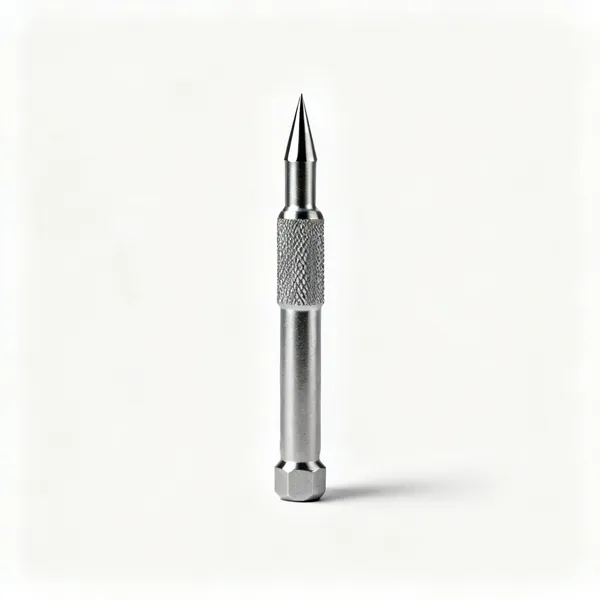
On steel, a centre punch dimple stops the bit walking across the surface, which is otherwise guaranteed. In timber, a brad point does the same job. In tile, tape over the spot gives the bit something to bite before it skates.
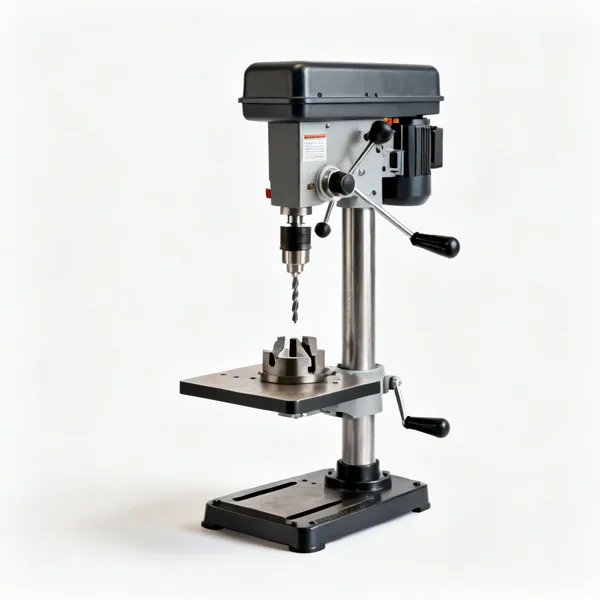
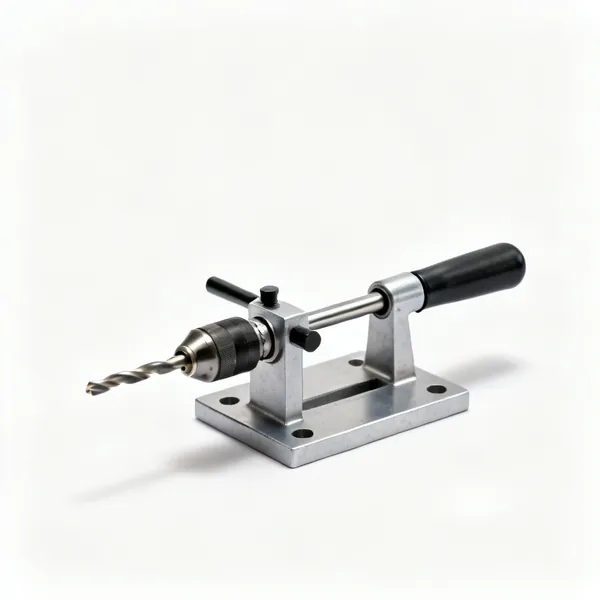
Depth and angle need help too. A depth stop or a wrap of tape on the bit prevents going through the far side, and a drill guide or a drill press is what makes a hole actually perpendicular, which by eye it almost never is.
- Centre punch steel
- A dimple, or the bit walks across the surface and scratches the panel.
- Tape on tile and gloss
- Gives the tip something to bite instead of skating off the glaze.
- Tape on the bit for depth
- Cheaper than a stop and it works. Or a proper depth stop on the drill.
- A guide for perpendicular
- By eye a hole leans. A guide or a press is what makes it square to the face.
Pilot holes and clearance holes
A screw is a wedge. In hardwood, near an end or into thin material it will split the timber unless a pilot hole gives the thread somewhere to go. The pilot is sized to the screw core, not the thread.
A two part hole is better still: a clearance hole through the top piece the full screw diameter, and a pilot in the piece beneath. That lets the screw pull the two together instead of jacking them apart, which is what a screw threaded into both does.
- Pilot to the core diameter
- Not the thread. Too large and the screw has nothing to grip.
- Clearance in the top piece
- Full diameter, so the screw pulls the joint closed rather than jacking it open.
- Always near an end
- A screw within 50mm of an end in hardwood splits it without a pilot.
- Countersink for a flush head
- A tapered recess, or the head crushes the surface around it as it seats.
What goes wrong while drilling
The commonest incident is a bit binding and the drill twisting out of your hands, which sprains wrists and breaks fingers against whatever is nearby. A side handle on anything over about 10mm, and both hands on the tool.
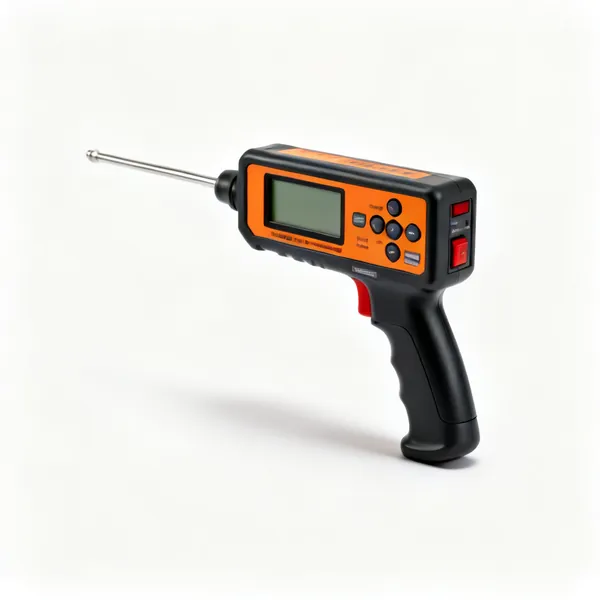
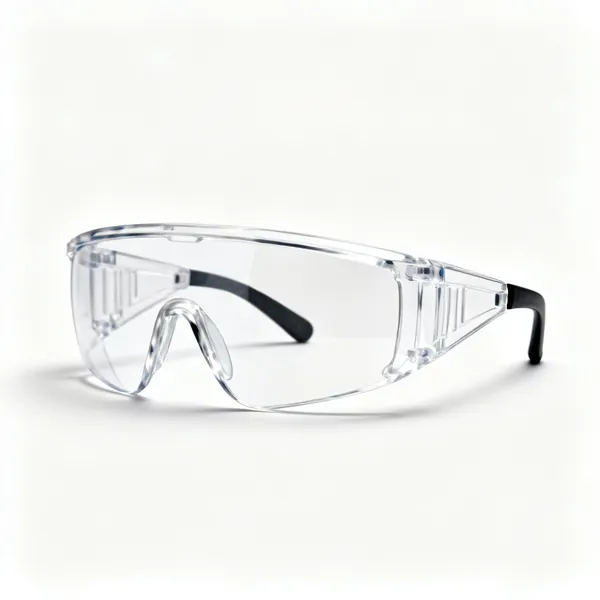
The other is drilling into something. Cables and pipes run through walls and rarely where the regulations say, so a detector before every hole is a two second habit. Overhead drilling puts dust and chips straight into your eyes, which is what glasses are for.
- Use the side handle
- A large bit binding twists the drill hard. That twist breaks fingers.
- Detect before every hole
- Not once. Cables and pipes do not run in straight predictable lines in old houses.
- Clamp the work
- A workpiece spun by a bit is both a lost part and a serious cut.
- No gloves in a drill press
- A caught glove pulls the hand into the chuck. Bare hands and no loose sleeves.
Frequently asked questions
- What drilling tools do I need?
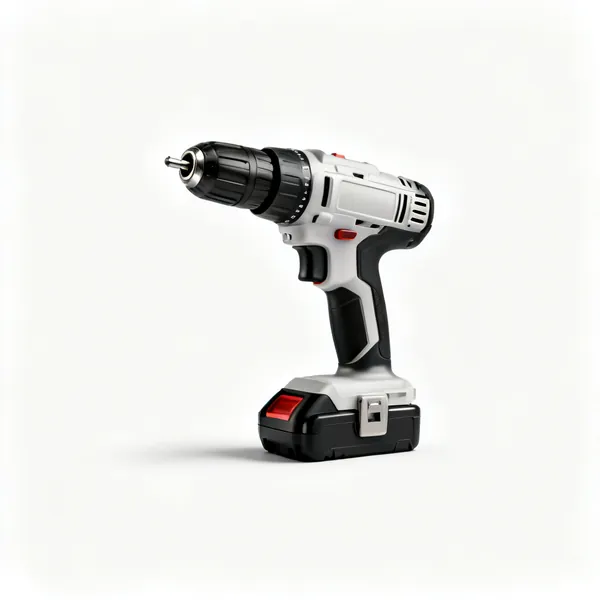
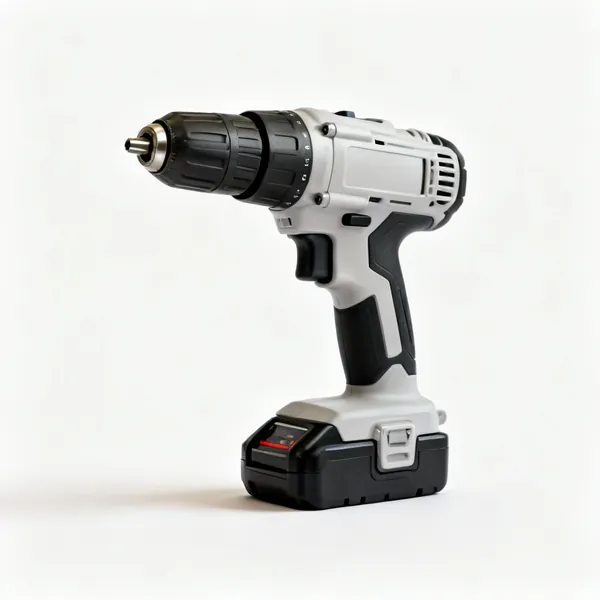
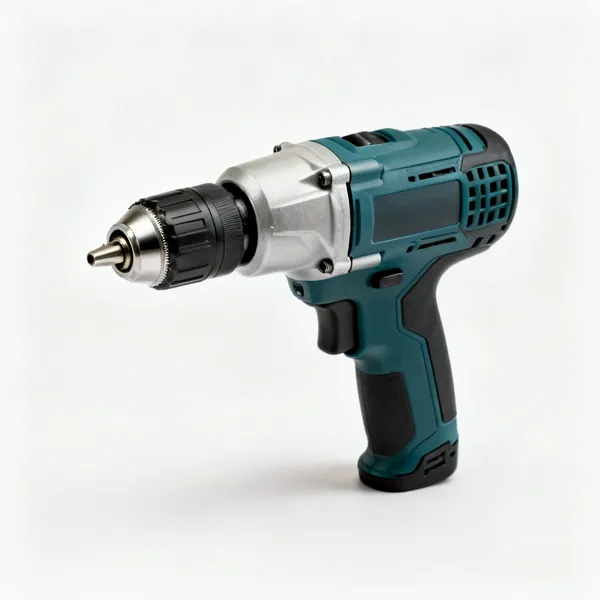
- A cordless combi drill, a set of HSS bits for metal, brad point bits for wood and masonry bits for brick, plus a countersink and a centre punch. Add an SDS hammer drill for concrete and a holesaw set for large holes.
- What speed should I drill at?
- Slow with firm pressure for steel, since the edge must bite rather than rub and heat destroys it. Fast with light pressure for timber, so the bit clears its own waste. Moderate with percussion for masonry, and slow with no percussion for tile.
- Why won't my drill go through metal?
- Almost always too fast, which overheats the cutting edge and loses its temper in the first hole. Slow the drill right down, use real pressure, add cutting fluid, and start with a centre punch dimple so the bit does not walk across the surface.
- What is the difference between a combi drill and an SDS drill?
- A combi drill has percussion added to rotation, which is enough for brick and block. An SDS drill has a proper hammer mechanism driving the bit along its axis, which is what concrete needs, and most also chisel. A combi drill in concrete takes hours.
- What size pilot hole do I need for a screw?
- The core diameter of the screw, not the thread, so the thread has material to bite into. Better still is a clearance hole the full screw diameter through the top piece and a pilot in the piece beneath, so the screw pulls the joint closed.
- How do you drill a hole in tile without cracking it?
- Turn percussion off, use a diamond or spear point bit, run slowly, keep it wet, and put masking tape over the spot so the tip bites instead of skating off the glaze. Any hammer action at all will crack a tile.
- Why does my drill bit wander off the mark?
- On steel, because a twist bit has no centring point: a centre punch dimple fixes it. In timber, use a brad point bit, whose centre spur locates before the cutting edges engage. On glazed surfaces, tape gives the tip something to grip.
- Do I need a side handle on a drill?
- For anything over about 10mm, yes. A large bit binding twists the drill hard and suddenly, and that twist is what sprains wrists and breaks fingers against nearby surfaces. The handle gives you the leverage to hold it rather than being spun.