Disclosure

Sewing tools: names, pictures and what each one is used for

A complete sewing tools list with a picture of every one, all 104 grouped by the stage of the work, from measuring and cutting through pinning, machine sewing, pressing and finishing. Most are small, cheap and last for decades.

36 are marked essential: enough to make, alter and repair clothes properly.

Measuring & marking 12

Getting the size right and transferring it to fabric. Cheap tools, and the ones that decide whether the finished thing fits.

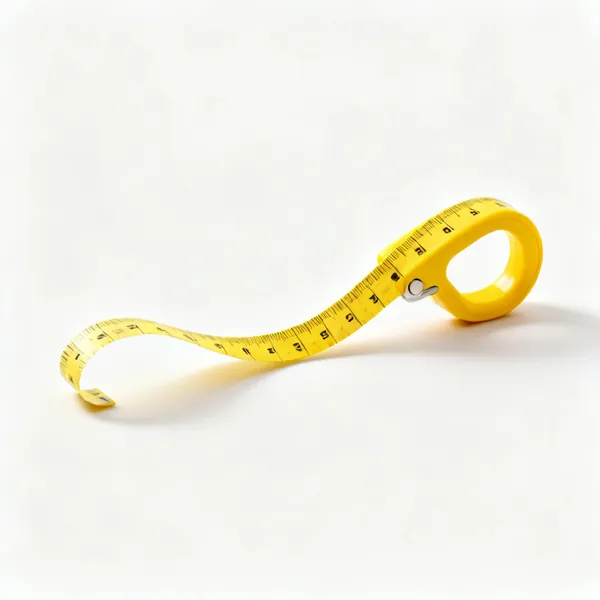
  • A yellow flexible sewing tape measureEssential

    Tape measure

    A flexible tape for body and curved measurements, which a rigid rule cannot take. Replace it when it stretches, because old fabric tapes read long.

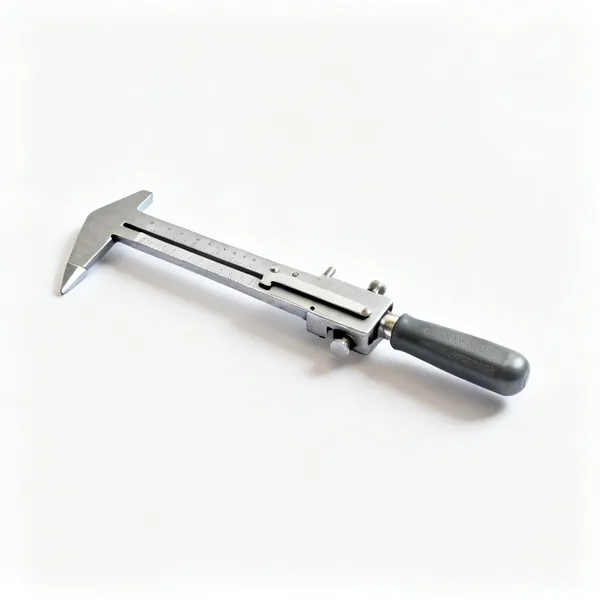
  • A metal seam gauge with a sliding markerEssential

    Seam gauge

    A short rule with a sliding marker, so you set a hem depth once and mark it identically all the way round. The most used measuring tool in sewing.

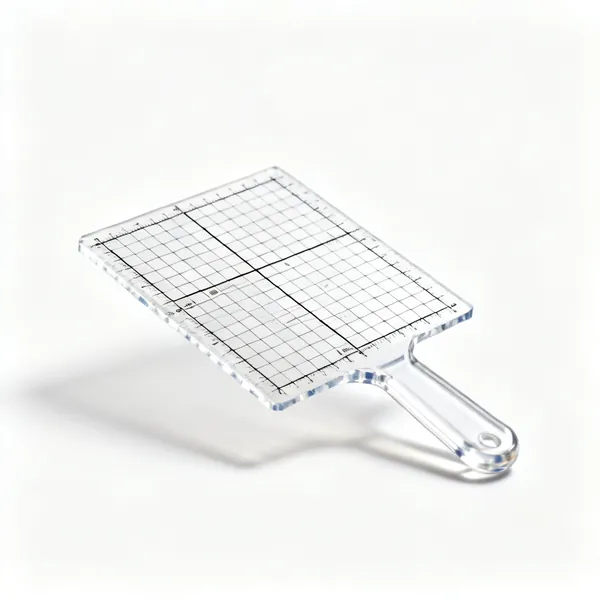
  • A clear acrylic quilting ruler with a printed gridEssential

    Quilting ruler

    A thick clear acrylic rule with a grid, made to be cut against with a rotary cutter. Thick enough that the blade cannot ride over the edge.

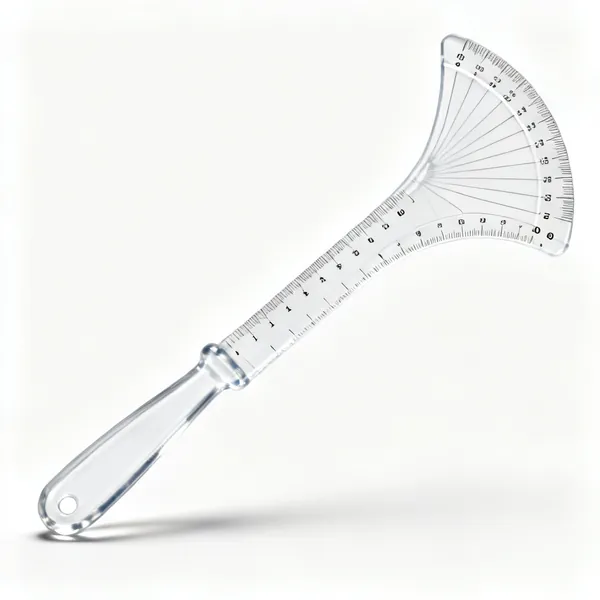
  • A clear plastic french curve pattern ruler

    French curve

    A set of drawn curves for redrawing armholes, necklines and hips when adjusting a pattern. Freehand curves never match side to side.

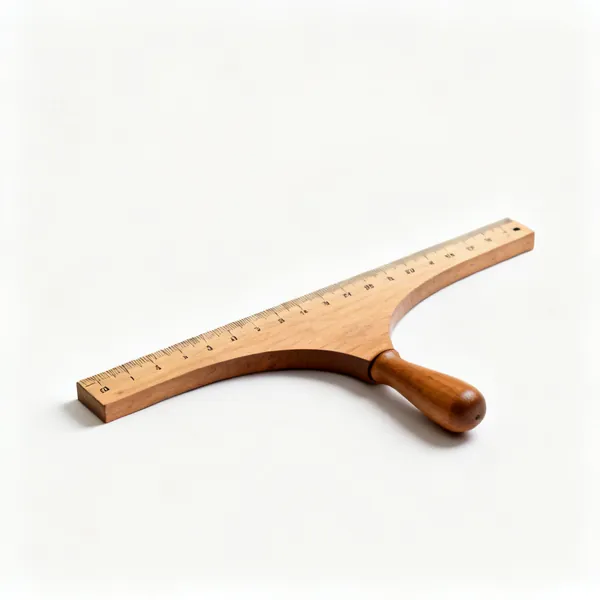
  • A wooden hip curve pattern ruler

    Hip curve

    A longer, gentler curve for side seams and hems. Different radius from a french curve, which is why pattern cutters own both.

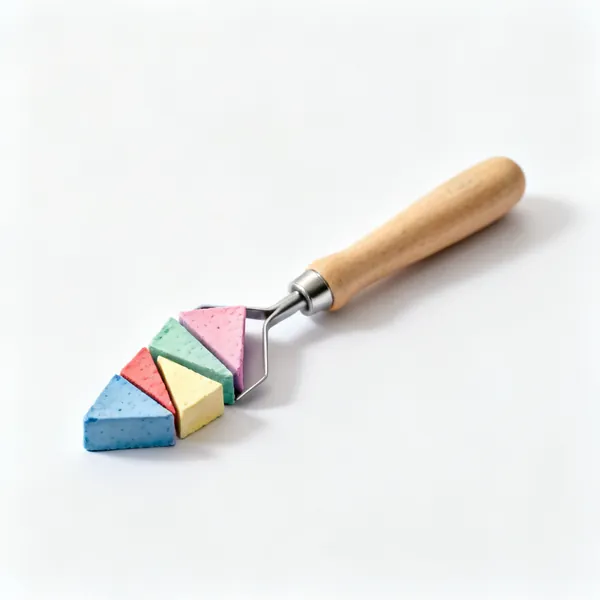
  • Triangular tailor's chalk pieces in several coloursEssential

    Tailor's chalk

    Marks fabric clearly and brushes off. Use it on the wrong side, since some fabrics hold a faint line even after brushing.

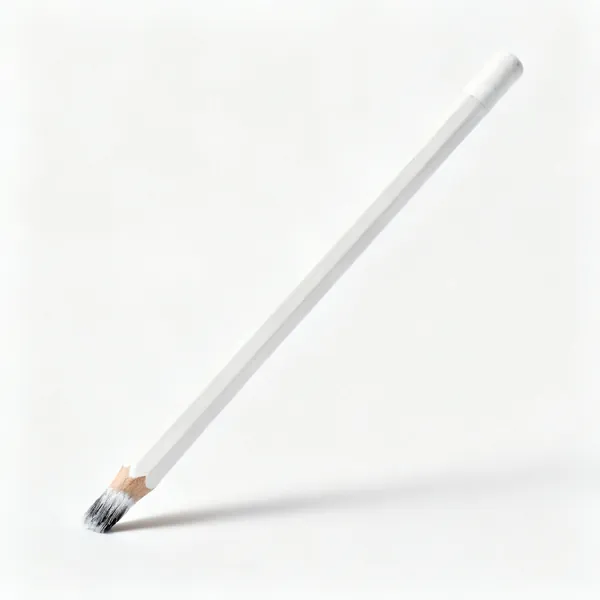
  • Chalk pencil: A white chalk marking pencil with a brush end

    Chalk pencil

    A finer line than a chalk block for darts and notches, with a brush on the end. Sharpen it with a knife rather than a pencil sharpener.

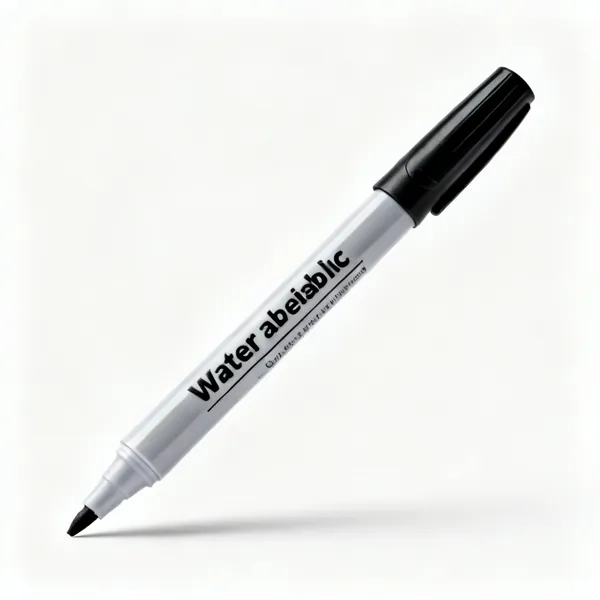
  • Fabric marker: A water erasable fabric marking pen

    Fabric marker

    Air or water erasable ink for a precise temporary line. Test it first, and never press over it, since heat can set some inks permanently.

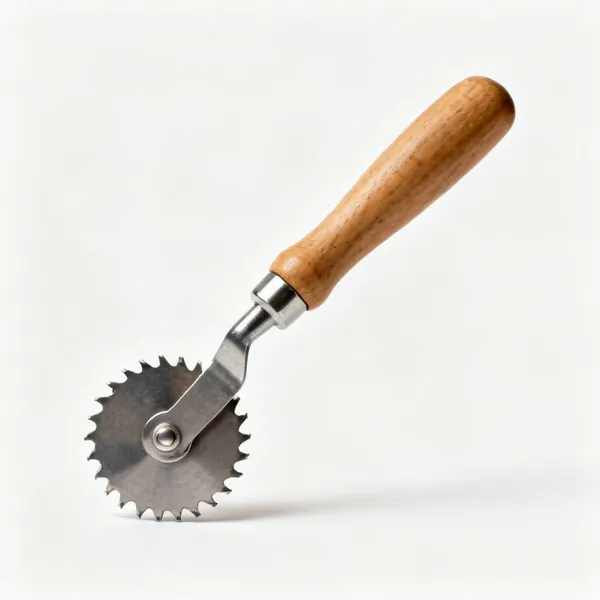
  • A serrated tracing wheel with a wooden handle

    Tracing wheel

    A spiked wheel rolled over carbon paper to transfer pattern lines onto fabric. Faster than marking each point by hand.

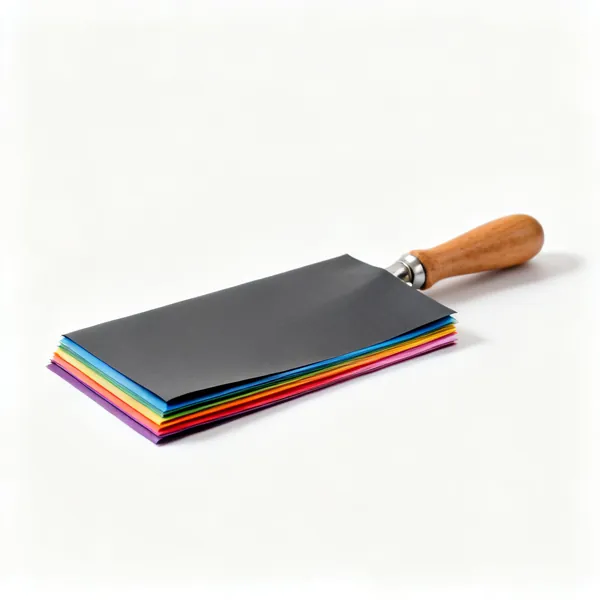
  • Sheets of coloured dressmaker's carbon tracing paper

    Carbon tracing paper

    Waxed sheets that leave a line under a tracing wheel. Used in pairs so both layers get marked in one pass.

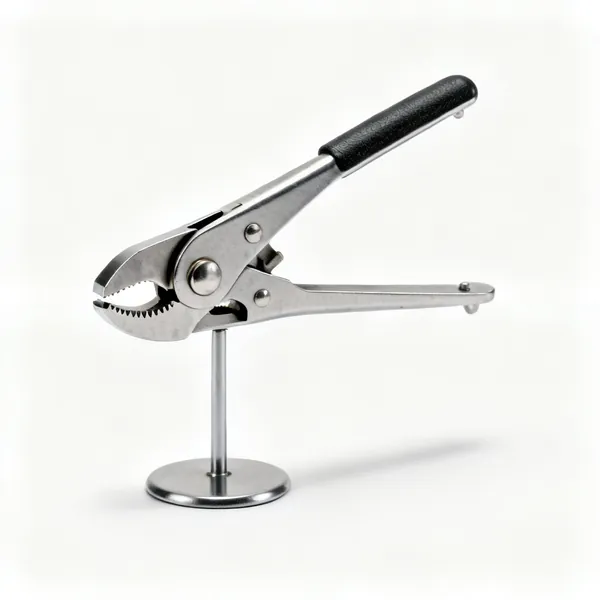
  • Hem gauge: A metal hem marking gauge on a stand

    Hem gauge

    Sets an even hem all the way round while the garment is on a body or a form, where measuring from the floor is the only accurate method.

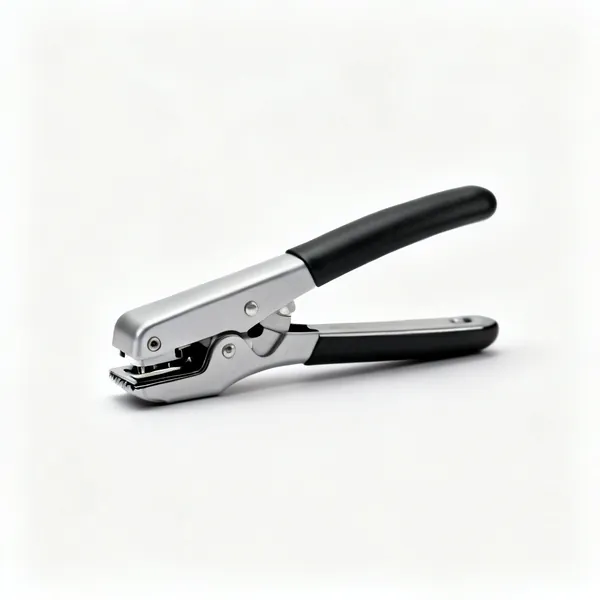
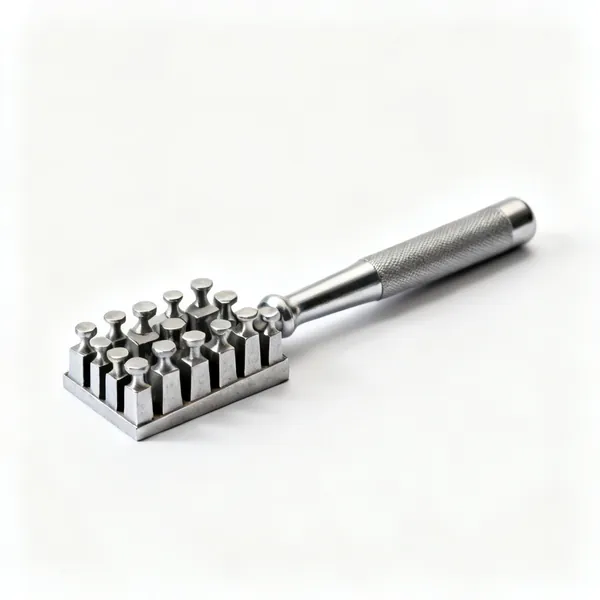
  • A pattern notcher punch tool

    Pattern notcher

    Punches a small notch in a pattern edge so matching points line up. Cutting notches with scissors weakens the pattern and shifts them.

Cutting 11

Accuracy here decides everything downstream, and error compounds across pieces. Keep these tools for fabric and nothing else.

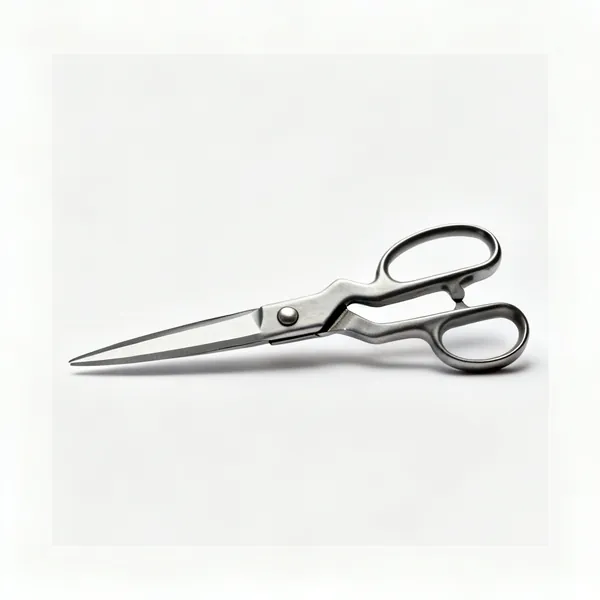
  • A pair of large fabric shears with an offset handleEssential

    Fabric shears

    Long blades with an offset handle so the lower blade stays flat on the table. Fabric only, since paper blunts them fast and blunt shears chew.

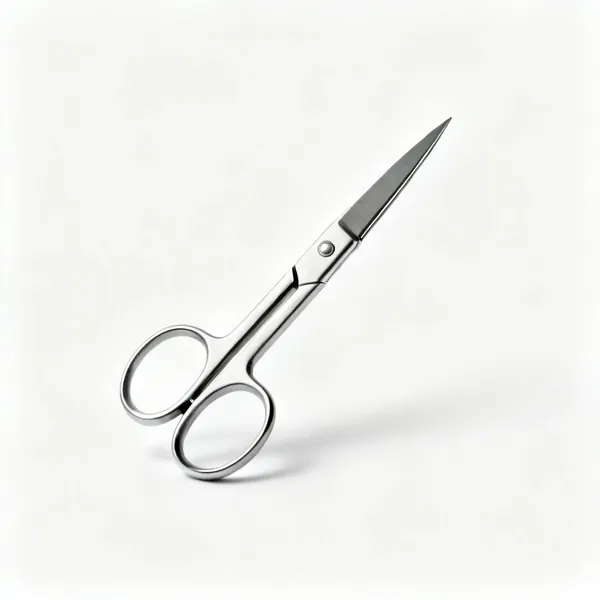
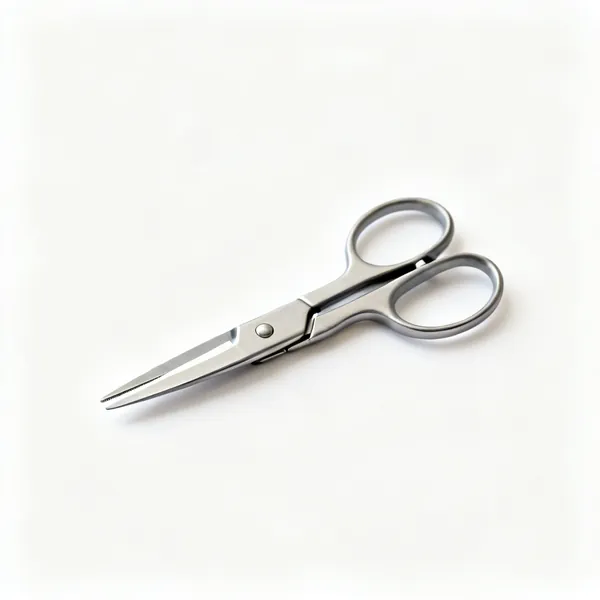
  • Small scissors: A pair of small sharp sewing scissorsEssential

    Small scissors

    Sharp to the tip for trimming, clipping curves and cutting into corners. Where big shears cannot go without cutting past the mark.

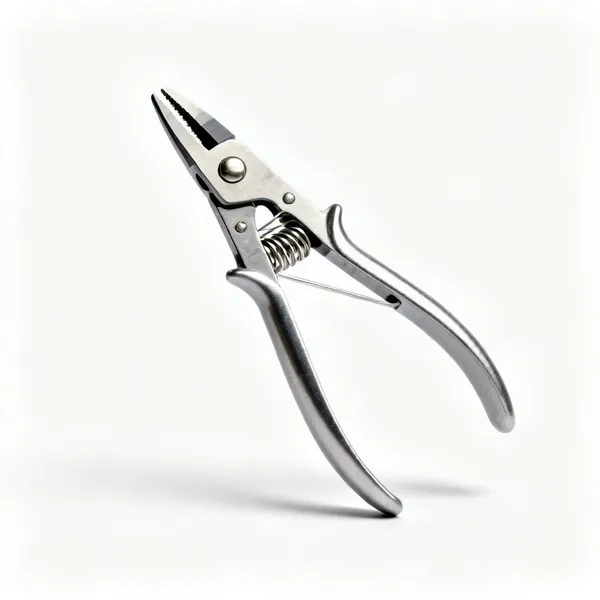
  • A pair of spring loaded thread snipsEssential

    Thread snips

    Spring loaded blades that cut thread with a squeeze, so they live beside the machine and never leave it. Faster than picking up scissors.

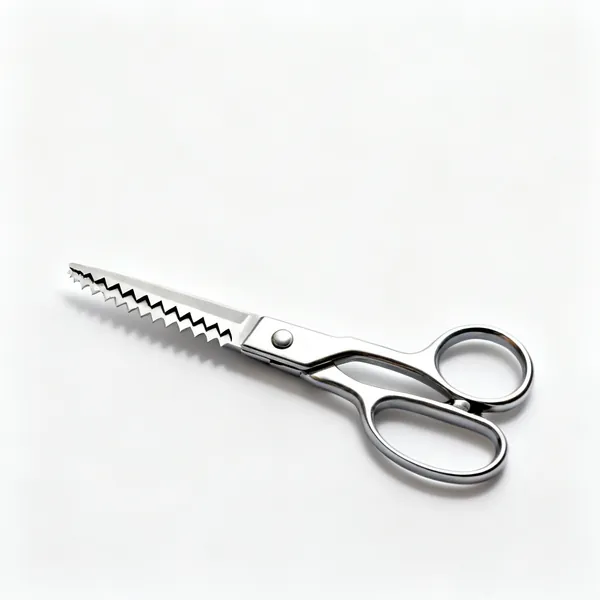
  • A pair of pinking shears with zigzag blades

    Pinking shears

    Zigzag blades that leave an edge which frays far less. The traditional seam finish before overlockers, and still handy on cotton.

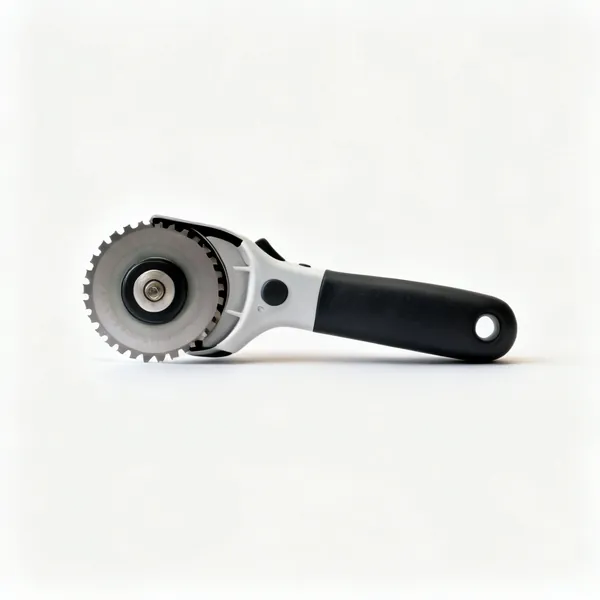
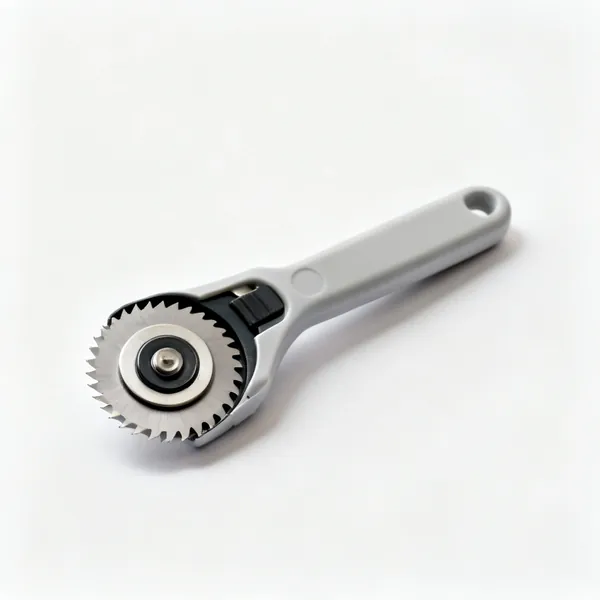
  • Rotary cutter: A rotary fabric cutter with a circular bladeEssential

    Rotary cutter

    A rolling blade run along a ruler, cutting straight lines through several layers far faster and cleaner than shears. Retract it every single time.

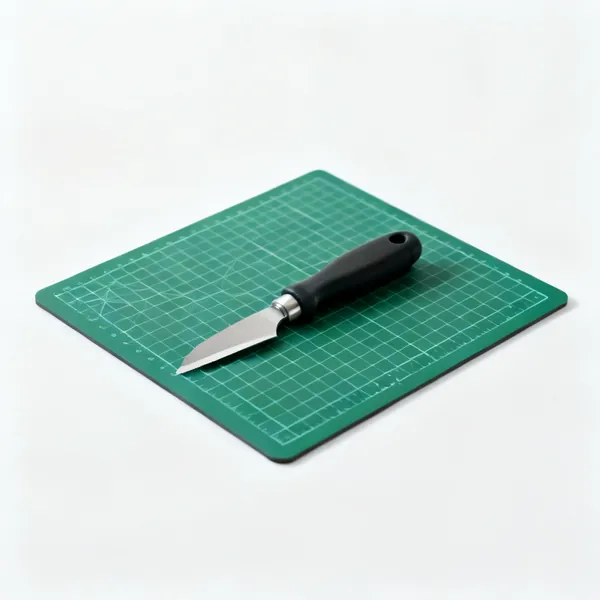
  • Self healing mat: A green self healing cutting mat with a gridEssential

    Self healing mat

    Protects the table and closes up behind the blade so it lasts. Also printed with a grid and angles, which does half the measuring for you.

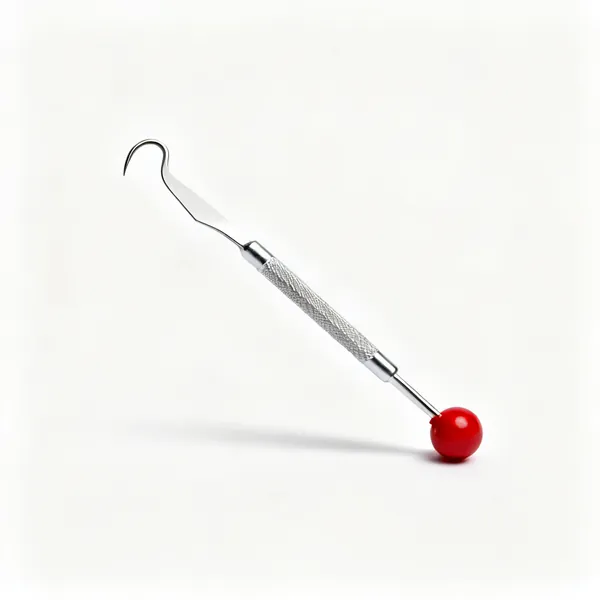
  • A seam ripper with a hooked blade and a red ball tipEssential

    Seam ripper

    A hooked blade that cuts stitches without cutting cloth. Everybody unpicks, and unpicking with scissors eventually damages the fabric.
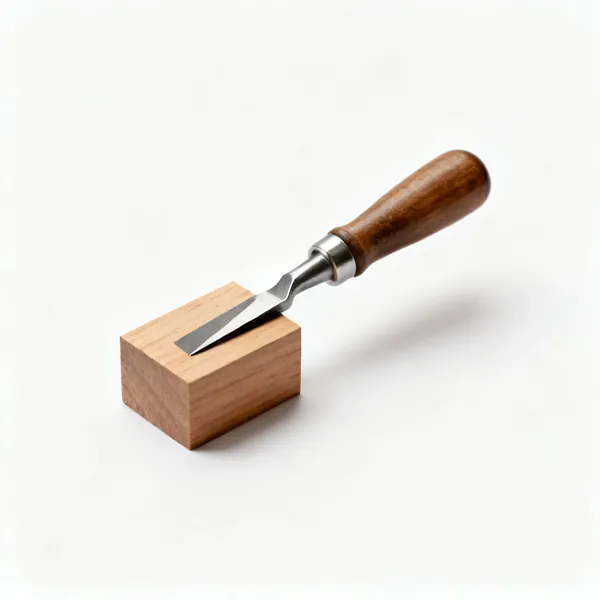
  • Buttonhole cutter: A buttonhole chisel cutter with a wooden block

    Buttonhole cutter

    A small chisel that opens a stitched buttonhole in one clean press. Unpicking one with scissors is how you cut through the bar tack.

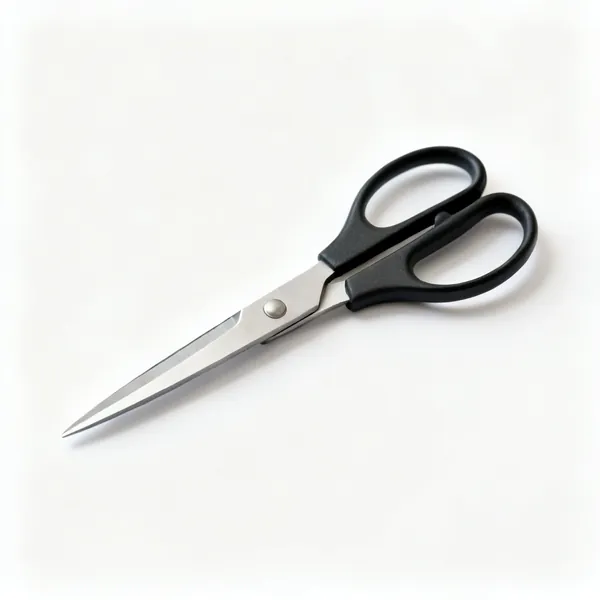
  • A pair of general purpose paper scissorsEssential

    Paper scissors

    A cheap pair kept for patterns, so the good shears never touch paper. The cheapest tool that protects the most expensive one.

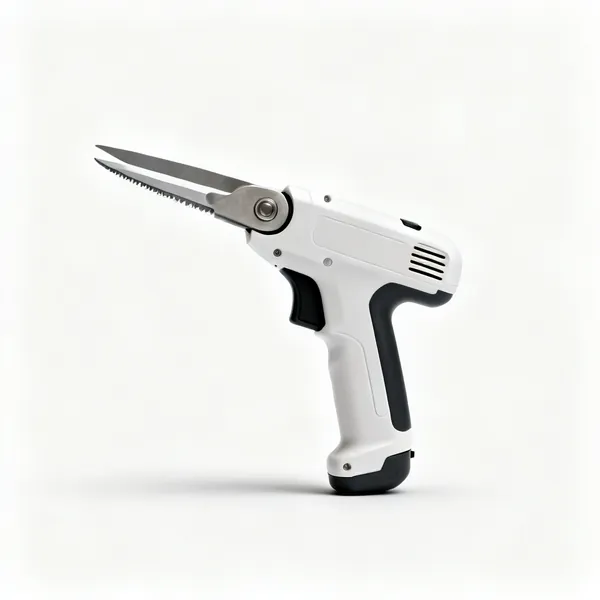
  • Electric scissors: A pair of cordless electric fabric scissors

    Electric scissors

    Powered blades for cutting long lengths or many layers without hand fatigue. Worth it if you cut a lot, and clumsy on detail.

  • Spare blades: A pack of replacement rotary cutter blades

    Spare blades

    Rotary blades are consumables and dull quietly. If you find yourself pressing harder, the blade is finished rather than the mat.

Pinning & holding 10

Holding pieces together until they are stitched. Which one you use depends on whether the fabric can take a hole.

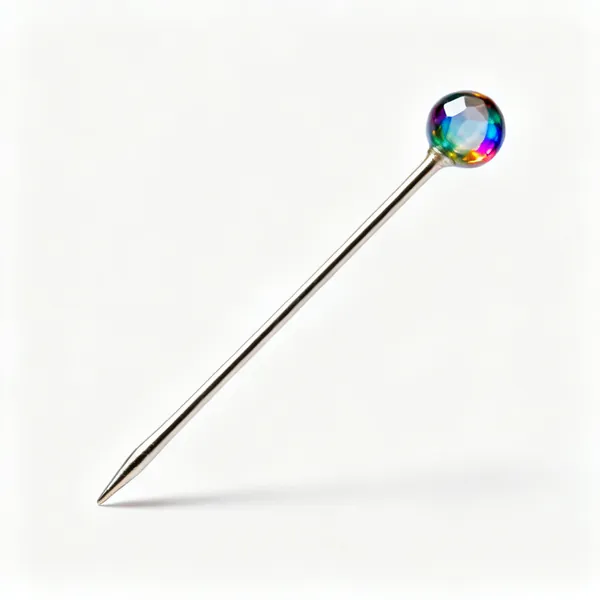
  • Dressmaker's pins: A pile of dressmaker's steel pins with glass headsEssential

    Dressmaker's pins

    Fine steel pins for holding fabric before stitching. Fine matters, since a thick pin leaves a visible hole in tightly woven cloth.

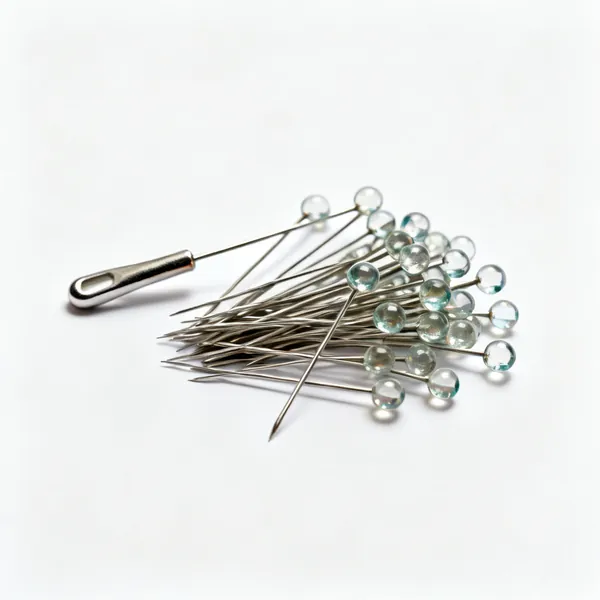
  • Glass head pins: Coloured glass head sewing pins

    Glass head pins

    Easier to see and grip, and the head survives an iron where plastic melts onto the fabric. A small upgrade you notice daily.
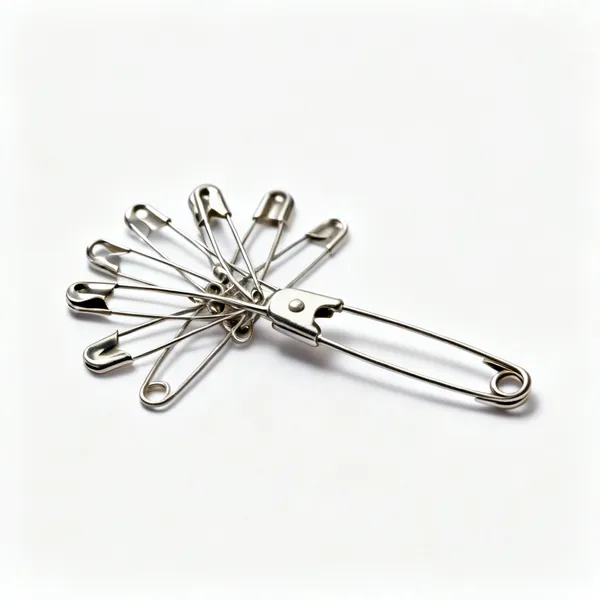
  • A group of assorted safety pinsEssential

    Safety pins

    Closed so they cannot fall out or prick, for threading elastic and holding a temporary fix. Also the emergency repair everyone has used.

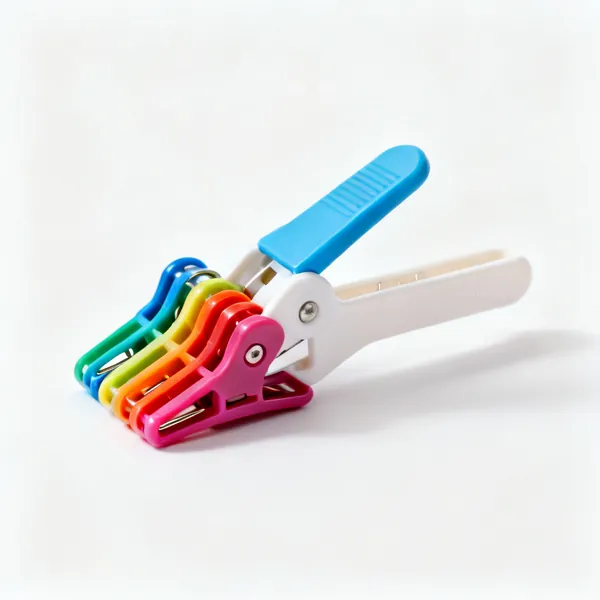
  • Colourful plastic sewing clipsEssential

    Sewing clips

    Small clips that hold without piercing, for leather, oilcloth and thick layers where a pin leaves a permanent hole.

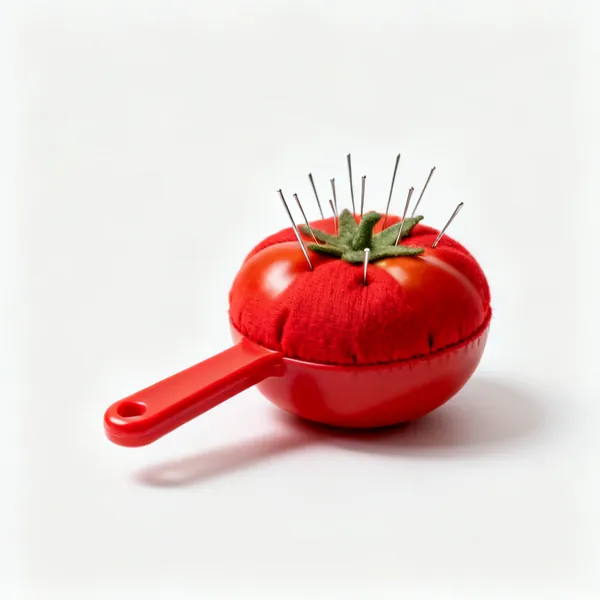
  • A red tomato pin cushion with pins in itEssential

    Pin cushion

    Keeps pins where your hand expects them. Wrist cushions exist because walking back to the table for a pin costs more time than it sounds.

  • A magnetic pin dish with pins

    Magnetic pin dish

    Catches pins as you drop them and sweeps spilled ones off the floor. It should stay well away from a computerised machine.

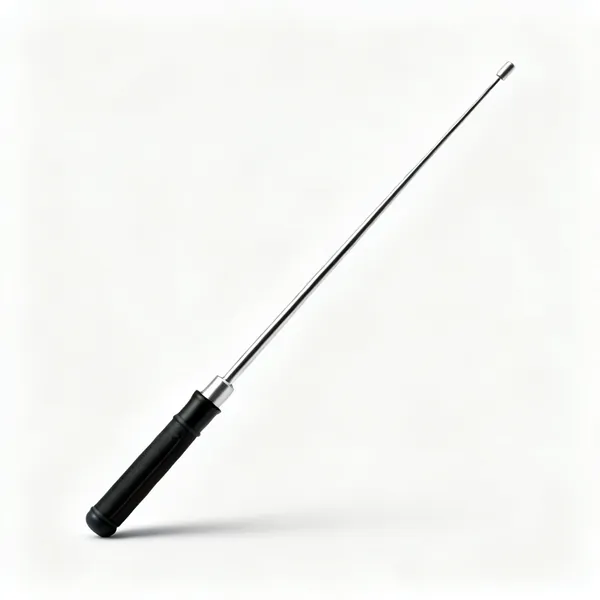
  • Pin magnet wand: A telescopic magnetic pin pick up wand

    Pin magnet wand

    Picks up dropped pins and needles from the floor before somebody finds them barefoot. Sounds trivial until it happens once.

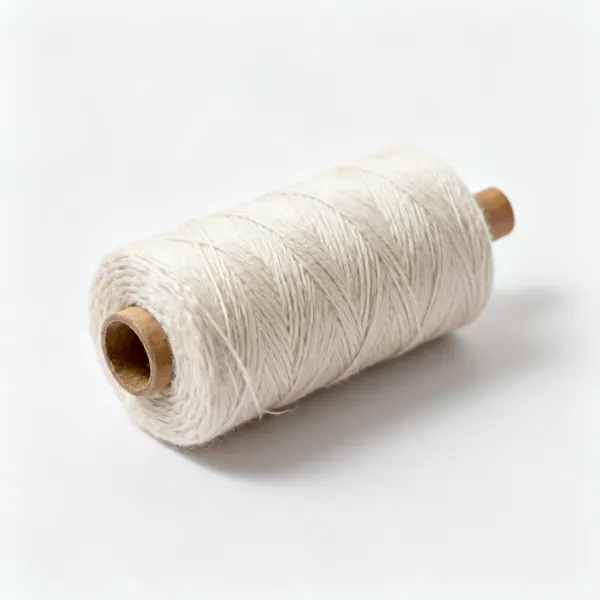
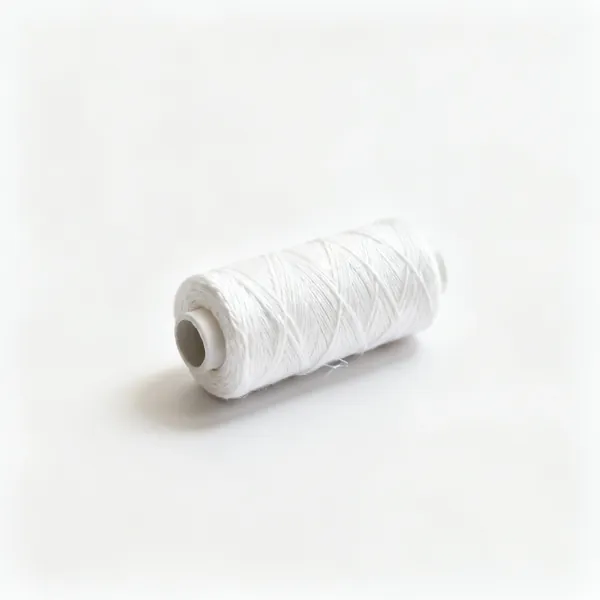
  • A reel of white cotton basting thread

    Basting thread

    Loose soft thread for temporary stitches that hold better than pins and pull out easily. How fittings are done properly.

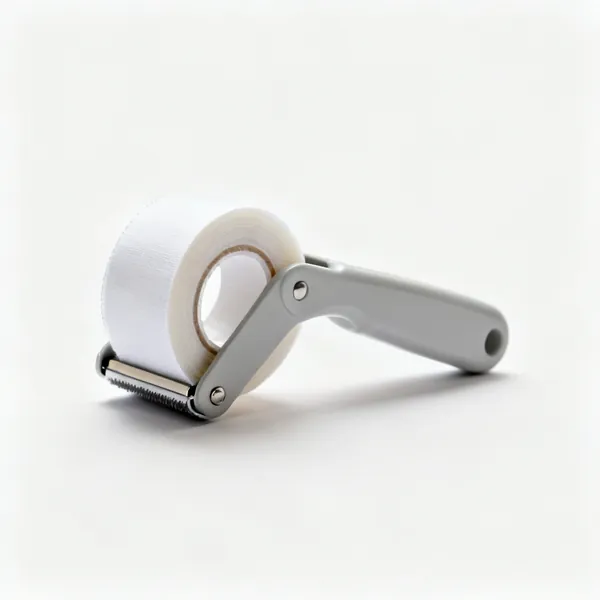
  • Double sided tape: A roll of double sided washaway sewing tape

    Double sided tape

    Washaway tape that holds a zip or a hem in place for stitching, in the places a pin would distort the line.

  • A set of metal pattern weights

    Pattern weights

    Hold a pattern flat without pinning through it, so the paper survives and the fabric is not lifted. Faster than pinning too.

Hand sewing 11

The work a machine cannot do, from invisible hems to buttons that stay on. Everything here fits in a tin and lasts decades.

  • Hand needles: An assortment of hand sewing needlesEssential

    Hand needles

    An assorted pack covers most jobs. Sharps for general sewing, betweens for fine hand work, and the size should suit the thread and cloth.

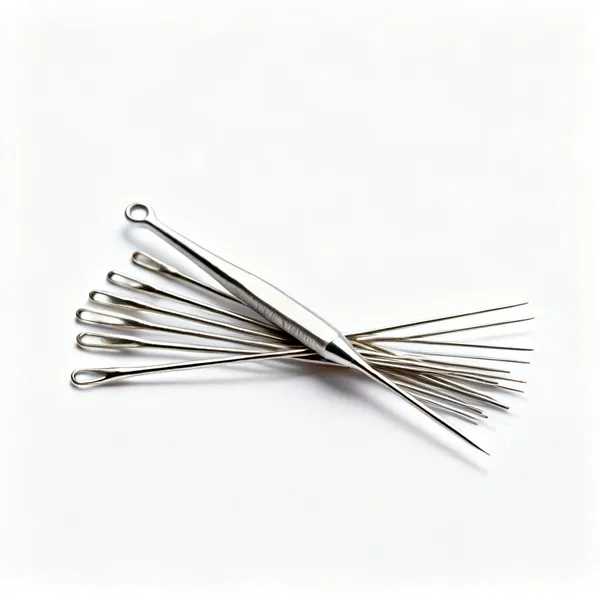
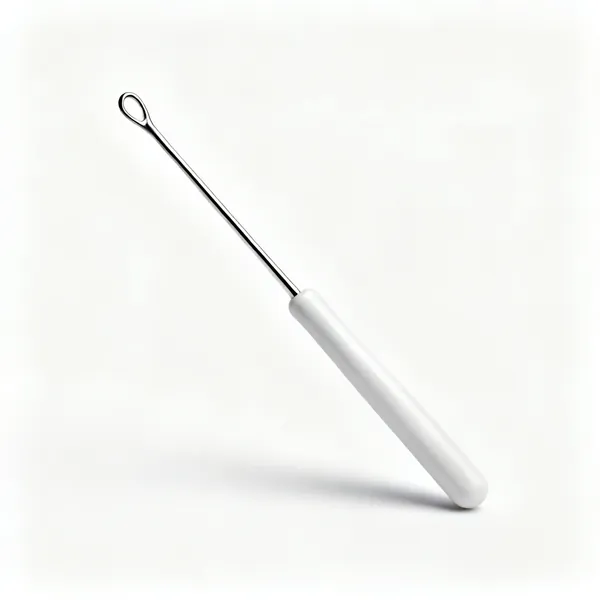
  • A wire needle threader with a metal handleEssential

    Needle threader

    A wire loop that carries thread through a small eye. Costs almost nothing and removes the most annoying two minutes in sewing.

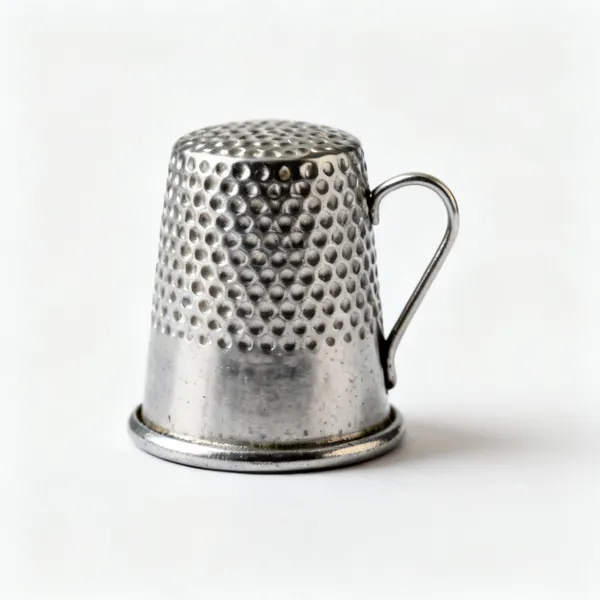
  • A metal sewing thimbleEssential

    Thimble

    Lets you push a needle through heavy cloth without a hole in your finger. Feels strange for a day and then feels necessary.

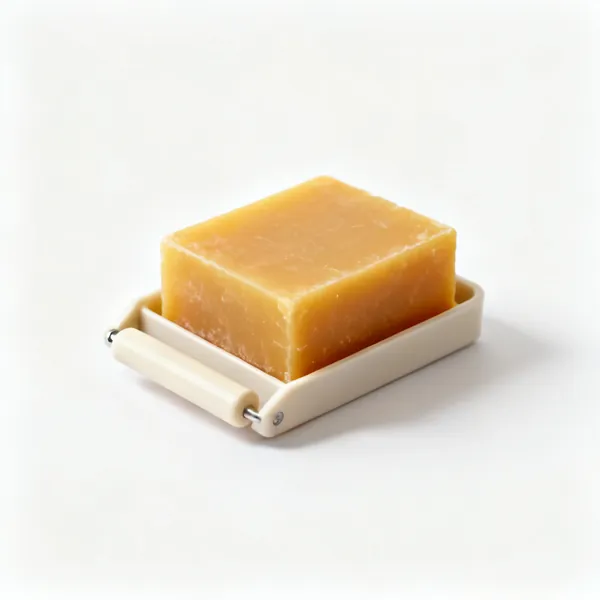
  • A block of beeswax thread conditioner in a holder

    Thread conditioner

    Waxes hand thread so it stops tangling and knotting on itself. Old fashioned, and the fix for the thing that makes people give up hand sewing.

  • Long darning needles with large eyes

    Darning needles

    Long with a large eye for wool and thick yarn, used to repair knitwear. Blunter than a sharp, so they part the knit rather than splitting it.

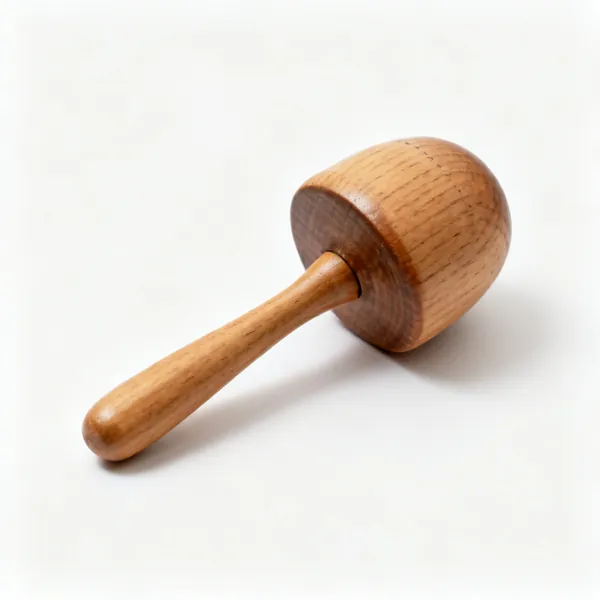
  • A wooden darning mushroom

    Darning mushroom

    A wooden dome that holds a hole open and taut so a darn can be woven across it evenly. Nothing else supports the fabric the same way.

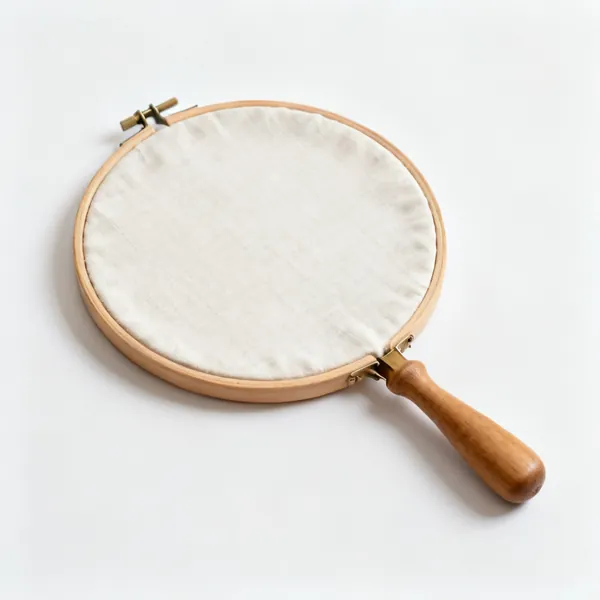
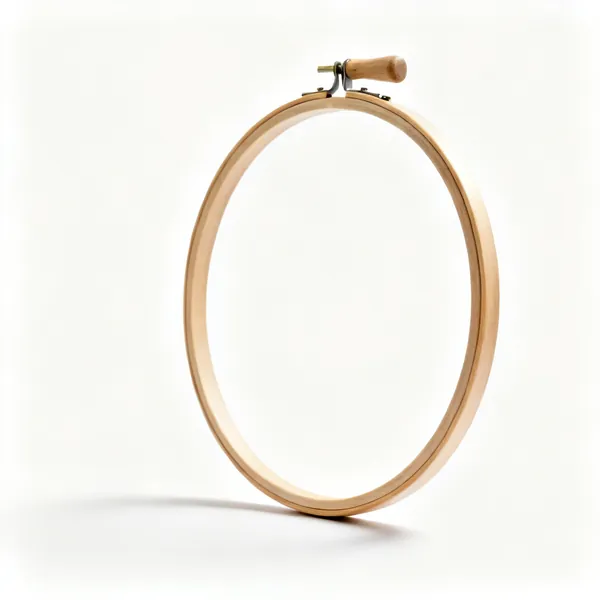
  • A wooden embroidery hoop with fabric stretched in it

    Embroidery hoop

    Two rings that hold fabric under even tension so stitches do not pucker. Tension is the whole difference in surface embroidery.

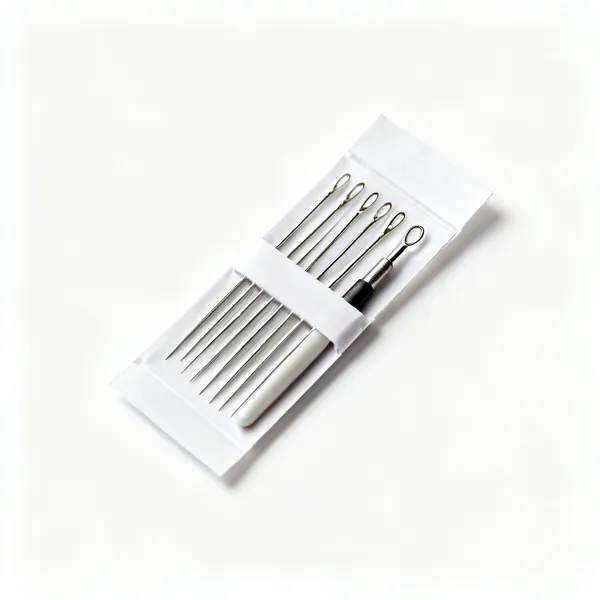
  • A packet of embroidery needles with long eyes

    Embroidery needles

    A long eye that takes several strands of floss without shredding them. A normal needle frays embroidery thread as it passes.

  • A metal bodkin elastic threader

    Bodkin

    A blunt needle with a large eye or a clamp for threading elastic and cord through a casing. The alternative is a safety pin and patience.

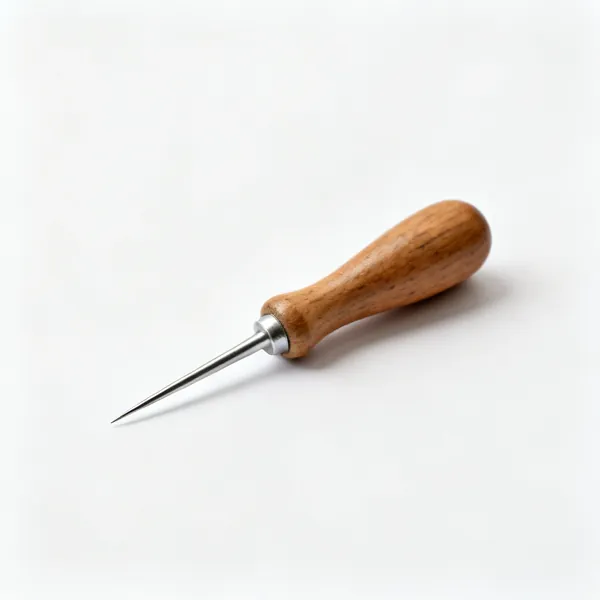
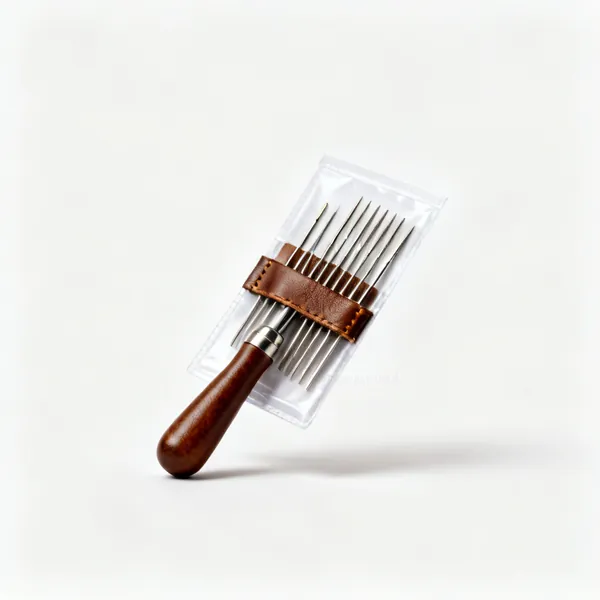
  • A sewing awl with a wooden handle and steel point

    Awl

    Makes a hole in leather or heavy canvas by pushing fibres aside rather than cutting them, which keeps the material strong.

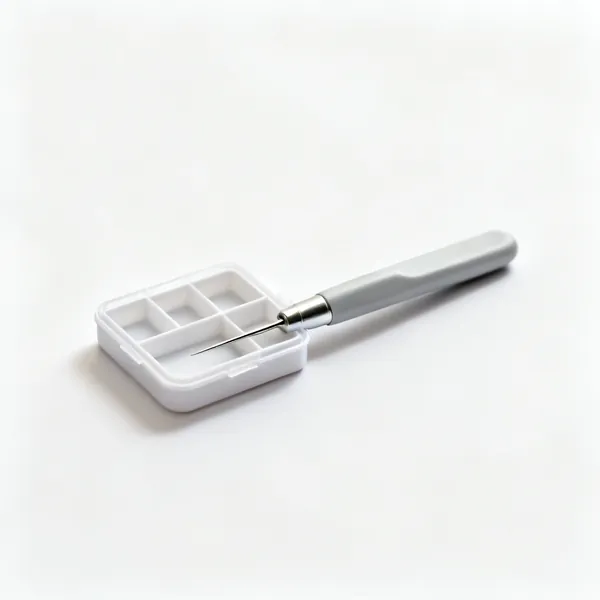
  • A small needle case with compartments

    Needle case

    Keeps needles sorted by type and out of a cushion where they rust. Loose needles in a tin become unidentifiable within a month.

Machine & accessories 13

The machine and the parts that change what it can do. A cheap foot often makes more difference than an expensive machine.

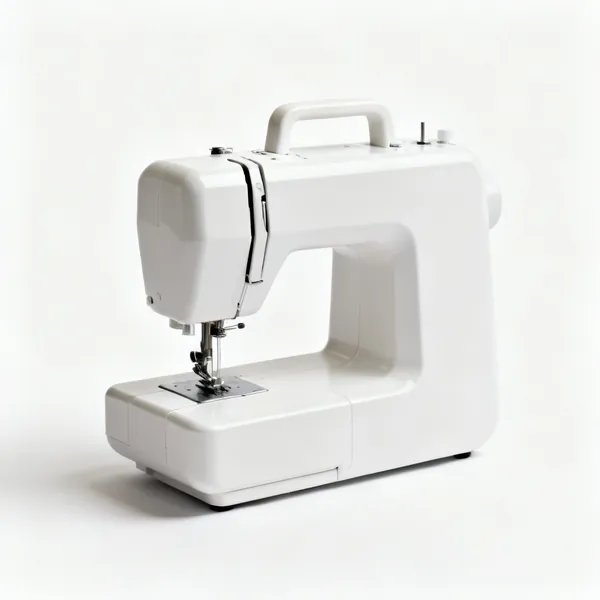
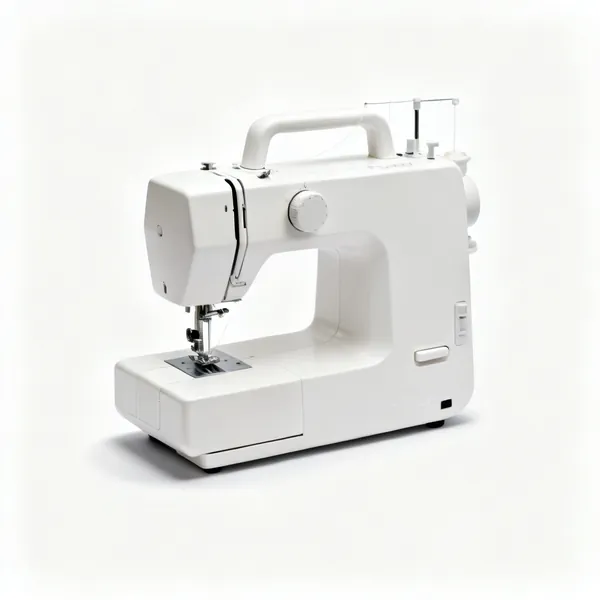
  • A white domestic sewing machineEssential

    Sewing machine

    A machine that does straight stitch, zigzag and a working buttonhole covers almost everything. Weight and feed matter far more than stitch count.

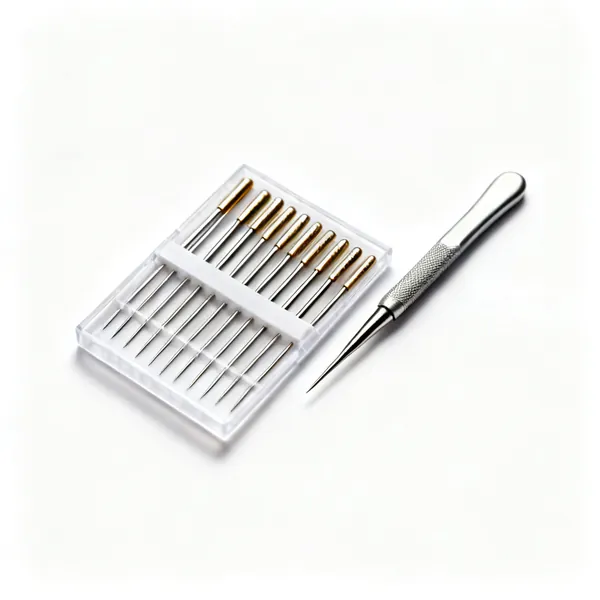
  • A pack of assorted sewing machine needlesEssential

    Machine needles

    Consumables in types and sizes to match the fabric. Sharp for woven, ball point for knits, and change them roughly every eight hours of sewing.
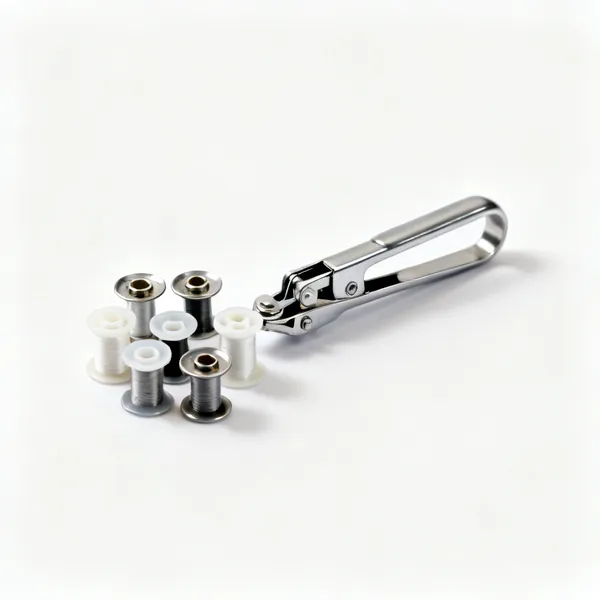
  • A group of metal and plastic sewing machine bobbinsEssential

    Bobbins

    Hold the lower thread. Buy the exact type for your machine and buy plenty, since running out mid seam is the usual reason to stop.

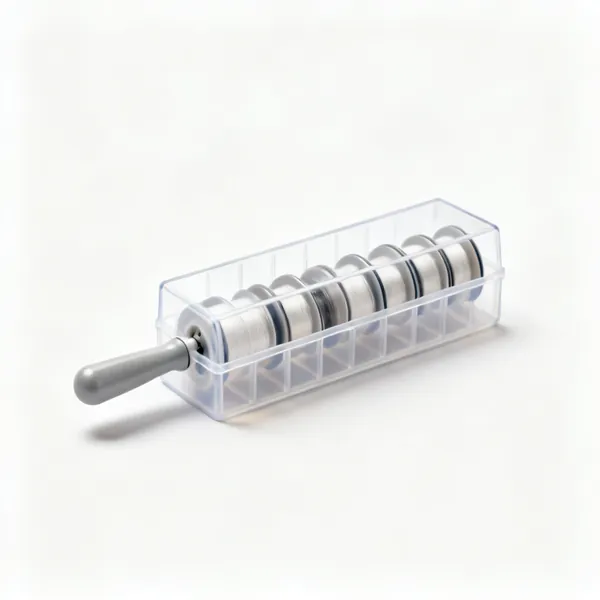
  • Bobbin box: A plastic bobbin storage box with bobbins

    Bobbin box

    Keeps wound bobbins from unravelling into each other. A drawer of loose bobbins is a tangle you eventually cut apart.

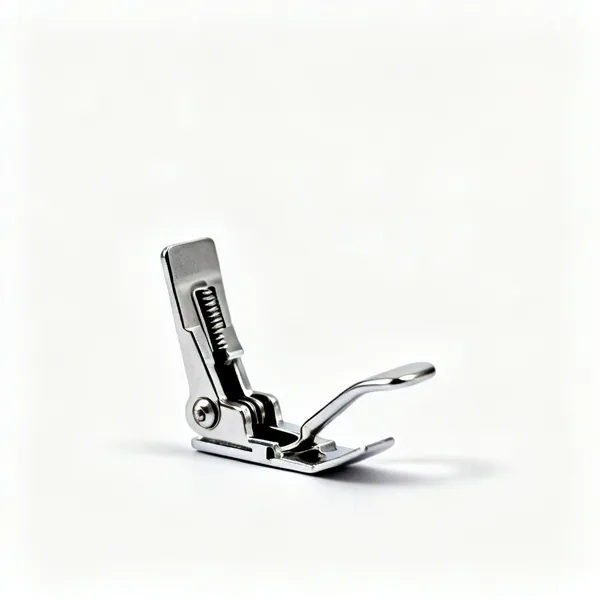
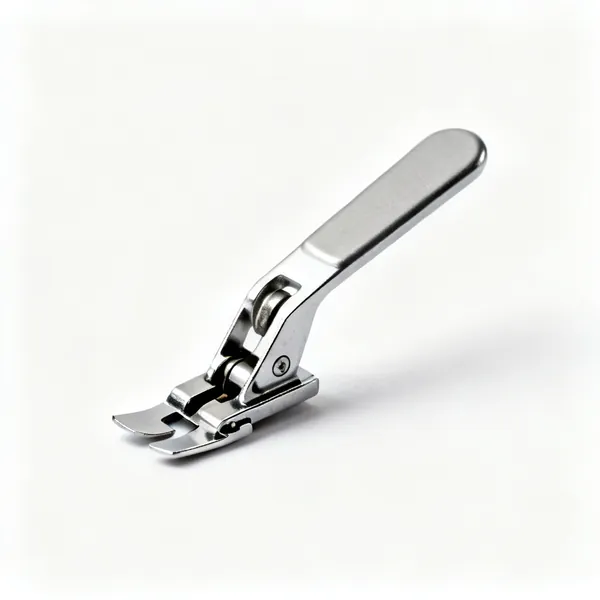
  • A metal sewing machine zipper footEssential

    Zipper foot

    A narrow foot that stitches close to the zip teeth. A standard foot cannot get near enough, so the zip shows.

  • A sewing machine buttonhole foot with a slideEssential

    Buttonhole foot

    Holds the button and works with the machine to sew a buttonhole to length. Doing it by eye gives you eight different buttonholes.

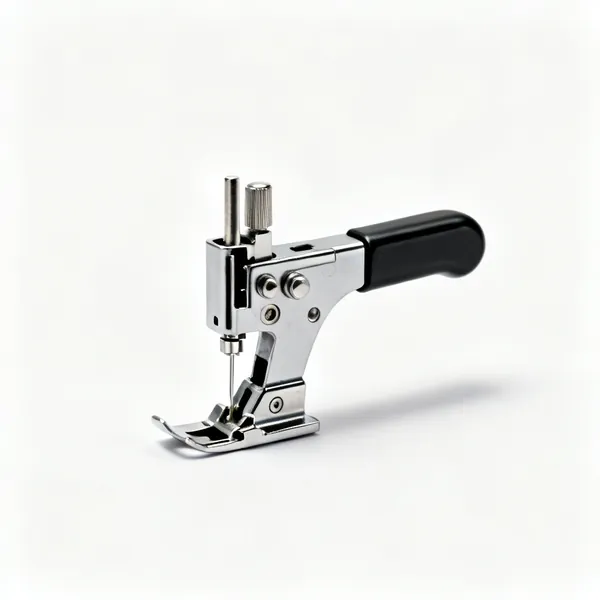
  • A walking foot sewing machine attachment

    Walking foot

    Feeds the top layer at the same rate as the bottom, so layers do not shift. Transforms quilting, thick fabric and anything slippery.

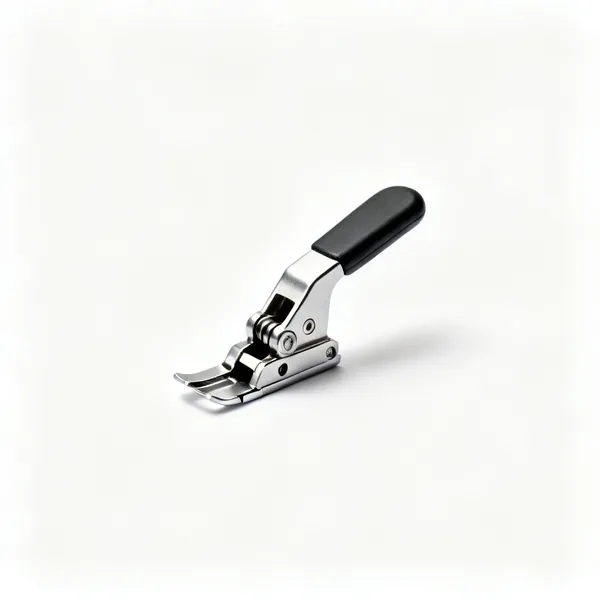
  • Blind hem foot: A blind hem sewing machine foot

    Blind hem foot

    Guides a folded hem so the machine catches only a thread or two of the outside. A machine hem that does not look like one.

  • A white overlocker serger machine

    Overlocker

    Trims and encloses an edge in one pass with three or four threads. Makes seams look shop finished and cannot replace a normal machine.

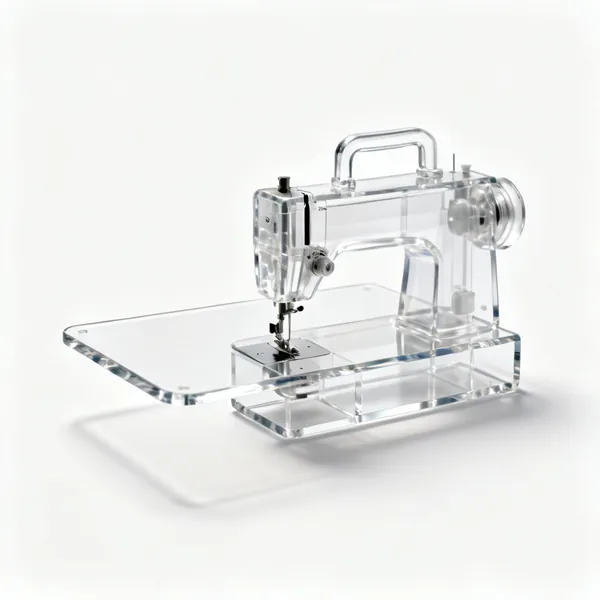
  • A clear acrylic sewing machine extension table

    Extension table

    A flat surface around the needle so a large piece is supported rather than hanging. Unsupported weight drags the seam crooked.

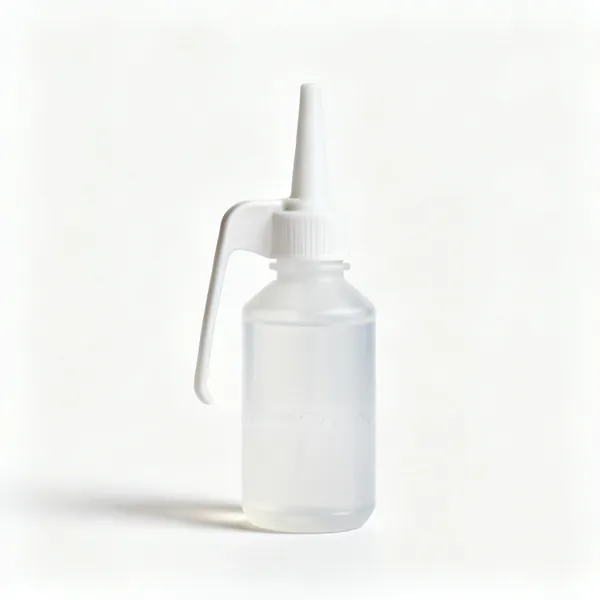
  • A bottle of sewing machine oil

    Machine oil

    A drop where the manual says, on a machine that takes it. Sewing machine oil specifically, since anything thicker gums up the works.

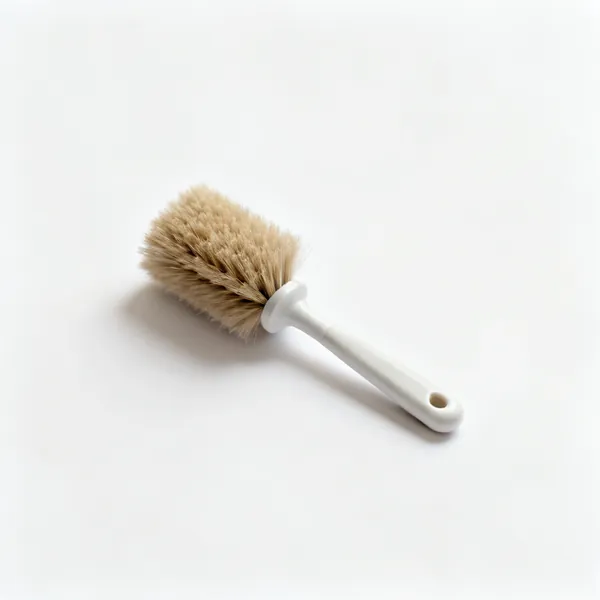
  • A small stiff lint brush for a sewing machineEssential

    Lint brush

    Clears lint from under the feed dogs and around the bobbin case, which is the actual cause of most tension complaints.

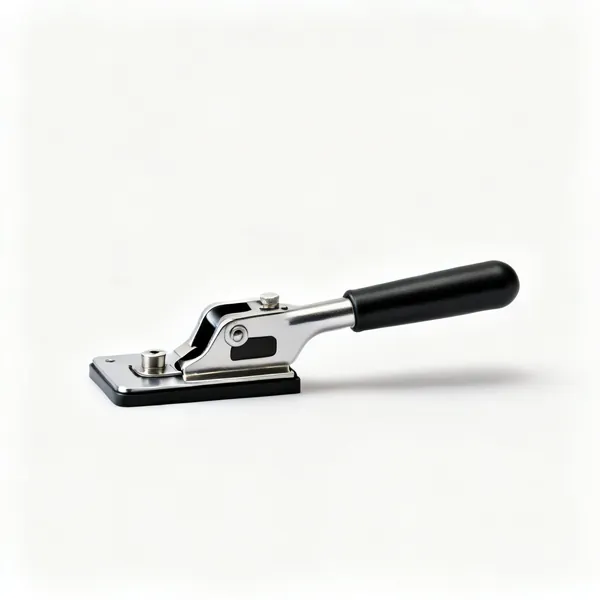
  • A magnetic seam guide on a sewing machine bed

    Magnetic seam guide

    A stop on the bed that your fabric edge runs against, giving an even seam allowance without watching the plate markings.

Pressing 10

Half of the finished look. Pressing sets stitches and flattens seams, and it must happen before another seam crosses.

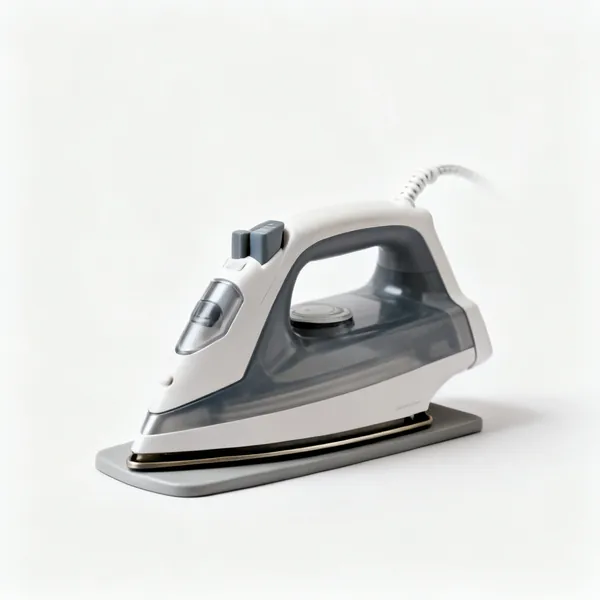
  • A steam iron on its heel restEssential

    Steam iron

    Heat and moisture together make fabric take a shape. A clean sole plate and real steam matter more than any feature on the box.

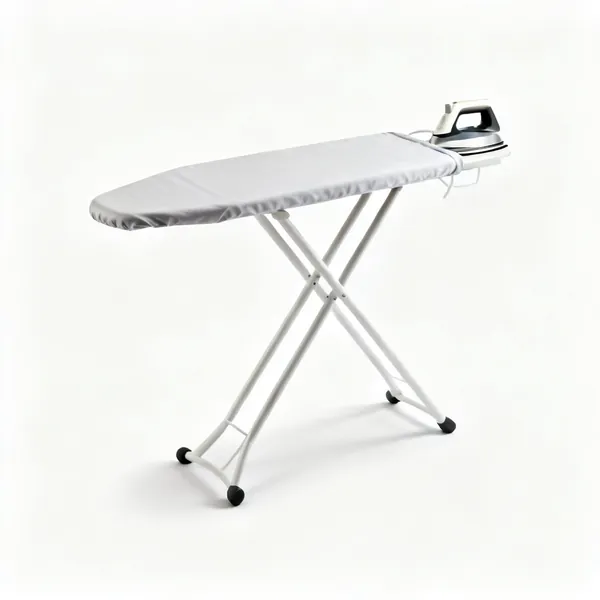
  • An ironing board with a coverEssential

    Ironing board

    A firm padded surface at a workable height. Soft padding absorbs pressure, so the seam never actually gets pressed flat.

  • Sleeve board: A small wooden sleeve pressing board

    Sleeve board

    A miniature board for pressing sleeves and narrow seams without creasing the other side of the tube.

  • A tailor's ham pressing cushion

    Tailor's ham

    A firm curved cushion for pressing darts and sleeve heads. Pressing a curve flat removes shape you deliberately built in.

  • A cylindrical seam roll pressing tool

    Seam roll

    A firm tube that lets you press a seam open without the edges printing through to the front of the fabric.
  • A folded muslin pressing clothEssential

    Pressing cloth

    A cotton or muslin layer between iron and fabric, so wool does not shine and synthetics do not melt. Cheap and irreplaceable.

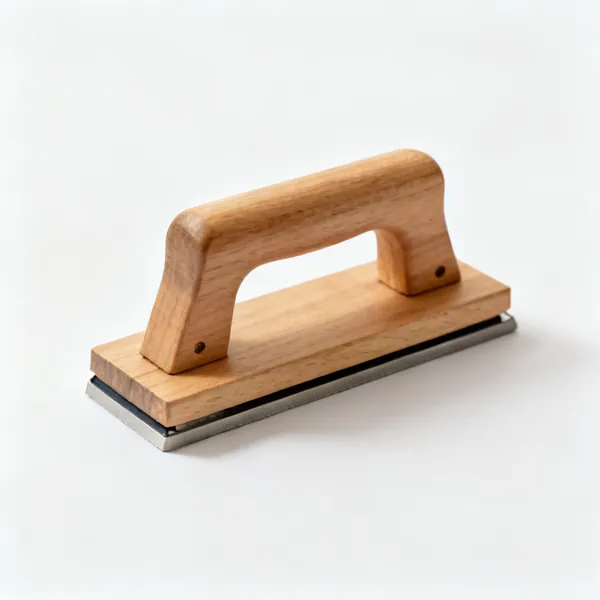
  • A wooden tailor's clapper pressing block

    Tailor's clapper

    A hardwood block held on a steamed seam while it cools, forcing a sharp flat edge. The trick behind a crisp tailored finish.

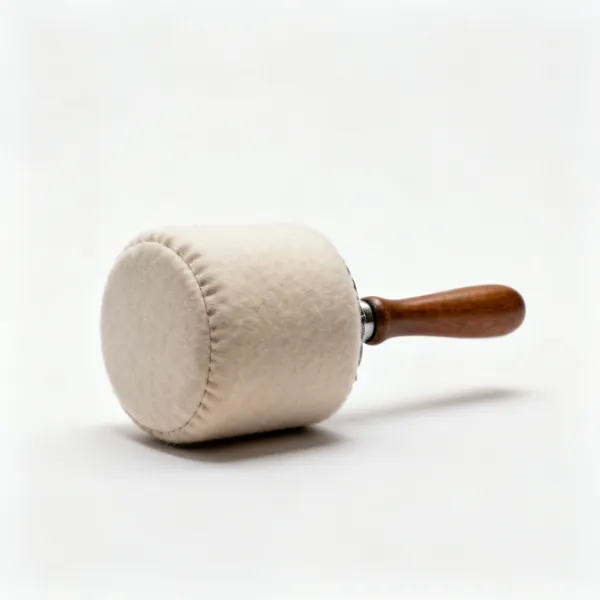
  • A wooden point presser and pounding block

    Point presser

    A shaped wooden stand for pressing collar points and corners open. Nothing else reaches into a stitched point.

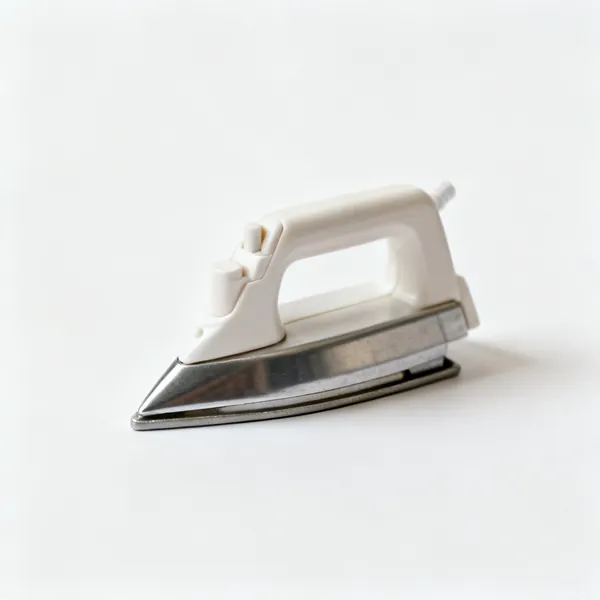
  • A small craft mini iron with a pointed plate

    Mini iron

    A small tip that presses seam allowances and appliqué in tight places without touching the surrounding fabric.
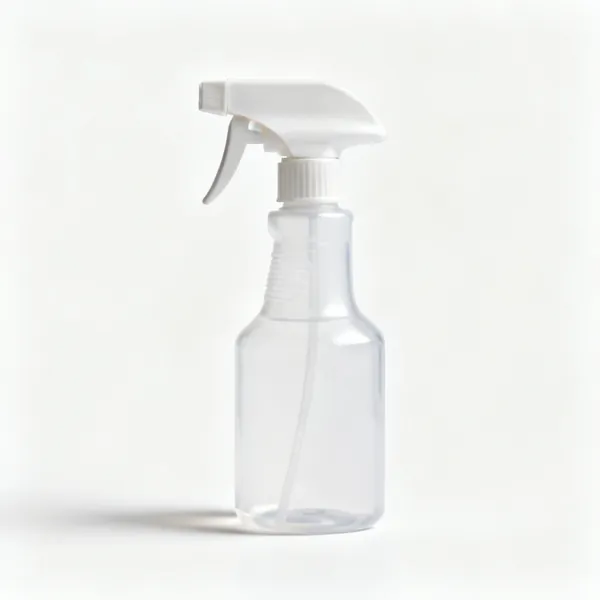
  • A fine mist plastic spray bottle

    Spray bottle

    A fine mist for damp pressing, which shifts creases that dry heat cannot. Water on cotton and linen does what steam settings promise.

Patterns & fitting 7

Turning a size into pieces that fit a real body. This is where most sewing frustration actually lives.

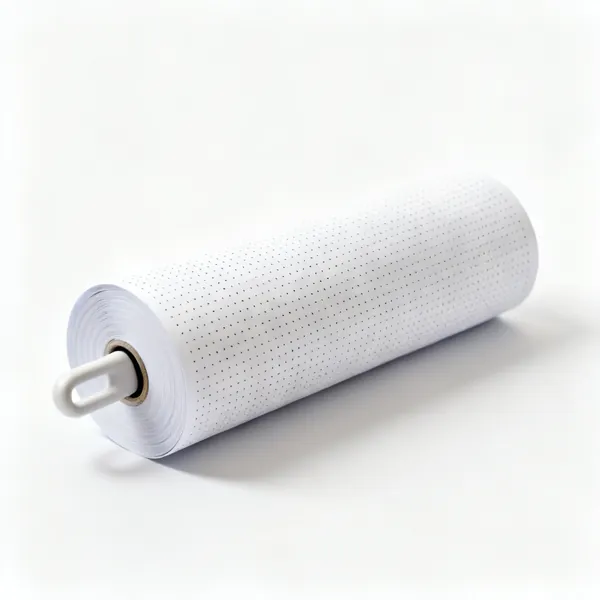
  • Pattern paper: A roll of dotted pattern drafting paperEssential

    Pattern paper

    Marked or plain paper for tracing and altering patterns, so the original survives. Trace it, alter the tracing, keep the master.

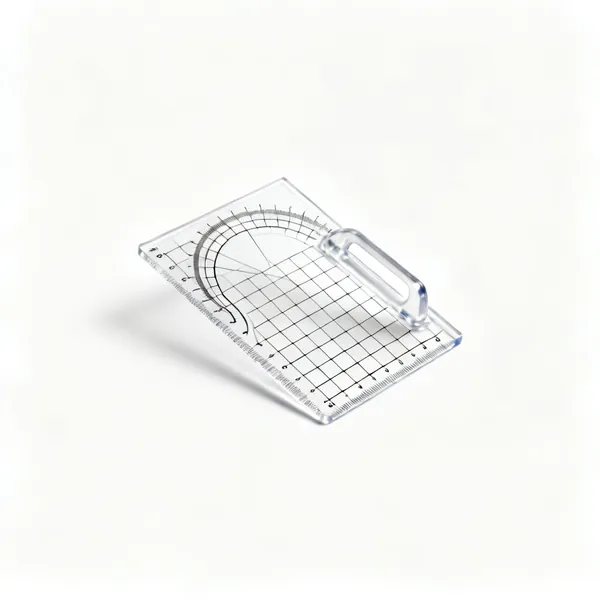
  • A clear plastic pattern master ruler with curves and grid

    Pattern master

    A combined ruler with curves, grading lines and a right angle. Does the job of four tools and is what pattern cutters actually hold.

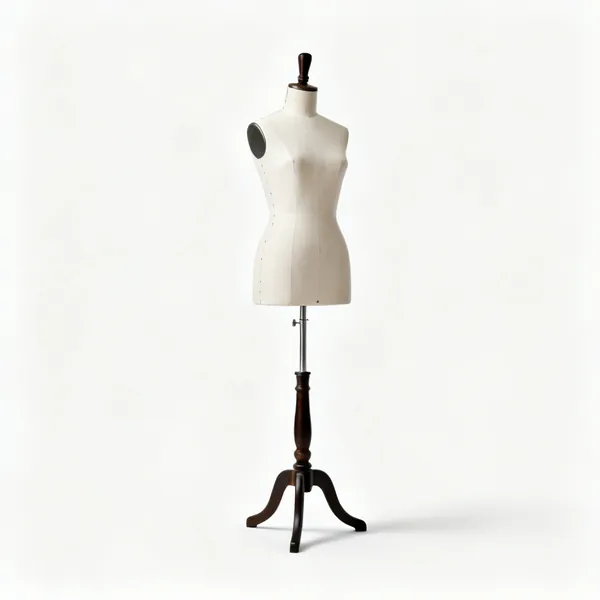
  • An adjustable dressmaker's dress form on a stand

    Dress form

    A body shaped stand for fitting and draping, with your own measurements set on it. It never gets tired of standing still.

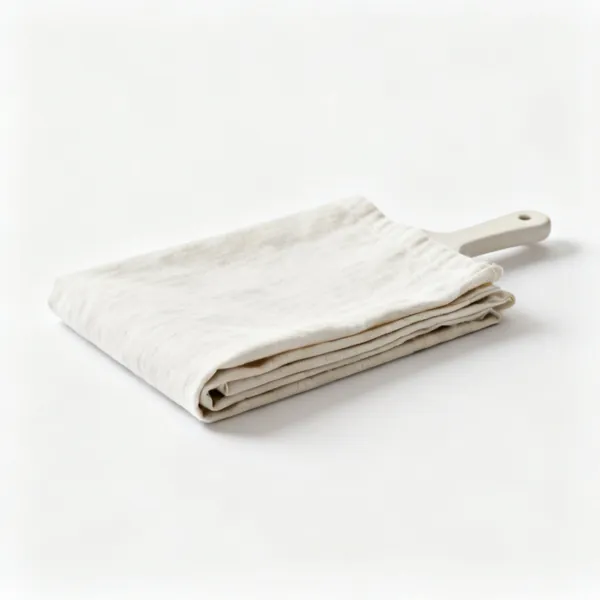
  • A folded length of plain calico toile fabric

    Toile fabric

    Cheap calico for a test version, so the fitting mistakes happen on fabric that does not matter. An hour that saves the good cloth.

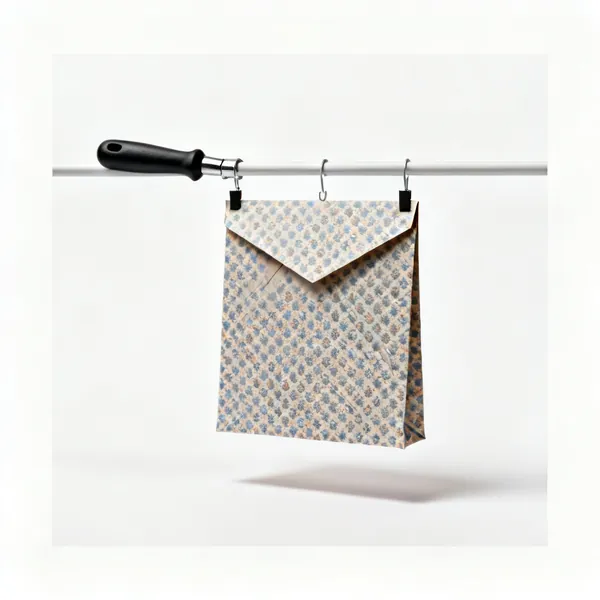
  • Pattern storage: Pattern envelopes hanging on a rail

    Pattern storage

    Envelopes or hooks that keep traced patterns flat and labelled. Folded loose patterns become unusable, and unlabelled ones become mysteries.

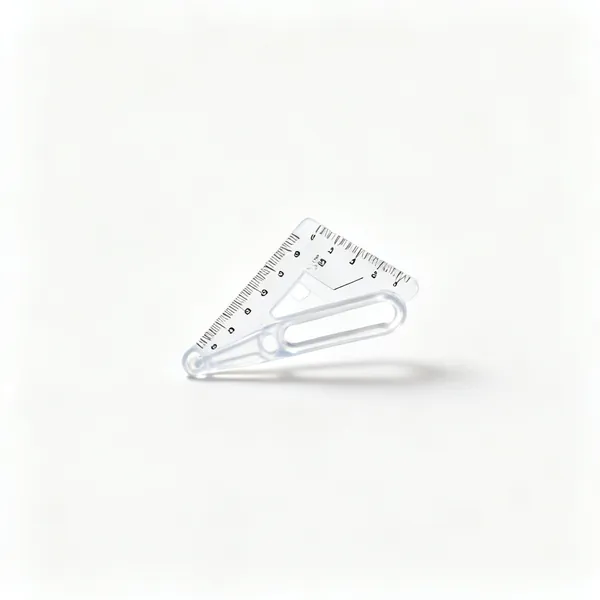
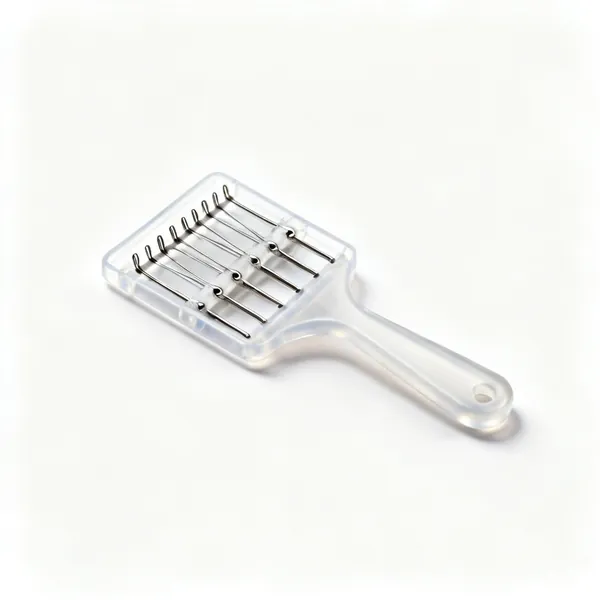
  • Set of gauges: A set of small plastic sewing gauge templates

    Set of gauges

    Small templates for repeated shapes, curves and buttonhole spacing. Fast and consistent where measuring each one is slow.

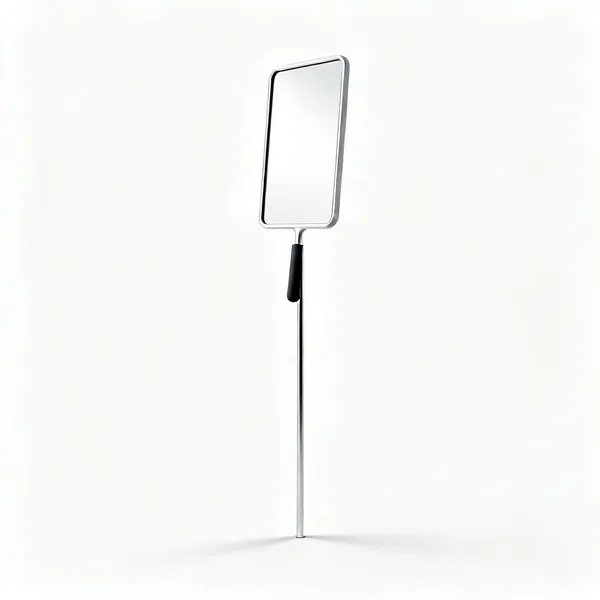
  • A full length standing fitting mirror

    Fitting mirror

    You cannot fit what you cannot see. A full length mirror, ideally with a side view, turns guessing into adjusting.

Thread & notions 12

The consumables and fastenings. Cheap individually, and the difference between a garment that lasts and one that fails at the fastening.

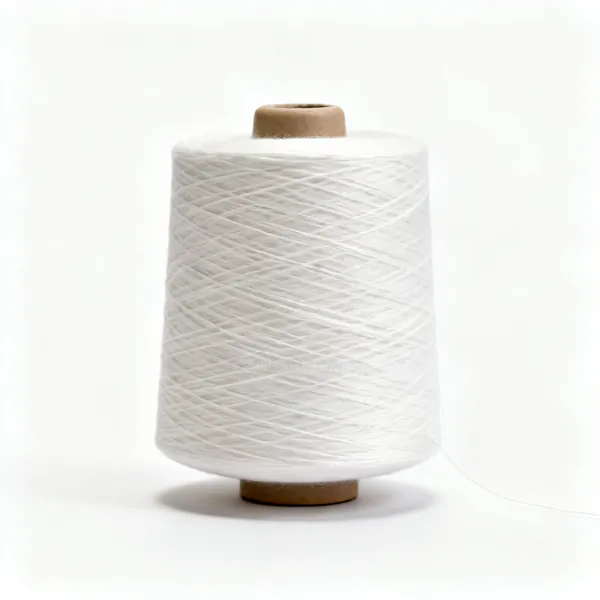
  • Polyester thread: Reels of polyester sewing thread in several coloursEssential

    Polyester thread

    The default for clothing, because it has a slight give that seams need. Match the top and bobbin thread or the tension will never look right.

  • Cotton thread: Reels of cotton sewing thread

    Cotton thread

    No stretch, a matte finish, and the traditional choice for quilting and non stretch woven work. It can snap in a seam under strain.

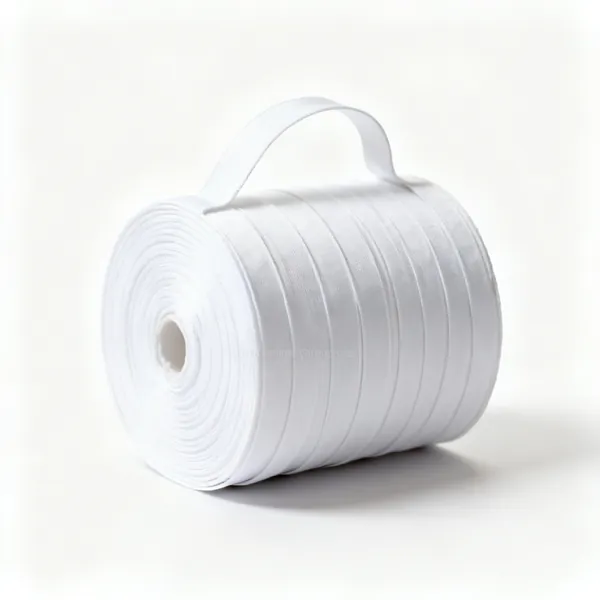
  • Rolls of flat white sewing elasticEssential

    Elastic

    Flat braid for waists and casings, cord for loops. Woven holds width under tension where knitted narrows, which matters in a waistband.

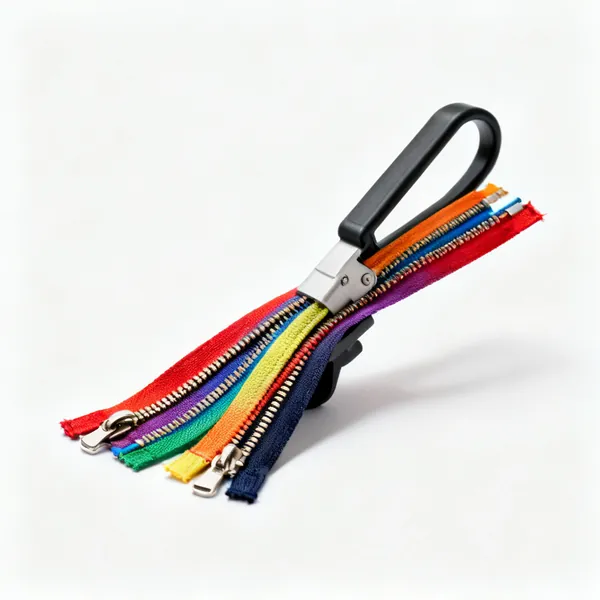
  • An assortment of coloured zipsEssential

    Zips

    Closed end for skirts and dresses, open end for jackets, invisible where it should not show. Length is measured on the teeth, not the tape.

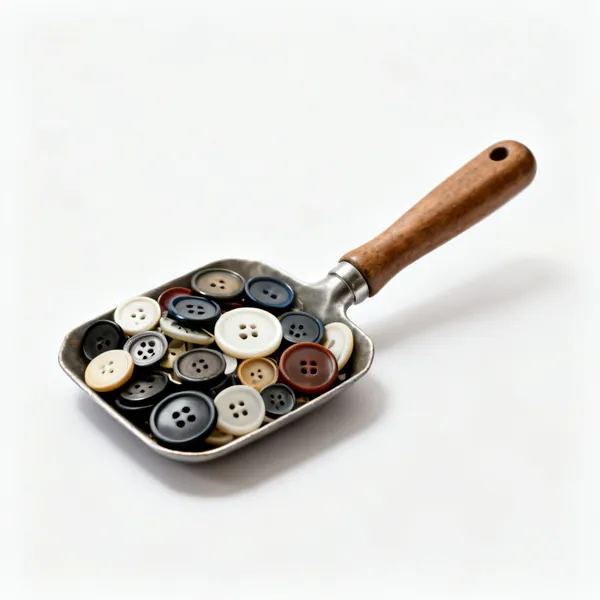
  • An assortment of buttons in a dishEssential

    Buttons

    Two hole and four hole for flat sewing, shank for thick fabric where the button needs to stand off the surface.

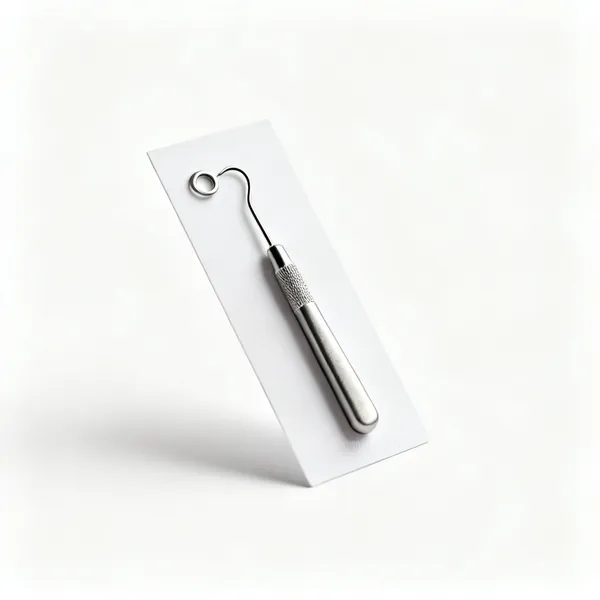
  • Hooks & eyes: Sewing hooks and eyes on a cardEssential

    Hooks & eyes

    Small metal fastenings that take strain off a zip at the top of a garment, which is where zips are pulled apart.

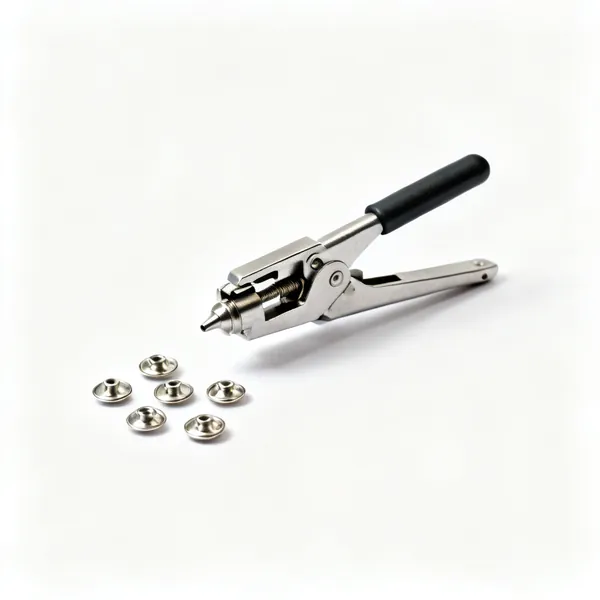
  • Press studs: Metal press stud snap fasteners with a setting tool

    Press studs

    Snap fastenings for fast closures on children's clothes and outerwear. The tool matters, since studs set badly pull straight out.

  • A folded piece of white fusible interfacingEssential

    Interfacing

    A stiffening layer fused or sewn behind collars, cuffs and waistbands. The reason a shop collar holds its shape and a homemade one flops.

  • Rolls of coloured bias binding tape

    Bias binding

    A pre folded strip cut on the bias, so it stretches around a curve. Finishes a raw edge neatly where a hem would not lie flat.

  • A metal bias tape maker with fabric feeding through

    Bias tape maker

    Folds a strip of your own fabric into binding as you press it. Matching binding costs nothing but the offcuts.

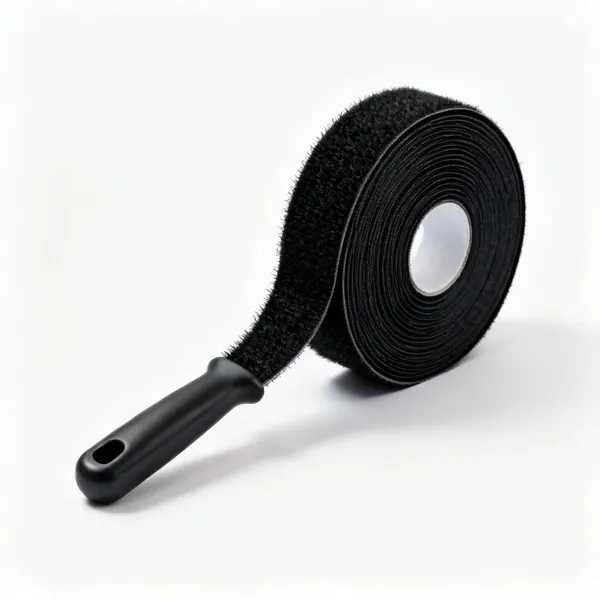
  • Hook & loop tape: Strips of black hook and loop tape

    Hook & loop tape

    Fast fastening for bags, covers and adaptive clothing. Sew on rather than stick on, since the adhesive kind gums up a needle.

  • Lengths of plastic and steel corset boning

    Boning

    Flexible strips that support a structured bodice or corset. Plastic for light shaping, steel where it genuinely has to hold a shape.

Quilting & specialist 10

Tools for one branch of sewing each. Nothing here is needed to make clothes, and each is close to essential within its own field.

  • A large round wooden quilting hoop

    Quilting hoop

    A large hoop or frame holding three layers evenly while you hand quilt. Even tension is what stops puckering between stitches.

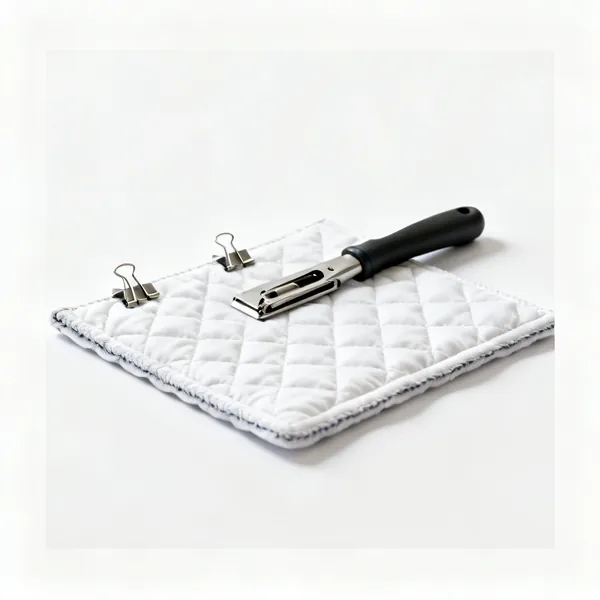
  • Metal binding clips on a quilt edge

    Binding clips

    Hold a quilt binding folded over a thick edge while you stitch. Pins cannot span the thickness without distorting it.

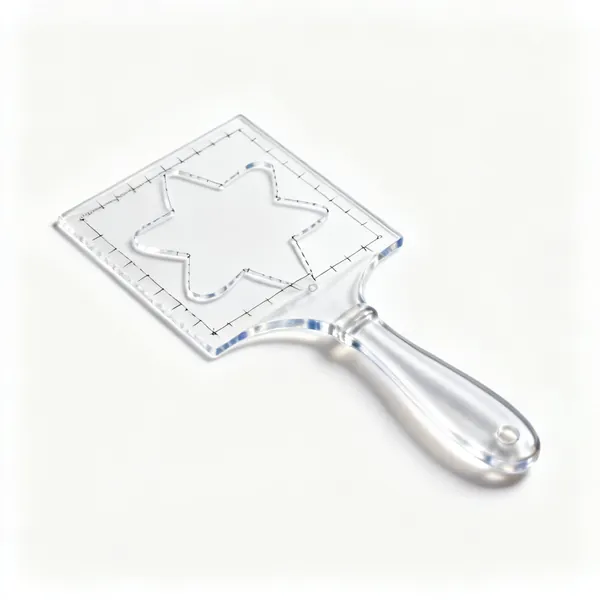
  • Quilting templates: Acrylic quilting template shapes

    Quilting templates

    Acrylic shapes for cutting repeated patchwork pieces identically. Patchwork only works if every piece is genuinely the same.

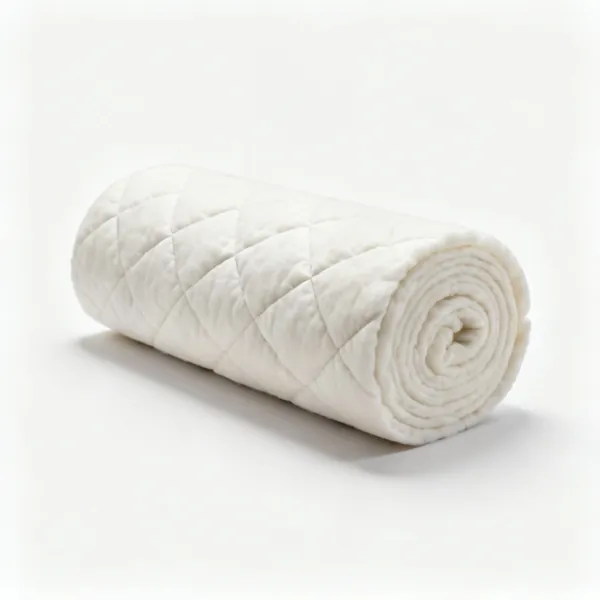
  • A rolled length of quilt wadding batting

    Wadding

    The middle layer of a quilt, in cotton, wool or polyester. It decides the weight, the warmth and how the finished quilt drapes.

  • Appliqué scissors: A pair of duckbill applique scissors

    Appliqué scissors

    A duckbill blade that lifts the top layer so you trim it without cutting the fabric underneath. Impossible to do safely with normal scissors.

  • Leather needles: A pack of leather sewing machine needles

    Leather needles

    A chisel point that cuts a slit rather than punching a round hole, so the leather is not weakened along the seam.

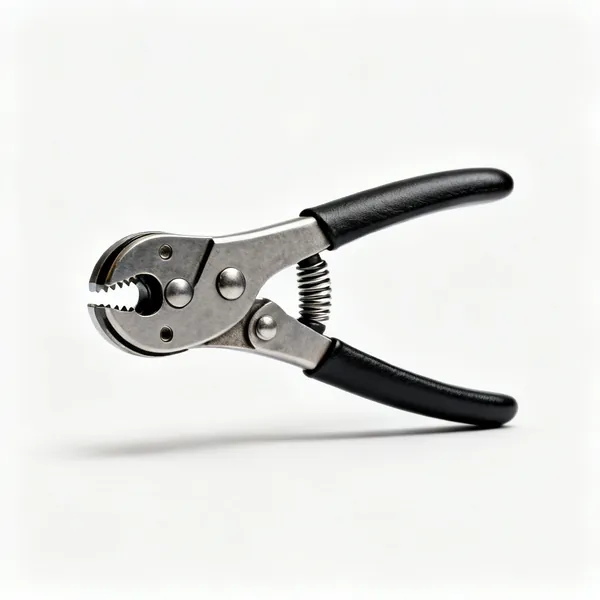
  • Leather punch: A revolving leather hole punch plier

    Leather punch

    Punches clean round holes for lacing, rivets and belt holes, in a revolving head of sizes.

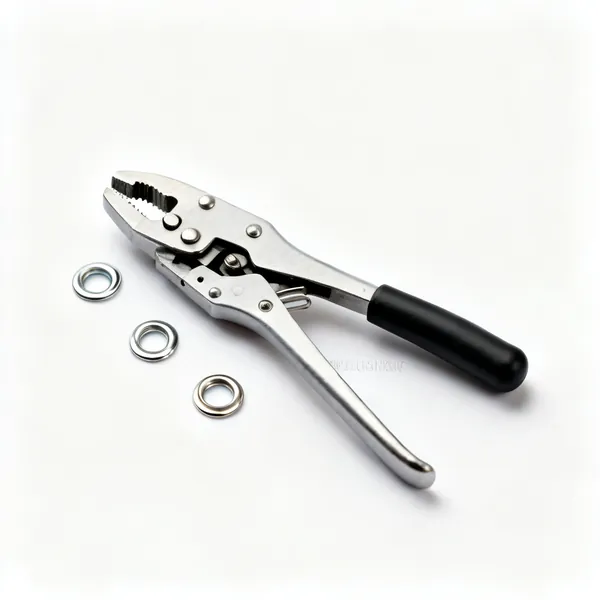
  • Eyelet tool: An eyelet setting tool with metal eyelets

    Eyelet tool

    Sets metal eyelets for lacing and cords. A set eyelet holds where a stitched hole would tear out under strain.

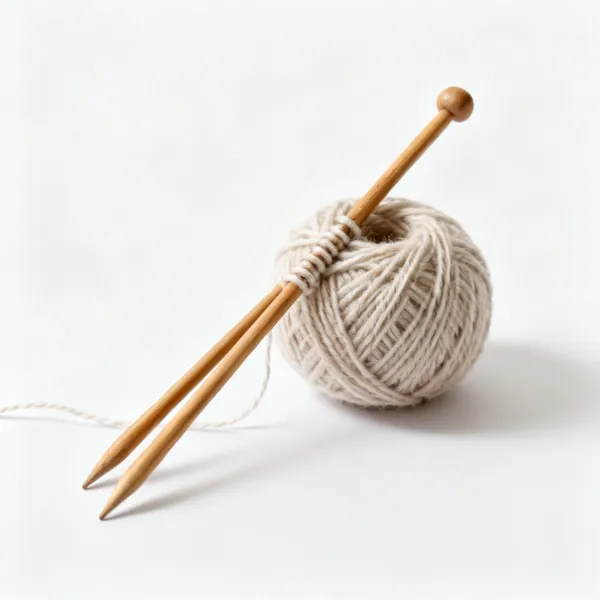
  • A pair of wooden knitting needles with yarn

    Knitting needles

    Different craft, same drawer. Included because repairing knitwear needs them, and every mending kit ends up with a pair.

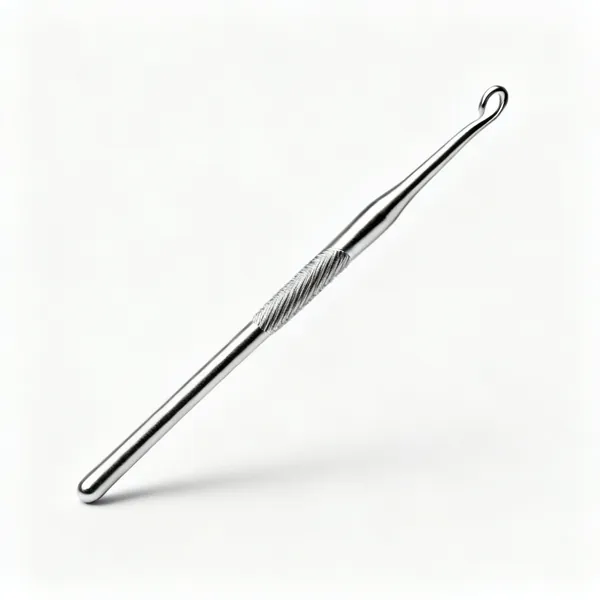
  • A metal crochet hook

    Crochet hook

    Pulls a dropped stitch back up a knit and hooks a snagged thread through to the wrong side. A rescue tool as much as a craft one.

Storage & workspace 8

Sewing is dozens of small sharp things. Where they live decides whether a repair takes five minutes or an evening.

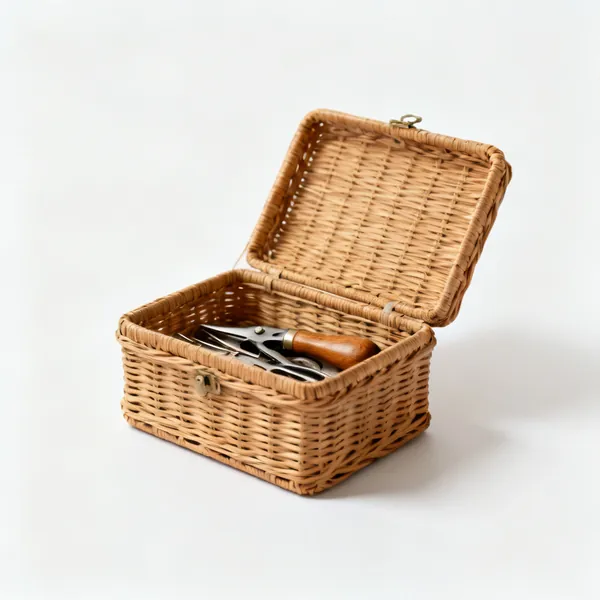
  • An open wicker sewing box with tools insideEssential

    Sewing box

    One container with everything for a repair, so a loose button gets fixed rather than filed away in a drawer forever.

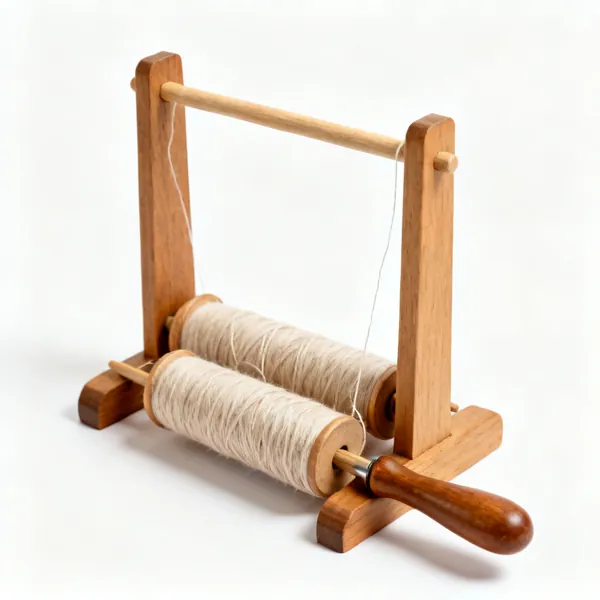
  • Thread rack: A wooden thread spool rack with reels

    Thread rack

    Holds reels upright and visible, and stops them rolling and unwinding. Also shows at a glance which colour you have run out of.

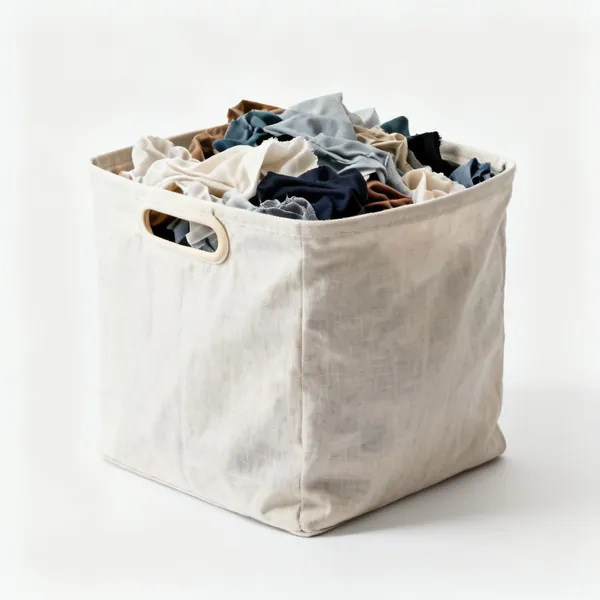
  • Scrap bin: A fabric bin full of fabric scraps

    Scrap bin

    Offcuts become facings, bindings, patches and test pieces. A bin sorted by weight rather than colour is the useful kind.

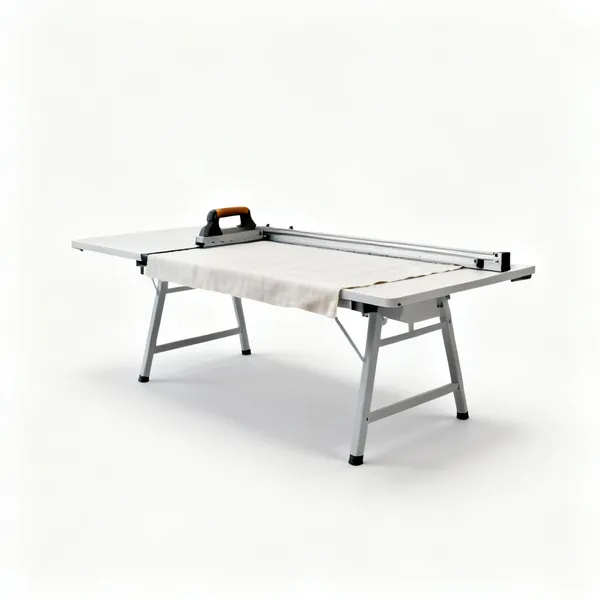
  • A large flat cutting table with fabric on it

    Cutting table

    Waist height and big enough for a full pattern piece. Cutting on the floor or a bed is where most cutting error comes from.

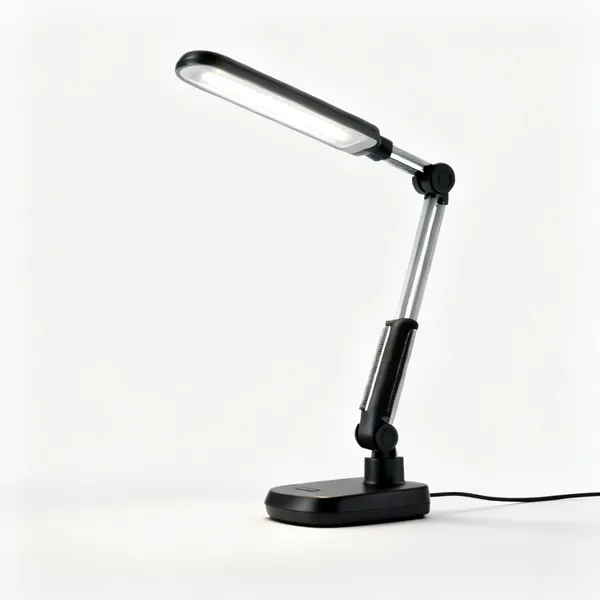
  • An adjustable LED task lampEssential

    Task lamp

    Directed light at the needle. Fine dark fabric is genuinely difficult to see, and eye strain is the reason sewing sessions end early.

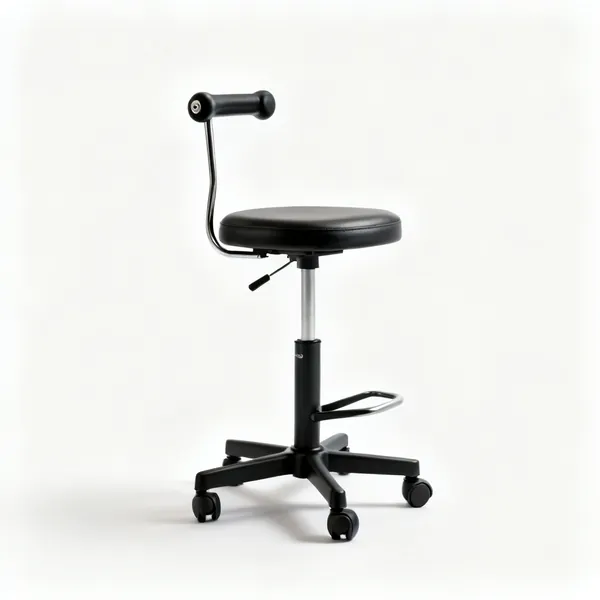
  • Adjustable chair: An adjustable height sewing chair

    Adjustable chair

    Height set so your forearms are level with the machine bed. Hours hunched over a machine hurts your neck rather than your hands.

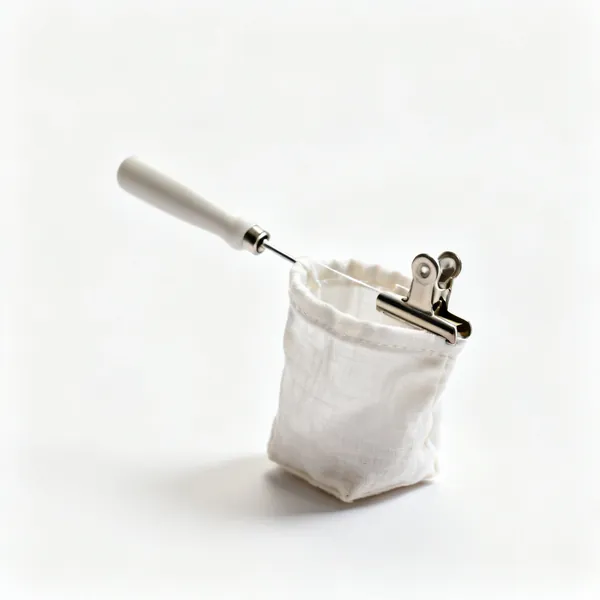
  • A small fabric thread catcher bag with a clip

    Thread catcher

    A small bag clipped to the table for trimmings. Thread ends otherwise end up in the carpet and in the machine.

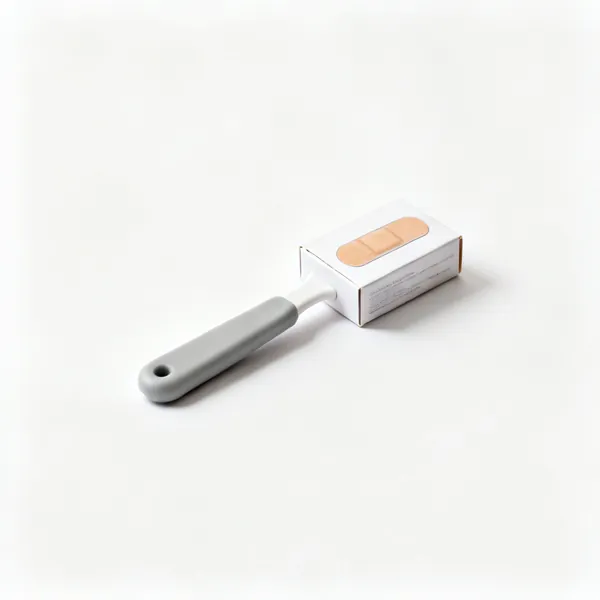
  • A small box of adhesive plasters

    Plasters

    Pins, needles and rotary blades all draw blood eventually, and blood on a project is very difficult to remove. Keep some to hand.

Choosing sewing tools

Two things separate work that looks handmade from work that looks homemade, and neither is the sewing machine. They are cutting accurately and pressing as you go.

Cutting and pressing, which matter more than the machine

People assume a better machine makes better clothes. It mostly makes faster ones. What actually shows in the finished piece is whether the pieces were cut accurately and whether every seam was pressed before the next one crossed it.

Cutting error compounds. A couple of millimetres off on four pieces becomes a garment that will not close, and no amount of careful stitching recovers it. Pressing is the other half: an unpressed seam is bulky, and once a second seam crosses it you can never press it flat again.

Keep fabric shears for fabric only
Cutting paper with them blunts the edge quickly, and blunt shears chew fabric rather than cutting it. Label them if anyone else uses your scissors.
Cut with the blades resting on the table
Lifting the fabric to cut distorts it. Long smooth strokes, and never the very tip of the blades.
Press every seam before crossing it
This is the single biggest difference between homemade and handmade. Set the stitches, then press the seam open or to one side.
Press, do not iron
Ironing slides and stretches. Pressing is lift, place, hold. On a bias edge, sliding an iron can add an inch you cannot remove.
Test the iron on a scrap first
Synthetics melt, and the mark is permanent. Ten seconds on an offcut saves the project.

Needles and thread, the cheap things that ruin work

Almost every skipped stitch, puckered seam and snapped thread traces back to a needle that is blunt, the wrong size, or the wrong type for the fabric. Needles are consumables and cost very little, and people treat them as permanent.
Change the machine needle roughly every eight hours of sewing, and always when starting a new project in a different fabric. A needle that has hit a pin once is finished, even if it looks fine.
Match the needle type to the fabric
Sharp for woven, ball point for knits, and specific needles for denim, leather and stretch. A sharp needle cuts a knit and causes laddering.
Match the size to the weight
Fine needles for fine fabric, heavy for heavy. Too big leaves visible holes, too small bends and skips stitches.
Use the same thread top and bottom
Mismatched threads have different tension behaviour, which shows as an uneven seam that no dial setting fixes.
Polyester thread for almost everything
It has a little give, which is what clothes need. Cotton thread suits quilting and can snap in a seam under strain.
Throw away old thread
Thread degrades and cheap thread sheds lint into the machine. A cotton reel from a jumble sale is a false economy.

How much machine you actually need

A machine that sews a straight stitch and a zigzag well can make almost anything. Two hundred decorative stitches sound like value and get used once.

What is worth paying for is a solid feed, adjustable tension you can actually reach, a buttonhole that works, and enough weight that the machine does not walk across the table on heavy fabric.
Straight, zigzag and buttonhole cover it
Everything else is decoration. Judge a machine on how well it does these three, not on the stitch count.
Weight is a feature
A heavier machine stays put and feeds evenly. Very light plastic machines struggle the moment fabric gets thick.
An overlocker is a second machine, not a first
It finishes edges beautifully and cannot do a normal seam, a zip or a buttonhole. Useful once you sew a lot of knits.
Check the presser feet are cheap and available
Zip, buttonhole and walking feet transform what a machine can do. On an unusual fitting, they become hard to find.
Learn to clean and oil it
Lint under the feed dogs causes most tension complaints. Five minutes with a brush fixes what a service would charge for.

What to buy first, in order

Stage one: hand sewing and repair
Hand needles, a thimble, pins, a pin cushion, a tape measure, fabric shears, small snips, a seam ripper, tailor's chalk and a few reels of polyester thread. That is a full repair kit and it fits in a biscuit tin.
Stage two: making things
A machine, machine needles in two or three sizes, bobbins, a seam gauge, a long ruler, pattern paper and an iron with a decent sole plate. A sleeve board if you sew clothes.
Stage three: speed and accuracy
A rotary cutter, a self healing mat and a quilting ruler, which together cut straight lines far faster than shears. Clips instead of pins for anything thick or coated.
Stage four: specialist
An overlocker, a walking foot, a bias tape maker, a tailor's ham and a dress form. Each one solves a problem you will recognise when you meet it.

Mistakes that show in the finished piece

Cutting with blunt shears
They push the fabric ahead of the blade, so the line wanders and the edge frays. Sharpening or replacing is overdue long before most people do it.
Sewing over pins
It bends or breaks the needle, and a broken needle throws a fragment at your face. Pull each pin as you reach it.
Not pressing as you go
The seams look acceptable flat on the table and lumpy on a body. Once crossed, they cannot be fixed.
Ignoring the grain line
A piece cut off grain twists on the body, and it will keep twisting after every wash. The arrow on the pattern is not a suggestion.
Skipping the toile
A rough version in cheap fabric costs an hour and saves the expensive fabric. Nobody who has ruined good cloth skips it twice.
Using the wrong needle on a knit
A sharp needle cuts the loops and the fabric ladders along the seam weeks later. A ball point pushes between them instead.
Trusting the pattern size
Pattern sizing has no relationship to shop sizing. Measure yourself and use the measurement chart, every time.

Looking after sewing tools

Never cut paper with fabric shears
The most repeated rule in sewing, because paper dulls an edge in a way fabric does not. Keep a separate cheap pair for patterns.
Brush the machine out after every project
Lint packs under the feed dogs and around the bobbin case, and that is the cause of most mystery tension problems.
Change the needle far more often than feels necessary
About every eight hours of sewing. They cost pennies and a blunt one damages fabric with every stitch.
Keep pins out of the pin cushion long term
They rust in a stuffed cushion and a rusty pin marks fabric. A tin or a magnetic dish is kinder to them.
Clean the iron sole plate
Melted synthetic and starch build up and transfer to the next thing you press. A cold plate and a damp cloth, regularly.
Store shears closed and dry
The pivot is what wears, and a drop of oil once a year keeps a good pair working for a lifetime.

Frequently asked questions

What sewing tools do I need to start?
Hand needles, pins, a pin cushion, a tape measure, fabric shears, small thread snips, a seam ripper, tailor's chalk and polyester thread. That covers repairs and alterations. Add a machine, bobbins and machine needles when you want to make things from scratch.
Why can't I cut paper with fabric scissors?
Paper is abrasive and dulls the blade edge much faster than fabric does. Blunt shears push fabric ahead of the blade instead of cutting it, so the line wanders and the edge frays. Keep a cheap separate pair for patterns.
What is the difference between shears and scissors?
Shears are longer, with an offset handle so the lower blade rests flat on the table while you cut. That keeps the fabric from lifting and distorting. Scissors are shorter, symmetrical, and better for trimming and detail work.
How often should I change my sewing machine needle?
Roughly every eight hours of sewing, and always after it has hit a pin. Needles cost pennies and a blunt one causes skipped stitches, puckered seams and small holes in the fabric with every stitch.
What is a ball point needle for?
Knits and jersey. It has a rounded tip that pushes between the loops of the fabric rather than piercing them. A sharp needle cuts the loops, and the seam ladders weeks later.
Do I need an overlocker?
Not to start. An overlocker trims and finishes an edge in one pass, which is excellent on knits and makes seams look shop finished, but it cannot sew a normal seam, insert a zip or make a buttonhole. It is a second machine rather than a first.
What is a seam ripper and do I really need one?
A small hooked blade for cutting stitches out without damaging the fabric. Yes, you need one, because unpicking with scissors cuts the cloth eventually. Everybody unpicks, including people who sew for a living.
What is the difference between pressing and ironing?
Ironing slides the iron across the fabric, which stretches and distorts it. Pressing is lift, place, hold, lift. On a curved or bias edge, sliding an iron can add an inch of length that cannot be taken out again.
Are rotary cutters better than scissors?
For long straight lines and multiple layers, much better and faster, especially with a ruler and a self healing mat. For curves, notches and detail, shears still win. Most people who sew a lot own both.
What is a tailor's ham for?
Pressing curved seams such as darts, sleeve heads and princess seams. Pressing a curve flat on a board flattens shape you deliberately built in. The ham gives the curve something to sit on.
What thread should I use?
Polyester for almost everything, because it has a slight stretch that clothes need. Cotton thread suits quilting and non stretch work. Match the top and bobbin thread, since two different threads behave differently under tension.
Why does my seam pucker?
Usually tension, a blunt or wrong needle, or the wrong thread for the fabric, in that order of likelihood. Clean the lint out of the machine, fit a fresh needle in the right type, and test on a doubled scrap of the same fabric.