Disclosure

Tools for knitting

Knitting has one real decision in its equipment: what kind of needle. Straights, circulars and double pointed needles are not preferences so much as answers to whether you are knitting flat, in a tube, or a tube too small for a circular. All 35 here are grouped that way, then by the small tools that stop mistakes, and the blocking kit that makes the finished piece the size you meant.

14 are marked essential: a working set plus what keeps a project from going wrong quietly.

Part of the full sewing tools list, 104 tools in 10 groups.

Knitting needles 10

Flat, in the round, or a tube too small for a cable. That choice decides which of these you need.

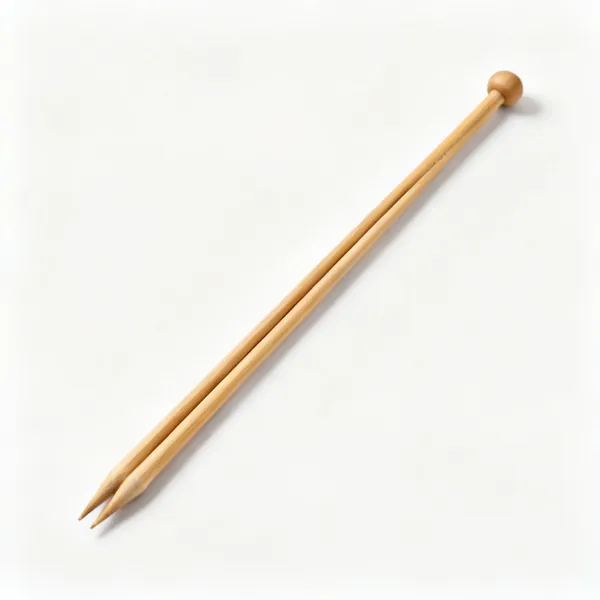
  • Straight needles: A pair of straight bamboo knitting needles with rounded end stopsEssential

    Straight needles

    A pair with a stop at one end, for flat pieces worked back and forth. Simple, and the whole weight of the work hangs off the ends of them.

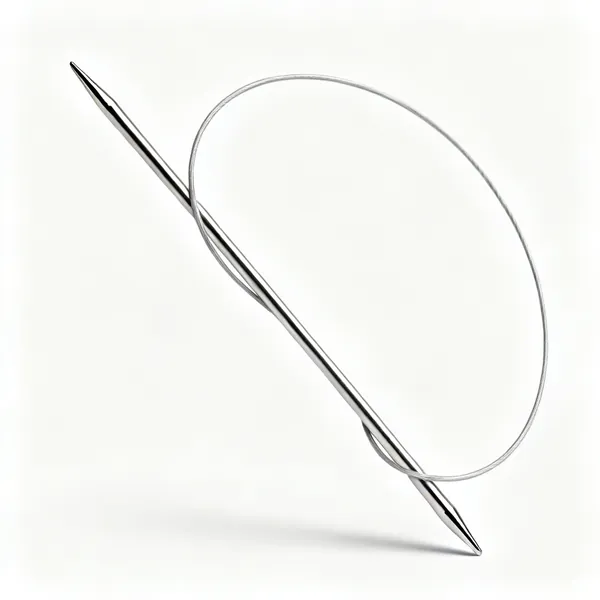
  • Circular needles: A circular knitting needle with two metal tips joined by a flexible cableEssential

    Circular needles

    Two tips joined by a flexible cable, knitting flat or in a continuous tube. The weight sits in your lap rather than on your wrists, which changes long sessions.

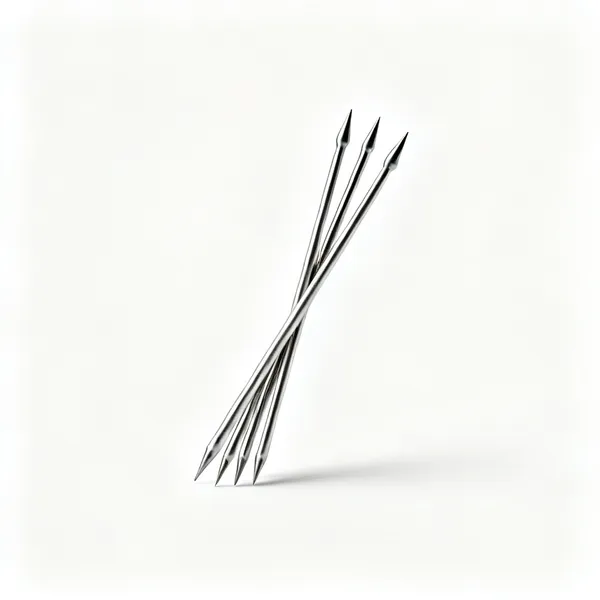
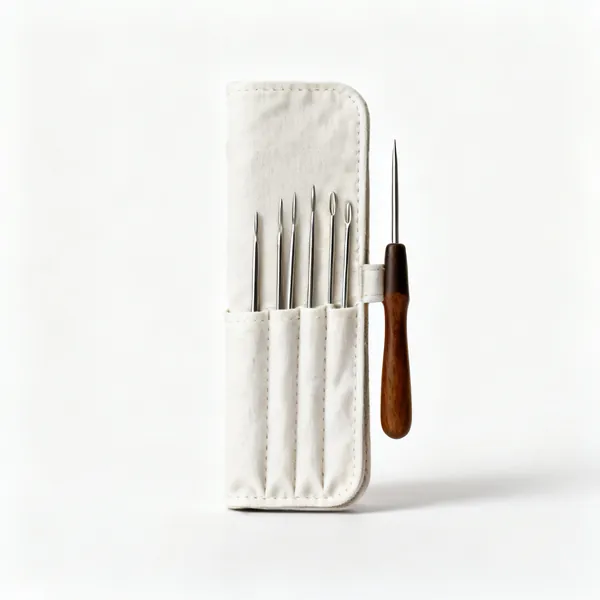
  • Double pointed needles: A set of five short double pointed knitting needles with points at both ends

    Double pointed needles

    A set of four or five short needles for a tube too small for a circular cable: socks, cuffs, hat crowns. Points at both ends because the work moves round.

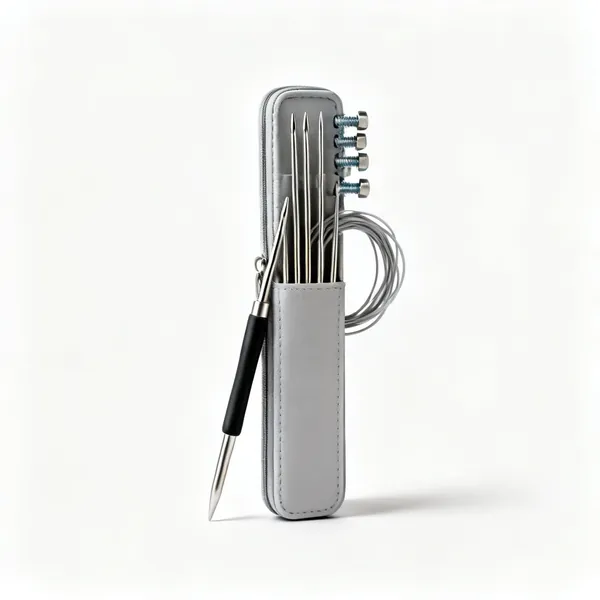
  • Interchangeable set: An interchangeable knitting needle set case with screw on tips and cables

    Interchangeable set

    Screw on tips and cables in several lengths, so a case covers every size and circumference. Better value than buying circulars individually beyond about four sizes.

  • Small circulars: A very short circular knitting needle with a short cable, coiled

    Small circulars

    A very short circular, around 23cm, for sock legs and sleeves in the round without DPNs. Comfortable in some hands and cramped in others.

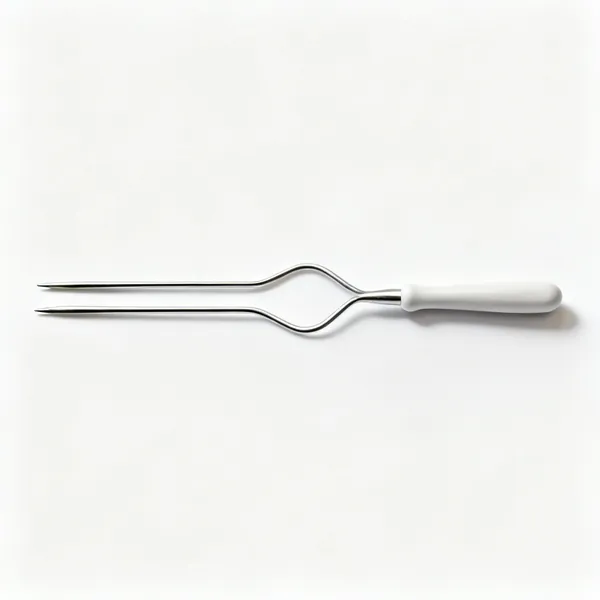
  • Cable needle: Two short cable knitting needles with a bend in the middleEssential

    Cable needle

    A short needle with a kink or hook, holding stitches aside while others are worked in front of them. That crossing is what a cable pattern is.

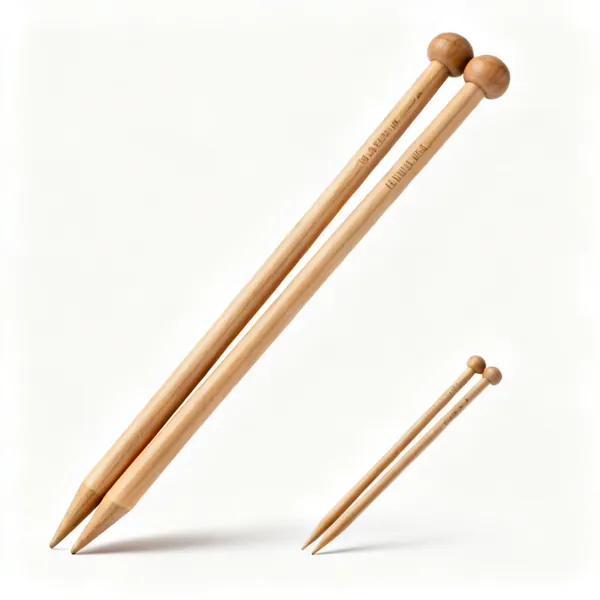
  • Jumbo needles: A pair of very large jumbo wooden knitting needles beside a normal pair

    Jumbo needles

    12mm and above for chunky yarn, where a blanket takes an evening. The fabric is deliberately open, so it is a different look rather than just faster.

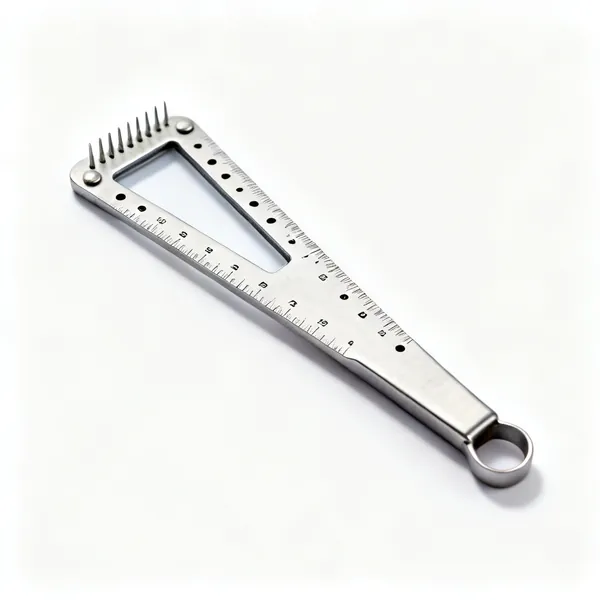
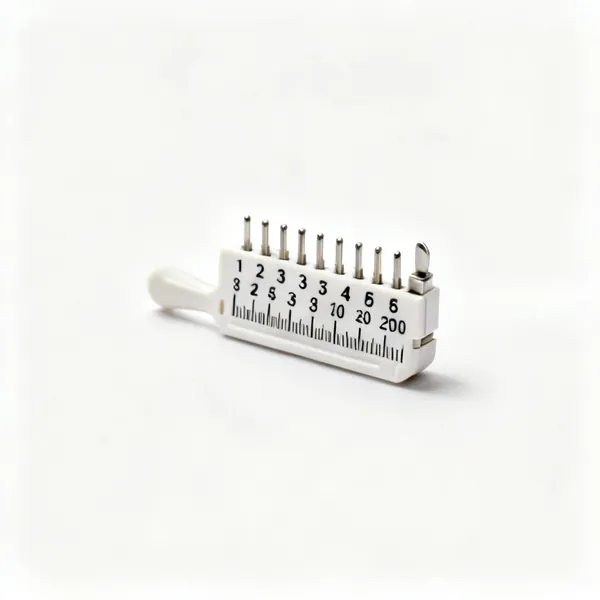
  • A flat metal needle gauge with graduated sizing holes and a measuring window

    Needle gauge

    A plate with graduated holes for identifying an unmarked needle, which every knitter eventually has several of. Usually has a tension window too.

  • Needle case: A fabric knitting needle roll case with pockets holding several pairs

    Needle case

    A roll with pockets in size order. Loose needles in a drawer means finding a matching pair takes longer than the row you wanted to knit.

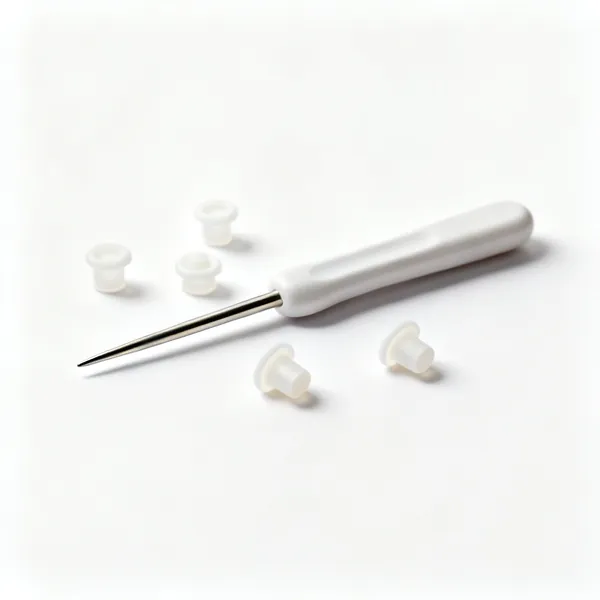
  • Point protectors: Several small rubber knitting needle point protector capsEssential

    Point protectors

    Rubber caps over the tips so live stitches cannot slide off in a bag. The cheapest insurance against opening a project bag to find a row on the floor.

Markers, counters and holders 8

Small tools whose whole job is finding a mistake within one repeat rather than after a sleeve.

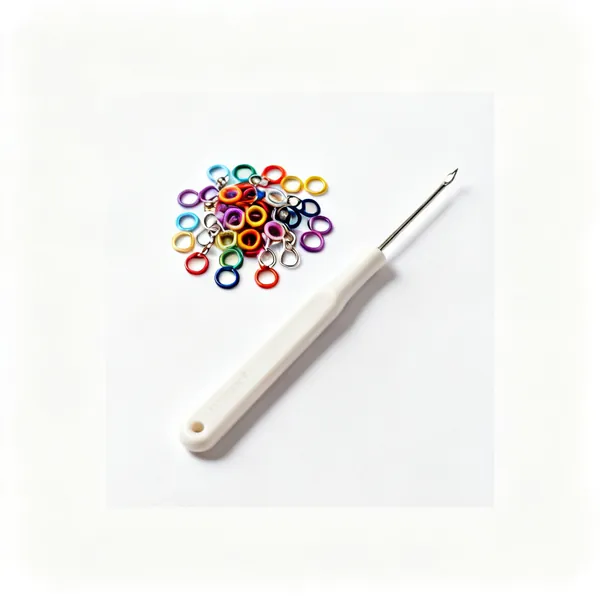
  • A handful of small coloured ring stitch markersEssential

    Stitch markers

    Rings that sit on the needle between stitches, marking a repeat, a raglan line or the start of a round. Locking ones can also be clipped into the fabric.

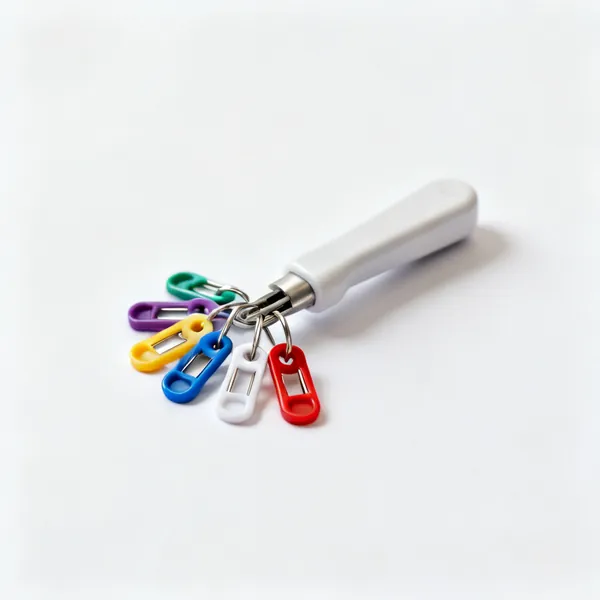
  • Locking markers: Several coloured locking stitch marker clipsEssential

    Locking markers

    Clip into a stitch rather than sitting on the needle, so they mark a row rather than a position. Also hold a dropped stitch until you can deal with it.

  • A small mechanical knitting row counter with a numbered dialEssential

    Row counter

    A dial or clicker so the row count is recorded rather than remembered. The failure it prevents is finding out on row forty that row twelve was wrong.

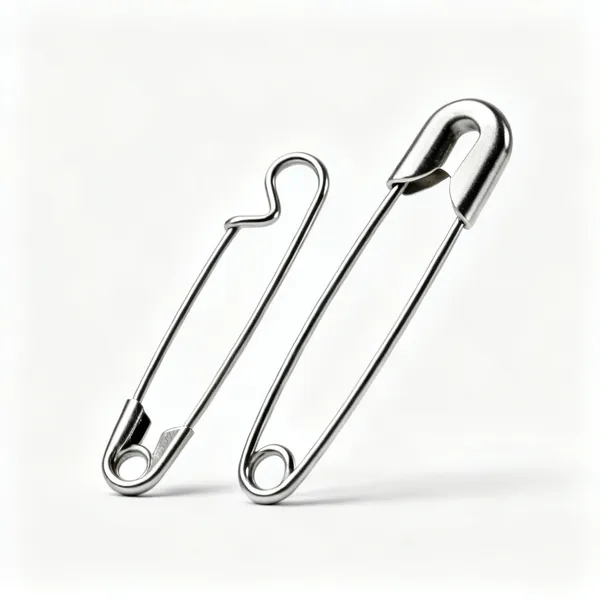
  • Two large metal knitting stitch holders shaped like oversized safety pins

    Stitch holders

    A large safety pin holding stitches aside for a neckline or a pocket. Waste yarn does the same job for free and is more flexible in a bag.

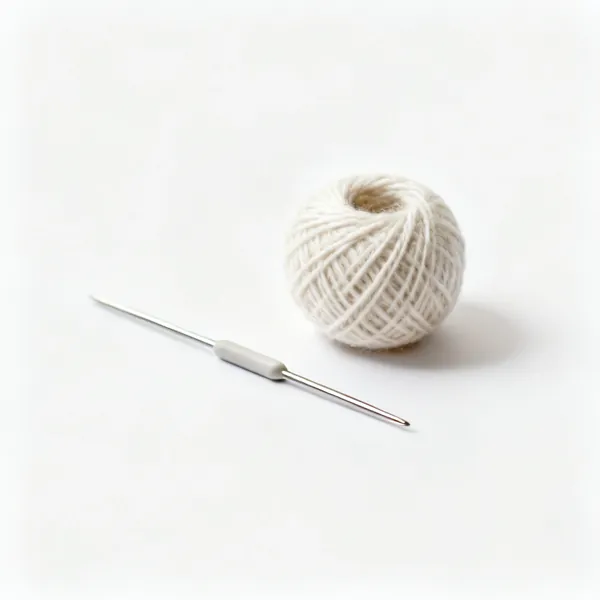
  • Lifeline yarn: A small ball of smooth cotton waste yarn beside a blunt needle

    Lifeline yarn

    Smooth waste yarn threaded through a completed row, so ripping back stops exactly there. Ten seconds of insurance on any complicated pattern.

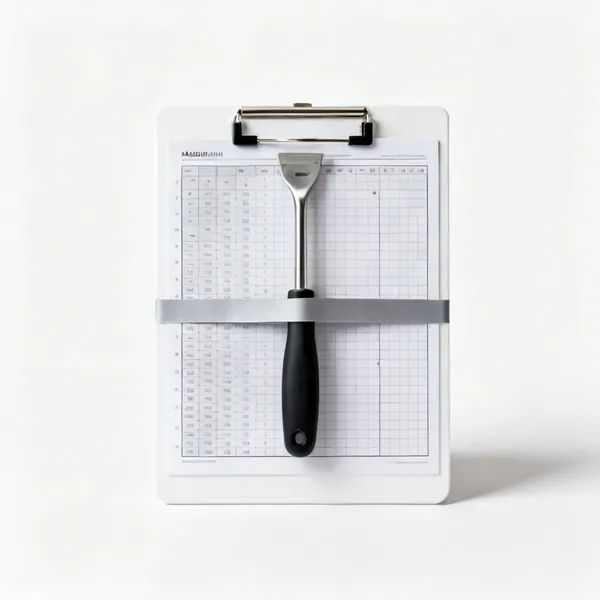
  • A magnetic pattern holder board with a magnetic strip across a printed chart

    Pattern holder

    A magnetic board with a strip marking the current row of a chart. Losing your place in a chart is the commonest reason a project gets abandoned.

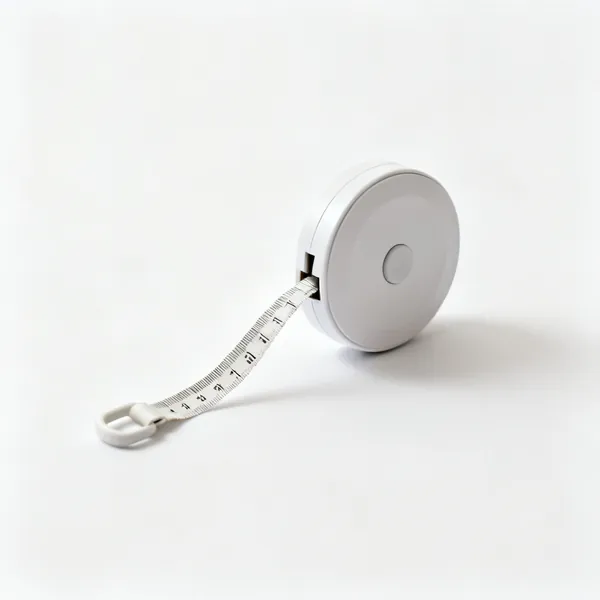
  • A retractable fabric tape measure partly extended from a round caseEssential

    Tape measure

    Retractable, since a fabric one stretches over the years and quietly reads long. For tension squares and for length as the piece grows.

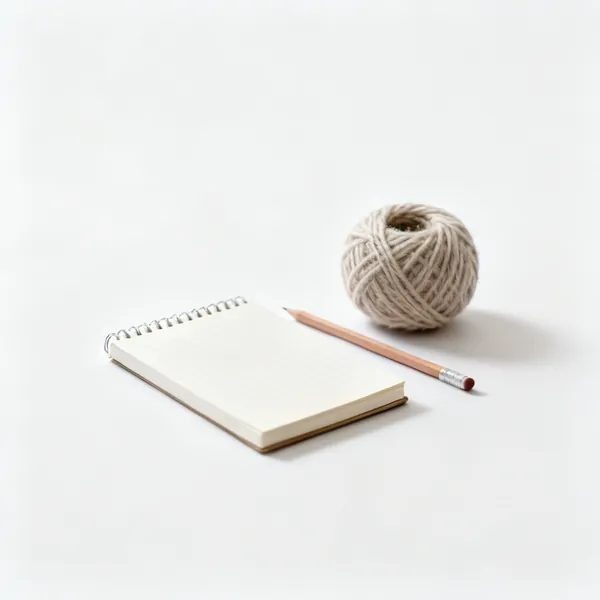
  • Project notes: A small notebook and pencil beside a ball of yarn

    Project notes

    Needle size, yarn, any change you made. Picking a project up after two months without notes means guessing, and the tension shows the guess.

Fixing and finishing 8

Nearly every mistake is recoverable, and joining pieces well is what makes it look made rather than assembled.

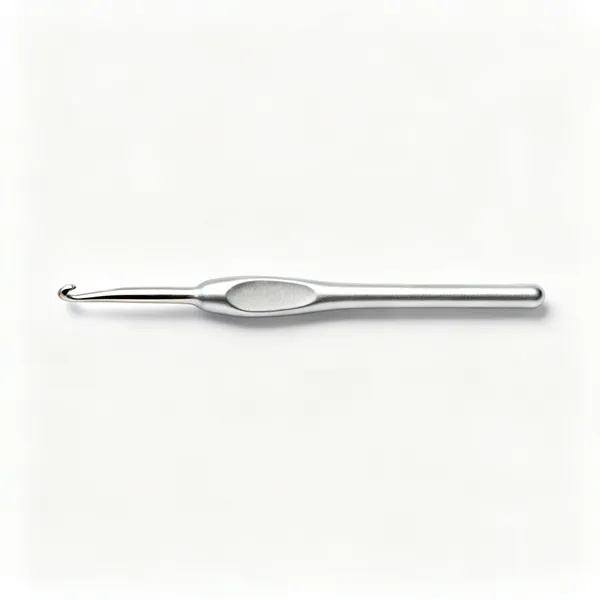
  • Small crochet hook: A small aluminium crochet hook with a thumb restEssential

    Small crochet hook

    Picks a dropped stitch back up its ladder rung by rung, which is far faster than ripping back. Every knitting bag ends up with one.

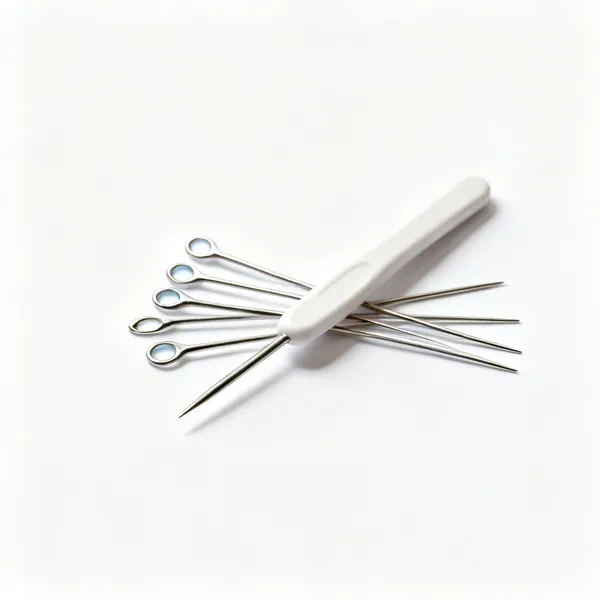
  • Yarn needles: Several blunt tipped yarn darning needles with large eyesEssential

    Yarn needles

    Blunt tipped with a large eye for seaming and sewing in ends. Blunt so it passes between strands rather than splitting them, which would show on the face.

  • Bent tip needle

    Bent tip needle

    An angled tip that makes picking up a stitch edge much easier when mattress stitching a seam. A small change that makes seaming considerably less tedious.

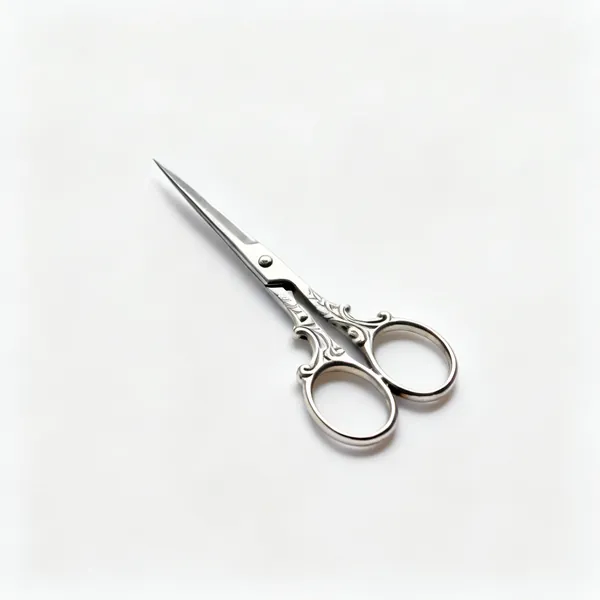
  • Small scissors: A pair of small sharp embroidery scissors with decorative handlesEssential

    Small scissors

    Sharp and kept for yarn only, because paper blunts them and a blunt blade chews yarn instead of cutting. Folding ones travel without a sheath.

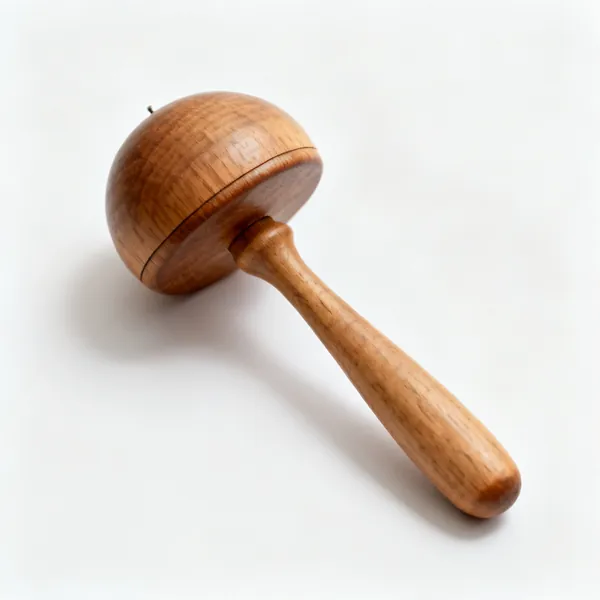
  • A wooden darning mushroom with a rounded top and a handle

    Darning mushroom

    A dome that supports a hole in a sock while you weave across it, so the darn is flat rather than puckered. The whole reason a darn is invisible or not.

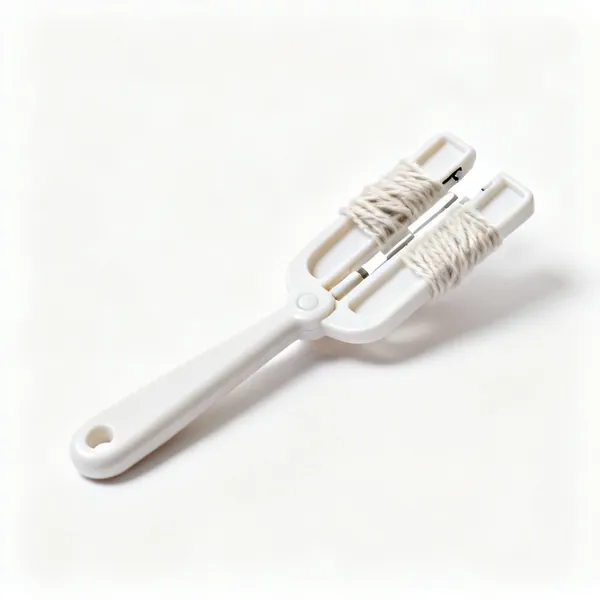
  • A plastic pom pom maker with two hinged arms partly wound with yarn

    Pom pom maker

    Two hinged arms that wind, tie and trim an even pom in a couple of minutes. Rounder than the cardboard circle method by a clear margin.

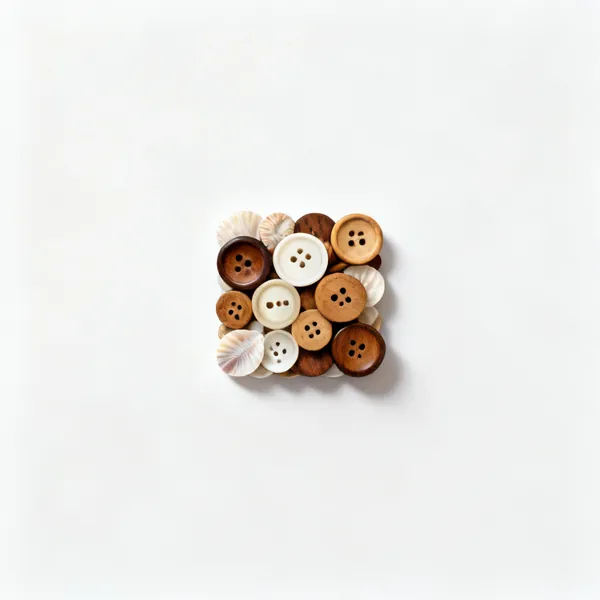
  • Buttons and closures: A small tight cluster of assorted wooden and shell buttons, centred with clear space at every edge

    Buttons and closures

    Chosen after the piece is blocked, since the buttonhole size changes when the fabric relaxes. Buying them first is how a cardigan ends up gaping.

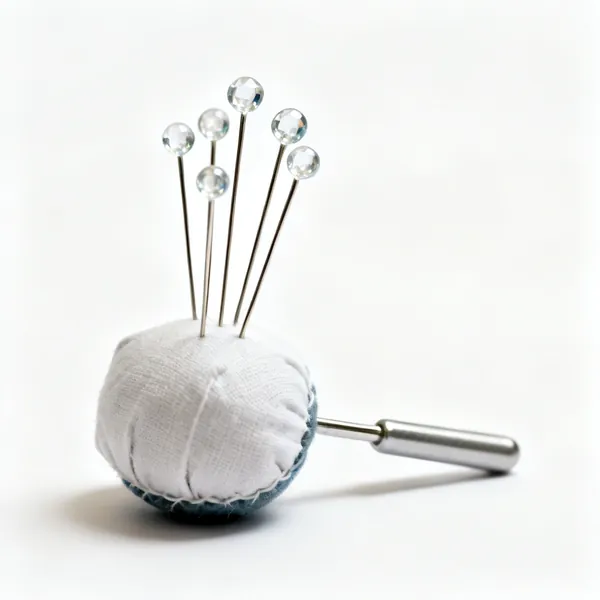
  • Several long glass headed sewing pins in a pincushion

    Sewing pins

    Long glass headed pins for holding two pieces together while seaming, so the ends line up. Glass heads because they will not melt if steam gets near.

Yarn handling and blocking 9

Managing the yarn, then setting the finished piece to the size the pattern promised.

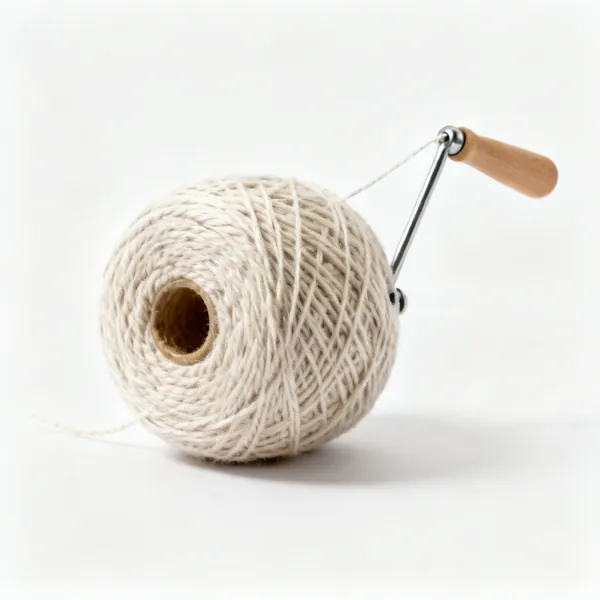
  • Yarn winder: A hand crank yarn ball winder with a partly wound centre pull cake

    Yarn winder

    Turns a hank into a centre pull cake that does not roll away. A tightly hand wound ball stretches the yarn, which changes its tension in the fabric.

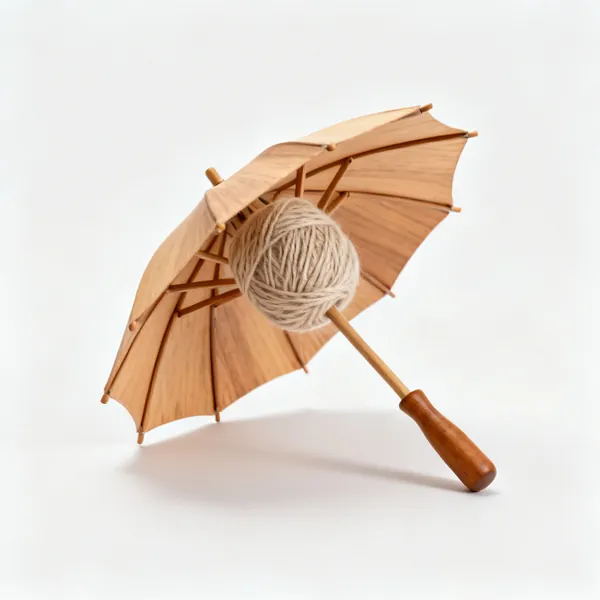
  • A wooden umbrella yarn swift open with a hank of yarn on it

    Yarn swift

    Holds a hank open and rotates as the winder pulls. Winding a hank without one takes two people and considerably more patience.

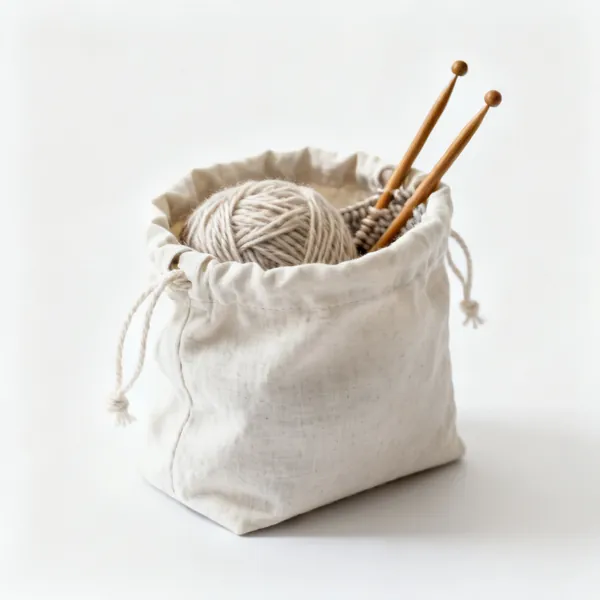
  • A fabric drawstring project bag with yarn and knitting needles insideEssential

    Project bag

    Keeps yarn, needles and pattern together and clean, which is what makes knitting a thing you pick up for ten minutes rather than set up for an hour.

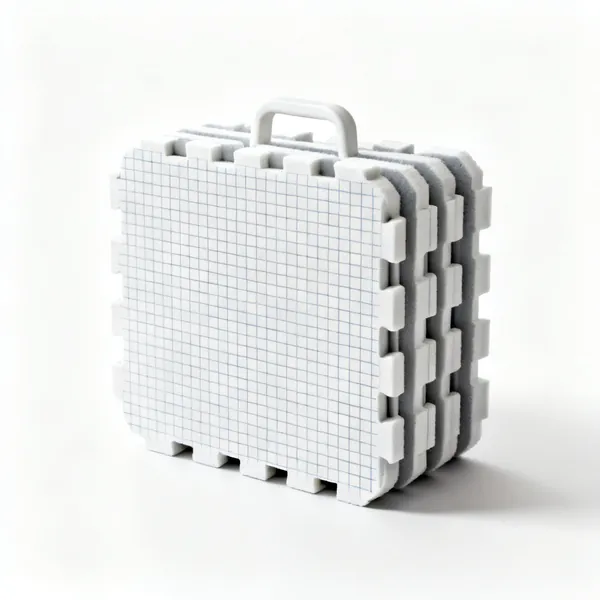
  • Several interlocking foam blocking mats with a printed grid, joined togetherEssential

    Blocking mats

    Interlocking foam squares with a printed grid, so a piece is pinned to a measured size rather than an approximate one. They take pins and they dry.

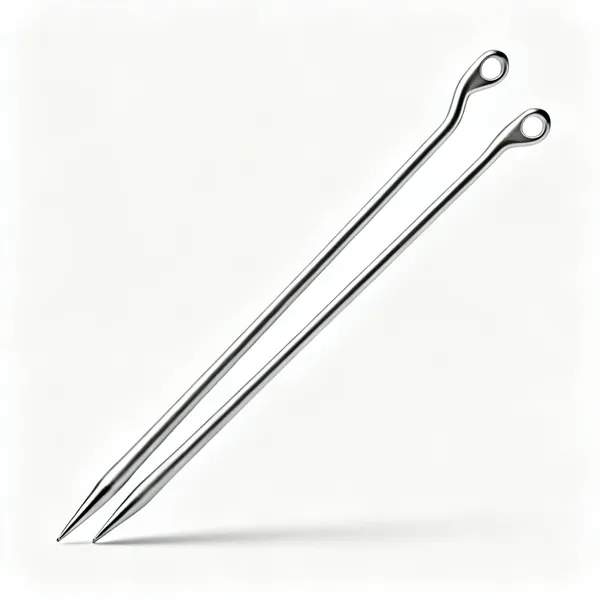
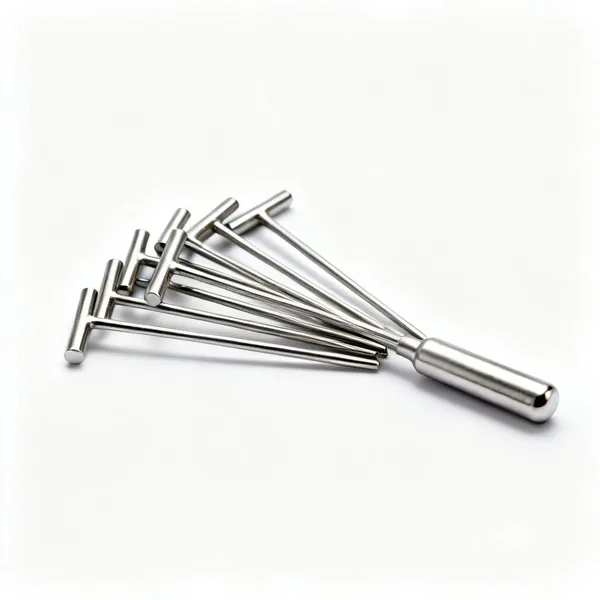
  • A handful of stainless steel T shaped blocking pinsEssential

    Blocking pins

    Rust proof T pins that hold wet fabric without staining it. Ordinary dressmaking pins rust into a wet wool piece overnight and the mark stays.

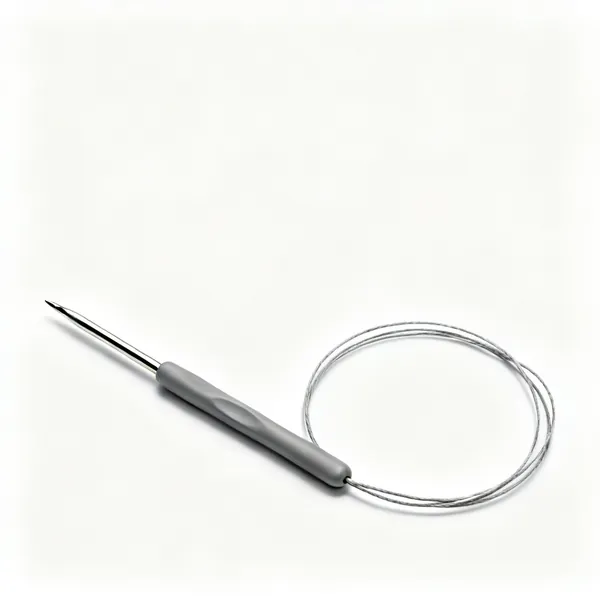
  • Several flexible stainless steel blocking wires coiled loosely

    Blocking wires

    Flexible stainless wire threaded along an edge so it dries straight rather than scalloped between pins. What makes a shawl edge look finished.

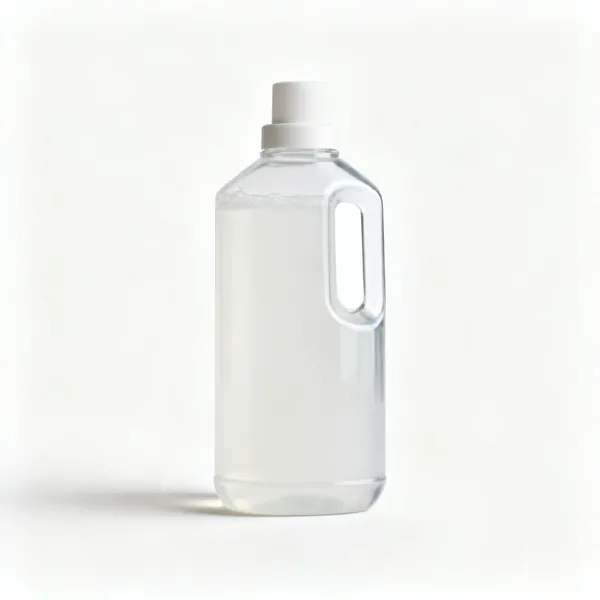
  • A single bottle of no rinse delicate wool wash, standing upright with clear space at every edge

    Wool wash

    A no rinse wash for soaking a piece before blocking, which softens the yarn as well. Ordinary detergent strips wool and leaves it harsh.

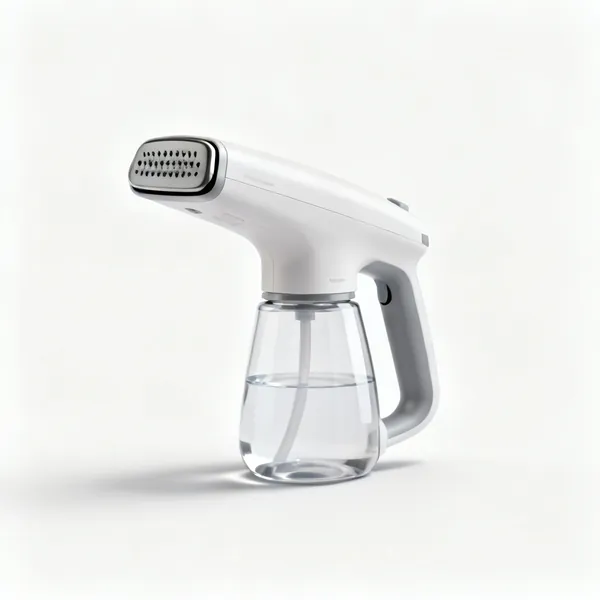
  • Handheld steamer: A handheld garment steamer with a nozzle and a water tank

    Handheld steamer

    For acrylic, which will not hold a wet block and holds a steam block permanently. Held above the fabric, since the fibre melts on contact with an iron.

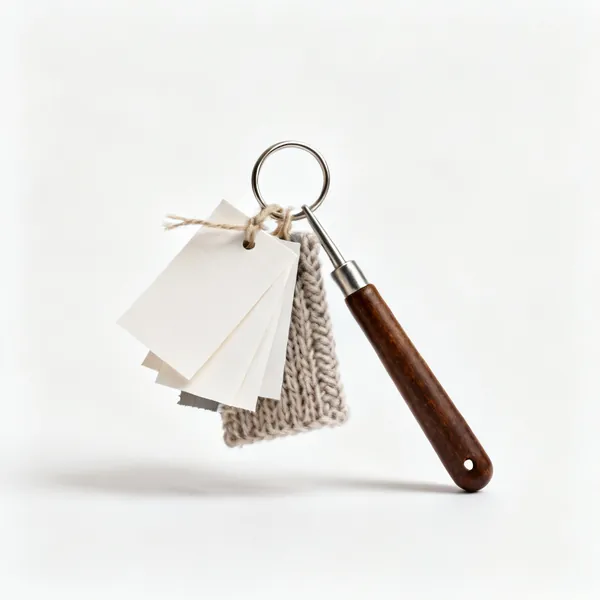
  • Several small paper swatch tags tied to knitted samples on a ring

    Swatch tags

    Labels tied to a tension square recording yarn, needle and washed measurements. A file of those is what makes the next project's tension square unnecessary.

Choosing knitting tools

The list above is what exists. This is how to decide which of it you actually need, what separates a tool worth keeping from one that ends up at the back of a drawer.

Straights, circulars and DPNs

Straight needles knit flat pieces, turning at the end of each row. Circular needles are two tips joined by a cable and knit either flat or in a continuous tube, which is why a great many knitters now use them for everything.

Double pointed needles knit a tube too small for a circular cable to bend around: socks, sleeve cuffs, the crown of a hat. Magic loop technique lets one long circular do the same job, which is why DPNs are less universal than they were.

Straights for flat
Scarves, blankets, flat panels. Simple, and the weight hangs off the ends.
Circulars do both
Flat or in the round, and the cable carries the weight in your lap rather than your wrists.
DPNs for small tubes
Socks and hat crowns, where a circular cable cannot bend that tight.
Magic loop replaces DPNs
One long circular, worked in two halves. Fiddly to learn, then fewer needles to lose.

Needle size and tension

The needle size on a pattern is where to start, not a rule. Tension is how tightly you hold the yarn, it is personal, and two people with the same needles produce garments of different sizes from the same instructions.

So a tension square is the step that decides whether a jumper fits. Knit 10cm in the pattern stitch, count the stitches and rows, and change needle size until it matches. More stitches than specified means go up a size; fewer means go down.

Knit a tension square
10cm in the pattern stitch. Half an hour against remaking a whole sleeve.
Change needles, not tension
Deliberately knitting tighter never holds across a whole garment.
Count rows as well
Row count decides length. Stitch count alone gets the width right and the body wrong.
Wash the swatch
Some yarns relax or shrink on washing. The tension after washing is the real one.

Needle material and grip

Metal is fast and slick, which suits sticky wool and lets slippery yarn escape. Bamboo and wood grip, which slows you down and keeps stitches on the needle, so they suit silk, bamboo and anything loosely spun.

Tip sharpness matters as much as material. A sharp tip enters a tight stitch and picks up a single strand in lace, and a blunt rounded tip is kinder on splitty yarn and on fingers. Most brands are one or the other by house style.

Metal is fast and slick
Best with grippy wool. Slippery yarn will slide off the ends given a chance.
Bamboo and wood grip
Slower, warmer, and much easier with silk or anything loosely spun.
Sharp tips for lace
Picking up one strand of a decrease needs a point. Blunt tips fight it.
Blunt tips for splitty yarn
Kinder on soft singles, and on the fingertip pushing the stitch along.

Fixing mistakes without starting again

Almost every knitting mistake is recoverable, and the tools are small. A lifeline threaded through a row means you can rip back to that point and no further. A crochet hook picks a dropped stitch back up the ladder it fell down.

The thing that makes it worse is discovering the error twenty rows later. Stitch markers every repeat and a row counter that gets clicked are what keep the detection window short, which is where all the value is.

Lifelines
Thread waste yarn through a completed row. Ripping back stops there instead of everywhere.
A crochet hook fixes drops
Pick the stitch up through each ladder rung in turn. Faster than ripping back.
Markers every repeat
So a lost stitch shows up within one repeat rather than after a whole sleeve.
Count as you go
The cheapest habit here. A miscount found now is a minute, found later it is an evening.

Blocking changes the finished piece

Knitted fabric comes off the needles uneven, curled and often smaller than the pattern says. Wetting or steaming it and pinning it to shape while it dries relaxes the yarn and sets it there, evening out the stitches at the same time.

Lace is the clearest case: unblocked it is a crumpled mass, and blocked it opens into the pattern it was designed as. Acrylic will not hold a wet block and does hold a steam block permanently.
Pin to the pattern size
Not the size it came off the needles. That is what blocking is for.
Lace transforms
The single most dramatic case. Unblocked lace looks like a mistake.
Wool and cotton wet block
Soak, squeeze, pin, dry. Do not unpin while it is still damp.
Acrylic needs steam
Held above the fabric, never pressed on. It sets permanently, which is irreversible.

Frequently asked questions

What tools do I need to start knitting?
A pair of 4mm needles, a ball of double knit yarn, scissors and a blunt yarn needle for sewing in ends. Add stitch markers, a tape measure and a row counter, all of which cost very little and prevent most of the frustration beginners actually hit.
What size knitting needles should a beginner use?
4mm or 5mm with double knit or aran weight yarn. Large enough to see the stitches and small enough to feel controlled. Bamboo rather than metal to start, since the grip stops stitches sliding off while you are still working out how to hold everything.
What is the difference between straight and circular needles?
Straights knit flat pieces and you turn at the end of each row. Circulars are two tips joined by a cable, which knits flat or in a continuous tube and puts the weight of the work in your lap rather than on your wrists. Many knitters use circulars for everything.
Do I still need double pointed needles?
Only for tubes too small for a circular cable to bend around: sock legs, sleeve cuffs, hat crowns. Magic loop technique does the same job on one long circular, so it comes down to which you find less fiddly rather than which is necessary.
Are bamboo or metal knitting needles better?
Bamboo grips, which slows you down and stops slippery yarn escaping, so it suits silk, bamboo and loosely spun singles and is easier for beginners. Metal is faster and slicker, which suits sticky wool. Tip sharpness matters as much as material for lace work.
How do I check my knitting tension?
Knit a 10cm square in the pattern stitch, then count stitches and rows across it and compare with the pattern. Change needle size until it matches: up a size for too many stitches, down for too few. Wash the swatch first if the yarn is likely to relax.
How do you fix a dropped stitch in knitting?
Catch it with a crochet hook and work it back up the ladder it fell down, one rung at a time, then put it back on the needle facing the right way. That is much faster than ripping back, and it is why a small crochet hook lives in most knitting bags.
Do I have to block knitting?
For anything that has to fit or hang properly, yes. Blocking evens out the stitches and sets the piece to the intended size, and lace in particular only becomes the designed pattern once blocked. Acrylic will not hold a wet block and holds a steam block permanently.