Choosing tailoring tools
The list above is what exists. This is how to decide which of it you actually need, what separates a tool worth keeping from one that ends up at the back of a drawer.
Pressing shapes cloth, it does not just flatten it
Wool is a fibre that can be stretched and shrunk with steam and then set in the new shape as it cools. A tailor exploits that: shrinking the inside of a curve and stretching the outside makes flat cloth curve permanently over a shoulder or a lapel.
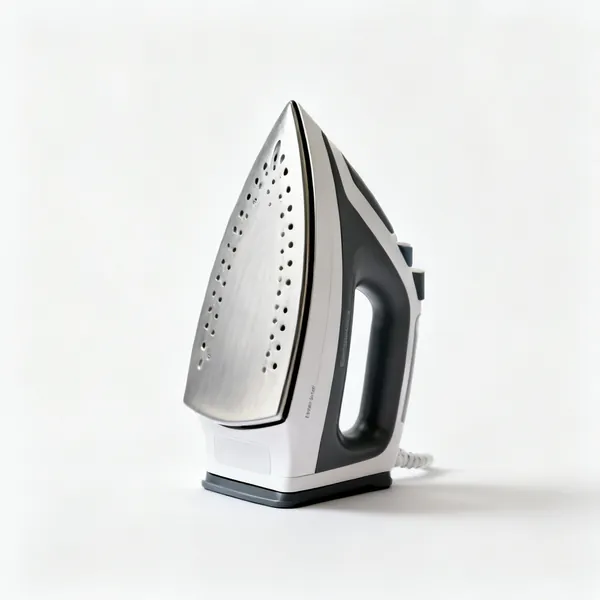
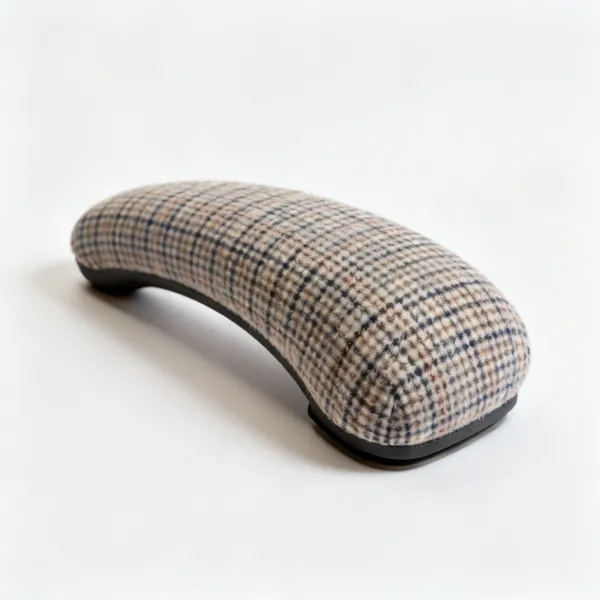
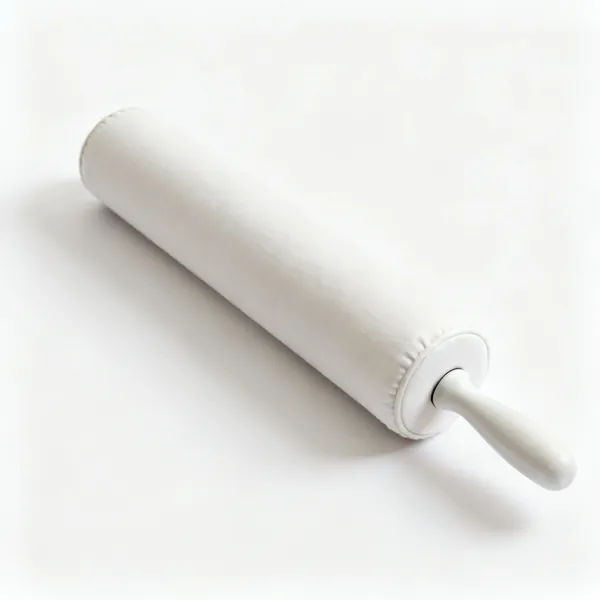
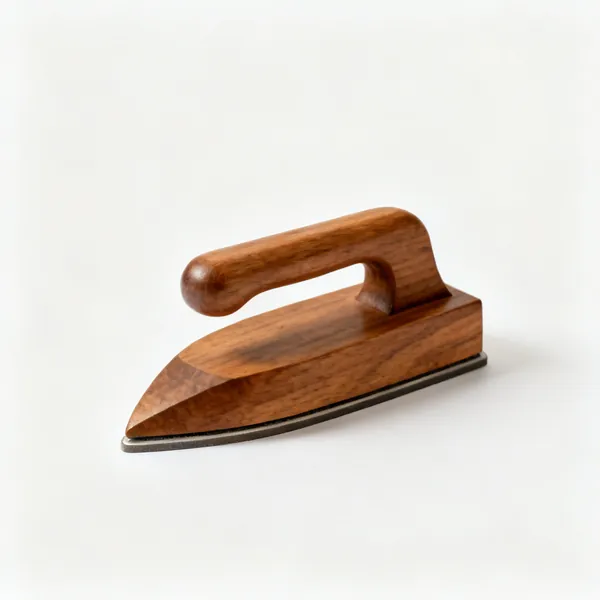
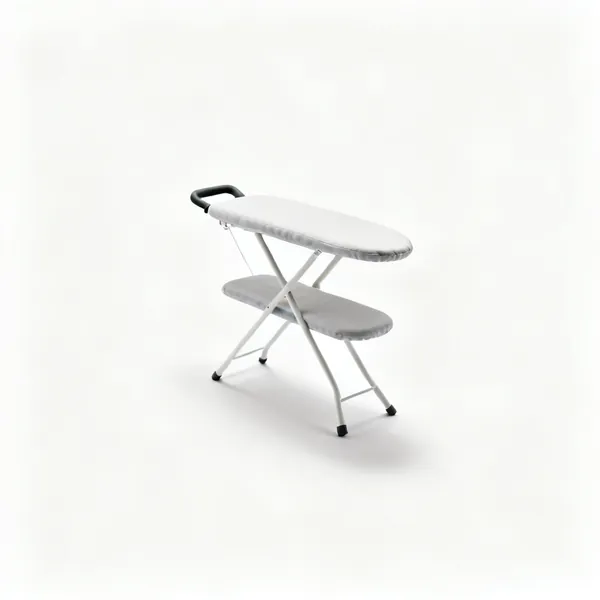
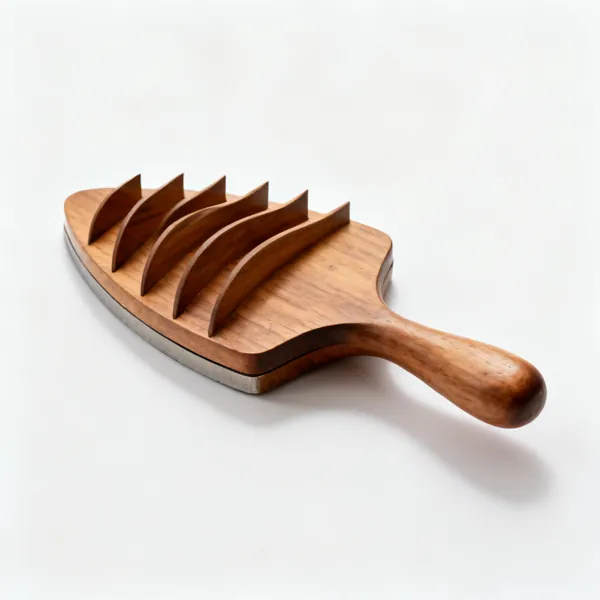
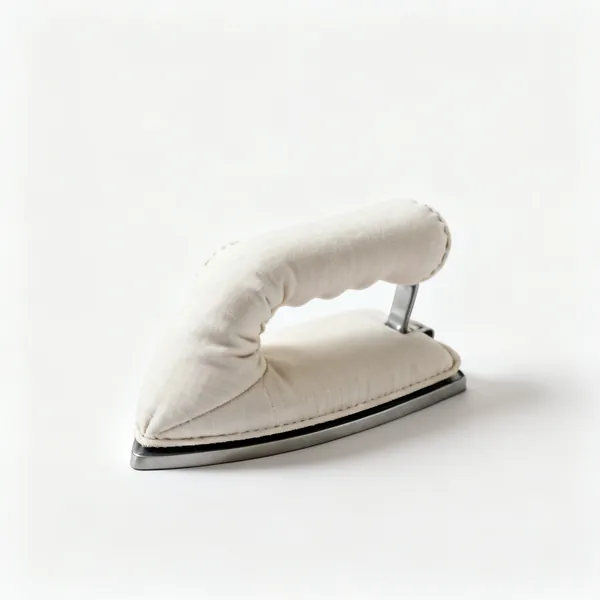
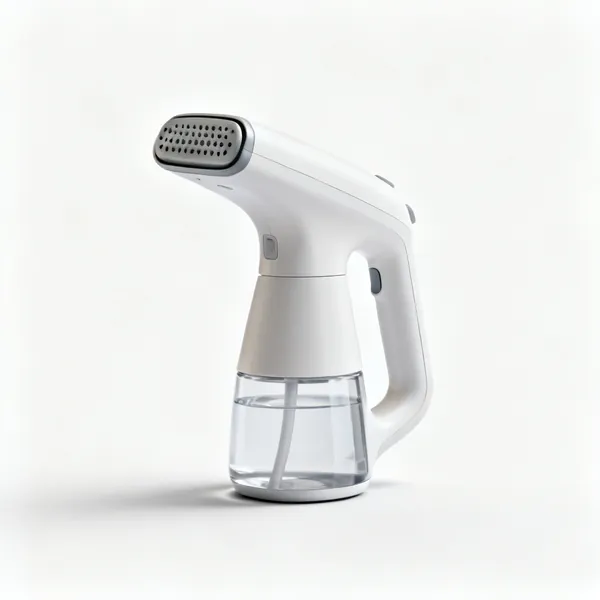
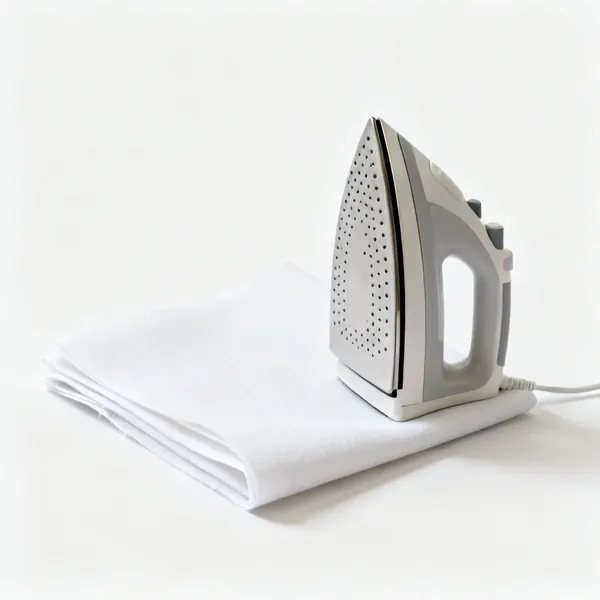
That is what the hams, rolls and clappers are for. You press over a curved surface so the fabric sets curved, rather than pressing it flat and then trying to make a flat piece follow a body. It is also why steam matters more than iron temperature.
- Steam then cool
- The shape sets as the wool cools and dries. Moving it while warm undoes the work.
- Press over a curve
- A ham or a roll, so the cloth sets in the shape it needs to hold.
- Shrink and stretch
- Shrink the inside of a curve, stretch the outside. That is how flat cloth becomes shaped.
- Press every seam
- Before crossing it. A seam pressed after being crossed stays as it was.
Shears, and why they are not scissors
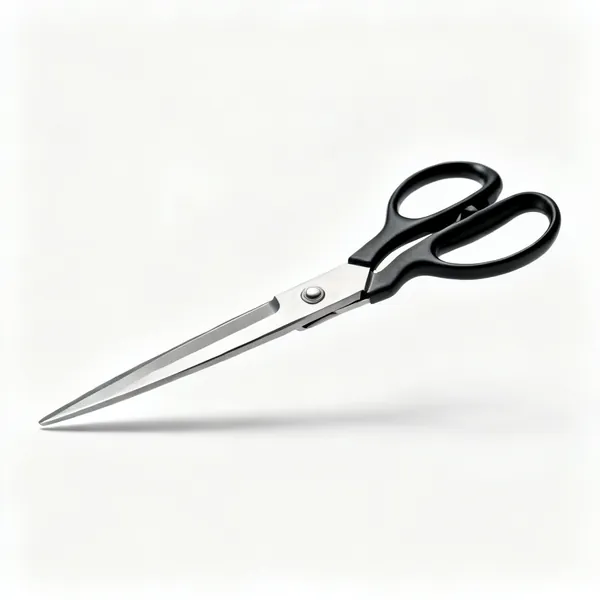
Tailor's shears have offset handles so the lower blade lies flat on the table while cutting, which keeps the fabric flat instead of lifting it. The blade is also long, so a straight cut is made in few strokes rather than many small ones.
They are used for cloth and nothing else, ever. Paper blunts a blade in one cut, and a blunt shear chews fabric rather than cutting it, which produces a ragged edge that then frays as it is handled.
- Offset handles
- The lower blade stays flat on the table, so the fabric is not lifted as you cut.
- Long strokes
- Cut with the length of the blade, not the tips. Fewer strokes means a straighter line.
- Fabric only
- Paper blunts them in one cut. A separate pair for patterns, kept somewhere else.
- Get them sharpened
- Good shears are sharpened for decades. Replacing them is the expensive option.
Marking that comes off again
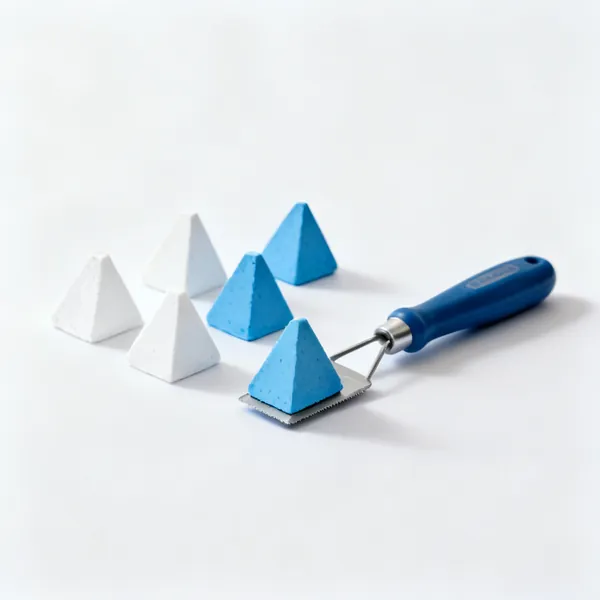
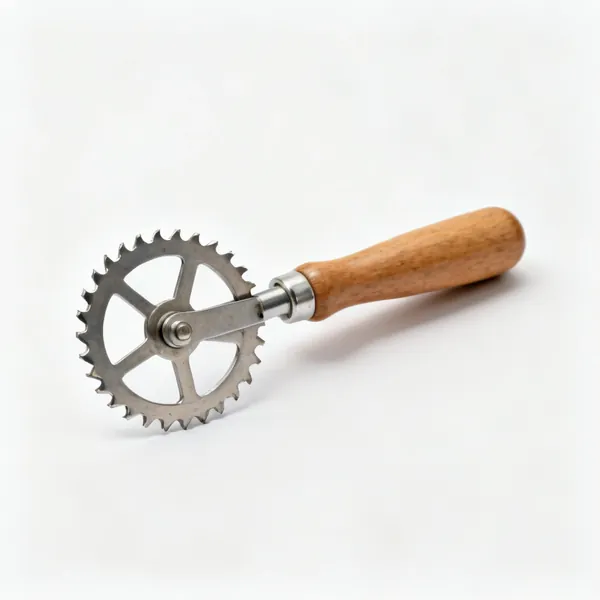
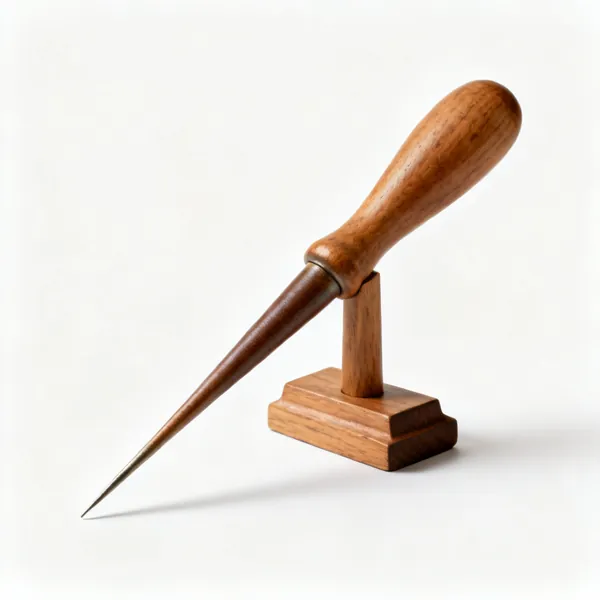
Tailoring marks sit on the face of expensive cloth, so whatever puts them there has to come off cleanly. Tailor's chalk brushes off, tailor's tacks are loose thread stitches pulled out later, and a tracing wheel with carbon paper marks the wrong side only.
Test any marker on a scrap of the actual cloth. Wax chalk is the classic trap: it disappears under an iron on wool and leaves a permanent grease mark on anything pale or synthetic.
- Tailor's tacks
- Loose thread loops marking a point through both layers. Slow, and they never stain.
- Chalk brushes off
- Clay chalk rather than wax on anything pale. Wax leaves a grease mark under heat.
- Trace on the wrong side
- A wheel and carbon paper, so nothing shows on the face whatever happens.
- Test on the cloth
- Not on a similar cloth. Any marker can behave differently on this particular wool.
Fitting on a body, not a pattern
A pattern is a starting point drawn for an average that nobody is. Tailoring is a sequence of fittings: baste the garment together with long loose stitches, put it on, mark what is wrong, take it apart and correct the pattern.
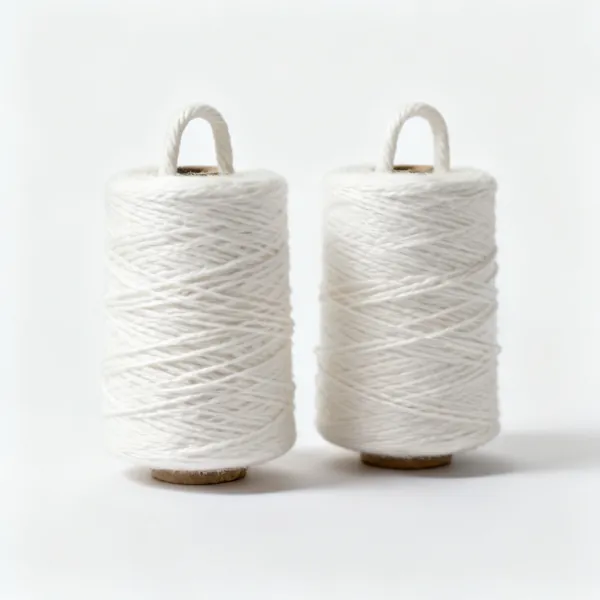
That is why basting thread and a seam ripper are working tools rather than remedial ones. A first fitting that needs no changes usually means the fitting was not looked at closely enough.
- Baste and fit
- Long loose stitches so the garment can be taken apart and altered without damage.
- Correct the pattern
- Not just the garment. The next one is then right from the start.
- Fit on the wearer
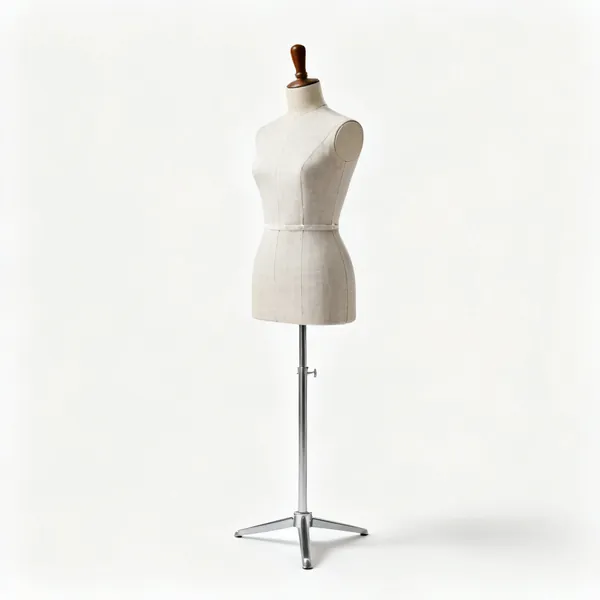
- A dress form is symmetrical and nobody is. It holds work, it does not replace a fitting.
- One change at a time
- Alter one thing, refit. Several changes at once and you cannot tell which one worked.
Interlining and what holds a shape
A lapel that rolls, a collar that stands and a front that does not collapse all come from what is inside them. Traditional tailoring uses horsehair canvas pad stitched by hand, so the canvas holds a curve and the cloth follows it.
Fusible interfacing is glued instead, which is faster and gives a flatter, stiffer result that cannot be reshaped later. Both are legitimate; they simply produce different garments, and the hand canvas is what people mean by bespoke.
- Canvas is shaped
- Pad stitched so it holds a curve. The cloth then takes that shape and keeps it.
- Fusible is flat
- Faster and stiffer, and it cannot be reshaped once it is on. A different result, not a worse one.
- Pad stitching by hand
- Small stitches that hold canvas to cloth without showing on the face.
- Test the fusible
- On a scrap, since it can bubble or show through the cloth once pressed.
Frequently asked questions
- What tools do I need for tailoring?
- Good shears, tailor's chalk, pins, a tape measure, a seam ripper, a steam iron and a tailor's ham. The ham is the one people skip and it is the one that makes the difference, since pressing shape into cloth is what separates tailoring from plain sewing.
- What is the difference between shears and scissors?
- Shears have offset handles so the lower blade lies flat on the table while cutting, which keeps the fabric flat rather than lifting it. They are also longer, so a straight cut takes few strokes. Scissors have symmetrical handles and are for smaller work.
- What is a tailor's ham used for?
- Pressing curved seams over a curved surface, so the fabric sets in the shape it has to hold. Darts, shoulders, sleeve heads and the roll of a lapel all need it. Pressing a curve flat and then trying to make it curve on a body does not work.
- Why do tailors use a clapper?
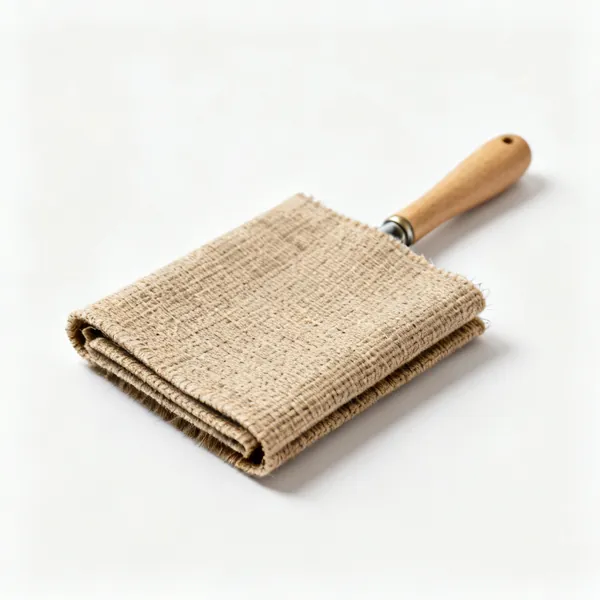
- A hardwood block pressed onto a steamed seam holds it flat while it cools, which is when the shape actually sets. It also drives out steam without adding more heat, so a bulky seam or a lapel edge goes genuinely flat rather than only looking flat while hot.
- How do you mark fabric for tailoring?
- Tailor's tacks, which are loose thread loops through both layers, never stain anything. Clay chalk brushes off. A tracing wheel with carbon paper marks the wrong side only. Test whatever you use on a scrap of the actual cloth, since wax chalk can leave a grease mark.
- What is pad stitching in tailoring?
- Small hand stitches holding horsehair canvas to the inside of a lapel or collar, worked so the canvas holds a curve and the cloth follows it. It is what makes a lapel roll properly, and it is the main visible difference between bespoke and fused construction.
- Do I need a dress form?
- It is useful for holding a garment while you work and for checking hang, and it does not replace fitting on the wearer. A form is symmetrical and no body is, so the fitting decisions still have to be made on the person the garment is for.
- Why does my pressing flatten the seams too much?
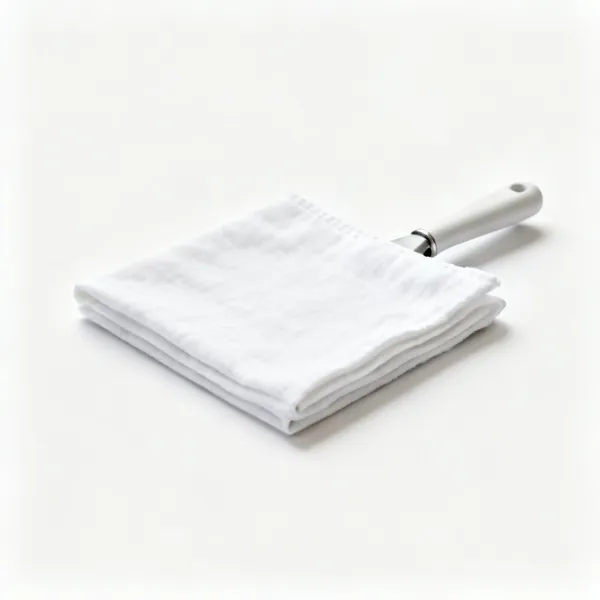
- Usually pressing on a flat board with no protection. Use a seam roll under the seam so only the seam line contacts the iron, and a pressing cloth between the iron and the fabric. A shine on wool means the iron was too hot and touched the cloth directly.