Disclosure

Tools for crochet

Crochet needs less equipment than almost any craft: a hook, some yarn and a pair of scissors makes anything. What the rest of the kit buys is consistency, comfort over long sessions, and a finished piece that holds its shape. All 34 here are grouped that way, starting with hooks, where material and handle matter as much as the size stamped on the shaft.

10 are marked essential: genuinely all you need to start, plus what stops your hands aching.

Part of the full sewing tools list, 104 tools in 10 groups.

Crochet hooks 10

The size sets the stitch and the handle decides whether you can do it for two hours.

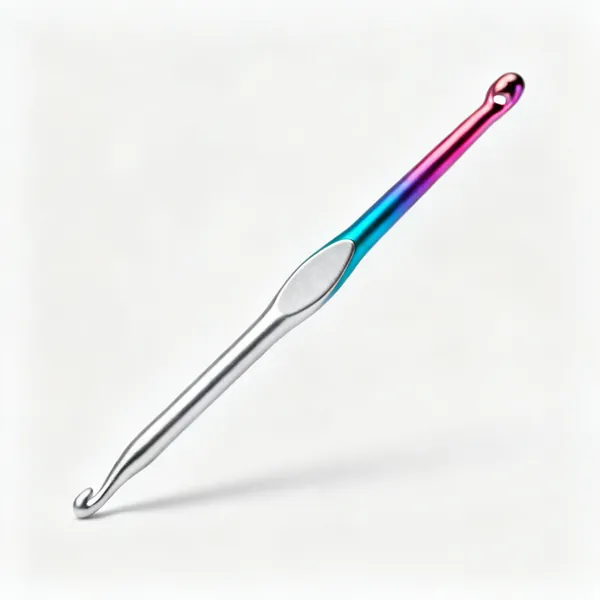
  • Aluminium hook: A single aluminium crochet hook with a coloured shaft and a thumb restEssential

    Aluminium hook

    The standard hook: smooth, fast and cheap. Slippery yarn slides off it more readily than off bamboo, which is either speed or a nuisance depending on the yarn.

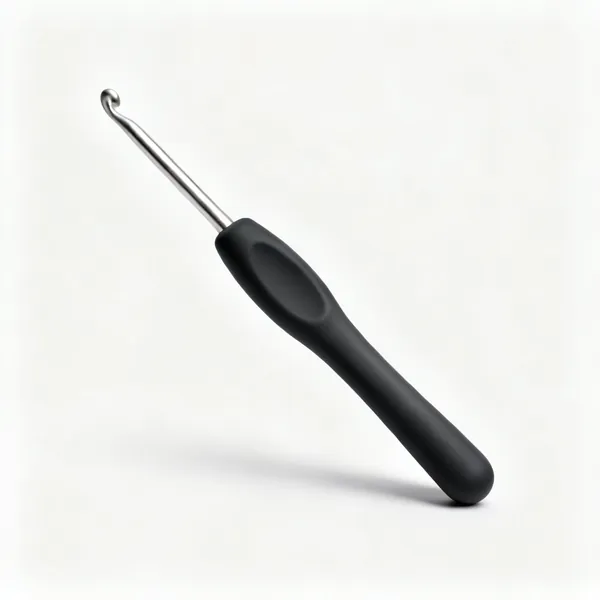
  • Ergonomic hook: A crochet hook with a thick soft rubber ergonomic handleEssential

    Ergonomic hook

    A wide soft handle so less pinch force holds it, which is where hand ache comes from. The single most useful upgrade once you crochet for more than an hour.

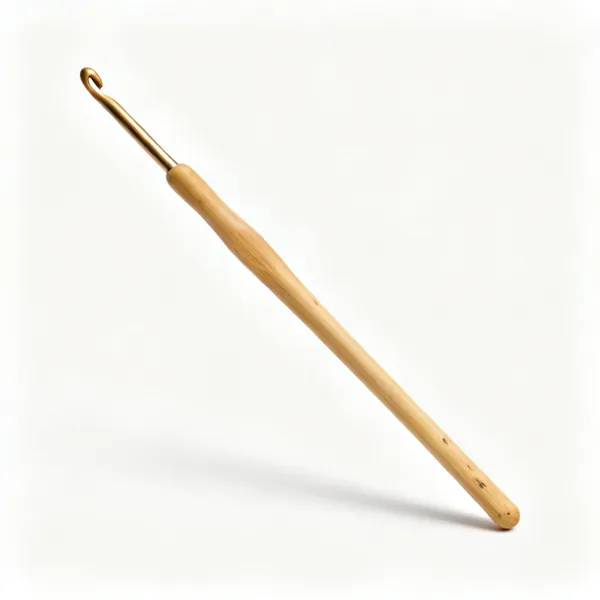
  • Bamboo hook: A bamboo crochet hook with a natural wood shaft

    Bamboo hook

    Warm, light and grippy, which slows the stitches down and stops slick yarn escaping. Also quieter, which matters more than it sounds like it should.

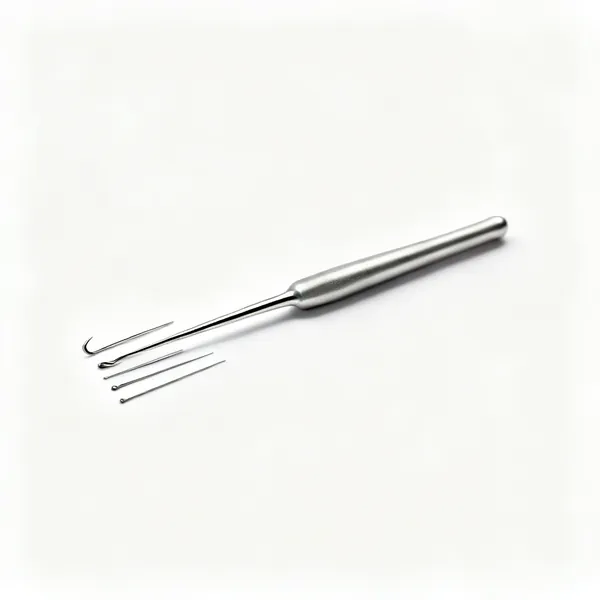
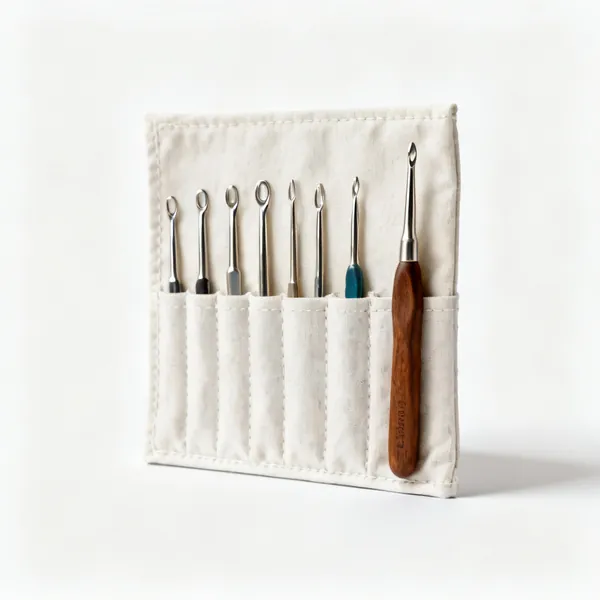
  • Steel thread hook: Several very fine steel crochet hooks of graduated tiny sizes

    Steel thread hook

    Very fine sizes below 2mm for lace and thread work. Steel because nothing else is stiff enough at that diameter, and the point is genuinely sharp.

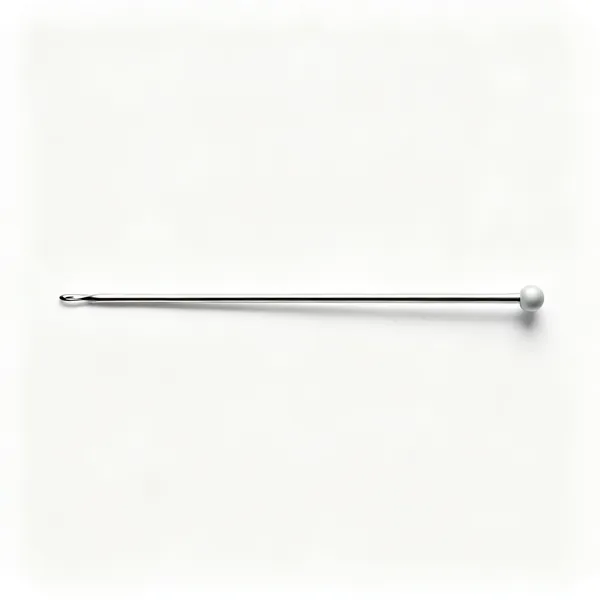
  • Tunisian hook: A long Tunisian crochet hook with an extended shaft and a stopper at the end

    Tunisian hook

    A long hook, or one on a cable, that holds a whole row of live loops. Tunisian crochet keeps every stitch on the hook, which needs the length to do it.

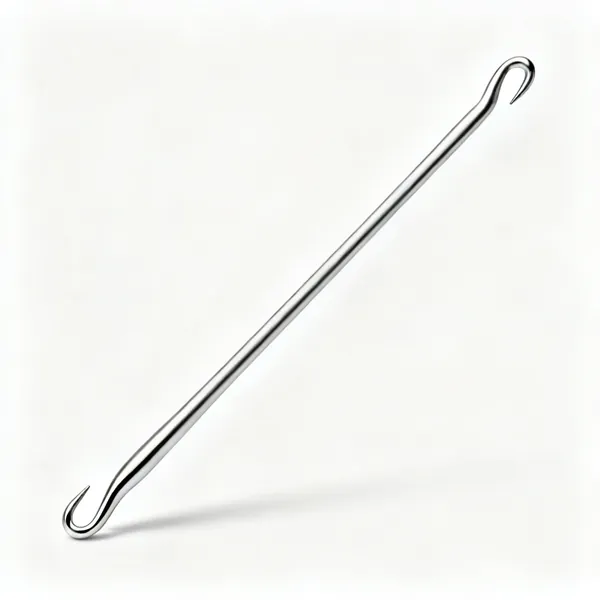
  • Double ended hook: A double ended crochet hook with a hook at each end of a long shaft

    Double ended hook

    A hook at both ends for two colour Tunisian work, where the piece turns and the other end picks up. A specialist and there is no substitute for it.

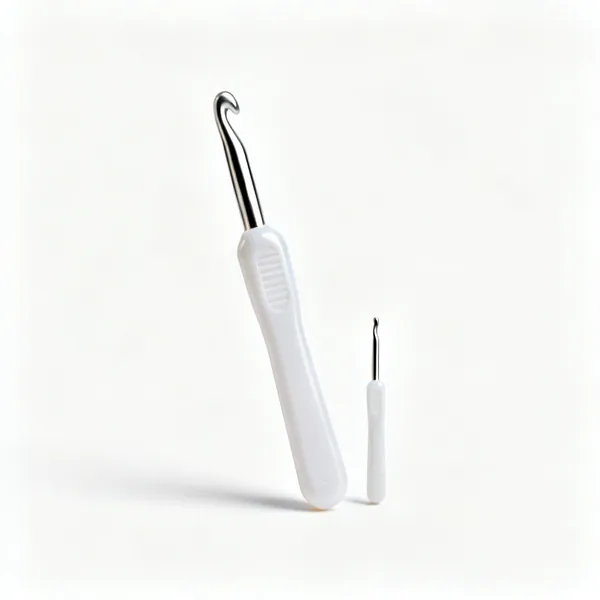
  • Jumbo hook: A very large jumbo plastic crochet hook beside a normal sized one for scale

    Jumbo hook

    12mm and up for chunky yarn and rag rugs. A blanket in an evening rather than a month, at a scale where the fabric is deliberately open.

  • Hook set: A set of crochet hooks of graduated sizes in a fabric caseEssential

    Hook set

    2mm to 6mm covers almost every pattern, and having the sizes on hand is what makes matching a tension square possible at all.

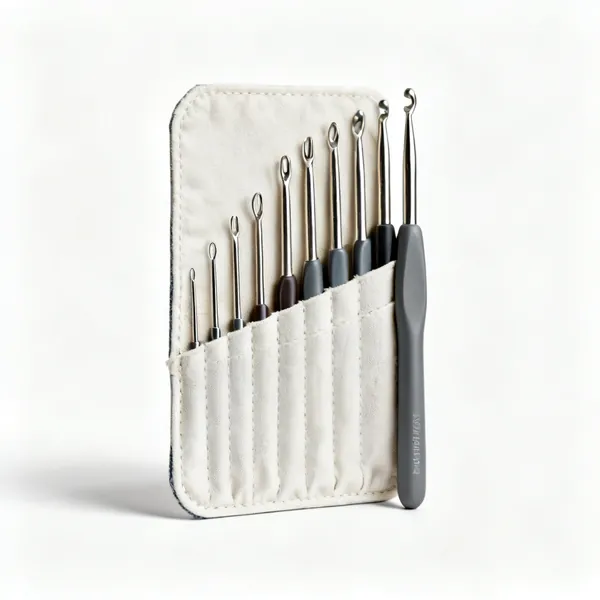
  • Hook case: A fabric crochet hook roll case with individual pockets holding hooks

    Hook case

    A roll with pockets so hooks are in size order and the fine ones do not bend. Also stops the small sizes disappearing, which they otherwise do.

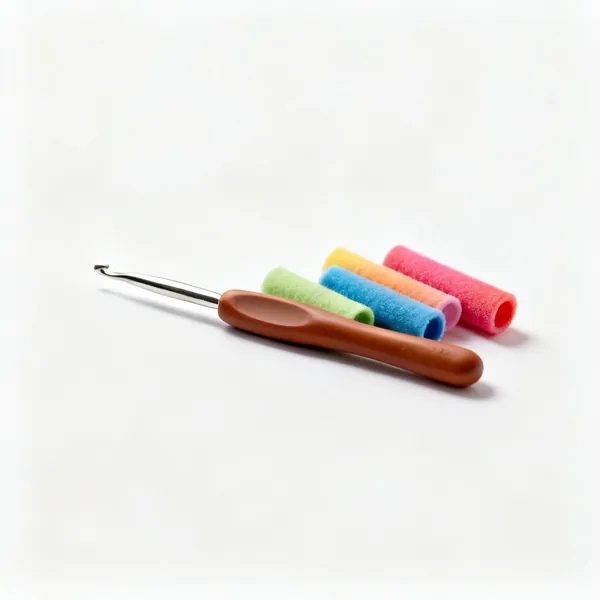
  • Hook grips: Several coloured foam crochet hook grip sleeves

    Hook grips

    Slip on foam or silicone sleeves that fatten a thin metal hook. A few pounds, and it turns hooks you already own into comfortable ones.

Marking and counting 6

Crochet worked in a spiral has no seam to count from, which is what all of this solves.

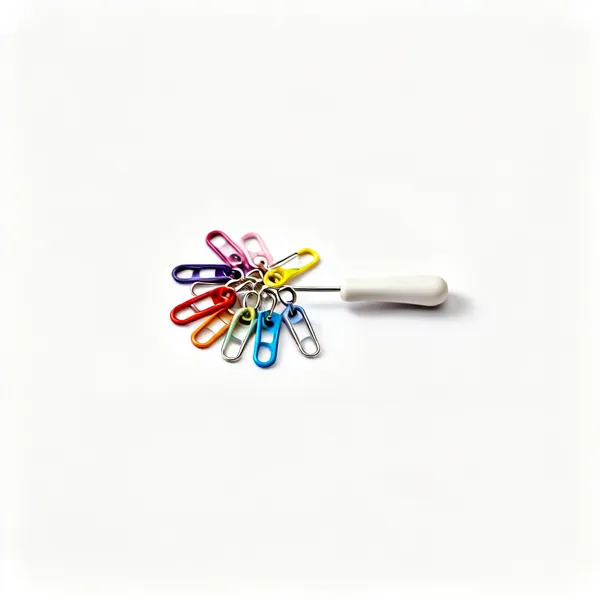
  • Stitch markers: A handful of coloured locking stitch marker clipsEssential

    Stitch markers

    Locking markers that clip into a stitch to mark the start of a round, an increase, or a live loop. The cheapest item here and it prevents most recounting.
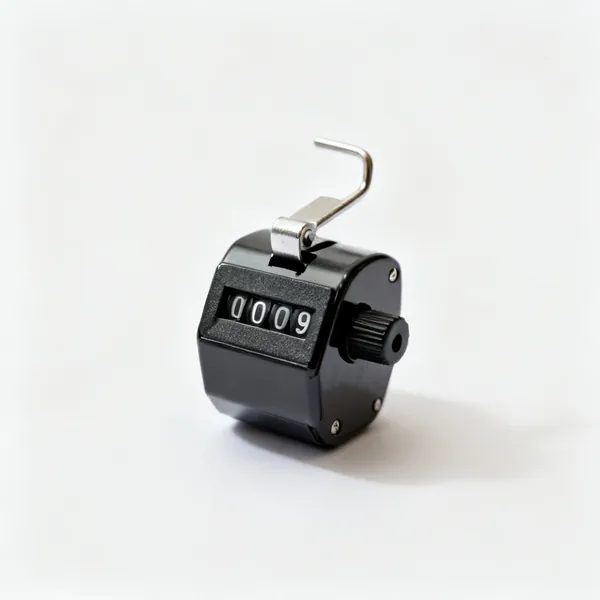
  • A small mechanical row counter with a numbered dial

    Row counter

    A dial or clicker that tracks rows so you are not counting from the start every time you sit down. Also a phone app, which works equally well.

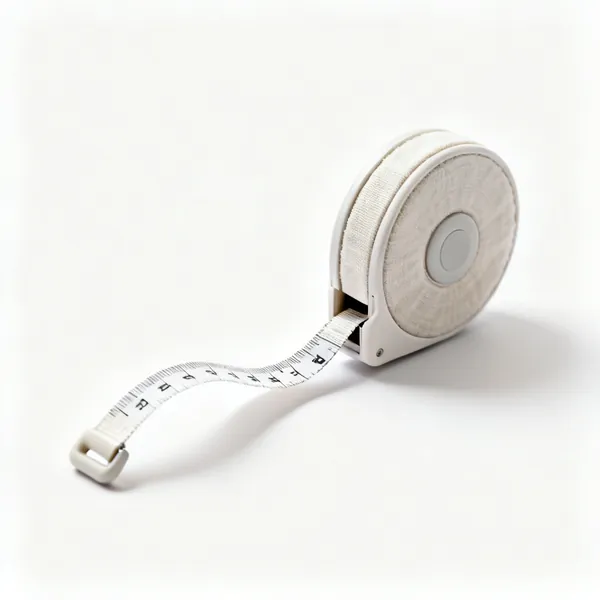
  • A retractable fabric tape measure partly extended from its caseEssential

    Tape measure

    A flexible tape for tension squares and for checking length as you go. A retractable one, because the fabric one stretches over years and reads long.

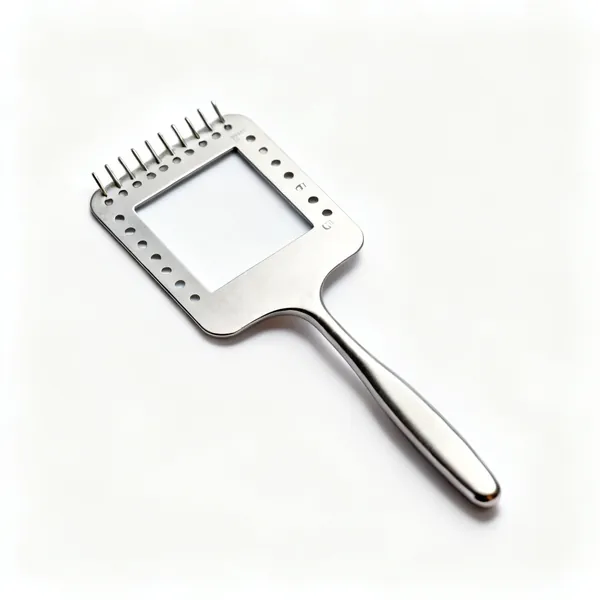
  • A flat metal knitting and crochet stitch gauge with a square window and sizing holes

    Stitch gauge

    A metal plate with a square window and hook sizing holes, so you count stitches over a known 10cm and check an unmarked hook at the same time.

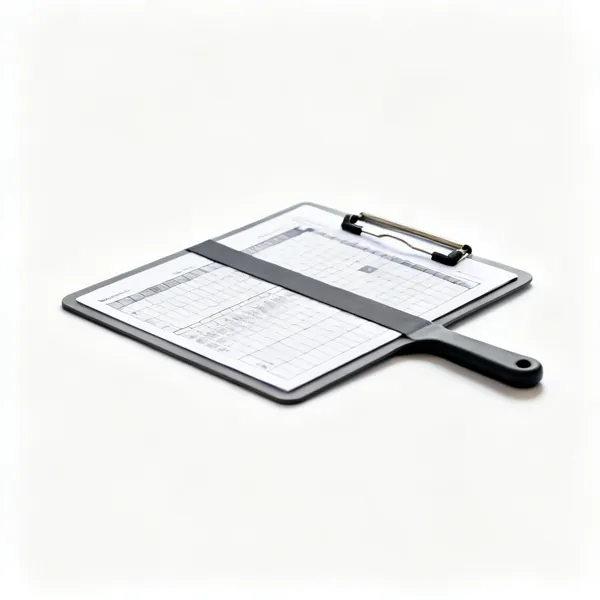
  • A magnetic pattern holder board with a magnetic strip across a printed chart

    Pattern holder

    A magnetic board that holds the pattern and a strip marking the current row. Losing your place in a chart is the commonest way a project stalls.

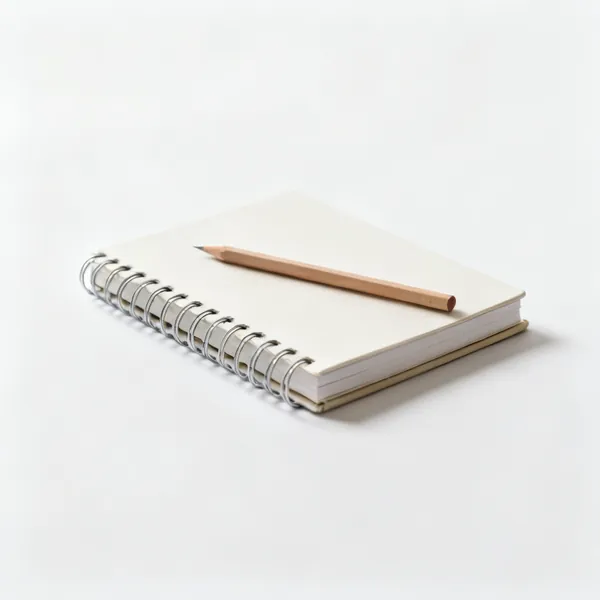
  • Project notebook: A small closed spiral notebook with a pencil resting on it, centred with clear space at every edge

    Project notebook

    Which hook, which yarn, which row you stopped on. Anything picked up after a month is otherwise a guess, and the tension will show it.

Yarn handling 8

Managing the yarn is half of a smooth session and all of an untangled one.

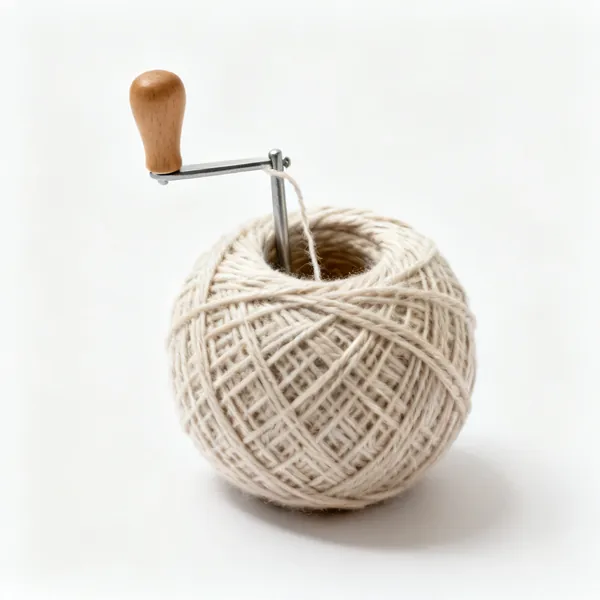
  • Yarn winder: A hand crank yarn ball winder with a partly wound centre pull cake

    Yarn winder

    Turns a hank into a centre pull cake that does not roll away. Hand wound balls tighten as they sit, which stretches the yarn and changes its tension.

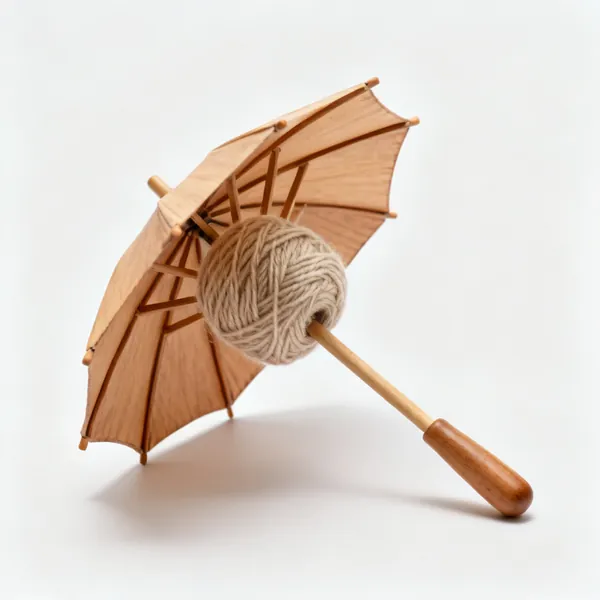
  • A wooden umbrella yarn swift open with a hank of yarn on it

    Yarn swift

    Holds a hank open and turns as the winder pulls, so nothing tangles. Winding a hank without one is a job for two people and one of them will complain.

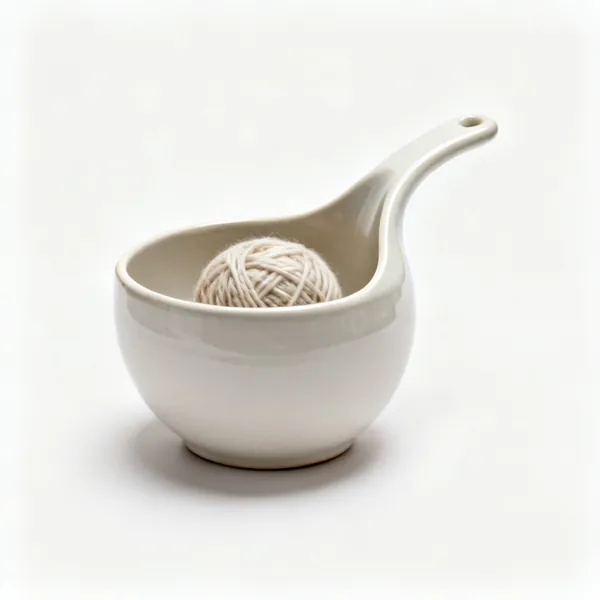
  • A ceramic yarn bowl with a curved feeding slot holding a small ball of yarn, centred with clear space at every edge

    Yarn bowl

    A bowl with a curved slot that feeds the yarn and stops the ball rolling. Solves the specific and constant problem of a ball on the floor collecting dust.

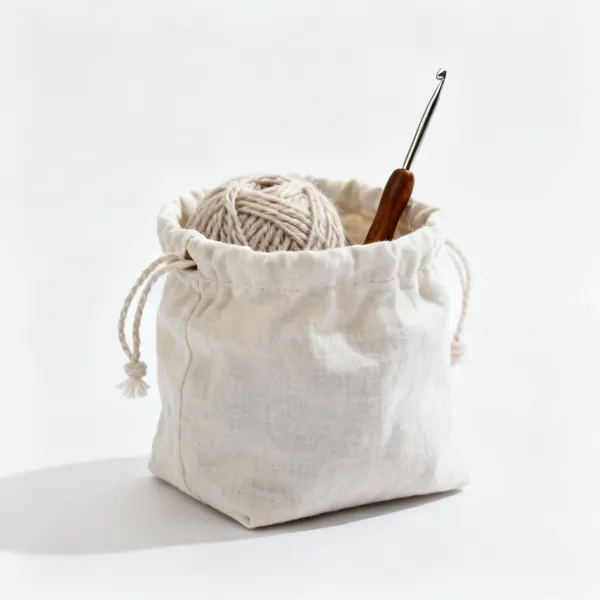
  • A fabric drawstring project bag with yarn and a crochet hook insideEssential

    Project bag

    Keeps yarn, hook and pattern together and clean, which is what lets a project be picked up and put down. Also stops the cat finding it.

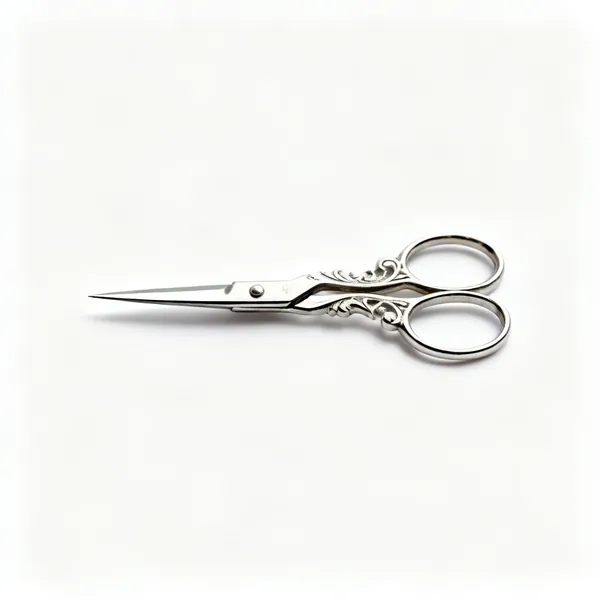
  • Small scissors: A pair of small sharp embroidery scissors with decorative handlesEssential

    Small scissors

    Sharp, small and kept for yarn only, since paper blunts them and a blunt blade chews yarn rather than cutting it. Folding ones travel safely.

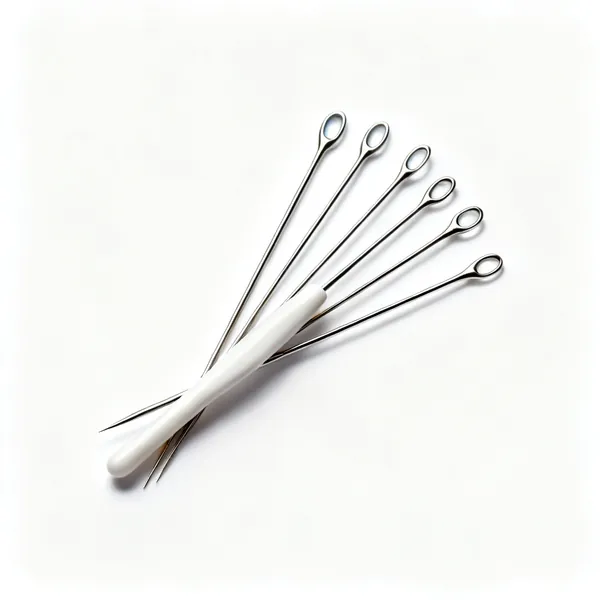
  • Yarn needles: Several blunt tipped yarn darning needles with large eyesEssential

    Yarn needles

    Blunt tipped with a large eye for sewing in ends and joining pieces. Blunt so it passes between strands rather than splitting them, which shows on the surface.

  • Bent tip needle

    Bent tip needle

    The tip is angled, which makes picking up a stitch edge on much easier when seaming. A small difference that makes joining squares far less tedious.

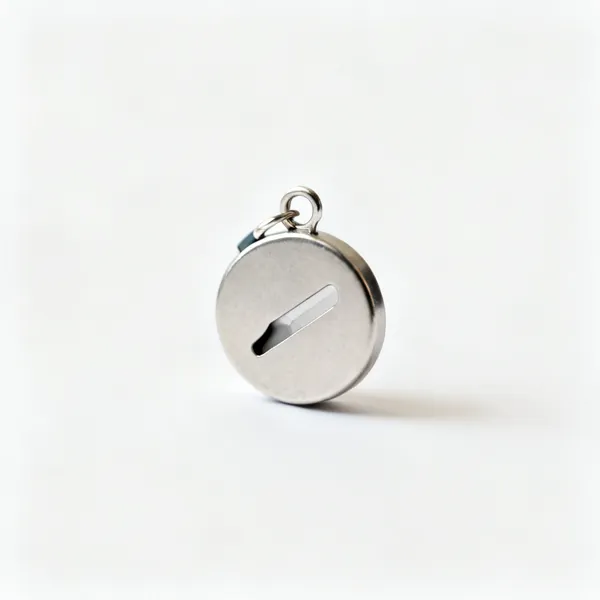
  • A small round metal pendant yarn cutter with a recessed blade slot

    Pendant yarn cutter

    A blade recessed in a disc, so it cuts yarn and cannot cut you or be confiscated at an airport. Genuinely the reason people buy them.

Blocking and finishing 10

The step that makes squares square and a shawl hang. Most obvious in photographs and most often skipped.

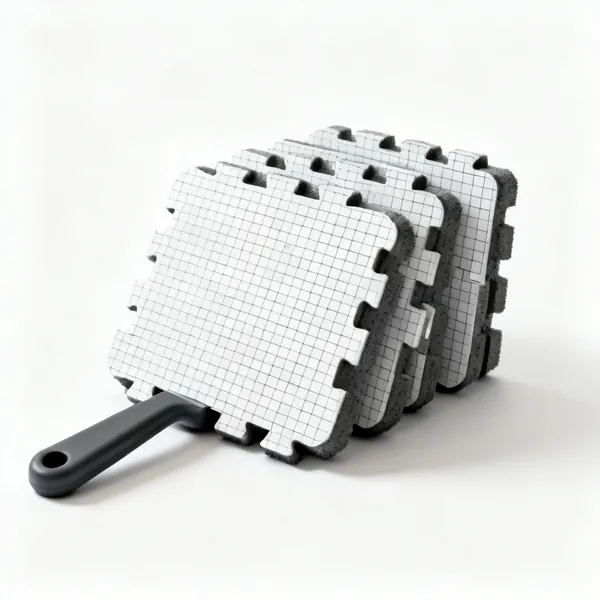
  • Several interlocking foam blocking mats with a printed grid, joined togetherEssential

    Blocking mats

    Interlocking foam squares with a printed grid, so pieces are pinned to a measured size rather than an eyeballed one. They take pins and they dry.

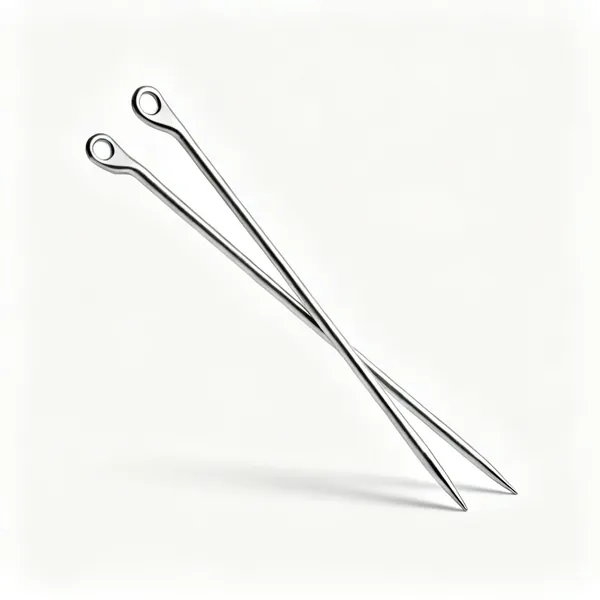
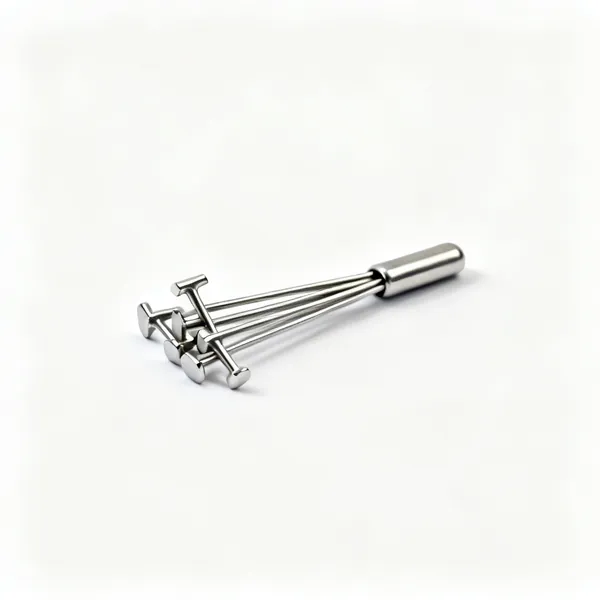
  • A small tight cluster of stainless steel T shaped blocking pins, centred with clear space at every edgeEssential

    Blocking pins

    Rust proof T pins that hold wet fabric to shape without leaving a mark or a stain. Ordinary dressmaking pins rust into a wet wool piece overnight.

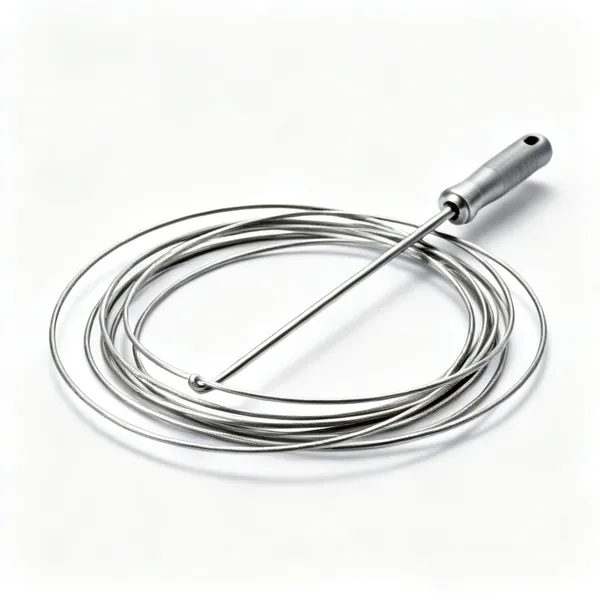
  • Several flexible stainless steel blocking wires coiled loosely

    Blocking wires

    Flexible stainless wire threaded through an edge, so it dries dead straight instead of scalloped between pins. What makes a shawl edge look finished.

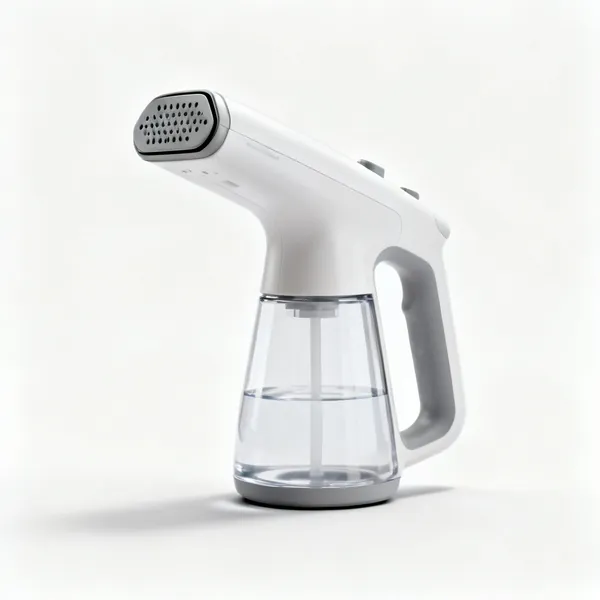
  • Handheld steamer: A handheld garment steamer with a nozzle and a water tank

    Handheld steamer

    Acrylic will not hold a wet block and does hold a steam block permanently. Held above the piece rather than on it, since the fibre will melt.

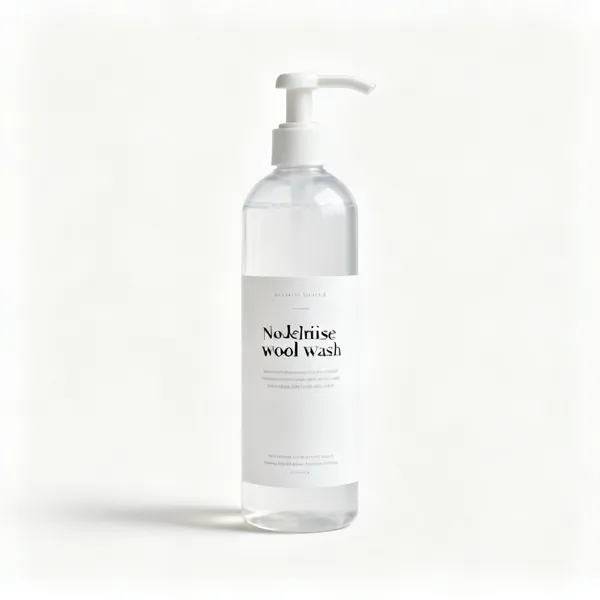
  • A single bottle of no rinse delicate wool wash, standing upright with clear space at every edge

    Wool wash

    A no rinse wash for wetting a piece before blocking, which also softens the yarn. Ordinary detergent strips wool and leaves it harsh.

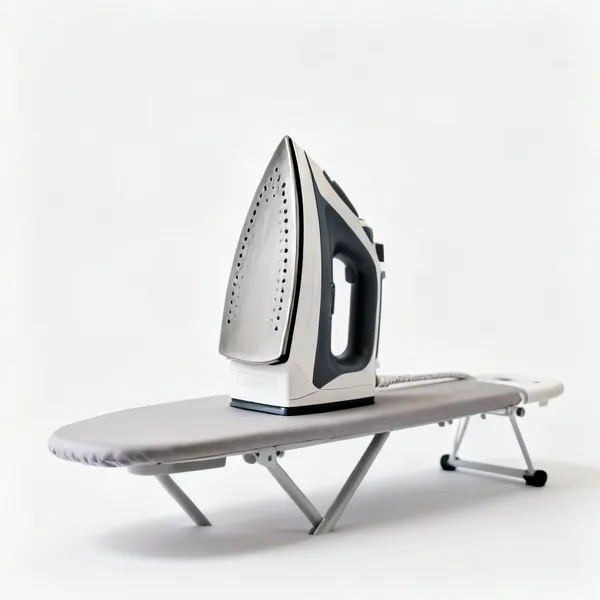
  • A steam iron standing upright on an ironing board

    Iron

    Used for steam only, hovering above the fabric with a cloth between. Pressing a crocheted piece flattens the stitch texture and it does not come back.

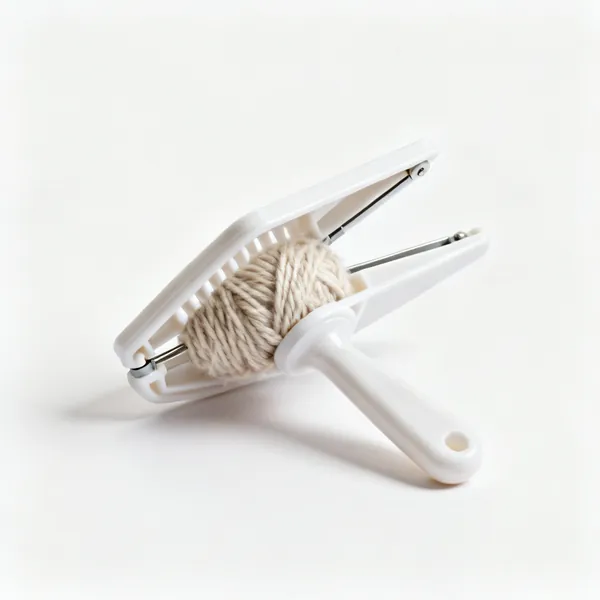
  • A plastic pom pom maker with two hinged arms, partly wound with yarn

    Pom pom maker

    Two plastic arms that wind, tie and trim an even pom. Faster than the cardboard circle method and considerably rounder.

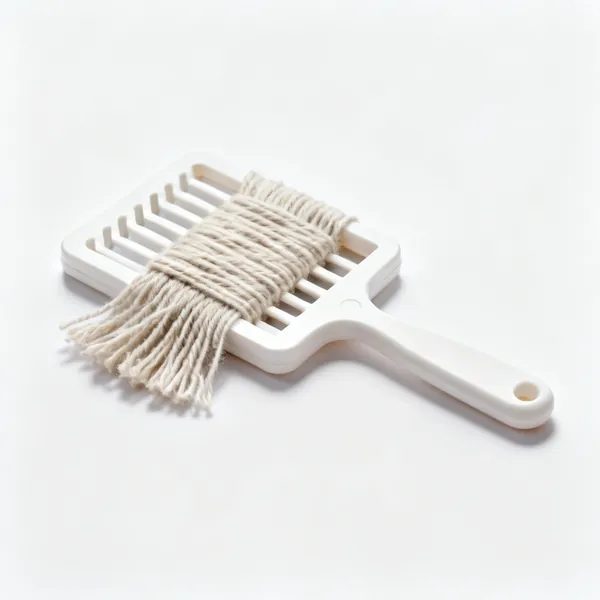
  • Tassel maker

    Tassel maker

    A slotted frame for winding even tassels and fringe. Consistency is the whole point, since one short tassel on a blanket edge is what the eye finds.

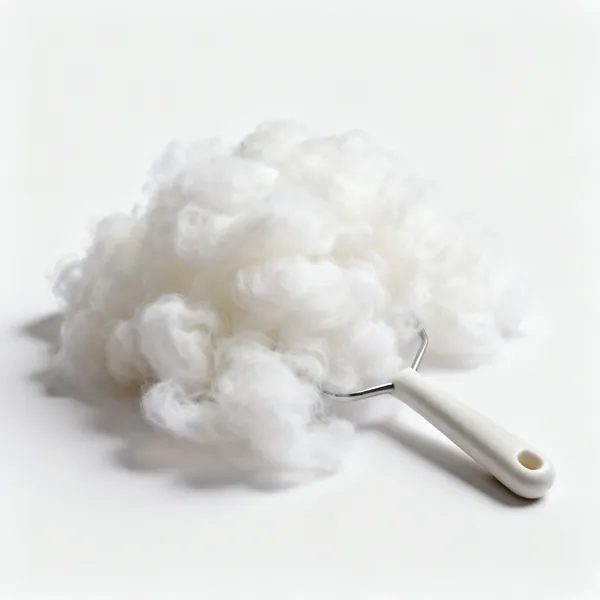
  • A loose pile of white polyester toy stuffing filling

    Toy stuffing

    Polyester filling for amigurumi, pushed in a little at a time with the end of a hook. Overstuffing shows through the stitches as gaps.

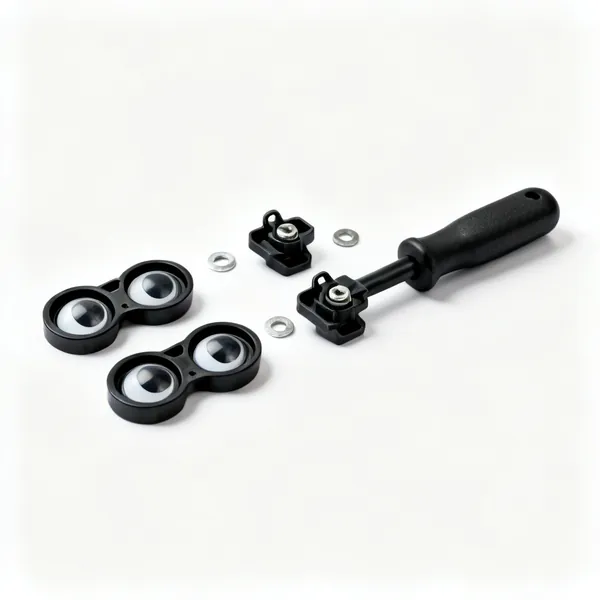
  • Several pairs of black plastic safety eyes with locking washers

    Safety eyes

    Plastic eyes with a locking washer that cannot be pulled out, for toys. Fitted before stuffing, because the washer goes on from inside.

Choosing crochet tools

The list above is what exists. This is how to decide which of it you actually need, what separates a tool worth keeping from one that ends up at the back of a drawer.

The parts of a hook that change the stitch

A hook has a point that enters the stitch, a throat that catches the yarn, a shaft whose diameter sets the stitch size, and a thumb rest. The shaft is the only part with a number on it, and the throat shape does at least as much to how the hook feels.

An inline hook has the throat cut straight in line with the shaft, which grips the yarn firmly and suits a tight tension. A tapered hook has a rounded throat that slides off more easily, which suits a looser tension and catches less on splitty yarn.

Shaft sets the size
The diameter of the shaft is what the millimetre number refers to, and it makes the stitch.
Inline throat grips
Straight cut, holds the yarn firmly. Suits tighter tension and less splitty yarn.
Tapered throat slides
Rounded, releases easily. Kinder on loose tension and on yarn that splits.
Try both
Neither is correct. Which feels natural depends on how you hold the hook and pull the yarn.

Hook size, tension and why the pattern still lies

The hook size on the label is a starting point, not an instruction. Two people with the same hook and the same yarn will produce fabric of different sizes, because tension is how tightly you pull each loop and that is personal.

Which is why a tension square matters on anything that has to fit. Work a swatch, count stitches over 10cm, and change hook size until the count matches the pattern. Bigger hook for more stitches than specified, smaller for fewer.

Make a tension square
10cm of the pattern stitch. It takes ten minutes and saves remaking a garment.
Change hook, not tension
Trying to crochet tighter or looser to match never holds over a whole piece.
Too many stitches, bigger hook
And fewer stitches than specified means go down a size.
Blankets can be ignored
If nothing has to fit, work at whatever tension is comfortable and let the size land.

Hook material and what it does to your hands

Aluminium is smooth and fast, which suits slippery yarn less well because stitches slide off. Bamboo and wood have grip, which is easier on hands and slower. Plastic is light and warm and flexes at small sizes.

The bigger comfort variable is the handle. A bare metal hook puts all the pressure on a small area of finger, and after two hours that is where cramp and joint pain come from. An ergonomic soft handle is the single most useful upgrade in this list.

Aluminium is fast
Smooth and slick, and slippery yarn wants to escape it. The usual default.
Bamboo and wood grip
Slower, warmer, and much easier with silk, bamboo yarn or anything slick.
Handles matter more than material
A soft ergonomic grip is what makes a long session possible without cramp.
Steel for thread
Very fine sizes below 2mm are steel, because nothing else holds up at that diameter.

Hands, wrists and long sessions

Crochet is a repetitive grip with the wrist held slightly bent, held for hours. That combination produces the aches people blame on age and which are mostly posture and hook shape.

The fixes are unglamorous: a fatter handle, a break every twenty minutes or so, support under the forearms rather than holding them up, and stretching the fingers backwards between rows. Any of them beats working through it.

Fatter handle, less grip force
A wide soft grip needs less pinch pressure, which is where the ache comes from.
Break every twenty minutes
Long enough to stretch the hand open. Cheaper than a month off.
Support the forearms
A cushion on your lap. Holding arms up unsupported tires the shoulders first.
Stop when it hurts
Repetitive strain does not warn twice, and it takes far longer to settle than to cause.

Blocking, and why finished pieces look different

Crocheted fabric comes off the hook uneven, curled at the edges and smaller than intended. Blocking is wetting or steaming it and pinning it to shape while it dries, which relaxes the yarn and sets it there.

It is the step that makes a granny square actually square and a shawl hang instead of ruffling. It is also the difference most obvious in photographs, and the one beginners most often skip and then wonder about.

Wet or steam
Wet blocking for wool and cotton, steam for acrylic. Acrylic will not hold a wet block.
Pin to measurement
Pin to the size it should be, not the size it is. That is the whole point.
Let it dry fully
Unpinning damp means it springs back and you have done nothing.
Acrylic needs heat
Steam sets it permanently, which is called killing it and is sometimes exactly what you want.

Frequently asked questions

What tools do I need to start crochet?
A 4mm hook, a ball of double knit yarn, scissors and a blunt needle for sewing in ends. That is genuinely all. Stitch markers and a tape measure come next, then an ergonomic hook once you find you are doing enough of it to ache.
What size crochet hook should a beginner use?
A 4mm or 5mm hook with double knit or aran weight yarn. Big enough to see what the stitches are doing and small enough to feel normal. Very fine hooks make the stitches hard to see, and very large ones make a loose fabric that hides mistakes.
What is the difference between an inline and a tapered crochet hook?
An inline hook has the throat cut straight in line with the shaft, so it grips the yarn firmly and suits a tighter tension. A tapered hook has a rounded throat that releases more easily, which is kinder on loose tension and on splitty yarn. Neither is correct.
Does crochet hook material matter?
Yes, mostly for how the yarn behaves. Aluminium is smooth and fast, and slippery yarn escapes it. Bamboo and wood have grip and slow you down usefully with silk or bamboo yarn. The handle matters more than the material for comfort over a long session.
How do I stop my hands hurting when I crochet?
Use a hook with a wide soft handle, which needs less pinch force. Support your forearms on a cushion rather than holding them up, break every twenty minutes and stretch the hand open. If it hurts, stop, since repetitive strain takes far longer to settle than to cause.
Do I really need to make a tension square?
For anything that has to fit, yes. Two people with the same hook and yarn produce different sized fabric, because tension is personal. Work a 10cm swatch, count the stitches, and change hook size until it matches the pattern. Blankets can be ignored.
What is blocking in crochet?
Wetting or steaming a finished piece and pinning it to shape while it dries, which relaxes the yarn and sets it there. It is what makes granny squares square and shawls hang properly. Wet blocking suits wool and cotton, and acrylic needs steam to hold at all.
What are stitch markers for in crochet?
Marking the first stitch of a round, since crochet worked in a spiral has no visible seam to count from. Also marking increases and decreases, and holding a live loop when you put the work down. They are the cheapest thing here and prevent most recounting.