Disclosure

Carpentry tools: names, pictures and what each one is used for

A complete list of carpentry tools with a picture of each one, all 75 grouped by the stage of the job, from setting out and framing through fixing, fitting and finishing. This is site and structural work; for furniture and the workshop, that is woodworking tools.
45 are marked essential, roughly what a carpenter carries rather than stores.

Setting out & layout 8

Establishing the references everything else works from. Get this wrong and every cut afterwards inherits the error, which is why carpenters spend longer here than beginners expect.

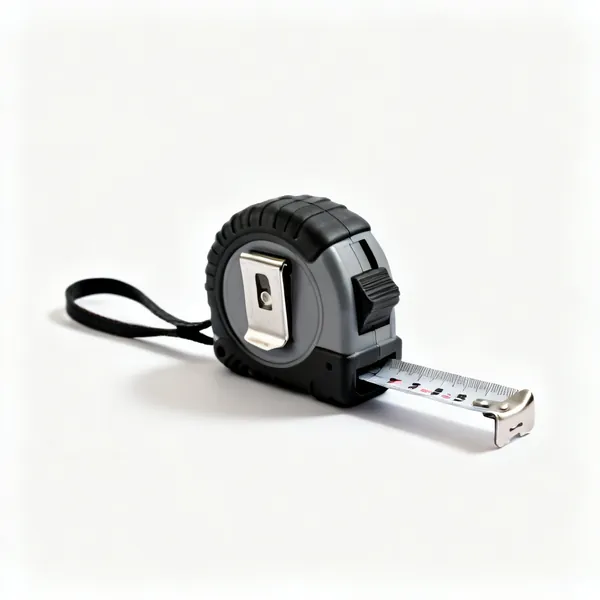
  • A rugged tape measure with a wide blade, belt clip and rubber casingEssential

    Tape measure

    The tool in every carpenter's pocket. On site a stiff blade that stands out several metres unsupported matters more than the last millimetre of precision.

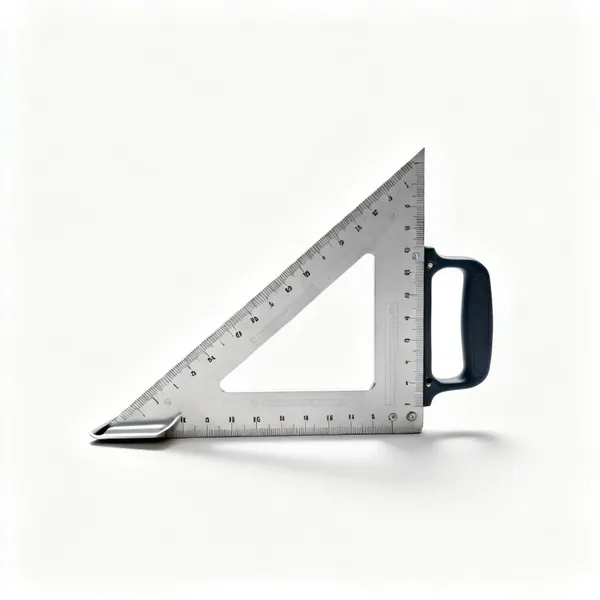
  • A triangular speed square with graduations and a raised lipEssential

    Speed square

    Marks square and forty five degree lines and guides a circular saw against its lip. One tool that marks, checks and guides, which is why it never leaves the belt.

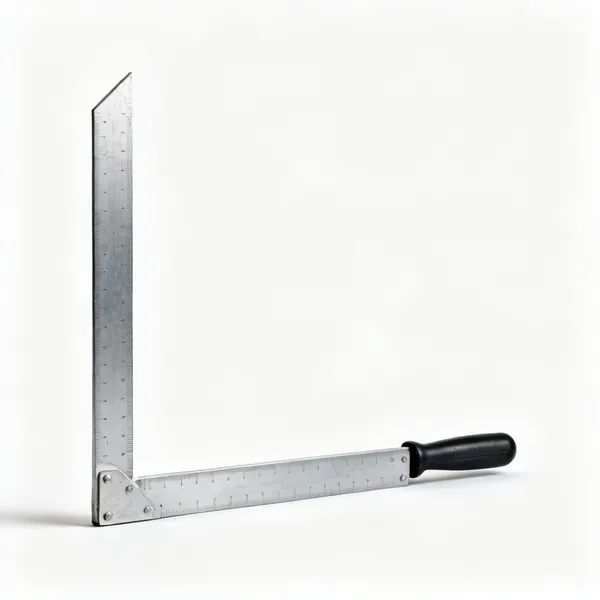
  • A large L shaped steel framing square

    Framing square

    A large steel L for squaring studwork, floors and anything too big for a hand square to say anything meaningful about.

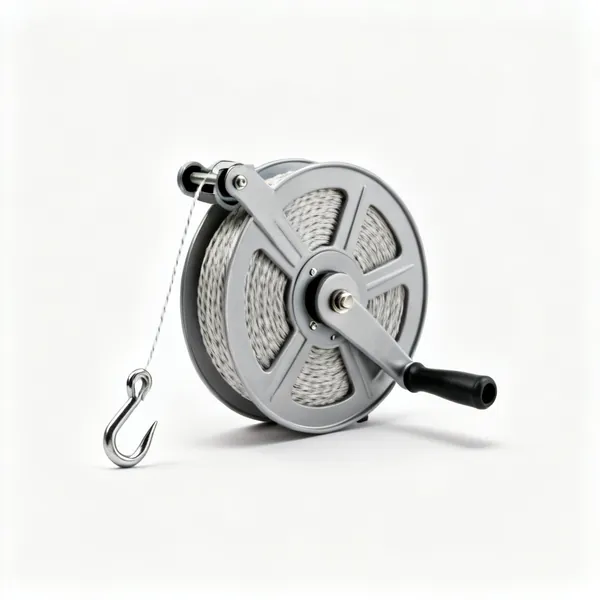
  • A chalk line reel with a hook and a crank handleEssential

    Chalk line

    Snaps a straight line over several metres in one action. Straighter than any run of tape measurements because it cannot accumulate error along the way.

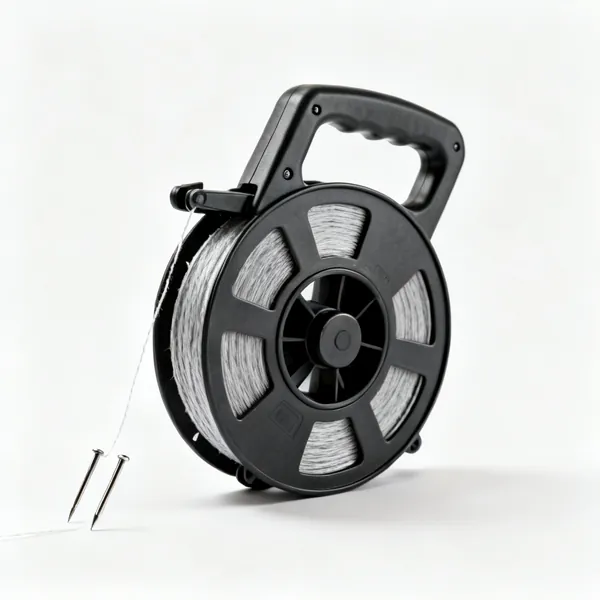
  • A builder's string line on a reel with two pinsEssential

    String line

    A taut line between two points, giving a straight reference for setting out walls, decking and fences. The oldest tool here and still the most reliable.

  • A flat carpenter's pencil sharpened to a chisel pointEssential

    Carpenter's pencil

    Flat so it will not roll off a joist, and soft enough to mark rough sawn timber. Sharpened to a chisel point it gives a fine line and a bold one from the same pencil.

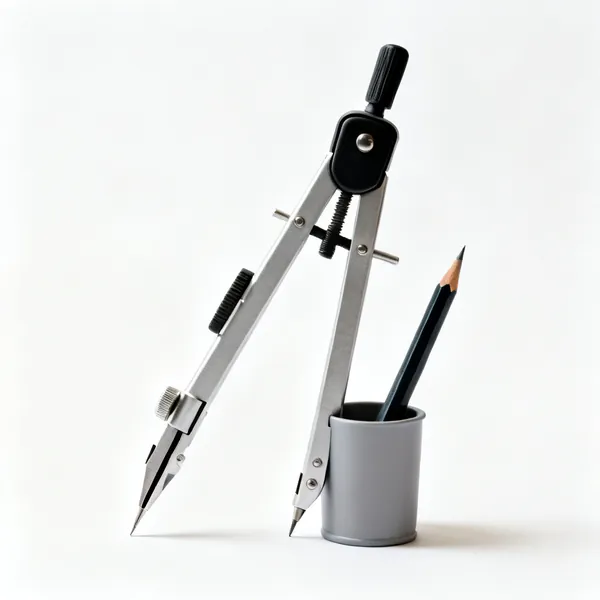
  • Scribe: A scribing tool with a compass point and a pencil holder

    Scribe

    Transfers the shape of an uneven wall or floor onto the piece being fitted, so it sits tight without filler. The difference between fitted and nearly fitted.

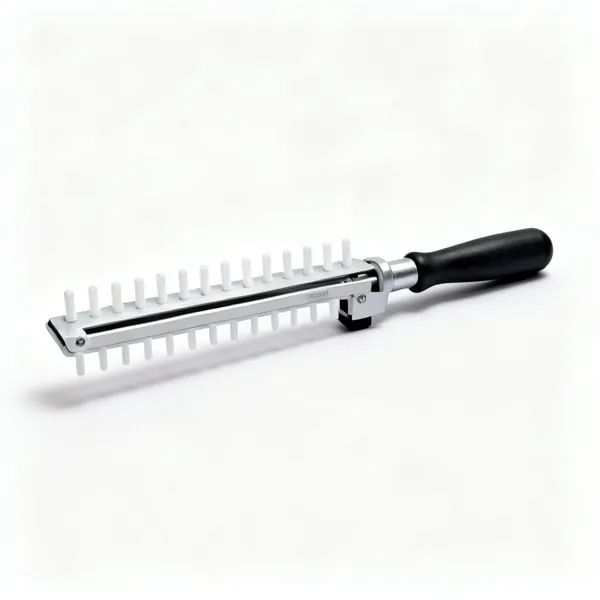
  • A contour profile gauge with sliding plastic pins

    Profile gauge

    Sprung pins that copy a moulding or pipe profile so flooring or trim can be cut around it cleanly rather than caulked over.

Levels & plumb 6

Nothing in an existing building is level or plumb, so these decide what you treat as true. A level that has been knocked is the most expensive tool on any site.

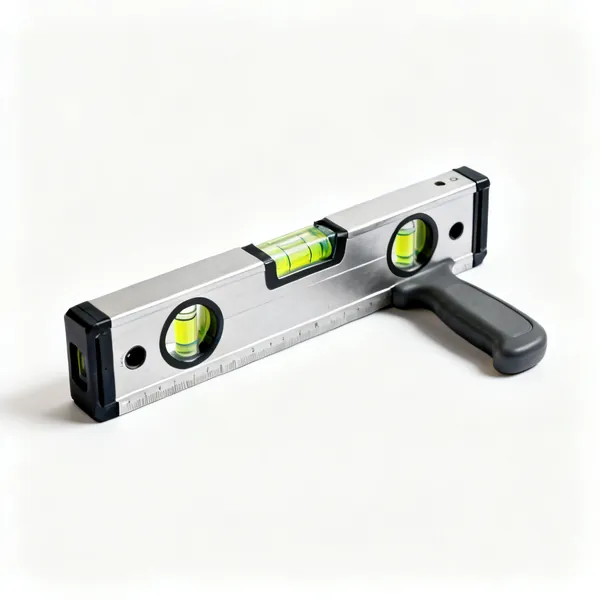
  • A spirit level with bubble vials in a rugged aluminium bodyEssential

    Spirit level

    The everyday check for level and plumb. A 600mm level covers most site work and fits a bag. Test it end for end weekly, because vans knock vials out of true.

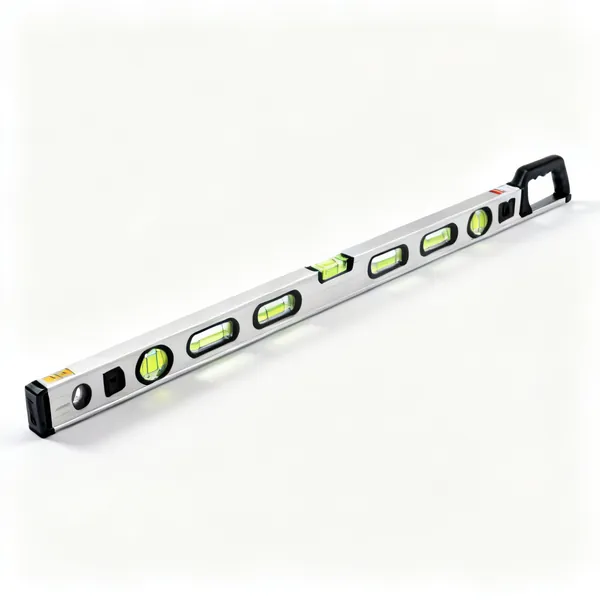
  • Long level: A long 1800mm spirit level with multiple bubble vials

    Long level

    1800mm or more, for door linings, studwork and anything where a short level would happily sit inside a bow and call it straight.

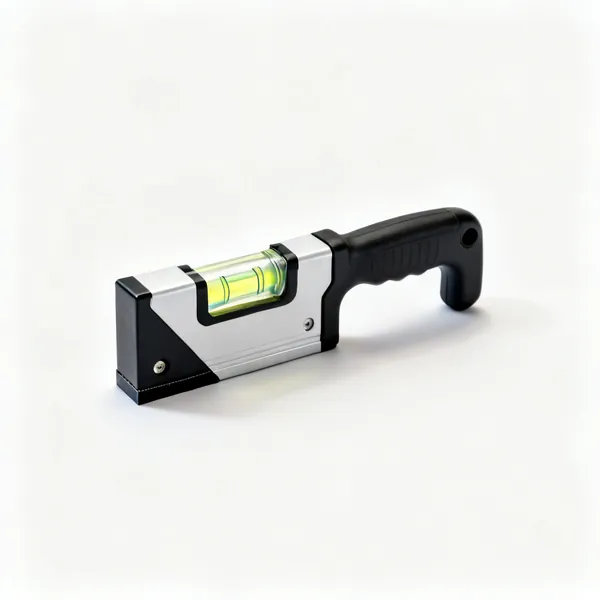
  • A small torpedo level with a magnetic edgeEssential

    Torpedo level

    Short and usually magnetic, for pipework, brackets and inside cupboards. Less accurate over distance by definition, and the only thing that fits.

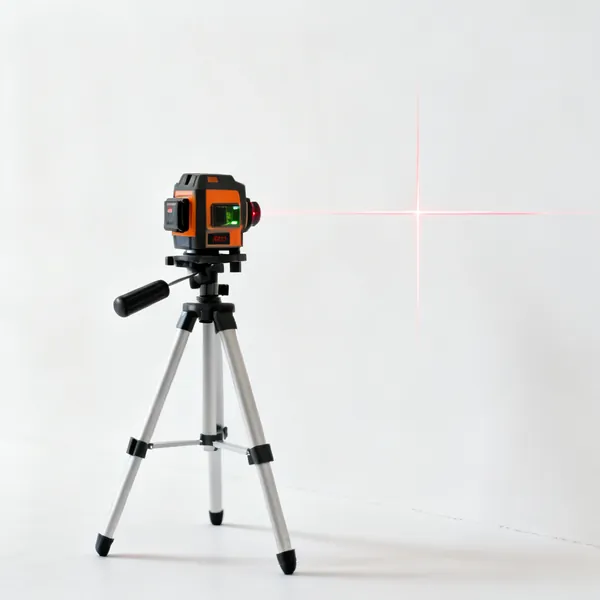
  • A cross line laser level on a tripod projecting lines on a wallEssential

    Laser level

    Projects level and plumb lines across a whole room, so cabinets, tiles and dado lines all come off one reference. Pays for itself on the first kitchen.

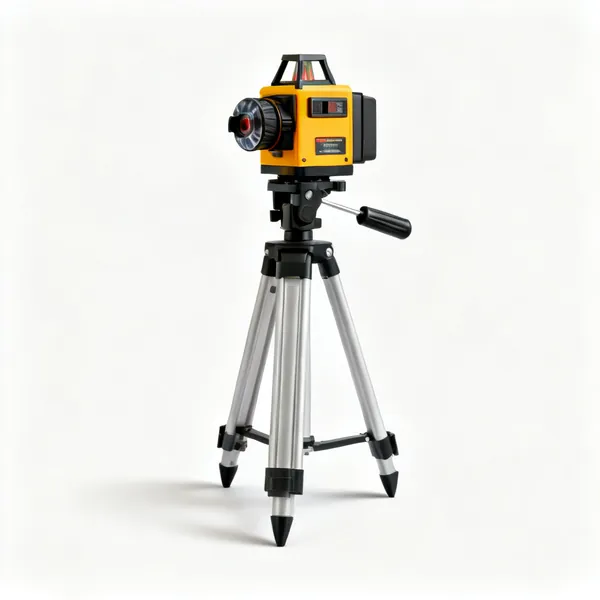
  • A rotary laser level on a tripod with a spinning head

    Rotary laser

    Spins a beam through 360 degrees, giving a level datum around a whole site, read with a detector outdoors. For groundwork, decking and large floors.

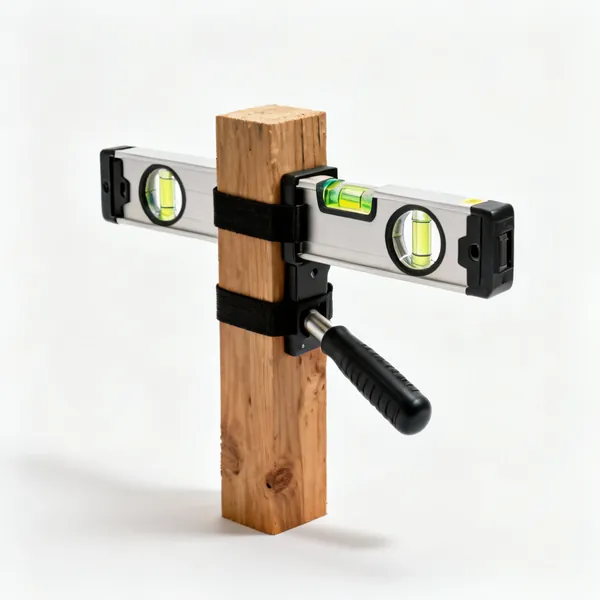
  • A post level strapped to a wooden post with two vials

    Post level

    Straps to a post and reads plumb on two faces at once, leaving both hands free to brace and fix. Fencing and deck posts specifically.

Hand saws 6

Site saws are about speed and access rather than finish. Most are hardpoint, meaning they cut aggressively, cannot be resharpened, and are replaced rather than maintained.

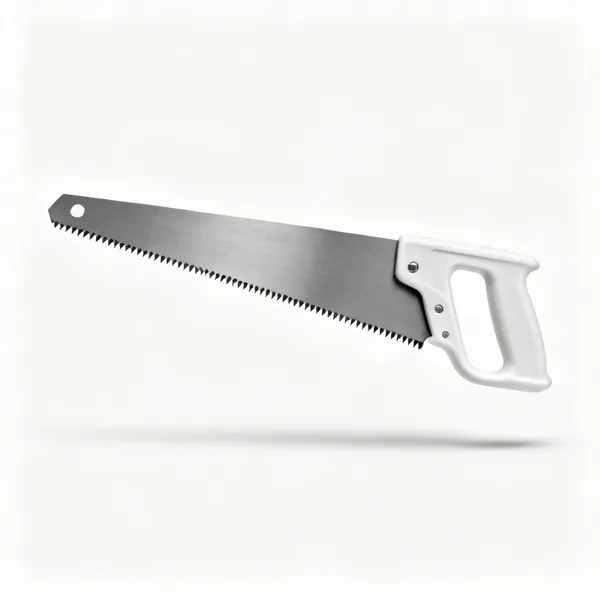
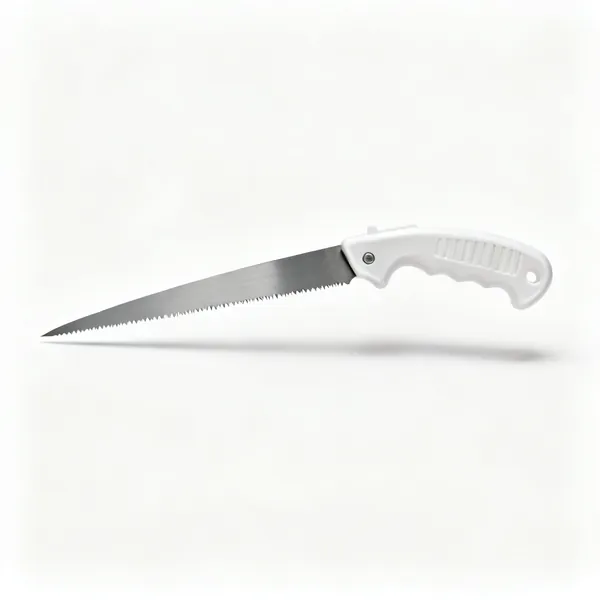
  • Hardpoint saw: A hardpoint hand saw with a plastic handle and coarse teethEssential

    Hardpoint saw

    Induction hardened teeth that cut fast through anything and cannot be resharpened. Cheap enough to treat as a consumable, which on site is the right approach.

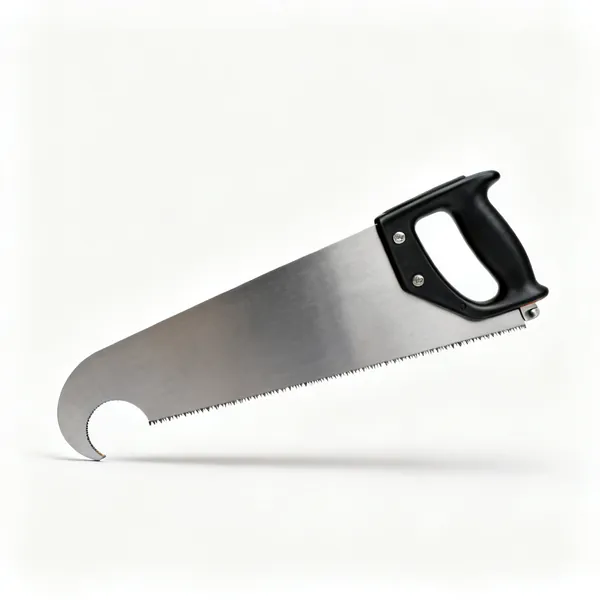
  • A flooring saw with a curved cutting nose

    Flooring saw

    A curved toothed nose that lets you start a cut in the middle of a floor without drilling, for lifting boards to reach pipes and cables.

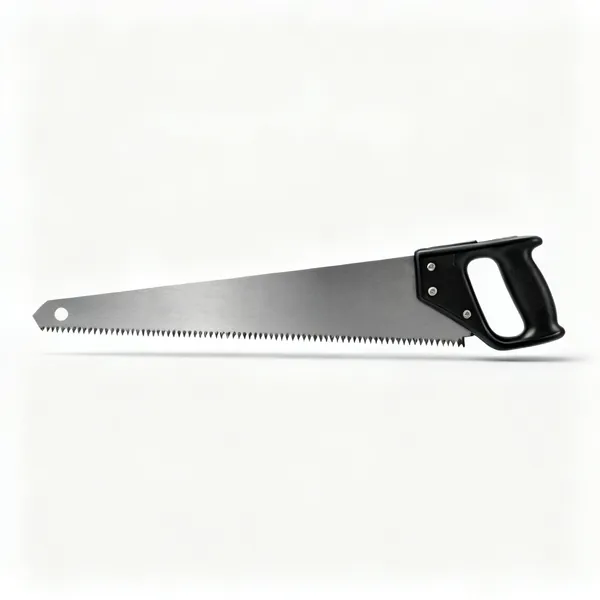
  • Drywall saw: A drywall jab saw with a pointed blade and a plastic handleEssential

    Drywall saw

    A pointed stiff blade you push straight through plasterboard to cut openings for sockets and switches. No pilot hole and no dust extraction needed.

  • A tenon saw with a reinforced back and fine teeth

    Tenon saw

    A stiffened backed saw for the small accurate cuts of second fix: trim mitres, notches and housings, where a hardpoint saw is too coarse.

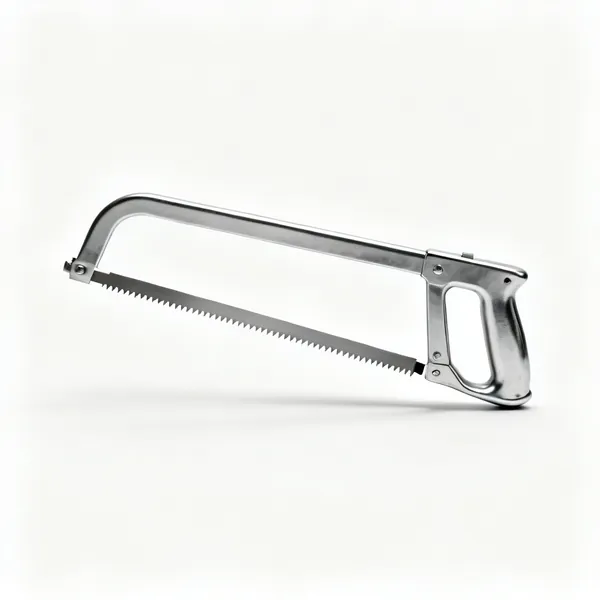
  • HacksawEssential

    Hacksaw

    For the metal a carpenter still meets: bolts, threaded rod, angle bead, pipe and the occasional screw that has to come off flush.

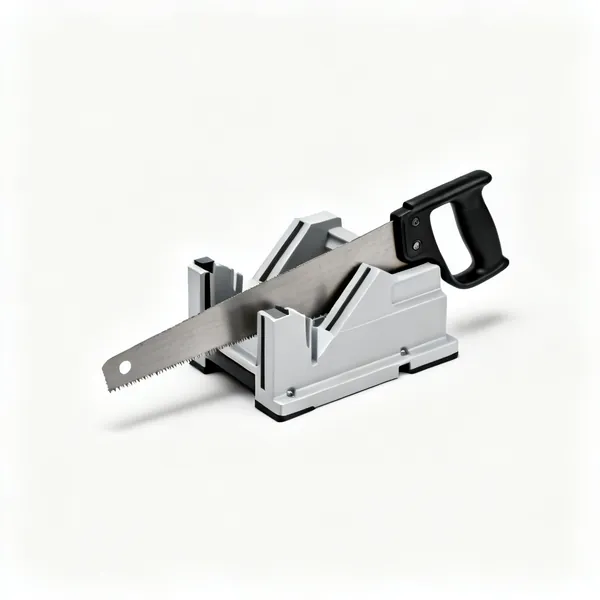
  • Mitre box

    Mitre box

    A slotted box that guides a saw at set angles by hand. Slower than a mitre saw and it needs no power, which on a small job is often quicker overall.

Power saws 7

Most site cutting happens here. Choose by whether the tool goes to the work or the work comes to the tool, because that decides what it can actually do.

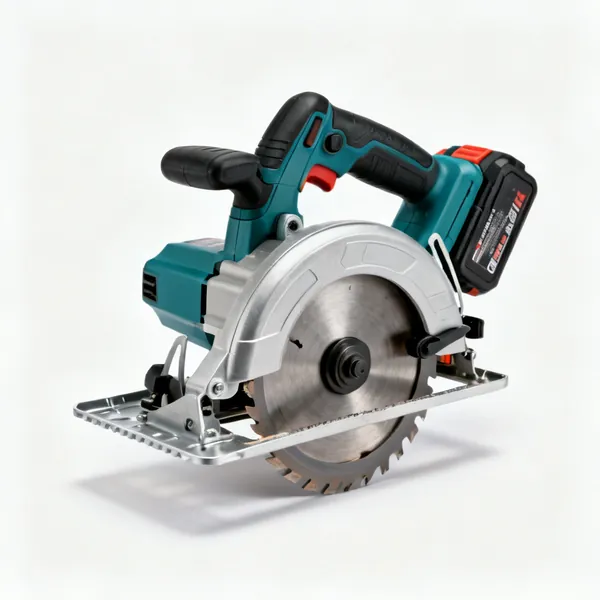
  • A cordless circular saw with a blade guard and a base plateEssential

    Circular saw

    Taken to the material, so it rips sheets and cuts long boards where nothing fixed could. With a clamped straight edge it is accurate enough for most site work.

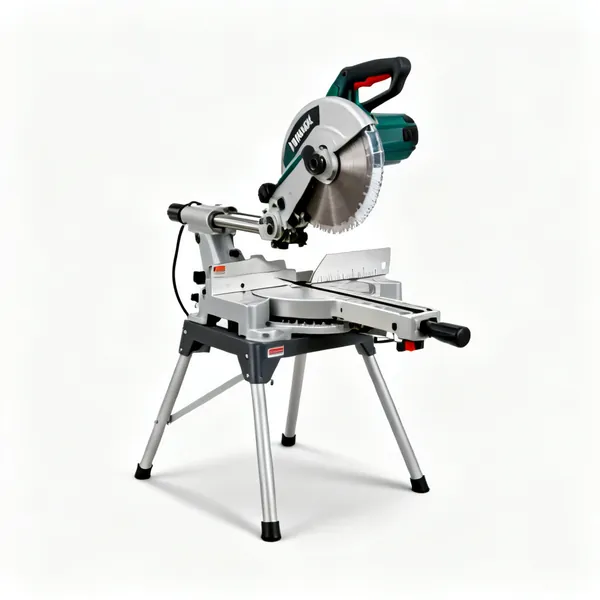
  • A sliding compound mitre saw on a stand with a blade guardEssential

    Mitre saw

    Fixed, and the timber comes to it. Repeatable crosscuts and angles that match every time, which is what skirting, architrave and framing to length need.

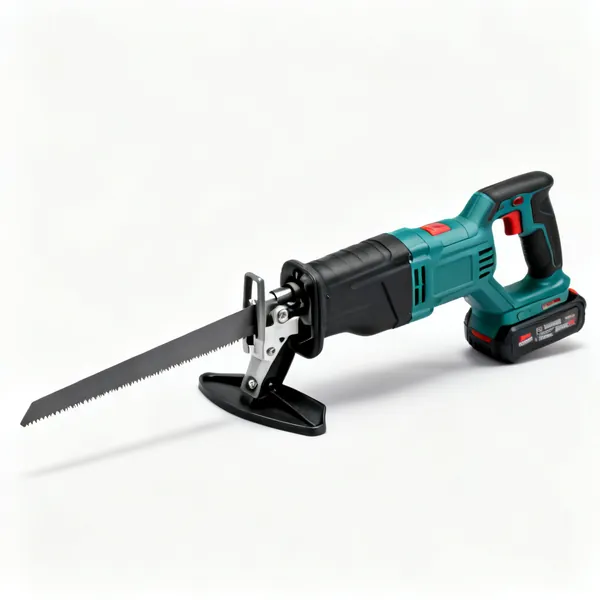
  • A cordless reciprocating saw with a long blade and pivoting shoeEssential

    Reciprocating saw

    For taking things apart rather than cutting them to size. Nail embedded timber, old frames, pipe and joists. Rough, fast and exactly right for strip out.

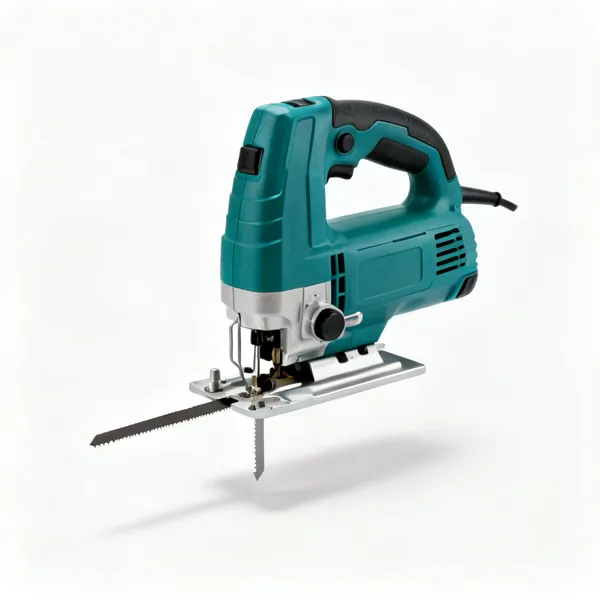
  • A cordless jigsaw with a narrow blade and base plateEssential

    Jigsaw

    Curves and cutouts: worktop sink holes, notches around pipes, anything a straight blade cannot follow. Not the tool for a long straight edge.

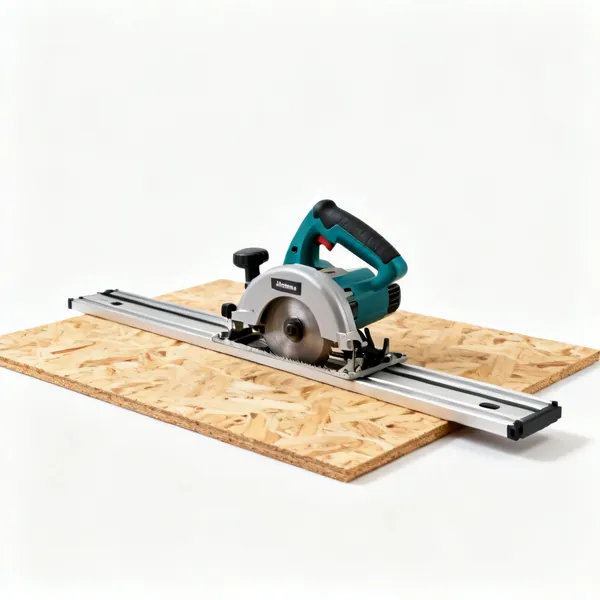
  • A track saw sitting on a guide rail on a sheet of plywood

    Track saw

    Runs on a rail for a dead straight, near finished edge on sheet goods. Breaks down full sheets in place instead of manhandling them onto a bench.

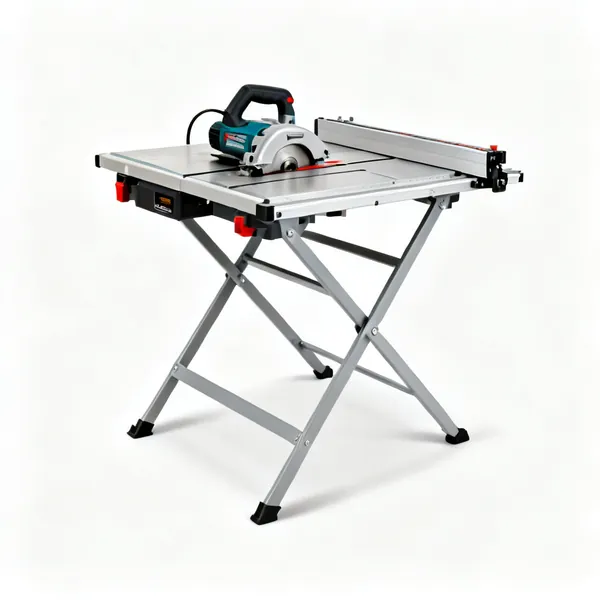
  • A portable site table saw with a folding stand and rip fence

    Site table saw

    A portable table saw for ripping repeated widths on site. Faster than a circular saw and a straight edge once you are cutting the same thing many times.

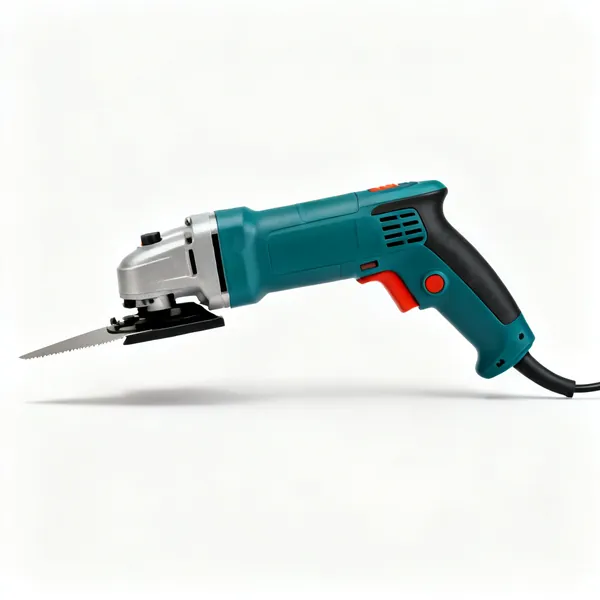
  • A cordless oscillating multi tool with a flat cutting bladeEssential

    Oscillating multi tool

    Cuts flush against a surface and can start in the middle of one. Undercutting door frames for flooring and trimming a proud fixing are jobs nothing else does.

Drills & drivers 7

Making holes and driving fixings. The pairing that matters is a drill for holes and an impact driver for screws, because each does the other's job badly.

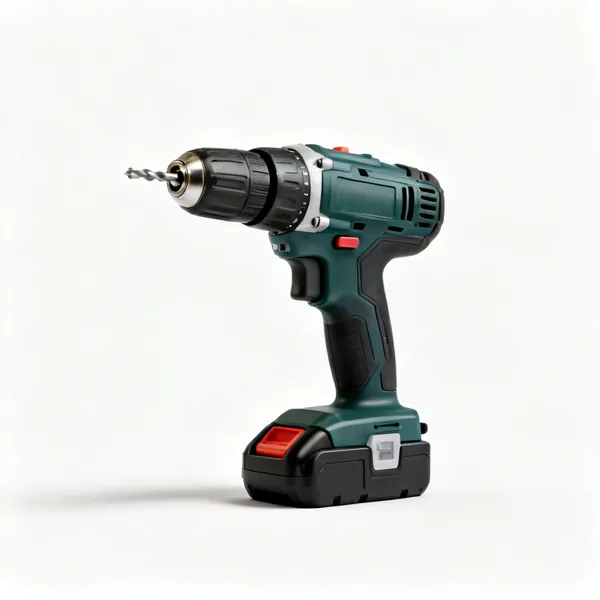
  • A cordless combi drill with a keyless chuck and a batteryEssential

    Combi drill

    Drills, drives and hammers into masonry, with a clutch that slips before it strips a screw. The one cordless tool to buy first on any site.

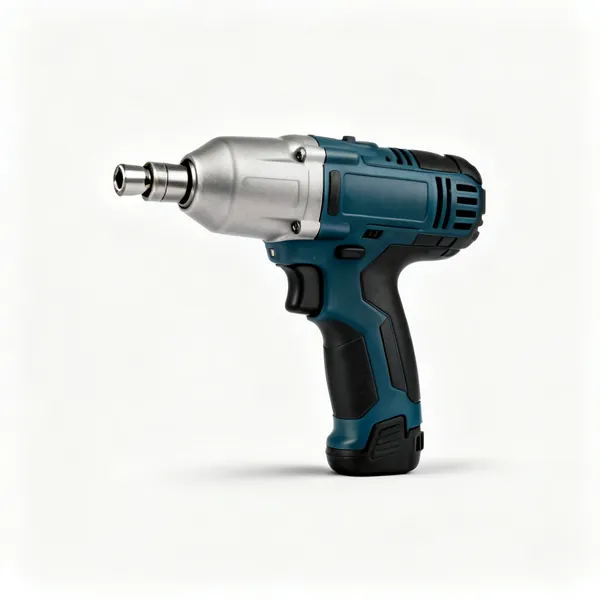
  • A cordless impact driver with a hex quick release chuckEssential

    Impact driver

    Hammers as it turns, driving long screws into timber without stalling or wrecking your wrist. Takes hex bits only, so it complements a drill rather than replacing it.

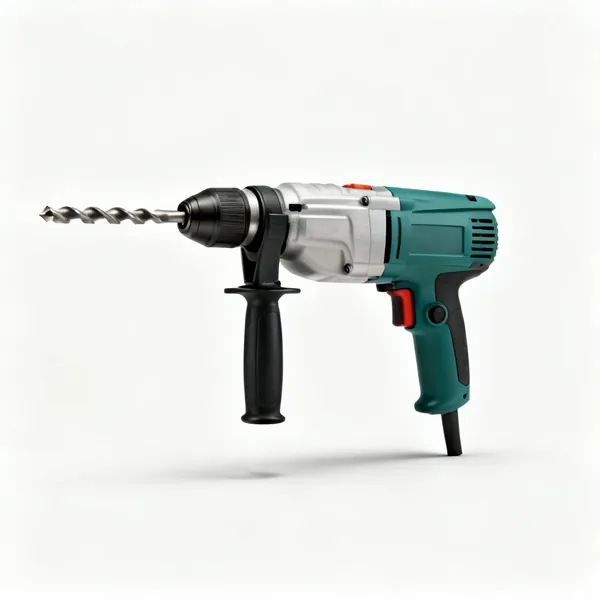
  • SDS drill: An SDS hammer drill with a side handle and a masonry bit

    SDS drill

    A piston driven masonry drill for concrete and dense block. Where a combi drill takes minutes and overheats, this takes seconds.

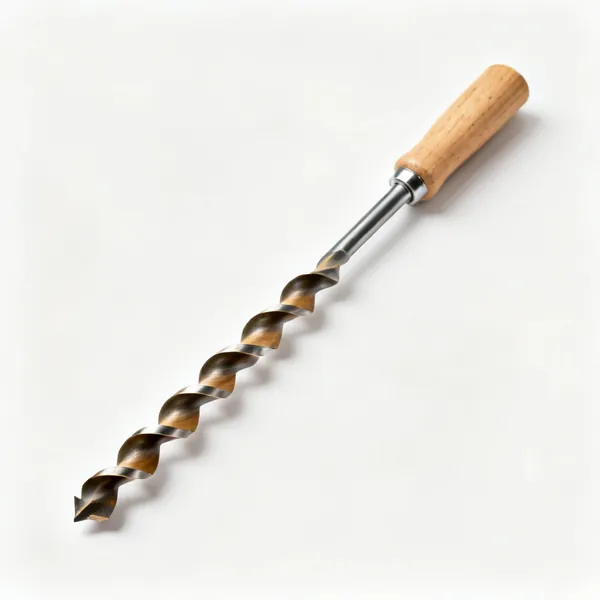
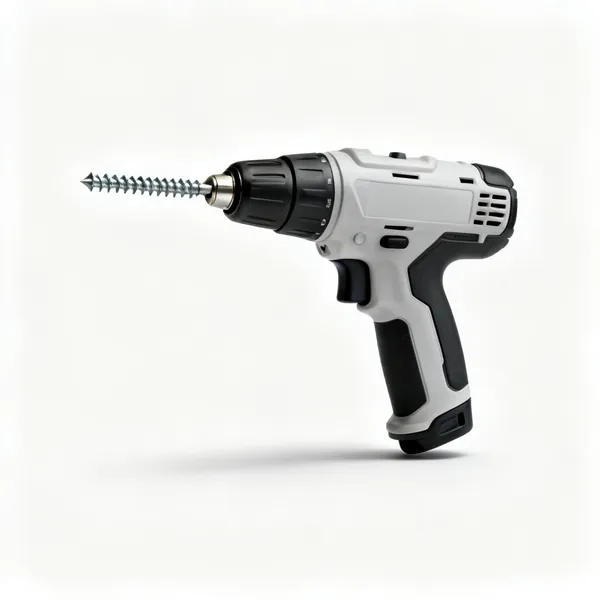
  • A set of long wood auger bits with spiral flutesEssential

    Auger bits

    Long spiral bits that pull themselves through timber, for running cable and pipe through joists and studs. Clears its own waste, which a twist bit will not.

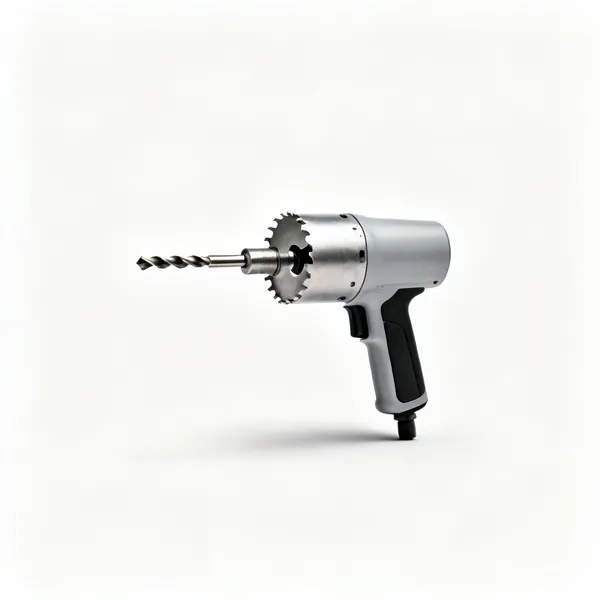
  • A hole saw cutter with a pilot bit and arborEssential

    Hole saw

    A toothed cup that cuts large clean holes for pipes, downlights and cables. Far tidier than a jigsaw and far faster than a spade bit at size.

  • Spade bits: A set of flat spade wood drill bits

    Spade bits

    Flat paddle bits for quick rough holes in timber where the finish does not matter. Cheap, fast, and they tear the exit side of the hole.

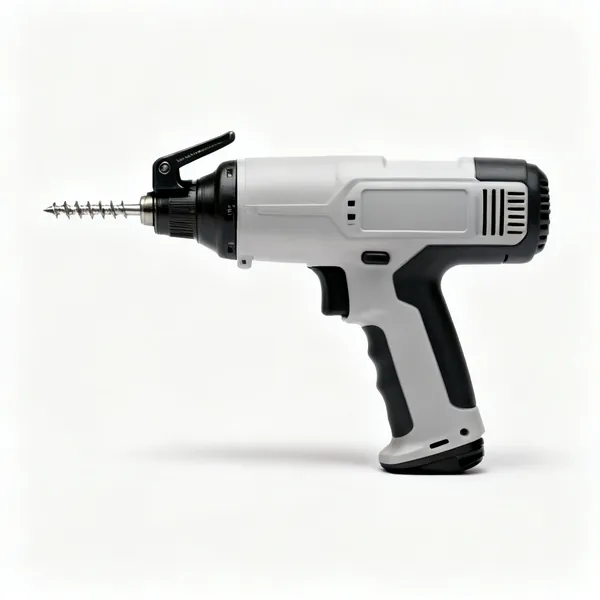
  • A collated screwdriver attachment with a screw strip magazine

    Collated screwdriver

    Feeds screws from a belt so you never touch one, for decking, flooring and plasterboard by the hundred. Only worth it at that volume.

Hammers & wrecking bars 7

Driving and pulling. Site hammers are heavier than workshop ones and the claw is used as much as the face, which is why the pulling tools sit here too.

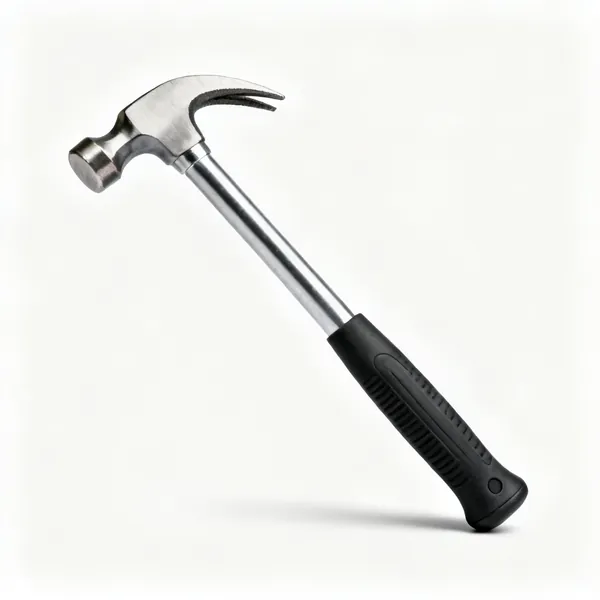
  • A claw hammer with a steel shaft and a rubber gripEssential

    Claw hammer

    The general site hammer, driving nails and pulling them. A 16oz head suits most people all day, and a steel or fibreglass shaft survives a van better than wood.

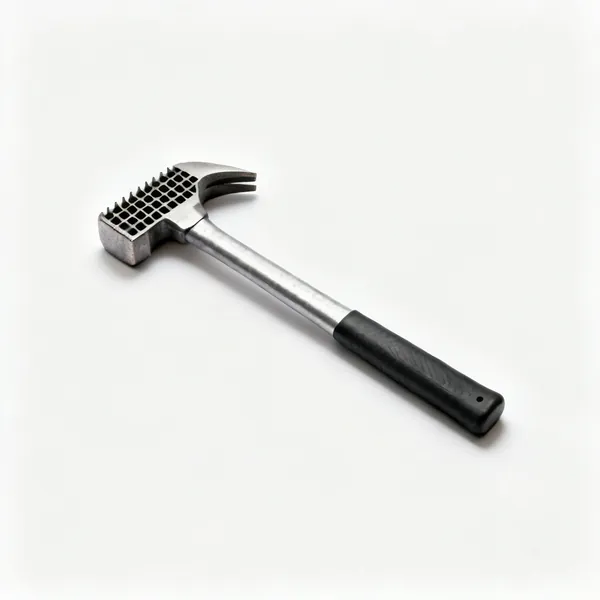
  • A framing hammer with a long handle and a milled waffle face

    Framing hammer

    Heavier, longer and often with a milled face that grips a nail head. Drives framing nails in fewer blows, and marks any surface it touches.

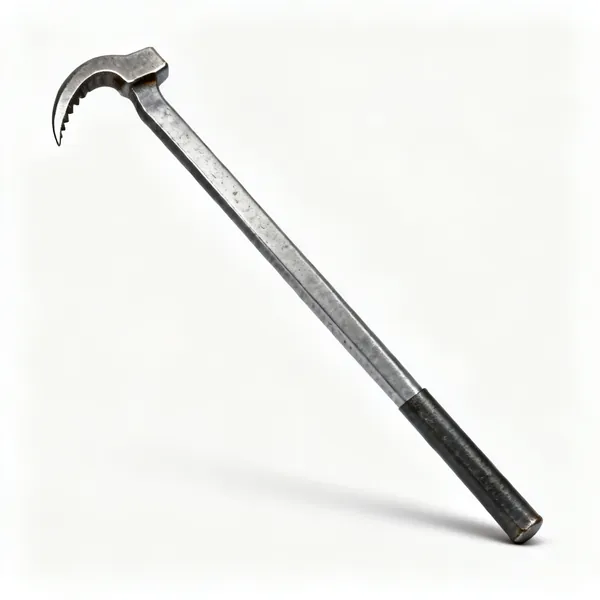
  • A long steel wrecking bar with a curved claw endEssential

    Wrecking bar

    A long claw bar for lifting boards, separating nailed timber and demolition. The leverage is the whole point, so length matters more than weight.

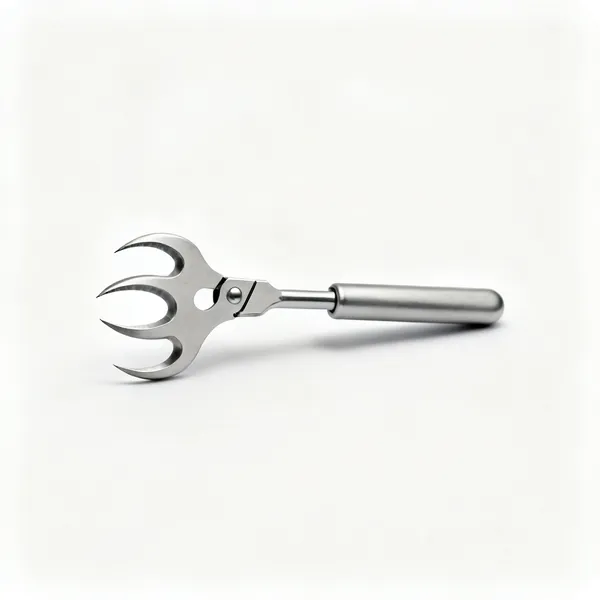
  • A cat's paw nail puller with sharpened curved claws

    Cat's paw

    Sharpened claws that dig into timber under a sunken nail head and lever it out. Gets nails a hammer claw cannot even reach, at the cost of marking the wood.

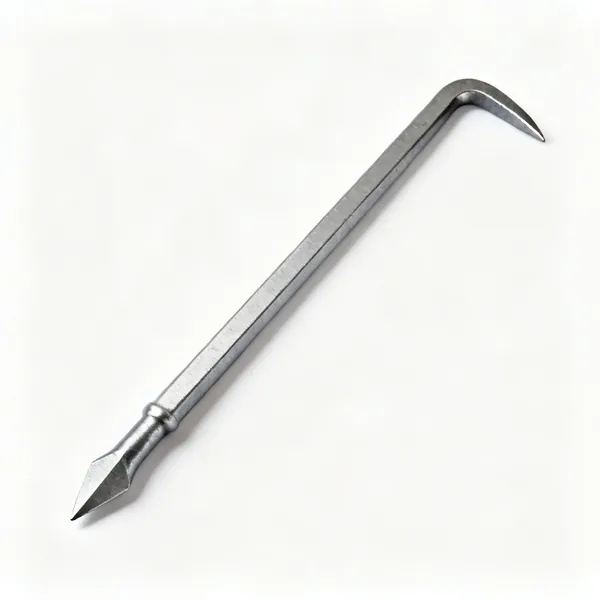
  • Flat pry bar: A flat steel pry bar with a bent chisel endEssential

    Flat pry bar

    A thin flat bar for separating trim and lifting without crushing what you are levering against. The tool you use instead of a screwdriver.

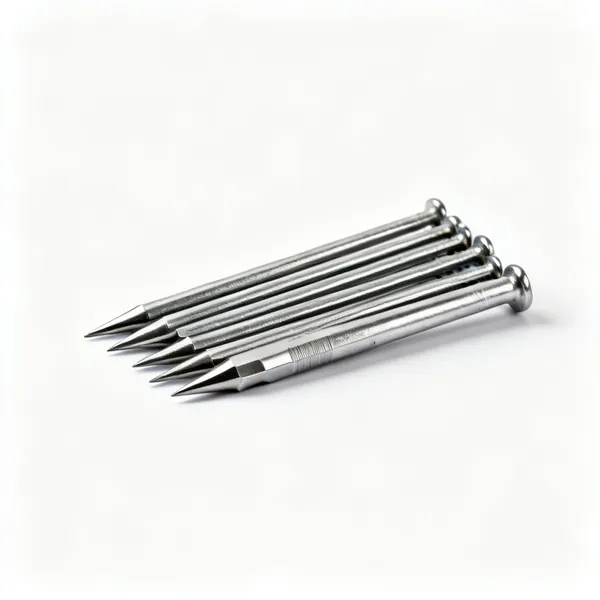
  • A set of steel nail punches with tapered tipsEssential

    Nail punch

    Drives a nail head below the surface so it can be filled, without the hammer denting the timber around it. Second fix is unfinished without one.

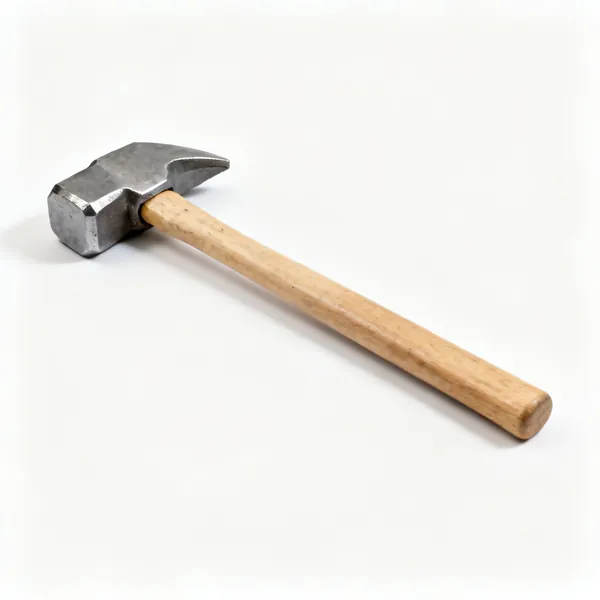
  • A long handled sledgehammer with a large steel head

    Sledgehammer

    Two handed demolition and driving stakes. On a carpentry site it mostly comes out for taking things down rather than putting them up.

Nail guns & fixing 6

Placing fixings faster and more consistently than a hammer, and without the dents. Sized by the gauge of the fixing, so the finer the nail the less it holds.

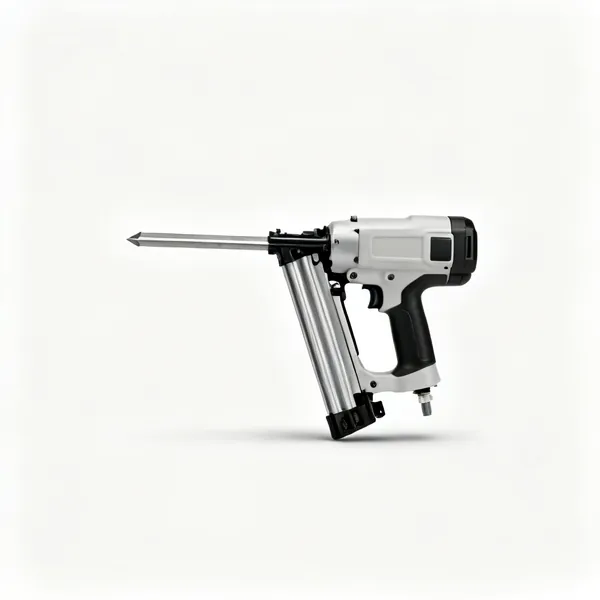
  • Framing nailer

    Framing nailer

    Drives long thick nails into structural timber for studwork, joists and decking. Transforms the speed of framing and is far too much tool for anything finished.

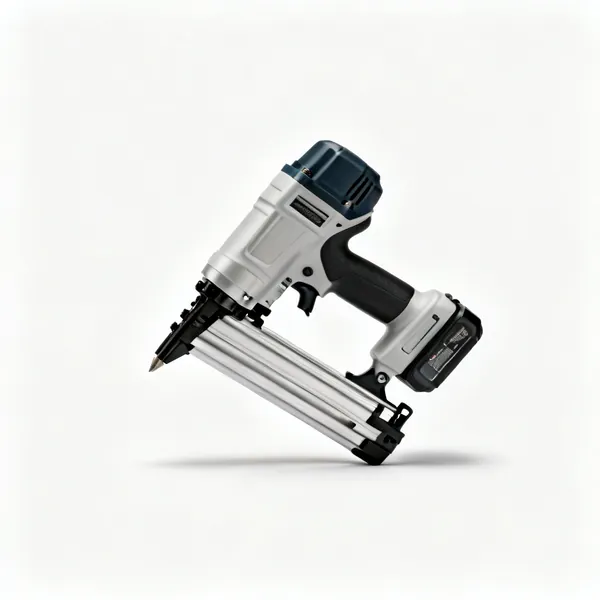
  • A cordless brad nailer with a magazine and nose tipEssential

    Brad nailer

    Thin 18 gauge nails leaving a barely visible hole, for trim, beading and holding mouldings while adhesive sets. The second fix workhorse.

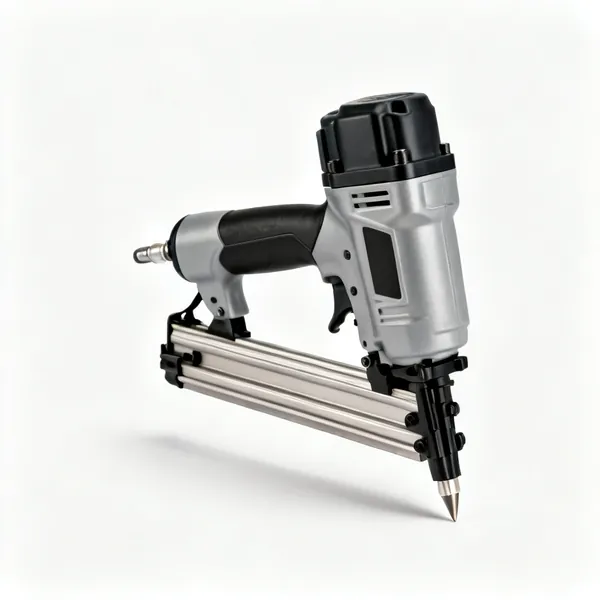
  • Finish nailer

    Finish nailer

    Heavier 15 or 16 gauge nails with real holding power for skirting, architrave and door casings. Bigger hole than a brad, so it needs filling.

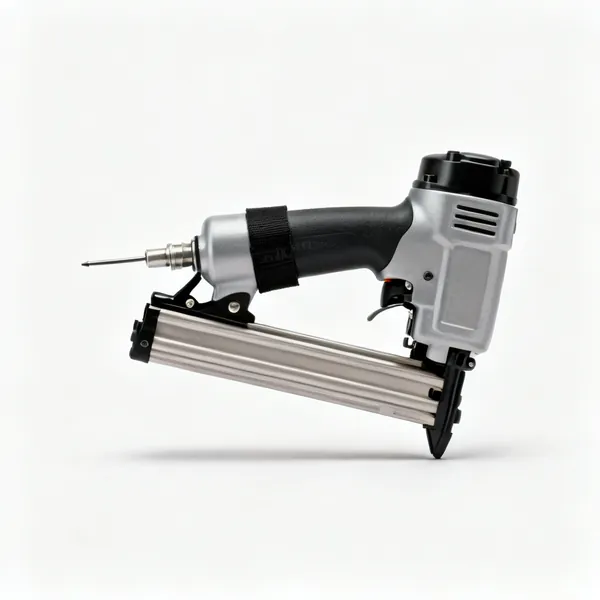
  • A palm nailer strapped to a hand with a short nose

    Palm nailer

    A tiny nailer held in the palm that drives loose nails in confined spaces, like joist hangers between joists where no hammer swing exists.

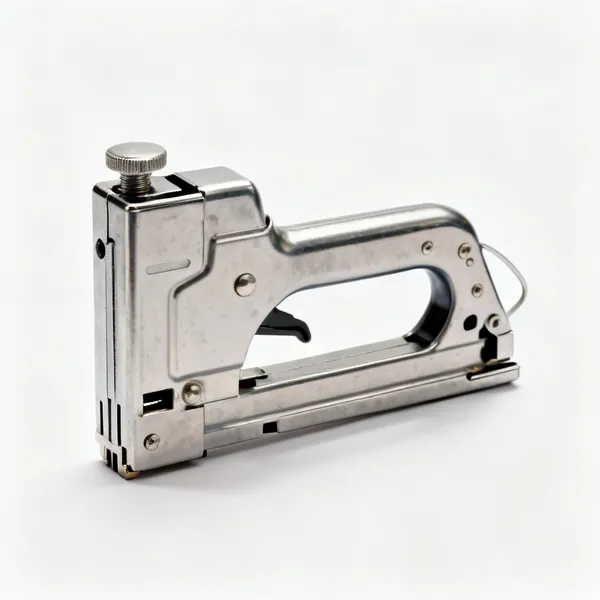
  • A heavy duty staple gun with a metal bodyEssential

    Staple gun

    Fixes membrane, insulation, carpet gripper and cable. Spreads its hold across the staple rather than at a point, which is what sheet material needs.

  • A drywall screw gun with a nose depth stop

    Drywall screw gun

    A driver with a depth stop that sinks a plasterboard screw to exactly the right depth every time, without breaking the paper face.

Chisels & planes 6

Site chisels get struck with steel hammers and used as levers, so they are chosen for toughness rather than for the finest edge. Planes here fit doors rather than finish surfaces.

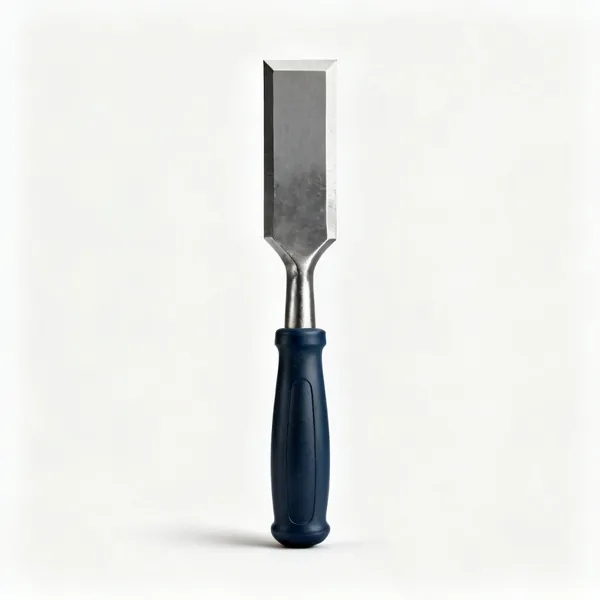
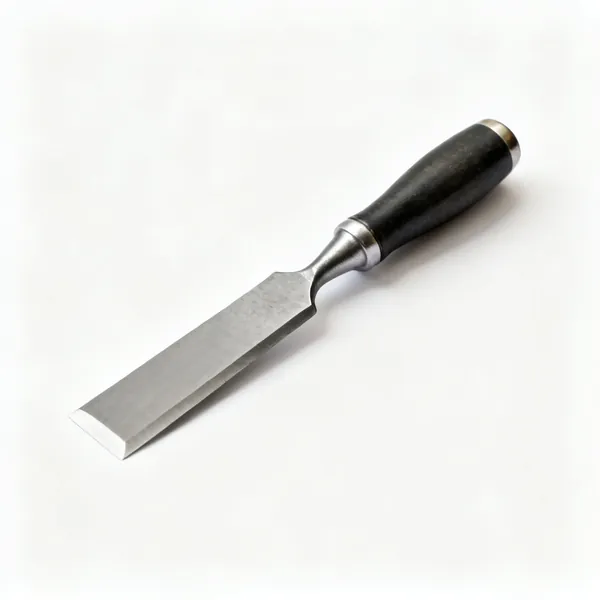
  • A firmer chisel with a thick square blade and an impact resistant handleEssential

    Firmer chisel

    Square sided and thick, made to be struck and levered. For hinge recesses, notching joists and cleaning out housings where a delicate chisel would snap.

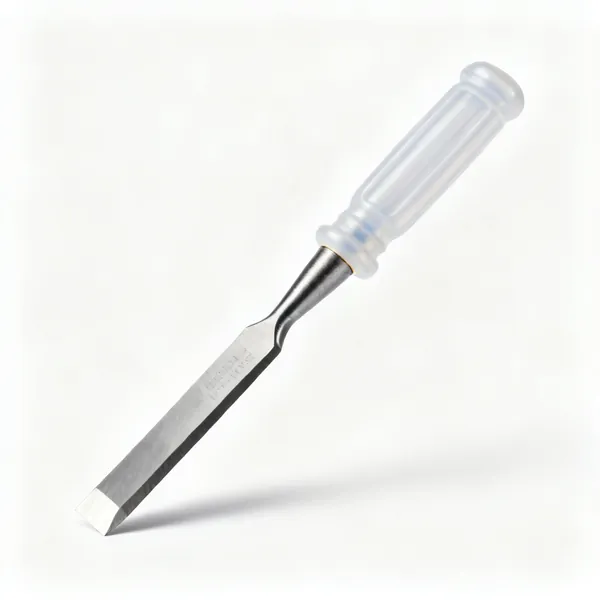
  • Chisel set: A set of site chisels with plastic impact handlesEssential

    Chisel set

    Three or four widths covering hinges, locks and general fitting. On site these live in a bag and get abused, so replaceable matters more than exquisite.

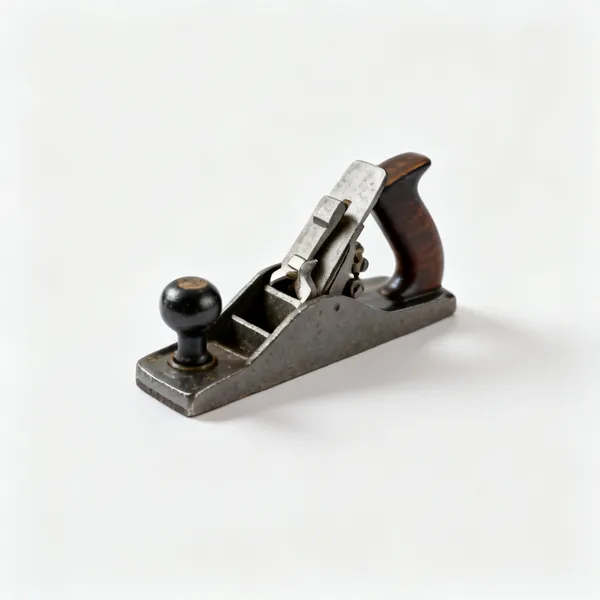
  • A small block plane with a cast body and adjustable mouthEssential

    Block plane

    One handed, for easing a door that binds and taking the arris off an edge. The plane a carpenter actually carries, because it fits in a bag.

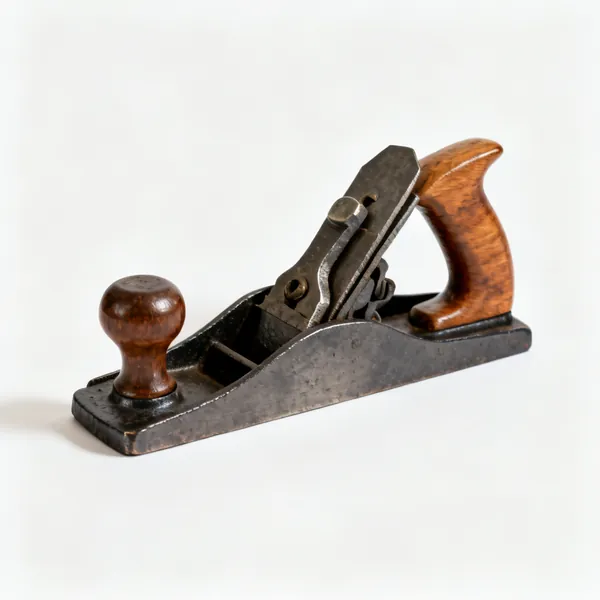
  • A jack plane with a medium cast iron sole and wooden handles

    Jack plane

    For shooting a door edge straight when a few millimetres have to come off along its length. An electric planer is faster and much harder to control at the last pass.

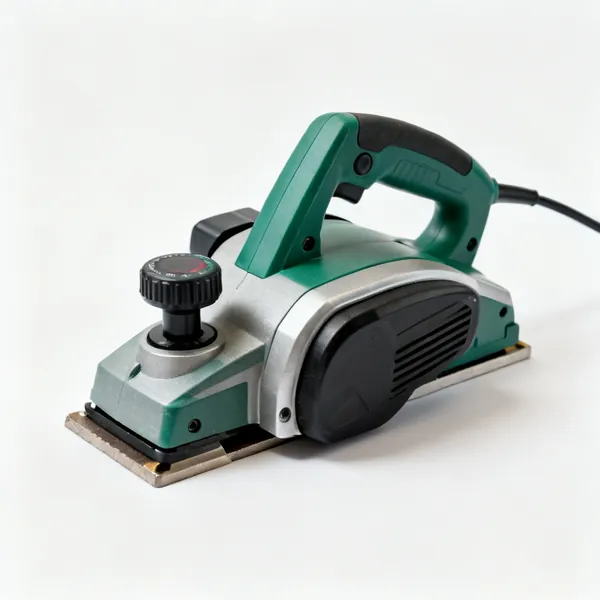
  • A handheld electric planer with a front depth adjustment knobEssential

    Electric planer

    Takes a set depth off in one pass, for door edges and straightening rough timber. Fast, and it will happily remove far more than you intended.

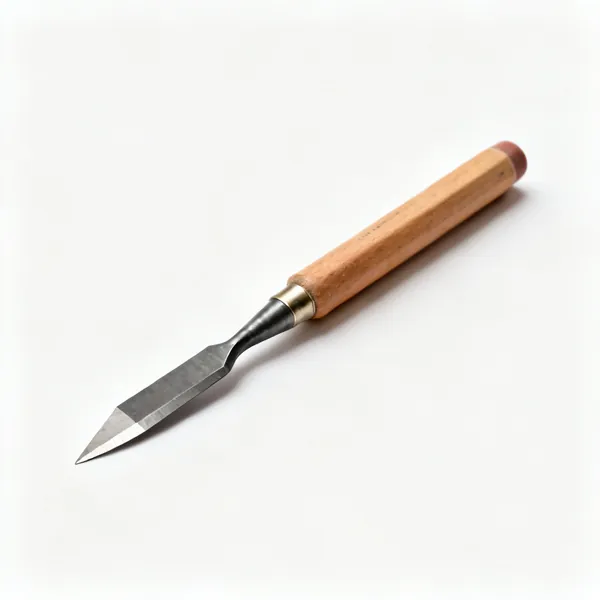
  • A bolster chisel with a wide flat blade and a hand guard

    Bolster chisel

    A wide masonry chisel struck with a club hammer, for chasing plaster and cutting brick where new work meets old. Wear glasses, because fragments travel.

Support & clamping 7

A portable workshop. On site there is no bench, so what you bring to hold the work decides how accurately you can cut it.

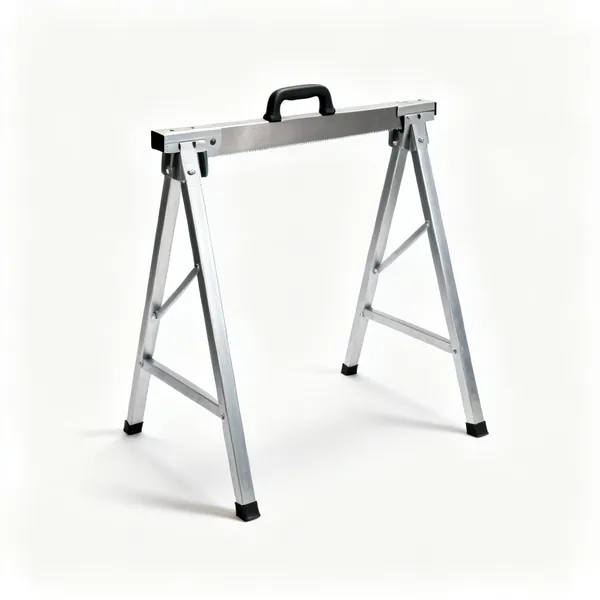
  • A pair of folding metal sawhorsesEssential

    Sawhorses

    A pair gives you a work surface anywhere. Folding ones live in a van, and a sheet of ply across them becomes a bench in seconds.

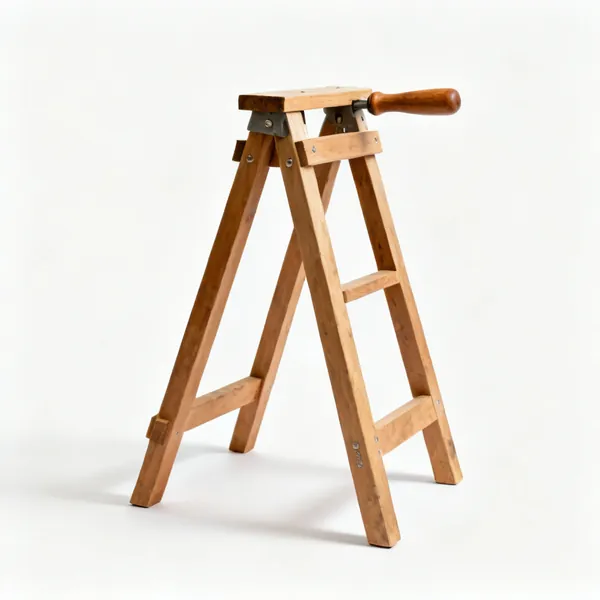
  • A pair of wooden carpenter's trestles

    Trestles

    Taller and sturdier than sawhorses, forming a platform for working at height or a substantial bench for heavy timber.

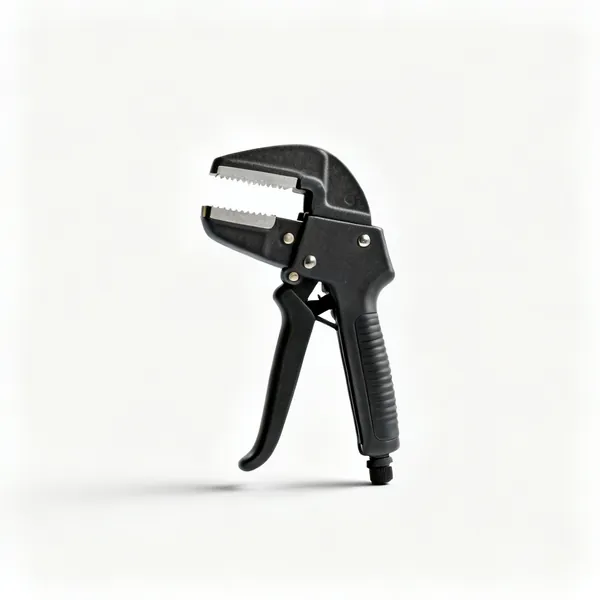
  • Quick clamps: A pair of one handed trigger clampsEssential

    Quick clamps

    Trigger clamps you tighten one handed, which matters when the other hand is holding the work. Less force than a screw clamp and far faster.

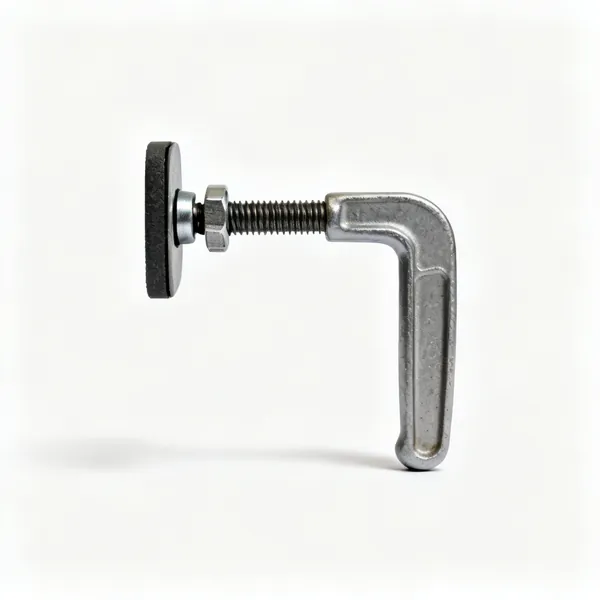
  • G clamps: A G clamp with a screw thread and swivel padEssential

    G clamps

    Serious pressure in a small frame, for holding a straight edge to a sheet while a circular saw runs against it. Slow to set and unmovable once set.

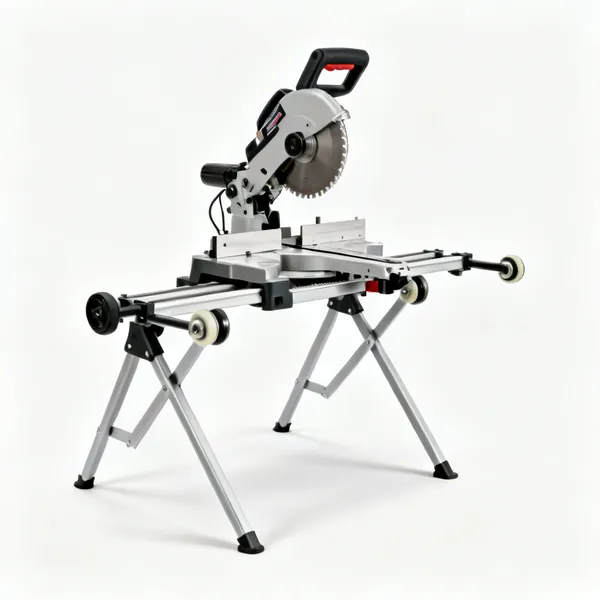
  • A folding mitre saw stand with extension arms and rollers

    Mitre saw stand

    Supports long timber level with the saw bed on both sides. Without it, the far end sags, lifts the near end off the fence and the angle is wrong.

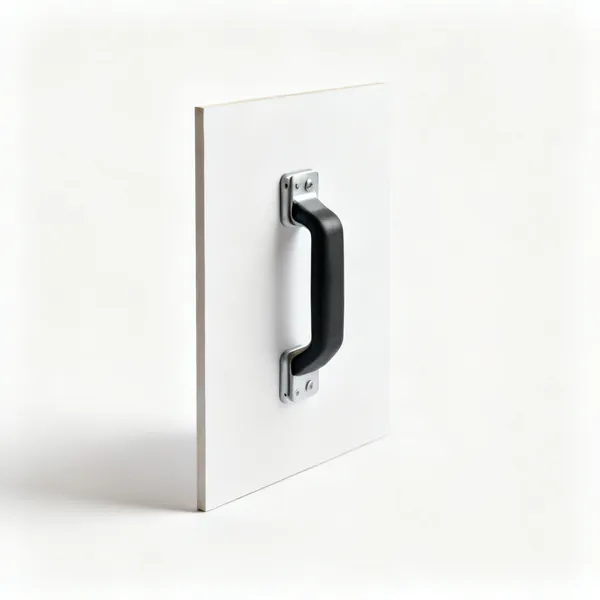
  • A panel carrier handle gripping the edge of a board

    Panel carrier

    A handle that hooks under a sheet so one person can carry plasterboard or ply. Saves both the sheet and your back.

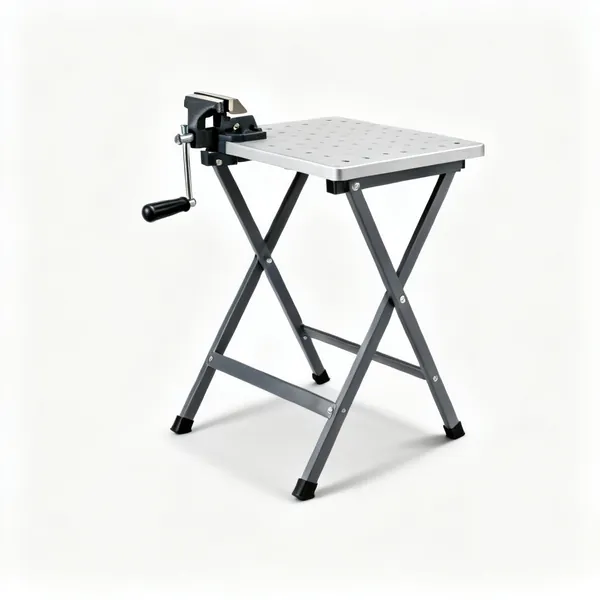
  • A folding portable workbench with a clamping top

    Portable workbench

    A folding bench whose top is also a vice, clamping awkward shapes. Not as rigid as a real bench and infinitely better than the floor.

Access & site kit 8

Getting to the work safely and being able to see it. Falls are the largest cause of serious injury in construction, and almost all of them involve improvised access.

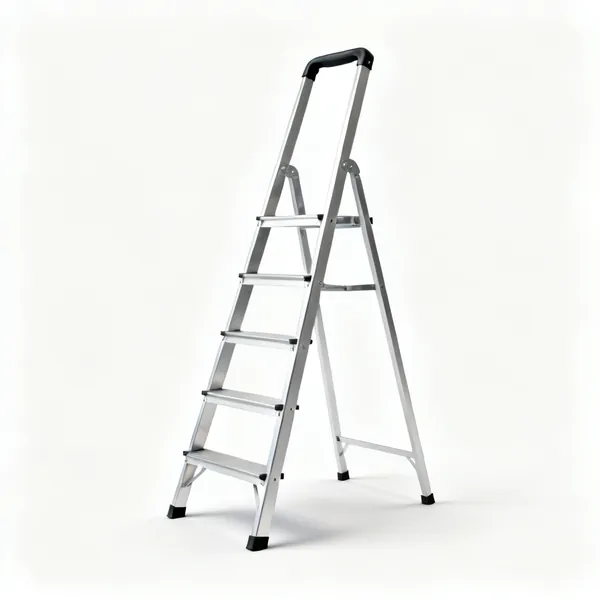
  • Step ladderEssential

    Step ladder

    Self supporting, for ceilings and high fixing. Only safe on level ground with all four feet down, which is the condition people ignore most often.

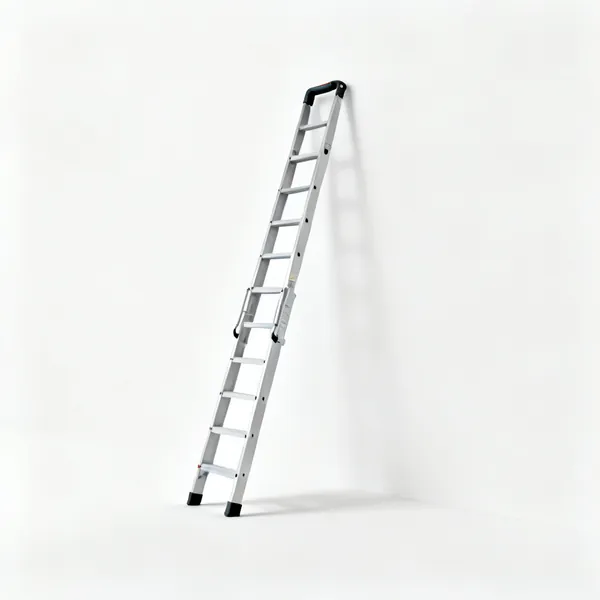
  • An aluminium extension ladder leaning against a wall

    Extension ladder

    Reaches roof and gutter height, leaning against the structure. Set at roughly one out to four up, and tied at the top for anything beyond a moment's work.

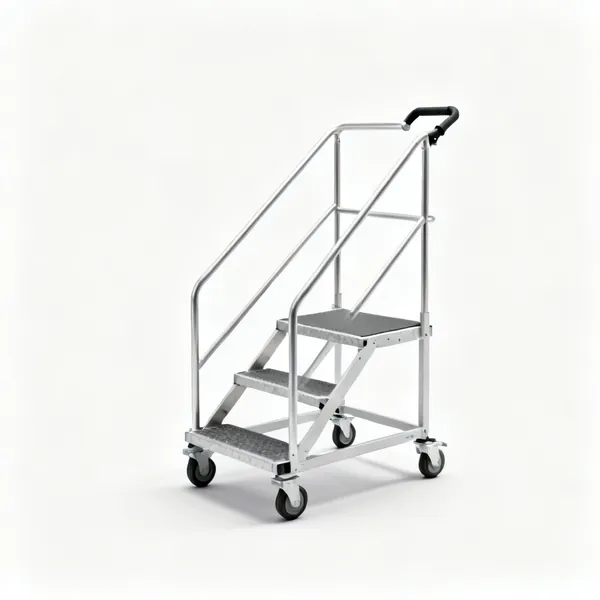
  • A mobile podium step with a platform and guard rails

    Podium step

    A platform with a guard rail, so you can work with both hands and turn round without thinking about the edge. What replaces standing on the top rung.

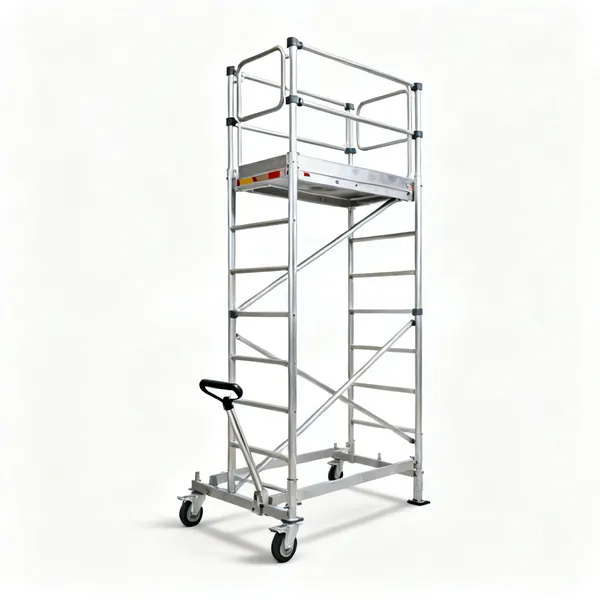
  • An aluminium mobile scaffold tower with a platform and guard rails

    Scaffold tower

    A working platform for anything sustained above head height. Slower to set up than a ladder, and the difference between an hour's work and an accident.

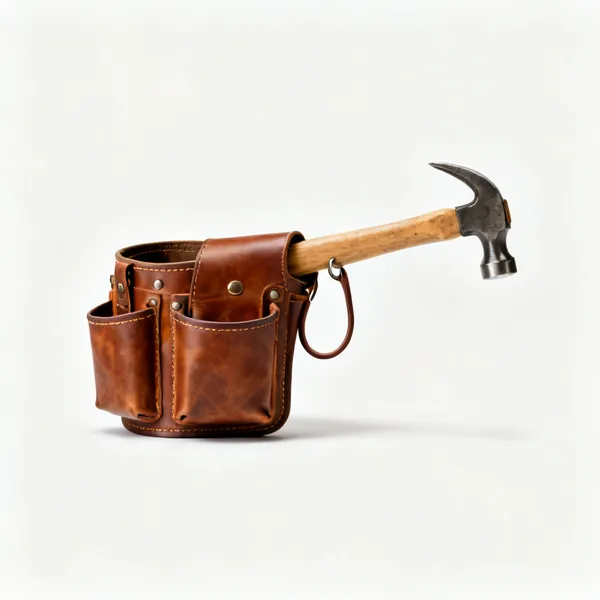
  • A leather tool belt with pouches and a hammer loopEssential

    Tool belt

    Keeps the tools you use constantly on your hip rather than at the bottom of a ladder. Load it as lightly as you can, because your back pays for the rest.

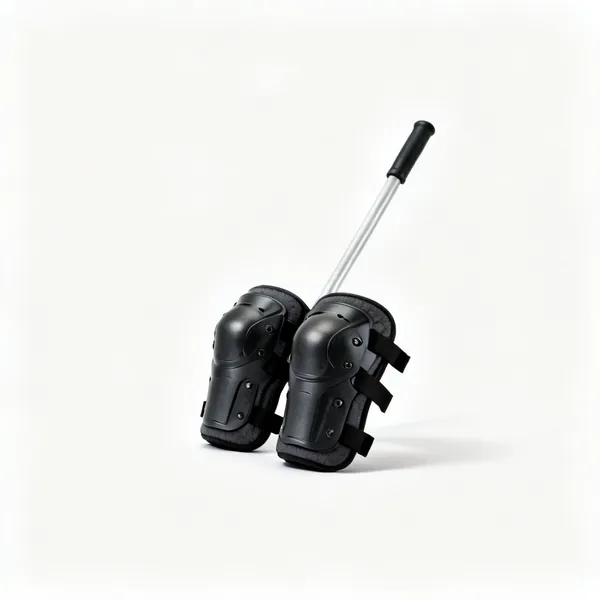
  • A pair of protective knee pads with strapsEssential

    Knee pads

    Flooring, skirting and underfloor work is done kneeling. Knee damage from years of site work is cumulative and permanent, and these prevent it.

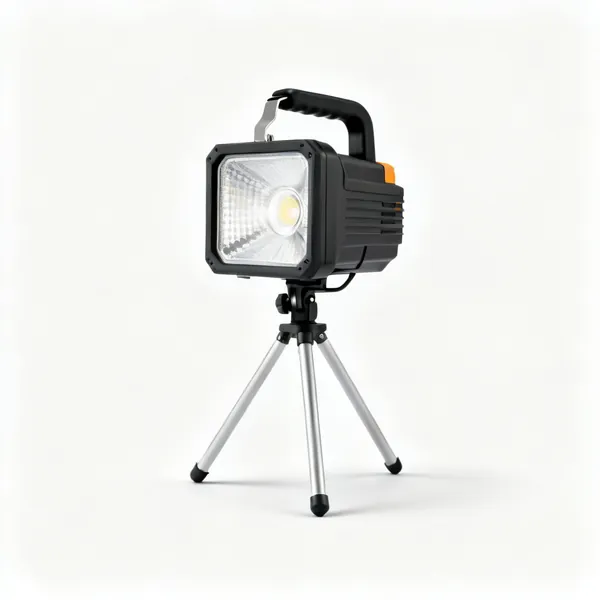
  • A portable LED work light on a folding standEssential

    Work light

    A bright light stood or hung where the work is. Most poor results in unlit corners are poor because nobody could see them.

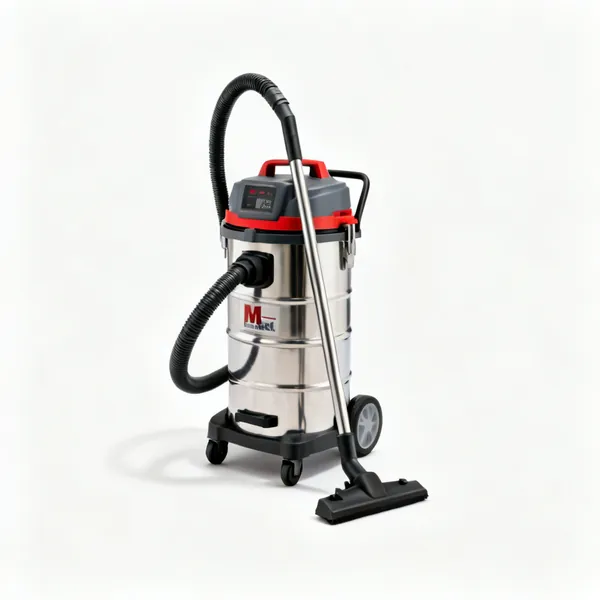
  • An M class site vacuum with a hose and wheeled bodyEssential

    Site vacuum

    Handles plaster dust, screws and water that would kill a household vacuum, and connects to saws and sanders as extraction. Also how you leave a room finished.

Safety gear 7

Construction has one of the worst injury records of any trade, and the causes are consistent: falls, dust, noise and eyes. None of this is optional.

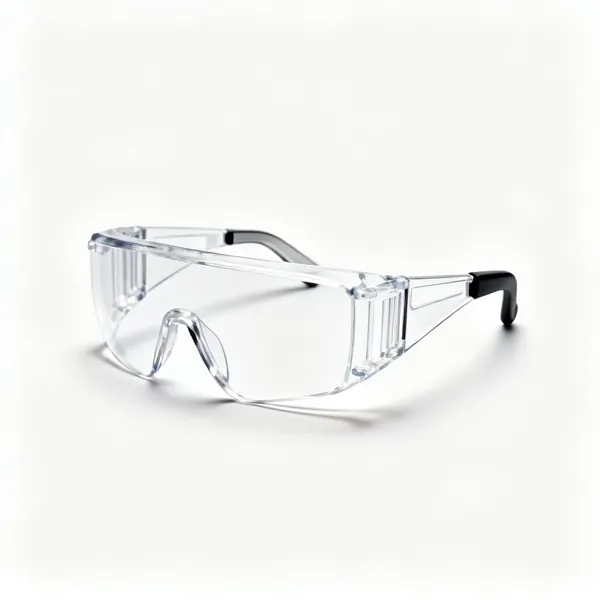
  • A pair of clear safety glasses with side shieldsEssential

    Safety glasses

    Worn whenever anything cuts or fires. A nail deflecting off a joist or a chip off a masonry chisel is faster than a blink, and eyes do not repair.

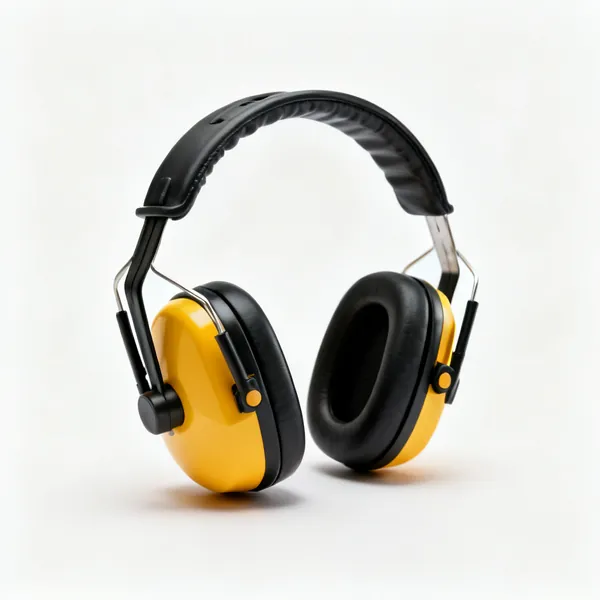
  • A pair of over ear protective ear defendersEssential

    Ear defenders

    Mitre saws and nailers are loud enough to damage hearing in minutes. The loss is cumulative and permanent, so short jobs count too.

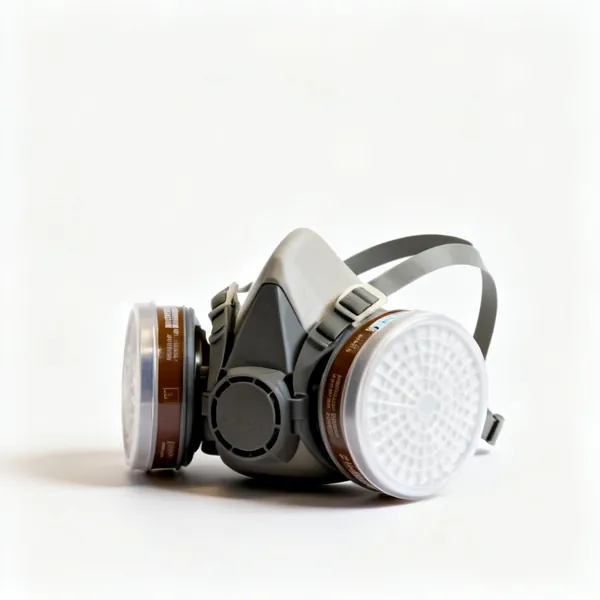
  • Dust mask: A half face dust respirator with twin filtersEssential

    Dust mask

    A rated mask for MDF, plasterboard and masonry. Silica and fine resin dust cause irreversible lung damage, and this is the injury nobody notices happening.

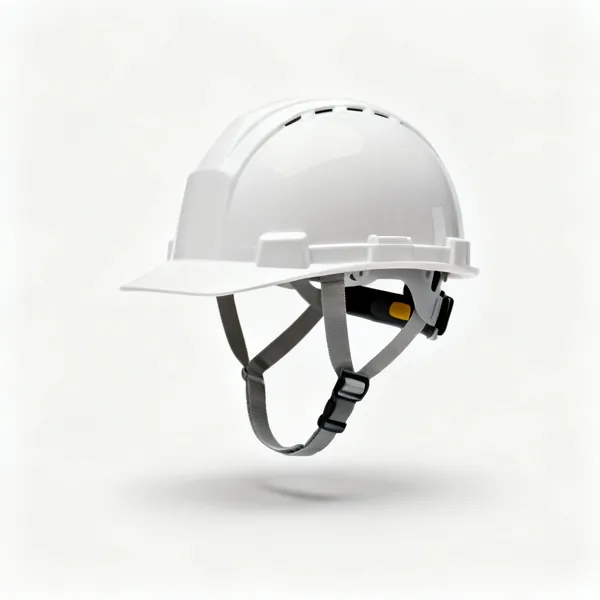
  • A white construction hard hat with a chin strapEssential

    Hard hat

    Required wherever anyone works above you, which on a live site is most of the time. Replace it after any real impact, because the shell absorbs by deforming.

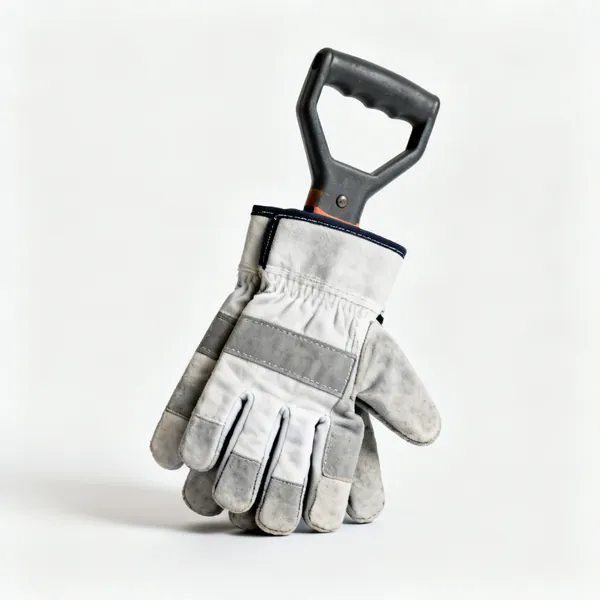
  • A pair of work gloves with reinforced palmsEssential

    Work gloves

    For handling rough timber, sheet material and fixings. Take them off around anything spinning, where a caught glove pulls your hand in with it.

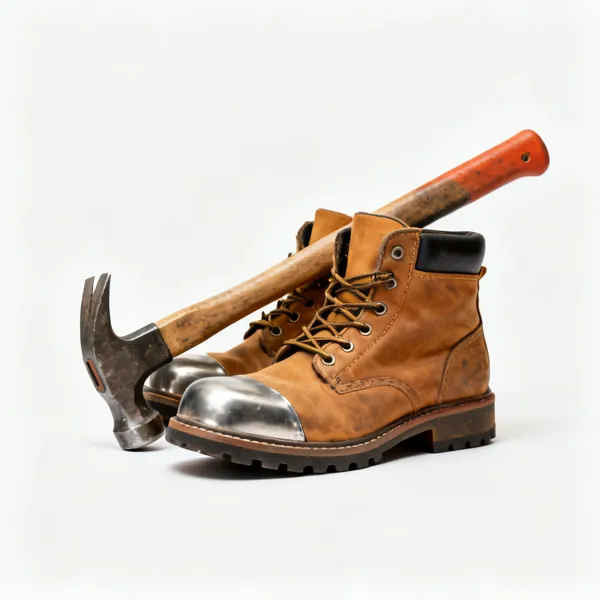
  • Safety boots: A pair of steel toe capped safety work bootsEssential

    Safety boots

    Steel or composite toe caps and a midsole plate, because dropped timber and nails through the sole are the two most common site foot injuries.

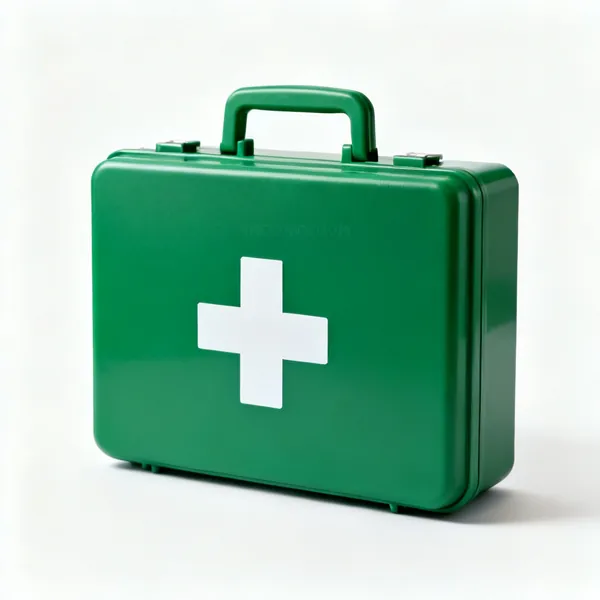
  • A green first aid kit box with a white crossEssential

    First aid kit

    Site specific, so heavy on large dressings and eye wash rather than plasters. The cut that needs it is the one you did not expect to have.

Choosing carpentry tools

The list above is what exists. This is how to choose for site work, where tools get dropped, rained on and left in a van, and where accuracy has to survive all of that.

Site work is harder on tools than a workshop is

A workshop tool lives on a shelf at a stable temperature and gets used carefully. A site tool gets dropped from a scaffold, left in the rain, carried in a van in February and used by whoever picks it up. That difference decides what is worth buying.

It also decides what accuracy means. A bench square that has been knocked out of true is a workshop problem you can detect and fix. On site, a level that reads wrong for a week has already put a whole run of studwork out, and nobody notices until the plasterboard will not sit flat.

Buy for the drop, not the catalogue
Cast bodies crack, pressed steel bends and comes back, and plastic housings survive better than either. The best site tool is often not the most precise one.
Check your level weekly
Stand it on a flat surface, note the bubble, turn it end for end. Ten seconds, and it prevents the most expensive class of error on any job.
One battery platform, no exceptions
On site you cannot go back for the right charger. Everything cordless on one system, and enough batteries that nothing stops.
Mark tools with your name
Tools on shared sites walk. A paint mark or engraved initials recovers more of them than anything else.

Where site accuracy actually comes from

Nothing in a building is square, level or plumb to begin with, so carpentry is largely the art of deciding which reference to trust and then working consistently from it. Chasing every existing surface produces a mess of compounding errors.

Pick one datum and use it throughout
One level line round a room, one straightest wall, one corner. Measure everything from that rather than from whatever is nearest.
Lines beat tapes over distance
A chalk line or a laser between two points is straighter than any sequence of tape measurements, because it cannot accumulate error.
Cut to fit, do not cut to the drawing
For anything fitting into an existing opening, measure the opening at both ends. Old buildings taper, and the drawing will not mention it.
Allow for the blade
A saw removes two to three millimetres. Cutting on the wrong side of the line makes every piece short by exactly that, repeatedly.
Scribe rather than force
Where new work meets an uneven wall or floor, transfer the shape with a scribe or profile gauge. Filling the gap afterwards always shows.

What to buy first, in order

Stage one: what goes in the belt
A tape measure, a claw hammer, a speed square, a utility knife, a pencil, a combi drill and an impact driver on one battery, and a 600mm spirit level. That is enough to work productively on almost any site.
Stage two: cutting and levelling properly
A circular saw and a mitre saw, which between them handle almost all cutting. A laser level, which pays for itself on the first room of cabinets or tiling. A nail gun once you are framing or fixing trim in quantity.
Stage three: the jobs that need their own kit
A reciprocating saw for strip out, an SDS drill for masonry fixings, a track saw for sheet goods, sawhorses and trestles for a portable bench, a scaffold tower or podium for anything above head height done repeatedly.

The fixing matters more than the tool

Most site failures are fixing failures rather than tool failures. A joint pulls apart because the wrong screw went into the wrong material, not because the driver was inadequate.

The rule of thumb is that the fixing has to suit the material it enters, not the material it passes through. That sounds obvious and it is where most mistakes happen.

Nails flex, screws hold
Nails cope with movement and shear, which is why framing is nailed. Screws resist withdrawal, which is why anything that must not pull apart is screwed.
Plasterboard needs its own anchors
A screw straight into board holds almost nothing. Use a proper cavity fixing, or find the stud with a detector and fix into that.
Masonry needs a plug or a frame fixing
Drill with a hammer or SDS, blow the dust out of the hole, and use the fixing sized for the load. Dust left in the hole halves the holding power.
Outdoors means stainless or hot dip
Ordinary steel bleeds rust stains down the timber within a season, and then fails at the surface where the water sits.
Pilot holes near the end of a board
Anything within about 50mm of the end will split without one, and hardwood will split anywhere without one.

Mistakes that cost money

Trusting an existing wall as square
It is not. Set out from a datum you established yourself, or every subsequent piece inherits the error.
One cheap level
A level that reads wrong makes every job wrong in the same invisible direction. Own a good one and test it regularly.
A mitre saw with no support
Cutting long timber unsupported at the far end bends the workpiece into the blade, giving an angle that is not the one you set.
Cutting through your own lead
The classic corded accident. Route the cable over your shoulder before starting, every single time.
Skipping the dust mask on board
Cutting MDF, plasterboard or concrete releases silica and fine resin dust. This is the cumulative injury on site that nobody sees happening.
Working at height off something improvised
Stacked crates and a plank. Every carpenter knows someone this happened to, and a podium step costs less than a day in hospital.

Keeping site tools working

Empty the van of damp
Tools that live in a cold metal box sweat every morning. Cases and a dry box do more for tool life than any amount of oiling.
Change saw blades sooner
A blunt blade burns the cut, loads the motor and is far more likely to kick back. Blades are consumables and cheaper than a hospital visit.
Blow the dust out of motors
A tool full of plaster or sawdust runs hot and burns out. Compressed air through the vents at the end of a dusty job costs nothing.
Check guards return freely
On a circular saw the retracting guard is the thing that stops the blade meeting your leg. Flick it before every session.
Keep a spare of the small things
Pencils, blades, bits and driver tips are what actually stop work. A box of spares in the van saves more time than any tool upgrade.

Frequently asked questions

What is the difference between carpentry and woodworking tools?
Carpentry is site and structural work, so the tools favour speed, portability and toughness: power saws, nailers, levels and layout tools. Woodworking is workshop work where joints and finish show, so it favours planes, chisels and machines that dimension timber precisely. Some tools appear in both, used differently.
What tools does a carpenter need to start?
A tape measure, claw hammer, speed square, utility knife, pencil, a combi drill and impact driver on one battery, and a 600mm spirit level. Add a circular saw and a mitre saw next, since between them they handle nearly all site cutting.
What is the difference between first fix and second fix carpentry?
First fix is the structural work done before plastering: studwork, joists, roof timbers, floor decking and door linings. Second fix is everything after: hanging doors, skirting, architrave, staircases and trim. Second fix needs finer tools because the work is visible.
What is a speed square used for?
Marking square and forty five degree lines across timber, checking a cut, and guiding a circular saw against its raised lip. Carpenters use it constantly because one tool marks, checks and guides without any adjustment.
Do I need both a circular saw and a mitre saw?
If you are doing site work, yes. A circular saw goes to the material, so it rips sheets and cuts long boards. A mitre saw is fixed and the material comes to it, giving repeatable accurate crosscuts and angles. Neither substitutes for the other.
What nail gun should a carpenter buy first?
A brad nailer if you are doing trim and second fix, because it holds mouldings while adhesive sets and leaves an almost invisible hole. A framing nailer only if you are building structure, where it is dramatically faster than a hammer.
How do I find a stud in a wall?
An electronic detector is quickest, and a good one also warns about live cable. Failing that, tap along the wall listening for the change from hollow to solid, then confirm with a fine bradawl before drilling anything.
What is the difference between a laser level and a spirit level?
A spirit level checks whether one thing is level over its own length. A laser projects a level line across a whole room, so you can mark many points from a single reference without stepping a level along and accumulating error.
Why does my mitre saw cut the wrong angle?
Usually the workpiece rather than the saw. Long timber unsupported at the far end sags and lifts the near end off the fence, so the cut is not the angle you set. Support both ends level with the bed and check the fence is square.
What screws should I use into plasterboard?
None, on their own. A screw into board alone holds almost no weight. Find the stud and fix into that, or use a proper cavity anchor rated for the load. This is the most common fixing failure in any house.
Is a track saw worth it over a circular saw?
If you cut a lot of sheet material, yes. A track saw runs on a rail so it gives a straight, near finished edge on plywood and MDF without wrestling a full sheet onto a bench. For general site cutting a circular saw and a straight edge is enough.
What safety gear do carpenters actually need?
Eye protection whenever anything cuts, hearing protection for saws and nailers, and a rated dust mask for MDF, plasterboard and masonry. Knee pads if you fit floors, and a hard hat wherever anyone is working above you.