Disclosure

Roofing tools: names, pictures and what each one is used for

A complete list of tools for roofers with a picture of every one, all 83 grouped by the job, from access and stripping through tiling, slating, flat roofing, flashing and rainwater. Almost every serious roofing injury is a fall, so access and safety come first here.

45 are marked essential: safe access, stripping, tiling or slating a pitched roof, and flashings.

Access & safety 14

First on this page because falls dominate the risk in this trade. Everything here is about spreading weight and stopping a slip becoming a fall.

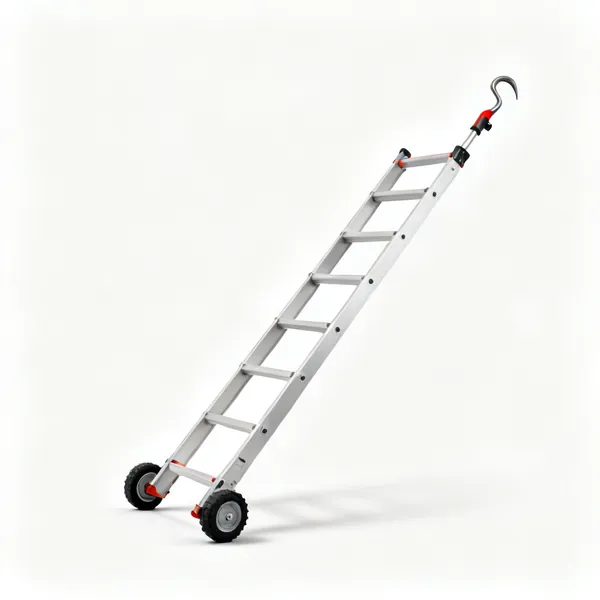
  • A roof ladder with wheels and a ridge hookEssential

    Roof ladder

    Wheels let it run up the slope, then a hook over the ridge holds it. It lies on the roof and spreads your weight rather than concentrating it.

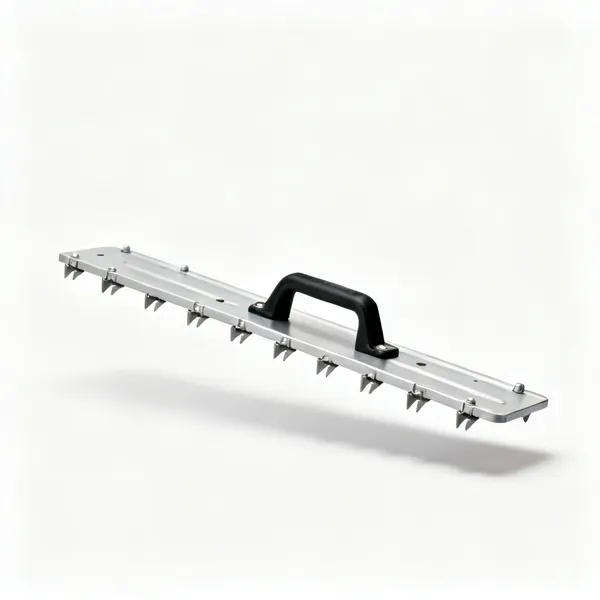
  • Crawl boards: A roofing crawl board with cleatsEssential

    Crawl boards

    Boards that spread load across rafters on a fragile or sheeted roof. On anything brittle, care is not a substitute for a board.

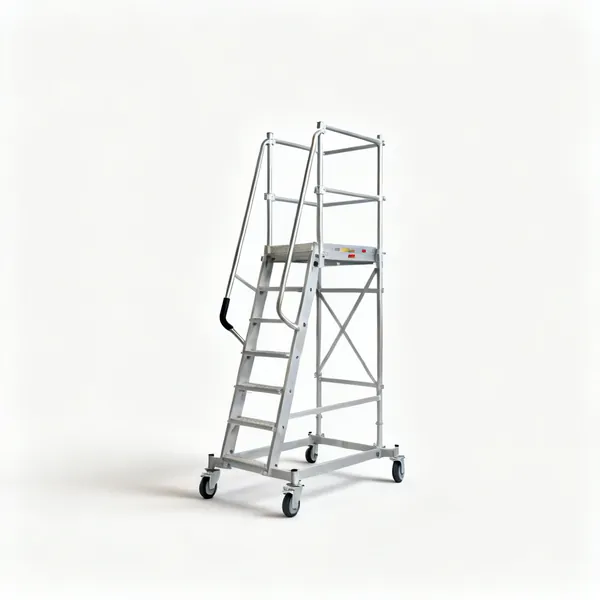
  • An aluminium mobile scaffold tower with guardrailsEssential

    Scaffold tower

    A guarded platform to work from at eaves level. The alternative is working off a ladder with both hands busy, which is how people fall.

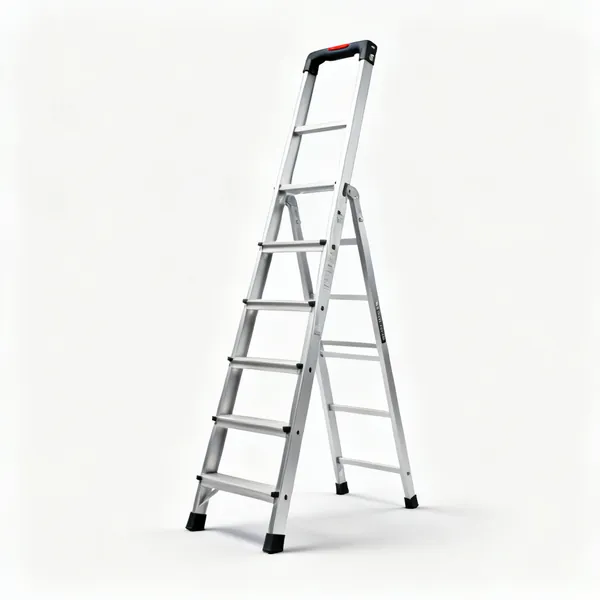
  • An aluminium extension ladderEssential

    Extension ladder

    Access to the roof and nothing more. Tied at the top, one in four angle, and a metre past the landing point.

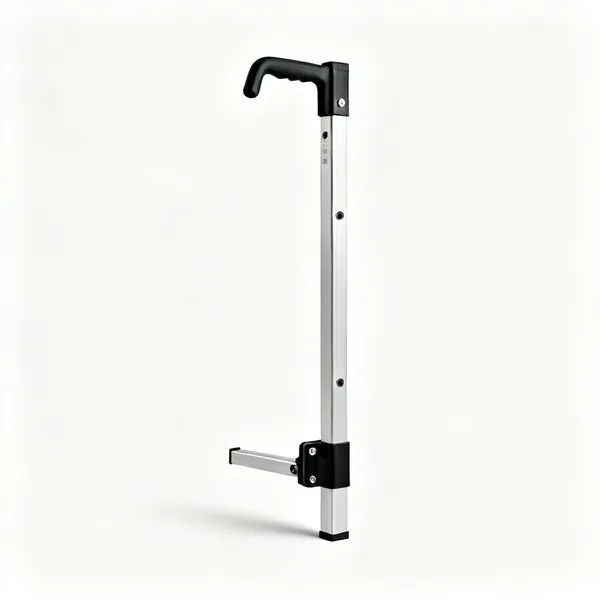
  • A ladder stabiliser bar attachment

    Ladder stabiliser

    A wide foot that stops a ladder twisting or sliding sideways. Most ladder falls are sideways rather than backwards.

  • Roof anchor: A steel roof safety anchor point

    Roof anchor

    A rated fixing point for a harness lanyard. Useless without a rescue plan, since hanging in a harness is itself dangerous.

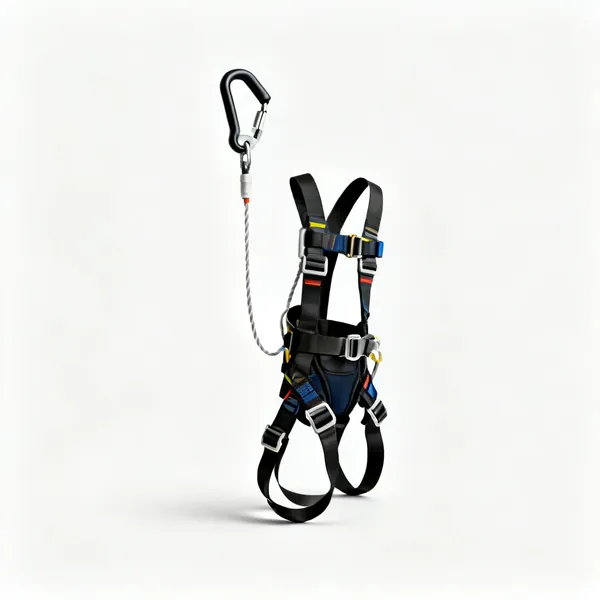
  • A full body safety harness with a lanyard

    Safety harness

    A last line where edge protection cannot be fitted. Inspected, in date, and clipped to something actually rated for the load.

  • Roof edge protection guardrail postsEssential

    Edge protection

    A guardrail at the eaves, which is what turns a slip into a stumble. The single most effective control on any roof.

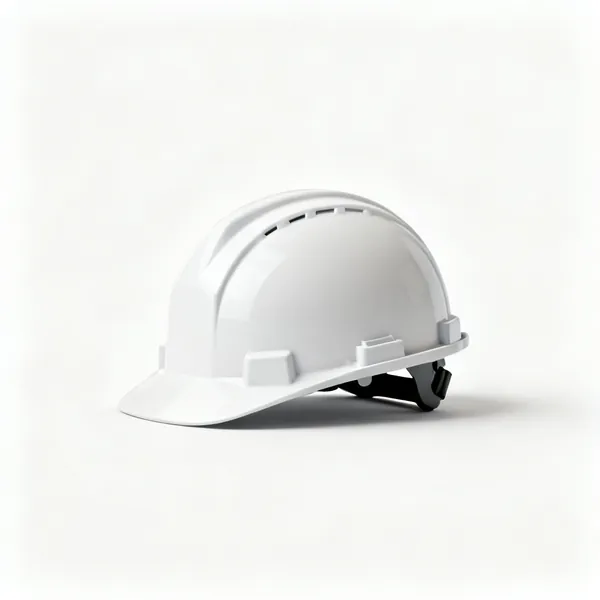
  • A white hard hat safety helmetEssential

    Hard hat

    For everyone, and especially whoever is below. Anything dropped from roof height arrives with real energy.

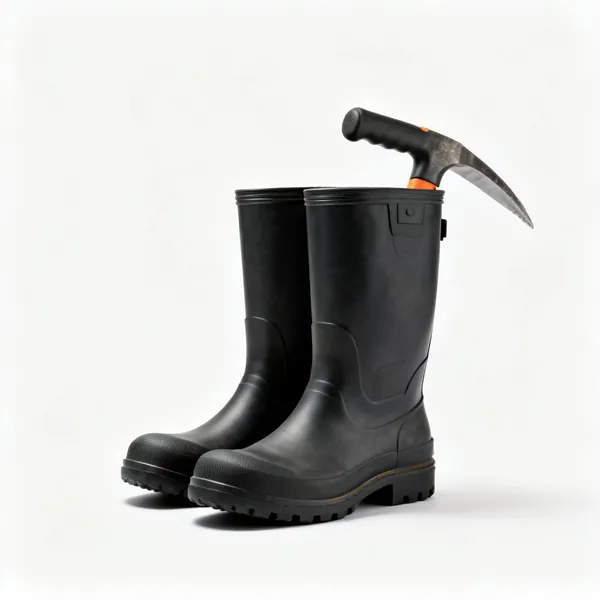
  • Gripping boots: A pair of soft soled roofing safety bootsEssential

    Gripping boots

    Soft soles that grip a slope and do not damage the covering. Wet slate is genuinely as slippery as ice.

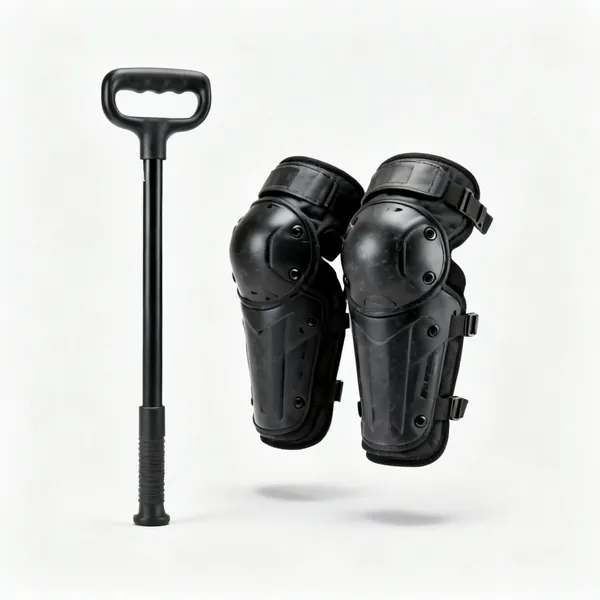
  • A pair of heavy duty knee padsEssential

    Knee pads

    Roofing is done kneeling on tile edges and batten. Nothing punishes knees quite like a day on a pitch.

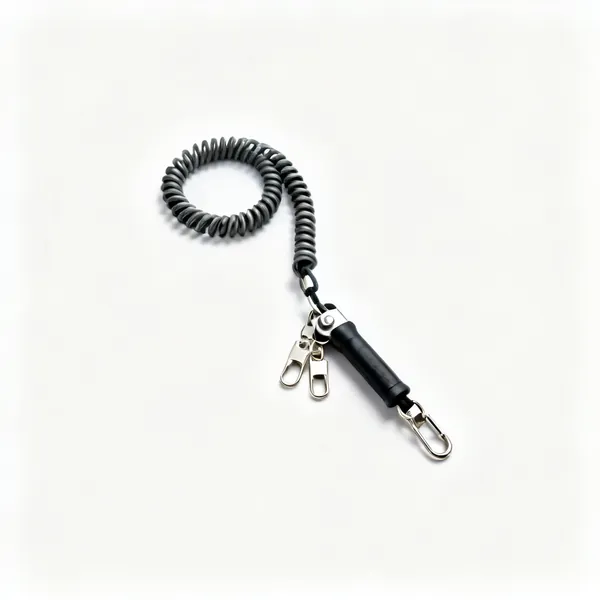
  • Tool lanyards: A coiled tool safety lanyard with clipsEssential

    Tool lanyards

    Tethers a tool to you so it cannot fall on anyone. A dropped hammer from two storeys is lethal, not just lost.

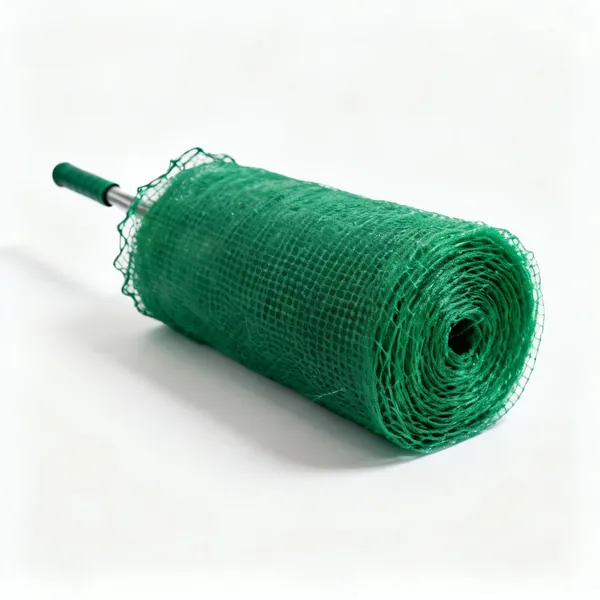
  • Debris netting: A roll of green debris safety netting

    Debris netting

    Catches what gets away and keeps the public out from under the work. Protection for people who never agreed to be there.

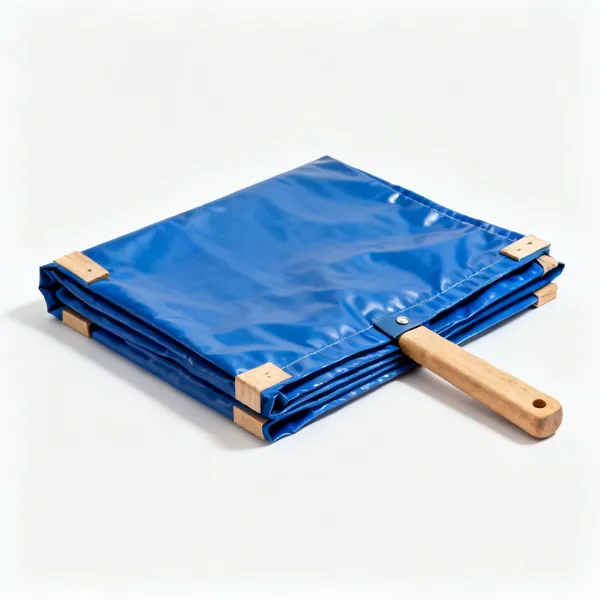
  • Tarpaulin & battens: A folded blue tarpaulin with timber battensEssential

    Tarpaulin & battens

    Makes an open roof watertight when the weather turns. Ready before you lift the first tile, because rain inside costs far more than the repair.

Stripping & repair 10

Getting a covering off and getting a single unit out without wrecking its neighbours. Most roofing work is repair rather than replacement.

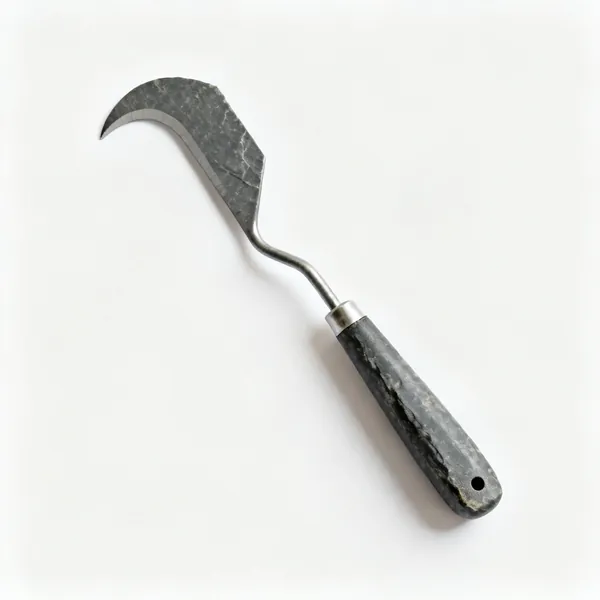
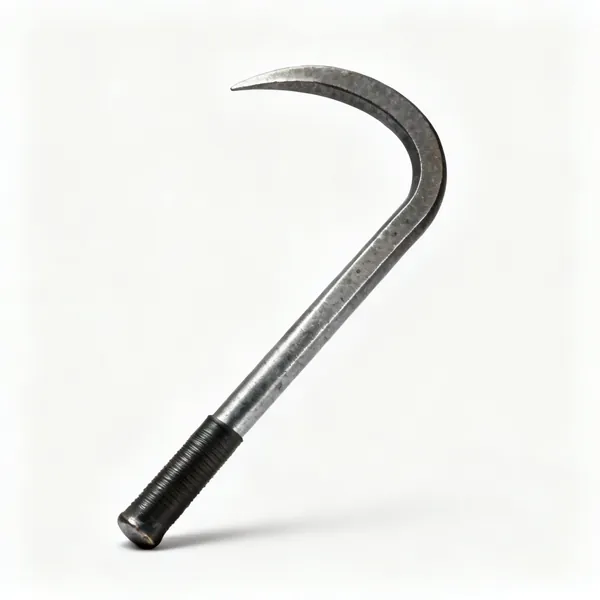
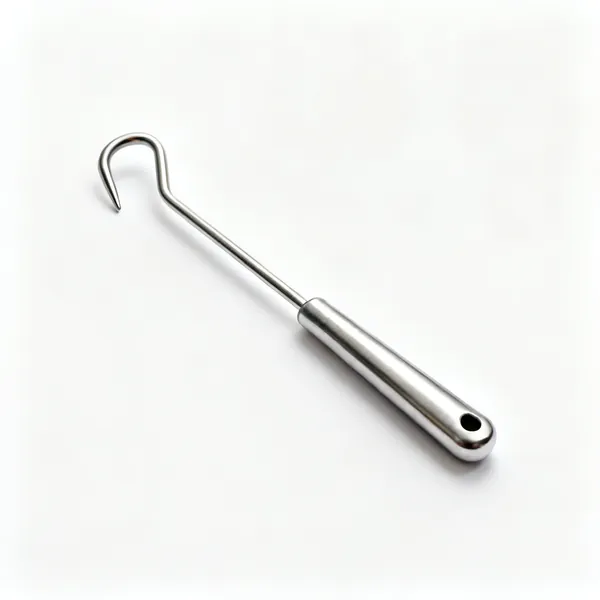
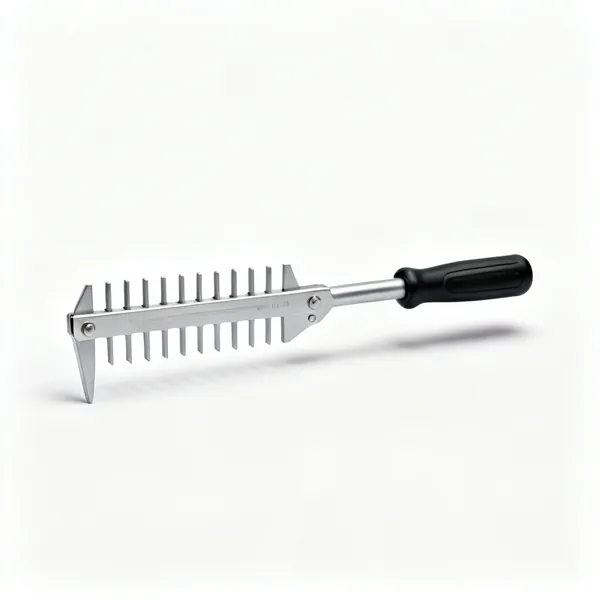
  • A slate ripper tool with a hooked bladeEssential

    Slate ripper

    A thin hooked blade that slides under a slate and shears the fixing nail. The only way to remove one slate from outside.

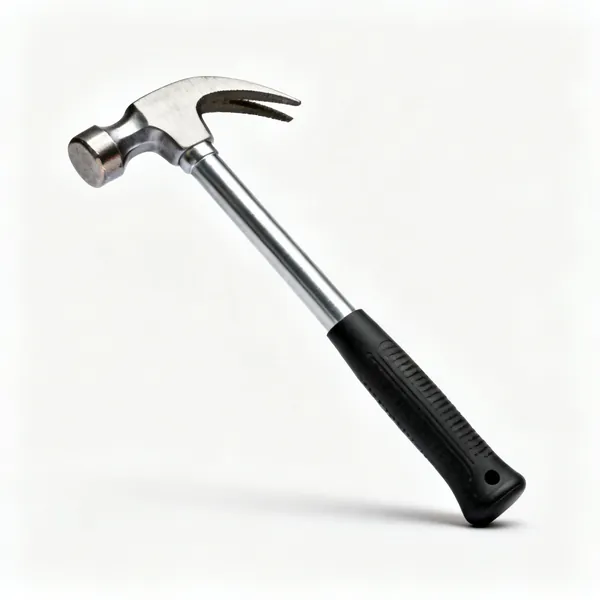
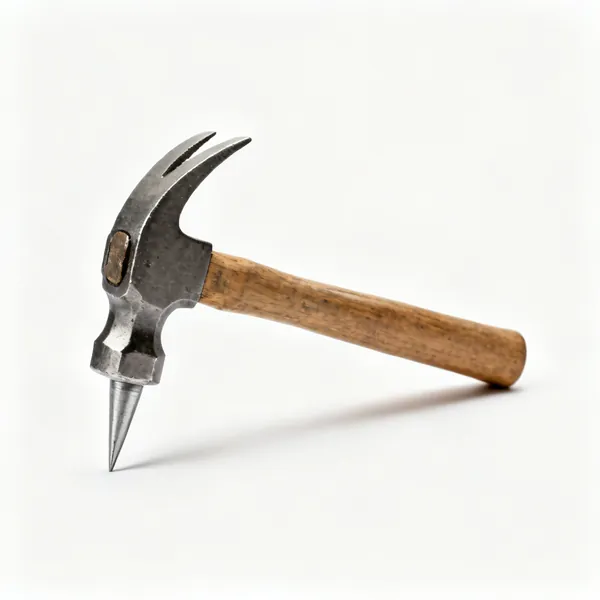
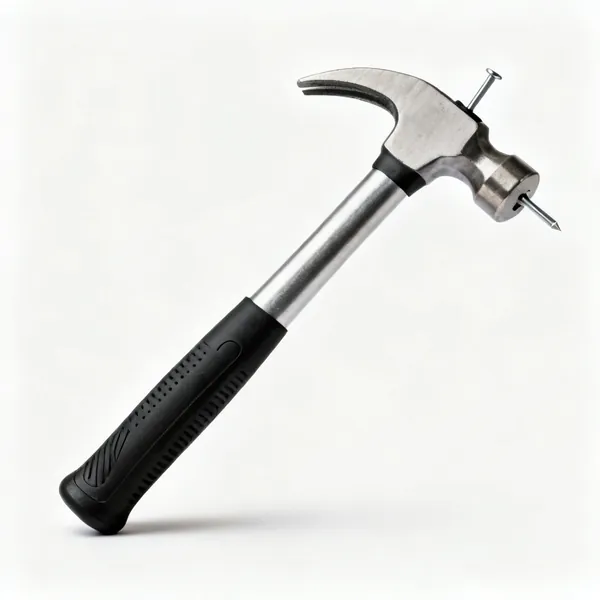
  • A claw hammer with a steel shaftEssential

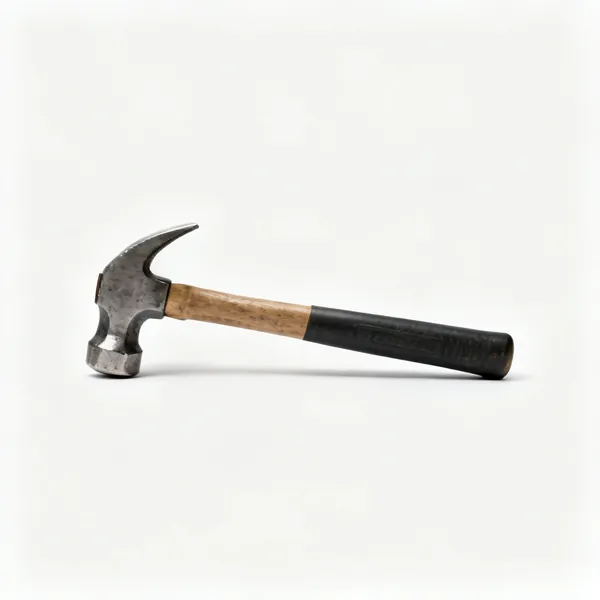
    Claw hammer

    Pulling nails from battens and general stripping. A straight claw doubles as a lever, which matters on a roof.

  • A curved steel wrecking barEssential

    Wrecking bar

    Levers battens and boarding off with more reach than a hammer claw. Length is the specification, since it is pure leverage.

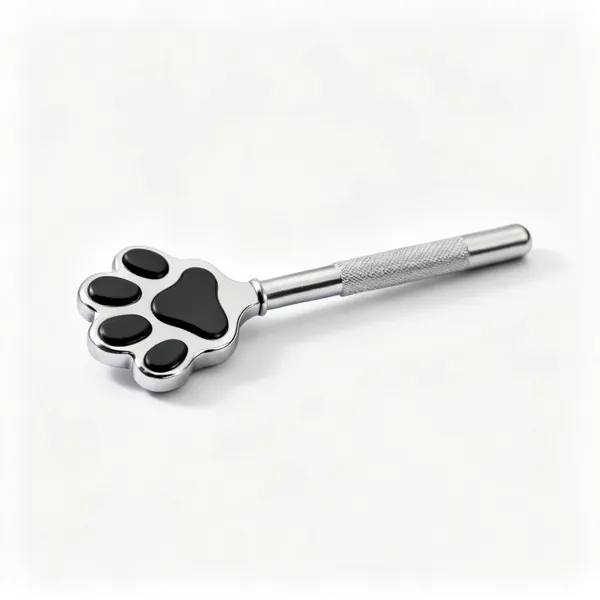
  • A cat's paw nail puller tool

    Nail puller

    Grips a headless or sunk nail that a claw cannot catch. Old roofs are full of them, and they hold the last batten.

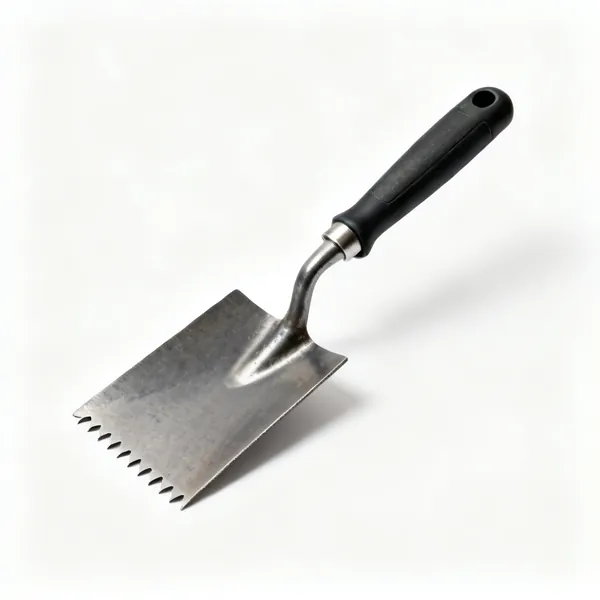
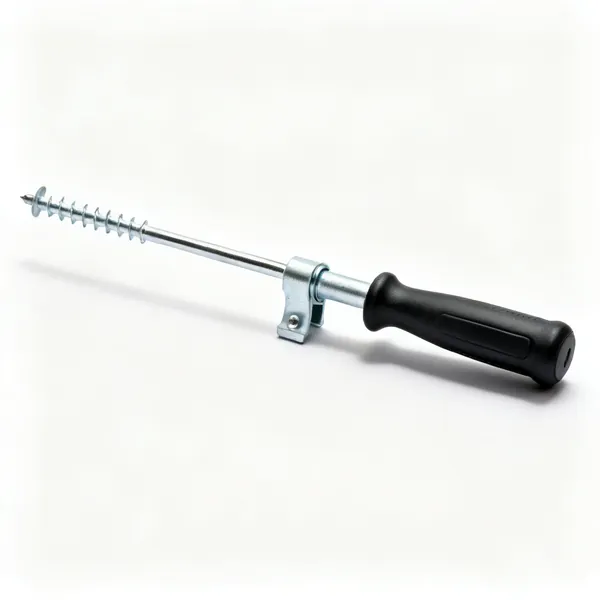
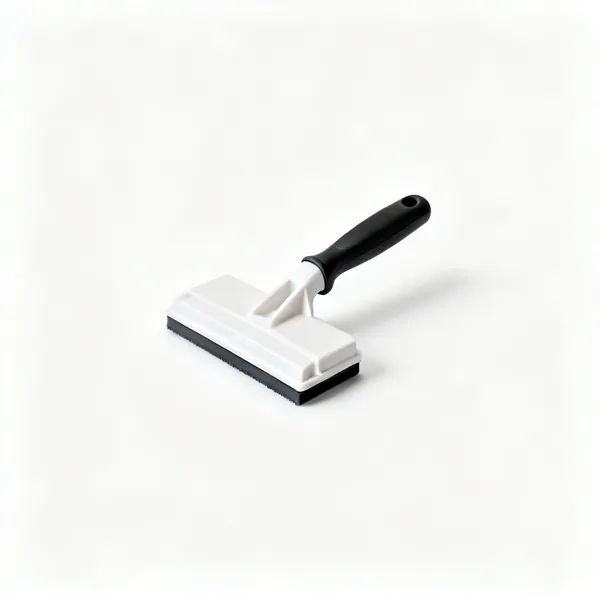
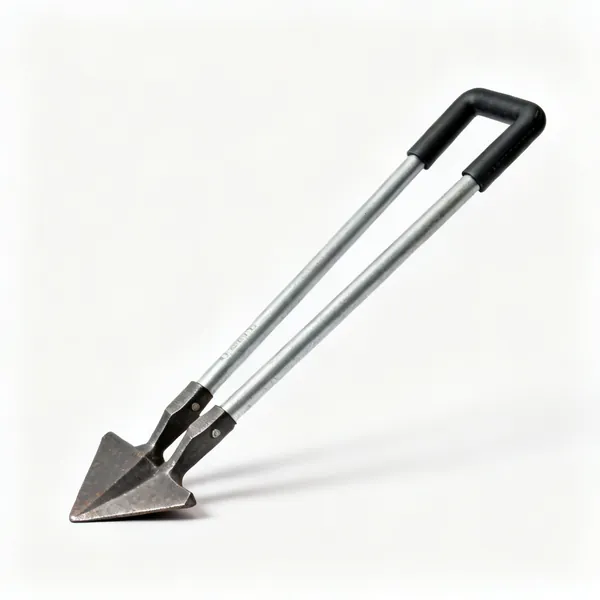
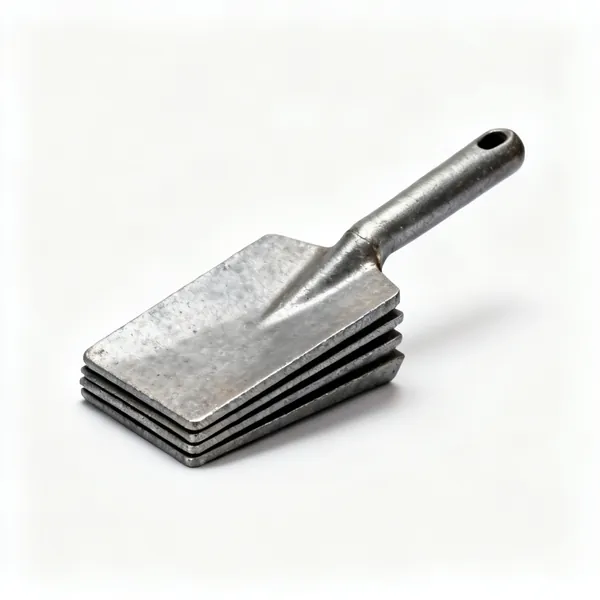
  • Roofing spade: A notched roofing tear off spade

    Roofing spade

    A wide notched blade for tearing off felt shingles and lifting nails in one pass. American in origin and very fast.

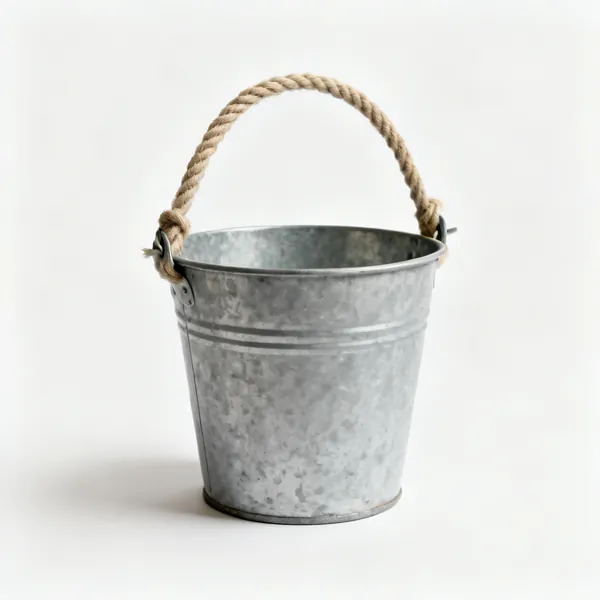
  • Bucket & rope: A builder's bucket with a rope handleEssential

    Bucket & rope

    Lowers debris and raises materials without carrying them down a ladder. Carrying anything down a ladder is how falls start.

  • Rubble sacks: A woven rubble sackEssential

    Rubble sacks

    Woven bags for broken tile and slate, filled half full so they can actually be lifted.

  • A plastic debris chute section

    Debris chute

    Linked sections dropping waste straight into a skip. Beats carrying it and stops anyone throwing it off the scaffold.

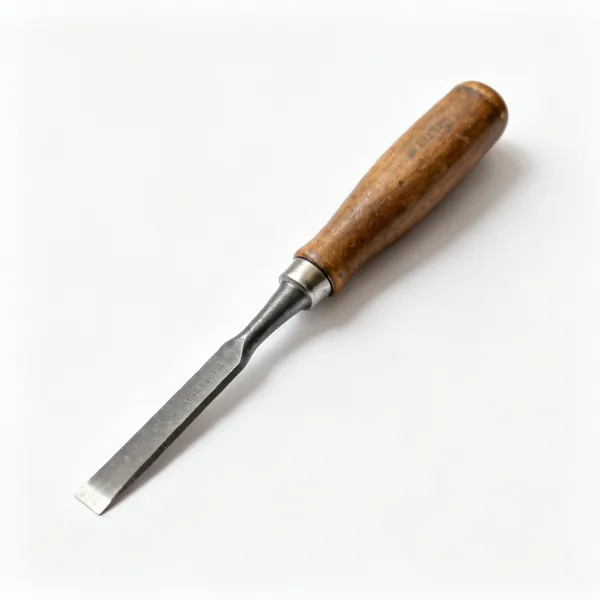
  • A wide bolster chisel with a guardEssential

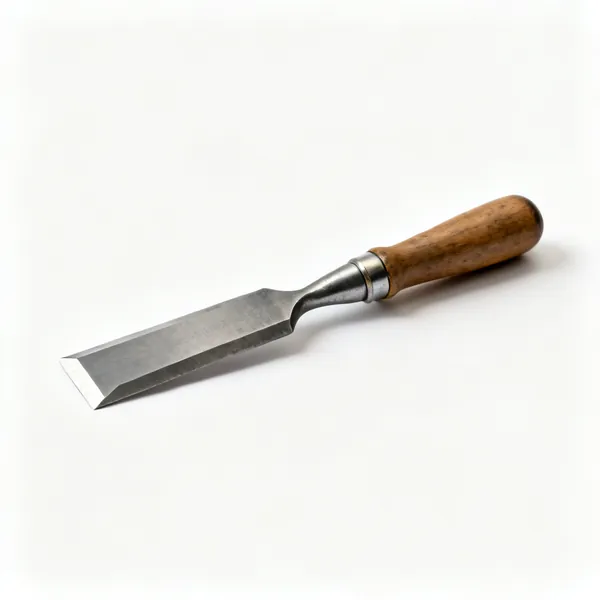
    Bolster chisel

    Splitting tile and cutting back mortar bedding. Struck with a lump hammer, never with a claw hammer.

  • A short handled lump hammerEssential

    Lump hammer

    Driving chisels and breaking out old mortar and bedding. Mass rather than swing, which matters in a confined position.

Slating 10

Slate is split and sheared rather than sawn, so it has its own hand tools and none of them are interchangeable with tile tools.

  • A slate cutter tool with shearing bladesEssential

    Slate cutter

    Shears a slate to size with a clean edge and no dust. A blunt one crushes rather than shears, so slates break.

  • Slate holing tool: A slate holing punch toolEssential

    Slate holing tool

    Punches a nail hole with a countersink on the face, so the nail head sits below the surface of the slate above.

  • A slater's hammer with a spike and clawEssential

    Slater's hammer

    A spike for holing, a claw for pulling nails and a face for driving. Three tools in the hand at once, which matters on a pitch.

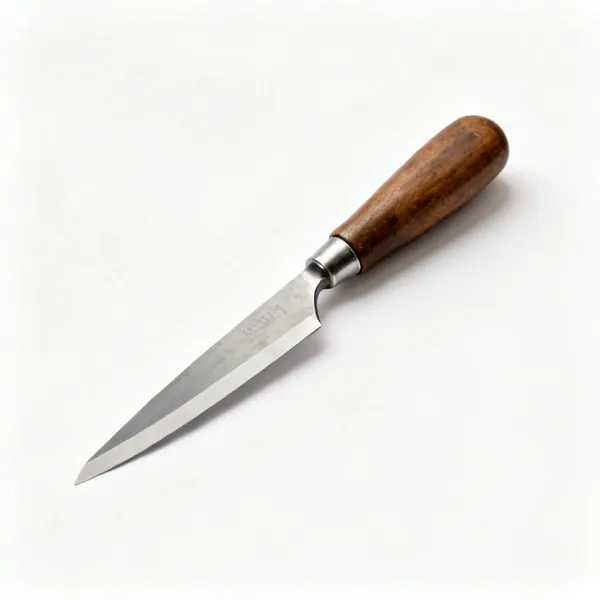
  • Slater's knife: A slater's trimming knife

    Slater's knife

    Trims and dresses a slate edge to a straight clean line after cutting. What separates a tidy verge from a rough one.

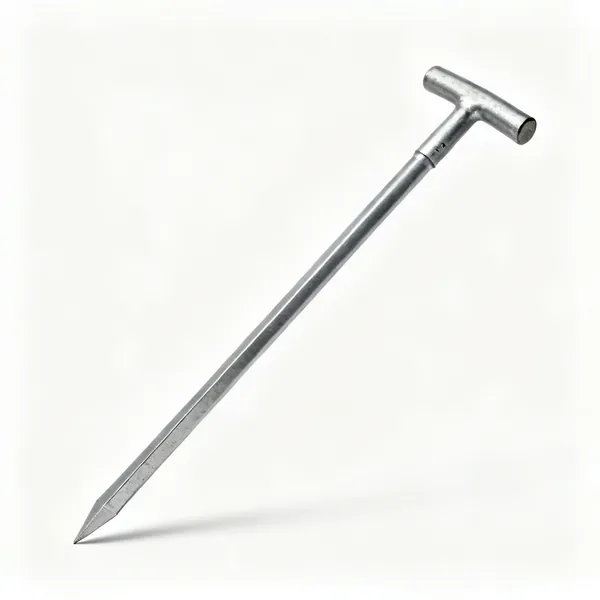
  • Slate stake: A steel slate cutting stake

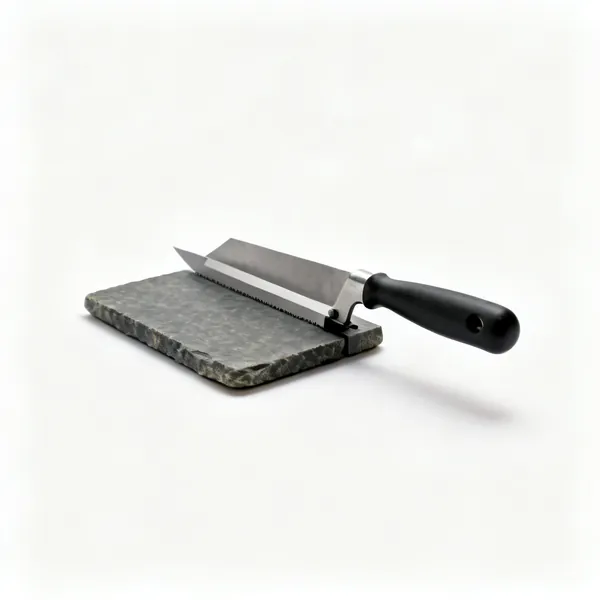
    Slate stake

    A steel edge to work a slate against while cutting and holing by hand. The traditional slater's anvil.

  • Slate hooks: Stainless steel slate repair hooks

    Slate hooks

    Stainless hooks that hold a replacement slate where the nail hole is inaccessible. The standard single slate repair.

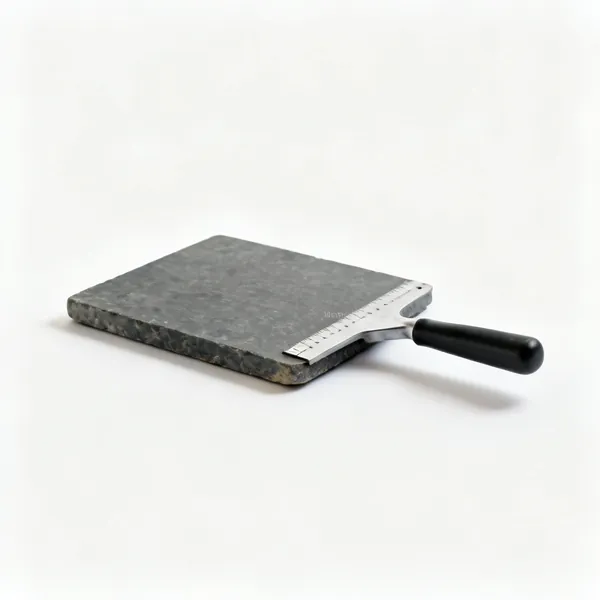
  • Slate gauge: A slating gauge measuring tool

    Slate gauge

    Sets the exposed margin identically on every course, so the headlap is right and the courses look even.

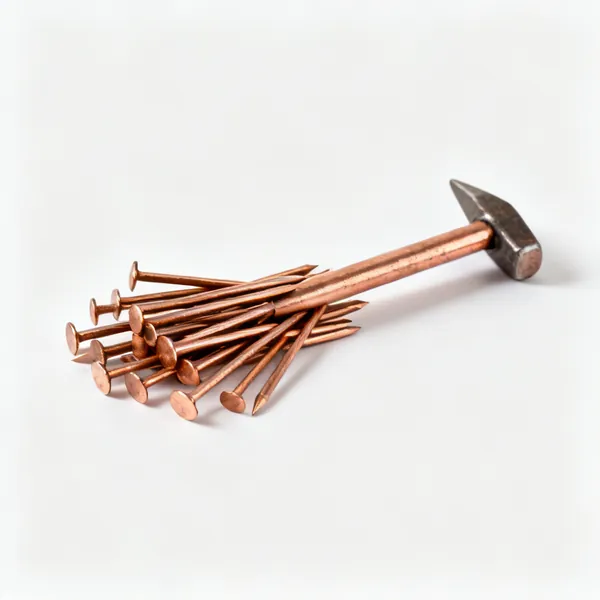
  • Copper nails: A handful of copper slating nailsEssential

    Copper nails

    The correct fixing for slate. Steel nails rust away in a damp roof and the slates eventually slide off intact.

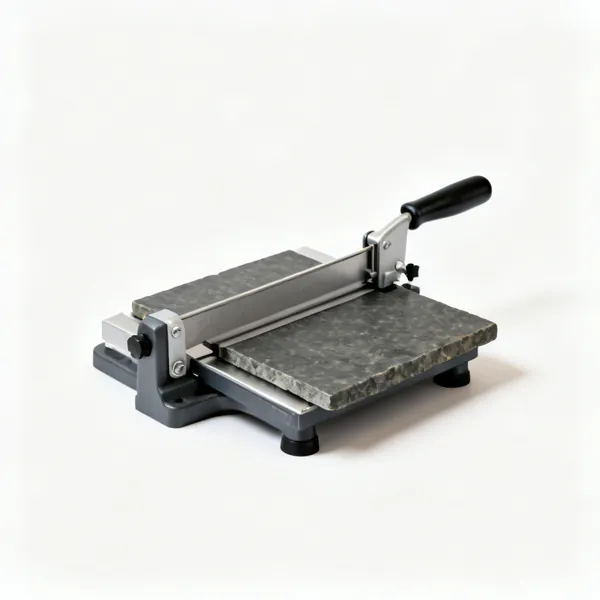
  • A bench mounted slate guillotine cutter

    Slate guillotine

    A bench mounted shear for accurate repeat cuts across a whole roof. Faster and more consistent than a hand cutter.

  • Slate sizing gauge: A slate sizing and sorting gauge

    Slate sizing gauge

    Sorts reclaimed slates by thickness and size so courses match. Mixed reclaimed slate laid at random never lies flat.

Tiling 12

Concrete and clay tiles hang on battens to a gauge. The batten spacing decides whether the roof is watertight, not the tiles.
  • Roof tile cutter: A roof tile cutting tool with a bladeEssential

    Roof tile cutter

    Cuts concrete and clay tiles to size. A disc cutter is faster on site and must be used wet or with extraction.

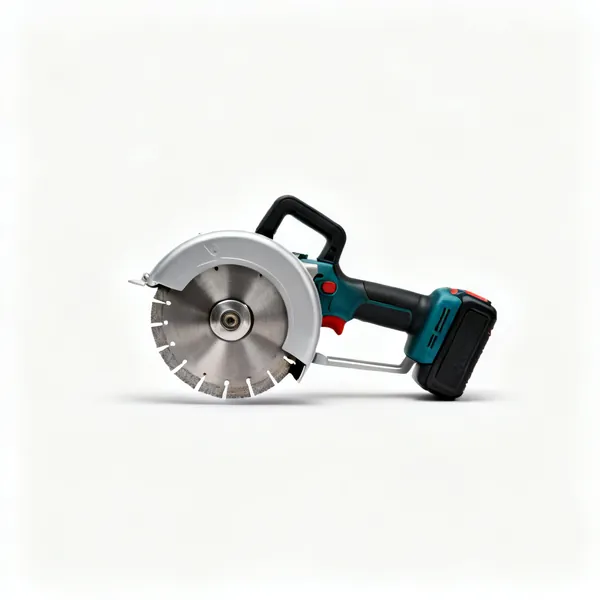
  • A cordless disc cutter with a diamond bladeEssential

    Disc cutter

    A petrol or cordless saw with a diamond blade for tile, slate and mortar. Water suppression, because the dust is silica.

  • A roofing hammer with a magnetic nail startEssential

    Roofing hammer

    Drives nails and clips into batten quickly with a magnetic start on some patterns. Used one handed all day, so balance matters.
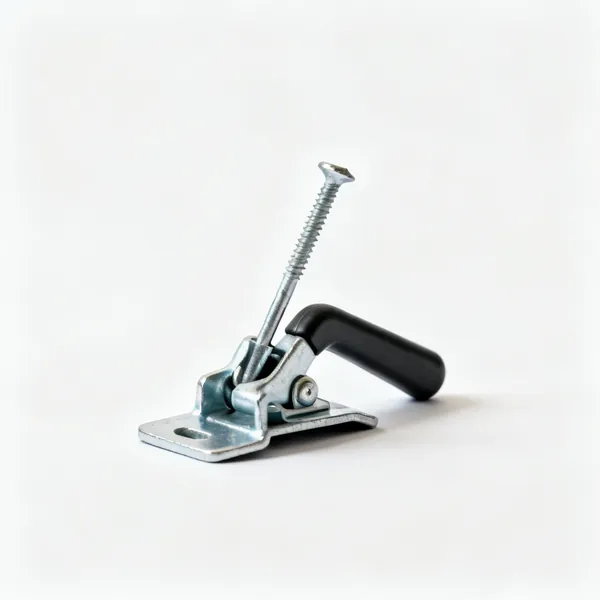
  • Batten gauge: A roofing batten spacing gaugeEssential

    Batten gauge

    Sets identical batten spacing so every course laps correctly. Get this wrong and an intact roof still leaks in wind driven rain.

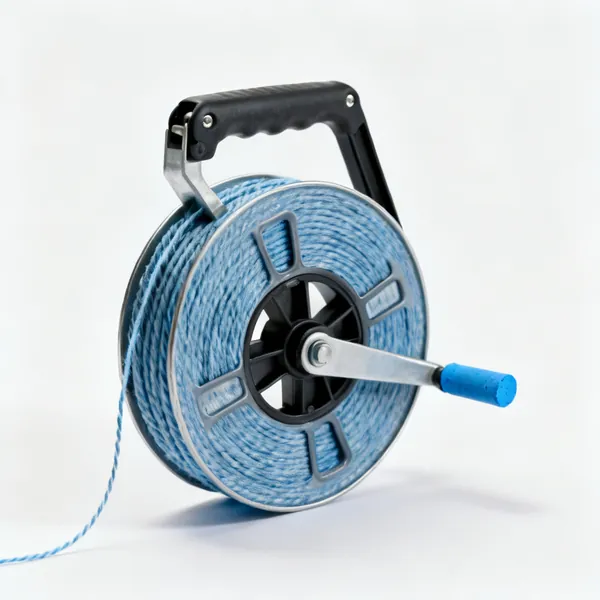
  • A chalk line reel with blue chalkEssential

    Chalk line

    Snaps a straight line across a roof for batten positions and verges. Nothing else marks ten metres in five seconds.

  • Tile clips & nails: Roof tile clips and nailsEssential

    Tile clips & nails

    Mechanical fixings holding tiles against wind uplift. Modern practice clips far more tiles than older roofs ever did.

  • Dry ridge system: A dry ridge roofing fixing system kit

    Dry ridge system

    Mechanically fixed ridge and hip units instead of mortar bedding, which cracks. Now the standard rather than the upgrade.

  • Dry verge units: Plastic dry verge roofing units

    Dry verge units

    Clip on plastic verges replacing mortar at the gable edge. The mortar version is a maintenance job forever.

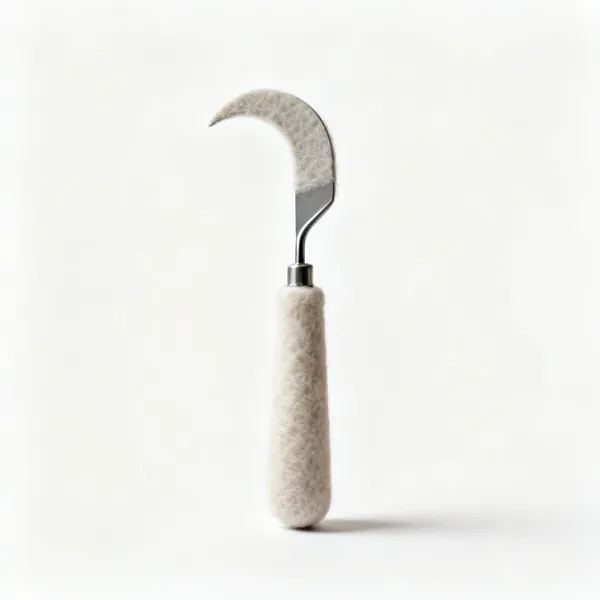
  • Felt knife: A hooked felt cutting knifeEssential

    Felt knife

    Cuts underlay and breather membrane cleanly. A torn membrane is a leak path, so a sharp blade is not a detail.

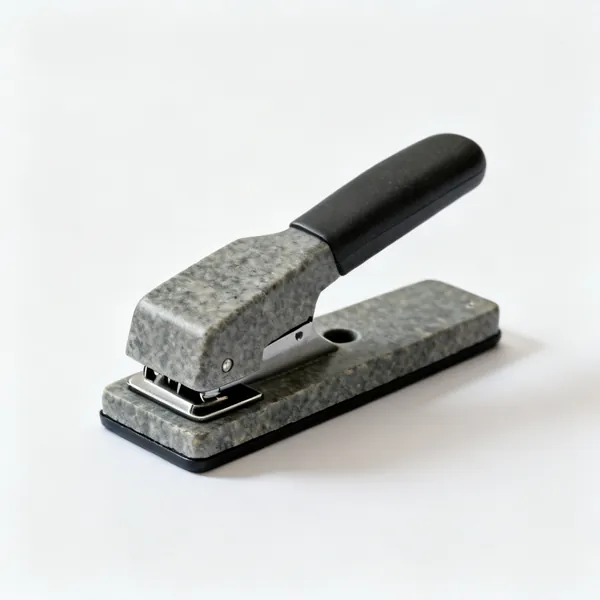
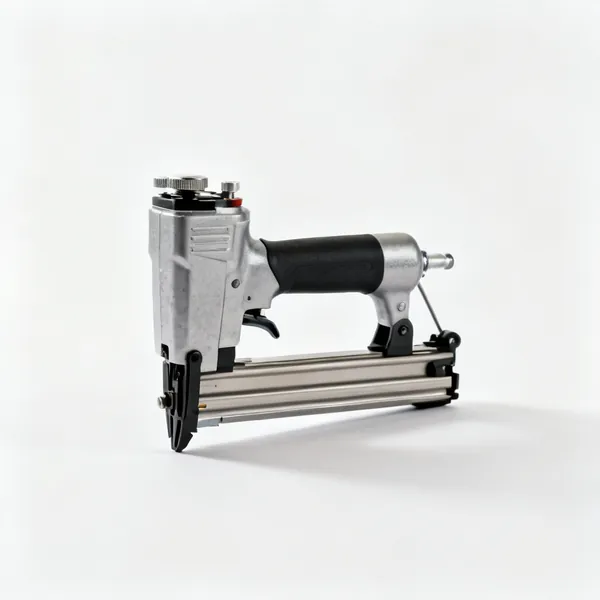
  • Membrane stapler: A heavy duty staple gun for roofing membraneEssential

    Membrane stapler

    Fixes underlay to rafters fast before the batten goes on. Speed matters, because loose membrane catches the wind.

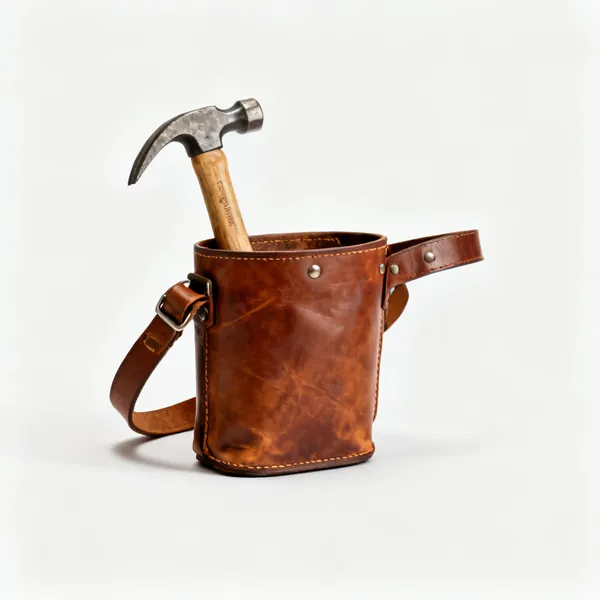
  • A leather roofer's nail bag with a beltEssential

    Nail bag

    Keeps nails, clips and a hammer on your hip. On a pitch, anything not on you rolls off the roof.

  • Tile lifter: A pair of roof tile lifting wedges

    Tile lifter

    Wedges that hold a course up so you can work underneath without unhooking every tile above.

Lead & flashing 11

Where roofs actually leak. Lead is shaped with hardwood tools that move it without thinning it, and steel tools tear it.

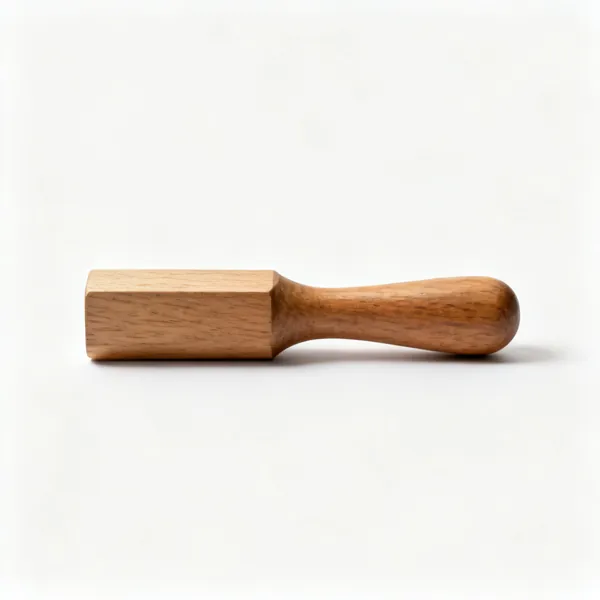
  • A wooden lead dresser toolEssential

    Lead dresser

    A shaped hardwood block for beating lead flat and into a shape. Wood moves lead without cutting or thinning it.

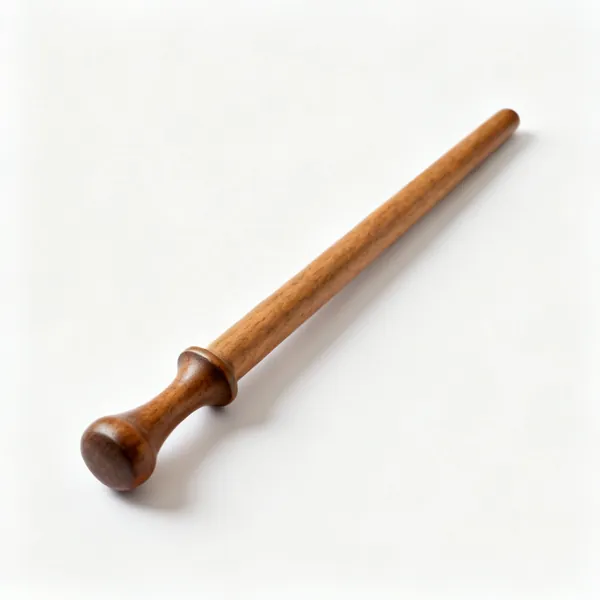
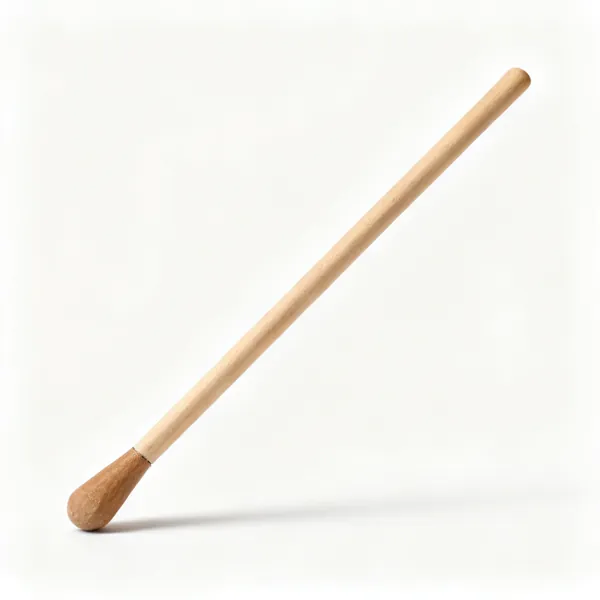
  • A boxwood bossing stick for leadwork

    Bossing stick

    Stretches and gathers lead around a corner or upstand without a crease. The core skill of lead work.

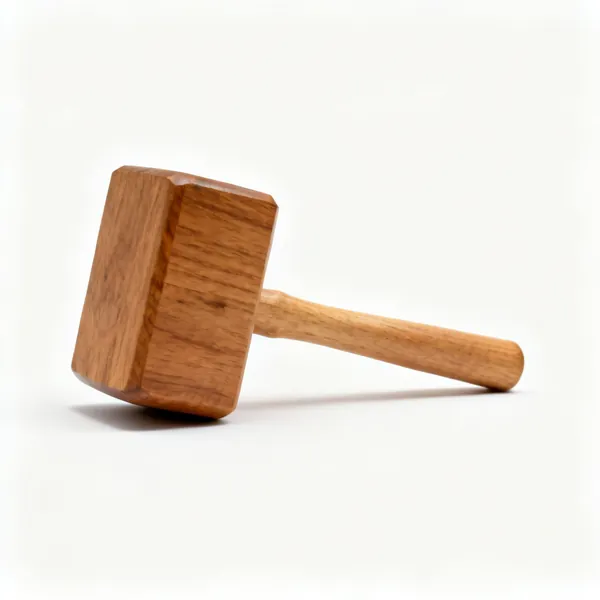
  • A boxwood bossing mallet

    Bossing mallet

    A boxwood mallet for working lead into a curve. Its weight and softness together are the point.

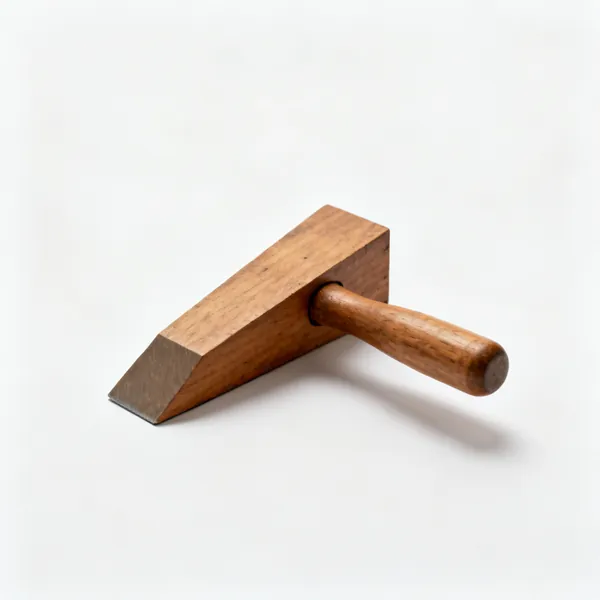
  • A wooden chase wedge leadworking tool

    Chase wedge

    Drives a crisp fold line into lead along a straight edge. What makes a welt or a seam look deliberate.

  • A wooden setting in stick for lead

    Setting in stick

    Forms a sharp internal angle in lead where it turns up an abutment. The detail that keeps water out at a wall.

  • Lead knife: A lead cutting knife with a wooden handleEssential

    Lead knife

    A heavy blade for cutting sheet lead. Lead is soft and thick, so it wants scoring and folding rather than sawing.

  • Folded lead wedgesEssential

    Lead wedges

    Folded lead pieces wedged into a raked joint to hold a flashing before pointing. Nothing else holds it while you work.

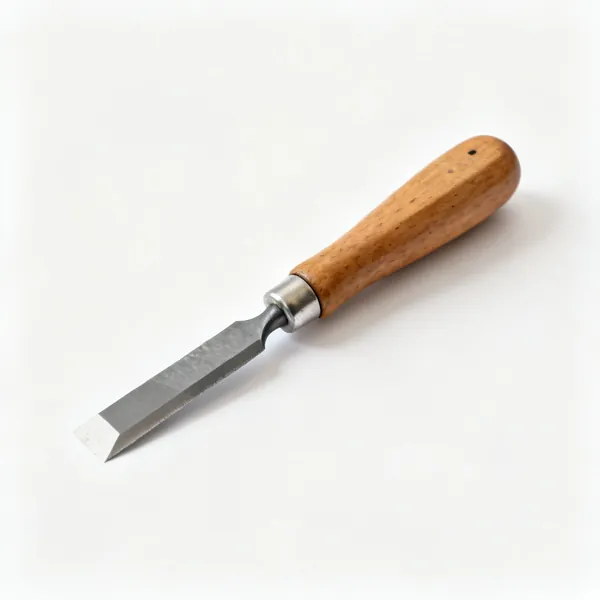
  • A narrow plugging chiselEssential

    Plugging chisel

    Rakes a mortar joint out to take a stepped flashing, without damaging the brick either side.

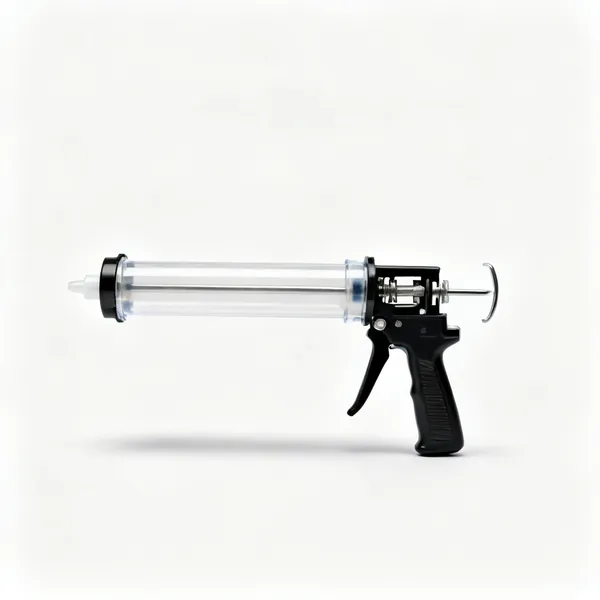
  • A cartridge sealant gunEssential

    Sealant gun

    Applies pointing sealant over a flashing edge. It is the last line rather than the detail itself.

  • A bottle of lead patination oil with a cloth

    Patination oil

    Applied to new lead to stop the white carbonate staining that runs down the tiles below. A finishing step people skip once.

  • Soakers & step flashing: Lead step flashing soaker pieces

    Soakers & step flashing

    Preformed pieces interleaved between courses at an abutment. This is the detail a mortar fillet is a poor substitute for.

Flat roofing 10

Felt, single ply and GRP each have their own kit. All of it involves heat, adhesive or resin, and a real fire risk.

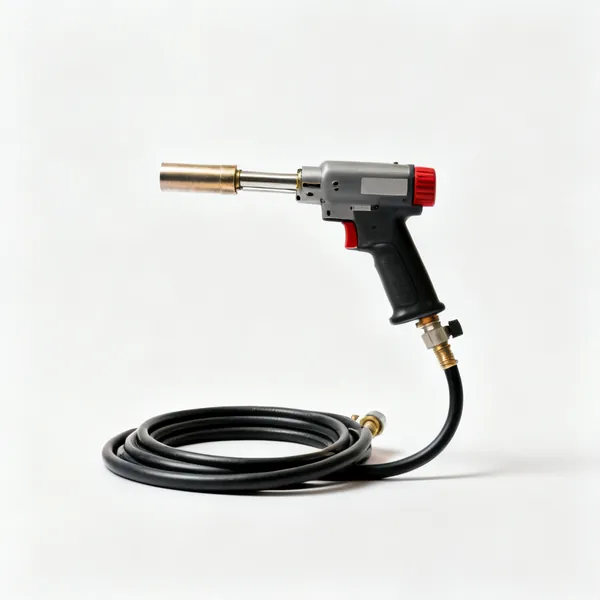
  • A propane roofing torch with a coiled hose

    Roofing torch

    A gas torch that melts the bitumen backing of torch on felt so it bonds. Hot work with a genuine fire risk under it.

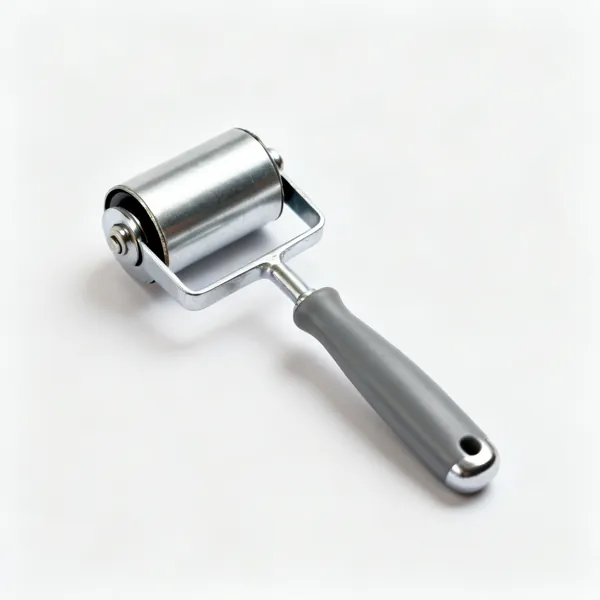
  • A metal seam roller with a handle

    Seam roller

    Presses a hot or bonded seam down so it actually welds. An unrolled seam is where a flat roof lifts and leaks.

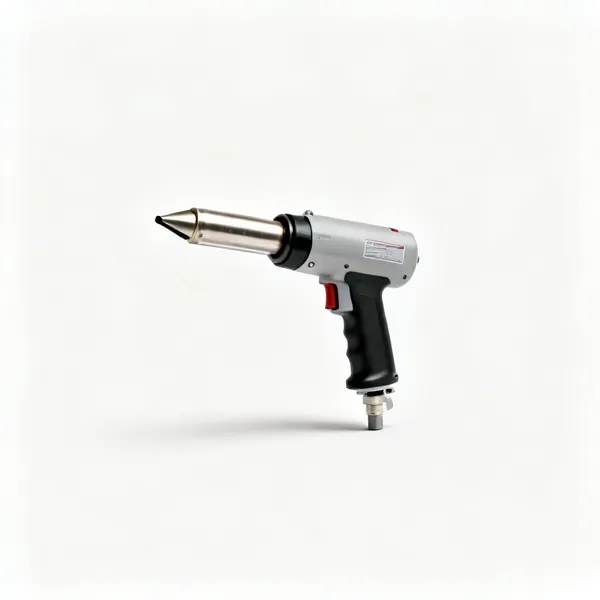
  • Hot air welder: A hot air plastic welding gun for roofing membrane

    Hot air welder

    Welds single ply membrane seams with air rather than flame, so there is no open fire on the roof.

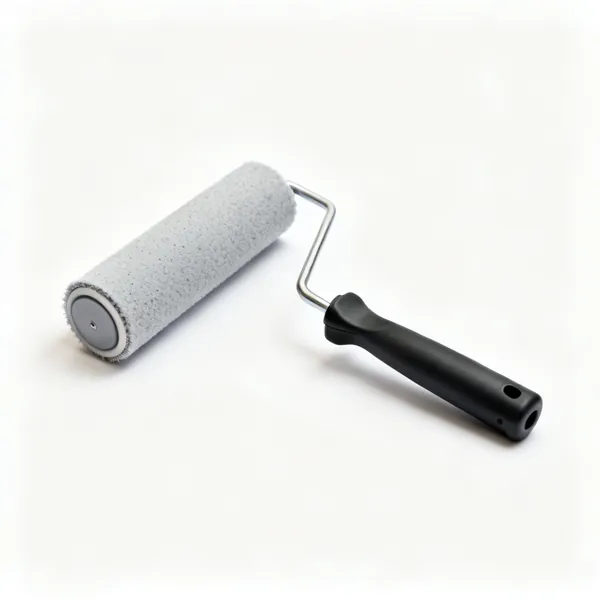
  • GRP roller: A paddle roller for GRP fibreglass roofing

    GRP roller

    Consolidates glass fibre matting into resin and rolls the air out. Trapped air is the flaw that fails first.

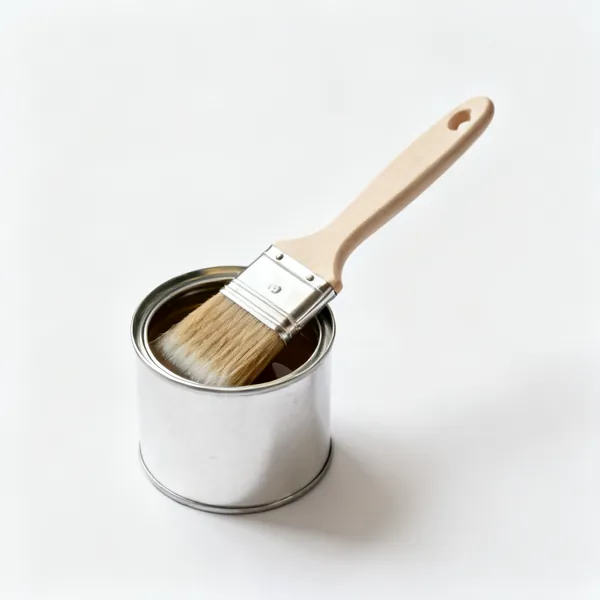
  • Resin brushes: Resin application brushes in a tin

    Resin brushes

    Applies catalysed resin. Disposable by nature, since resin sets in the bristles within the hour.

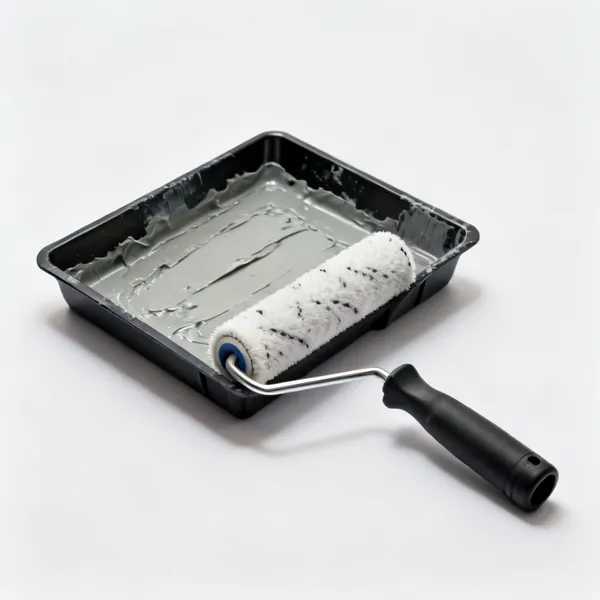
  • Adhesive roller: A roller and tray with roofing adhesive

    Adhesive roller

    Spreads contact adhesive evenly for EPDM. Uneven adhesive is a bubble, and a bubble is the start of a failure.

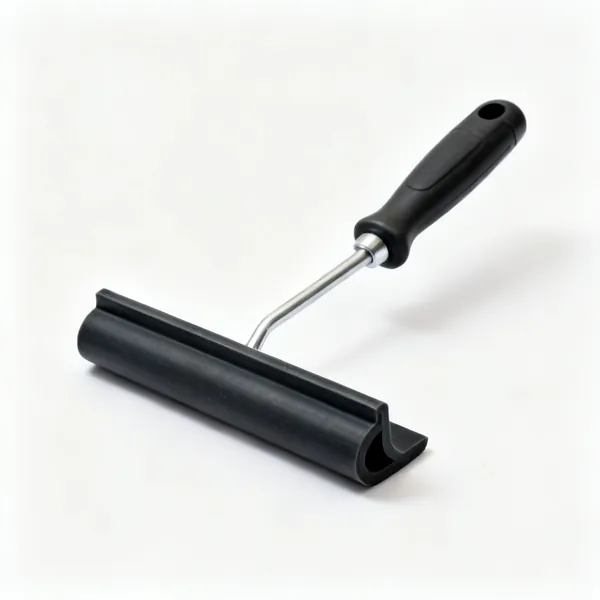
  • EPDM trim tools: EPDM rubber roofing trim tools

    EPDM trim tools

    Rollers and edge tools for rubber membrane at trims and corners. The corners are the whole difficulty.

  • A red fire extinguisherEssential

    Fire extinguisher

    Mandatory for hot works and needed afterwards. Most roof fires are found an hour after the torch went out.

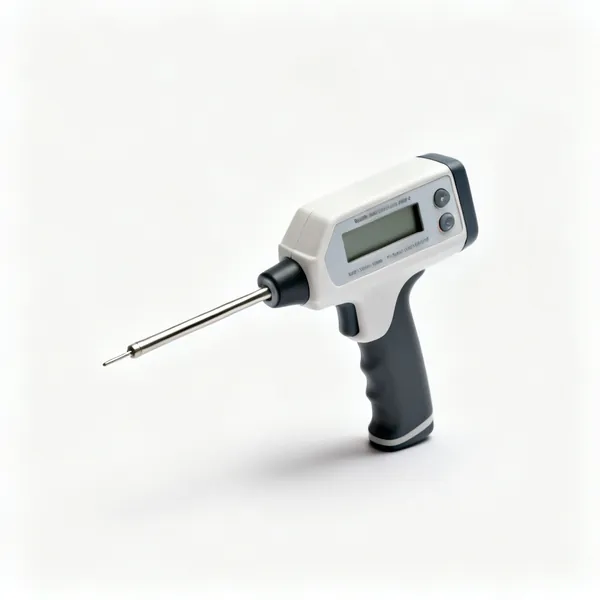
  • A handheld moisture meter with a probe

    Moisture meter

    Finds wet insulation under a flat roof, which is what tells you whether a recover will work or hide a problem.

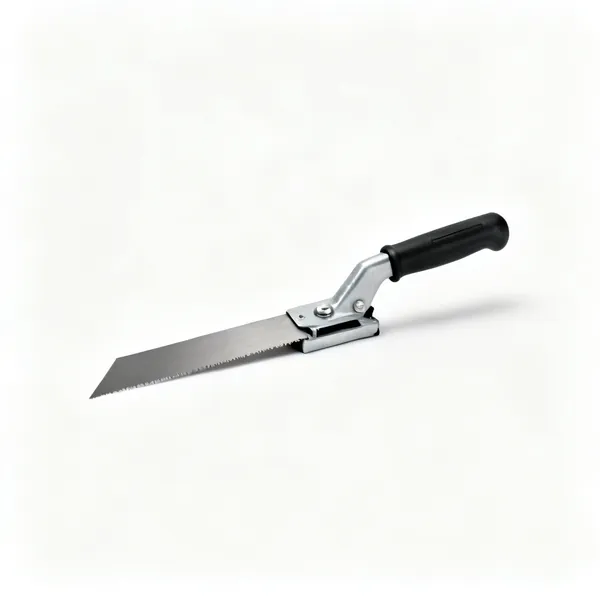
  • Insulation saw: A long insulation cutting saw

    Insulation saw

    A long coarse blade that cuts rigid board square. A tidy cut means tight joints and no thermal gaps.

Gutters & rainwater 8

The part blamed for roof leaks most often, and the cheapest to rule out. Water needs somewhere to go.

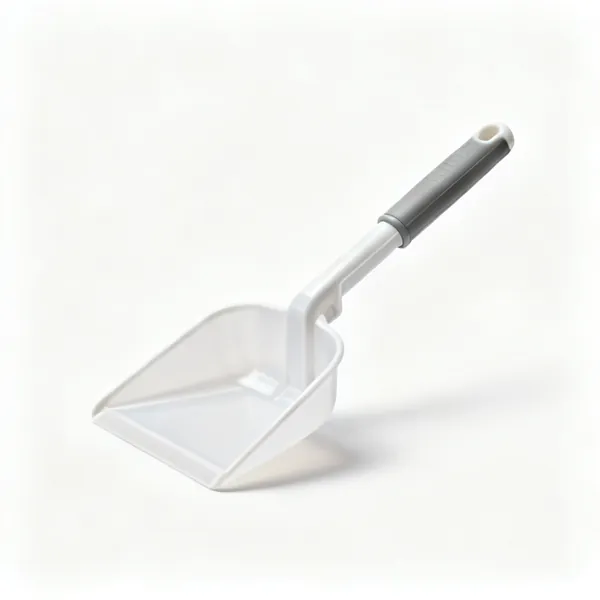
  • Gutter scoop: A plastic gutter cleaning scoopEssential

    Gutter scoop

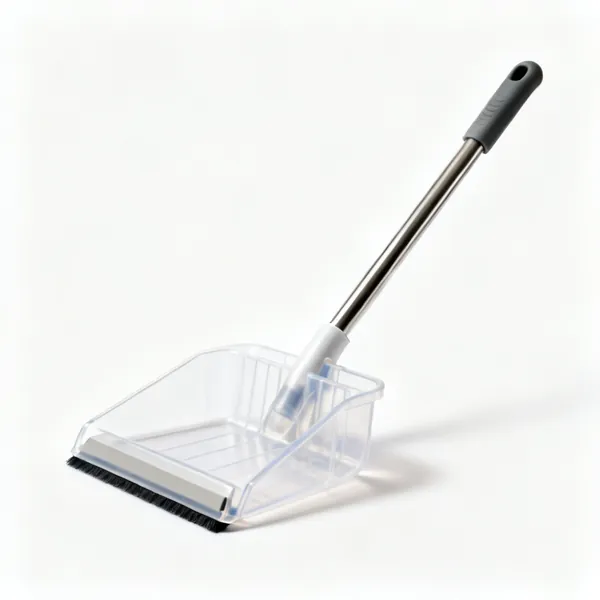
    A narrow scoop that clears silt and leaves out of a gutter run. A blocked gutter overflows onto the wall, not the roof.

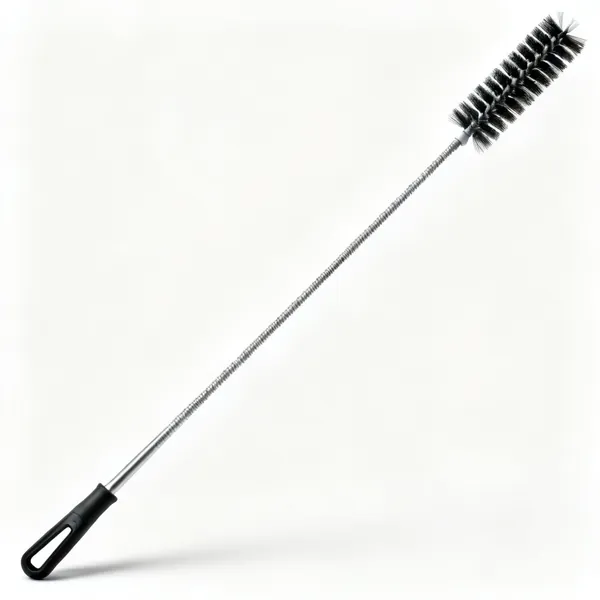
  • Downpipe brush: A long flexible downpipe cleaning brush

    Downpipe brush

    A long flexible brush that clears a blockage from a downpipe without taking it apart.

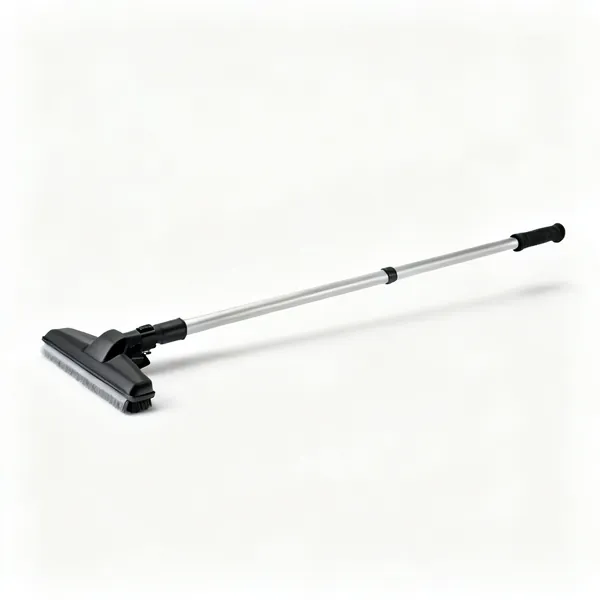
  • A gutter vacuum pole attachment

    Gutter vacuum

    Clears gutters from the ground with a pole and camera, so nobody goes up a ladder for a routine clean.

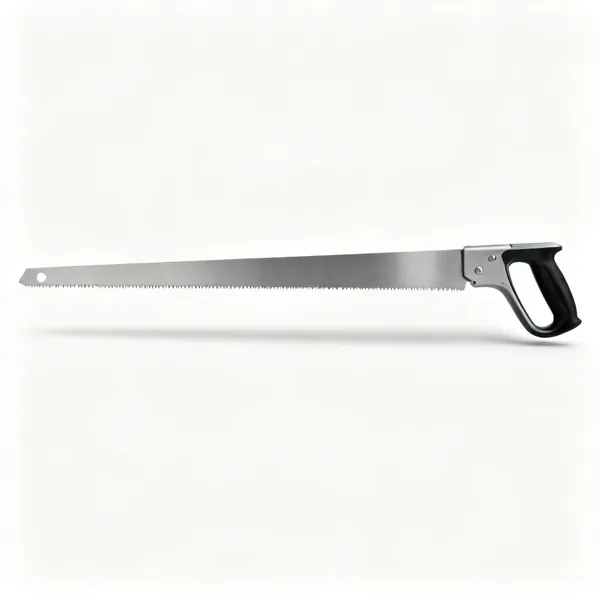
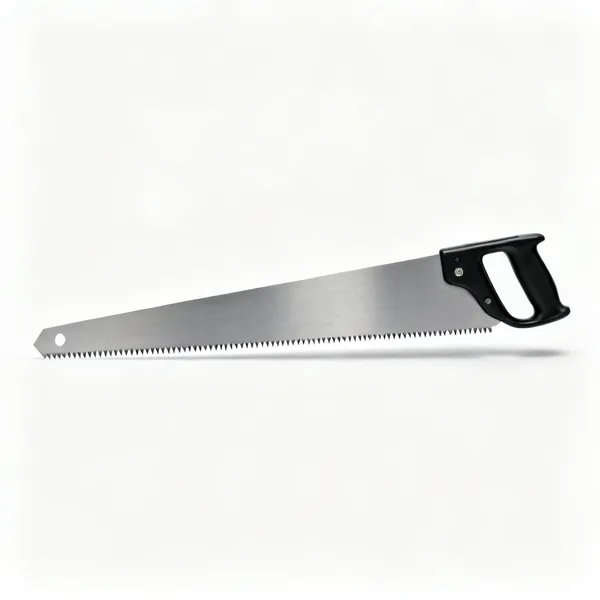
  • Plastic pipe saw: A fine toothed saw for plastic pipeEssential

    Plastic pipe saw

    Cuts gutter and downpipe square. An angled cut will not seat in a union, so it drips forever.

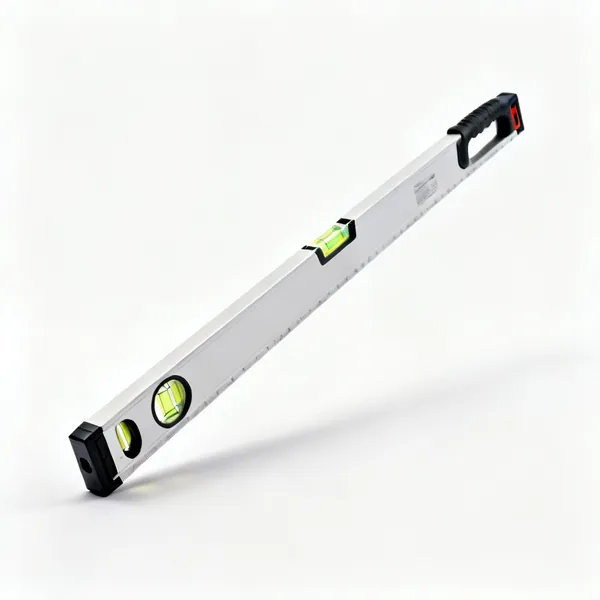
  • Long level: A long spirit levelEssential

    Long level

    Sets the fall along a gutter run. Too little and it stands, too much and it overshoots the outlet at the far end.

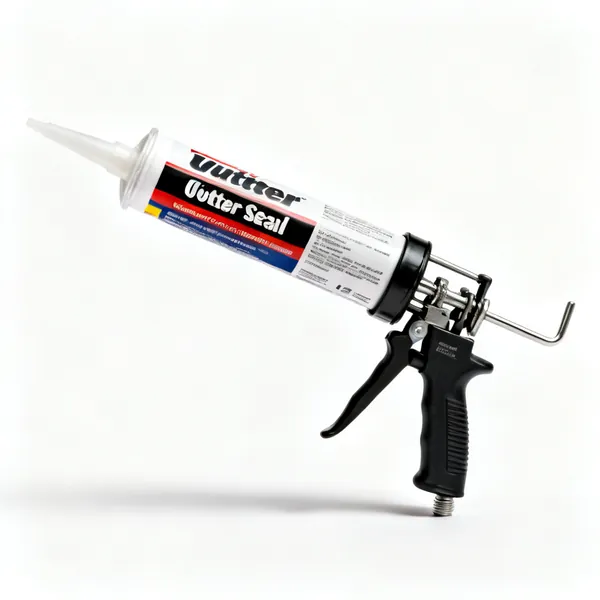
  • A tube of gutter sealant with a gun

    Gutter sealant

    Seals a union that has stopped sealing on its gasket. A repair rather than a substitute for the right bracket spacing.

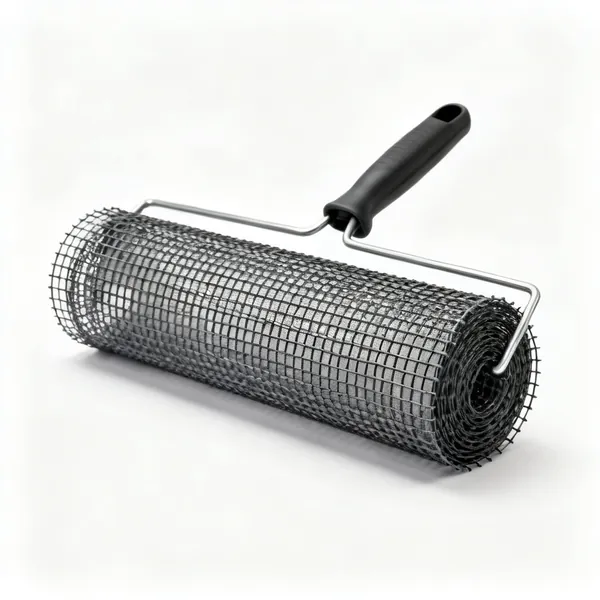
  • Leaf guards: A roll of gutter leaf guard mesh

    Leaf guards

    Mesh over a gutter to keep leaves out. Reduces cleaning and does not eliminate it, since silt still gets through.

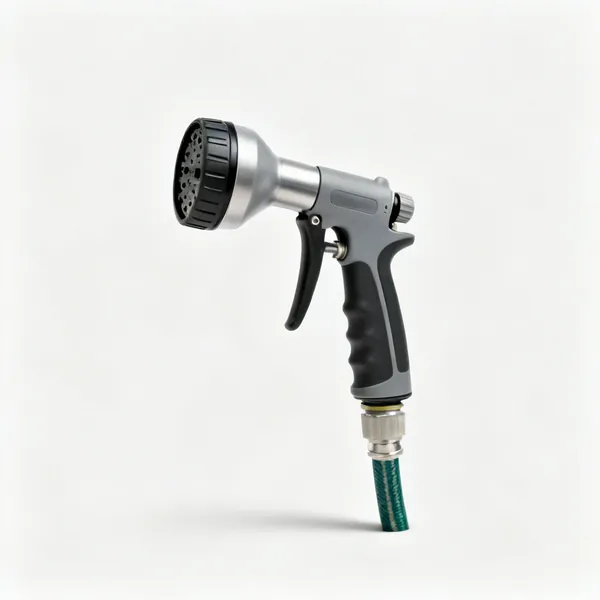
  • Hose for testing: A garden hose with a spray nozzleEssential

    Hose for testing

    Water down the roof is the only real test of a repair. Do it before you take the scaffold down, not after.

Measuring & marking 8

Roofs are made of angles, and getting a pitch or a valley angle wrong wastes a lot of material.

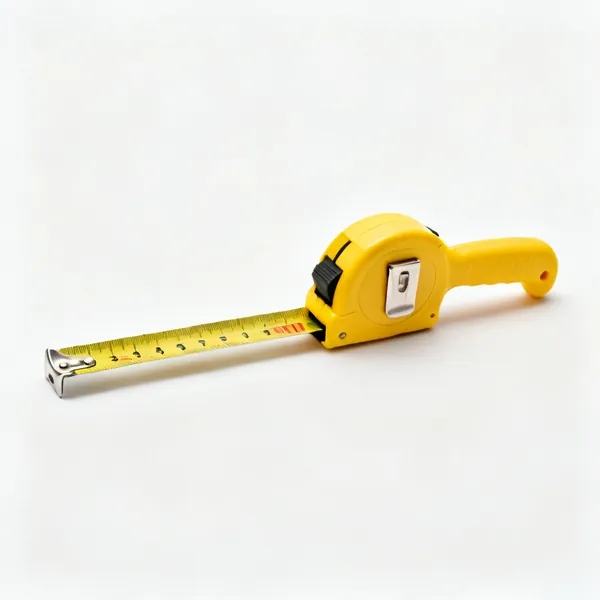
  • A yellow tape measure with a wide bladeEssential

    Tape measure

    Eight metres with a stiff wide blade that stands out unsupported, which is what lets you measure alone on a pitch.

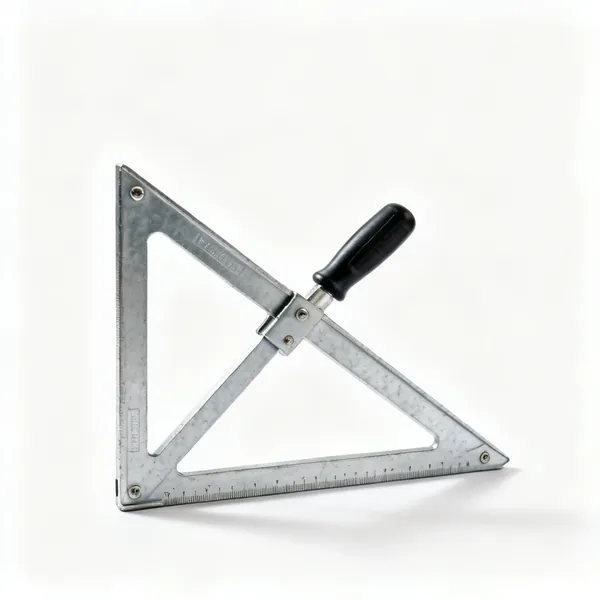
  • Roofing square: A steel roofing framing squareEssential

    Roofing square

    A framing square with rafter tables for marking angles and cuts. The traditional way to set out a roof without trigonometry.

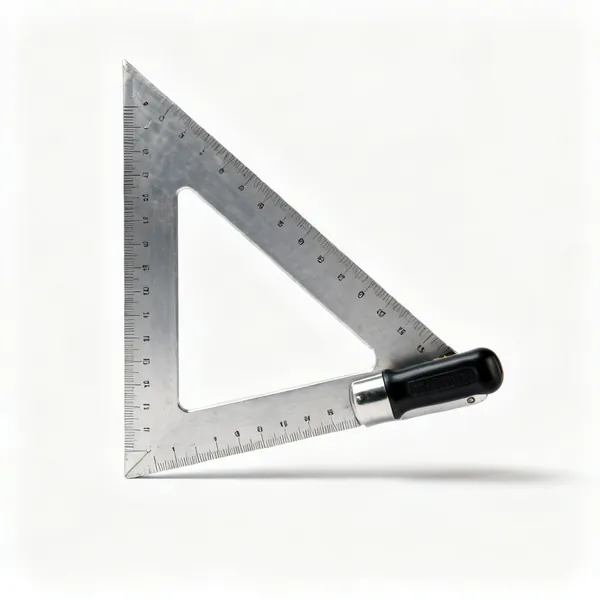
  • A metal speed squareEssential

    Speed square

    Fast angle marking on batten and rafter, and a saw guide. Small enough to live in the nail bag.

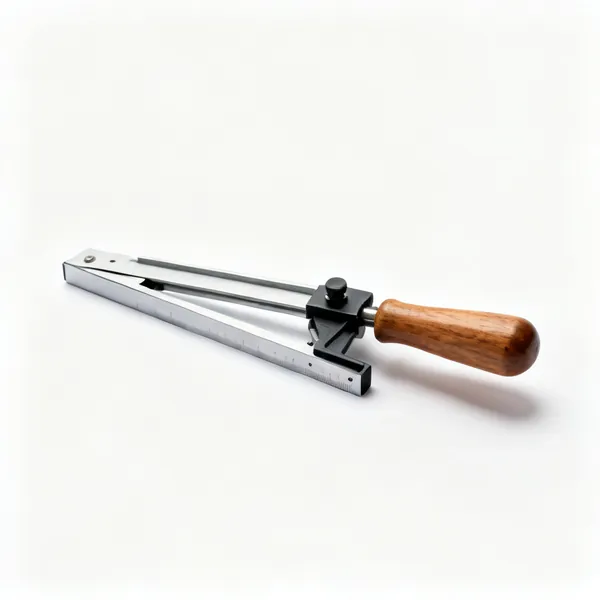
  • A sliding bevel gauge with a wooden handle

    Sliding bevel

    Copies an existing angle and transfers it, which matters on old roofs where nothing is the angle it should be.

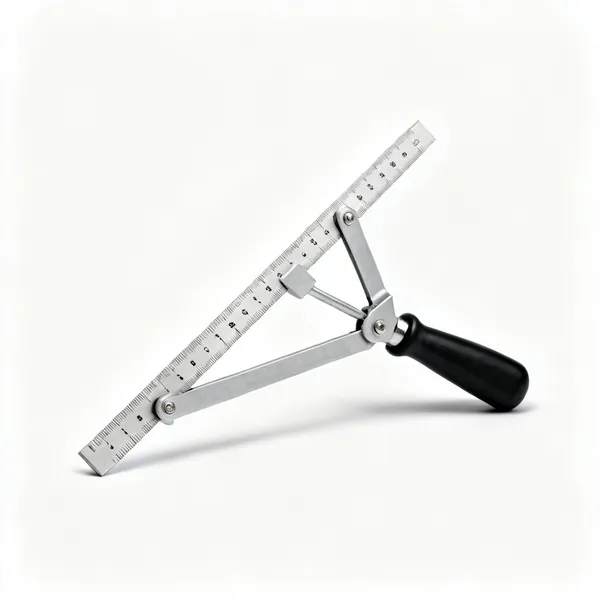
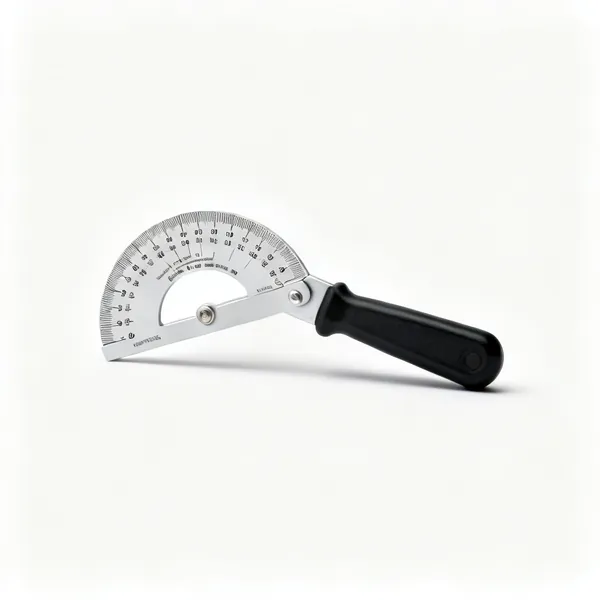
  • Pitch gauge

    Pitch gauge

    Reads a roof pitch directly, which determines minimum headlap and whether a covering is even suitable.

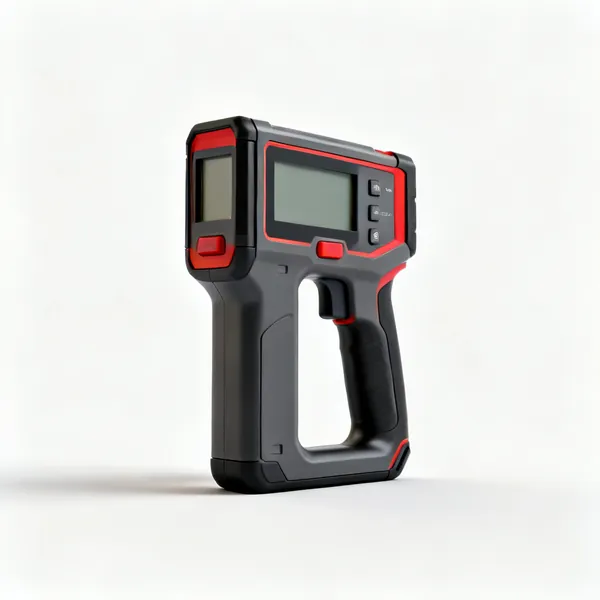
  • Laser measure: A handheld laser distance measure

    Laser measure

    Measures a span or a height from one position, including across a roof you should not walk on.

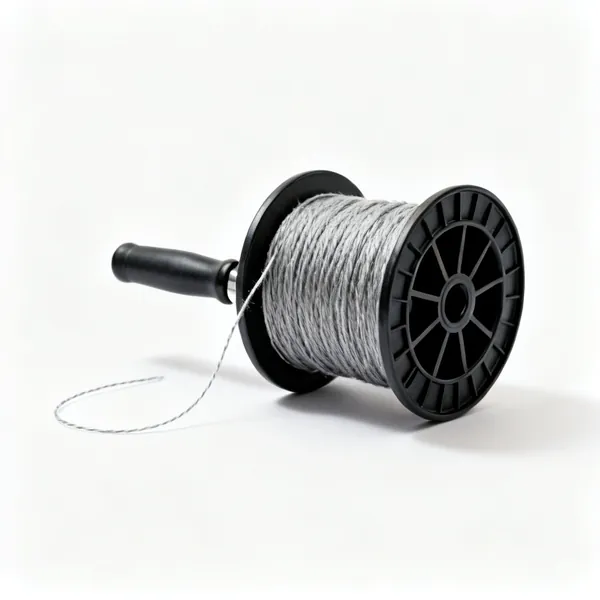
  • A string line reelEssential

    String line

    A reference for a straight verge, ridge or eaves line. Over a long roof, eye alone will always wander.

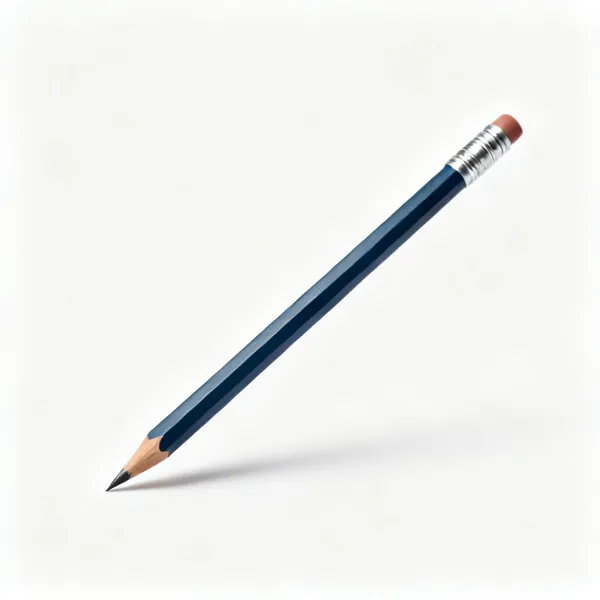
  • Flat carpenter's pencilsEssential

    Carpenter's pencils

    Flat so they do not roll off the roof, with soft lead that marks damp batten. Bought by the box.

Choosing roofing tools

Two decisions matter more than any tool: how you get up there safely, and whether the job is one you should be doing yourself at all.

Getting up there, which is the whole risk

Falls from height cause more serious injuries in roofing than everything else combined, and almost all of them happen at heights people considered manageable. A single storey roof is high enough to break a back.

So the honest first question is whether you should be on the roof at all. Work you can do from a tower or a scaffold with edge protection is reasonable. Work that involves standing on a pitch, near a gutter edge, or on anything wet, brittle or fragile is professional work, and no tool on this page changes that.

If you do go up, the rule is that a ladder is for access and not for working from. Once both hands are busy, you need a platform.

Scaffold or tower with edge protection
Anything more than a quick look wants a proper platform with a guardrail. That is what stops a slip becoming a fall.
A ladder is access, not a workplace
Tied at the top, at about a one in four angle, extending a metre past the landing point, and you climb it rather than work from it.
Never walk on the covering
Slates crack, old tiles shear at the nib, and fibre cement sheets give way without warning. A roof ladder or crawl boards spread the load.
Fragile roofs need boards, not care
Rooflights, asbestos cement and thin sheeting will not take a person. Being careful is not a control measure.
Stop for weather
Wet slate is genuinely like ice, and wind takes a sheet out of your hands and you with it. Roofers come down for good reasons.
Nobody roofs alone
If a fall happens, someone has to be there to call for help. This is the one trade where working alone is a bad idea on its own.

The covering decides the toolkit

Roofing splits into distinct trades that share almost no hand tools. Knowing which one you are doing tells you what to buy.

Pitched tile and slate work is hand tool led: rippers, slate cutters, hammers and a lot of measuring. Flat roofing is heat and adhesive led: torches, rollers and seam tools. Lead and flashing is a craft of its own with dressers, bossing sticks and hardwood tools that you cannot substitute with steel.

Slate wants cutting and holing tools
A slate cutter, a holing tool and a ripper. Slate is worked cold and split rather than sawn, and a saw shatters it.
Tile wants a hammer, a cutter and gauges
Concrete and clay tiles are cut with a disc or a tile cutter and hung to a gauge. Batten spacing is the whole accuracy.
Flat roofing wants heat and rollers
Torch on felt, EPDM or GRP each have their own kit. Heat work on a roof needs a fire plan, not just an extinguisher.
Lead wants wood, not steel
Lead is dressed with hardwood tools that shape it without cutting or thinning it. Steel tools tear it.
Every covering needs flashing tools
Water gets in at junctions, not in the middle of a roof. Flashings and their tools are where the leaks are decided.

Where roofs actually leak

Almost no roof leaks through the middle of a sound covering. Leaks happen at edges, junctions and penetrations: chimneys, valleys, abutments, vents and gutters.

That is why the fiddly detailing tools matter more than the big ones. A perfectly tiled roof with a badly dressed chimney flashing leaks, and the wet patch usually appears a long way from the actual fault.

Chimneys and abutments first
Where a roof meets a vertical wall is the most common failure. Stepped flashing into raked joints, not mortar smeared over the top.
Valleys carry the most water
Two roof planes drain into one line, so a valley handles far more water than any other part and fails hardest when wrong.
Mortar is not a waterproof detail
Mortar fillets crack within a few winters. Anywhere a fillet is doing flashing's job, that is the next leak.
Check the gutters before the roof
A blocked or back falling gutter overflows against the wall and gets blamed on the roof. Cheapest thing to rule out first.
Water travels before it drips
It runs along battens and rafters, so the stain inside is rarely under the hole. Trace it uphill.

What to buy first, in order

Stage one: access and protection
A roof ladder, crawl boards, a hard hat, gloves, safety boots with grip, knee pads and eye protection. Plus a tarpaulin and battens, because an open roof and rain is the emergency you must be ready for.
Stage two: stripping and repair
A slate ripper, a claw hammer, a wrecking bar, a bolster, a bucket on a rope and rubble sacks. This covers finding and fixing a fault.
Stage three: recovering a pitch
A slate cutter and holing tool or a tile cutter, a roofing hammer, a chalk line, a gauge rod, a felt knife, a nail bag and a lot of clips and nails.
Stage four: lead and flat work
Lead dressers, a bossing stick, a chase wedge and a lead knife. For flat roofs, a torch and roller, or a GRP kit, and a fire watch plan.

Mistakes that cause leaks or falls

Working off a ladder with both hands busy
The single most common cause of a roofing fall. The moment you need two hands, you need a platform.
Walking on the covering
Cracked slates and sheared tile nibs leak months later, so the damage is invisible on the day you cause it.
Mortar fillets instead of flashings
They look tidy and crack within a few winters. Every mortar fillet on a roof is a leak with a delay on it.
Nailing slates too tight
A slate needs to hang and move slightly. Nailed hard it cracks around the hole at the first thermal movement.
Wrong nails
Steel nails in a damp roof rust away and the covering slides off in twenty years. Copper or aluminium for slate, and it matters.
Getting the gauge wrong
Batten spacing sets the headlap. Too wide and the roof leaks under wind driven rain even though every tile is intact.
Stripping more than you can cover
Weather turns. Strip only what you can make watertight the same day, and have the tarpaulin ready before you start.

Looking after roofing tools

Everything on a lanyard or in a bag
A dropped tool from roof height is lethal to whoever is below and it is gone. Tethered, or in a closed bag.
Keep lead tools clean and dry
Boxwood dressers pick up grit which then scores the lead. A wipe, and never left out overnight.
Dry steel tools the same day
Roofing tools get rained on and then live in a van. A wipe with an oily rag is the difference between five years and twenty.
Check the roof ladder's wheels and hook
The wheels let it run up the slope and the hook is what holds it at the ridge. Both are safety critical and both wear.
Sharpen the slate cutter
A blunt cutter crushes the edge instead of shearing it, so slates break. It is a shearing edge and it needs to stay one.
Inspect harnesses and replace on date
Webbing degrades in sunlight whether used or not. There is a date on it, and it is not advisory.

Frequently asked questions

What roofing tools do I need to start?
Safe access first: a roof ladder, crawl boards, a hard hat, gripping boots, gloves and eye protection, plus a tarpaulin and battens for weather. Then a slate ripper, a claw hammer, a wrecking bar and a bucket on a rope covers finding and fixing most faults.
Is roofing work I should do myself?
Small repairs reachable from a tower or scaffold with edge protection are reasonable. Anything that means standing on a pitch, working near a gutter edge, or being on a wet or fragile roof is professional work, because falls from single storey height are enough to cause permanent injury.
Can I walk on my roof?
Not on the covering. Slates crack, older tiles shear at the nib and fibre cement sheets fail without warning, and the damage often only leaks months later. Use a roof ladder or crawl boards to spread your weight across the structure.
What is a slate ripper used for?
Removing a broken slate without disturbing the ones around it. The thin blade slides up under the slate, hooks the fixing nail, and shears it with a downward blow. There is no other way to do it from outside.
What is the difference between a roof ladder and a normal ladder?
A roof ladder has wheels so it can be pushed up the slope from the gutter, and a hook that goes over the ridge to hold it. It then lies on the roof and spreads your weight, where a normal ladder would concentrate it and slide.
Why do roofs leak at chimneys rather than in the middle?
Because the middle of a sound covering sheds water easily. Leaks happen at junctions and penetrations where two surfaces meet, and those need correctly dressed flashings. A mortar fillet in place of a flashing is the most common cause.
Can I use mortar instead of lead flashing?
It is a temporary fix at best. Mortar fillets crack within a few winters because they cannot flex with the movement between roof and wall, and once cracked they channel water inwards. Stepped lead into raked joints is the proper detail.
What nails should I use for slates?
Copper or aluminium. Steel nails, even galvanised ones, rust away in the damp environment under a roof, and eventually the slates slide off even though the slates themselves are sound. The nail is the part that fails.
How do I find the source of a roof leak?
Trace uphill from the stain, because water runs along battens and rafters before it drips. Check the gutters first since an overflowing gutter is often blamed on the roof, then check junctions, flashings and penetrations before the covering itself.
What tools are used for lead flashing?
Hardwood ones. Lead dressers, a bossing stick and a chase wedge shape lead without cutting or thinning it, which steel tools do. Add a lead knife for cutting and a plugging chisel for raking out the joint the flashing steps into.
What is a gauge rod for in roofing?
Setting the batten spacing so every course has the correct headlap. Get the gauge wrong and the roof leaks under wind driven rain even though every single tile is intact, which is a fault no amount of good workmanship elsewhere fixes.
How much of a roof should I strip at once?
Only what you can make watertight the same day, and have the tarpaulin and battens ready before you lift the first tile. An open roof and an overnight downpour causes more damage inside the building than the original fault ever did.
What tools do roofers carry on every job?
Access and safety equipment first, then a slate ripper, a hammer, snips, a trowel, a bolster, a gauge rod and a knife. That covers a repair visit. Anything beyond it, such as lead bossing tools or seaming tools, comes out only when that specific detail is being worked on.
What are the essential roofing tools needed for a repair rather than a new roof?
A ladder with a stand-off, a roof ladder, a slate ripper, replacement slate hooks or tingles, a hammer, a trowel and sealant. Most repairs are one slipped or cracked unit, or a failed flashing, and neither needs the stripping and setting out kit a new roof does.